

Ideogram
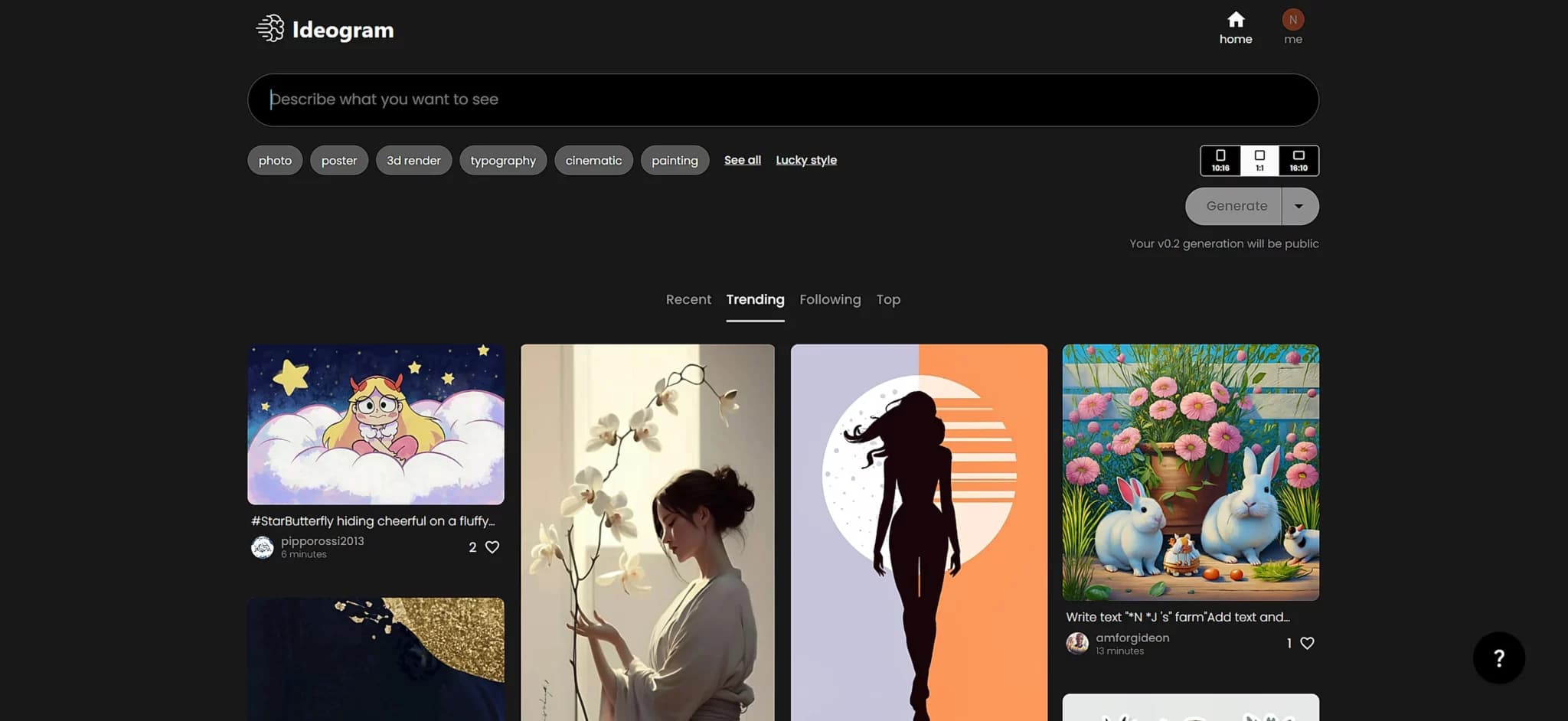
Neural network for generating images from text descriptions, specializing in creating pictures with high-quality readable text.
Overview
Ideogram
Description of the Ideogram neural network
Ideogram is a neural network for generating images from text descriptions, developed by the Canadian company Ideogram, founded by former Google Brain and University of Toronto researchers. The service's main feature is its ability to create images with clearly readable text (rendering accuracy is estimated by developers at 90–95%), which sets it apart from most other image generators.
The tool is suitable for creating logos, posters, covers, advertising layouts, packaging, product cards, and other visual materials that require text. Version 4.0 focuses on precise prompt adherence, careful typography, and extensive options for editing the result after generation.
Ideogram Features
| Characteristic | Value |
|---|---|
| Type | Image generator |
| Categories | Image generation, Design assistants and layouts, Advertising creatives, Illustrations and art |
| Version | 4.0 |
| Platforms | Web application, API, MCP, open model weights |
| Interface languages | Russian is not supported in the interface |
| Free tier available | Yes (Free with limitations) |
| Developer | Canadian company Ideogram (former Google Brain, University of Toronto researchers) |
| Page rating | 4.4 / 5.0 |
| Editor's rating | 8.3 out of 10 |
Who is Ideogram suitable for?
Designers and marketers
Professional designers can use Ideogram to quickly create visual concepts, find references, and generate starting layout options. Marketers can quickly test ad creatives, covers, and banners without constantly taking a designer away from draft work.
Entrepreneurs and SMM managers
Business owners and social media specialists can independently create quality logos, posters, and images for social media without experience in graphic design. The simple interface and straightforward generation process make the tool accessible to non-professional users.
Developers and product teams
Thanks to the API and open model weights, Ideogram is suitable for automating creative generation, integrating into existing products, and running experiments. Developers can connect the neural network to their services for serial image generation.
How to use Ideogram?
Via the web interface
The user enters a text description (prompt), selects a style, frame format, and generation mode, and then receives several ready-made image variants. No special skills are required — you just need to describe what you want to get.
Via API and MCP
Developers can connect programmatically through the API and the MCP (Model Context Protocol), making it possible to embed image generation into their own applications and automate visual content creation.
Using open weights
The company publishes the open weights of Ideogram 4 for local experiments and research. This makes it possible to run the neural network on your own hardware, but the open weights are distributed under a non-commercial license.
Key Ideogram features
Image generation with readable text
The service's key function is creating images with accurate text rendering. The neural network handles short slogans, signs, multi-line captions, and typography well, which is critical for posters, logos, and advertising layouts.
Canvas, Magic Fill, and Extend
Ideogram Canvas provides an environment for editing and composing images. Magic Fill lets you edit specific areas of an image, while Extend expands the image beyond its original boundaries and adapts it to different formats. Background removal and result enhancement are also available.
Style Reference and Character Reference
Style Reference helps maintain a consistent visual style in serial image generation. Character Reference makes it possible to create recurring characters with a recognizable appearance — useful for illustrations and content featuring the same heroes.
Ideogram advantages
Quality typography
The main advantage of Ideogram over universal generators is its strong handling of text. The model creates text inside the composition rather than simply placing it over the image. This produces a more usable starting result for posters, advertising layouts, and marketing materials.
Simple and intuitive interface
The service is accessible to users without graphic design experience. To get a result, you just describe the desired image in text — the neural network interprets the request on its own and offers ready-made variants.
Flexible refinement options
Canvas, Magic Fill, and Extend allow you not only to generate images but also to edit them after creation: remove backgrounds, fix specific areas, expand the frame, and change the prompt to refine the result.
Ideogram disadvantages
Free plan limitations
The free tier is heavily limited in generation speed (it uses slow credits) and features. Private image generation is only available on paid plans, which can be inconvenient for confidential projects.
Inaccuracies in complex layouts
Complex layouts and multilingual text may require multiple generation attempts. Letter errors can still occur, especially with small text elements or non-standard fonts. The service does not replace professional layout and final file preparation.
Open weights license limitations
Ideogram 4 open weights are distributed under a non-commercial license, which limits their use in commercial projects and products.
What tasks does Ideogram solve?
Creating posters, covers, and advertising creatives
The tool lets you quickly generate visual foundations for print and digital advertising, book and magazine covers, ad banners, and other materials where the combination of image and text matters.
Creating logos and packaging
Ideogram is suitable for developing logos, packaging design, and merch — tasks that require placing names, slogans, and other text elements within the composition.
Creating product cards and social media illustrations
The service helps generate images for online stores, product cards, as well as illustrations and visual concepts for social media, blogs, and content projects.
Automated creative generation via API
Automation is available for product teams: using the API, you can set up serial image generation according to specified templates and prompts, speeding up high-volume content production.
Ideogram pricing
The service uses a freemium model. A free plan (Free) is available with slow credits and no private image generation. Paid plans include:
- Plus — $20/month or $180/year
- Pro — $60/month or $504/year
- Team — from $30 per user per month (minimum 2 members); with annual billing — $20 per user per month
The Basic plan is no longer sold to new users.
Ideogram terms of use
Registration is required to use the service. The free plan is limited in generation speed and available features. Private image generation (without publishing to the shared feed) is only available on paid plans. Ideogram 4 open weights are published under a non-commercial license, which should be considered when planning to use the model in your own projects.
Ideogram availability
Ideogram is available through a web interface, desktop PCs, and API. The interface does not support Russian, but the service can process requests in Russian. Availability information varies by source; it is recommended to check the current access status at the time of use.
How Ideogram differs from alternatives
The main difference between Ideogram and other text-to-image services is quality typography. The model handles captions, short slogans, signs, and multi-line text elements significantly better than universal image generators. Letter errors are still possible, but for posters, logos, and marketing layouts, Ideogram often provides a more usable starting result. An additional advantage is the availability of Style Reference, Magic Fill, Canvas, and Character Reference, which provide flexibility in refinement and serial generation.
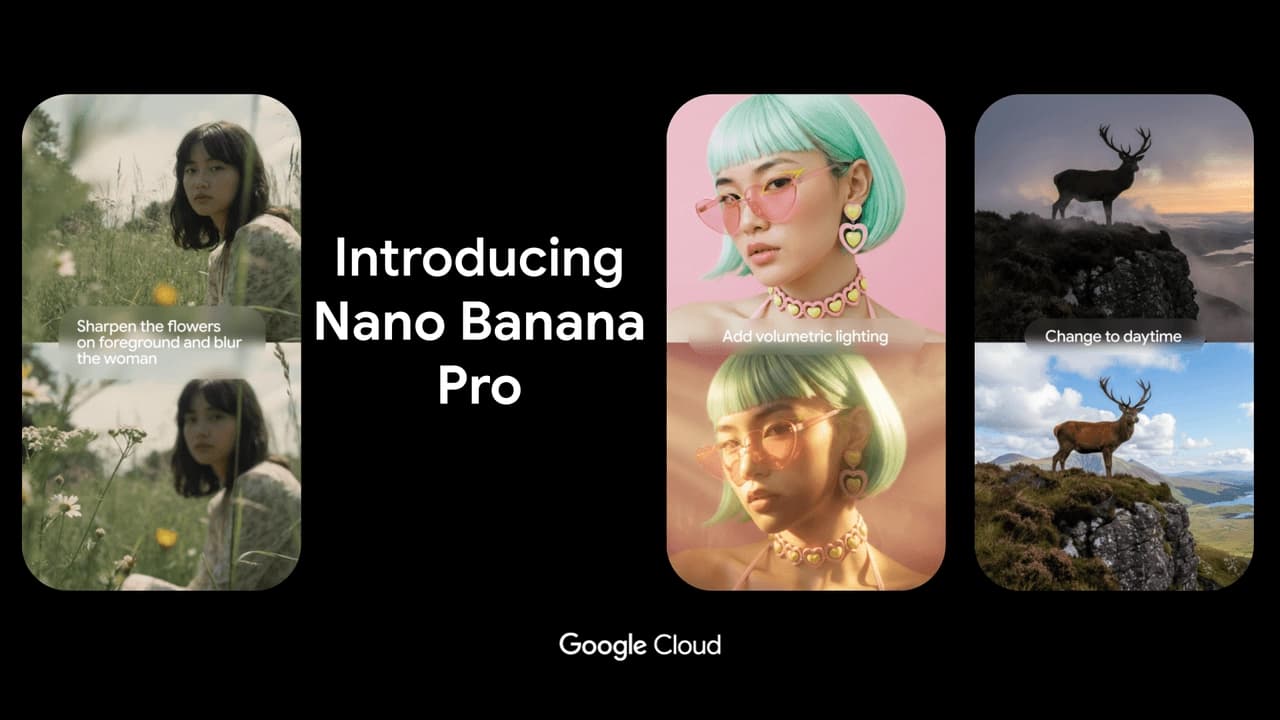
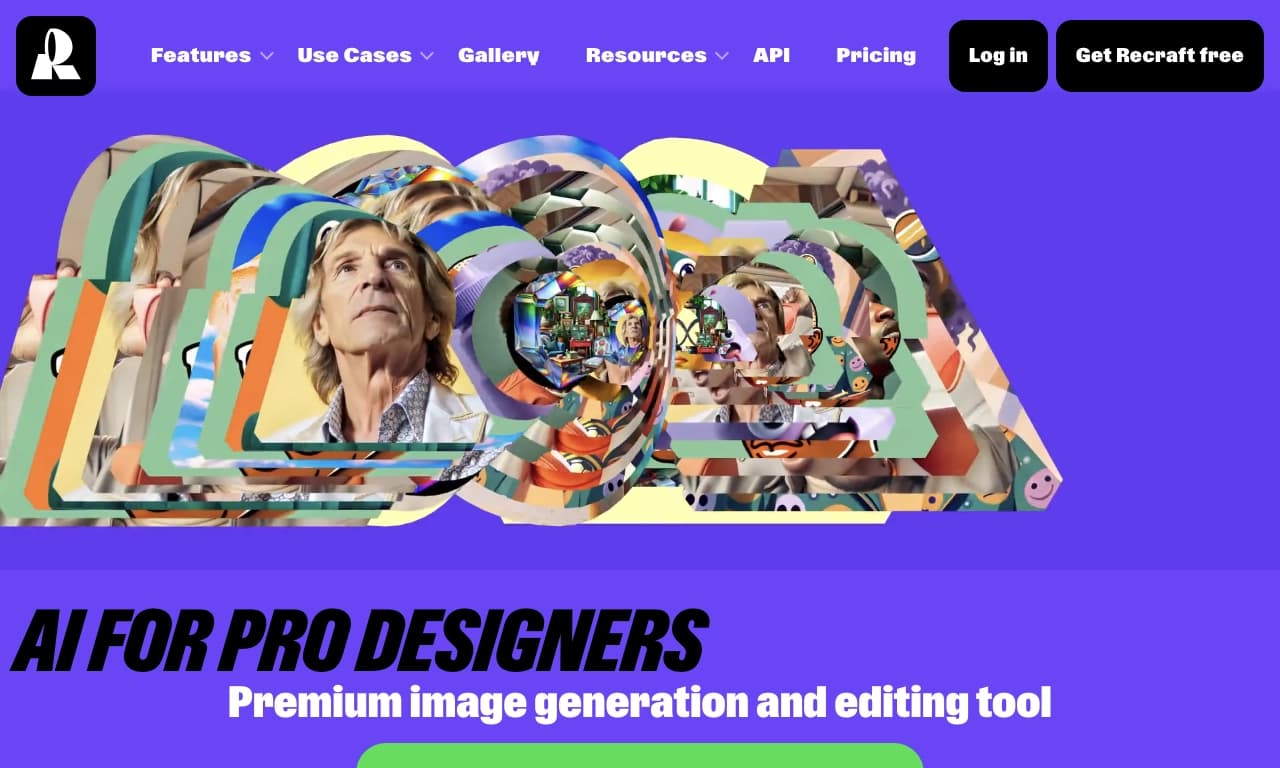
Among the closest alternatives are Reve, Nano Banana Pro, Recraft, as well as Designs.ai, Minecraft Skin Generator, TattooGPT, Chad AI, and Qwen, but none of them offers the same level of text rendering accuracy as Ideogram.
Conclusion
Ideogram AI is a powerful image generator for tasks where text, composition, and advertising presentation matter. It does not fully replace a designer, but it significantly speeds up finding a visual direction and creating quality foundations for posters, logos, advertising layouts, and covers. The tool suits both professionals (designers, marketers, developers) and users without graphic design experience who need to quickly get a visual result with readable captions.
Pricing
Frequently asked questions
Similar AI tools






See also
AI assistant for creating and optimizing ad campaigns in the Meta ecosystem.

Generative platform for creating realistic images and short videos from text or images with control over style and camera movement.

Universal AI platform for marketing automation, combining text, image, video, and landing page generation tools with chatbots in a single interface.
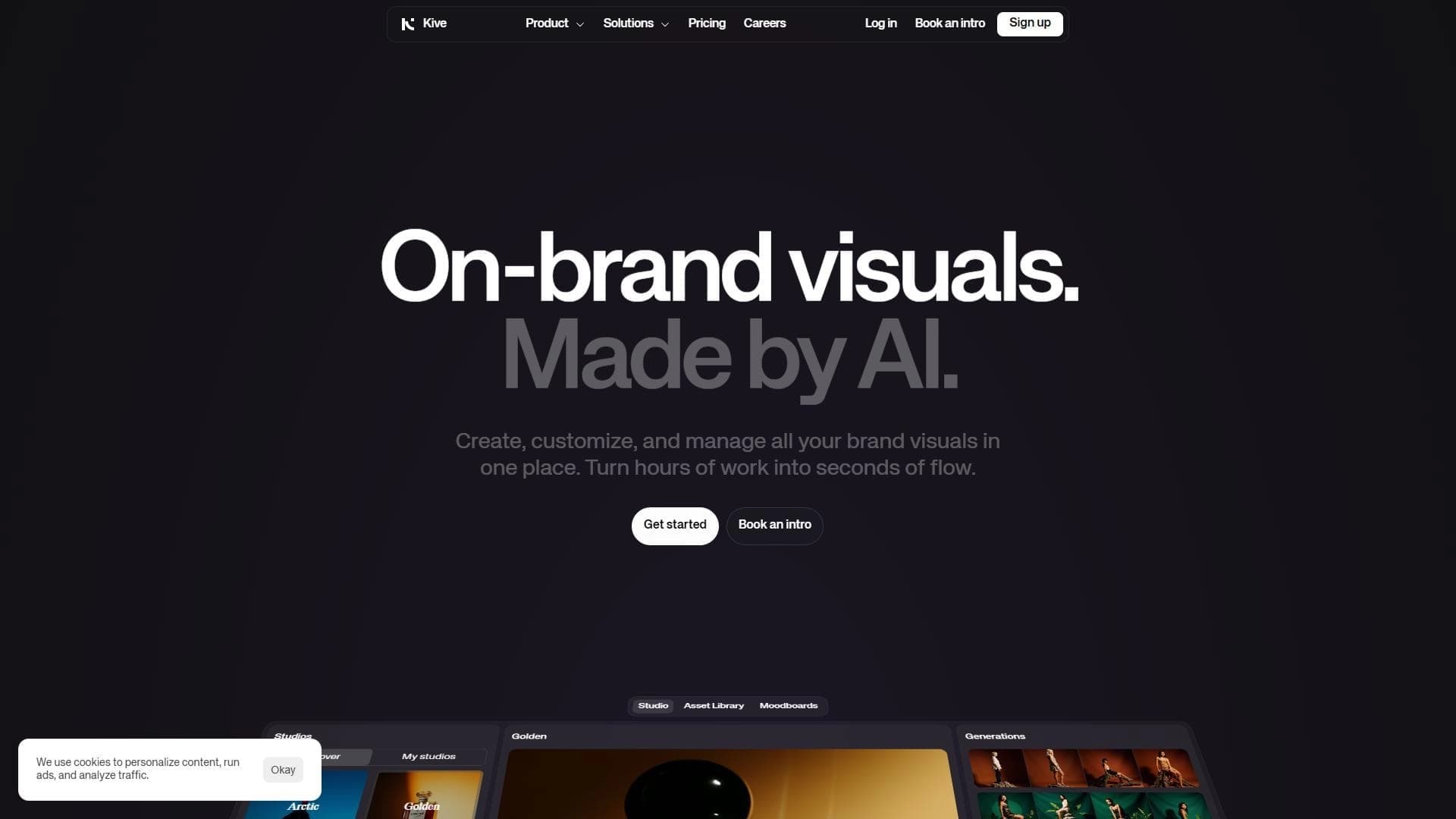

AI platform for creating visual content and brand materials, including images, videos, and presentations.


AI tool for generating Google Ads headlines and ad descriptions with character limit awareness.
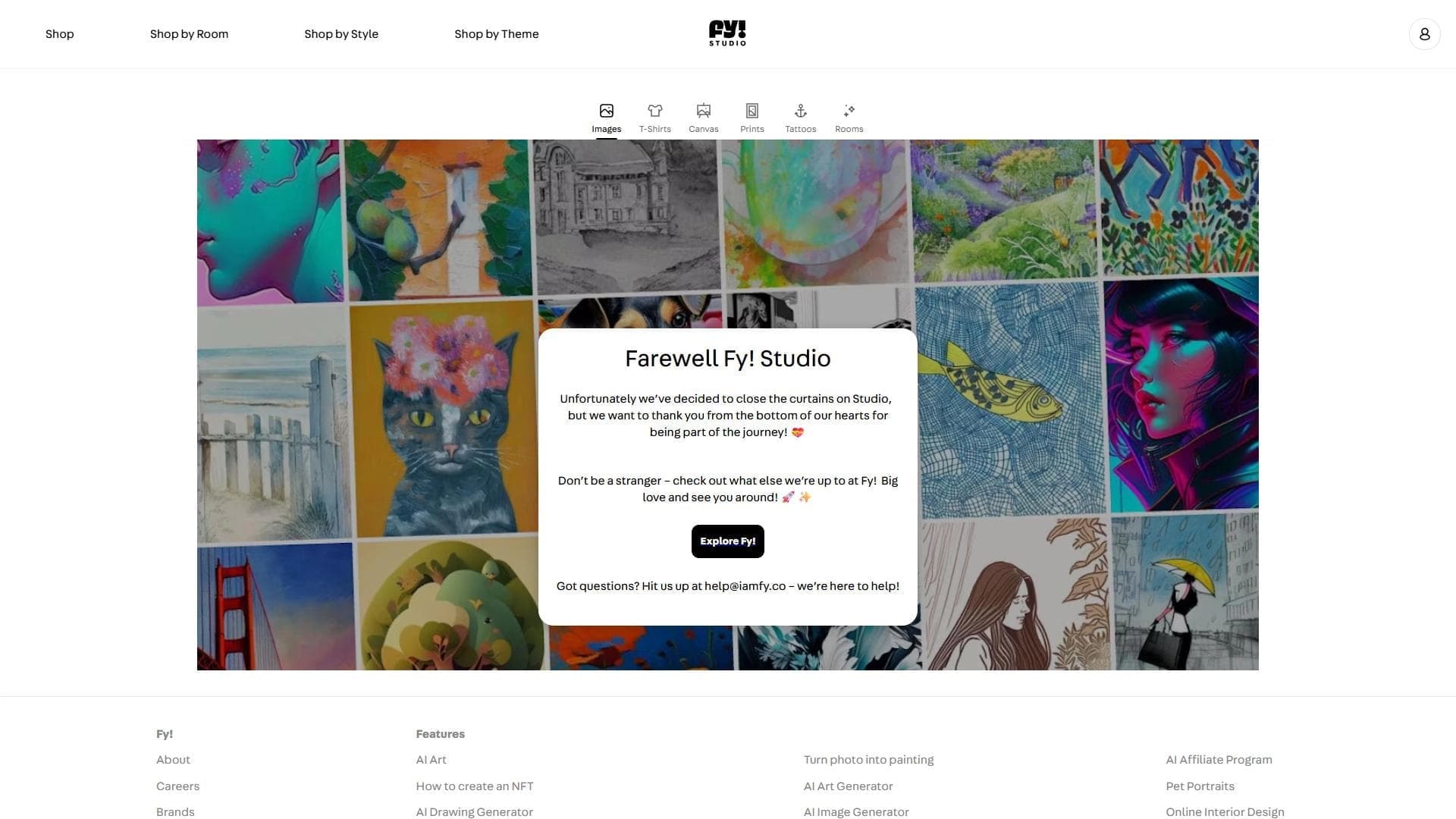
Cloud-based AI image generation platform that requires no graphic design skills.

Platform from CapCut (ByteDance) for generating and editing images and videos using AI.
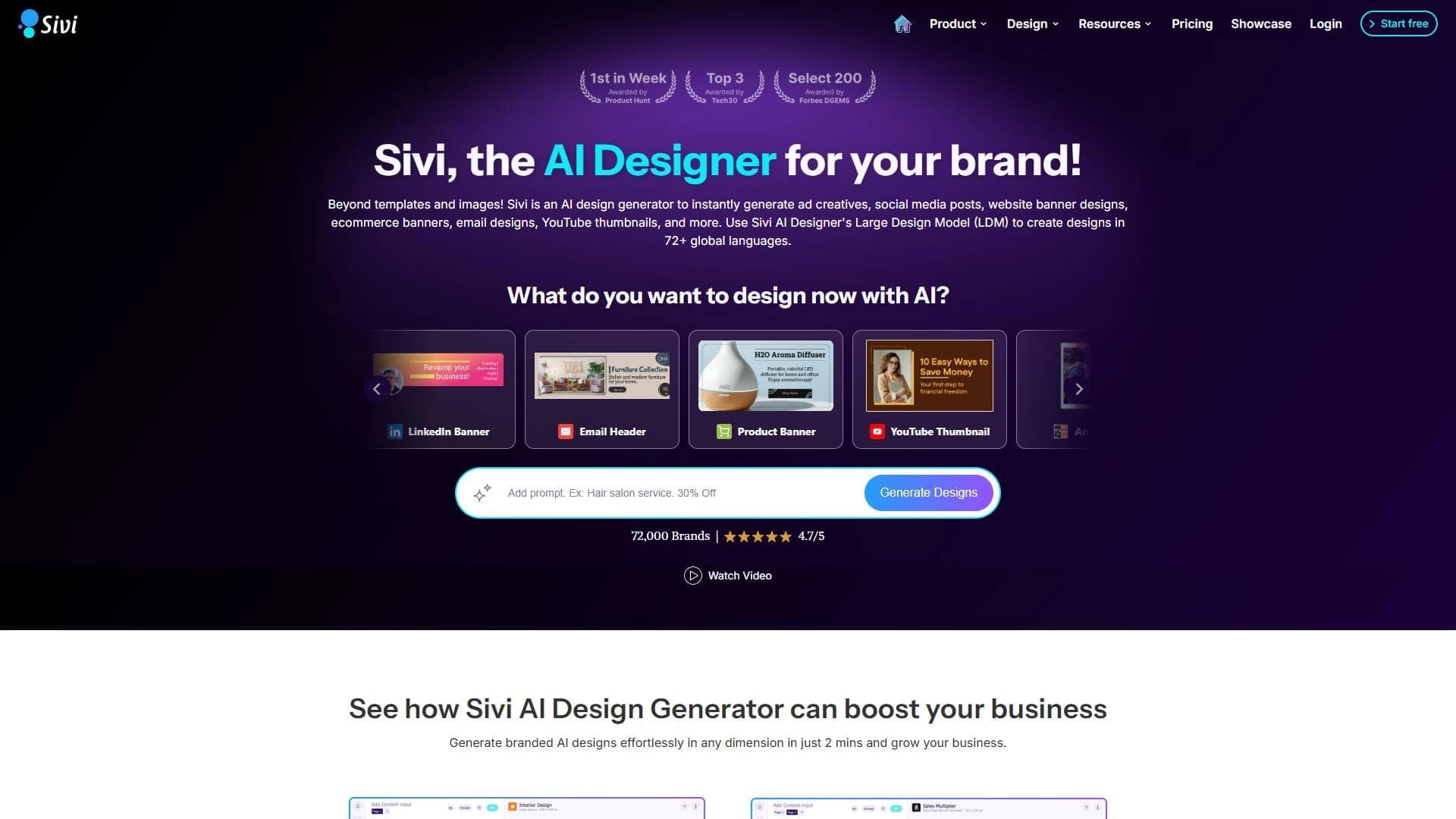

Sivi is an AI tool that generates ready-made banners, ad creatives, and other graphic design from a text description.