
Hume AI
Платформа для создания эмоционально интеллектуальных голосовых интерфейсов и анализа человеческих выражений.
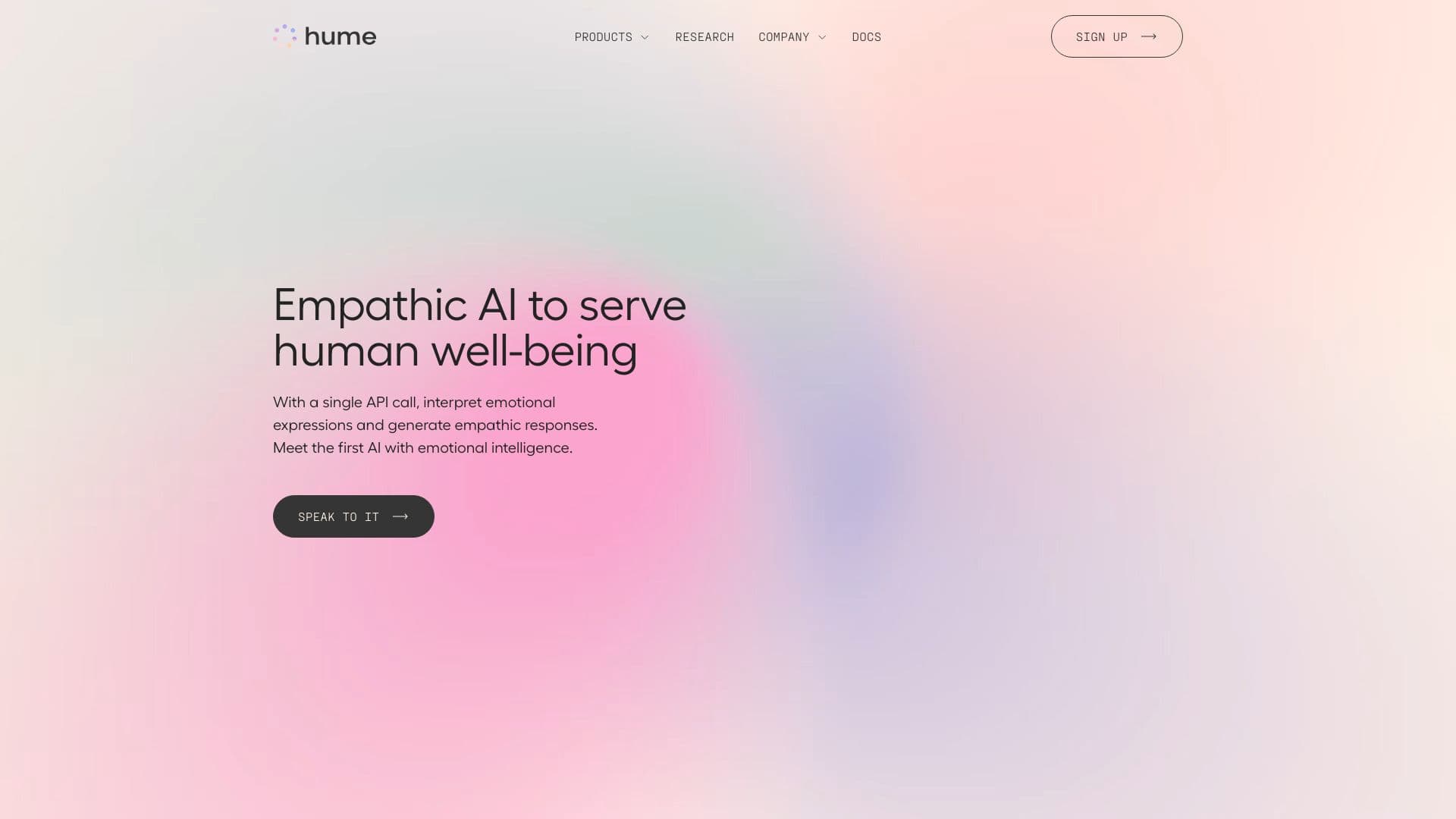
Обзор
Hume AI
Описание нейросети Hume AI
Hume AI — это платформа, разрабатывающая мультимодальные модели искусственного интеллекта с фокусом на эмоциональный интеллект. Компания, основанная в 2021 году в Нью-Йорке Аланом Коуэном, создаёт ИИ-системы, способные распознавать и воспроизводить эмоциональные нюансы в голосе, мимике и тексте. В мае 2025 года вышел последний мажорный релиз — EVI 3.
Основные продукты платформы включают эмпатический голосовой интерфейс EVI (Empathic Voice Interface), систему синтеза речи Octave TTS, а также API для анализа эмоций и создания пользовательских моделей с минимальным объёмом кода. Платформа предназначена для создания эмоционально интеллектуальных голосовых интерфейсов и анализа человеческих выражений.
Характеристики Hume AI
| Характеристика | Значение |
|---|---|
| Тип | Мультимодальная ИИ-платформа с эмоциональным интеллектом |
| Категории | Голосовые ассистенты, Распознавание речи, Текст в речь, Психическое здоровье, API и интеграции |
| Разработчик | Hume AI, Inc. (Нью-Йорк) |
| Основатель | Алан Коуэн |
| Год основания | 2021 |
| Последний релиз | EVI 3 (май 2025) |
| Поддерживаемые языки | Английский, испанский (дополнительно семь языков для модели TADA) |
| Язык интерфейса | Английский (русский не поддерживается) |
| Модель оплаты | Бесплатно + от $0.102 |
| Доступность | WEB, не требует VPN |
Для кого подходит нейросеть Hume AI?
Разработчики и интеграторы
Платформа предназначена для разработчиков голосовых интерфейсов, создателей голосовых ассистентов и специалистов по интеграции ИИ-решений. Наличие SDK для Python, TypeScript и React упрощает встраивание эмоционального интеллекта в существующие приложения.
Бизнес и клиентский сервис
Компании, работающие в сфере медицины, финансов, образования и клиентского обслуживания, где критично точное понимание эмоционального состояния собеседника и низкий уровень галлюцинаций, найдут Hume AI полезным инструментом для построения эмпатичных чат-ботов и голосовых помощников.
Медиа, образование и психология
Создатели контента, специалисты по озвучке, игровые студии, а также психологи и медицинские работники могут использовать платформу для выразительной озвучки, анализа настроения пациентов по голосу и создания персонализированных образовательных сценариев.
Как использовать нейросеть Hume AI?
Начало работы через демо-площадку
Для знакомства с платформой не требуется навыков программирования. Начать можно через демо-площадку EVI Playground, мобильное приложение или сайт demo.hume.ai. Это позволяет протестировать возможности эмоционального голосового интерфейса без написания кода.
Интеграция через API и SDK
Для полноценного использования Hume AI предоставляет SDK для Python, TypeScript и React. Также доступны инструменты кастомизации голоса через текстовые инструкции. Платформа позволяет создавать пользовательские модели с низким уровнем кодирования, используя трансферное обучение на основе современных моделей измерения экспрессии.
Использование модели TADA
Модель TADA с открытым исходным кодом доступна для скачивания и локального развертывания. Код, обученные модели и демо доступны на GitHub. Модель достаточно лёгкая для работы на телефоне или встраиваемом устройстве без облачных вычислений.
Основные функции Hume AI
Empathic Voice Interface (EVI)
Голосовой ИИ, который распознаёт эмоции в реальном времени и отвечает с соответствующей интонацией. Задержка составляет менее 300 мс. EVI знает, когда говорить, а когда слушать, умеет прерываться, если его перебивают, и использует тон голоса собеседника для современного обнаружения конца фразы. Система понимает естественные повышения и понижения высоты и тона голоса, передающие смысл вне значений слов.
Octave TTS — синтез речи с эмоциональным интеллектом
Система синтеза речи, способная создавать голоса по 5-секундной записи или текстовому описанию. Octave TTS генерирует правильный тон голоса для естественной, выразительной речи. Поддерживается клонирование голоса и стиля общения, изменение тембра и интонации.
Expression Measurement API
API для анализа эмоций по речи, тексту и мимике с сотнями измеримых параметров. Система, созданная на основе более чем 10 лет исследований, мгновенно улавливает нюансы выражений: смех с оттенком неловкости, вздохи облегчения, ностальгические взгляды и многое другое.
Синхронная токенизация TADA
Модель TADA обеспечивает уникальную синхронную токенизацию: один текстовый токен соответствует одному акустическому вектору. Это решает проблему несоответствия между текстовыми и акустическими токенами в системах синтеза речи. Модель вмещает в контекст 2048 токенов, что соответствует примерно 700 секундам аудио (вместо обычных 70).
Преимущества Hume AI
Эмоциональный интеллект в реальном времени
В отличие от технически развитых, но эмоционально холодных голосовых помощников (Siri, Alexa), Hume AI ориентирован на распознавание и воспроизведение эмоций. Модели, обученные на многолетних исследованиях, способны улавливать тонкие эмоциональные нюансы в аудио, видео и изображениях.
Высокая скорость и низкая задержка
Эмпатический голосовой интерфейс работает с задержкой менее 300 мс. Модель TADA генерирует речь с коэффициентом реального времени 0,09, что в пять раз быстрее аналогов. Это обеспечивает плавное и естественное голосовое взаимодействие.
Приватность и работа на устройстве
Модель TADA способна работать локально на телефоне или встраиваемом устройстве без облачных вычислений. Это обеспечивает приватность данных, отсутствие зависимости от API и низкую задержку. Кроме того, модель демонстрирует нулевой уровень галлюцинаций на тестовой выборке из тысячи образцов.
Лёгкая кастомизация
Платформа предоставляет инструменты для настройки голосов и характеров через текстовые инструкции. API пользовательской модели может предсказывать практически любой результат более точно, чем просто язык, благодаря трансферному обучению на основе современных моделей измерения экспрессии.
Недостатки Hume AI
Языковые ограничения
На данный момент платформа поддерживает только английский и испанский языки. Интерфейс также не имеет русскоязычной версии. Для русского языка модель TADA не поддерживается в текущей версии.
Сложность полноценного использования
Для получения максимальной функциональности необходима API-интеграция. Простые задачи синтеза речи могут быть избыточно сложны при использовании Hume AI. Кроме того, ценовая политика компании не является полностью прозрачной.
Ограничения модели TADA
При генерации речи длительностью более 10 минут иногда возникает дрейф голоса. При одновременной генерации текста и речи качество языка может снижаться (проблема решена не до конца). Текущая версия обучена только на продолжении речи, поэтому для использования в качестве ассистента требуется дополнительная настройка.
Какие задачи решает Hume AI
Выразительная озвучка и сторителлинг
Платформа подходит для создания выразительной озвучки роликов, подкастов и длинных повествований. Модель TADA специально оптимизирована для длинных диалогов и многошаговых голосовых интерфейсов.
Эмпатичное обслуживание клиентов
Hume AI позволяет создавать виртуальных ассистентов и чат-ботов, способных адаптировать стиль общения под эмоциональное состояние собеседника. Это повышает качество клиентского опыта в колл-центрах и сервисах поддержки.
Анализ эмоций и улучшение коммуникации
Платформа предназначена для анализа эмоций по голосу, тексту и мимике. Это востребовано в психологии, здравоохранении для анализа настроения пациентов, а также в образовании для создания адаптивных виртуальных учителей.
Игровые персонажи и виртуальная реальность
Создание игровых персонажей с характером и эмоциями, способных реагировать на действия игрока, а также персонализированные ИИ-помощники для напоминаний и наставлений — ещё одна область применения платформы.
Цены Hume AI
Модель оплаты Hume AI включает бесплатный тариф и платные подписки, начиная от $0.102. Для модели TADA (открытый исходный код) предлагается бизнес-модель, предполагающая связь с разработчиками для уточнения цен. Конкретные тарифные планы и их содержимое не раскрываются полностью, поэтому рекомендуется обращаться к разработчикам для получения актуальной информации.
Условия использования Hume AI
Модель TADA распространяется с открытым исходным кодом. Код и обученные модели доступны для скачивания и использования. Однако для применения в качестве ассистента требуется дополнительная настройка. Для использования коммерческих продуктов Hume AI (EVI, Octave TTS, API) необходимо ознакомиться с условиями лицензионного соглашения, предоставляемого при регистрации на платформе.
Доступность Hume AI
Платформа доступна через WEB и не требует использования VPN. Интерфейс выполнен на английском языке, русский язык не поддерживается. Модель TADA с открытым исходным кодом доступна для скачивания — код, обученные модели и демо опубликованы на GitHub. Модель поддерживает английский и семь дополнительных языков, работает локально на телефоне или встраиваемом устройстве. Основные продукты Hume AI поддерживают английский и испанский языки.
Чем отличается Hume AI от аналогов
Главное отличие Hume AI — ориентация на эмоциональный интеллект, а не просто на технические характеристики синтеза речи. Платформа превосходит решения OpenAI и Google по естественности речи и способности улавливать эмоциональные нюансы в голосе, мимике и тексте. В отличие от технически развитых, но эмоционально холодных голосовых помощников (Siri, Alexa), Hume AI понимает контекст и тон общения.
Дополнительно, модель TADA отличается от аналогов синхронной токенизацией (один текстовый токен — один акустический вектор), что даёт высокую скорость (в пять раз быстрее аналогов), нулевой уровень галлюцинаций и возможность работы на устройстве без облачных вычислений.
Заключение
Hume AI — это платформа для создания эмоционально интеллектуальных голосовых интерфейсов, предназначенная для сценариев, где важна эмоциональная вовлечённость. Основные продукты включают эмпатический голосовой интерфейс EVI, систему синтеза речи Octave TTS, API для анализа эмоций и открытую речевую модель TADA. Благодаря мультимодальному подходу и фокусу на эмоциональном интеллекте, платформа подходит для разработчиков, бизнеса, медиа и психологов. TADA, в свою очередь, решает проблему несоответствия текста и аудио в синтезе речи, обеспечивая высокую скорость, нулевой уровень галлюцинаций и возможность работы на устройствах без облака. Для простых задач TTS платформа может быть избыточна, однако для построения эмпатичного голосового взаимодействия Hume AI представляет собой одно из наиболее развитых решений на рынке.
Часто задаваемые вопросы




Смотрите также

Многофункциональная платформа для создания и редактирования медиаконтента с помощью искусственного интеллекта.

Сервис для автоматической расшифровки аудио и видео в текст с поддержкой более 100 языков.

Платформа-агрегатор, объединяющая различные AI-инструменты и языковые модели с оплатой только за фактическое использование.

Сервис для быстрой генерации электронных книг по заданной теме.

Мультимодальный голосовой ассистент Яндекса на базе нейросети YandexGPT, который отвечает на вопросы, генерирует тексты и изображения, анализирует файлы и управляет умным домом.


Видеоредактор с нейросетевой поддержкой для монтажа видео на Windows и Mac.

AI-агент для автоматизации рутинных действий в браузере, таких как заполнение форм и сбор данных.

Платформа для бухгалтеров, объединяющая управление задачами, обмен файлами и общение с клиентами в одном интерфейсе.