

Dify.AI
An open platform for building and deploying applications based on large language models without the need for programming.
Overview
Dify.AI
Description of Dify.AI
Dify.AI is an open-source low-code and no-code platform for developing, deploying, and monitoring applications based on large language models (LLMs). The platform allows building generative AI solutions without deep programming knowledge: from simple chatbots to complex automated business processes with enterprise-grade security.
At its core, Dify.AI supports RAG pipelines (Retrieval-Augmented Generation), agentic workflows, and built-in analytics. The service integrates with popular LLMs such as OpenAI, Anthropic, Llama2, and others, and also provides an Assistants API and GPT connectivity options. Thanks to its open-source code and active community, the platform is constantly evolving and suits both individual developers and large technology companies.
Characteristics of Dify.AI
| Characteristic | Value |
|---|---|
| Type | AI application development platform |
| Categories | AI Platforms & Frameworks, Workflow Automation, Coding Assistance |
| Platforms | Web, Android, iOS, Mac, Windows |
| Distribution model | Freemium (free plan + paid subscriptions) |
| Free plan | Yes (200 OpenAI calls) |
| Lifetime license | No |
| Credit card required | No (for the free plan) |
| Paid subscription from | 59 USD per month |
| Supported LLMs | OpenAI, Anthropic, Llama2, and others |
| Security | Enterprise level |
| Open source | Yes |
Who is Dify.AI for?
Developers and AI enthusiasts
Dify.AI is a convenient tool for those who want to quickly prototype and launch AI applications without spending time writing complex infrastructure logic. The platform lets you focus on the model's behavior logic rather than on configuring servers and APIs.
Startups and technology companies
For small teams and startups, Dify.AI makes it possible to launch AI products with minimal development costs. Enterprise-grade security and scalable infrastructure make the platform suitable for production environments.
Product managers and business users
Thanks to its no-code interface, Dify.AI is suitable even for those who do not write code. Product managers can independently build and test AI solutions without involving developers at the prototyping stage.
How to use Dify.AI?
Registration and model setup
The first step is to register on the Dify.AI platform. After logging in, you need to select one of the supported language models (OpenAI, Anthropic, Llama2, and others) and configure the basic parameters of the application.
Connecting the Assistants API and integration
The platform supports integration with the Assistants API and GPT. You can connect these tools to your application, configure the required scenarios, and define how the model will process requests.
Testing and deployment
After configuration comes the testing stage: Dify.AI lets you run the application in an isolated environment, verify its operation, and make adjustments. The finished solution is then deployed to production. Built-in analytics tools are used to monitor performance.
Key features of Dify.AI
Assistants API and GPT integration
The platform provides an Assistants API for creating assistants with custom logic. GPT support lets you use the capabilities of OpenAI language models directly.
Support for multiple LLMs
Dify.AI works not only with OpenAI but also with Anthropic, Llama2, and other popular models. Users can choose the most suitable engine for their task or combine them.
RAG pipelines and agentic workflows
The tool supports Retrieval-Augmented Generation — a mechanism in which the model supplements its answers with data from external sources. Agentic workflows are also available for building complex multi-step scenarios.
Analytics and security
Built-in analytics tools allow tracking application performance, the number of calls, and response quality. Enterprise-grade security guarantees data protection, which is especially important for business environments.
Advantages of Dify.AI
No-code and drag-and-drop interface
The platform offers a visual interface for building AI applications. Even complex workflows and agents can be configured by dragging and dropping blocks without writing a single line of code.
A single platform for the full lifecycle
Dify.AI combines RAG pipeline creation, integration with external services, monitoring, and observability. You don't need to use several different tools — everything is available in one place.
Access to global LLMs and open source
The platform supports both proprietary (OpenAI, Anthropic) and open models (Llama2). Its open-source code attracts a large developer community, which accelerates the arrival of new features and improvements.
Enterprise infrastructure and marketplace
Dify.AI provides scalable infrastructure ready for production workloads. The built-in plugin marketplace lets you extend application capabilities with ready-made modules.
Disadvantages of Dify.AI
Lack of information about mobile apps
Although Dify.AI is available on Android, iOS, Mac, and Windows, public sources lack detailed information about the capabilities and features of the mobile versions. This can make it harder to assess the platform's suitability for mobile scenarios.
Potential entry barrier for beginners
Although the no-code interface lowers the entry barrier, users unfamiliar with the concept of AI agents and language models may face difficulties at the initial stage.
Separate pricing page
Paid plan terms are listed on a separate page. This can slow down the initial cost assessment if a user wants to quickly compare plans.
What tasks does Dify.AI solve?
Chatbots and support automation
The platform can be used to create AI chatbots for automating customer support, handling common requests, and reducing the workload on live operators.
Personalized recommendations and trend analysis
Dify.AI is suitable for building recommendation systems that analyze user behavior and suggest relevant content or products. The tool is also used for monitoring market trends and risk management.
Complex business processes
The platform lets you automate entire business scenarios: from processing incoming requests to generating reports and analytics. Agentic workflows make it possible to build multi-step action chains using different models.
Dify.AI pricing
Dify.AI operates on a freemium model. The free plan includes 200 OpenAI calls. For more active use, two paid plans are available: Professional for 59 USD per month and Team for 159 USD per month (with monthly billing). Annual billing comes with discounts. No credit card is required for registration on the free plan.
Dify.AI terms of use
Registration is required to use the platform. The free plan has limitations on the number of messages (message credits), team members, applications, knowledge base size and storage, as well as rate limits and annotation quotas. These limits are expanded when upgrading to paid plans.
Dify.AI availability
The platform is available on Web, Android, iOS, Mac, and Windows. The largest share of traffic comes from China (51.61%), and the service is also actively used in Japan, the United States, South Korea, and Hong Kong. No VPN is required.
How Dify.AI differs from alternatives
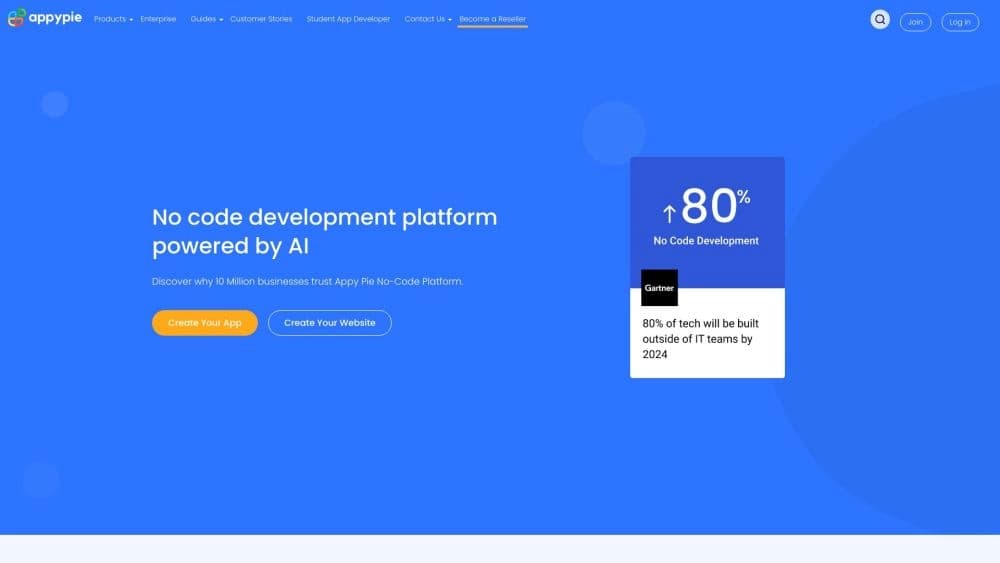
The main difference between Dify.AI and alternatives such as Appy Pie, AI Docs, Scrivio, Ionic, or HoneyBook is its open-source code and focus on developing AI applications specifically, with support for RAG pipelines and agentic workflows. Many competitors offer either a purely general-purpose no-code environment or developer frameworks. Dify.AI combines both approaches, providing at the same time a visual builder for business users and a flexible infrastructure with an API for developers. In addition, the platform supports a wide range of LLMs (including open-source models) and embeds analytics directly into the interface, which is not always found in comparable solutions.
Conclusion
Dify.AI is a modern open platform for creating and operating generative AI applications that combines a no-code interface, support for multiple language models, and enterprise-grade security. Thanks to its freemium model, it is accessible for beginners to experiment with, while its scalable infrastructure and rich functionality make it a suitable choice for production solutions of any scale.
Pricing
Frequently asked questions
See also
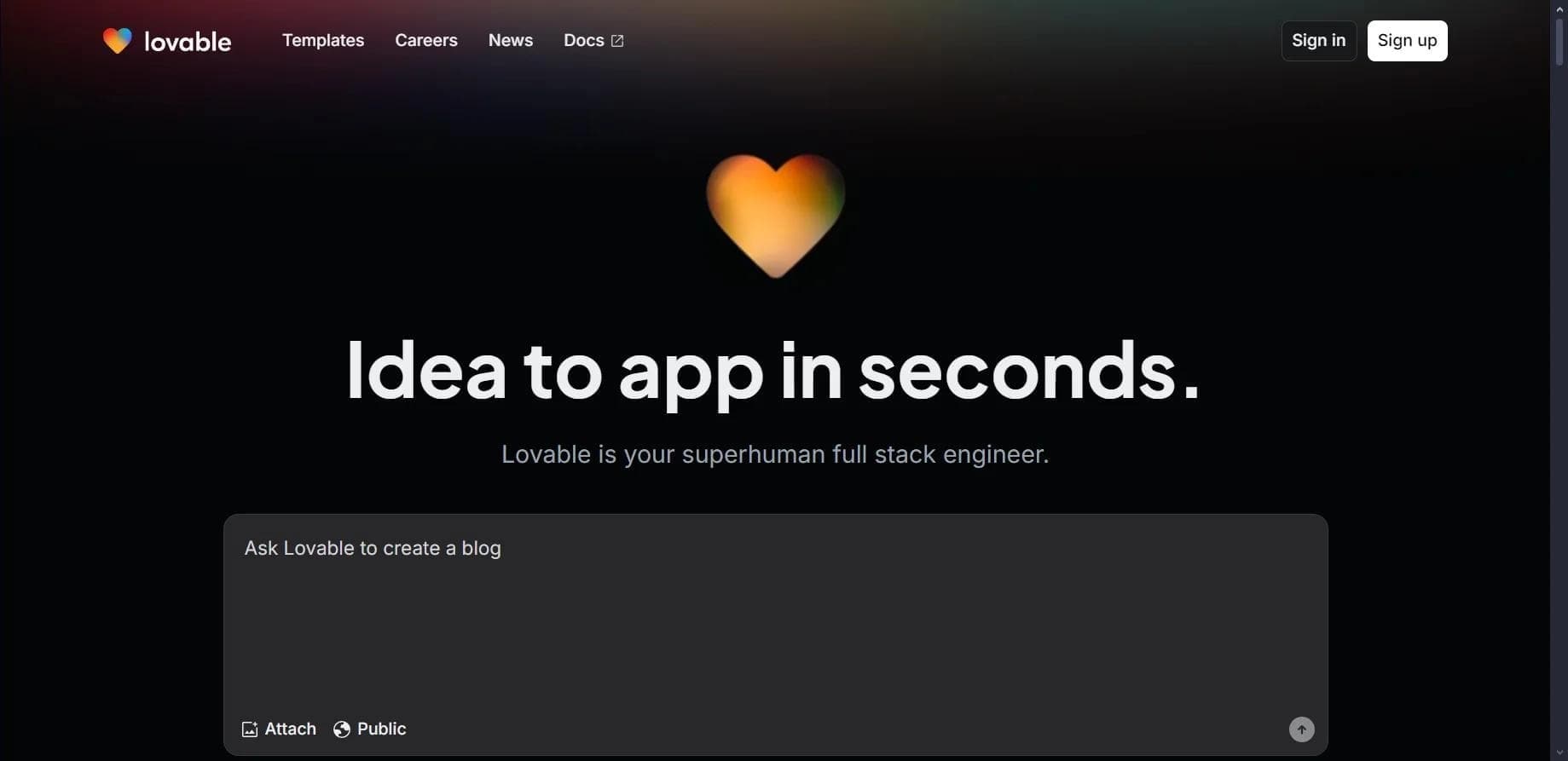

Platform for creating web applications and websites from a text description using AI.
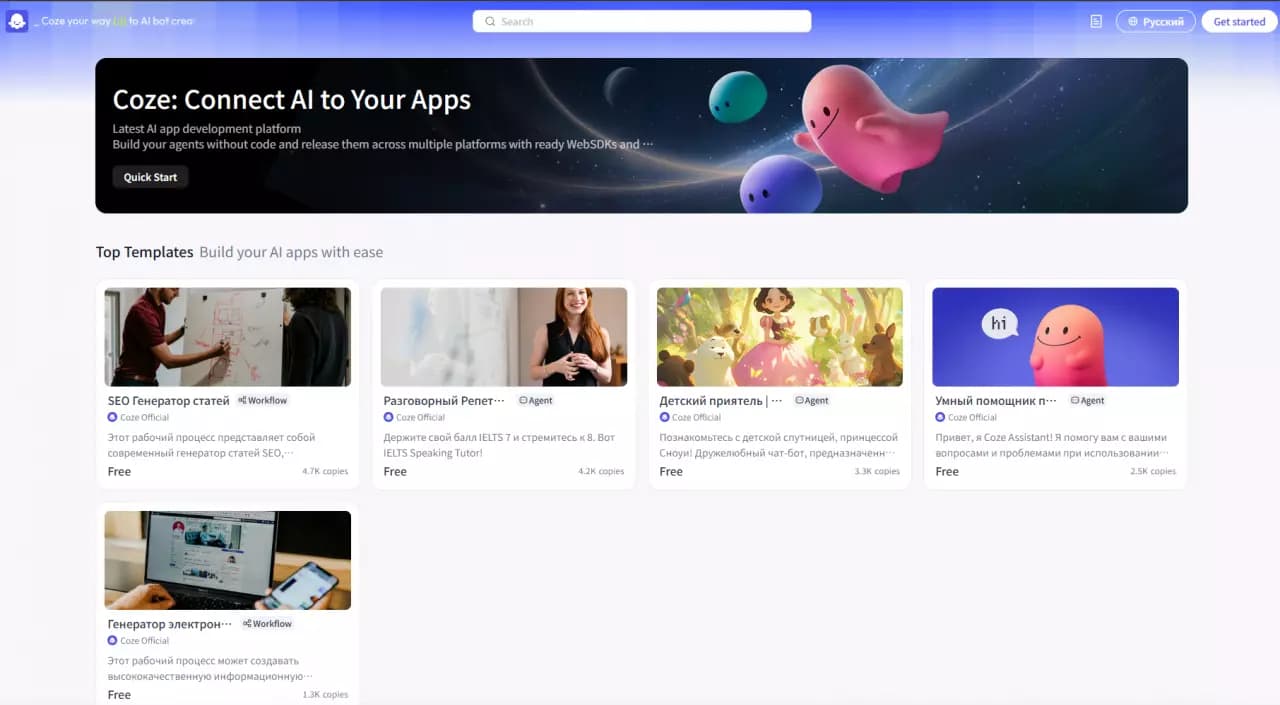

Platform for building AI chatbots with a visual builder that requires no coding skills.
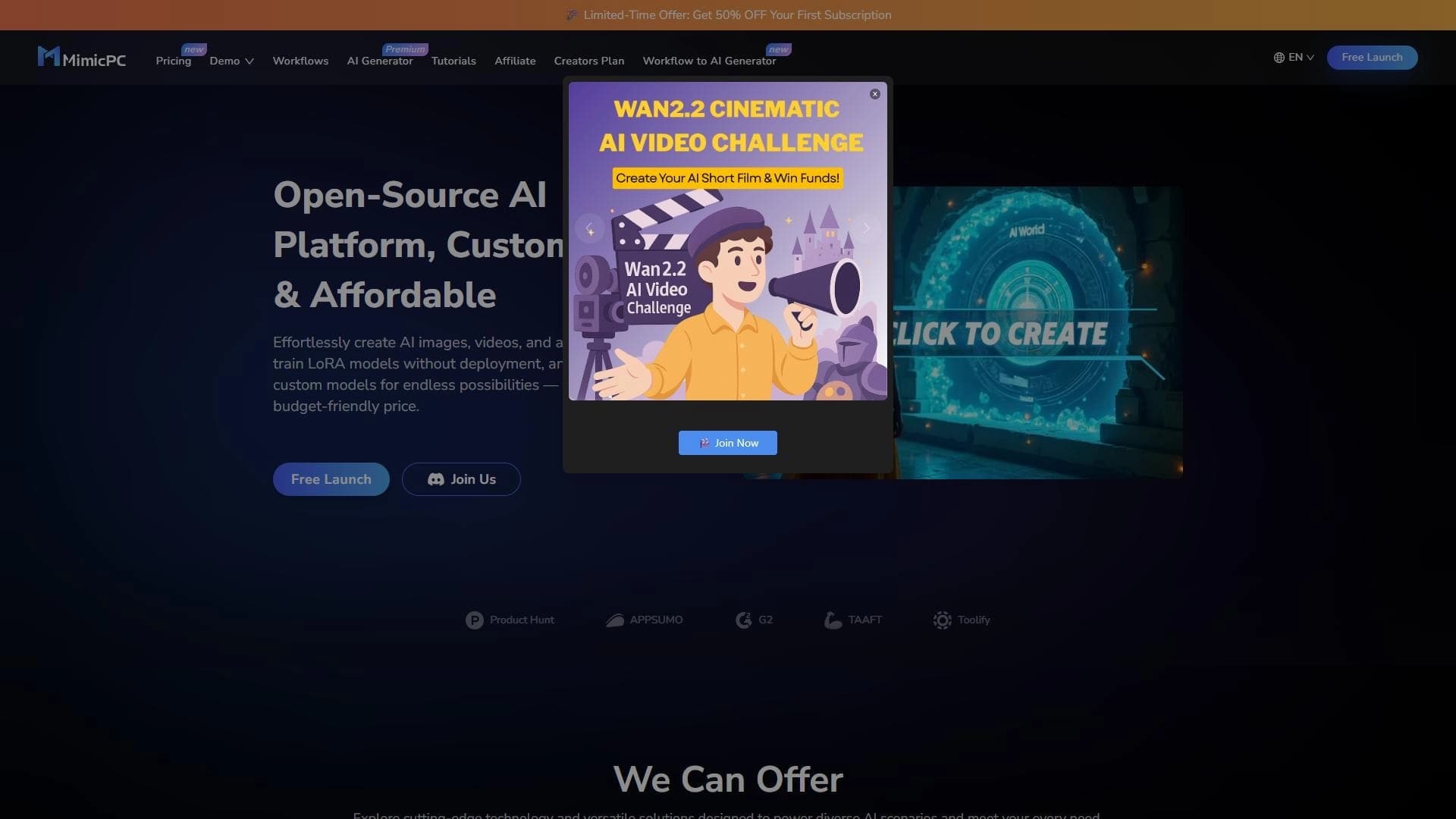

Cloud platform for launching AI applications directly in the browser without installation.
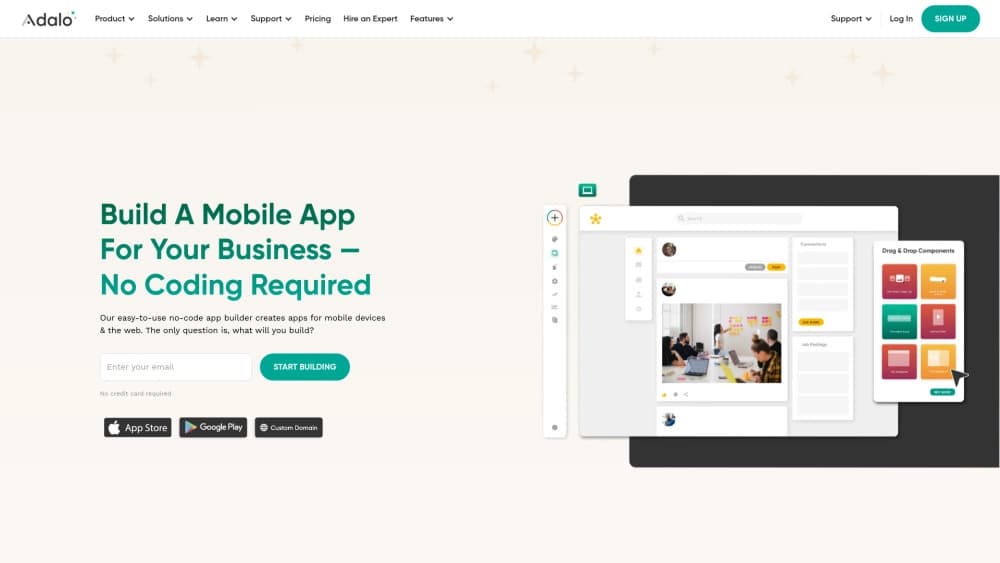
A platform for creating mobile and web applications without writing code, using a visual builder.

Platform for creating AI chatbots without coding, targeted at businesses and agencies.

A design canvas built into the code editor, allowing you to create interfaces and write code in one place.
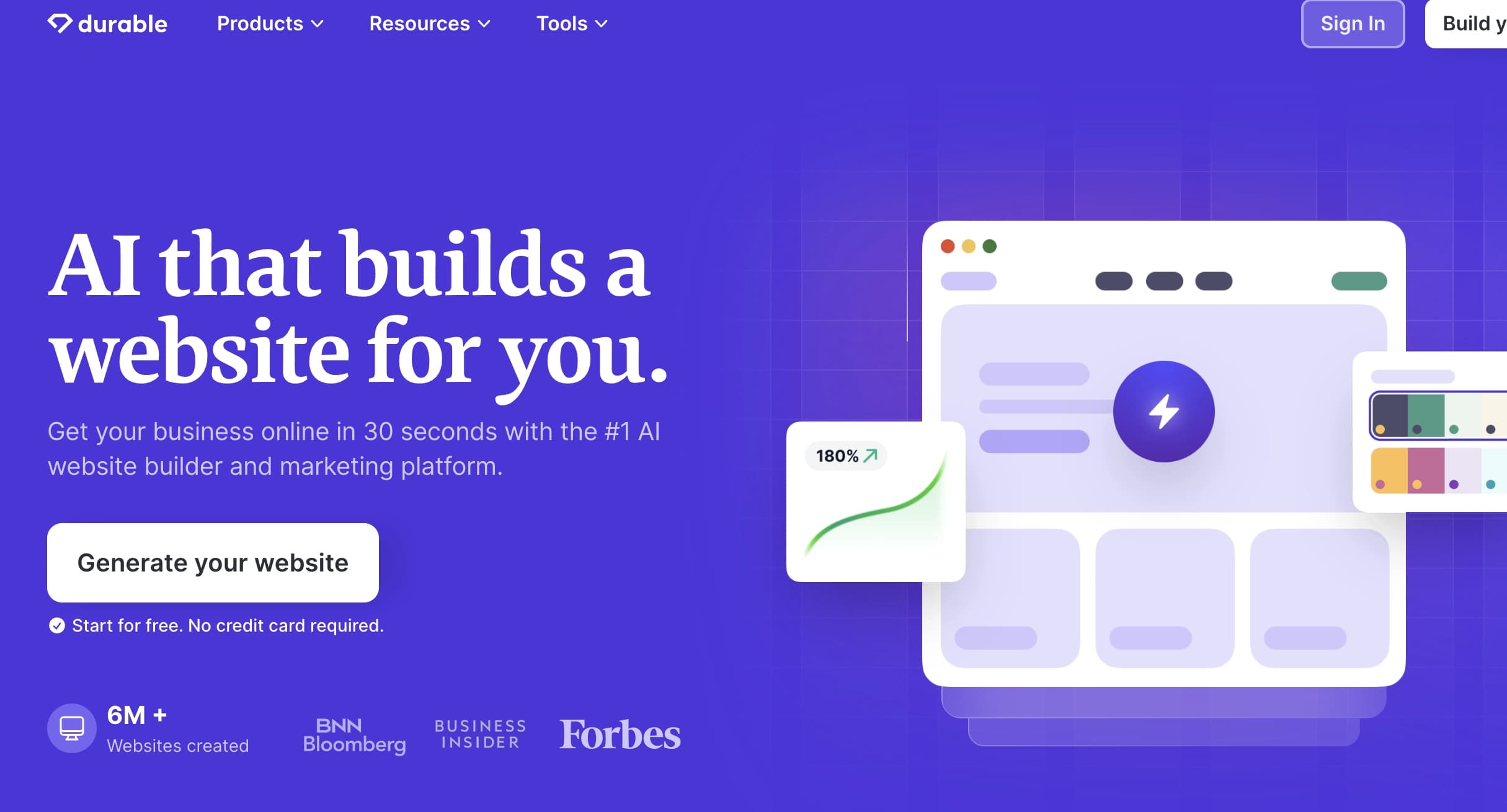

AI platform for fast website creation and small business process management.

A workflow automation platform that connects thousands of apps without requiring coding.