
Lovable
Platform for creating web applications and websites from a text description using AI.
Ranked in
Overview
Lovable
About Lovable AI
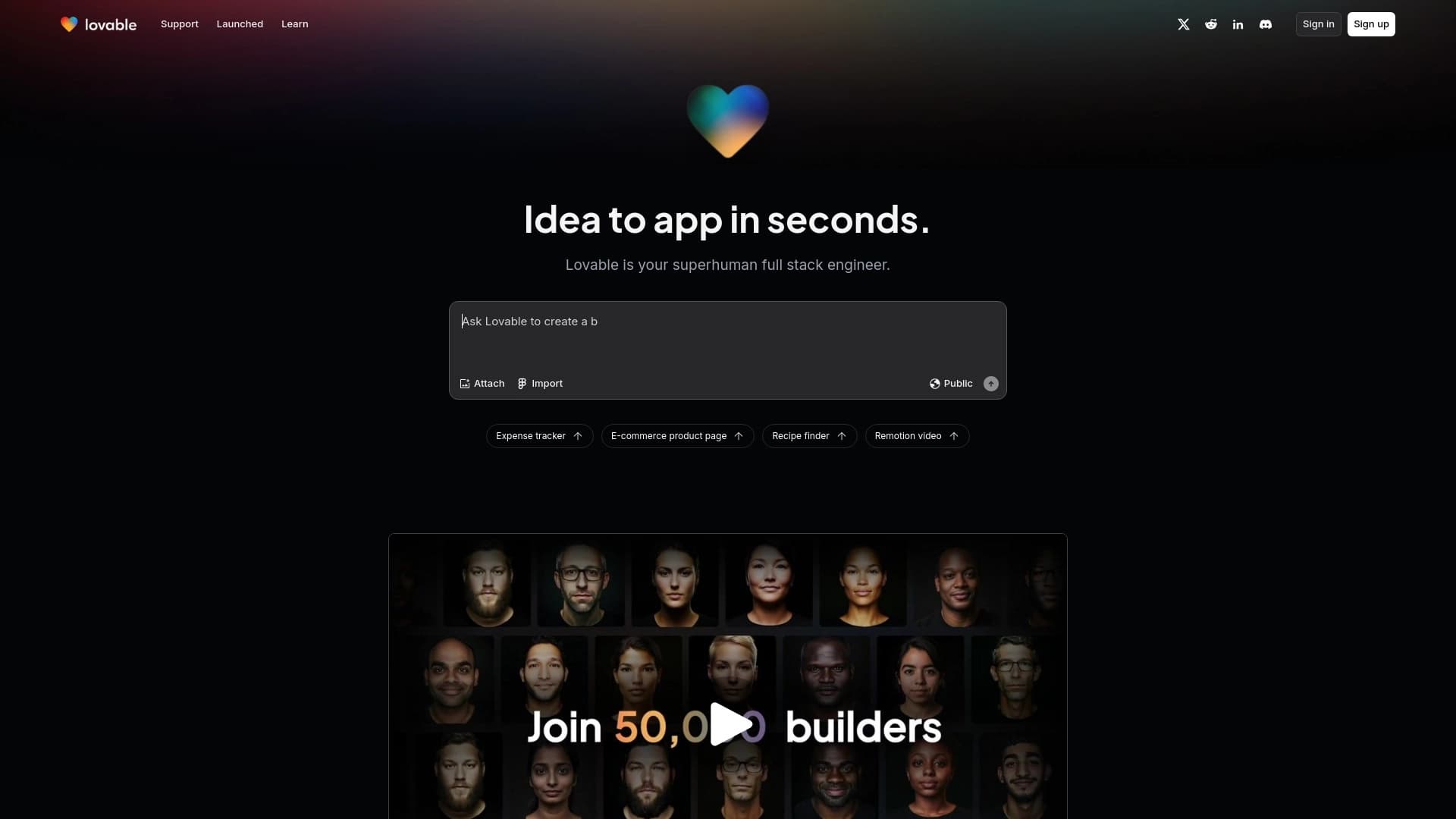
Lovable (formerly known as GPT Engineer) is an AI platform for creating web applications and websites through text descriptions. The user describes the desired application in natural language, and the AI generates fully functional code, including frontend, backend, database, and authentication. The generation is based on React, Vite, and Tailwind CSS; OpenAPI is used for the backend, and Supabase for data storage and authentication.
The platform supports several operating modes: Agent Mode, where the AI autonomously reads files, debugs, and refactors code, and Chat Mode for analysis and planning without directly modifying code. Lovable also offers visual editing of interface elements, integrations with third-party services, and one-click project deployment.
Lovable characteristics
| Characteristic | Value |
|---|---|
| Type | AI tool for web application development (AI software engineer) |
| Categories | Website creation, Code generation, App generation, No-code / Low-code |
| Platforms | Web, Linux, Mac, Windows |
| Pricing model | Freemium |
| Technologies | React, Vite, Tailwind CSS, shadcn/ui |
| AI model | Anthropic Claude |
| Integrations | Supabase, GitHub, Stripe, Figma, OpenAI |
| Russian language support | Yes (understands requests in Russian) |
| Availability | Globally, no VPN required |
| Company | Lovable |
Who is the Lovable AI suitable for?
Developers
The platform is suitable for developers who want to quickly create prototypes or internal tools without spending time setting up the environment. The generated code can be exported to GitHub and refined manually.
Entrepreneurs and startups
Lovable allows you to quickly test hypotheses and create a minimum viable product (MVP) without involving a development team at early stages. This accelerates time to market and reduces initial costs.
Non-technical users
People without programming experience can create web applications and websites by describing their ideas in text. The platform is suitable for learning frontend concepts by studying the generated code.
Product managers and freelancers
Product managers can quickly create working prototypes for demonstration to clients or the team. Freelancers can speed up order fulfillment for simple websites and landing pages.
How to use the Lovable AI?
Registration and getting started
To use Lovable, you need to register on the official website lovable.dev. After registration, the user lands in a chat interface where they can describe their project in simple words in Russian or English.
Creating and refining an application
The AI generates code based on the text description, after which the user can view the result in real time. To make changes, simply click on an interface element and describe the necessary modifications in text. The platform also offers Agent Mode, in which the AI independently finds and fixes errors.
Deployment and publishing
After completing work on the project, it can be deployed with one click using built-in tools. Publishing via links with custom domain support is available, as well as code synchronization with a GitHub repository for version control.
Main features of Lovable
Code generation from text descriptions
Lovable creates fully functional web applications on React, Vite, and Tailwind CSS, including frontend, backend, database, and authentication. The Anthropic Claude AI model interprets user requests and generates the corresponding code.
Integrations with third-party services
The platform supports integration with Supabase for databases and authentication, Stripe for payments, GitHub for export and version control, Figma (via the Builder.io plugin) for importing design mockups, as well as the OpenAI API and other services.
Operating modes
In addition to the standard chat, Lovable offers Agent Mode, where the AI autonomously reads files, debugs, refactors code, inspects logs, and searches for information on the internet. Chat Mode is also available for analysis and planning without directly modifying code.
Visual editing and Dev Mode
Users can edit interface elements visually by clicking on them and describing changes. Dev Mode allows working with the code directly. Instant undo of changes is available in case of an error.
Deployment and publishing
Applications are deployed with one click. Custom domains, Security Scan for vulnerability checks when publishing, and multi-user mode with shared workspaces are supported.
Advantages of Lovable
Development speed
Lovable allows you to create applications 20 times faster compared to traditional coding. The platform eliminates the need to set up an environment and generates ready-made code in seconds.
Full control over the code
The user fully owns the generated code and can synchronize it with GitHub. Code export ensures control over the result and the ability to further refine it manually.
Russian language support
The AI understands requests in Russian, making it accessible to Russian-speaking users without the need to formulate ideas in English.
Access for non-technical users
The platform does not require deep programming knowledge — just describe the project in text. At the same time, best UI and UX practices are followed to create aesthetically appealing applications.
Disadvantages of Lovable
Design and customization limitations
Code cannot be edited directly in the interface (only through visual editing or Dev Mode). Design customization options are limited compared to traditional development.
Sensitivity to imprecise prompts
The result strongly depends on the quality of the text description. Inaccurate or incomplete prompts can lead to incorrect generation that requires subsequent refinement.
Limited server-side logic
For complex full-stack applications with non-standard server-side logic, manual refinement may be required. The platform is best suited for rapid prototyping and simple projects.
What tasks does Lovable solve?
Rapid prototyping
Lovable allows you to create a working prototype of a startup, blog, to-do application, or marketing landing page in minutes. This accelerates hypothesis testing and the demonstration of ideas to investors or clients.
Development of internal tools
The platform is suitable for creating internal company tools: CRMs, dashboards, admin panels, and other applications for automating business processes.
Learning programming
Beginners can learn frontend by analyzing the generated code. The platform helps understand how React components work, how to work with Tailwind CSS, and how to integrate with databases.
Quick idea testing
Entrepreneurs and product managers can quickly test ideas without manually setting up an environment or involving developers, reducing costs at early stages.
Lovable pricing
Free plan
The free plan includes 5 prompts per day (up to 30 credits per month), public projects, and up to 20 collaborators. No credit card is required for registration. The message quota does not carry over to the next day.
Pro plan
Cost — 25 USD per month. Includes up to 250 credits per month, private projects, Lovable badge removal, custom domain support, and role-based access control.
Enterprise plan
Price is set individually. Includes everything from the Pro plan, as well as dedicated support, custom integrations, SSO, and opting out of using data for model training.
Lovable terms of use
Registration on the platform is required to get started. The free plan provides 5 messages per day; unused quota does not carry over to the next day. Paid plans offer increased limits and additional features. On the free plan, projects are public.
Lovable availability
The platform is available on Web, Linux, Mac, and Windows via a web interface. No VPN is required to work. The service is available globally. Russian is not supported as an interface language, but the AI understands requests in Russian and English.
How Lovable differs from alternatives
Lovable is positioned as an AI tool for "vibe coding," offering an autonomous Agent Mode in which the AI independently manages the development process: reads files, debugs, refactors code, and searches for information. The platform's competitors include: Replit, Bubble, OutSystems, AppGyver, Loom, LTX Studio, Antigravity, Firebase Studio, GitHub Spark, Astrocade.
The key difference between Lovable and most alternatives is the generation of a full stack (frontend, backend, database, and authentication) on React + Vite with Tailwind CSS and Supabase, as well as giving the user full control over the generated code with the ability to synchronize with GitHub. Unlike low-code platforms such as Bubble, Lovable generates standard code that can be exported and refined outside the platform.
Conclusion
Lovable is an AI platform for quickly creating web applications and websites through text descriptions, accessible to both technical and non-technical users. The service generates fully functional code on React, Vite, and Tailwind CSS, supports integrations with Supabase, GitHub, Stripe, and Figma, and also offers an autonomous Agent Mode for debugging and refactoring. Lovable is suitable for rapid prototyping, creating internal tools, and simple products, but does not replace full-fledged development for complex projects. A free plan with basic features and paid plans from 25 USD per month for more active use are available.
Pricing
Frequently asked questions
Similar AI tools




See also
A platform for generating images, videos, and audio using artificial intelligence from text descriptions.

A multimedia AI toolkit for editing and enhancing photos, videos, and PDF documents.

A community platform for discovering, publishing, and sharing open AI image generation models.

AI service for automatically selecting music to match the mood of videos, images, or text, with legal licenses.
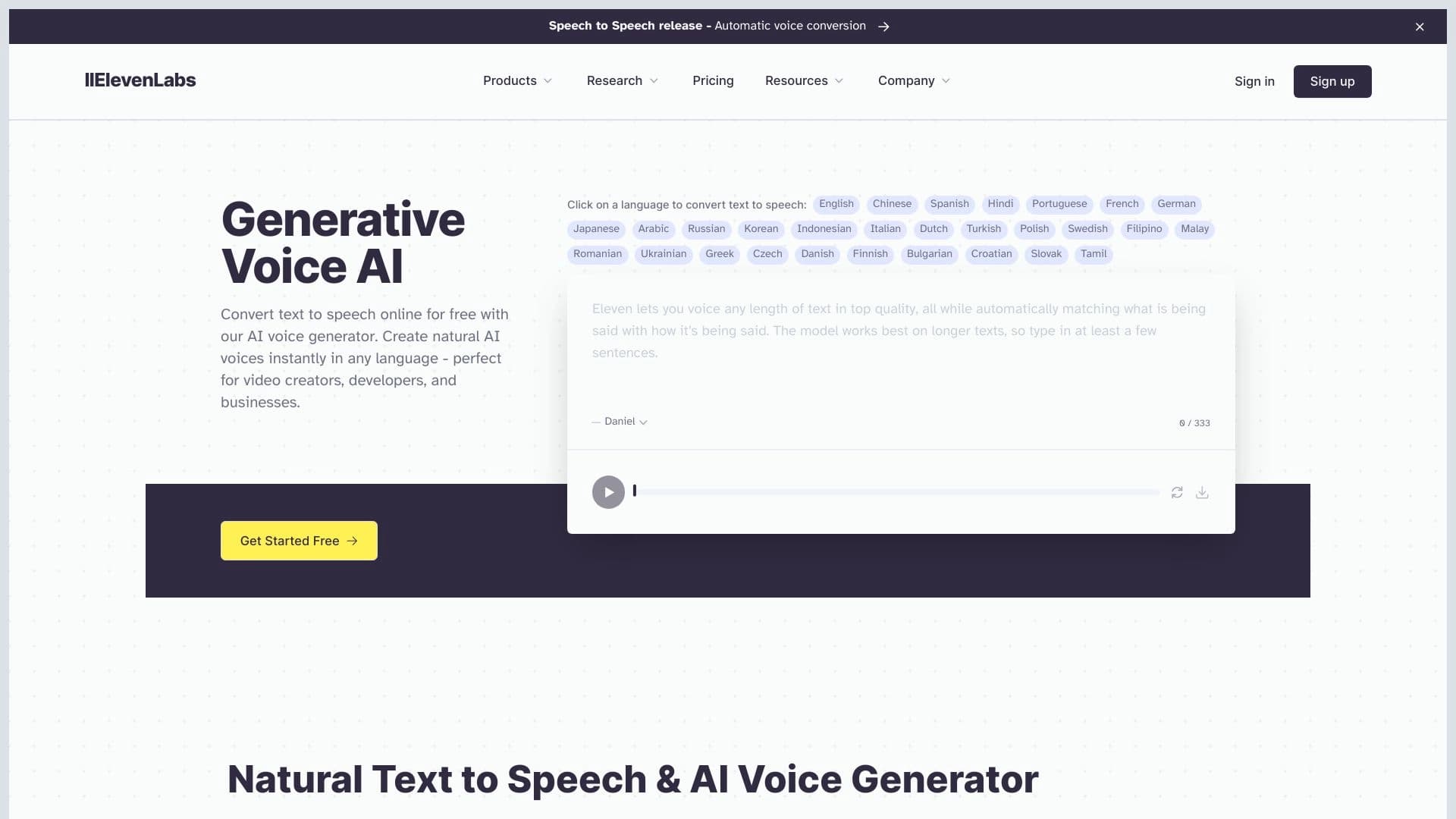
AI platform for voice synthesis and cloning that converts text into realistic speech.
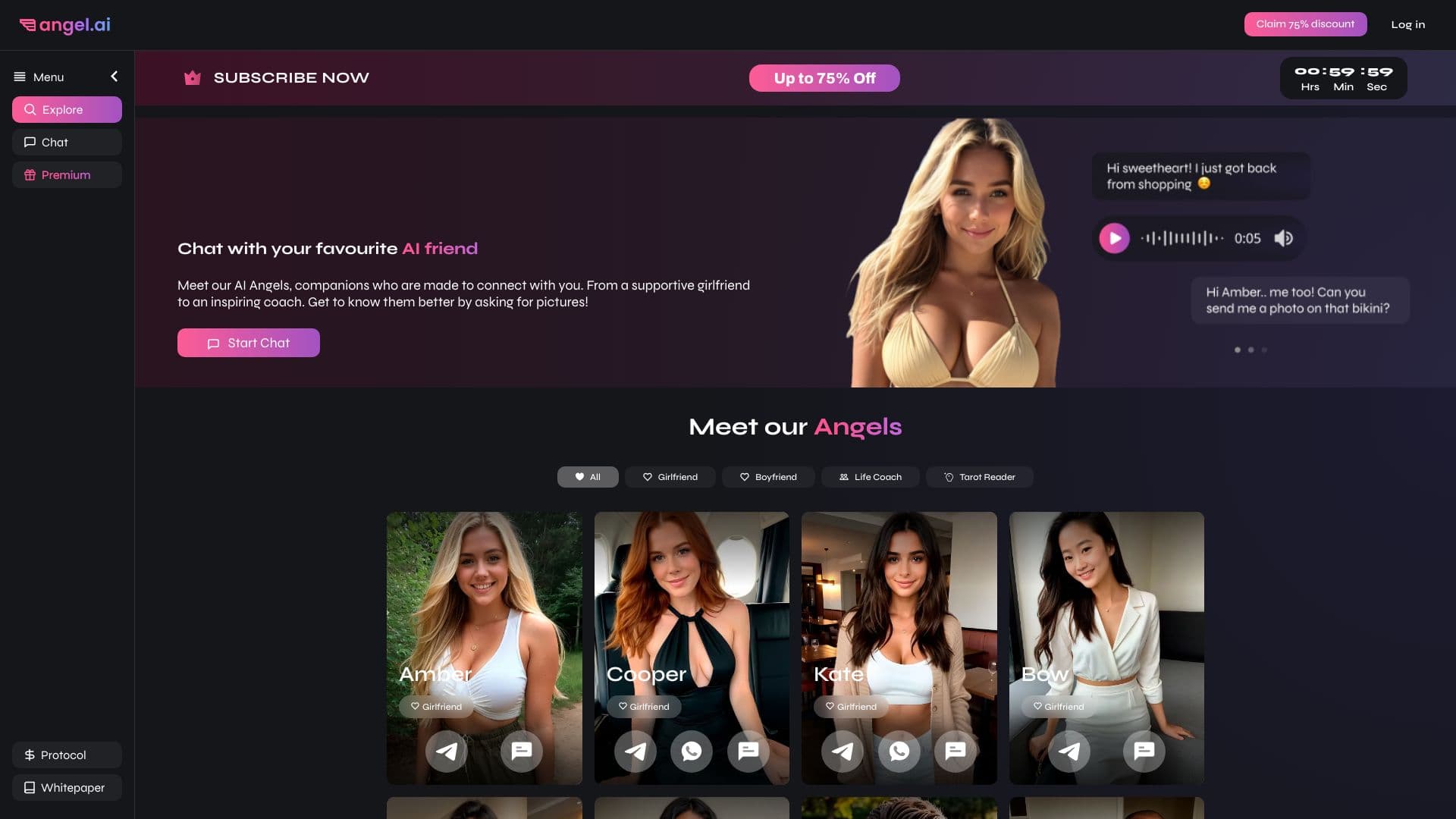
App for creating and customizing virtual AI companions with different personalities and communication styles.
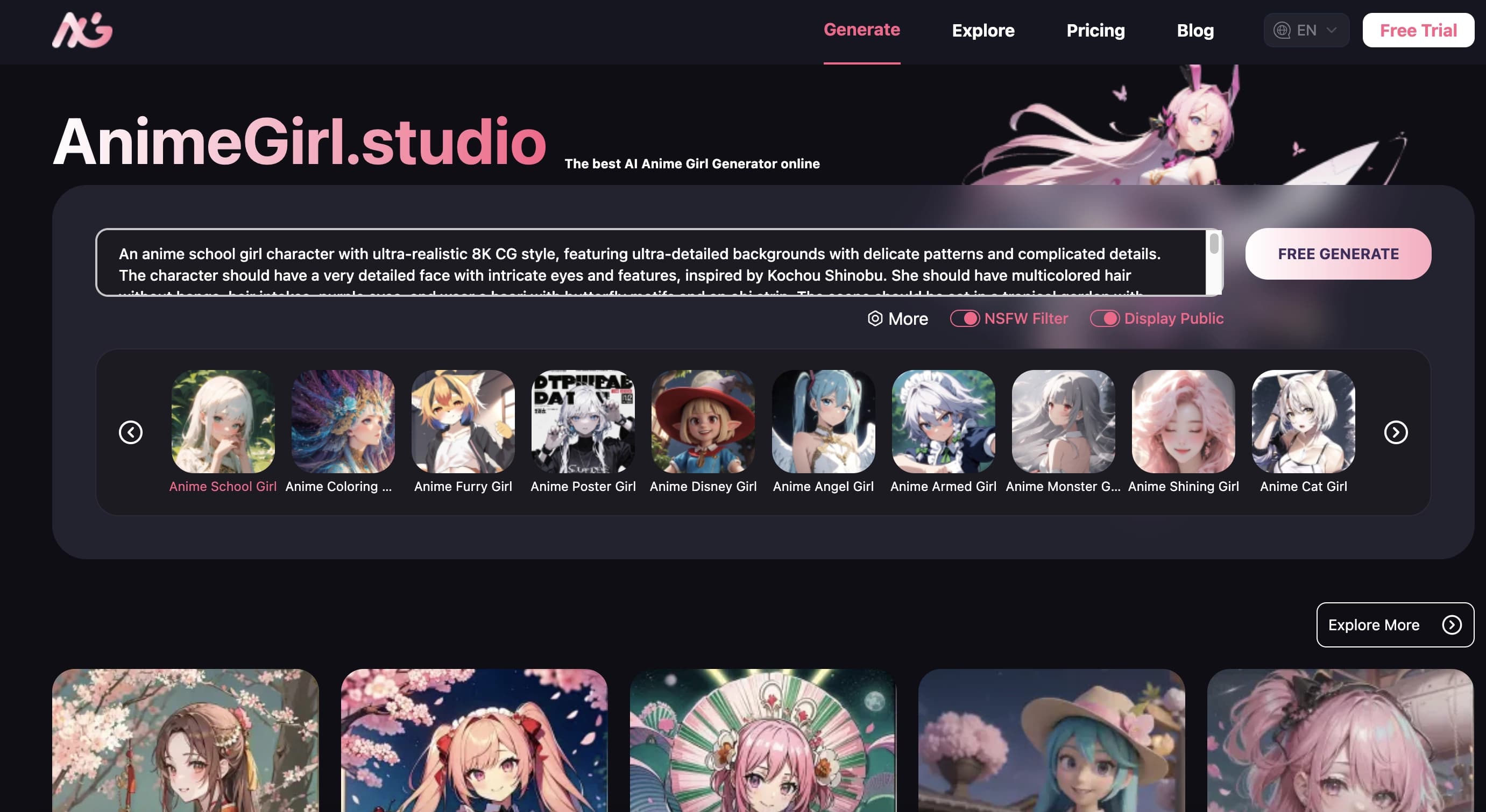

AI anime image generator from text descriptions with template selection.
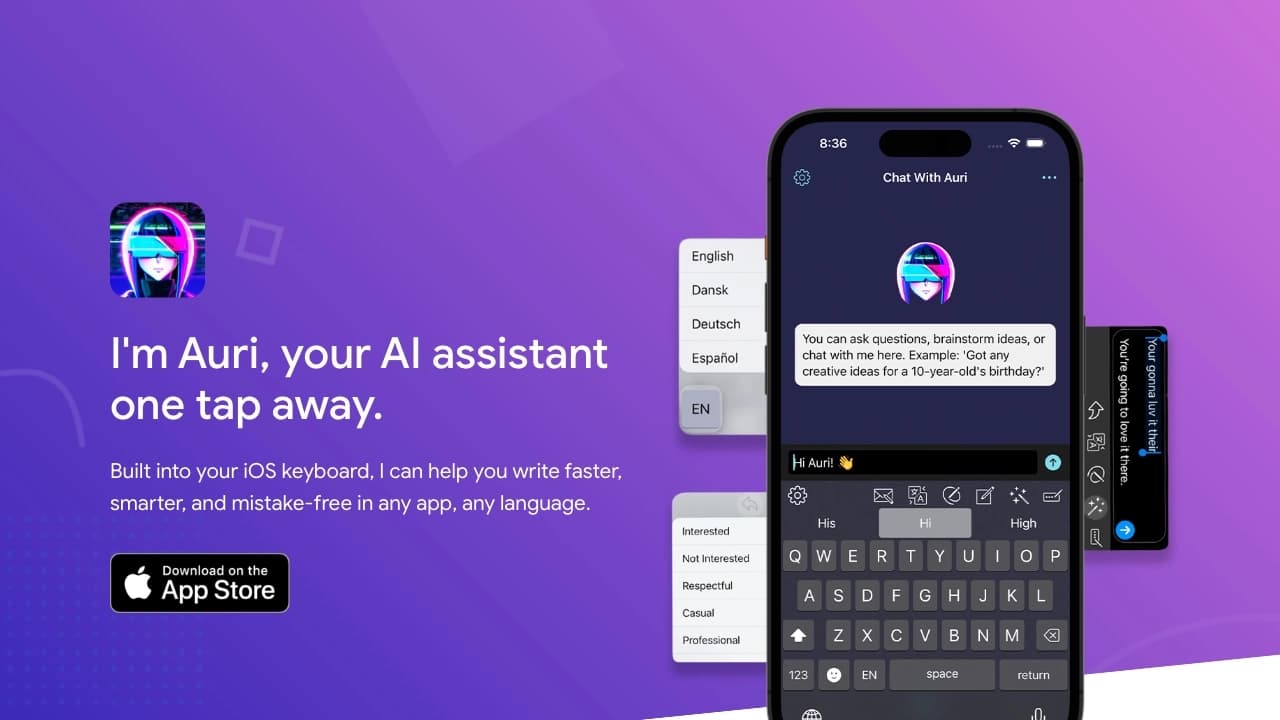
AI keyboard for Apple devices that speeds up typing with corrections, translation, and response generation.