

Qlerify
AI platform for visual modeling of business processes and software system architecture design with code generation.
Overview
Qlerify
Qlerify Overview
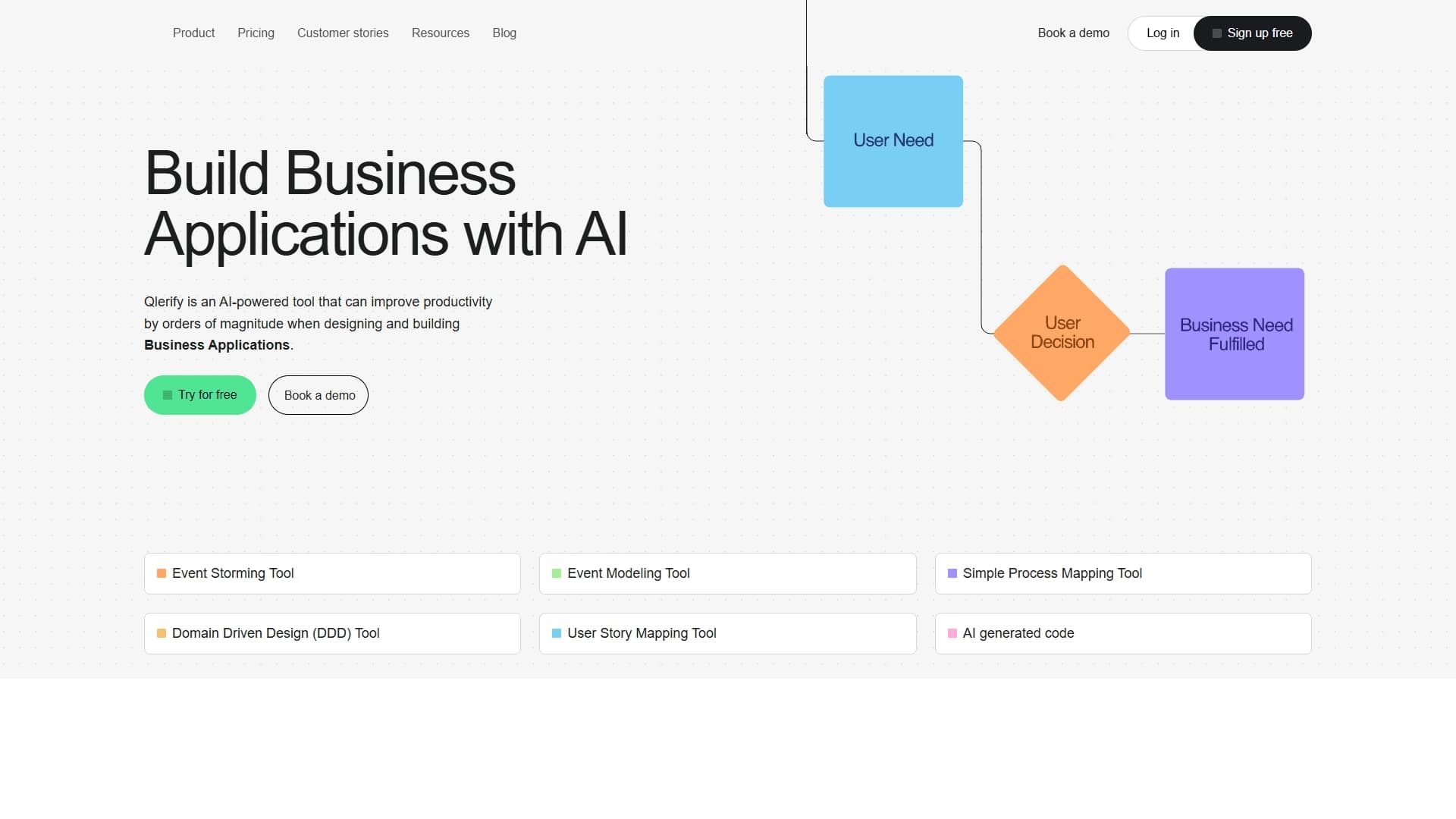
Qlerify is an AI platform designed for visual modeling of business processes and designing software system architectures. The service combines several design methodologies — DDD (Domain-Driven Design), Event Storming, and BEAM — in a single environment where teams can create clear diagrams that reflect both business requirements and technical implementation.
The platform’s key feature is the ability to automatically generate architectural scaffolds and boilerplate code for microservices based on visual models. This helps teams move faster from the design stage to actual development, reducing the routine work of writing boilerplate code.
The platform acts as a bridge between business units and technical teams: analysts describe processes, developers see the structure of the future system, and AI helps transform models into working code.
Qlerify Characteristics
| Characteristic | Value |
|---|---|
| Tool type | AI platform for process and architecture modeling |
| Category | No-code and low-code platforms, diagrams and schematics |
| Supported methodologies | DDD, Event Storming, Event Modeling, BEAM |
| Code generation | Architectural scaffolds and boilerplate code for microservices |
| Work format | Interactive collaborative whiteboards |
| Website | www.qlerify.com |
Who Is Qlerify For?
Product Teams and Managers
Product managers and product teams can use Qlerify to visualize business processes and align requirements before development starts. The platform helps build a shared picture of the product and communicate it to all stakeholders.
System and Business Analysts
Analysts get a tool for structuring the domain, modeling processes, and capturing events. Support for Event Storming and Event Modeling allows them to record domain events and design processes in a visual, interactive way.
Architects and Developers
Technical specialists can design scalable microservice architecture and then use the generated code scaffolds as a starting point for development. This reduces the time spent setting up the project skeleton.
How to Use Qlerify?
Creating a Process Model
Start by building a visual diagram on an interactive whiteboard. Describe business processes, domain events, and key entities using the supported modeling methodologies. The platform lets you reflect both the business logic and the technical aspects of the system.
Team Collaboration
Invite colleagues — analysts, developers, product managers, and business users — to collaborate on the model. Interactive whiteboards allow participants to make changes simultaneously, comment on elements, and quickly reach a shared understanding of the requirements.
Code Generation
Once the model is built and agreed upon, use the AI capabilities to generate architectural scaffolds and microservice boilerplate code. The resulting code serves as a foundation for further development, allowing the team to focus on business logic.
Key Features of Qlerify
Business Process and Architecture Modeling
The platform supports creating diagrams that reflect both business processes and software system architecture. Support for DDD, Event Storming, Event Modeling, and BEAM makes it possible to choose the right approach for a specific task or combine them within a single model.
Visualizing the Big Picture of the Domain
The service helps create a unified visual map of the domain, showing key entities
Frequently asked questions
See also
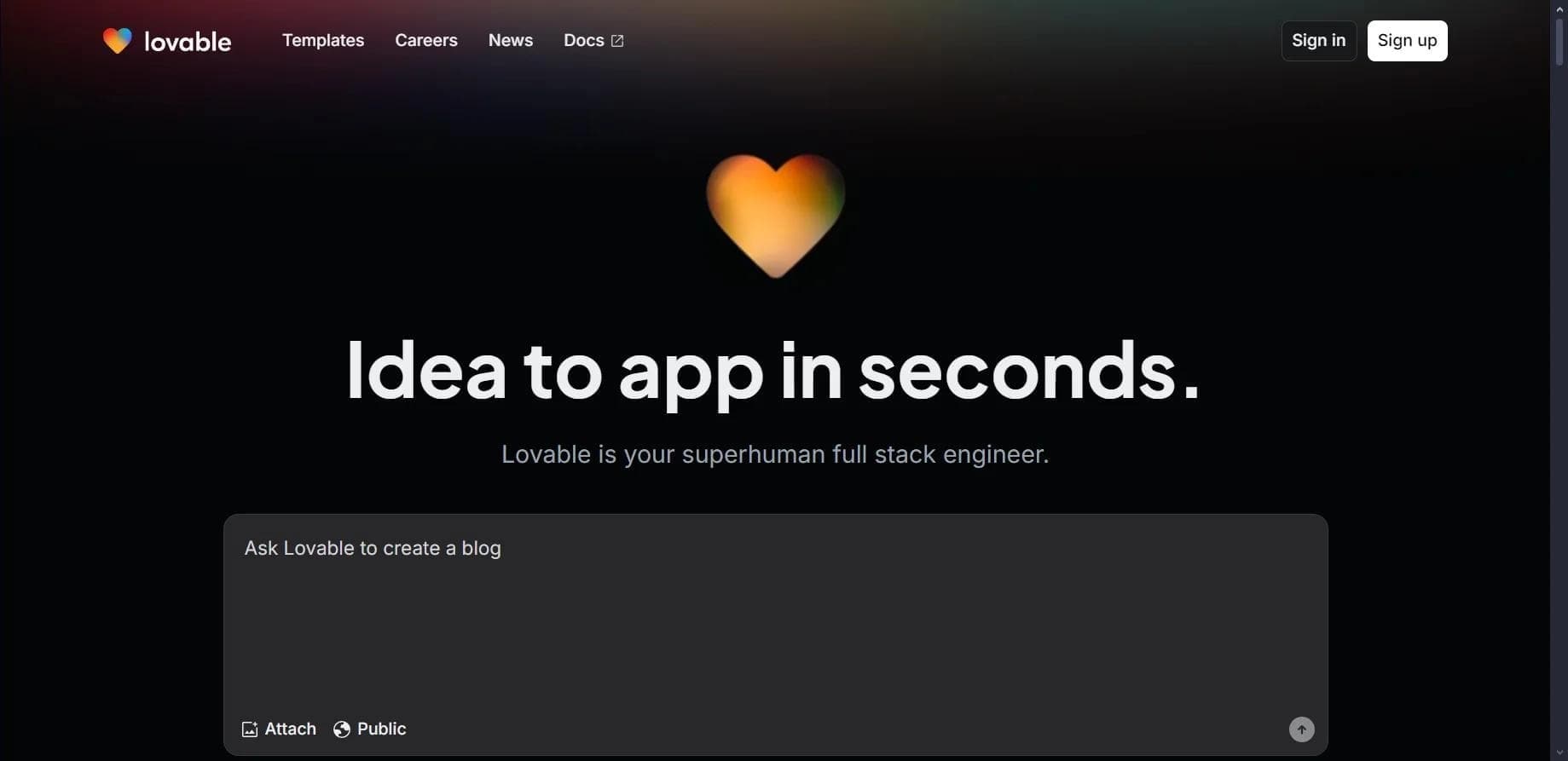

Platform for creating web applications and websites from a text description using AI.
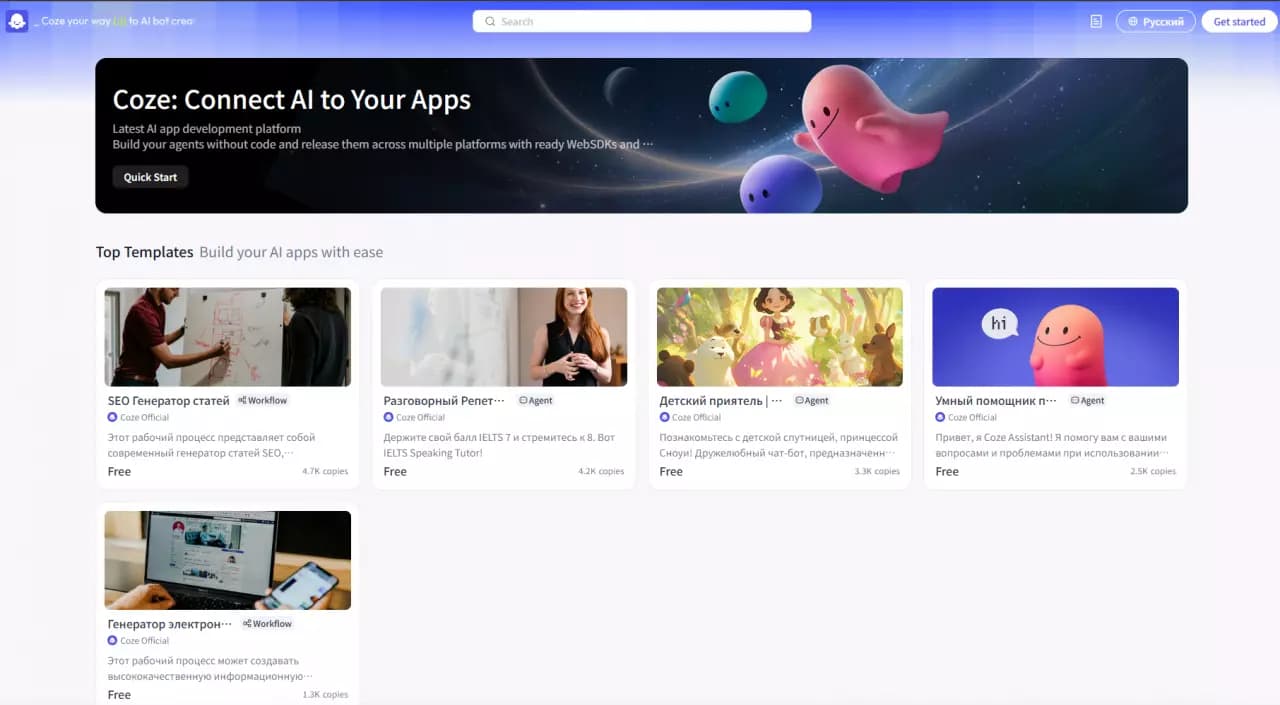

Platform for building AI chatbots with a visual builder that requires no coding skills.
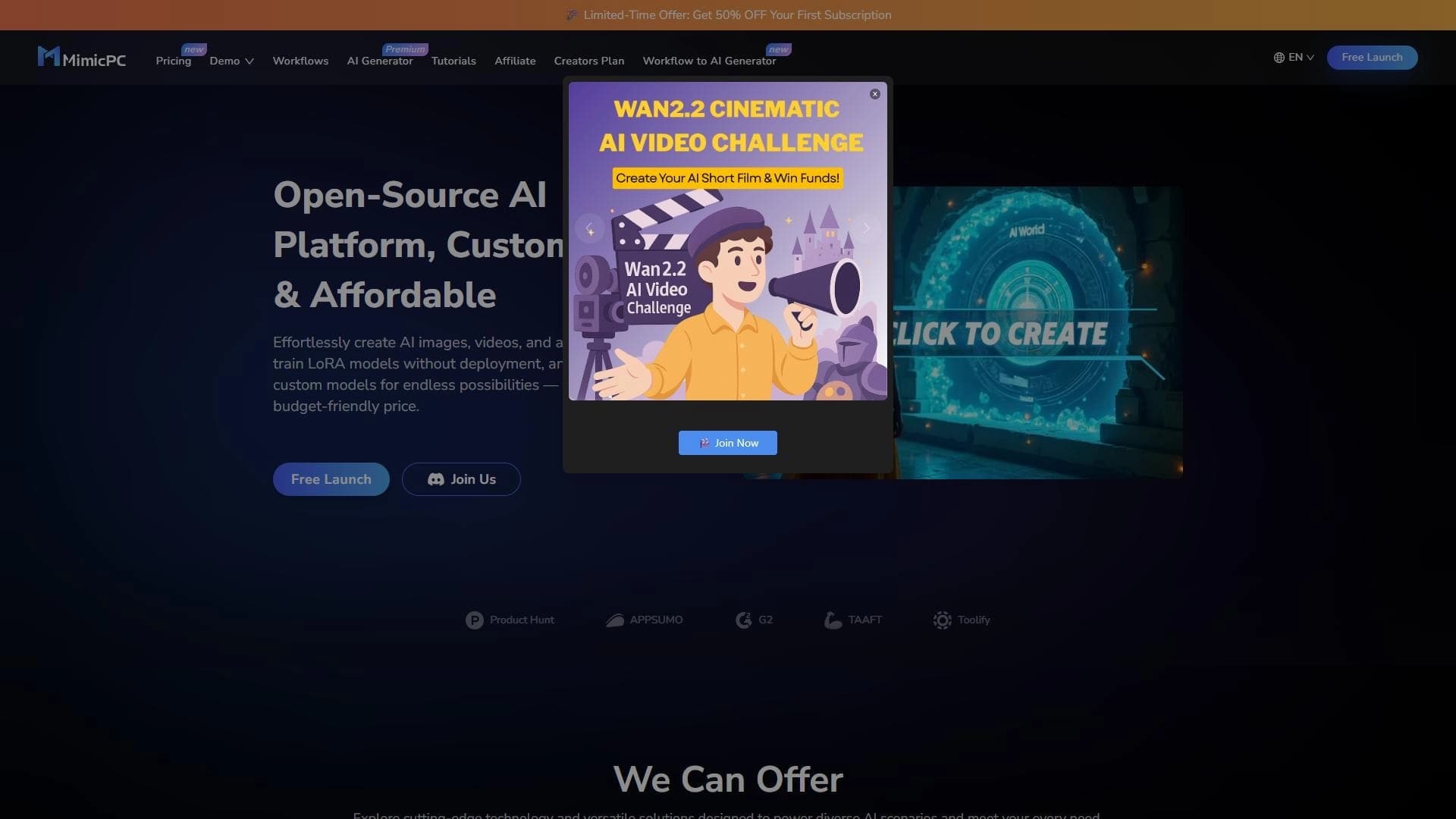

Cloud platform for launching AI applications directly in the browser without installation.
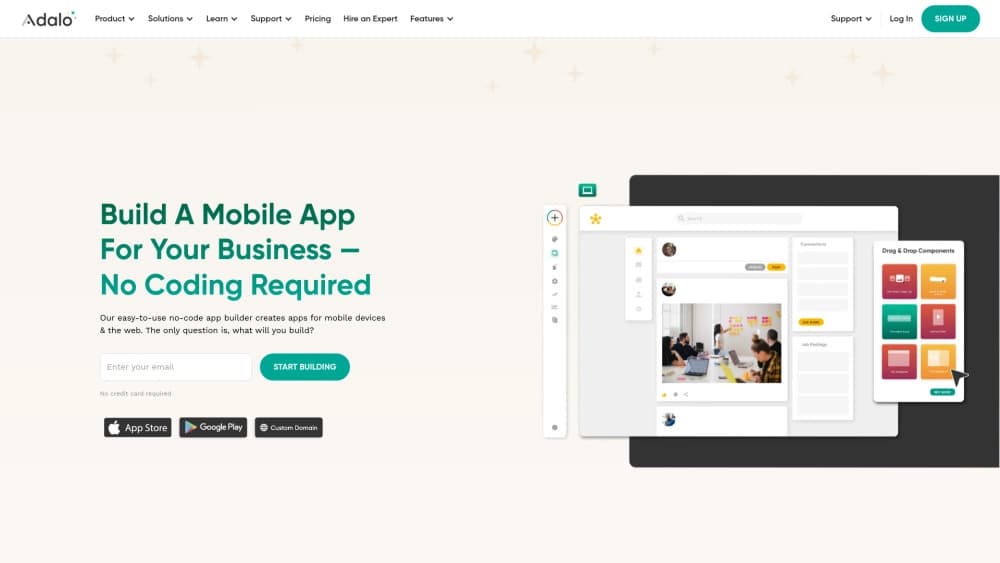
A platform for creating mobile and web applications without writing code, using a visual builder.

Platform for creating AI chatbots without coding, targeted at businesses and agencies.

A design canvas built into the code editor, allowing you to create interfaces and write code in one place.
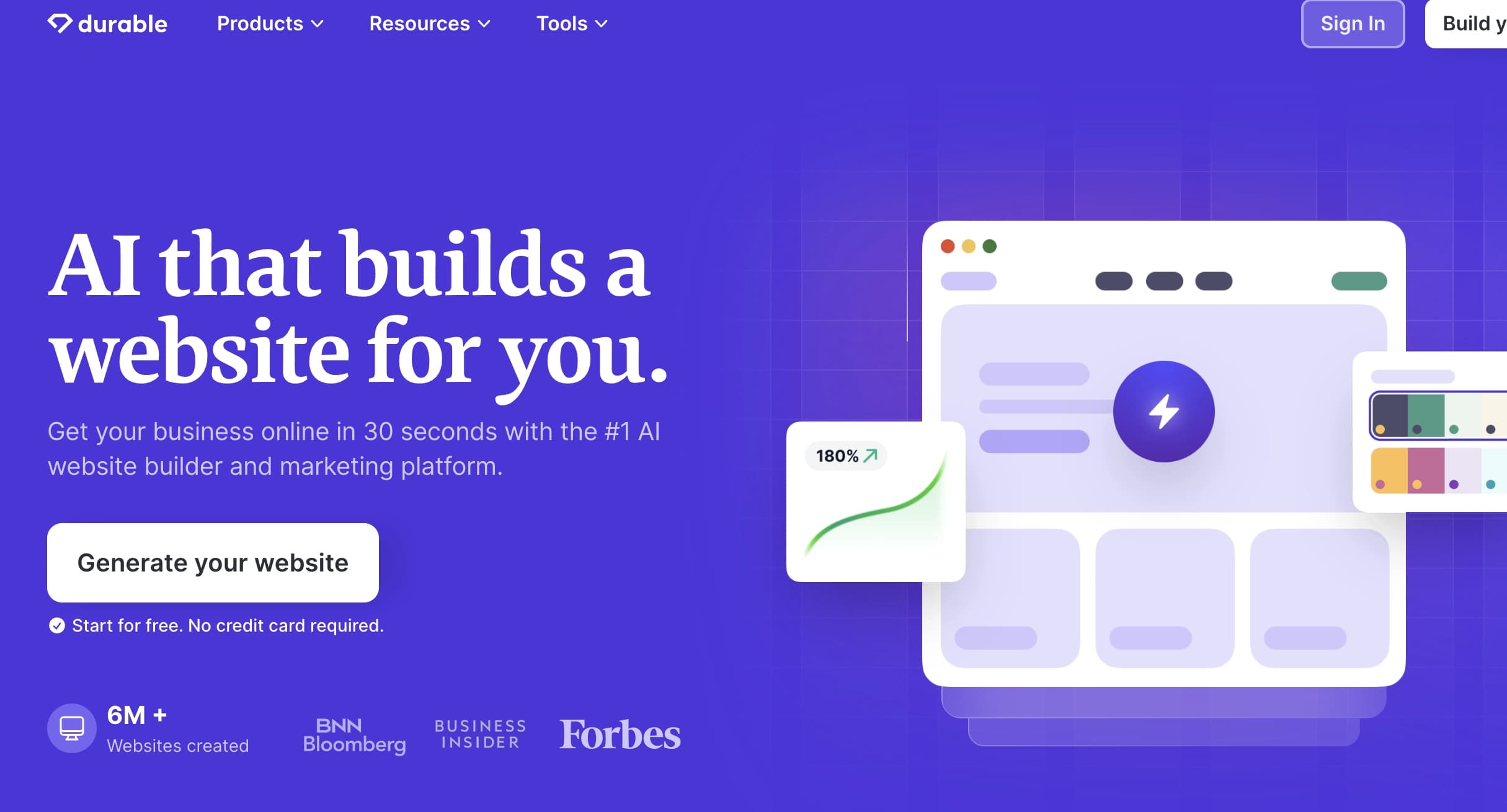

AI platform for fast website creation and small business process management.

A workflow automation platform that connects thousands of apps without requiring coding.