
Don't Spend Money You Don't Have
AI bot in ChatGPT that helps control expenses and maintain financial discipline.
Overview
Don't Spend Money You Don't Have is a specialized AI bot designed to work within the ChatGPT ecosystem. Its main task is to help users control their personal finances and maintain financial discipline. Unlike universal chatbots, this assistant focuses exclusively on budgeting and mindful spending.
How the assistant works
The tool functions as a conversational AI companion. The user describes their financial situation, planned expenses, or current habits, and the bot analyzes the provided data. Based on this analysis, it generates personalized recommendations and warns against impulsive purchases. A key feature is its ability not just to calculate money, but to explain why certain expenses may be unjustified.
The concept of financial awareness
The tool's name directly reflects its philosophy: don't spend money you don't have. This means shifting focus from credit options to the actual balance. The assistant aims to develop the habit of aligning every desire to buy something with current budget capabilities, which is especially relevant in an era of easily accessible installment plans and loans.
Don't Spend Money You Don't Have characteristics
| Characteristic | Value |
|---|---|
| Tool type | AI bot / assistant in ChatGPT |
| Primary purpose | Expense control, financial discipline |
| Platform | ChatGPT |
| Key features | Spending analysis, warnings about unjustified expenses, budget recommendations |
| Distribution model | Not specified (unknown) |
Who is Don't Spend Money You Don't Have suitable for?
The tool is aimed at a wide range of people who struggle with managing their personal budget but want to solve the problem without complex financial software.
People with impulsive purchases
This is the bot's primary target audience. If you regularly make spontaneous purchases and then regret them, the assistant will help instill the habit of a "pause before buying." The bot acts as an external controller that asks the right questions and makes you think about whether the expense is justified.
Beginners in financial planning
Those who are just starting to track their budget often find specialized apps difficult to navigate. This bot works in plain language within the familiar ChatGPT interface. It doesn't require entering bank account data — it simply analyzes what the user shares about their finances.
ChatGPT users looking for a versatile assistant
Many people use ChatGPT for everyday tasks. This bot integrates into that familiar scenario. For such users, it's a simple way to get basic financial advice without installing additional services or subscriptions.
How to use Don't Spend Money You Don't Have
Using the bot requires no special knowledge or setup, as it works through the chat interface.
Formulating a request
To get started, simply describe your situation in text. For example, tell the bot about your monthly income, fixed expenses, and a planned major purchase. The bot will analyze the input and provide feedback. You can ask questions like, "Should I buy this phone on an installment plan?" or "Help me cut down on entertainment expenses."
Getting recommendations
After analysis, the user receives a structured response that may include an assessment of the financial situation, risk warnings, and practical advice. It's important to interact with the bot in a conversational mode: clarify details, ask follow-up questions, so the recommendations become more accurate and personalized.
Key features of Don't Spend Money You Don't Have
The tool performs a range of tasks related to financial consulting, without claiming to be a full-fledged accounting service.
First, it offers analysis of financial habits. The bot gathers information about the user's typical spending, identifies behavioral patterns, and points out weak spots in the budget. Second, it provides preventive warnings. When the user describes a planned expense, the bot evaluates it from a financial safety perspective and signals potential negative consequences. Third, it gives practical recommendations. Based on the analysis, the bot suggests concrete steps — from tips on cutting small expenses to strategies for saving toward major goals.
Advantages of Don't Spend Money You Don't Have
- Accessible via ChatGPT. No separate app installation is required — just access to ChatGPT.
- Ease of use. The chat interface is intuitive; no need to deal with complex financial spreadsheets.
- Focus on behavior. The bot works not only with numbers but also with the psychology of spending, helping to change the approach to purchases.
- Comprehensive approach. The tool doesn't just state the fact of overspending — it explains the reasons and suggests solutions.
Disadvantages of Don't Spend Money You Don't Have
- No bank integrations. The bot cannot automatically pull transaction data; all information is entered manually, which may reduce analysis accuracy.
- Subjectivity of data. The quality of recommendations depends entirely on the honesty and completeness of the information provided by the user.
- Unclear distribution model. Information on whether the bot is paid, free, or requires a ChatGPT Plus subscription is missing from the source data.
What tasks does Don't Spend Money You Don't Have solve?
The bot focuses on several key scenarios that help users take control of their finances.
Scenario 1: Evaluating a planned purchase. The user shares a desire to make a purchase, states its cost and their income. The bot assesses the risks and tells them how safe such an expense is for their current budget.
Scenario 2: Regular expense tracking. The user periodically enters data about their spending, and the bot helps monitor trends and spot which category is overspent. This approach enables minimal but consistent tracking.
Scenario 3: Improving financial literacy. Through dialogue, the bot explains basic money management principles, teaches how to distinguish wants from needs, and instills rational planning skills.
Pricing for Don't Spend Money You Don't Have
Currently, the source data contains no information about the cost of using this tool. The distribution model is listed as unknown. It's impossible to say whether the bot is a free addition to ChatGPT, requires separate payment, or a subscription. Potential users should check current pricing information directly in the ChatGPT interface or on official sources related to the tool's developer.
Terms of use for Don't Spend Money You Don't Have
Since the tool operates as a bot within ChatGPT, OpenAI's general platform terms of use apply. No specific terms unique to this assistant are described in available sources. It's recommended to follow standard safety practices: don't share sensitive financial data (card numbers, access codes) with the bot, as information is processed within the AI dialogue.
Availability of Don't Spend Money You Don't Have
The tool is available to users who have access to ChatGPT. Since the bot is not a standalone application, its availability directly depends on the ChatGPT platform's functionality and the user having an account. No geographic restrictions or special device requirements for using this specific bot are indicated in the source data.
How Don't Spend Money You Don't Have differs from alternatives
The main difference between this tool and classic financial apps is the absence of automatic tracking. While banking apps and services connect to accounts and automatically categorize expenses, here the entire process is built on dialogue. This makes the bot more of a financial advisor or coach than an accounting system.
Unlike general ChatGPT chats, where financial advice might come up "by chance," this bot has a narrow specialization. It doesn't spread itself thin over coding or recipes — it's focused specifically on financial discipline. This allows it to ask more precise questions and provide more structured answers within its area of expertise.
Conclusion
Don't Spend Money You Don't Have is a niche AI tool for those who want to get their personal budget in order but prefer live conversation over working with spreadsheets and charts. Built into ChatGPT, it offers a simple way to get personalized spending advice and develop a mindful approach to money. At the same time, it's important to understand the limitations: the bot relies solely on the information the user provides and cannot automate the tracking process. Like any advisor, it's useful but requires conscious participation and honesty from the user.
Frequently asked questions
See also
AllChat is a universal platform that combines several popular language models in a single interface for communication, image generation, file analysis, and code execution.
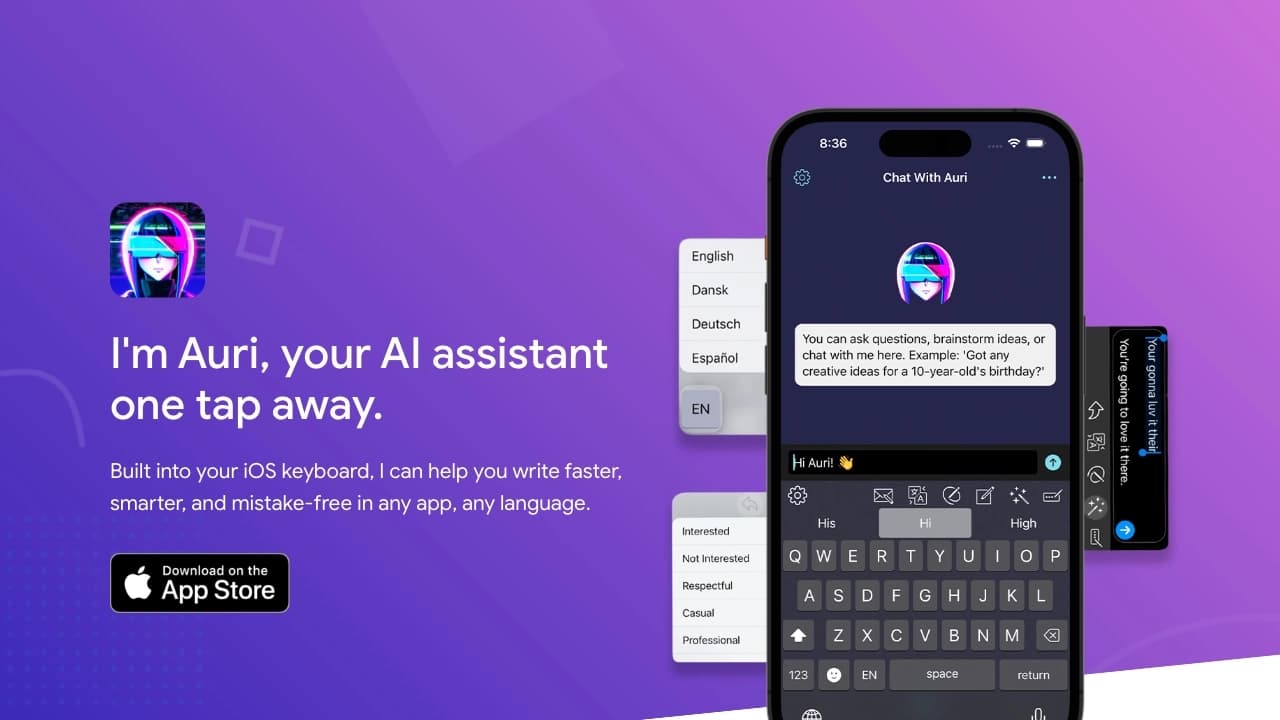
AI keyboard for Apple devices that speeds up typing with corrections, translation, and response generation.

AI platform for fast website creation and small business process management.

Desktop AI assistant for macOS, Windows, and Linux that launches via hotkey above all windows and combines multiple language models in one interface.

AI agent for automating customer communications and support.

Chrome extension that helps manage tabs, history, and bookmarks with an AI assistant.
AI assistant for business that helps manage tasks and automate routine through dialogue.
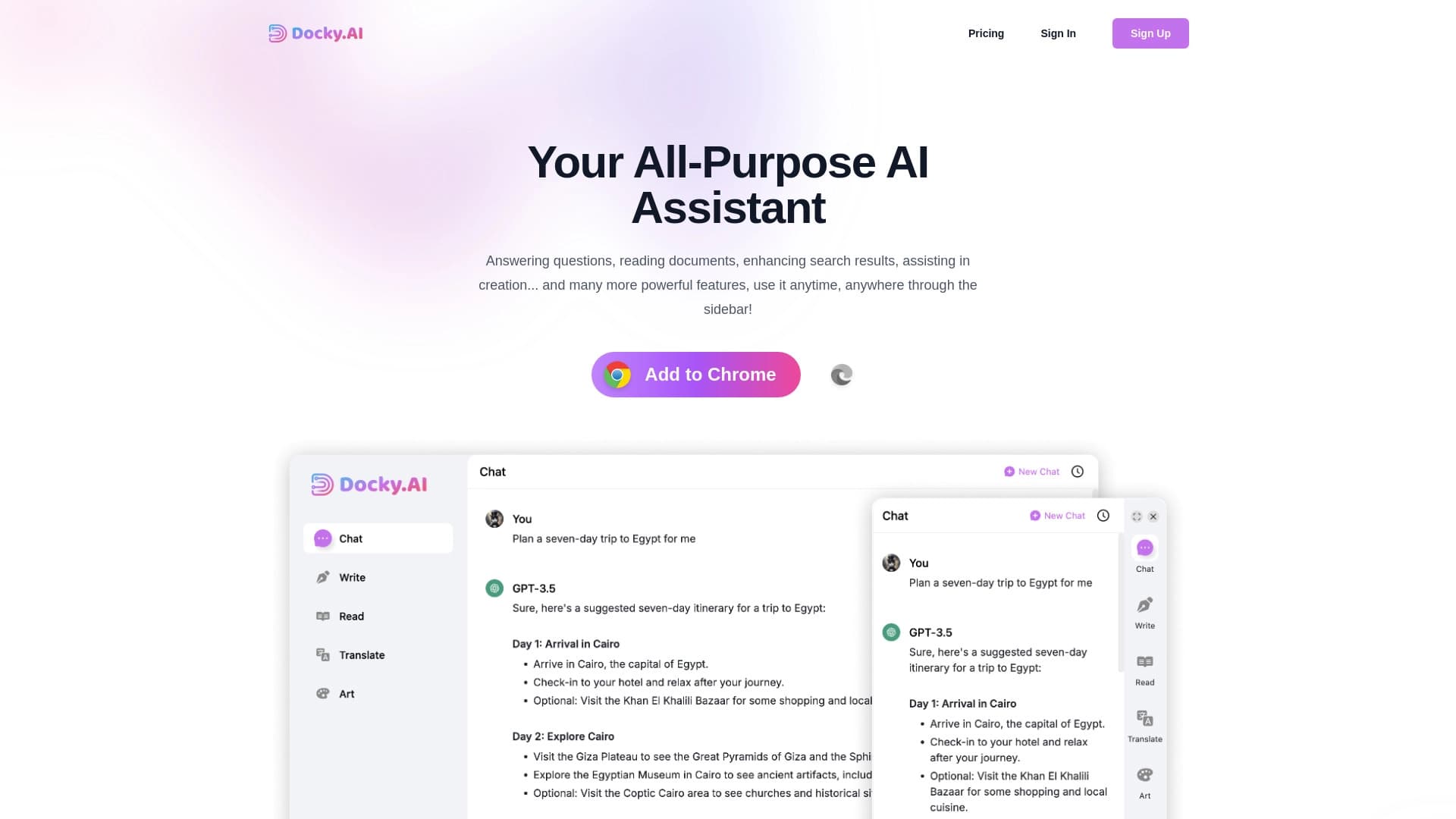
Side AI panel that helps answer questions, work with documents, and generate images.