
Dcup
AI assistant for optimizing and automating everyday workflows.
Overview
Dcup is a software assistant built on artificial intelligence technologies. Its main goal is to help users simplify everyday workflows and eliminate routine operations. The tool is focused on automating repetitive actions, which reduces the time spent on standard tasks and allows users to focus on more important aspects of their work.
The solution is positioned as a general-purpose assistant: it is not tailored to a narrow professional field but aims to cover a wide range of daily activities. Dcup acts as a kind of digital assistant that takes on the mechanical part of the work, reducing the cognitive load on the user.
Core idea of the tool
The main concept of Dcup revolves around optimization. Instead of performing tasks manually, the user delegates them to an intelligent assistant that acts according to predefined scenarios or on command. This is especially relevant for those who deal with a large volume of repetitive operations on a daily basis.
How the product is positioned
In the AI tools market, Dcup stands out for its versatility and focus on practical value. It is not a research or creative tool but a utilitarian assistant designed for real work with documents, emails, data, and other routine tasks. The product answers the need to "make things faster and simpler," rather than "create something new."
Dcup characteristics
| Characteristic | Value |
|---|---|
| Purpose | Automation and optimization of everyday workflows |
| Core technologies | Artificial intelligence, machine learning algorithms |
| Key function | Assistance with routine operations without manual intervention |
| Target audience | Users who want to speed up their daily tasks |
| Delivery format | Software assistant (licensed software) |
| Scope of application | General-purpose workflows |
| Core principle | Reducing manual labor through automation |
| Distribution model | Not specified (not stated in sources) |
Who is Dcup suitable for?
Professionals with a high routine workload
Dcup will be useful for those whose work involves a large number of repetitive operations: handling incoming requests, filling out forms, preparing standard documents, and structuring data. The assistant can take on these tasks, freeing up the employee's time.
Freelancers and self-employed professionals
For those who work independently, every hour counts. Automating daily tasks allows freelancers to take on more orders or spend more time developing skills rather than on mechanical operations. Dcup helps bring order to workflows without hiring additional staff.
Managers and administrative staff
Managers often suffer from an abundance of small tasks: approvals, reports, reminders, correspondence. Dcup can systematize these processes and relieve the manager of the need to manually control every step. Administrators get a tool for maintaining order in daily operations.
How to use Dcup?
Initial setup
Before starting work, it is necessary to familiarize yourself with the assistant's interface and understand which tasks can be delegated to it. It is recommended to start with simple operations to assess how it works and the quality of the results. Gradually, you can move on to more complex scenarios.
Integration into the workflow
For effective use of Dcup, it is important to identify which everyday tasks take up the most time. After that, you can structure processes so that the assistant performs them automatically or on command. The tool does not require special technical knowledge — it is designed for regular users.
Optimization for your own needs
Every workflow is different, so Dcup allows for customization to individual scenarios. Users can experiment with which tasks to assign to the assistant to find the optimal balance between automation and control.
Key features of Dcup
Automation of repetitive operations
Dcup's main function is performing standard actions without human involvement. This can include typical email responses, processing incoming data, preparing templates, and other operations that repeat day after day.
Optimization of routine processes
The tool does not just perform tasks — it arranges them in a more efficient sequence. Dcup analyzes how to reduce the time spent on certain actions and suggests the optimal order for completing them.
Reducing manual labor
A feature directly tied to automation. Dcup minimizes the need to manually enter data, transfer information between applications, or perform other mechanical actions. The user gets the result, not the process.
Accelerating daily tasks
The assistant reduces task completion time by processing information faster than a human. This allows users to get more done during the workday without expending energy on repetitive operations.
Advantages of Dcup
Time savings
Dcup's main advantage is a significant reduction in time spent on routine processes. Instead of spending hours on repetitive operations, the user gets a finished result in minutes, which directly impacts productivity.
Reduced user workload
Automation reduces fatigue and helps avoid errors associated with the human factor. The user stops performing monotonous work and can focus on tasks that require intellectual effort.
Versatility of application
Dcup is not tied to a specific industry or type of task. The tool flexibly adapts to a wide range of everyday workflows, making it useful for professionals across different fields.
Ease of use
The tool is designed as an assistant, not complex software. No technical education or programming knowledge is required to use it — simply describe a task or set up a scenario.
Disadvantages of Dcup
Limited information about functionality
The source data describes only the general principles of how the assistant works. Details about which specific types of tasks Dcup supports, limitations on operation complexity, and which data formats it processes are missing. Users will have to figure this out on their own during use.
Uncertainty about the distribution model
At the time of writing, it is unclear how the product is distributed: whether it is subscription-based, a one-time purchase, or has a free version. This could be an obstacle when deciding whether to use it.
No pricing data
The cost of Dcup is not stated in available sources. Potential users cannot assess in advance how economically viable it would be to implement the tool in their workflows, which complicates budget planning.
What tasks does Dcup solve?
Eliminating routine
Dcup's main task is to free the user from manually performing repetitive actions. The assistant takes on the mechanical work associated with processing information, preparing standard materials, or filling out forms.
Improving work efficiency
The tool addresses the task of increasing productivity by reducing time spent on standard operations. Dcup allows users to get more work done in the same period without increasing their effort.
Automating daily processes
Dcup's task is to ensure that part of the workflow is performed without human involvement. This reduces the dependence of results on the human factor and ensures consistency in task execution.
Optimizing the workday
The tool helps rationally distribute effort throughout the day. The time freed up from routine can be redirected to more complex and important tasks that require direct user involvement.
Dcup pricing
As of the preparation of this review, no information about Dcup pricing is available. The source data contains no details about pricing plans, the availability of a free period, or the pricing model. It is also not specified whether a trial version is available for testing before purchase.
Potential users can try to find up-to-date pricing information on the product's official website or by contacting support. The absence of pricing information in this review does not mean the tool is free — it is likely that pricing details are published on resources not included in the source materials.
Terms of use for Dcup
Detailed terms of use for Dcup are not disclosed in the source data. The technical requirements, whether mandatory registration is needed, or whether an internet connection is required for the assistant to work are unknown.
There is also no information about the privacy policy or how user data is processed when performing tasks. For complete information about the terms of use, users should refer to the product's documentation and official sections.
Dcup availability
Information about the platforms Dcup runs on, as well as any geographical restrictions on use, is absent. It is unclear whether the product is available as a web application, installable software for a personal computer, or a mobile application.
It is likely that the assistant is available on major operating systems or through a browser, but there is no confirmation of this in the source materials. Potential users are advised to verify this information on the product's official resource before starting to use it.
How Dcup differs from alternatives
Focus on everyday tasks
Unlike narrowly specialized AI tools, Dcup is focused specifically on daily workflows. It does not try to replace full-fledged professional packages but fills the niche of everyday routine that is often overlooked.
Broad scope
Dcup works with different types of tasks rather than a single specific function. This makes it more versatile compared to tools designed for one operation — for example, only text generation or only data analysis.
Simplicity as a competitive advantage
Many modern AI tools are complex to learn and require configuration. Dcup, based on its description, is aimed at quick adoption and use without special training, which sets it apart from bulky corporate systems.
No rigid specialization
The tool is not tied to a specific industry — it can be used in an office, in creative work, and in technical operations. Such flexibility is not common among all AI assistant products.
Conclusion
Dcup is a practical AI assistant designed to optimize everyday work tasks. Its strengths are versatility and a focus on reducing manual labor in routine operations. The tool will be useful for professionals with a high load of repetitive actions, freelancers, and managers looking to improve their work efficiency. At the same time, many important aspects of the product — pricing, distribution terms, technical requirements — remain undisclosed, so before making a purchase decision, it is worth obtaining additional information from official sources.
Frequently asked questions
See also
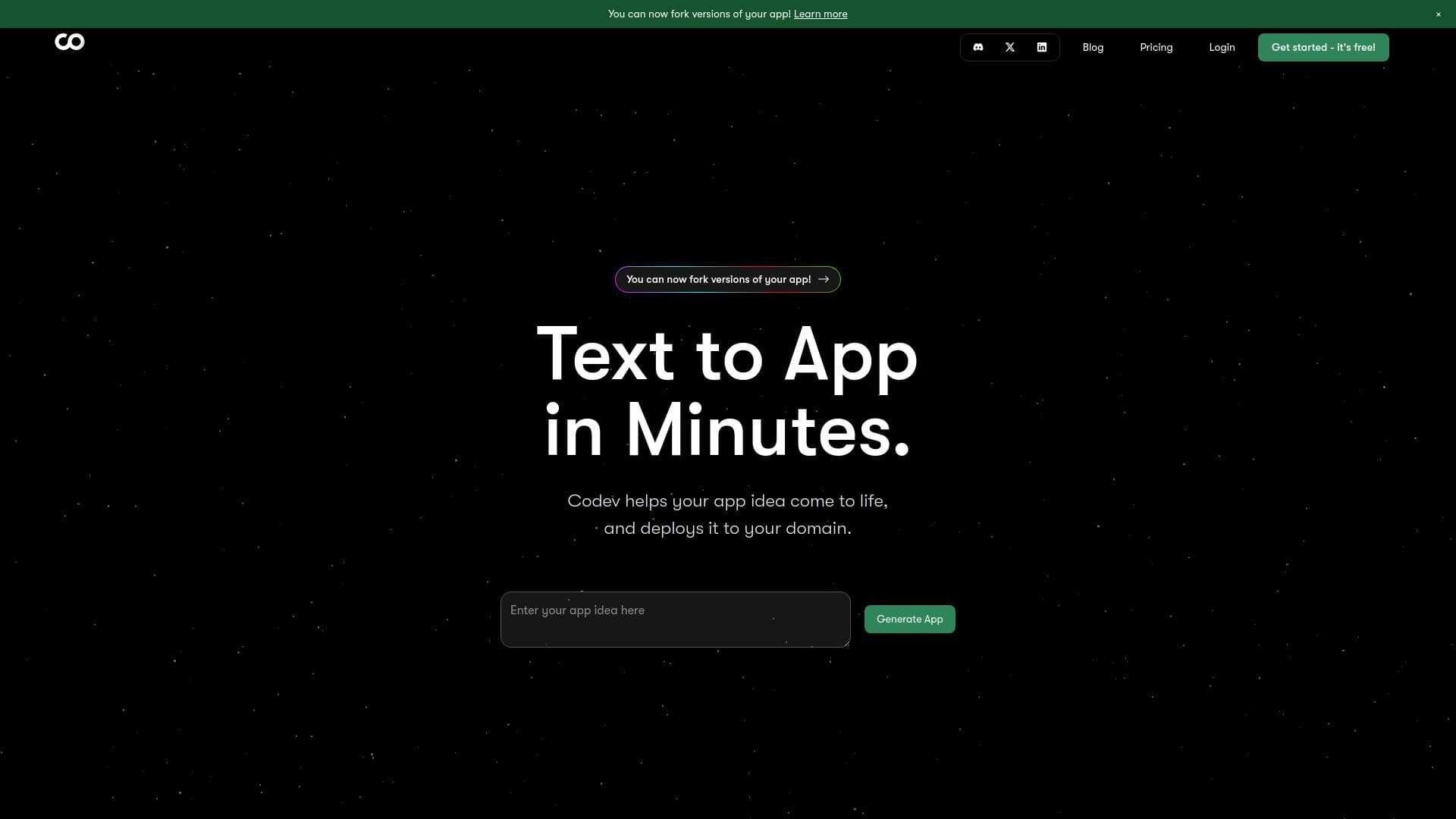

AI agent for assisting with programming and optimizing the development workflow.
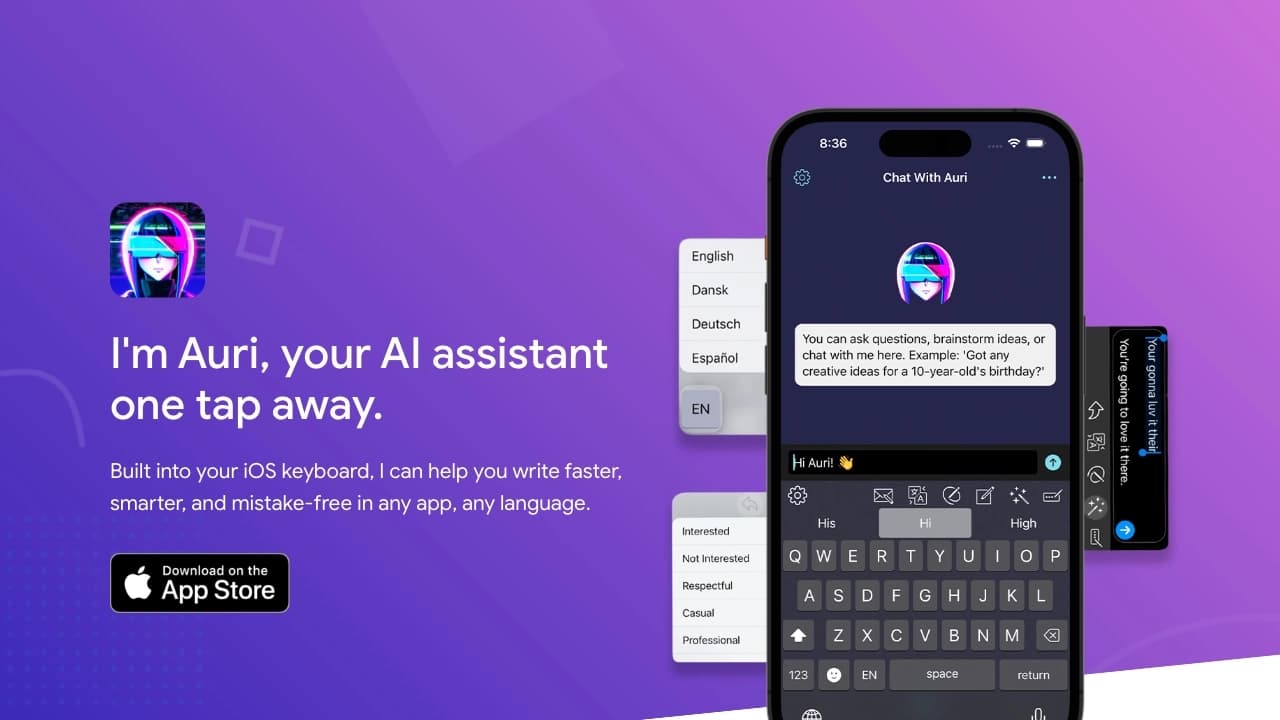
AI keyboard for Apple devices that speeds up typing with corrections, translation, and response generation.
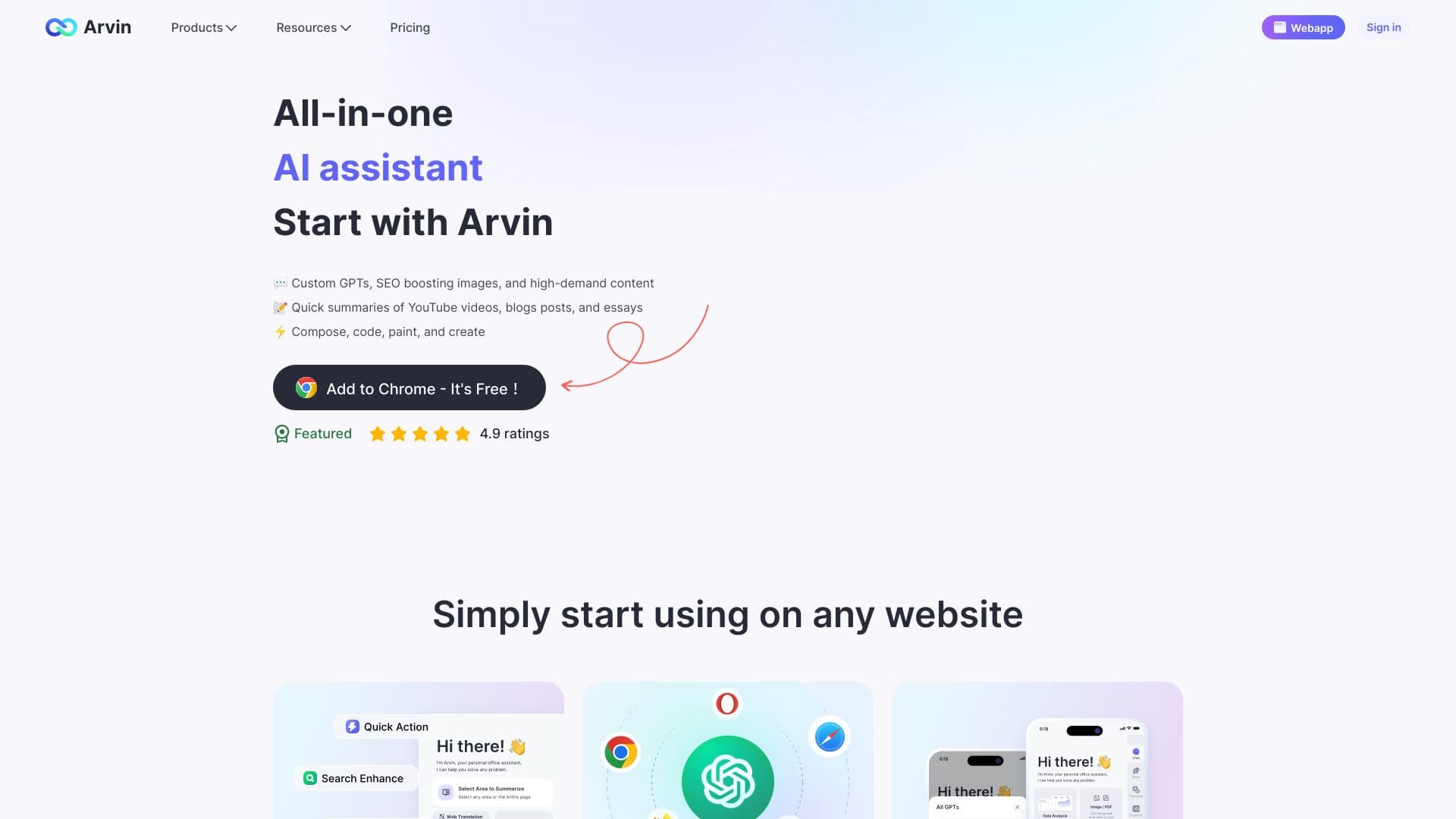
Browser extension and web service with AI assistant features: answering queries, summarizing videos and documents, and translating text.


AI service for meal planning, recipe generation, and automatic grocery list creation.
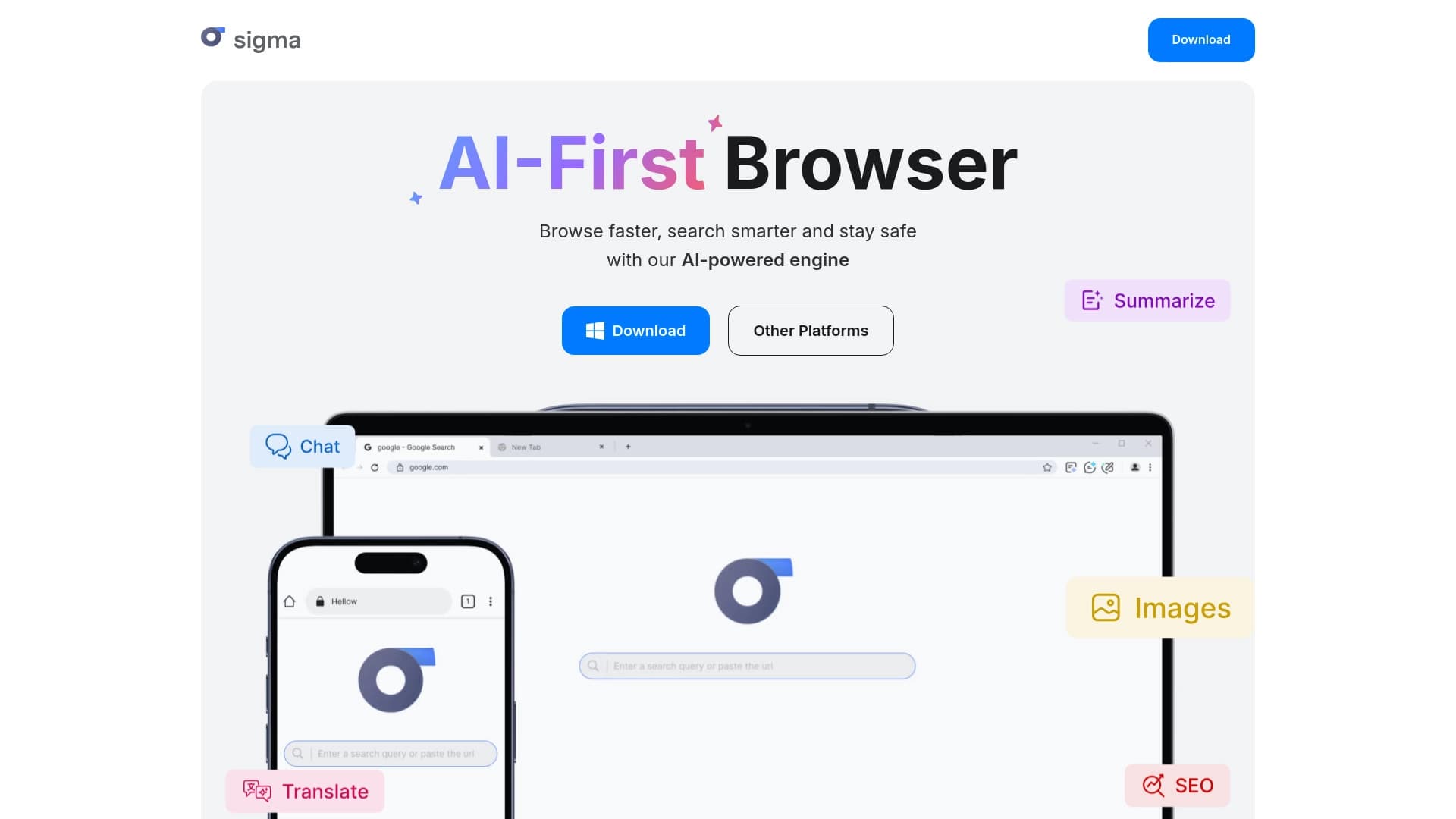

A browser with built-in AI tools for chatting with neural networks, generating texts and images, translating and summarizing pages.
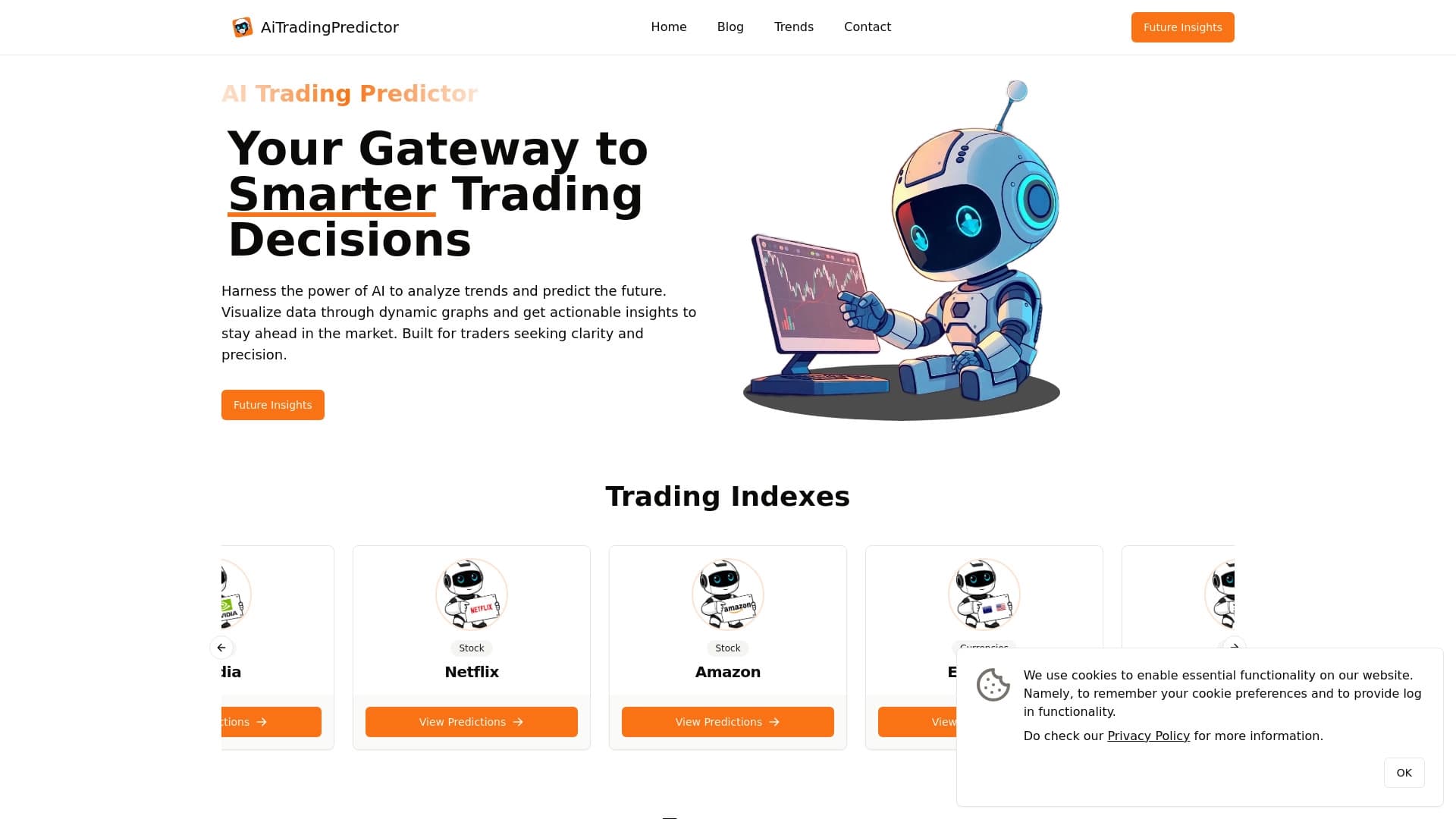
Free AI service for forecasting price movements of stocks, cryptocurrencies, and commodities.

AI agent for automating routine browser actions, such as filling out forms and collecting data.
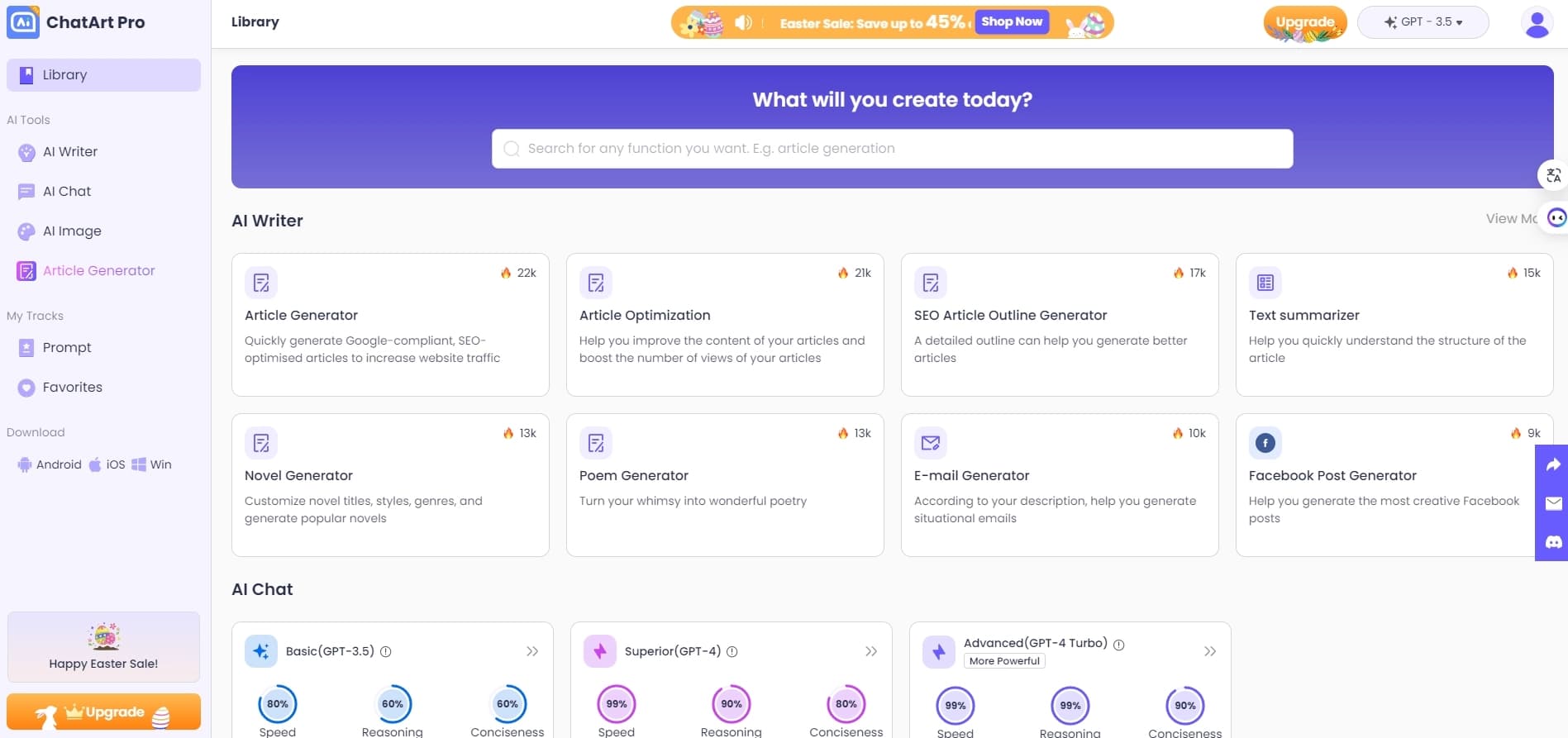

A multifunctional platform for creating and editing media content using artificial intelligence.