

Augmental
AI-powered platform for creating, managing, and monetizing educational courses and materials.
Overview
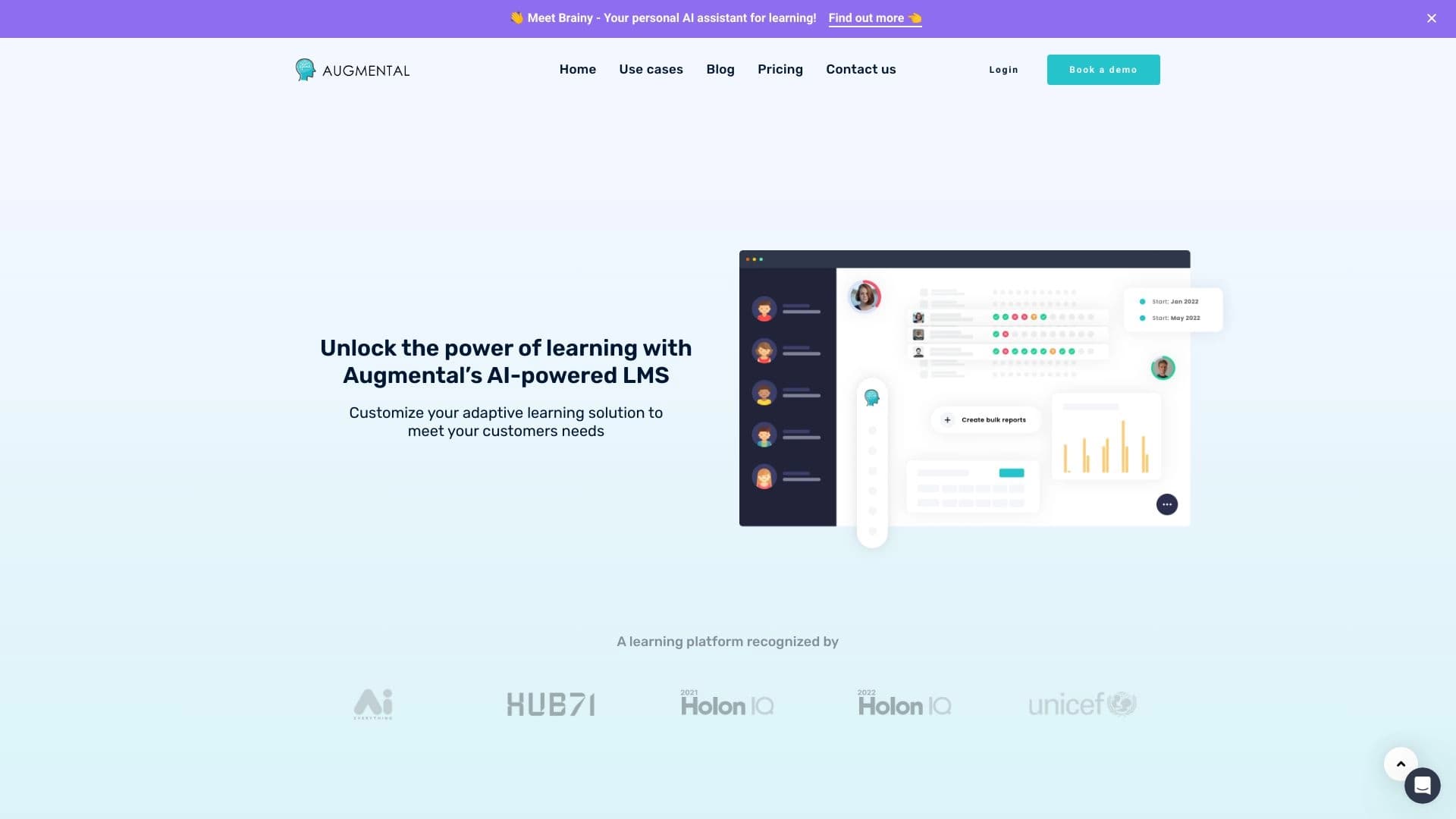
Augmental is an AI-powered educational platform that automates the process of creating, managing, and monetizing online courses. Instead of manually developing each lesson, test, or study guide, the platform lets you generate content with AI, cutting down on preparation time and routine work. For schools, corporate universities, and publishers, it's a tool that combines a course builder, analytics system, and personalized learning environment. Augmental positions itself not just as a repository of materials, but as a full-fledged learning management system (LMS) that adapts to each individual student and to the brand of a specific organization.
Augmental Features
| Feature | Value |
|---|---|
| Type | AI-powered learning management platform |
| Categories | Text processing tools, Product description generators, Educational support tools, Text content generators, AI learning tools |
| Developer | Augmental Learning Inc. |
| Monthly visits | 22.4K |
| Free plan | Yes (basic, with 14-day free access) |
| Distribution model | Not specified |
Who is Augmental for?
Schools and universities
Educational institutions can use the platform to quickly convert offline programs into digital format. AI helps create tests and teaching materials, as well as track group performance in real time, reducing the workload on teachers.
Companies and corporate training
For businesses, Augmental is a way to quickly launch onboarding or professional development programs. Thanks to interface branding, a company can train employees on an internal platform without being tied to a third-party design, and integrations allow training to be embedded into existing workflows.
Publishers and course authors
For publishers and independent experts, the tool helps monetize knowledge: automated lesson assembly and knowledge checks allow new courses to be released several times faster, and the analytics system shows which materials truly hold students' attention.
How to use Augmental?
Registration and first launch
The process begins with registering on the platform's website. Immediately after that, a free 14-day period is activated, giving access to the core features without entering payment details. At this stage, the user lands in a dashboard where they need to complete the initial workspace setup.
Brand customization
The second step is customizing the appearance. You upload a logo and select brand colors and fonts. This makes the platform look like your own product — the white-label feature completely hides any association with Augmental.
Generating a curriculum
After setting up the interface, the user moves on to content creation. In the builder, you need to specify the course topic and key parameters: difficulty, target audience, and desired outcomes. The AI will assemble the curriculum structure, suggest lesson texts, generate test assignments, and supplementary materials, which can be edited manually if needed.
Monitoring results
The final stage is working with analytics. The built-in dashboard shows student engagement, assignment completion rates, and areas where students are struggling. This data helps quickly improve content and adjust learning paths.
Key Augmental features
Adaptive learning
The platform doesn't just show the same material to every user — it analyzes each student's actions. Based on task completion speed, mistakes, and preferences (text, video, interactive content), the system adjusts difficulty and presentation format, creating an individual path for each learner.
AI content generation
The core feature is creating text materials. The platform automatically builds the course structure, writes theoretical sections, and generates self-assessment questions and test variants. This lets you assemble a course in hours instead of weeks of manual work.
Branding and integrations
White-label capability — customizing the interface to match a company's logo, palette, and fonts. Integrations with external systems are configured on a builder principle — connecting modules without deep programming.
Analytics and reporting
The system collects detailed data on each student and the group as a whole. Information on engagement, time spent studying, test results, and performance trends is available, displayed in clear dashboards.
Augmental advantages
Personalization without teacher involvement
The main benefit is that learning automatically adapts to the student. The system remembers which material formats work best for each individual and adjusts the presentation, reducing the burden on the educator.
Flexible and secure integration
Connecting third-party services is done through a builder that doesn't touch the system core. This means integrations can be configured without risking damage to the platform's existing features.
Transparent statistics from the start
Full analytics are available even to users on the trial period. This is rare for LMS platforms — usually, detailed reports are only unlocked after payment. Here, you can evaluate the system's effectiveness before purchasing.
Augmental drawbacks
Manual content refinement required
AI doesn't always hit the mark: generated materials can be too generic, contain factual errors, or fail to match the narrow specifics of a topic. The teacher will need to proofread and correct the generated texts before publishing.
Sensitivity to technical conditions
The platform is demanding when it comes to internet connection stability and device performance. With a weak connection or an outdated computer, the interface may freeze, slowing down course work.
Occasional semantic errors
AI can generate tests whose questions don't relate to the studied material, or produce "fluff" in theoretical blocks. Regular content review is needed to ensure alignment with the curriculum.
What problems does Augmental solve?
The platform's main goal is to take routine course-creation work off teachers and methodologists. Instead of copy-pasting from old materials, you can generate new content on demand. The system also helps solve other institutional problems: tracking real student engagement, understanding which topics are hardest, and adjusting materials in time. For businesses, it's a way to quickly launch a corporate university with a branded interface in minimal time. The platform handles administration, analytics, and draft generation, leaving the human in the role of editor and expert.
Augmental pricing
The platform uses a three-tier pricing system. Subscriptions are billed monthly:
- Basic plan — free. Includes the platform's core features, but has limitations on integrations and analytics. Suitable for getting familiar with the system.
- Standard — 2730 per month. Unlocks an expanded set of integrations, advanced analytics, and removes limits on the number of courses you can create.
- Premium — 4990 per month. Provides full access to all features, custom settings tailored to client needs, and priority technical support.
All new users get a free 14-day trial period during which features from all plans are available.
Terms of use for Augmental
Registration on the official website is required to use the platform. After creating an account, the user automatically gets 14-day access to the full functionality. This time can be used to evaluate the AI's capabilities, create a first trial course, and test the analytics tools. There are no hidden conditions at the start — the system lets you begin quickly, without document verification or lengthy approval processes.
Augmental availability
Augmental works as a web platform — all you need is a modern browser and a stable internet connection; no separate app installation is required. The developer doesn't specify an explicit list of supported languages and regions, but the platform is designed to serve a broad international audience.
How Augmental differs from alternatives
There are many educational services on the market, but Augmental's positioning is unique: it's not just a test generator or a drill-based trainer. Unlike Duolingo or Quizlet AI, which focus on self-study of languages or flashcards, Augmental covers the full cycle. It addresses the needs of the author creating a course, the administrator tracking statistics, and the student who needs an individual approach. The main difference from DeepTutor or Photomath is the depth of brand customization: few platforms allow you to fully "hide" a SaaS solution behind white labeling. Kampus.ai or StudGPT could be considered direct competitors, but they don't have the same emphasis on tools for publishers and comprehensive engagement analytics. Augmental positions itself as the link between content creation and content management.
Conclusion
Augmental is a modern LMS platform that addresses three key needs: automating course creation, personalizing learning, and tracking results. It's equally useful for schools, corporate training centers, and publishers looking to quickly digitize their programs while maintaining their brand identity. Even though generated content requires review and correction, and the platform needs a quality internet connection, there are few serious competitors at this level with branding support and flexible integration on the market. For organizations that work with large volumes of educational materials and value teachers' time, Augmental is a practical solution that pays off as early as the first course creation stage.
Frequently asked questions
See also
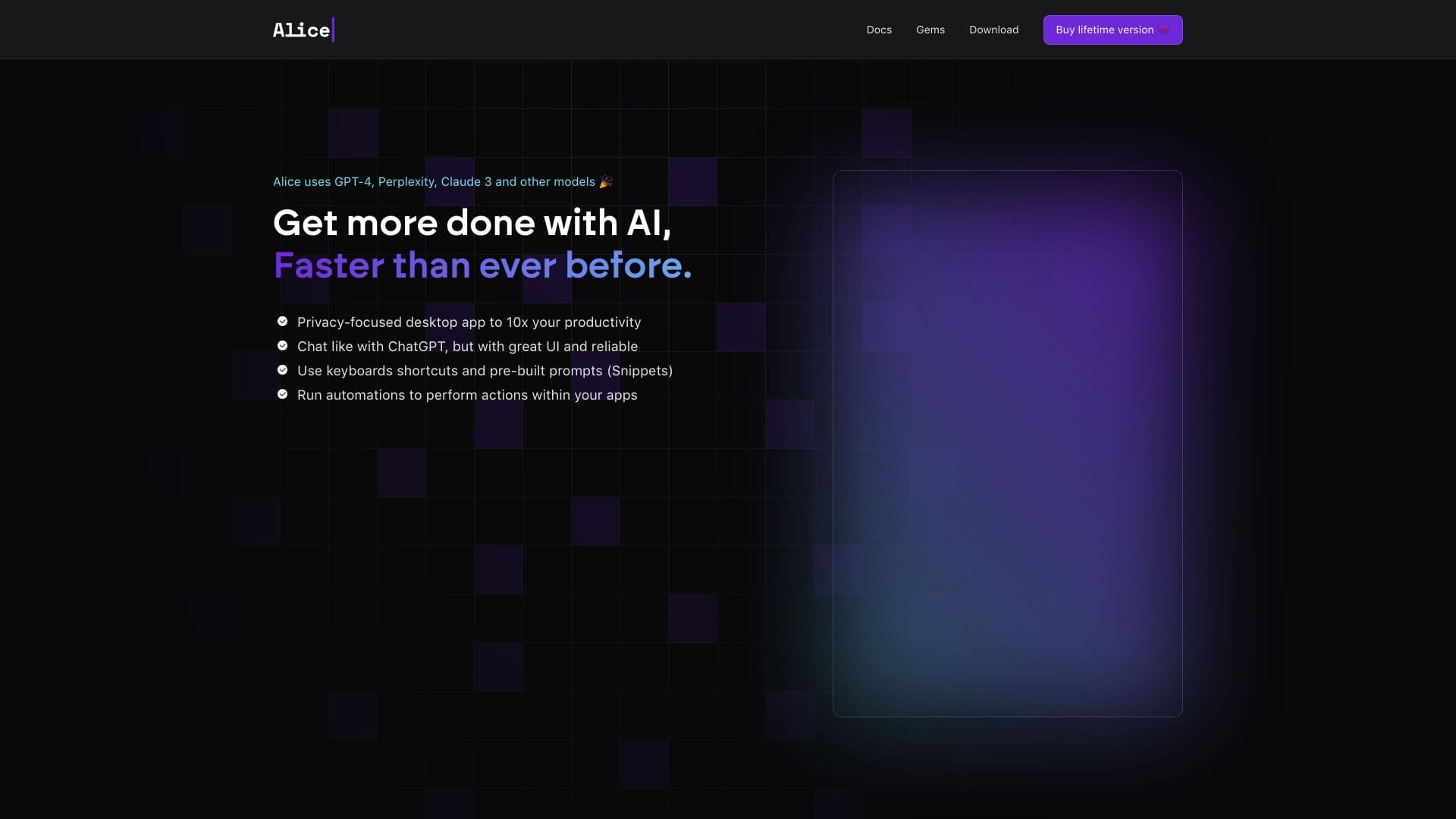

Desktop AI assistant for macOS, Windows, and Linux that launches via hotkey above all windows and combines multiple language models in one interface.

AI agent for automating routine browser actions, such as filling out forms and collecting data.
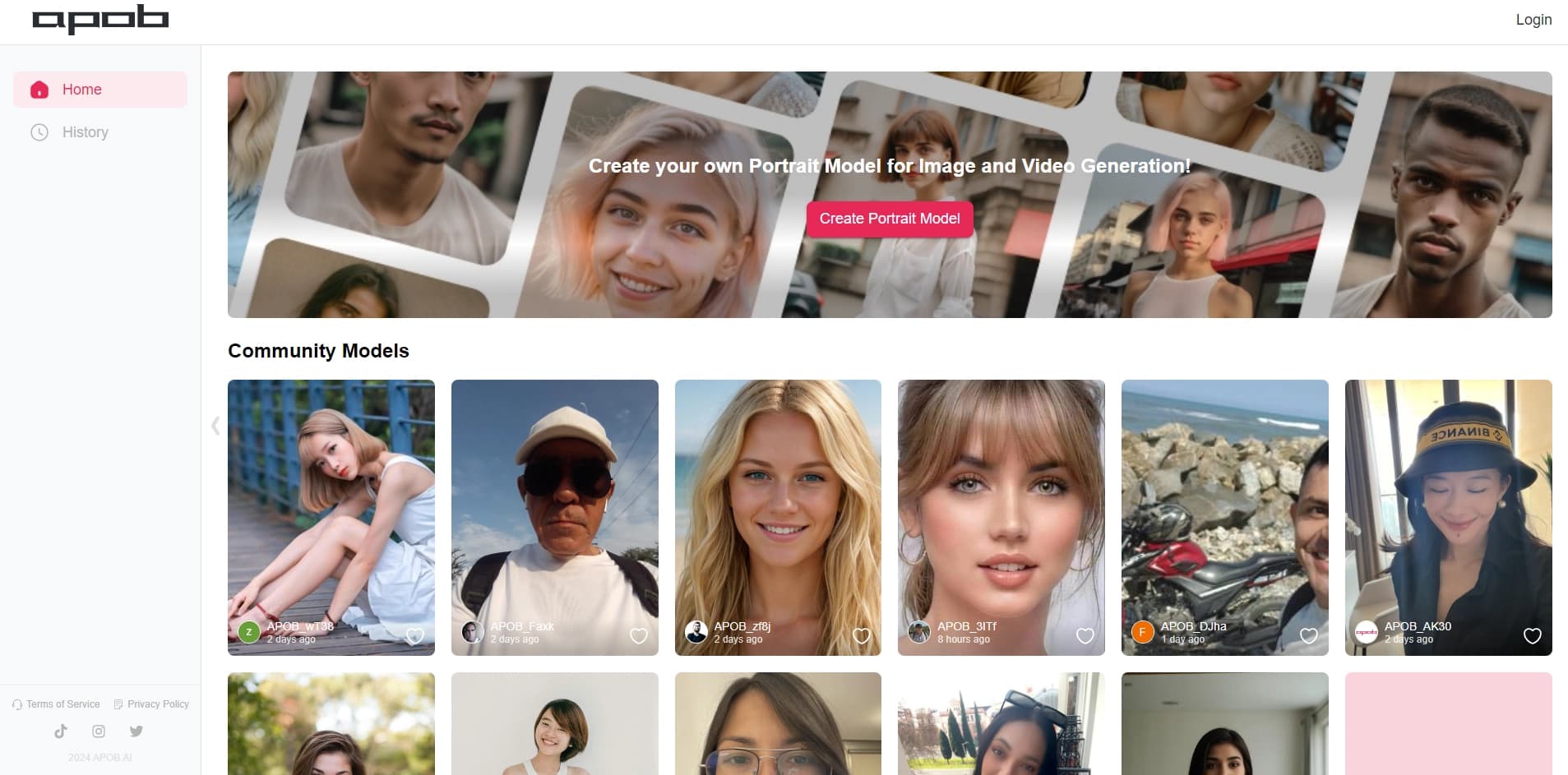

Platform for creating digital avatars and virtual influencers using AI.
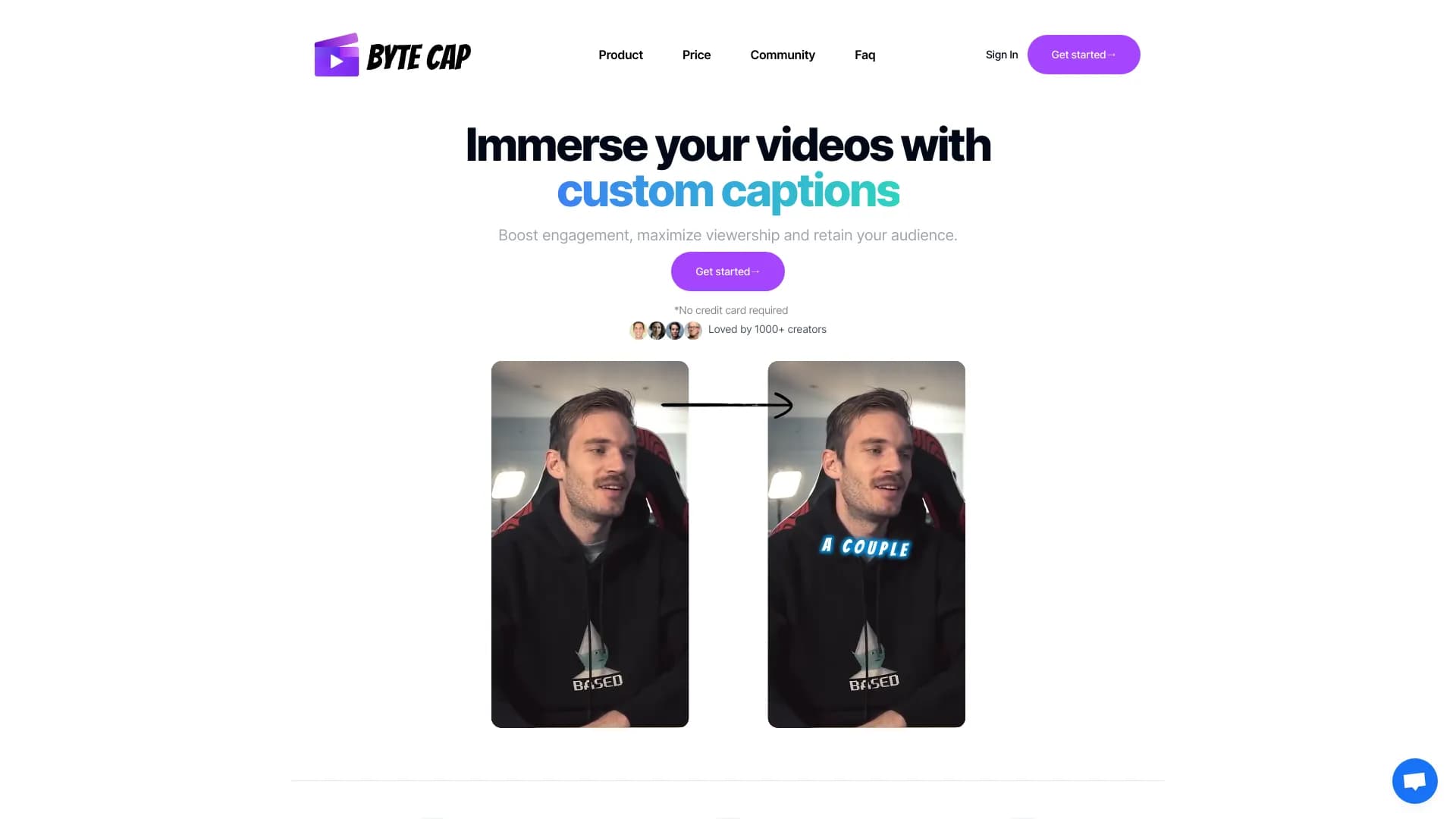
AI-powered online service for automatically generating video subtitles.


Video editor with neural network support for video editing on Windows and Mac.

Platform for automating client acquisition and personalized email campaigns with data enrichment from over 150 sources.

AI tool for automatically removing backgrounds from images right in the browser.

Platform for automated geospatial analysis of satellite imagery and geographic data.