

Clay
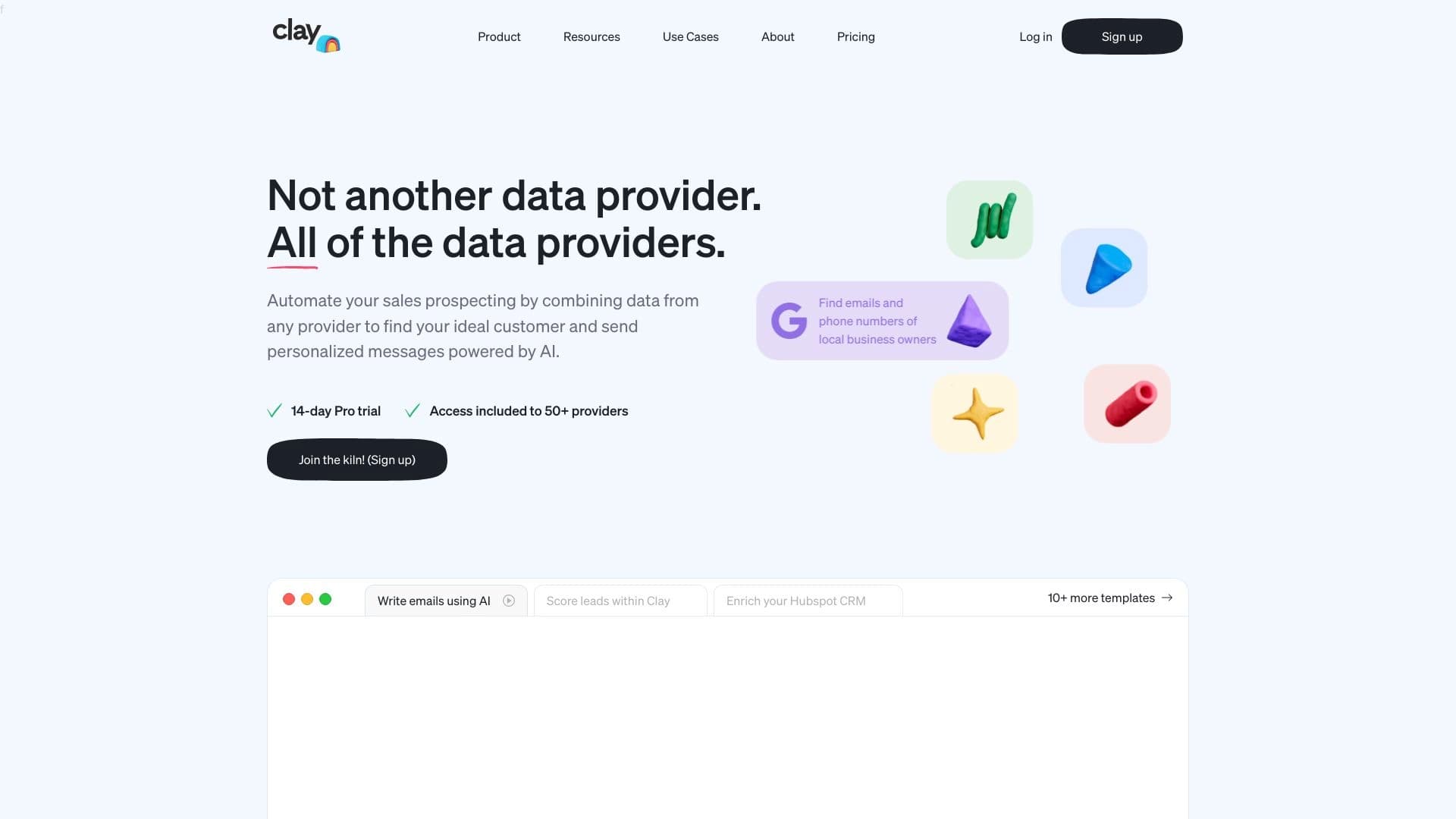
Platform for automating client acquisition and personalized email campaigns with data enrichment from over 150 sources.
Ranked in
Overview
Clay
About Clay
Clay is a platform for automating customer prospecting that combines data enrichment and personalized outreach in a single tool. The service collects lead information from a wide range of sources, including LinkedIn, ZoomInfo, and Apollo, automatically scoring each contact's potential based on customizable criteria.
Thanks to its built-in AI, Clay helps sales teams craft personalized messages and launch large-scale outbound campaigns without sacrificing the quality of interactions with potential customers. The platform relies on more than 150 data providers, enabling teams to build detailed lead lists, enrich CRM information, and connect to external outbound sales tools.
Clay Characteristics
| Characteristic | Value |
|---|---|
| Business model | Freemium |
| Categories | Sales, Email marketing, CRM, Marketing, Automation |
| Type | Platform for automating data enrichment and outreach |
| Website | www.clay.com |
| Data sources | More than 150 providers (LinkedIn, ZoomInfo, Apollo, etc.) |
| Primary purpose | Lead prospecting automation, data enrichment, and personalized outreach |
Who Is Clay For?
Startups and Young Companies
Startups often face limited resources and a shortage of staff for manual prospecting. Clay lets small teams automate lead collection and prioritization without needing to expand headcount, turning a chaotic search process into a well-oiled pipeline.
Sales Teams
Sales managers get a convenient tool for prioritizing leads before calls and outreach. The platform automatically scores contacts by custom criteria, helping teams focus their efforts on the most promising customers.
Growth Teams and Large Companies
Larger organizations use Clay to scale outbound campaigns without losing personalization quality. The tool suits teams that need to process large volumes of prospect data and track important events in their customers' companies.
How to Use Clay?
Setting Up Data Sources
To get started, you need to connect the data sources from which the platform will collect lead information. Clay supports more than 150 providers, including LinkedIn, Apollo, and ZoomInfo, allowing you to build a contact base for almost any task.
Configuring Scoring Criteria
The next step is defining the parameters by which the system will automatically assess the potential of contacts. Customizable criteria help prioritize leads exactly the way a particular sales team needs.
CRM Integration and Campaign Launch
Clay integrates with popular CRMs such as Salesforce and HubSpot, automatically populating fields with lead data. Once configured, you can use the built-in AI copywriter to generate personalized emails and launch large-scale outbound campaigns through connected tools.
Clay's Core Features
Data Enrichment
The platform combines lead information from more than 100 sources, including LinkedIn, Apollo, and ZoomInfo. This allows teams to automatically collect and keep contact data up to date, eliminating manual switching between services.
Automatic Scoring and Signals
Clay automatically scores and prioritizes leads by customizable criteria. The signals feature helps track important customer events—management changes, investments, or product launches—so teams can reach out at the right time.
AI Copywriter and Integrations
The built-in AI copywriter creates personalized emails for each contact. CRM integration ensures automatic field population and outbound campaign launches, combining data enrichment and outreach in a single workflow.
Clay's Advantages
Saving Time and Resources
Clay turns the chaotic process of finding customers into a well-oiled pipeline, replacing manual switching between many services with automated data collection. This lets one person handle workloads that typically require an entire team.
Deep Personalization
Unlike many competitors, the platform focuses on deep message personalization. Combining data from 75+ sources and working with more than 150 providers makes it possible to create truly individualized communications for every lead.
Scaling Campaigns
Clay scales outbound campaigns without losing quality by combining data enrichment, lead scoring, and outreach automation in one tool. This makes the platform convenient for both small startups and large enterprise teams.
Clay's Disadvantages
Learning Curve
The platform takes time to learn. Its broad feature set and large number of settings can overwhelm newcomers, so fully using Clay requires a period of learning and adjustment.
Integration Limitations
Not all third-party services are directly supported. Although the platform integrates with popular CRMs and tools, users may find that direct connections for some specialized solutions are missing.
What Tasks Does Clay Solve?
Finding and Collecting Lead Data
The platform automates contact search and prospect information collection, combining data from multiple sources into a single database. This eliminates manual search and verification of contact details.
Prioritization and Timely Outreach
Clay helps prioritize leads for calls and outreach and tracks key customer events. This allows teams to get in touch at the most appropriate time.
Communication Personalization
The tool automates sending personalized emails with the AI copywriter and automates routine sales tasks. This lets teams spend more time on meaningful conversations with customers rather than mechanical work.
Clay Pricing
Clay operates on a freemium model—the platform offers a free trial that lets you evaluate its core features before purchasing a paid plan. The specific terms and pricing of paid plans are not specified in the provided data.
Clay Terms of Use
The exact terms of use for the platform, including free-plan limitations and paid subscription requirements, are not disclosed in the source data. We recommend reviewing the current terms directly on the official website www.clay.com.
Clay Availability
Clay is available through its official website www.clay.com. Detailed information about service availability in different regions and supported languages is not provided in the source data.
How Is Clay Different from Alternatives?
The main difference between Clay and competitors such as Apollo and Lusha is deeper message personalization and a broad range of data sources. The platform combines more than 150 data providers, making it possible to build the most complete lead profiles and create truly individualized communications.
That said, unlike some alternatives, Clay takes more time to learn. The interface and settings are not as simple as those of lighter-weight solutions, but this complexity is offset by powerful automation capabilities that cover several sales tasks at once—from contact search to sending personalized emails.
Conclusion
Clay is a powerful platform for automating customer prospecting and personalized outreach that combines data from more than 150 sources, automatically assesses lead potential, and helps create individualized messages with AI. The tool is especially valuable for startups, sales teams, and growth teams looking to handle large workloads without expanding headcount. Despite the time required to learn the platform and some integration limitations, Clay's deep personalization and broad automation capabilities can be considered a significant advantage over many competitors on the market.
Frequently asked questions
See also
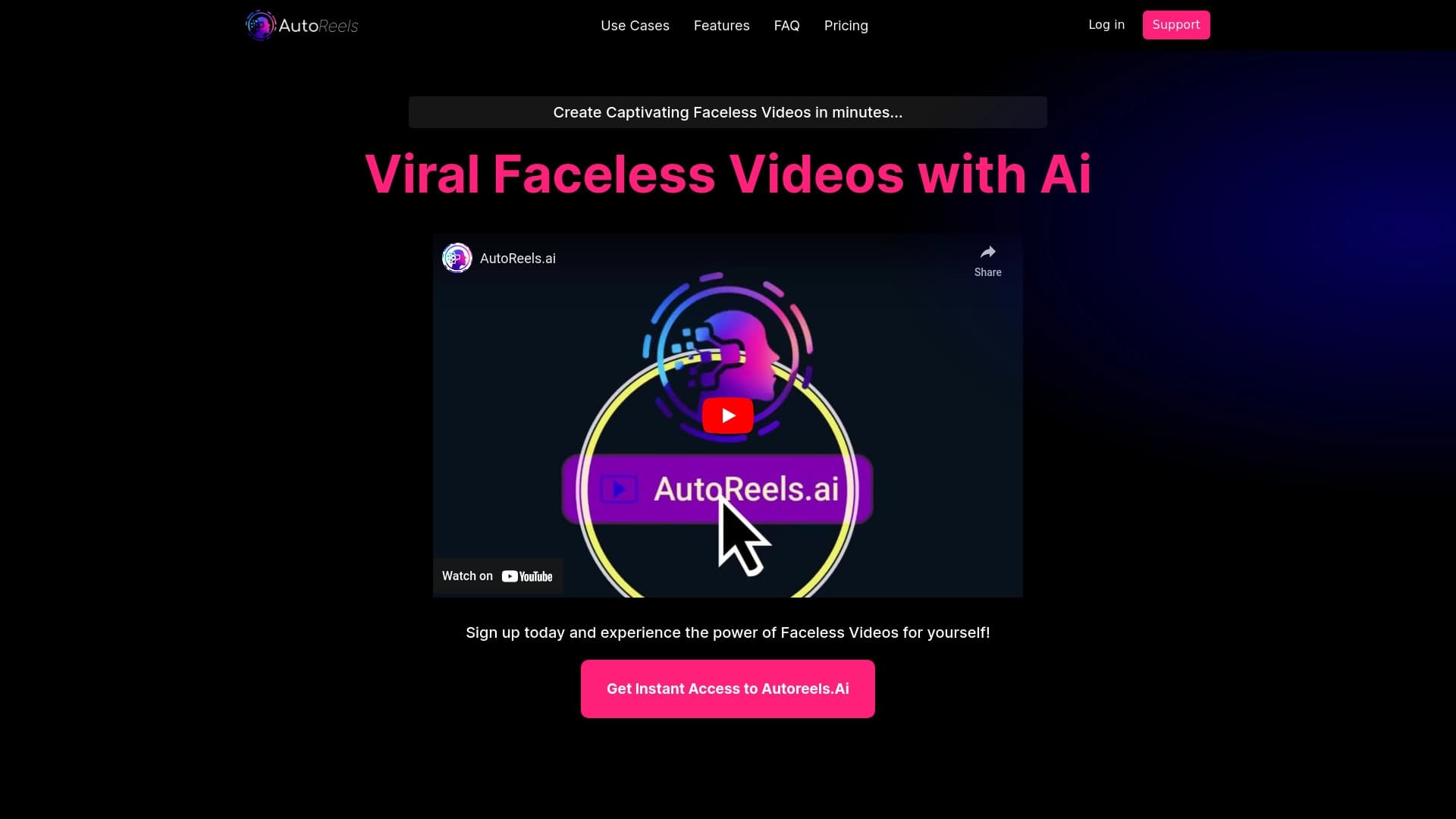

AI-powered service for automatically creating “faceless” short videos for TikTok, YouTube Shorts, and other platforms.
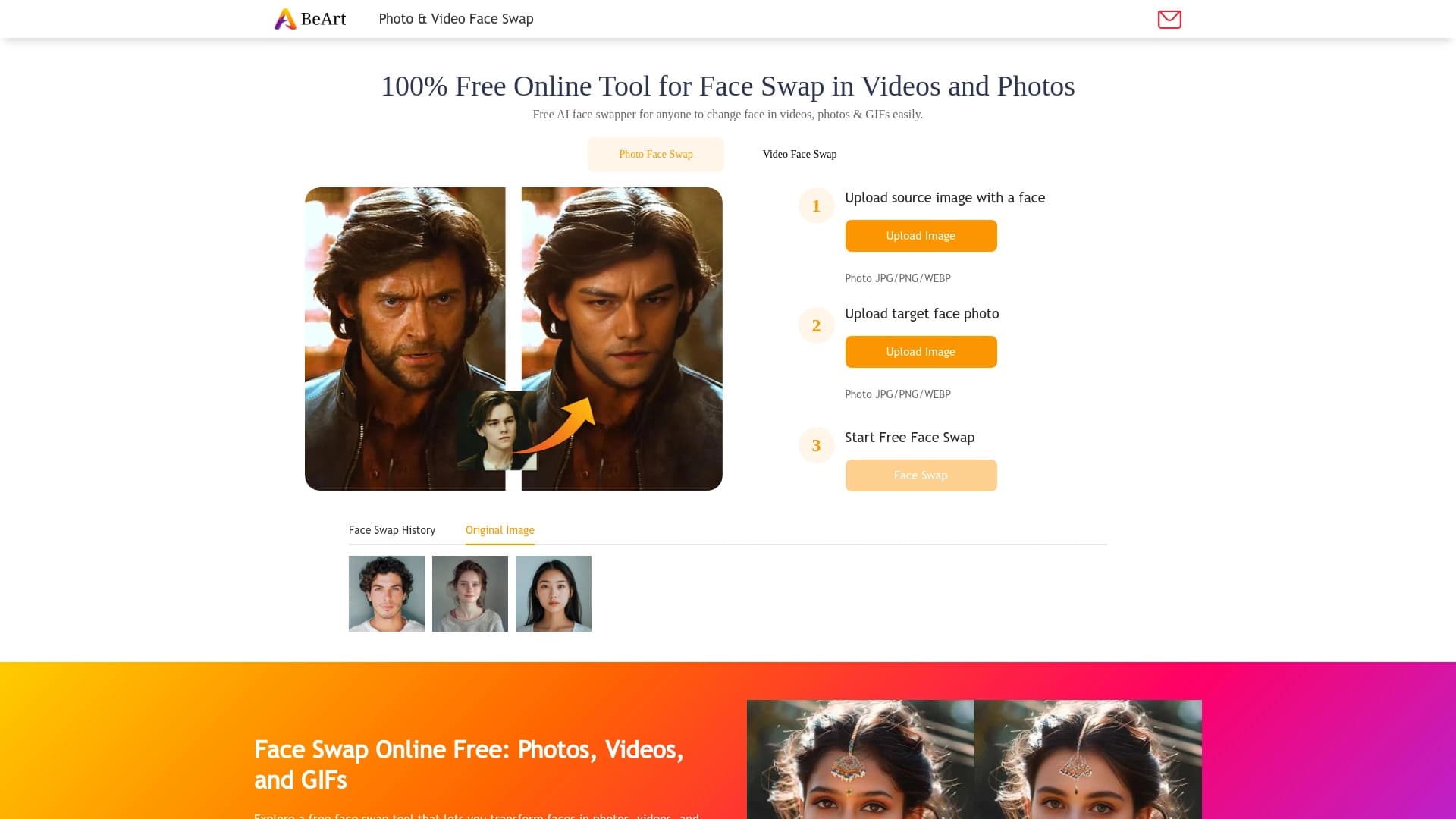
Online tool for swapping faces in photos, videos, and GIFs without registration or watermarks.
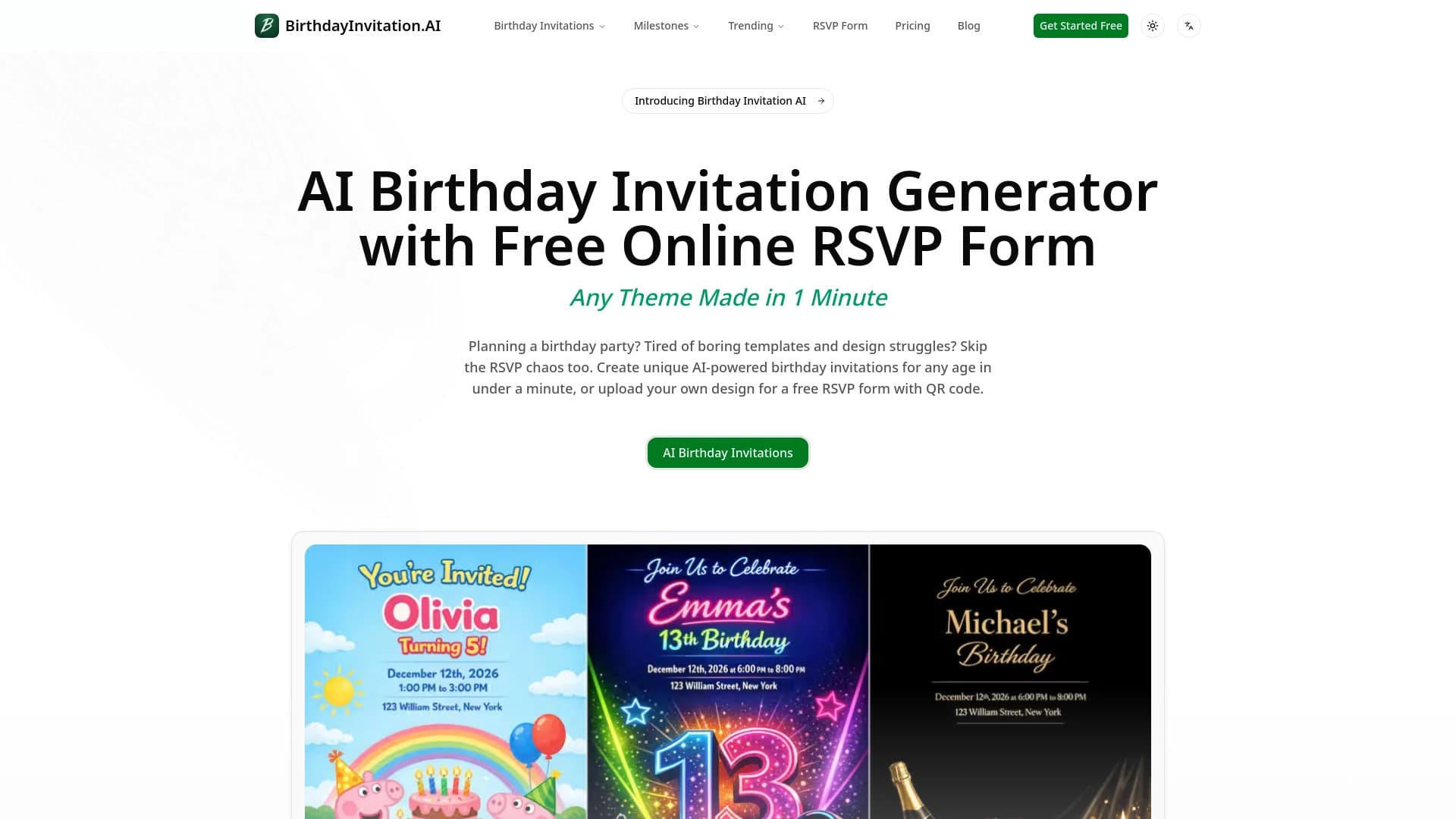
Online service for creating and customizing birthday invitations and congratulations using artificial intelligence.
Platform for generating videos, images, and digital avatars using AI.

AI agent for assisting with programming and optimizing the development workflow.
A tool for creating diagrams and mind maps from text descriptions in natural language.
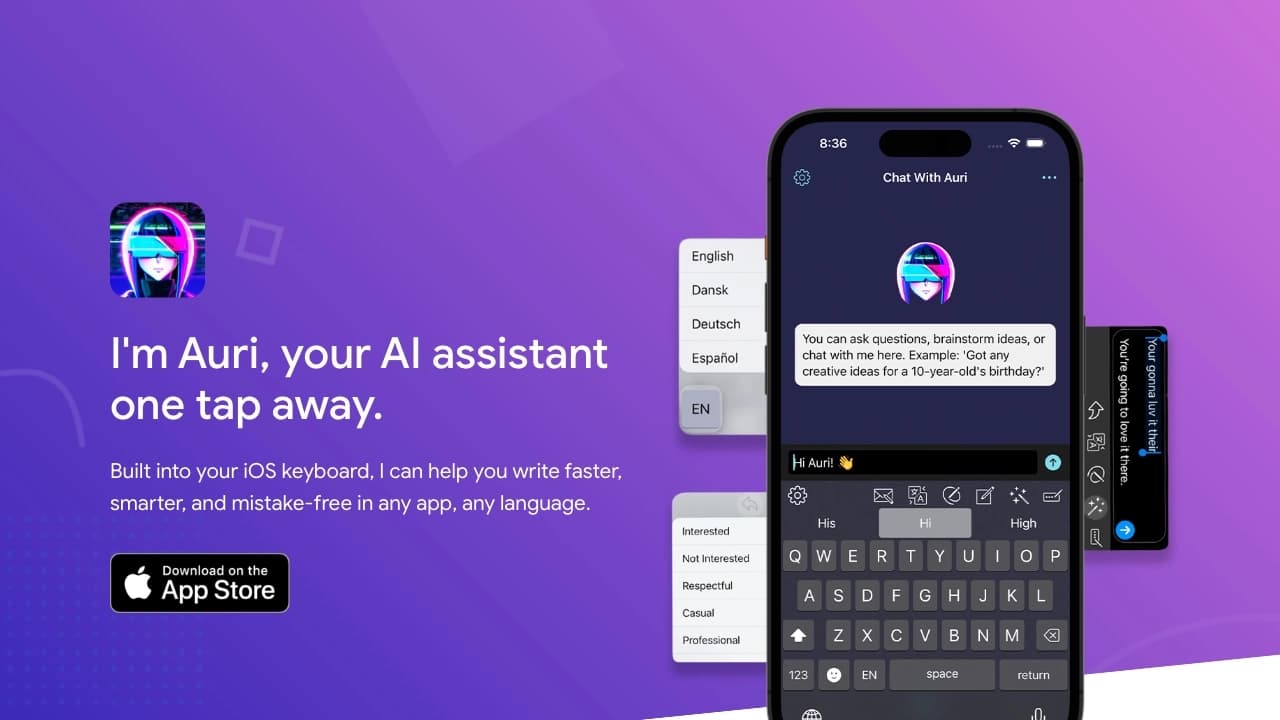
AI keyboard for Apple devices that speeds up typing with corrections, translation, and response generation.

Platform for creating custom AI chats trained on your own business data.