

Voice Engine
Neural network for voice synthesis and cloning from a short audio sample of 15 seconds.
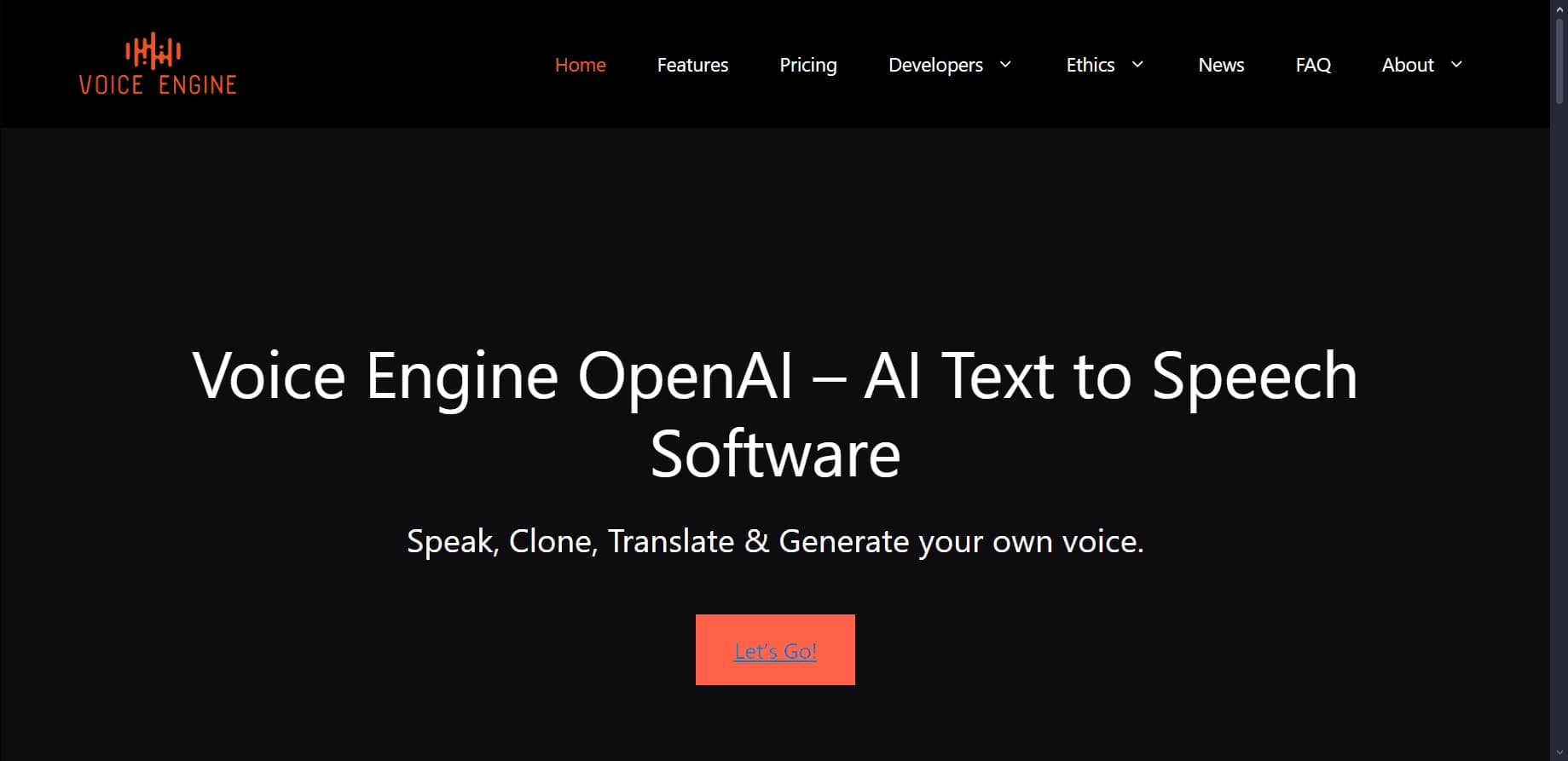
Overview
Voice Engine
Description of the Voice Engine neural network
Voice Engine is a synthetic voice neural network developed by OpenAI. The tool is designed for speech synthesis and voice cloning. It allows generating realistic speech from text, as well as imitating a person's voice based on a short audio sample of just 15 seconds. Voice Engine supports adjusting intonations and accents, making it suitable for video voiceover, dubbing, and content localization.
Voice Engine characteristics
| Characteristic | Value |
|---|---|
| Type | Synthetic voice neural network |
| Developer | OpenAI |
| Categories | Voice cloning, Voices and voiceover, Voice generation |
| Free tier available | Yes (500 minutes of audio generation) |
Who is the Voice Engine neural network suitable for?
Video content creators
Voice Engine suits video makers who need high-quality voiceover for their clips, off-screen narration, or dubbing without hiring professional voice actors.
Application developers
The tool can be useful for teams integrating speech synthesis features into their products — for example, voice assistants, text-reading applications, or educational platforms.
Localization specialists
Companies that adapt video and audio content for different language markets can use Voice Engine to quickly create voice tracks with the required accents and intonations.
How to use the Voice Engine neural network?
Platform registration
To get started, you need to register on the OpenAI platform. After that, the interface for selecting a model and uploading data becomes available.
Generation and settings
The user selects a model for speech generation, uploads text, and, if necessary, a voice sample. Then you can adjust the parameters — accent, speech style, tone, and speed. After that, generation starts, and the result can be listened to immediately.
Main functions of Voice Engine
Speech generation from text (TTS)
The basic function of converting written text into a realistic audio recording with a natural sound.
Voice cloning from a sample
Voice Engine can imitate a person's voice based on an audio sample of just 15 seconds, creating synthesized speech that is almost indistinguishable from the original.
Adjusting accents and pronunciation styles
The tool supports many accents and speech styles, allowing the voice to be adapted to specific tasks and regional features.
Using a diffusion model
Voice generation happens gradually through a diffusion model, which ensures high resolution and realism of the final audio recording.
Voice Engine advantages
- Creates voice samples that are almost indistinguishable from human speech.
- High resolution and realistic intonation of audio recordings.
- Wide range of parameters for creating diverse voice samples.
- Voice cloning function is available.
Voice Engine disadvantages
- The number of voices available for general use is limited.
- A paid subscription is required to use additional functions.
What tasks does Voice Engine solve?
Creating dubbing
Voice Engine allows you to quickly create dubbed audio tracks for video and audio content, replacing the original voice with a synthesized one.
Speech synthesis for applications
The tool is suitable for embedding text-to-speech functions into mobile and web applications.
Audio playback of text
Voice Engine can be used to read texts aloud — from articles and books to user interfaces.
Localization of video and audio content
By adjusting accents and speech styles, the tool solves the tasks of adapting content for different regions and language groups.
Voice Engine prices
Audio generation of 500 minutes duration is available for free. To use additional functions, a subscription must be paid.
Voice Engine terms of use
Registration on the OpenAI platform is required to work with the tool.
Voice Engine availability
The tool is available on the website voicengine.ai.
How is Voice Engine different from analogs?
Synthesis quality
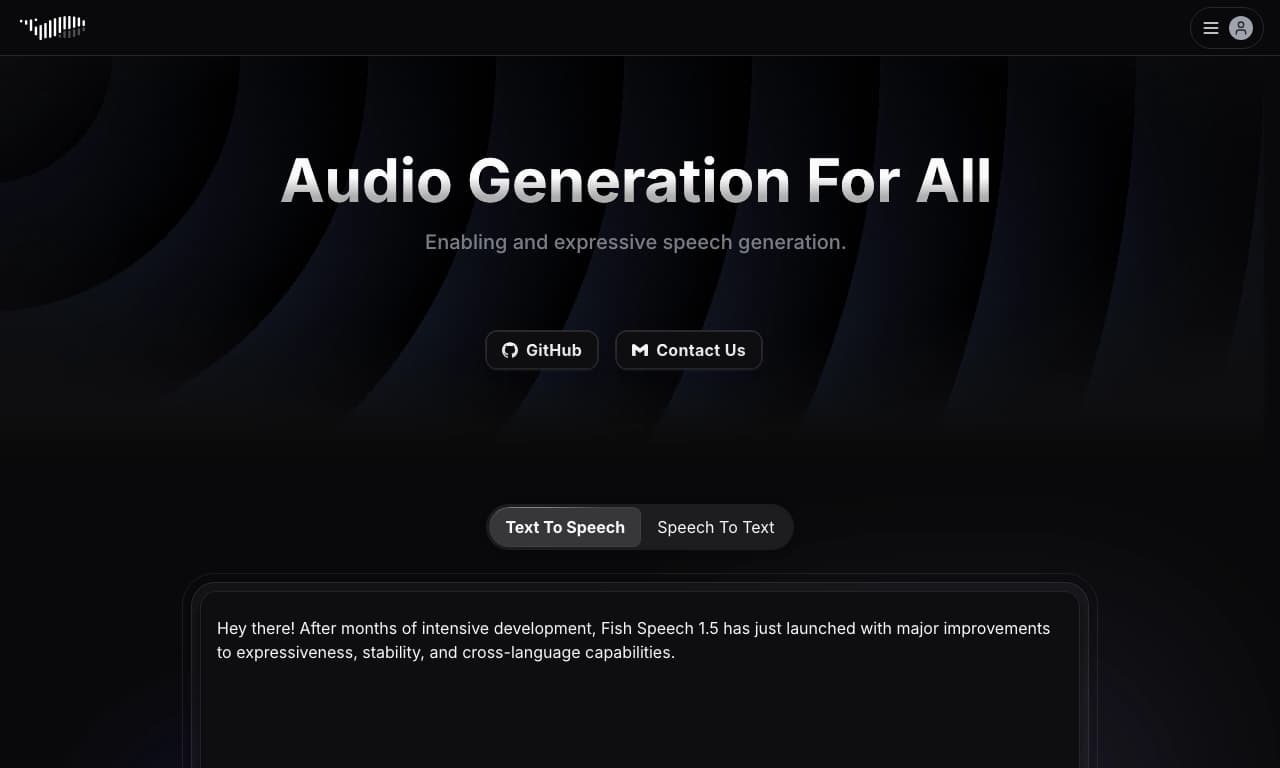
Unlike many analogs (Vaani, Fish Audio, Readio, FlowSpeech and others), Voice Engine uses a diffusion model for gradual voice generation, which provides especially high realism and naturalness of intonations.
Minimal sample for cloning
Only 15 seconds of audio sample is enough for voice cloning. Many competing solutions require longer or more numerous recordings to achieve comparable quality.
OpenAI ecosystem
Being an OpenAI product, Voice Engine integrates with other platform tools and APIs, making its adoption easier for developers already working with the company's ecosystem.
Conclusion
Voice Engine from OpenAI is a tool for creating and cloning voices with high realism. It is suitable for voiceover, dubbing, and speech synthesis, allowing the generation of audio recordings based on text or a minimal voice sample. The tool is available with a free tier of 500 minutes of generation, and a subscription is required for advanced capabilities.
Pricing
Frequently asked questions



See also
Cloud platform for text-to-speech conversion with realistic AI-powered voices.
AI tool for musicians that lets you split audio recordings into separate tracks, change tempo and key, and generate full arrangements from a single audio track.
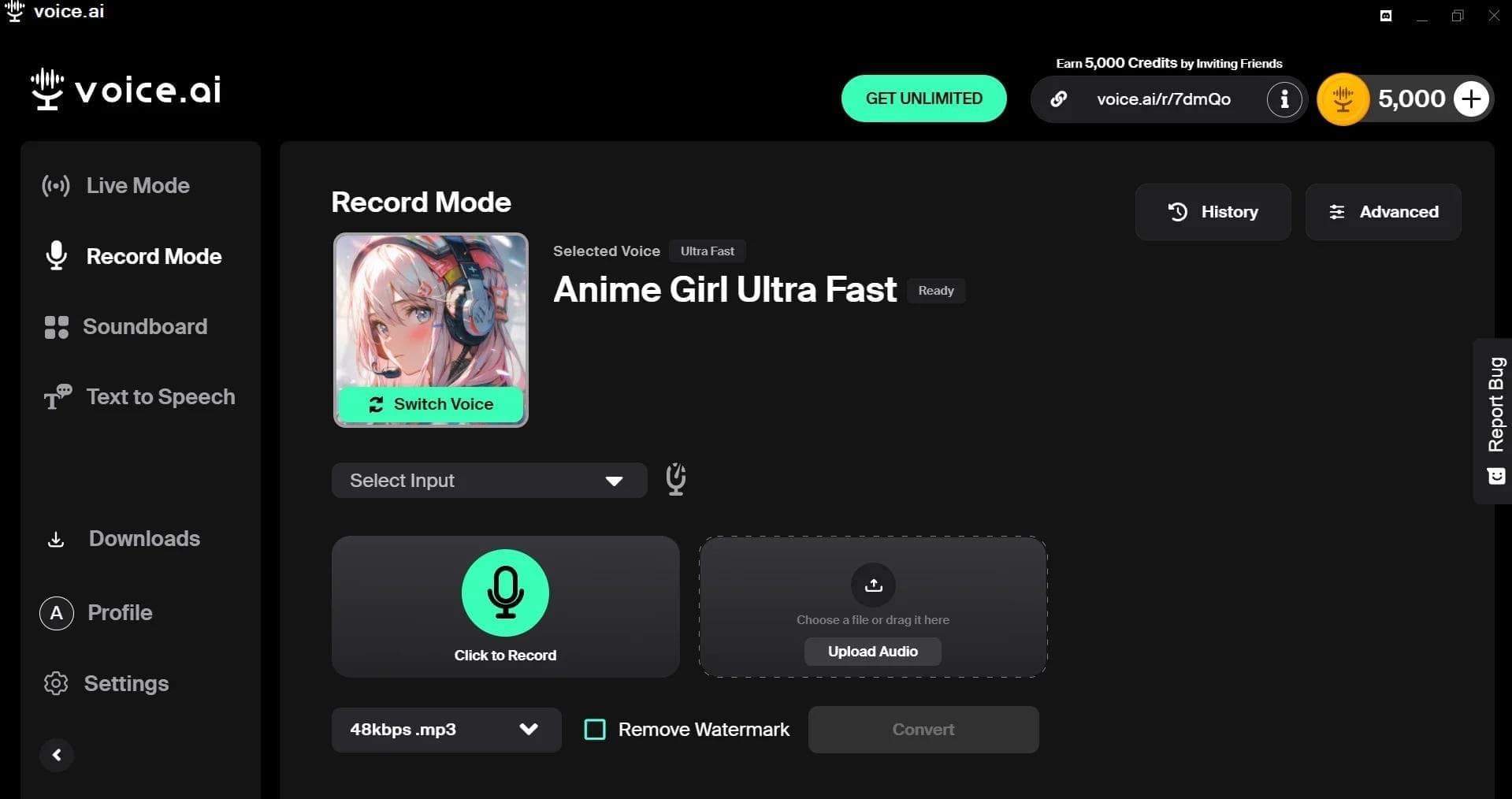

AI-powered platform for real-time voice changing and cloning.
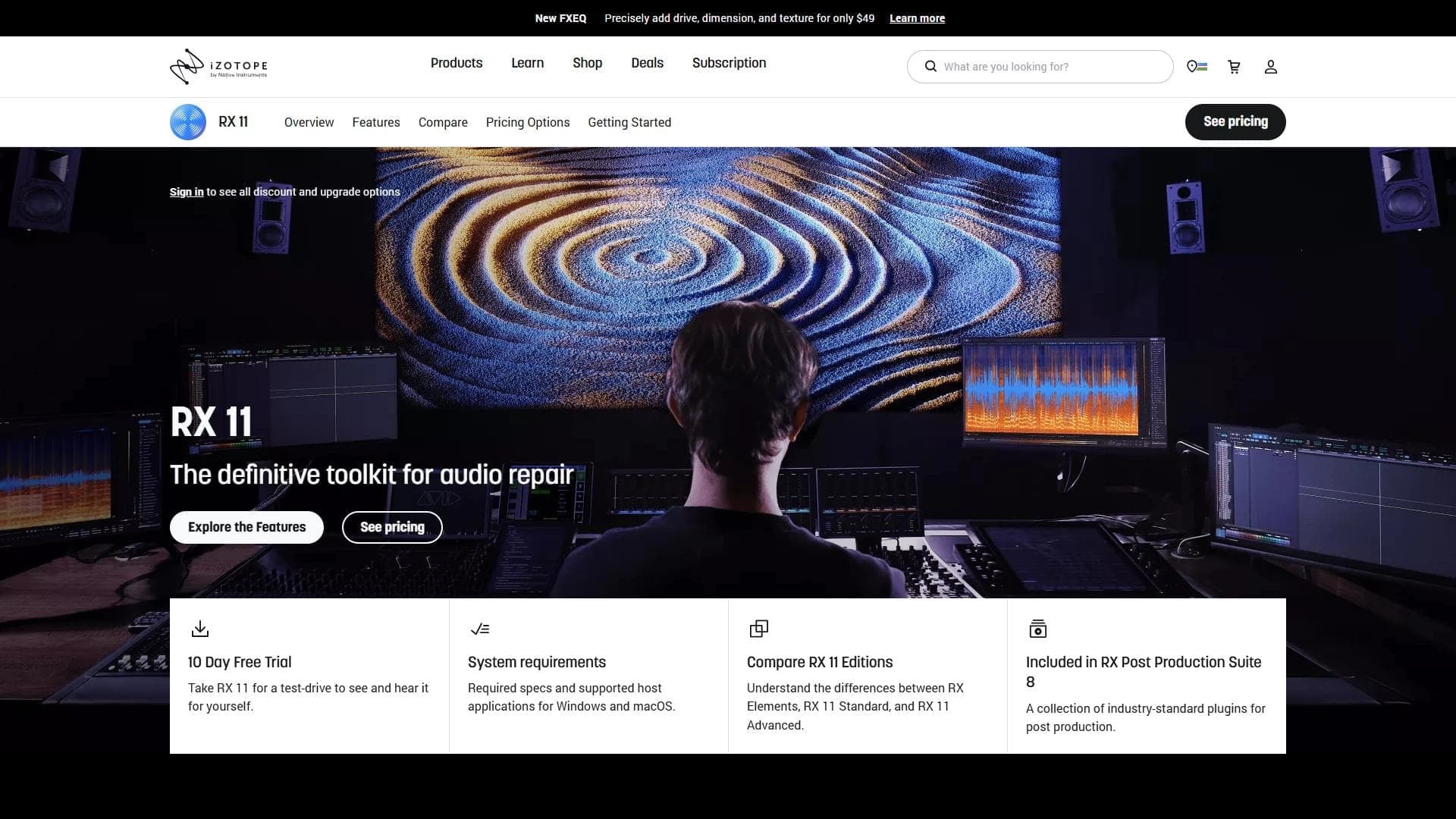

Professional audio restoration and cleaning software powered by machine learning.
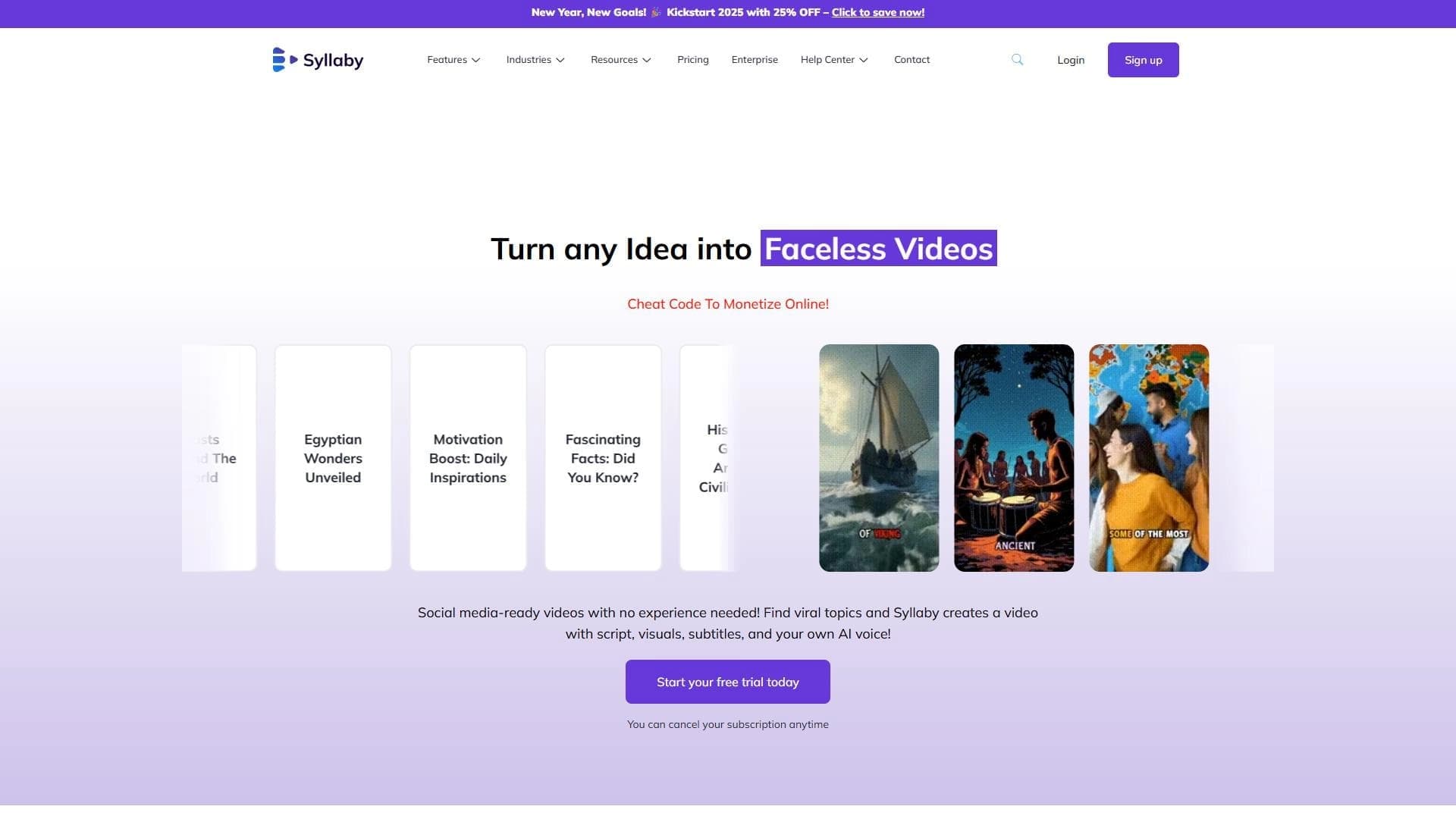

AI tool for creating and planning video content for social media.

Neural network from Stability AI for generating music and sound effects from a text description or uploaded audio.
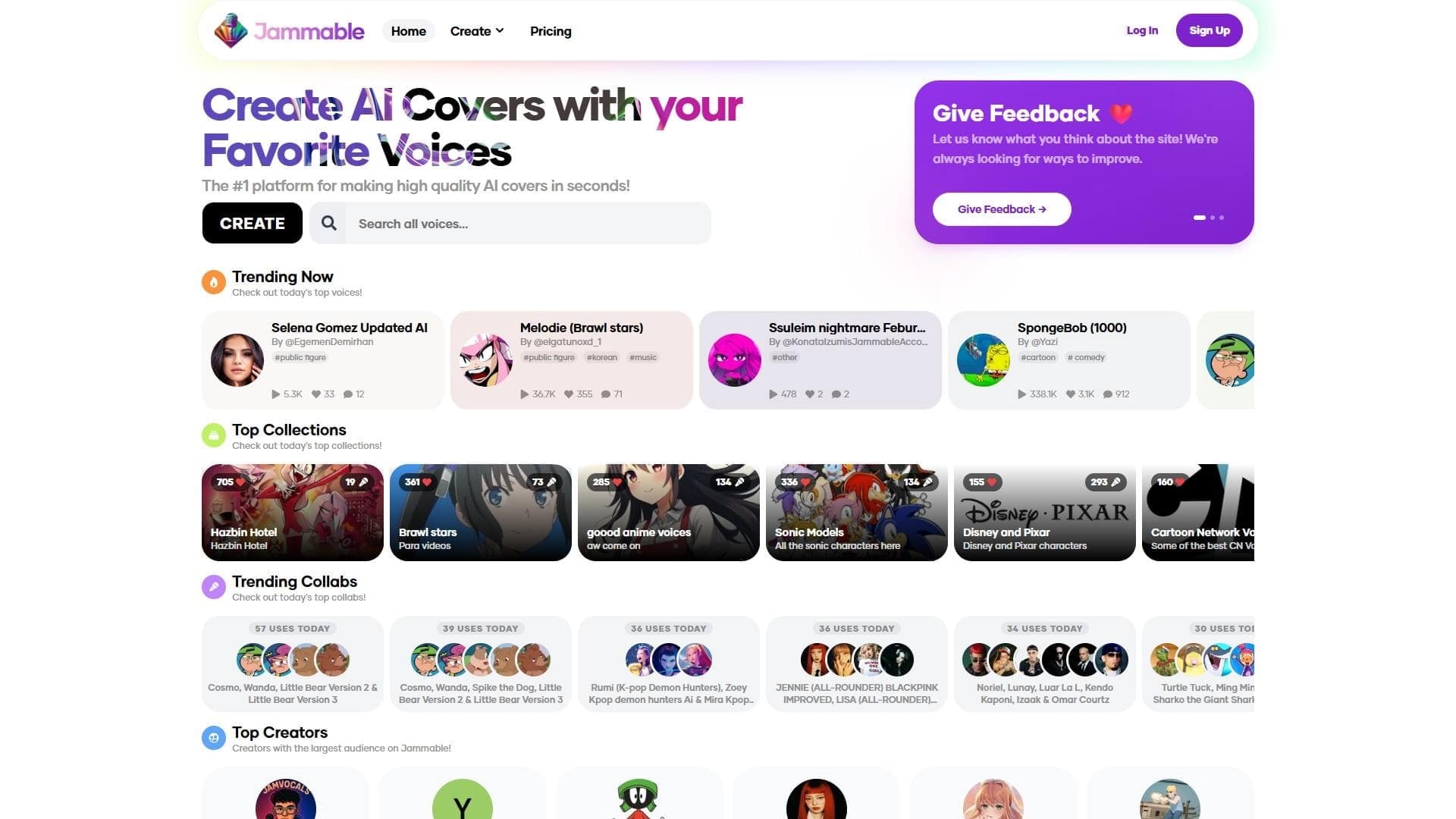

A web platform for creating AI covers, allowing you to overlay celebrity and character voices onto any songs.


Platform for recording, editing, and publishing podcasts and video content with built-in AI tools.