

Fish Audio
Platform for speech synthesis, voice cloning, and AI-based audio processing.
Overview
Fish Audio
Description of the Fish Audio neural network
Fish Audio is a multifunctional AI platform for working with sound, offering text-to-speech synthesis, voice cloning from short audio samples, speech recognition, sound effect generation, and audio track editing. The service converts text into speech with fine-grained emotion control — anger, whisper, laughter, sobs, sighs, pauses, and more — making the synthetic voice close to an actor's performance.
At the core of the platform is the open-source Fish Speech technology, trained on more than 700,000 hours of audio data. This ensures natural sound and high generation speed: real-time latency is less than 200 ms. Fish Audio is available as a web service, through an API with SDKs for Python and JavaScript, and with streaming via WebSocket.
The platform has a library of more than 2 million community-uploaded user voices, supports over 30 languages, and offers tools for creating expressive voiceovers without needing a recording studio.
Fish Audio features
| Feature | Value |
|---|---|
| Type | Platform for speech generation, voice cloning, speech recognition, and voice APIs |
| Categories | Voices and voiceover, voice cloning, voice generation, speech recognition, audio editing, Open Source |
| Supported languages | 30+ (including Russian, English, Japanese, and others) |
| Number of voice models | More than 2,000,000 user voices |
| Platforms | Web, Android, iOS, Linux, Mac, Windows |
| Free plan | Yes (for personal use) |
| Distribution model | Freemium |
| API | Yes (REST API, WebSocket, SDK for Python and JavaScript) |
| Technologies | Fish Speech (open-source technology trained on 700,000+ hours of audio) |
| Russian language | Yes |
| Russian interface | Yes |
| Need for VPN | No (VPN may be required in some regions) |
| User rating | 4.7 / 5 |
| Editorial rating | 9.4 / 10 |
Who is Fish Audio suitable for?
Content creators and video producers
Fish Audio suits YouTube creators, podcasters, audiobook authors, and anyone who regularly produces voiceovers, audio clips, or character videos. The platform lets you get an expressive voice without recording a narrator for every edit — just paste the text, choose the emotional coloring, and generate the audio.
Developers and studios
The platform is aimed at developers of voice agents, teams working with audiobooks, and studios that need controllable speech synthesis. The low-latency API, SDKs, and streaming generation make it possible to embed voice capabilities into applications, chatbots, and interactive products. The service is also suitable for game developers, audio engineers, and AI researchers.
Marketers and small businesses
Fish Audio can be used by marketers, teams, and small business representatives to create ads, voiceovers for training materials, and corporate projects where fast speech generation is needed without hiring a narrator.
How to use Fish Audio?
Text voiceover
To generate speech from text, paste the text into the platform's editor, choose a voice from the library (or use a cloned one), set the speaking style using emotional tags (for example, anger, whisper, laughter, pause), and get the finished audio file. The limit is up to 30,000 characters per generation, which is enough for a full audiobook chapter.
Voice cloning
To create a digital copy of a voice, upload one or more audio samples lasting from a few seconds (15–30 seconds is optimal), choose privacy settings, and start processing. After it is finished, the cloned voice can be used for voiceover in multiple languages.
Development with the API
Developers can integrate Fish Audio into their applications via REST API and WebSocket for real-time streaming speech generation. SDKs for Python and JavaScript are available. The API supports speech synthesis, speech recognition with speaker and emotion tag markup, and creation of voice agents. API usage is billed on a pay-as-you-go basis.
Main features of Fish Audio
Text-to-speech (TTS)
Fish Audio converts text to speech with emotion control and special tags. The editor offers dozens of delivery styles: anger, whisper, laughter, sobs, sighs, pauses — making the synthetic voice close to an actor's performance. Multilingual speech is supported in 30+ languages.
Voice cloning
Voice cloning works from short audio samples (from 10 seconds, 15–30 seconds is optimal). After uploading a sample, the user gets a digital copy that can speak multiple languages. A library of more than 2 million community-uploaded user voices is available.
Additional audio tools
The platform includes speech recognition and transcription (Speech-to-Text), sound effect generation from text descriptions, audio separation into vocals, instruments, and other sources, real-time voice changing (Voice Changer), and Story Studio — multi-track assembly of audio scenes on a timeline. For developers, API, SDKs, and streaming generation via WebSocket are available.
Advantages of Fish Audio
A wide set of tools in one platform
Fish Audio combines TTS, voice cloning, speech recognition, sound effect generation, audio separation, Story Studio, and Voice Changer. This lets you handle most sound-related tasks without switching between different services.
High speed and naturalness
Real-time latency is less than 200 ms, which is faster than many competitors (ElevenLabs has 300–400 ms). Voice cloning works from samples of just a few seconds, and the open-source Fish Speech technology, trained on 700,000+ hours of audio, ensures natural sound. The free plan lets you test generation without paying.
Flexible customization and development
Emotional and special tags give fine-grained control over speech delivery. Voice model creation is supported through the web interface and API, while SDKs and WebSocket streaming suit real-time voice applications. The API is billed by actual usage, which is convenient for projects with variable loads.
Disadvantages of Fish Audio
Free plan limitations
The free plan is intended only for personal non-commercial use. Commercial monetization requires a paid plan. Unused monthly quotas do not roll over to the next month. Different sources specify different limits: from 7 minutes of generation per month up to 1 hour, with a limit of 500 characters or 3 minutes per clip.
Dependence on source material quality
Voice cloning quality depends directly on the original recording and rights to the voice. Professional audio production still requires manual control: editing, normalization, selecting takes, and checking for artifacts. The service is best suited for quick drafts, prototypes, and short formats.
Regional and legal restrictions
A VPN may be required in some regions. In addition, you must have rights to the original recording and the person's consent when cloning someone else's voice. The service may remove content or accounts if rules are violated.
What problems does Fish Audio solve?
Content voiceover
The platform is suitable for video voiceover (YouTube videos, ads), podcasts, audiobooks (including ACX/Audible format), games, training materials, and character videos. Using emotional tags, you can create expressive synthetic voices with different intonations.
Creating voice agents and transcription
Fish Audio lets you create voice agents and chatbots with human-like intonation, and transcribe audio to text with speaker and emotion tag markup. A real-time mode is available for interactive solutions.
Audio production
The platform includes sound effect generation from text descriptions, separation of an existing track into vocals and instruments, and assembly of multi-track audio projects (stories, scenes) in Story Studio. Voice Changer lets you change your voice in real time for characters or other purposes.
Fish Audio pricing
Free plan
The free plan is for personal non-commercial use. Different sources specify different limits: up to 7 minutes of generation, 500 characters per generation, 3 public voice slots, and 8,000 credits per month — or up to 1 hour of voice generation per month, up to 3 minutes per clip. No credit card is required for the free plan.
Paid plans
Fish Audio uses a Freemium model. Paid plans include:
- Premium (Plus): from $9.99 to $11 per month with annual billing — unlimited generation for certain models, up to 200 minutes, 10 private voice slots, commercial use, API with a prepaid credit of $10 per month.
- Pro: from $75 to $99.99 per month — up to 1,620 minutes, 3 seats, 2 million credits, reference audio enhancement, priority access to new models.
- Max: $749 per month — up to 6,250 minutes, 10 seats, 25 million credits.
The API is billed by actual usage: TTS — $15 per million UTF-8 bytes, ASR — $0.36 per hour of audio. Specific plan prices may change; current prices should be checked on the official website.
Terms of use for Fish Audio
Registration and rights
Using Fish Audio requires registration on the website. The free plan is allowed only for personal non-commercial projects. Commercial use is available in paid plans. The user is responsible for rights to the cloned voice and must obtain the consent of the voice owner. To clone someone else's voice, you must have rights to the original recording and the person's consent.
Service rules
The service may remove content or accounts if usage rules are violated. There is a separate affiliate program with an application process, payouts via PayPal or Wise, and partner support. Unused monthly quotas do not roll over to the next month.
Fish Audio availability
Platforms
Fish Audio is available as a web service (WEB) and via API. Supported platforms: Web, Android, iOS, Linux, Mac, Windows. Accessing the web version only requires a browser, with no additional software installation. Mobile apps are available for Android and iOS.
Languages and regions
The platform supports Russian and has a Russian interface. The number of supported languages for voice generation is more than 30 (some sources specify 13 languages). Regional availability is global. The service does not require a VPN in most regions; in some individual regions, a VPN may be needed.
How Fish Audio differs from alternatives
Compared with ElevenLabs
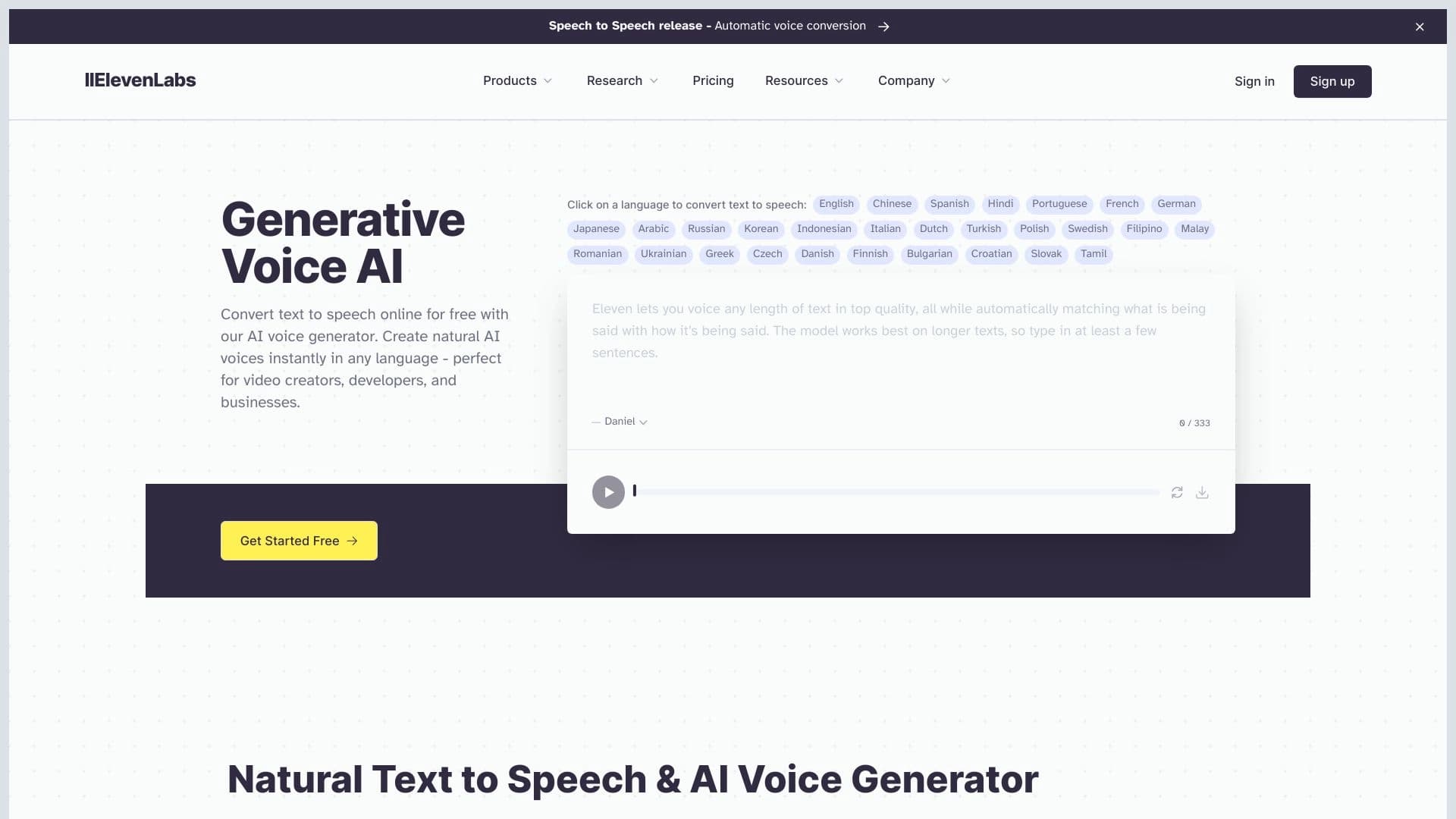
Fish Audio wins on generation speed (latency under 200 ms vs. 300–400 ms for ElevenLabs), is easier to use, and is cheaper at the basic level. However, ElevenLabs offers more emotional settings. In terms of voice volume (more than 2 million), Fish Audio outpaces ElevenLabs.
Compared with other services
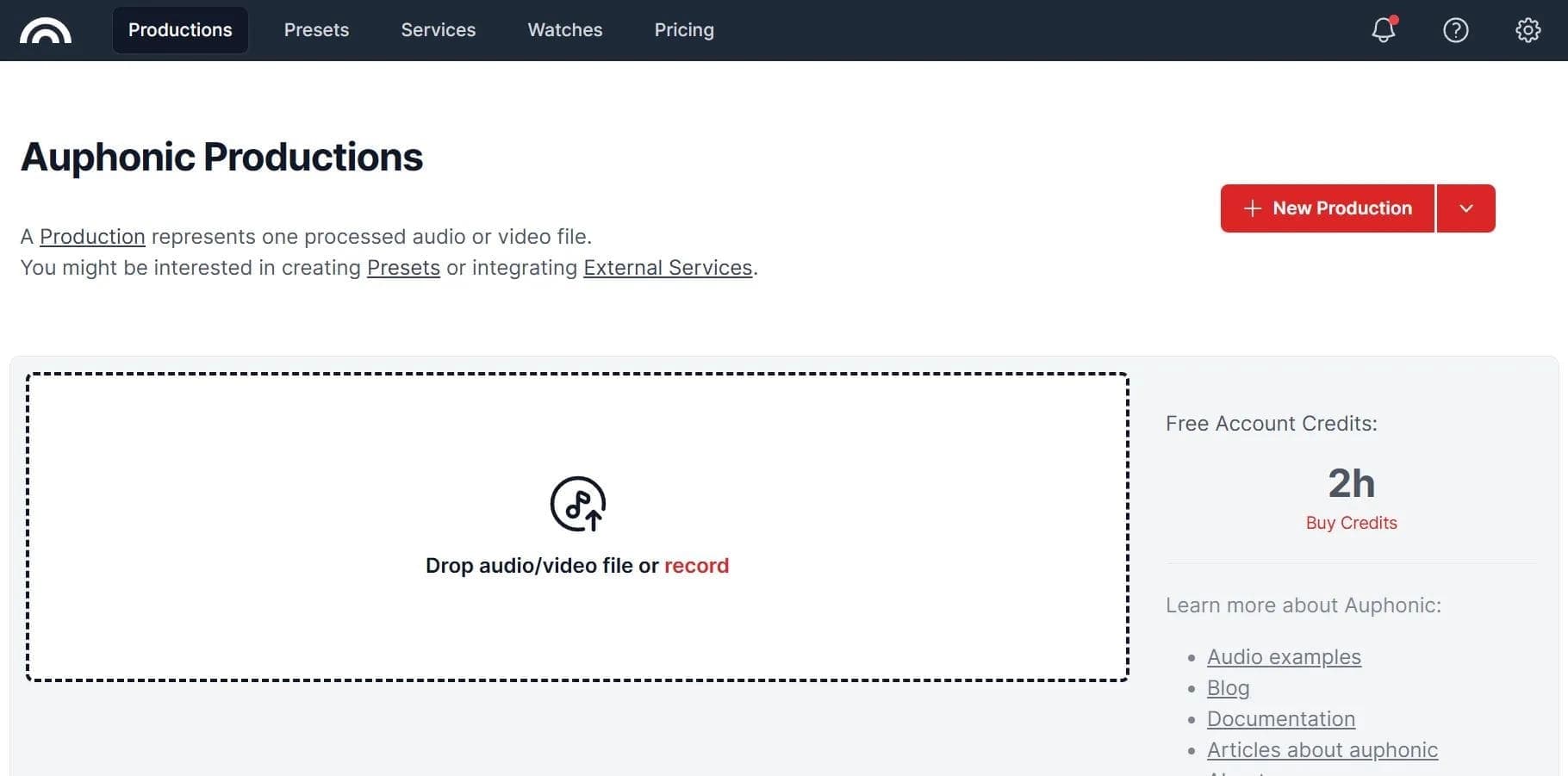
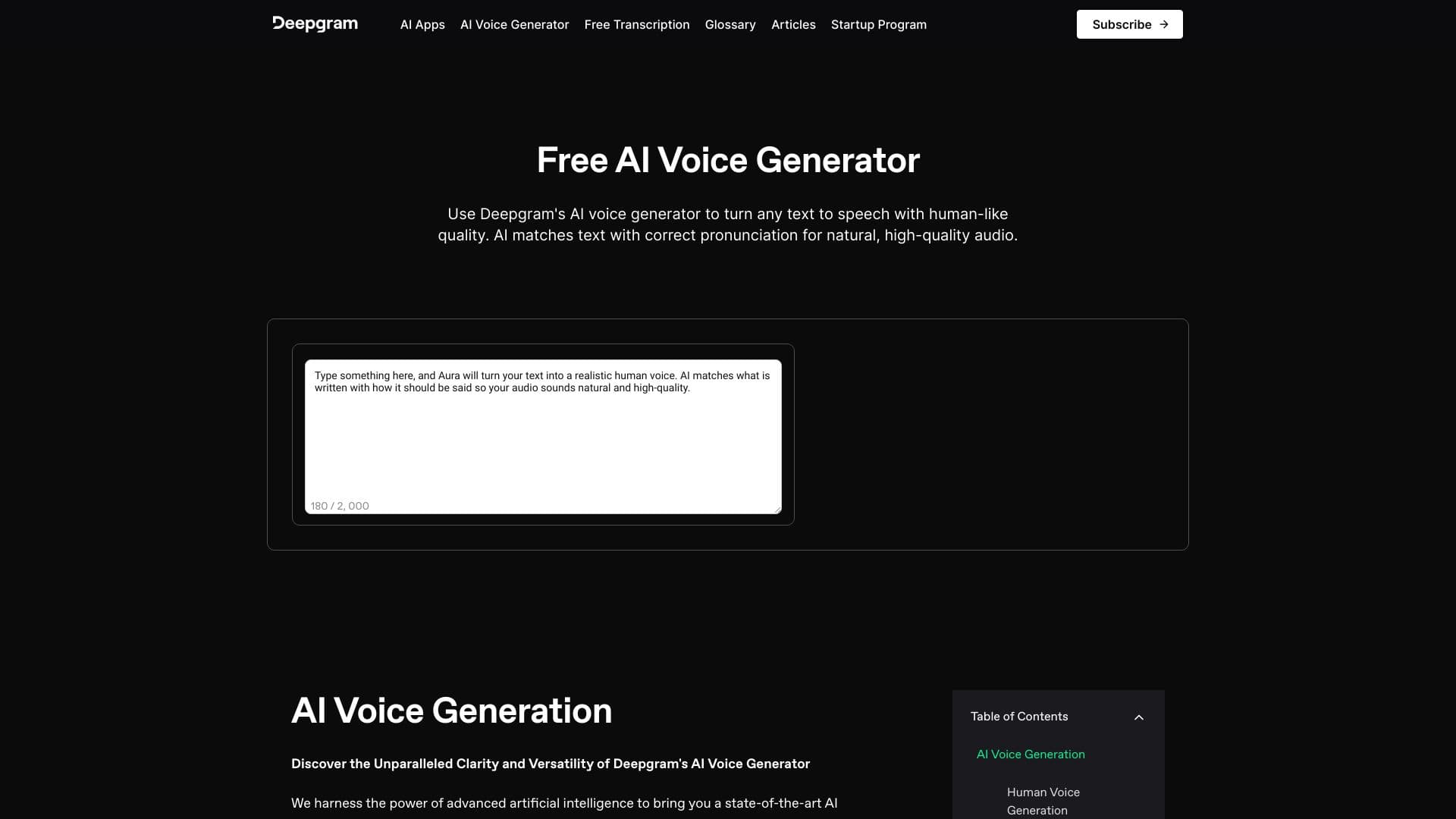
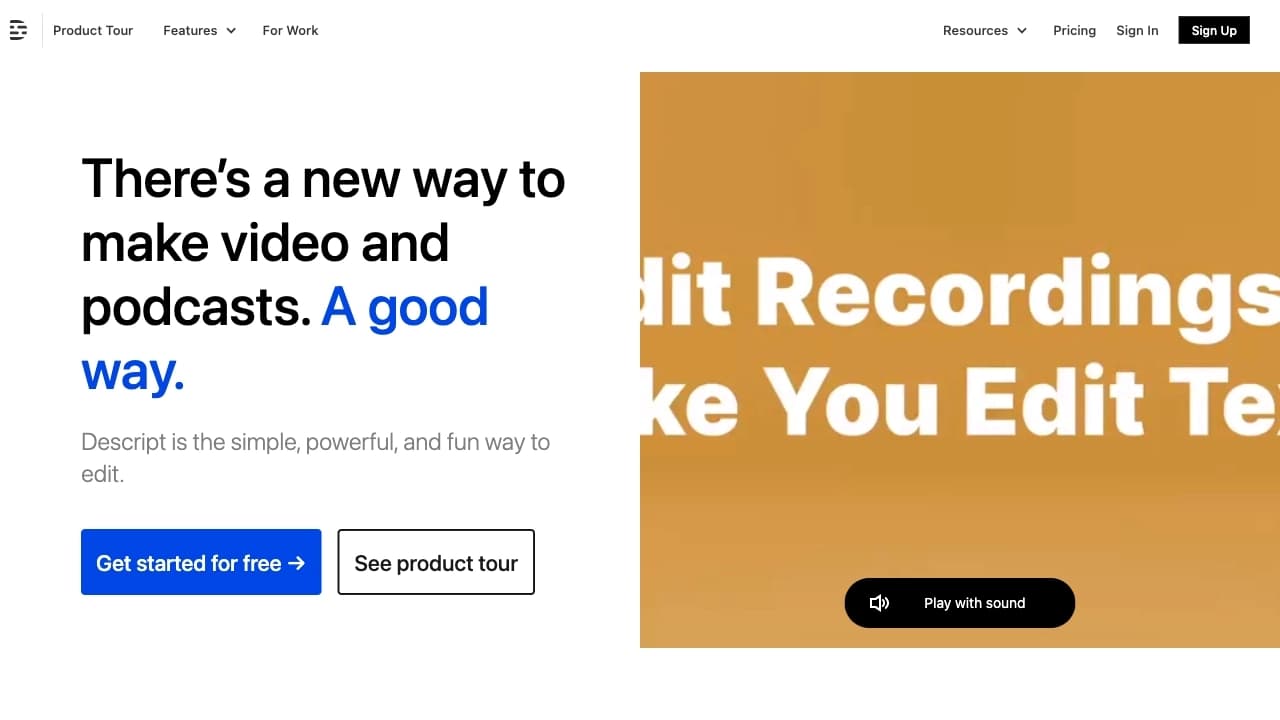
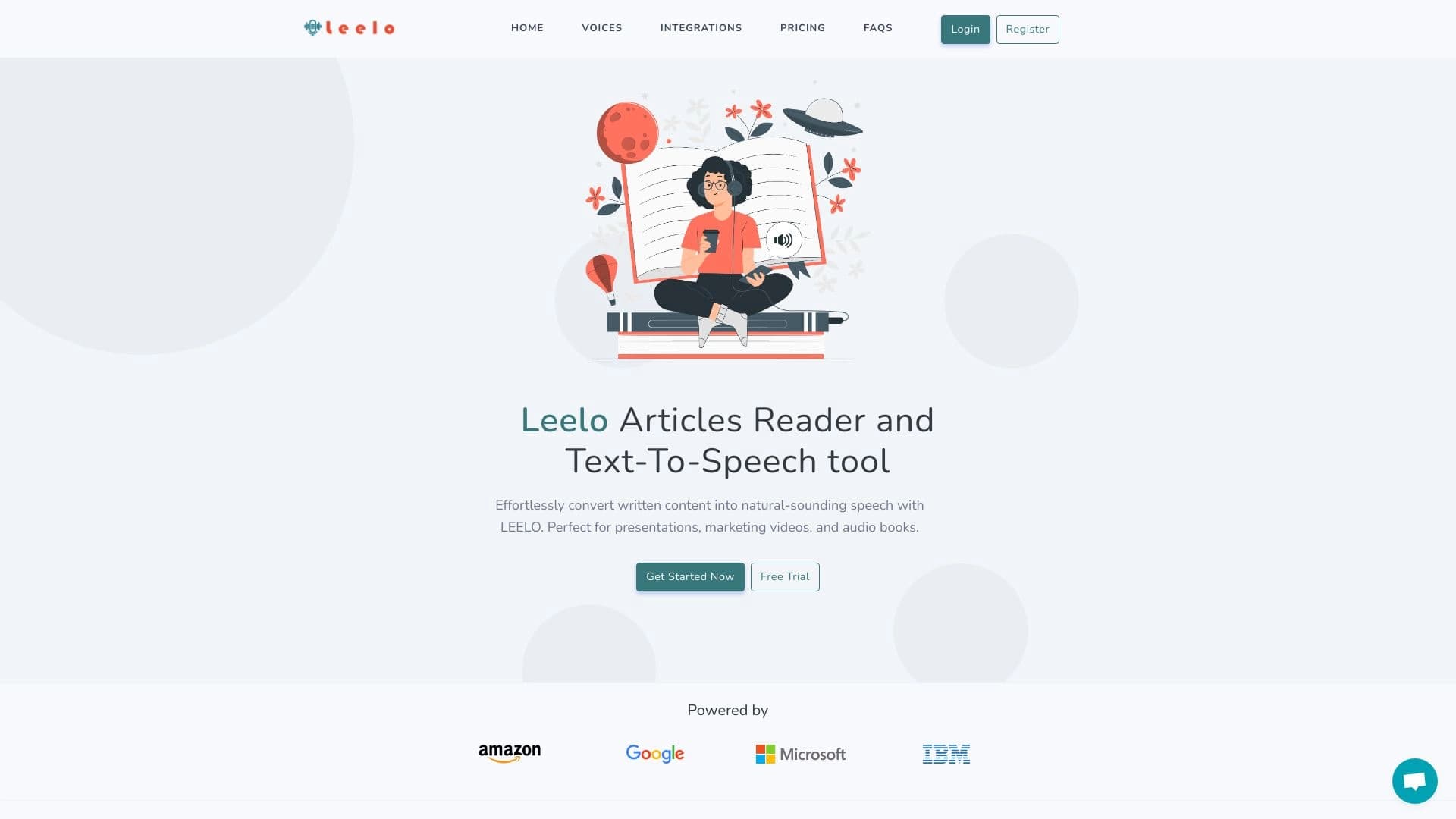
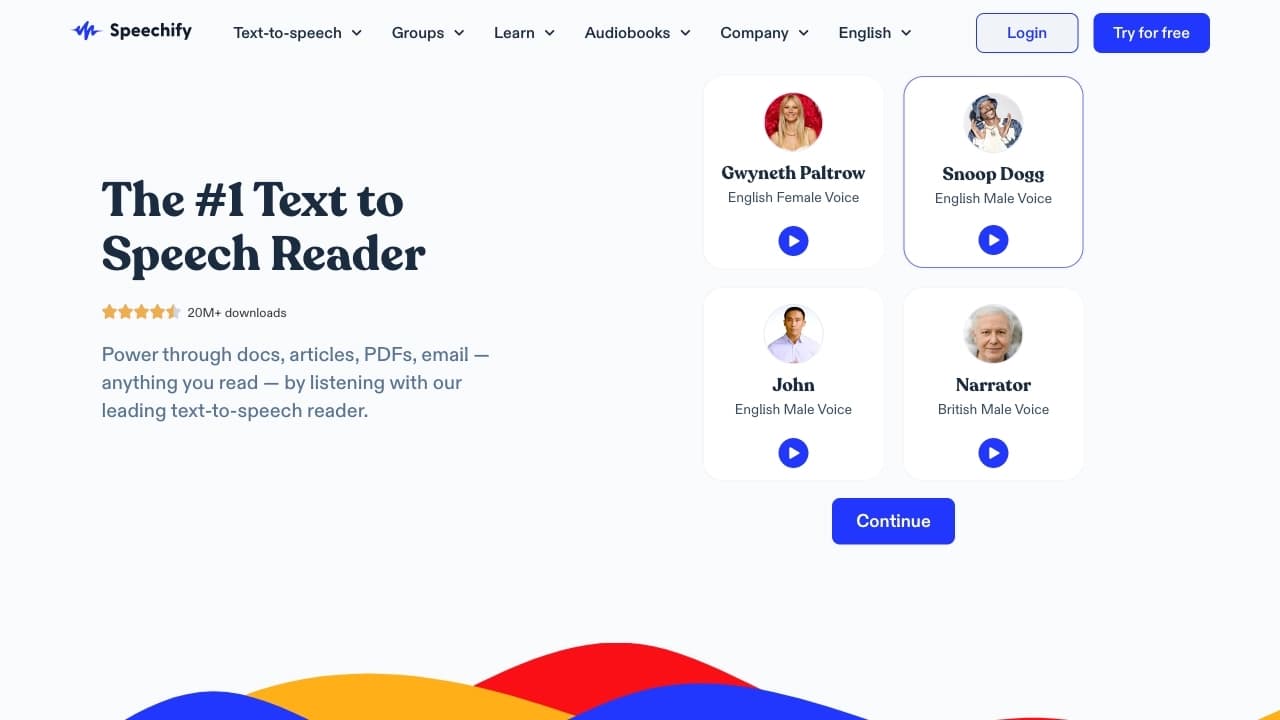
Unlike Narakeet, Fish Audio offers a broader set of tools, including voice cloning, speech recognition, and audio editing. Compared with Speechify, Fish Audio supports fewer languages (30+ vs. 60+), but wins on cloning and generation speed. For cleaning up finished audio, Fish Audio can be compared with Auphonic; however, the platform offers additional synthesis and cloning features. Other alternatives mentioned include Google Text-to-Speech, IBM Watson Text to Speech, Descript, and Microsoft Azure Speech.
Conclusion
Fish Audio is a multifunctional AI platform for working with sound, especially strong at expressive speech synthesis and voice cloning. Thanks to support for many languages, high generation speed, an extensive voice library, and a free plan, the service suits podcast creation, video voiceover, audiobooks, games, chatbots, and interactive solutions. The platform is best suited for quick drafts, prototypes, and short formats; however, professional final production still requires manual control. Fish Audio is recommended for content creators, application developers, and small businesses that need a lifelike voice without a recording studio.
Pricing
Frequently asked questions
Similar AI tools
















See also
AllChat is a universal platform that combines several popular language models in a single interface for communication, image generation, file analysis, and code execution.

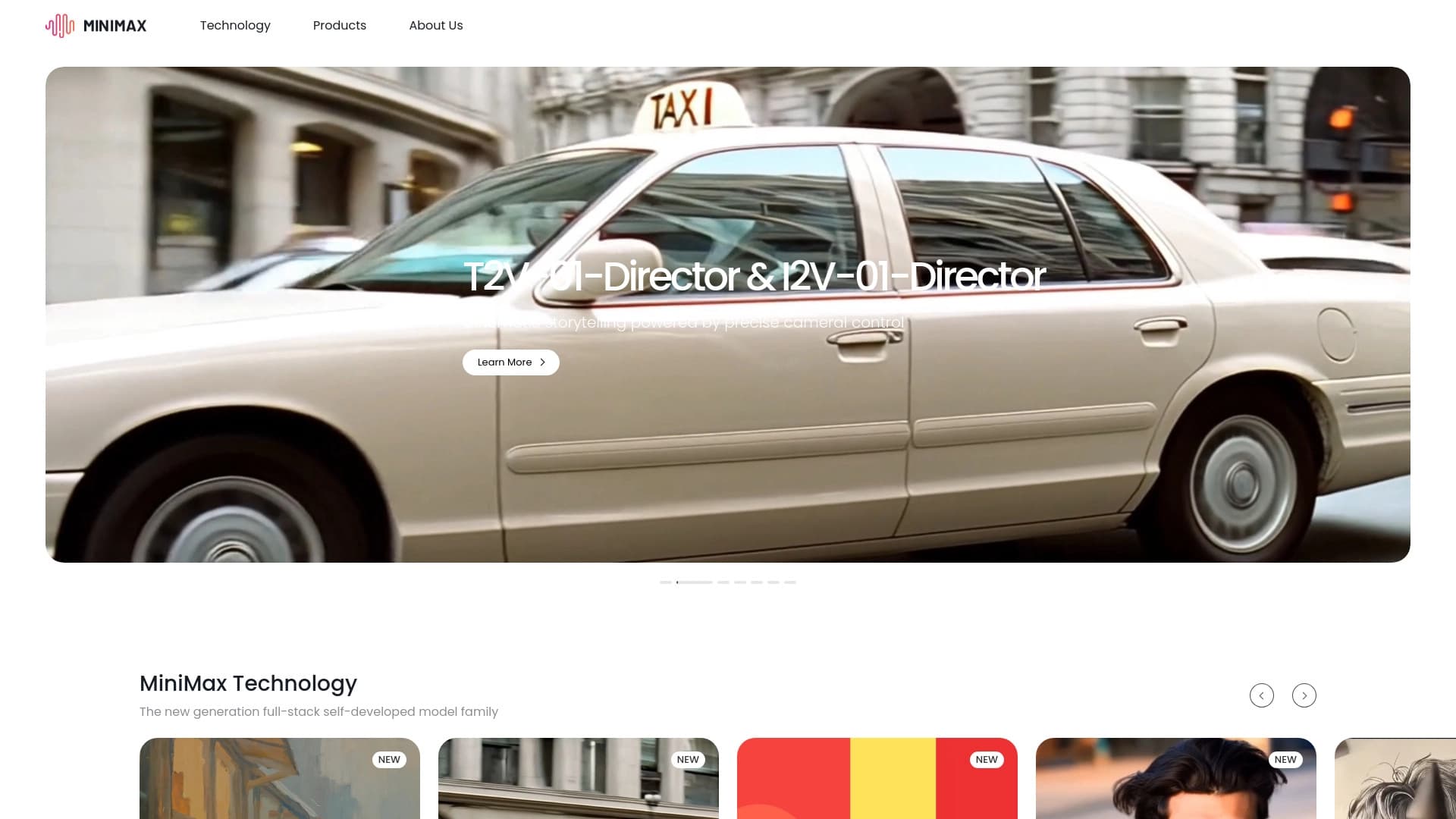
A neural network for generating short videos from text descriptions or images.

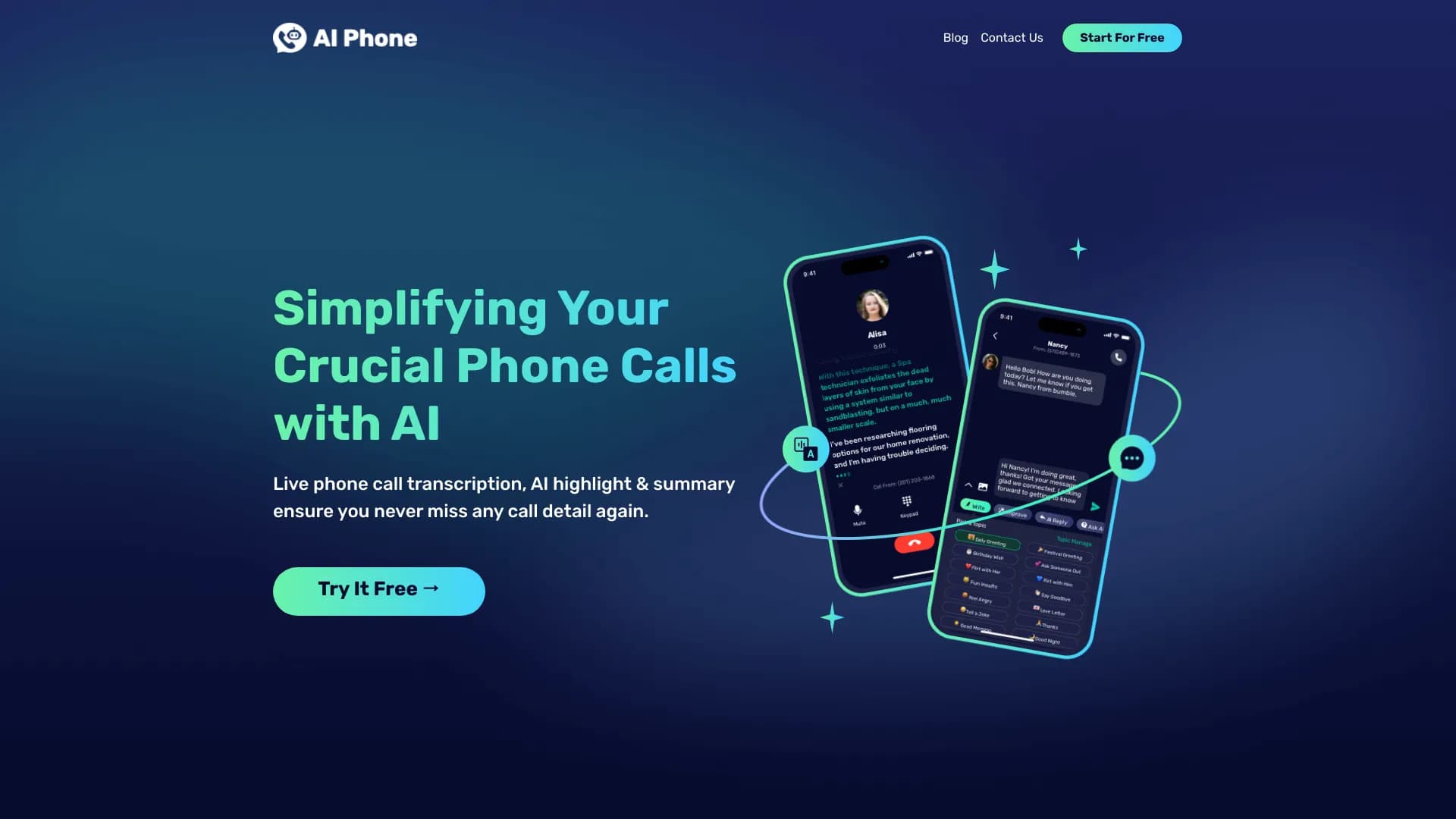
AI assistant for automating retail tasks and optimizing call center operations.

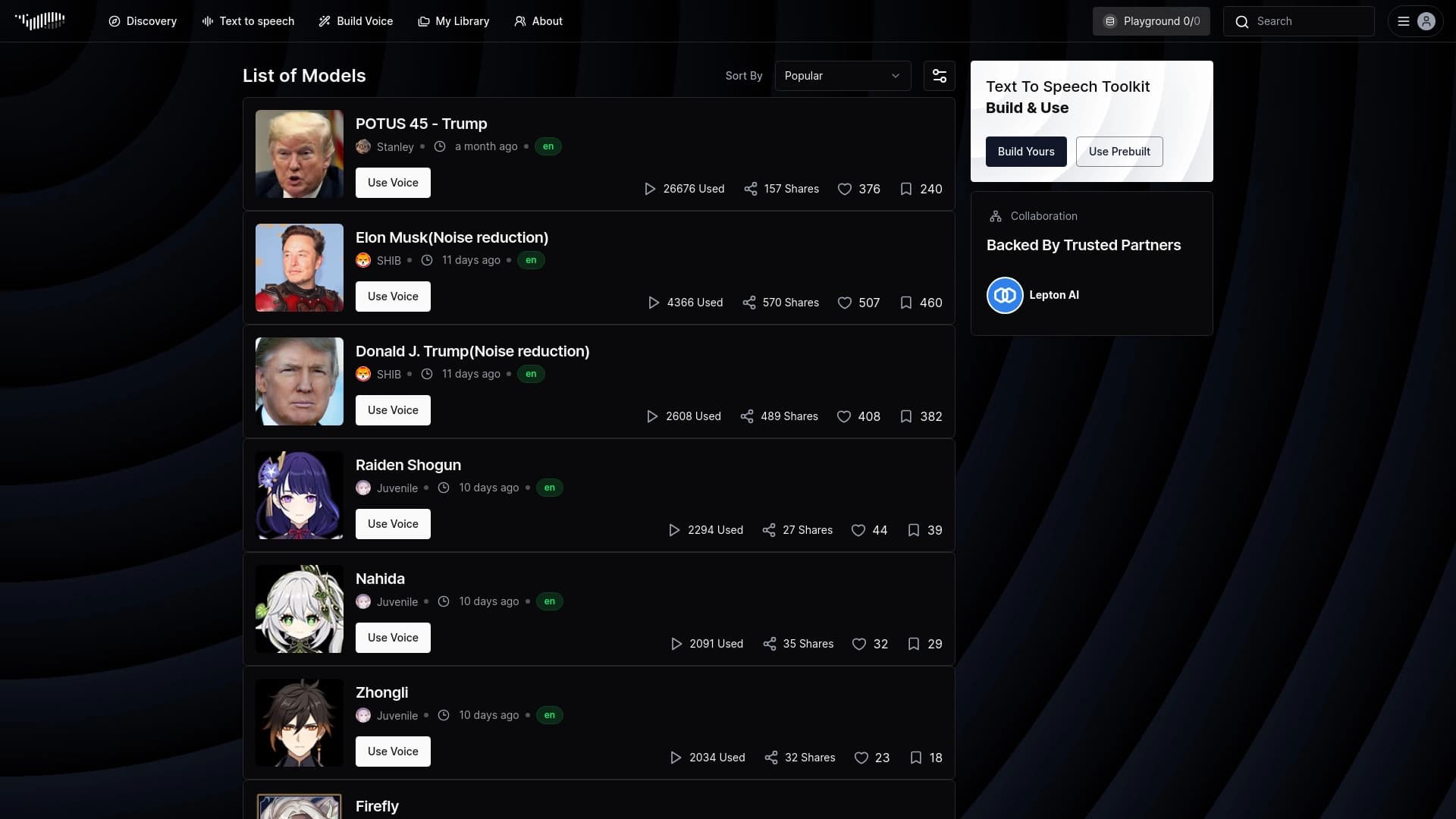
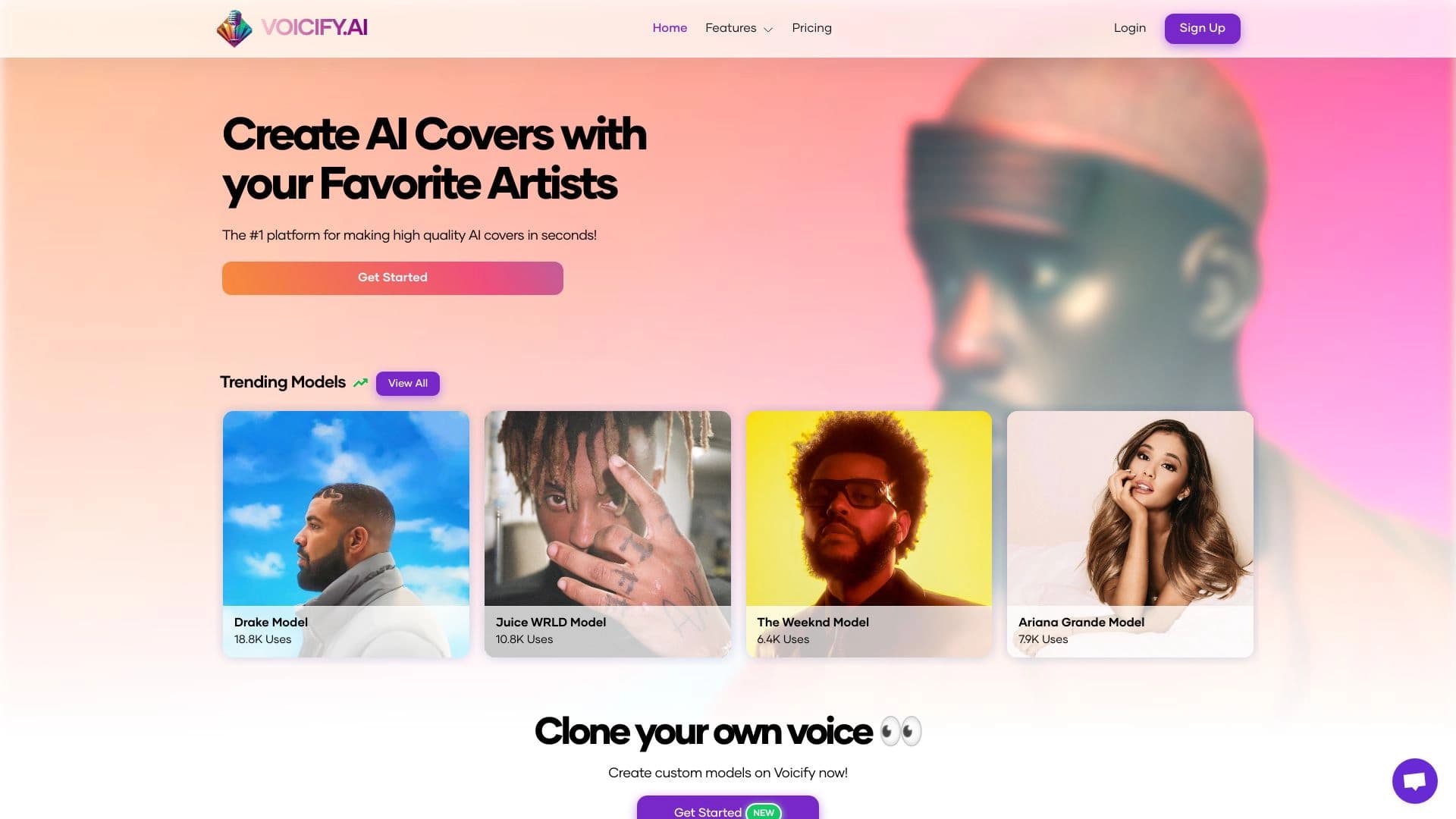
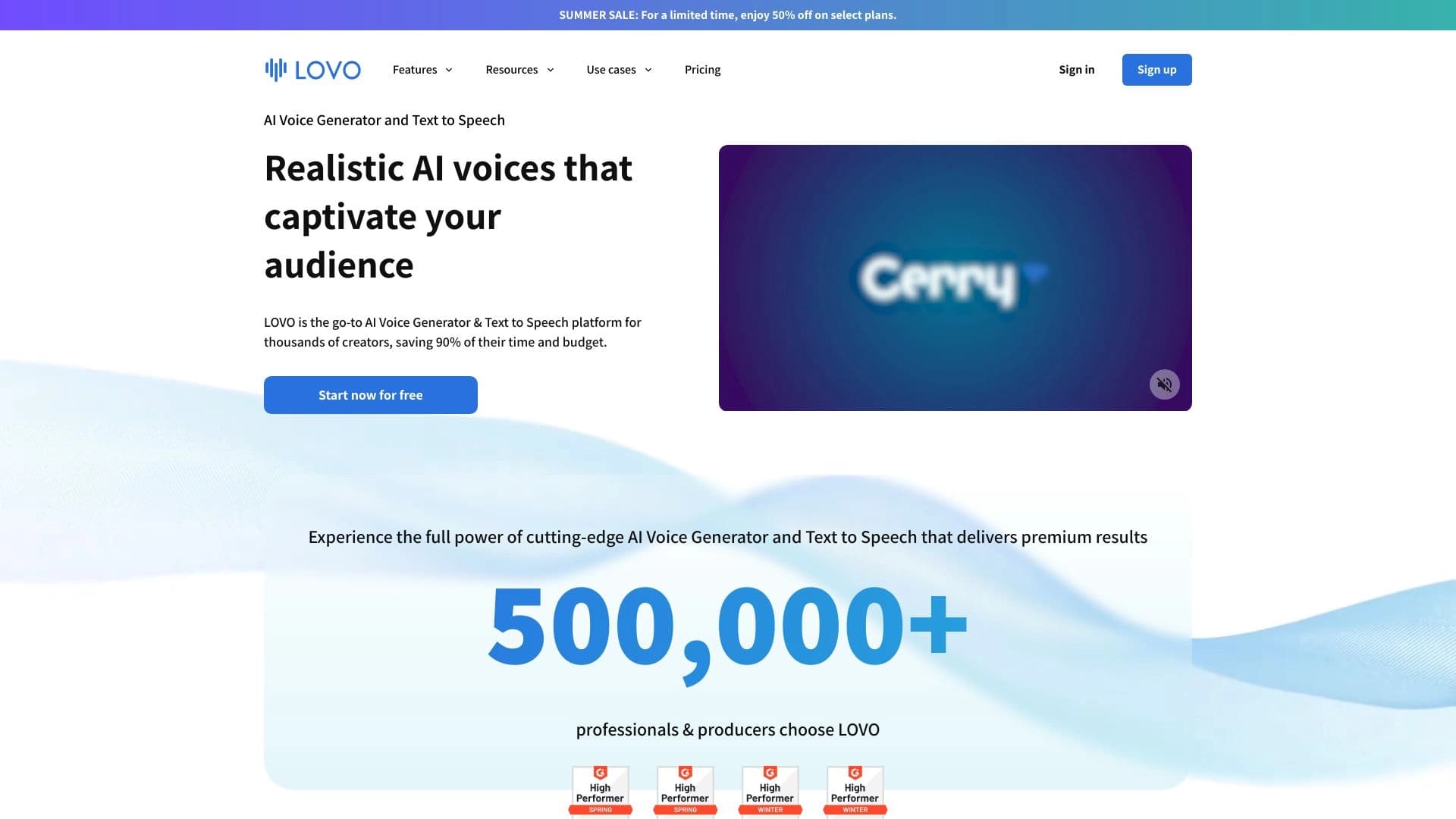
Online AI speech synthesis platform that allows generating audio with voices of famous characters and celebrities.
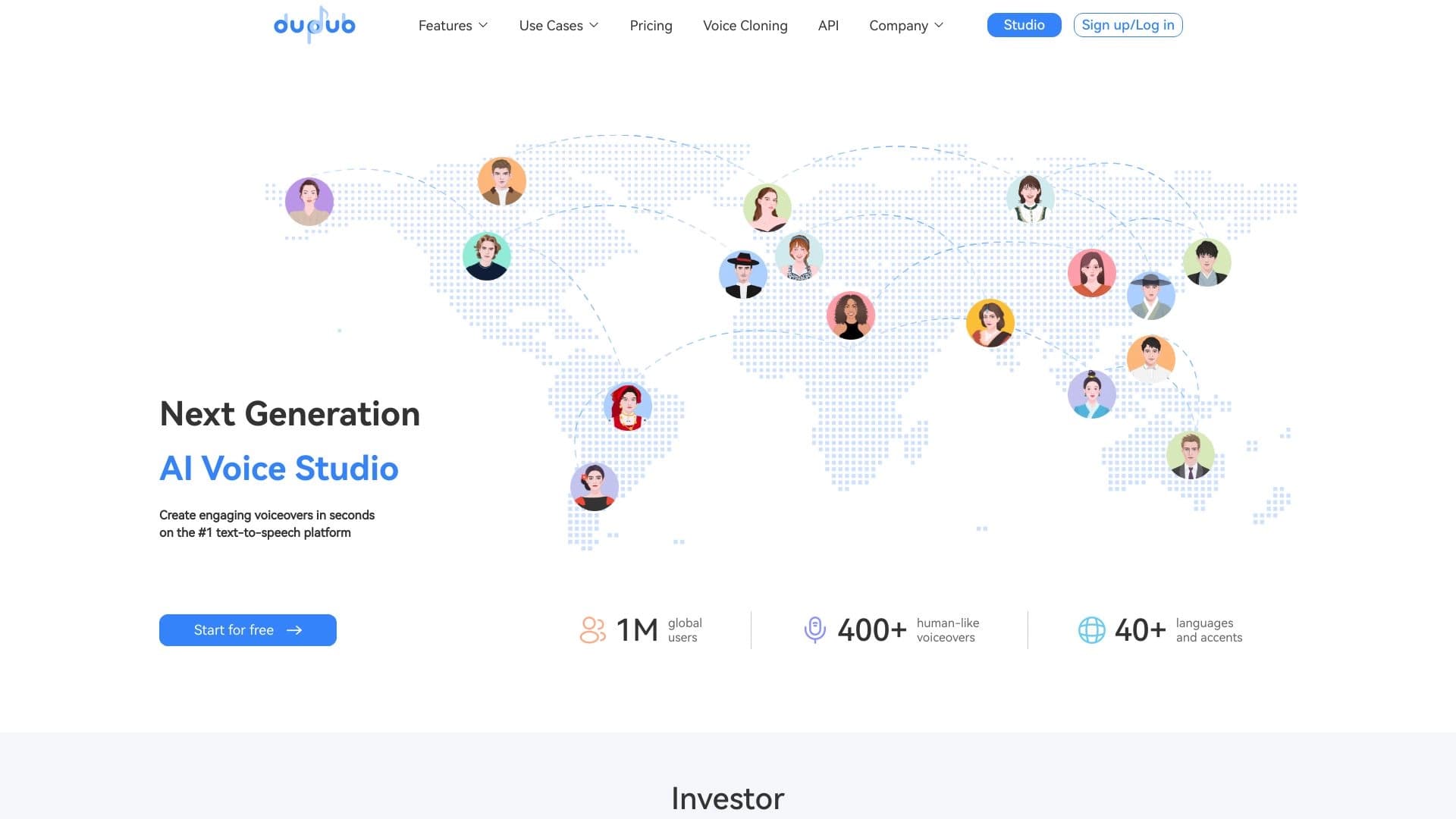
Multifunctional AI platform for content creation, combining speech synthesis, text generation, avatar creation, and video editing.

A platform for creating and interacting with AI characters, each with their own personality and story.
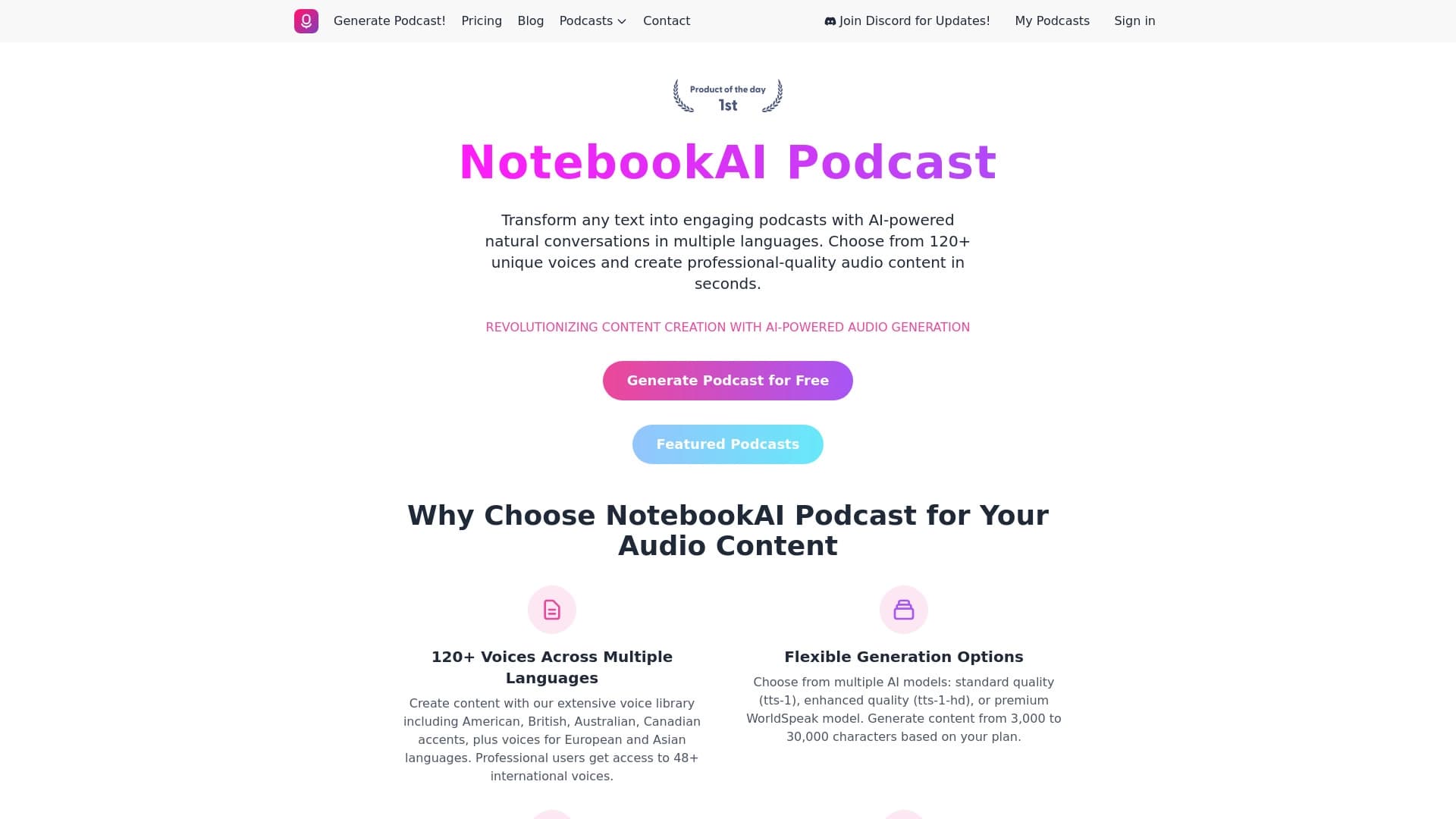

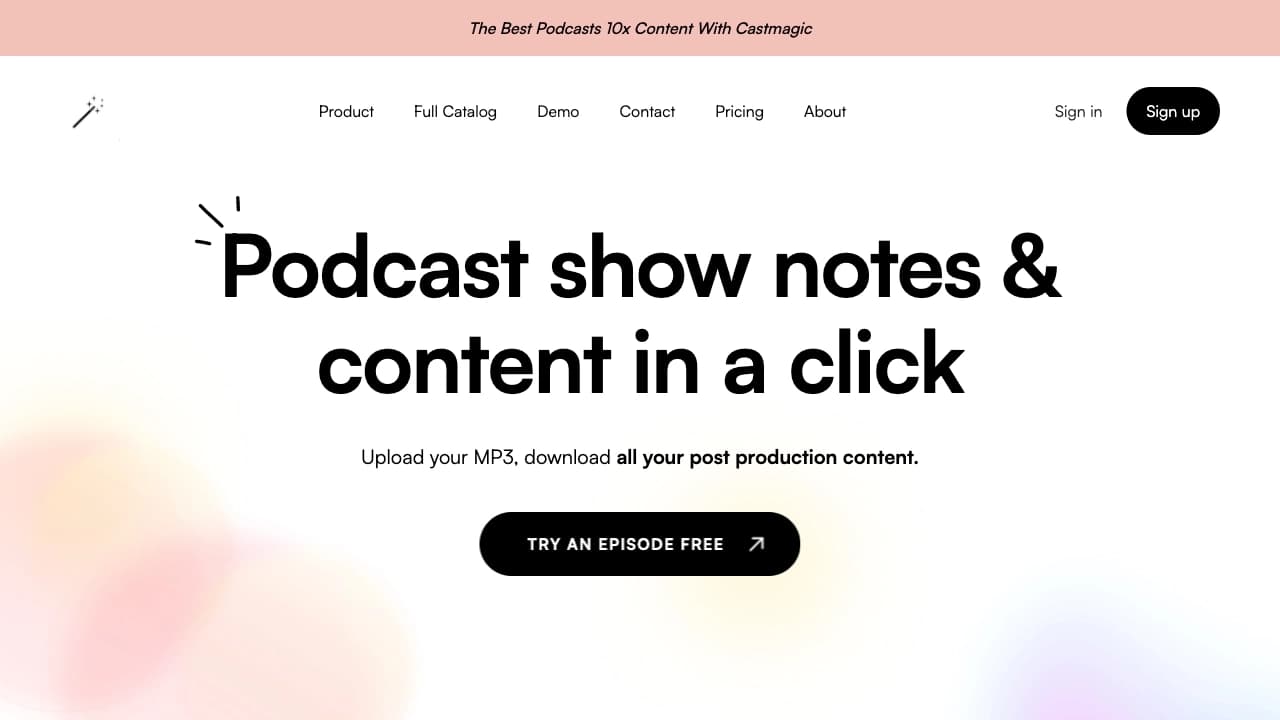
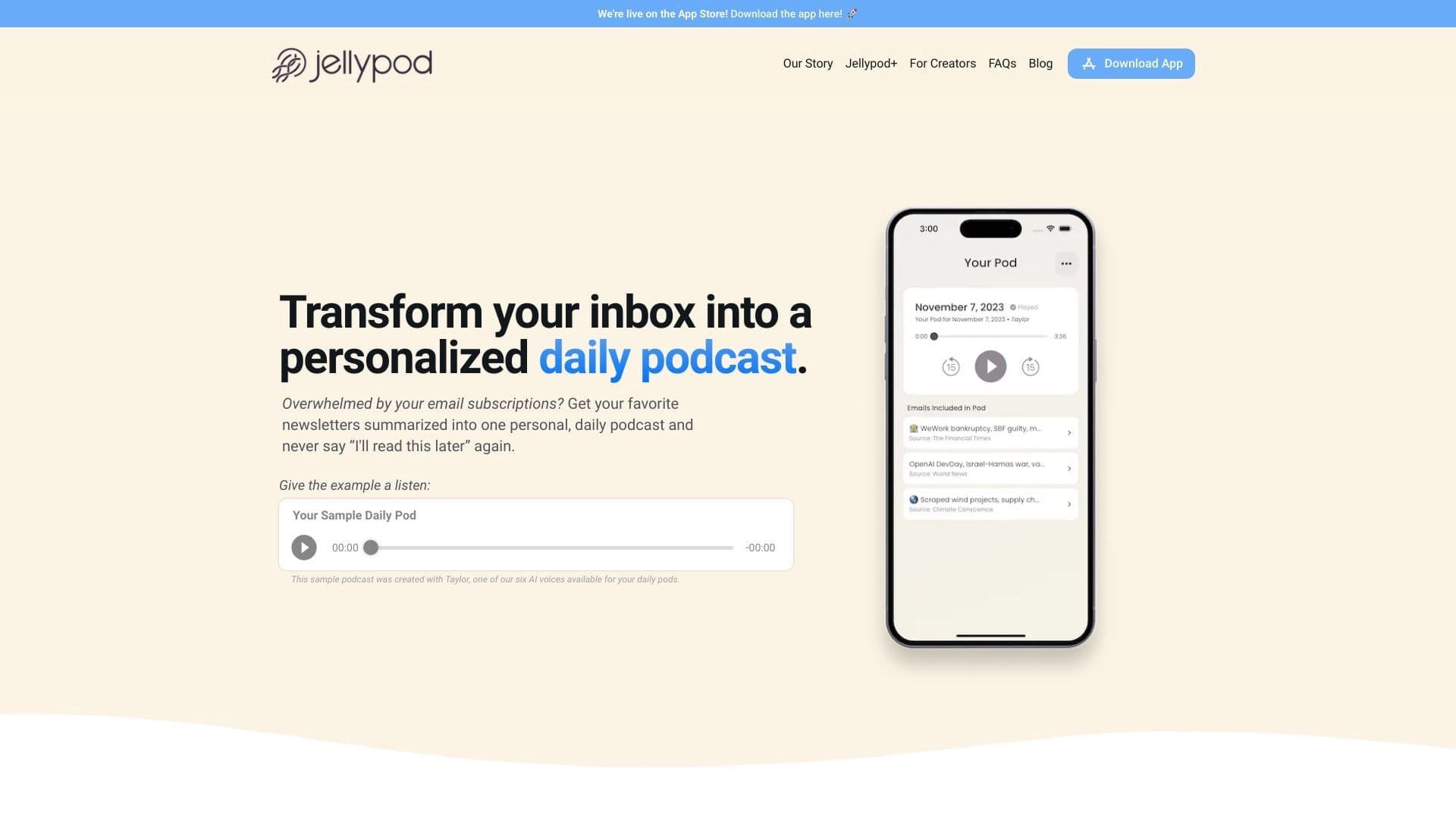
A service for turning text into podcasts with naturally sounding voices in different languages.
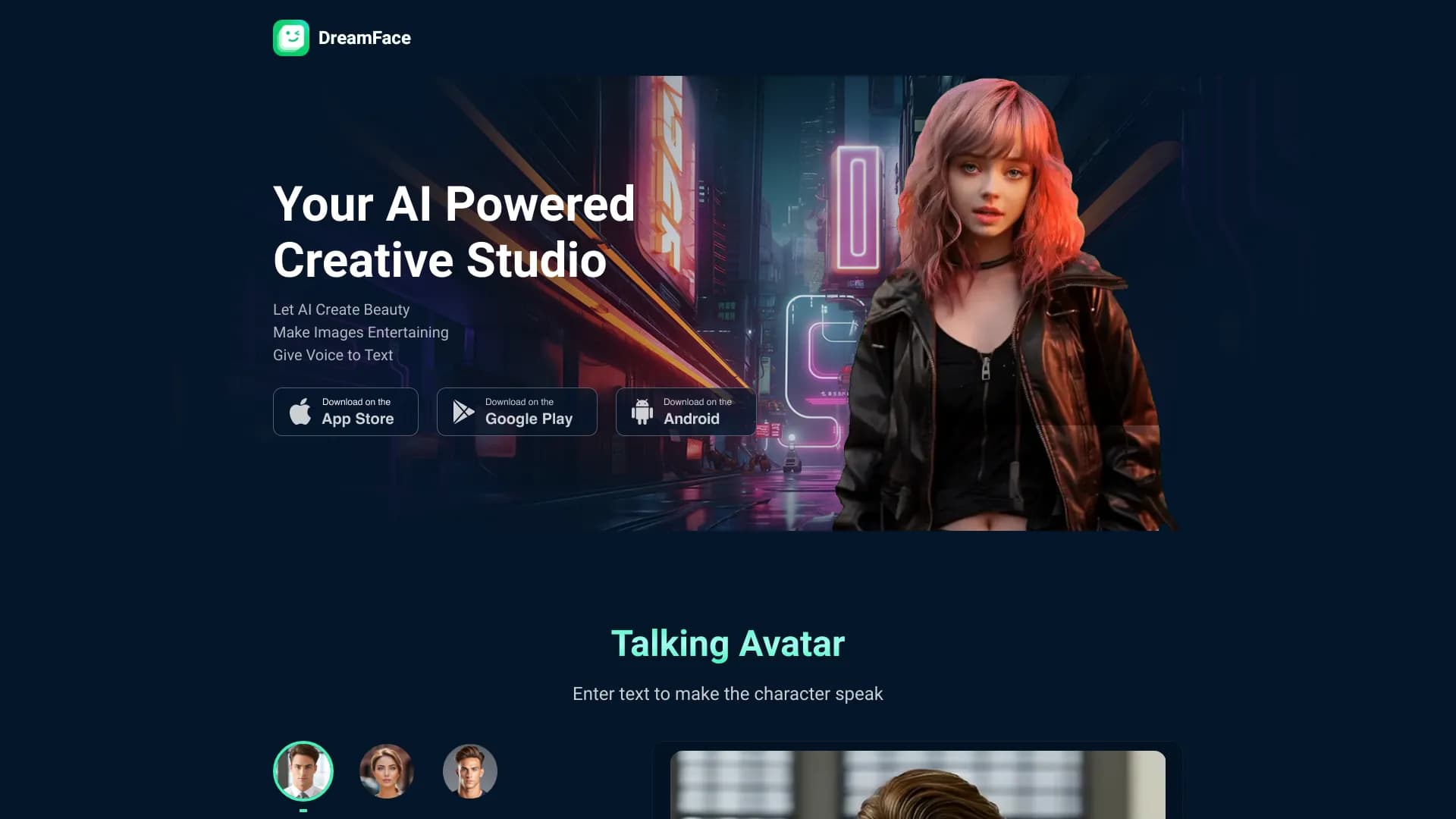
Service for animating photos and creating videos with digital avatars using artificial intelligence.