

Siri AI
Updated Apple voice assistant powered by Apple Intelligence, understanding screen context and performing multi-step actions in apps.

Overview
Siri AI
Siri AI Description
Siri AI is a major update to Apple's voice assistant, powered by the Apple Intelligence system. Announced in September 2024, the new version of Siri transforms the familiar voice assistant into a full-fledged AI helper capable of understanding the context of what's happening on the device screen, performing actions within and between apps, and holding natural conversations with clarifying questions.
Most tasks are processed directly on the device to ensure user data security. Complex requests are handled through Apple's cloud computing (Private Cloud Compute) without storing data on third-party servers. The assistant is available on iPhone, iPad, Mac, Apple Watch, and Apple Vision Pro and supports both voice and text input.
Siri AI Features
| Feature | Value |
|---|---|
| Type | Artificial intelligence system / Voice assistant |
| Developer | Apple |
| Announcement date | September 9, 2024 (Apple Intelligence); updated Siri announced June 8, 2026 (WWDC26) |
| Foundation | Apple Intelligence |
| Platforms | iPhone, iPad, Mac, Apple Watch, Apple Vision Pro, CarPlay, AirPods |
| Categories | Voice assistants, Personal assistant, AI assistants, Speech recognition, Speech to text |
| Distribution model | Free |
| Official website | www.apple.com |
Who is Siri AI suitable for?
Apple device usersSiri AI is designed for owners of iPhone, iPad, Mac, Apple Watch, and Apple Vision Pro who want to complete everyday tasks faster and more easily. The assistant is especially useful for those who actively use the Apple ecosystem and need a single assistant for working with apps, messages, email, and media files.
Privacy-conscious usersSiri AI suits those who worry about the security of personal data. Most models run locally on the device, while complex requests are processed through Private Cloud Compute — data is not transmitted to third-party servers and is not stored.
Users who need an advanced AI assistantThe new version of Siri suits those looking not just for a voice assistant for simple commands, but a full-fledged tool for working with screen context, personal data, and multi-step tasks across several apps simultaneously.
How to use Siri AI?
On an Apple deviceIf the device is compatible, go to the Apple Intelligence & Siri section in Settings, tap "Join the Waitlist," and wait for a notification that access is ready. Once activated, Siri AI can be invoked with the "Hey Siri" voice command, the side button, or a gesture from the Dynamic Island on iPhone. On iPad and Mac — via Spotlight and the "Ask Siri" context menu. On Apple Vision Pro — by voice with spatial 3D visualization. On Apple Watch — from the wrist and through Smart Stack suggestions. In CarPlay and AirPods — when a supported iPhone is nearby.
For developersTesting has been available since June 8, 2026 through the Apple Developer Program. Beta access for regular users is promised later in 2026. To get started, you'll need a device with iOS 27, iPadOS 27, macOS 27, watchOS 27, or visionOS 27.
Key features of Siri AI
Understanding screen context and personal dataSiri AI can see the contents of the device screen and answer questions about what's happening in apps. The assistant understands personal context: the user's messages, emails, photos, notes, and documents. It can search through conversations, find booking confirmations in old email, or pull up photos from a specific trip.
Working with text and mediaThe assistant can rewrite and edit text in Notes, Mail, and other apps with style options (e.g., business). Smart replies are available in Mail and Messages, automatically suggesting context-aware options. Contextual photo and video search by description, background or object removal from photos, and sticker generation from text prompts in iMessage are also supported.
Multi-step tasks and cross-app actionsSiri AI can perform actions across multiple apps simultaneously and handle multi-step tasks instead of individual commands. For example, it can draft an email from scratch, edit and send a set of photos, find the needed information in messages, and immediately proceed to action.
Additional capabilitiesThe updated assistant has a dedicated Siri app with conversation history synced through iCloud. A camera mode is available — recognizing objects in front of the user and suggesting actions. Call recording with automatic transcription and brief conversation summaries is implemented, along with notification summaries sorted by importance and email analysis to flag urgent messages.
Siri AI advantages
Privacy and securityMost models run directly on the device, ensuring data security. Complex tasks are processed through Private Cloud Compute without transmitting data to third-party servers. Data is not stored and is not accessible to Apple.
Deep system integrationSiri AI is deeply embedded in the Apple ecosystem and works across all major Apple devices: iPhone, iPad, Mac, Apple Watch, Apple Vision Pro, CarPlay, and AirPods. The assistant is integrated with iOS 18.1 (and later), iPadOS 18.1 (and later), and macOS Sequoia 15.1 (and later).
Natural communicationThe new version of Siri works in a natural conversational style, without template commands. The assistant can hold dialogues with clarifying questions, supports both voice and text input, and understands complex requests and context.
Openness to integrationIntegration with third-party AI services is planned, expanding the assistant's functionality beyond Apple's own models.
Siri AI drawbacks
Device limitationsUsing Siri AI requires the latest hardware: iPhone 15 Pro and later, iPad and Mac with M1 chips and later, Apple Watch Series 9 and later. The list of compatible models is limited at launch.
Regional and language limitationsAt launch, it works only in English and only in the US. The feature set may vary by country, language, and device.
Limited availability at launchAt the time of announcement, the updated Siri is available only to developers. A beta version for regular users is expected later in 2026. Access to personal context is required, which may raise privacy concerns for some users despite Apple's assurances.
What tasks does Siri AI solve
Working with text and communicationsSiri AI helps edit and rewrite text across various apps, draft emails from scratch, answer questions about screen content, and find needed information in messages, emails, and photos. The assistant can locate booking confirmations in old email and analyze messages to flag urgent ones.
Media file processingContextual media search by description, background and object removal from photos, and sticker generation from text prompts are supported. In camera mode, Siri recognizes objects in front of the user and suggests actions.
Managing notifications and callsThe assistant creates notification summaries sorted by importance and analyzes email to highlight priority messages. Call recording and transcription are implemented, with brief conversation summaries. All participants are notified when a call is being recorded.
Multi-step tasksSiri AI performs actions across multiple apps simultaneously, solving complex tasks instead of individual commands. For example, searching for information, editing, and sending materials can all be done within a single conversation.
Siri AI pricing
Siri AI is distributed free of charge to users of compatible Apple devices. No pricing is listed on the source pages — no additional subscriptions or paid extensions have been announced at the time of writing. The beta version is also provided free of charge.
Siri AI terms of use
Hardware requirementsA supported Apple device is required: iPhone 16, 16 Plus, 16 Pro, 16 Pro Max, 15 Pro, 15 Pro Max; iPad Pro and Air with M1 chips and later; Mac with M1 chips and later; Apple Vision Pro; Apple Watch Series 9 and later, Apple Watch Ultra 2 and later. iOS 18.1 (or later), iPadOS 18.1 (or later), macOS Sequoia 15.1 (or later), watchOS 27, or visionOS 27 is also required.
Getting startedTo begin, you need to join the waitlist through device settings (Apple Intelligence & Siri section). Registration is done via Apple ID. All participants are notified when a call is being recorded.
Language and regional conditionsAt launch, Siri AI works only in English in the US. In December 2024, support was added for Australia, Canada, South Africa, the UK, and New Zealand. In 2025, support for Chinese, French, Japanese, and Spanish is expected.
Siri AI availability
PlatformsSiri AI is available on iPhone, iPad, Mac, Apple Watch, Apple Vision Pro, CarPlay, and AirPods. Each device has its own way of invoking and interacting with the assistant.
Regions and languagesAt launch, it works in English in the US. In December 2024, availability was expanded to Australia, Canada, South Africa, the UK, and New Zealand. In 2025, support for Chinese, French, Japanese, and Spanish is expected.
Compatible devicesCompatible with iPhone 16, 16 Plus, 16 Pro, 16 Pro Max, 15 Pro, 15 Pro Max, iPad Pro and Air with M1 chips and later, Mac with M1 chips and later. iOS 18.1, iPadOS 18.1, macOS Sequoia 15.1, and later operating systems are required.
How Siri AI differs from alternatives
Unlike alternatives such as Copilot, Gemini, and ChatGPT, the main difference of Siri AI is deep system integration into the Apple ecosystem. The assistant is not a standalone app or service — it's built in at the operating system level and has access to the user's personal context: messages, emails, photos, notes, and screen content.
The second key difference is the focus on privacy. Most models run directly on the device, while cloud requests are processed through Private Cloud Compute, where data is not stored and is not accessible to Apple. Many third-party alternatives process data on remote servers.
The third difference is that Siri AI works in a natural conversational style without template commands, understands screen context, and can perform multi-step actions across apps. At the same time, it's open to integration with third-party AI services, allowing Apple Intelligence capabilities to be combined with external models.
Conclusion
Siri AI is a major update to Apple's voice assistant, powered by the Apple Intelligence system. The assistant evolves from a simple voice helper into a full-fledged AI assistant with screen context understanding, multi-step task support, personal data handling, and third-party AI service integration. The system focuses on security (most processes run on the device), is available across all major Apple devices, and is distributed free of charge. However, at launch, access is limited by region (US), language (English), and requires the latest Apple hardware.
Frequently asked questions
Similar AI tools











See also
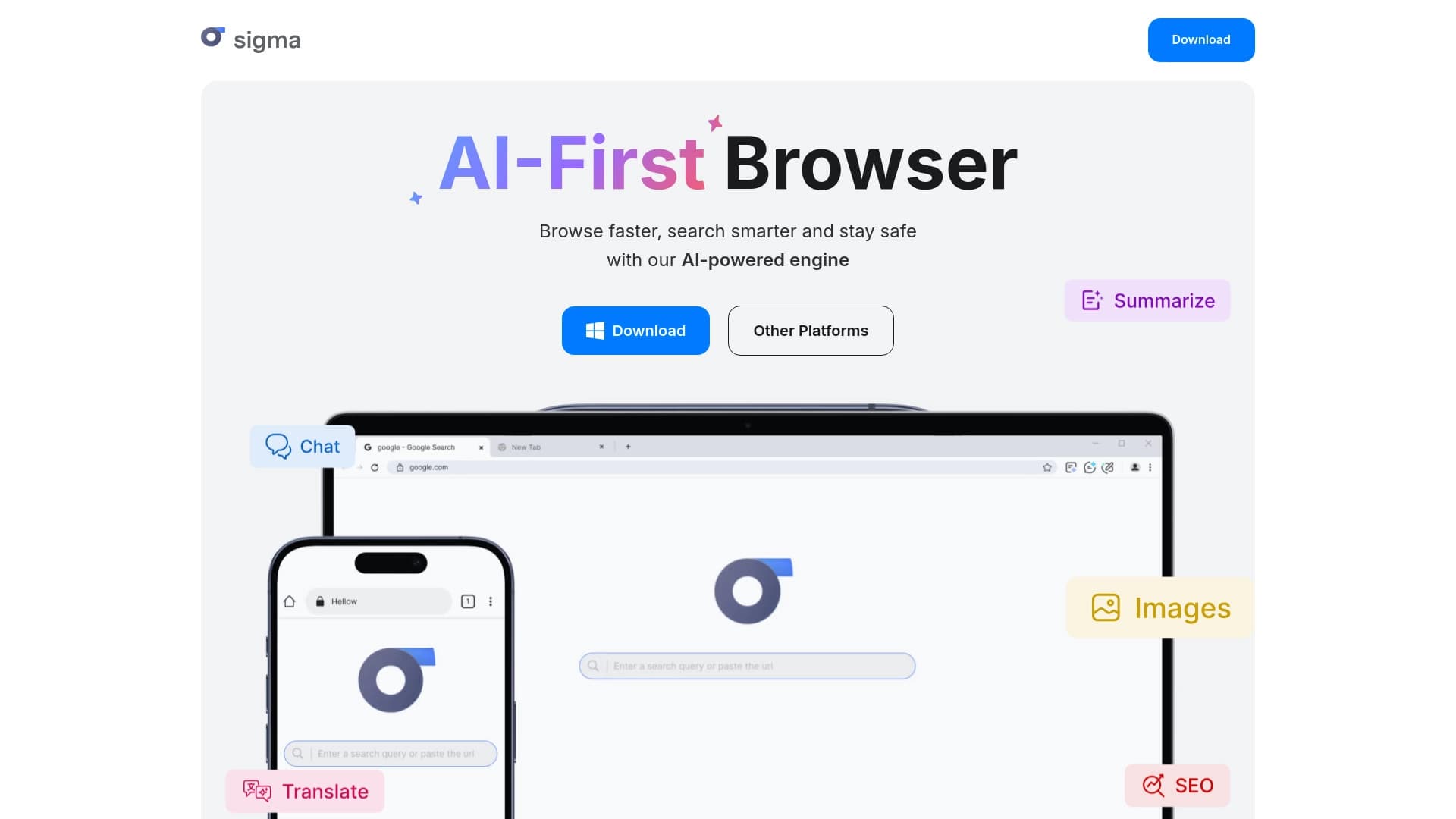

A browser with built-in AI tools for chatting with neural networks, generating texts and images, translating and summarizing pages.


AI platform for fast website creation and small business process management.


AI assistant for doctors that automatically creates structured SOAP notes from appointment audio recordings.

An open-source AI development agent that helps generate, refine, and debug code directly in the IDE.
Intelligent assistant from Microsoft, built into the Bing search engine and Edge browser, powered by GPT-4.
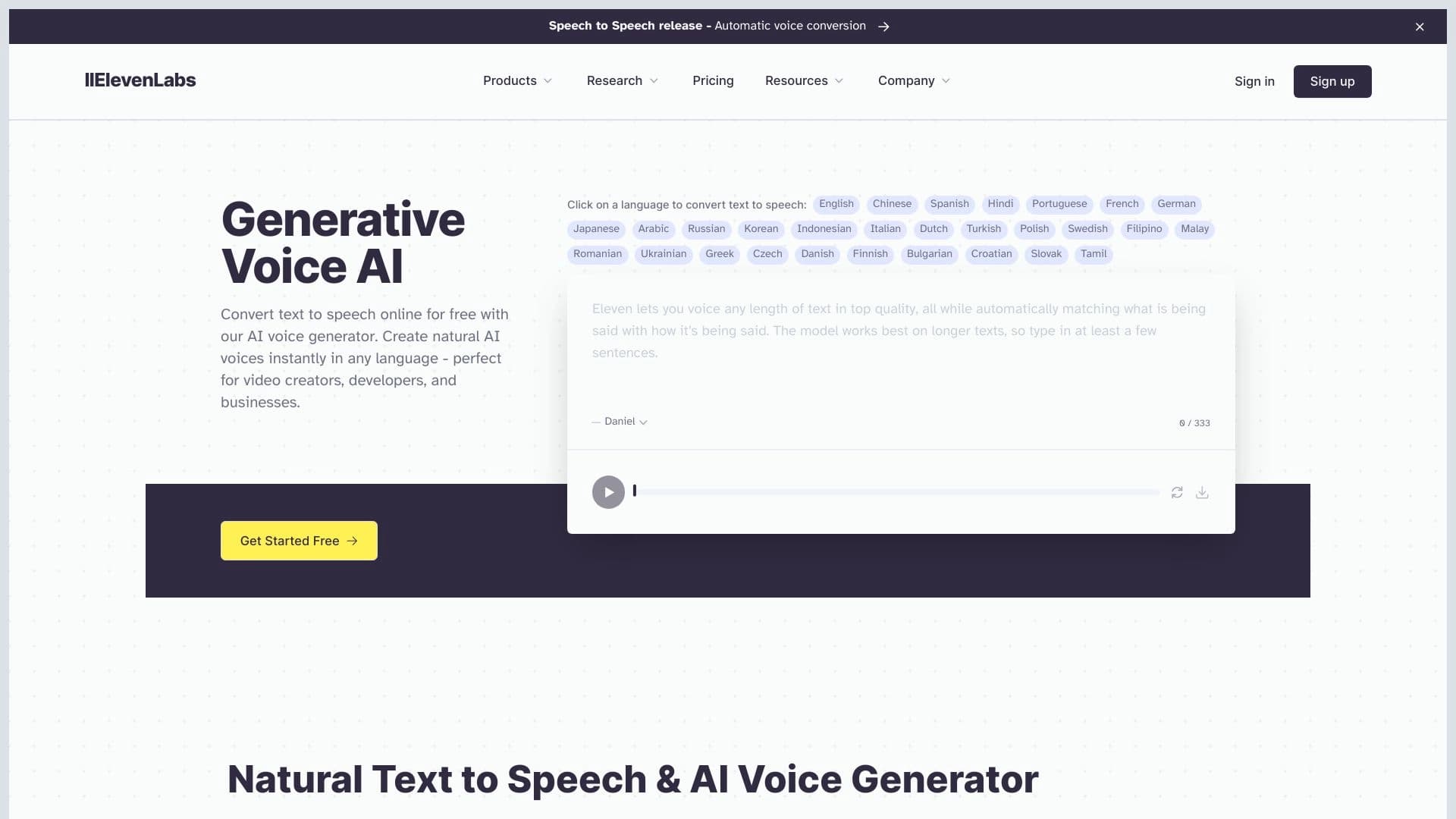
AI platform for voice synthesis and cloning that converts text into realistic speech.
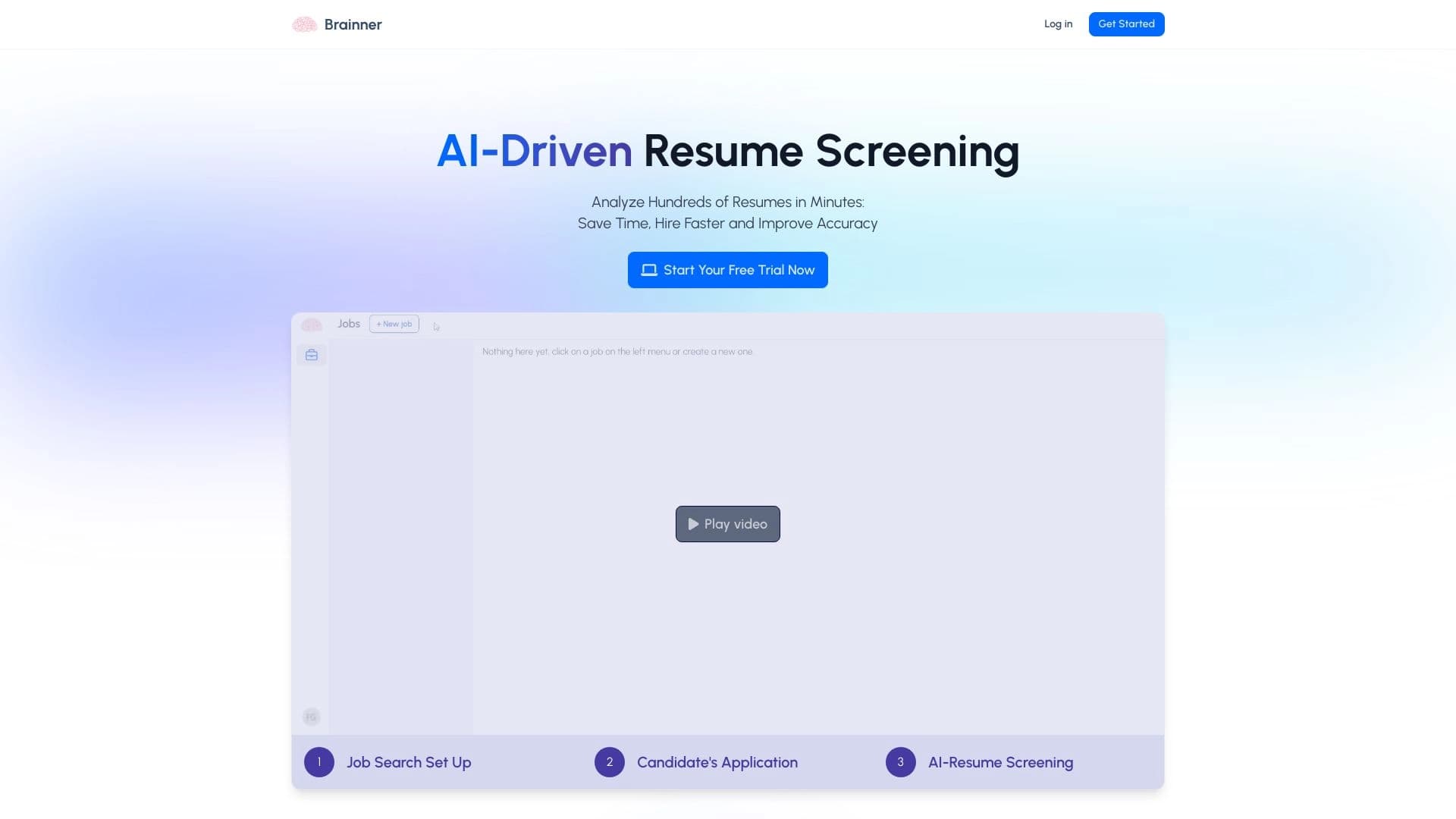
AI platform for fast resume screening that helps recruiters select suitable candidates.
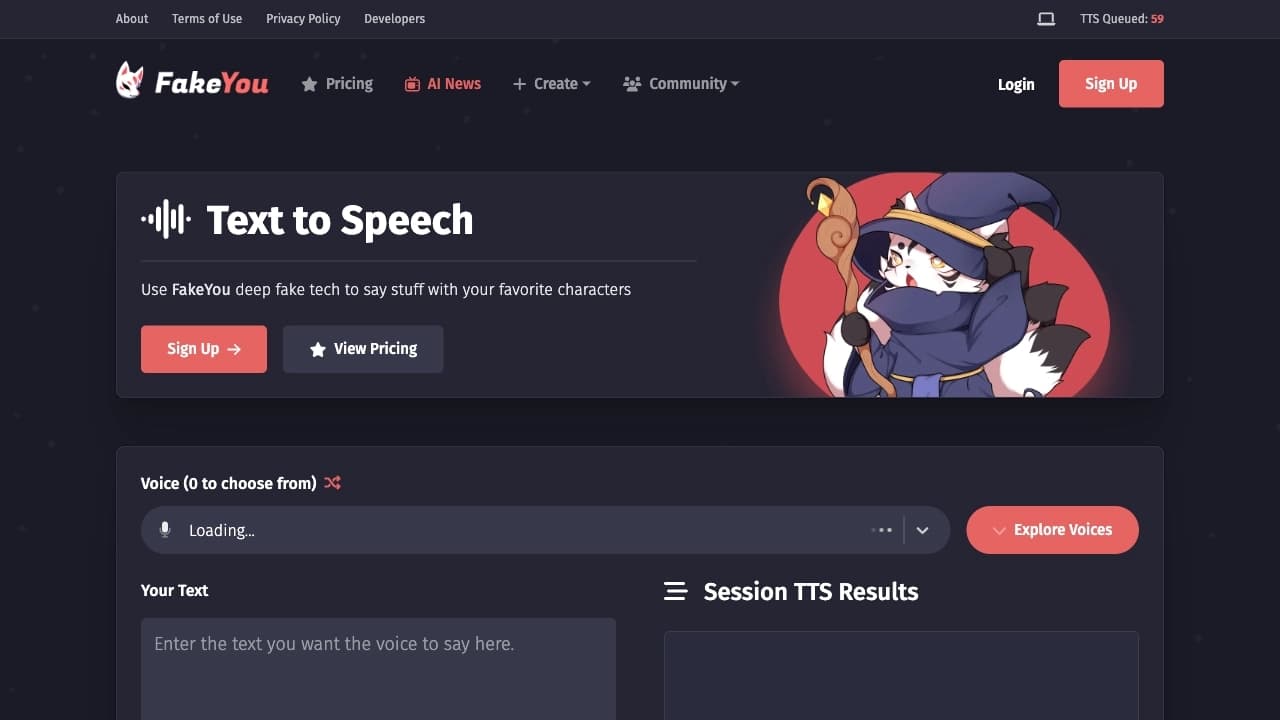

Online AI speech synthesis platform that allows generating audio with voices of famous characters and celebrities.