
GPT-4o mini
A lightweight and cost-effective version of OpenAI's GPT-4o model with a 128K token context window.
Overview
GPT-4o mini
Description of the GPT-4o mini neural network
GPT-4o mini is a lightweight and cost-effective version of the flagship GPT-4o model, released by OpenAI in July 2024. The model is designed for cases where high performance is required with minimal computational costs. At a cost of just $0.15 per 1 million input tokens, it delivers quality comparable to the original GPT-4 for the vast majority of practical tasks.
The neural network supports text and image input, and its context window of 128,000 tokens allows processing large volumes of information in a single request. Thanks to its high speed and low price, GPT-4o mini is ideal for high-load applications where fast response and resource savings are important.
GPT-4o mini specifications
| Characteristic | Value |
|---|---|
| Model name | GPT-4o mini |
| Release date | July 18, 2024 |
| Developer company | OpenAI |
| Architecture | Transformer (exact details not disclosed) |
| Number of parameters | Exact data not disclosed |
| Context window | 128,000 tokens |
| Training data | Public data and licensed materials from third-party providers |
| Input format | Text, images |
| Multimodal capabilities | Support for text and images; audio and video support planned |
| Training method | Pre-training followed by fine-tuning using feedback from humans and AI |
| Access methods | Access via OpenAI API; integration into Microsoft products (Bing Chat, etc.) |
| Specialized versions | None |
| Efficiency in tasks | Surpasses GPT-3.5 Turbo in text intelligence and multimodal reasoning |
| Response speed | High; faster compared to GPT-3.5 Turbo |
| Energy consumption | Optimized compared to larger models |
| Safety and limitations | Improved content filtering and bias reduction mechanisms; some limitations remain |
| License and access | Proprietary; access via OpenAI API and partners |
Who is the GPT-4o mini neural network suitable for?
Developers and IT specialists
GPT-4o mini will be a useful tool for developers who need to integrate language models into their applications. The low cost per token and high response speed allow it to be used in projects with a large number of requests without significantly increasing the budget.
Business users and entrepreneurs
For companies working with large volumes of text information — for example, in customer support services or mass content generation — this model offers an optimal price-to-quality ratio. It allows automating routine tasks without sacrificing response quality.
Researchers and AI enthusiasts
For those experimenting with the capabilities of language models or conducting research in natural language processing, GPT-4o mini provides access to modern technologies at an affordable price. The model is suitable for prototyping and testing ideas without significant financial investment.
How to use the GPT-4o mini neural network?
Via the OpenAI API
The main way to access GPT-4o mini is through the OpenAI API. Developers can connect the model to their applications, web services, or internal systems using standard authentication and calling methods. To get started, you need to register on the OpenAI platform and obtain an API key.
In Microsoft products
The model is also integrated into Microsoft products such as Bing Chat. This means users can interact with GPT-4o mini through familiar interfaces without having to configure the API themselves. This approach suits those who prefer ready-made solutions.
For high-load scenarios
Thanks to the low cost of tokens and high operating speed, GPT-4o mini can be used in systems processing thousands of requests per minute — for example, in chatbots for mass customer service or in automatic text generation tools.
Main functions of GPT-4o mini
Compact and cost-effective version of GPT-4o
The model is a reduced version of the flagship GPT-4o, retaining high response quality with significantly lower computational costs. This makes it accessible for a wide range of tasks where full-fledged GPT-4o would be excessive.
Support for text and images
GPT-4o mini can process both text queries and images, which expands its scope of application. Support for audio and video is also planned, but at the moment these features are not yet implemented.
Context window of 128,000 tokens
The large context window allows the model to retain significant amounts of information in memory — from long documents to multi-page correspondence. This is especially useful when analyzing large texts and conducting extended dialogues.
High response speed
Compared to previous models such as GPT-3.5 Turbo, GPT-4o mini works faster, which is critical for applications requiring instant response — for example, interactive chatbots or real-time systems.
Advantages of GPT-4o mini
Reduced computational costs
The main advantage of the model is its cost-effectiveness. At $0.15 per million input tokens, it allows significantly reducing AI usage costs, especially in projects with large request volumes.
High operating speed
GPT-4o mini is faster than many predecessors, including GPT-3.5 Turbo. This ensures comfortable interaction with users and speeds up tasks where response time is critical.
Improved safety mechanisms
The model implements improved content filtering and bias reduction mechanisms. OpenAI has paid attention to safety issues, making the model's responses more correct and ethical compared to earlier versions.
Optimized energy consumption
Thanks to its compact architecture, the model consumes fewer computing resources, which reduces not only monetary costs but also the load on equipment, and also has a positive effect on energy efficiency.
Disadvantages of GPT-4o mini
Incomplete information about parameters
Exact data on the number of model parameters has not been disclosed by OpenAI, which may raise questions among specialists accustomed to transparency in assessing neural network architectures.
Remaining safety limitations
Despite the improved filtering mechanisms, the model still has certain limitations. It may produce unwanted or incorrect responses in some scenarios, which requires additional control from developers.
No support for audio and video
Although audio and video support was announced, at the moment these features are not yet implemented. The model only works with text and images, which limits its use in multimedia projects.
What tasks does GPT-4o mini solve?
Chatbots and support services
Thanks to its high speed and low cost, the model is well suited for creating chatbots that handle a large number of user requests. It is capable of providing detailed and meaningful answers, which is important for quality customer service.
Content generation
GPT-4o mini can be used for automatically writing articles, product descriptions, letters, social media posts, and other text materials. The model's high performance allows processing significant volumes of content in a short time.
Tasks with large data volumes
The model is suitable for analyzing and processing large arrays of text information — for example, for summarizing documents, extracting key data, or conducting long dialogues. The context window of 128,000 tokens makes it especially effective in such scenarios.
GPT-4o mini prices
The cost of using GPT-4o mini is $0.15 per 1 million input tokens. This is significantly cheaper than full-fledged GPT-4o, and even lower than rates for older models such as GPT-3.5 Turbo. This price makes the model accessible for high-load applications and projects with limited budgets.
Detailed information on prices for output tokens and possible discounts for large usage volumes is specified on the official OpenAI website.
Terms of use of GPT-4o mini
The model is distributed under OpenAI's proprietary license. Access to it is provided through the OpenAI API, as well as through partner products, including Microsoft solutions. Using the API requires registration on the OpenAI platform and compliance with the terms of service, including the content usage policy and request volume limits.
Developers should note that the model may have rate limits depending on the pricing plan, and is also subject to content moderation rules established by OpenAI.
Availability of GPT-4o mini
GPT-4o mini is available through the OpenAI API, allowing it to be connected to any compatible applications and services. In addition, the model is integrated into Microsoft products such as Bing Chat, expanding the range of users who can interact with it without working directly with the API.
At the moment, there is no information about regional restrictions; however, OpenAI traditionally provides access to its models in most countries of the world (except for those subject to sanctions restrictions).
How GPT-4o mini differs from analogues
Comparison with GPT-3.5 Turbo
GPT-4o mini surpasses GPT-3.5 Turbo in two key indicators: text intelligence and multimodal reasoning. It gives more accurate, detailed, and meaningful answers, while working faster and consuming fewer resources.
Comparison with GPT-4o
Unlike full-fledged GPT-4o, the mini version is focused on tasks where speed and savings matter. It is somewhat inferior to the flagship model in complex analytical scenarios, but for most everyday applications the difference in quality is minimal.
Comparison with ChatGPT
ChatGPT as a product is built on various OpenAI models, including GPT-4o mini. However, GPT-4o mini itself is not a ready-made interface but an API model that developers can embed into their own solutions. This is its key difference from ready-made chat products.
Conclusion
GPT-4o mini is a compact and cost-effective version of OpenAI's GPT-4o model, released in July 2024. It provides high response quality comparable to the original GPT-4 at significantly lower computational costs. The context window of 128,000 tokens, support for text and images, high operating speed, and the price of $0.15 per million input tokens make it an attractive choice for developers, businesses, and anyone working with large amounts of data. The model is suitable for chatbots, content generation, customer support systems, and other high-load tasks where fast response and resource savings are important.
Frequently asked questions


See also
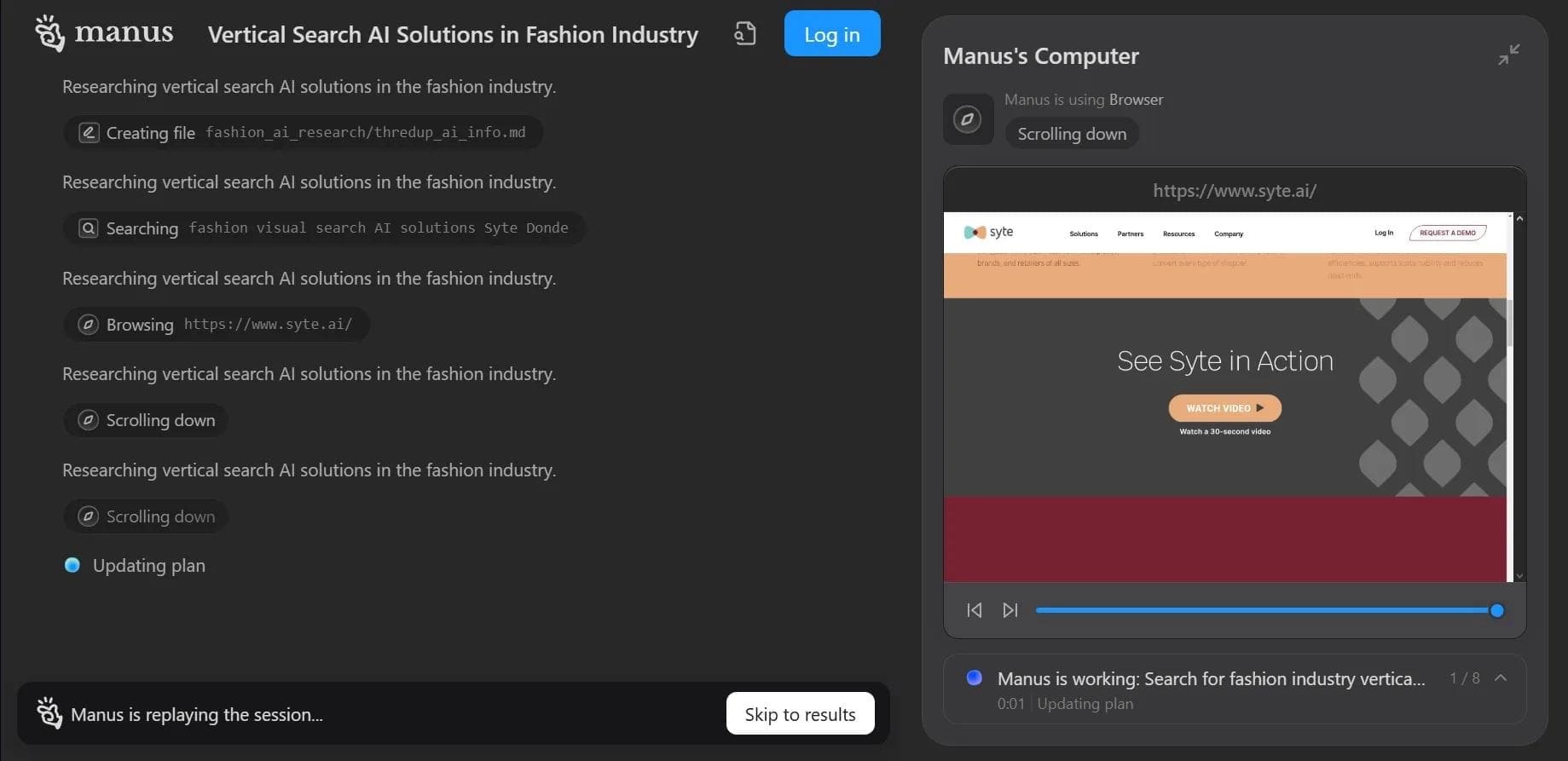

Autonomous cloud-based AI agent that independently plans and executes complex multi-step tasks based on a textual description of the goal.

Multimodal neural network from Google that processes text, images, code, and audio in a conversational format.
An open-source desktop AI agent that stores conversation history in a local knowledge base and automatically pulls relevant context into new discussions.

A set of built-in AI features in the Figma editor for automating routine designer tasks.
A service that translates legal documents from professional legal language into plain, easy-to-understand text.
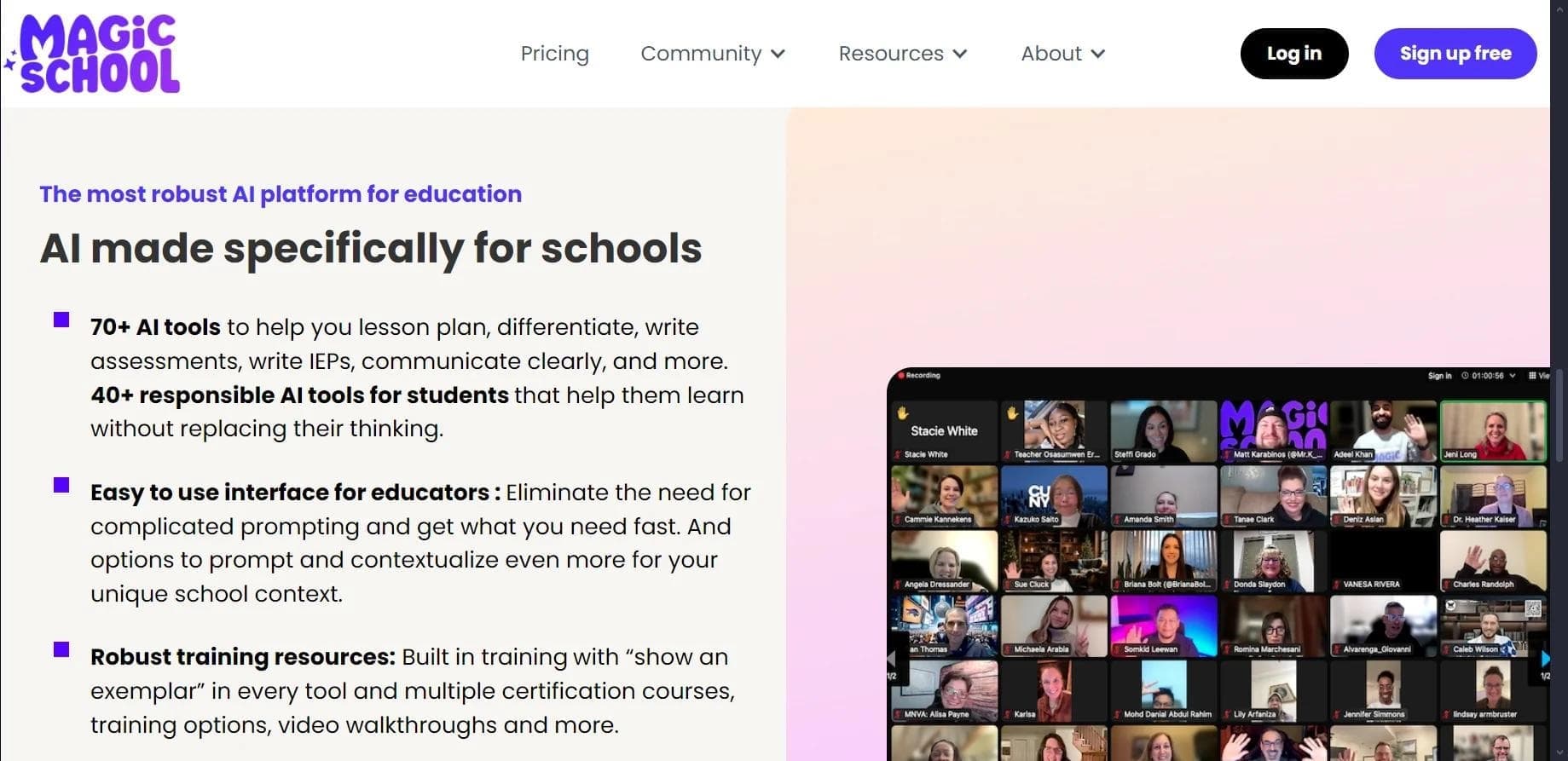

AI platform for automating educational tasks for teachers and students.

A community for daily discovery and discussion of new technology products.
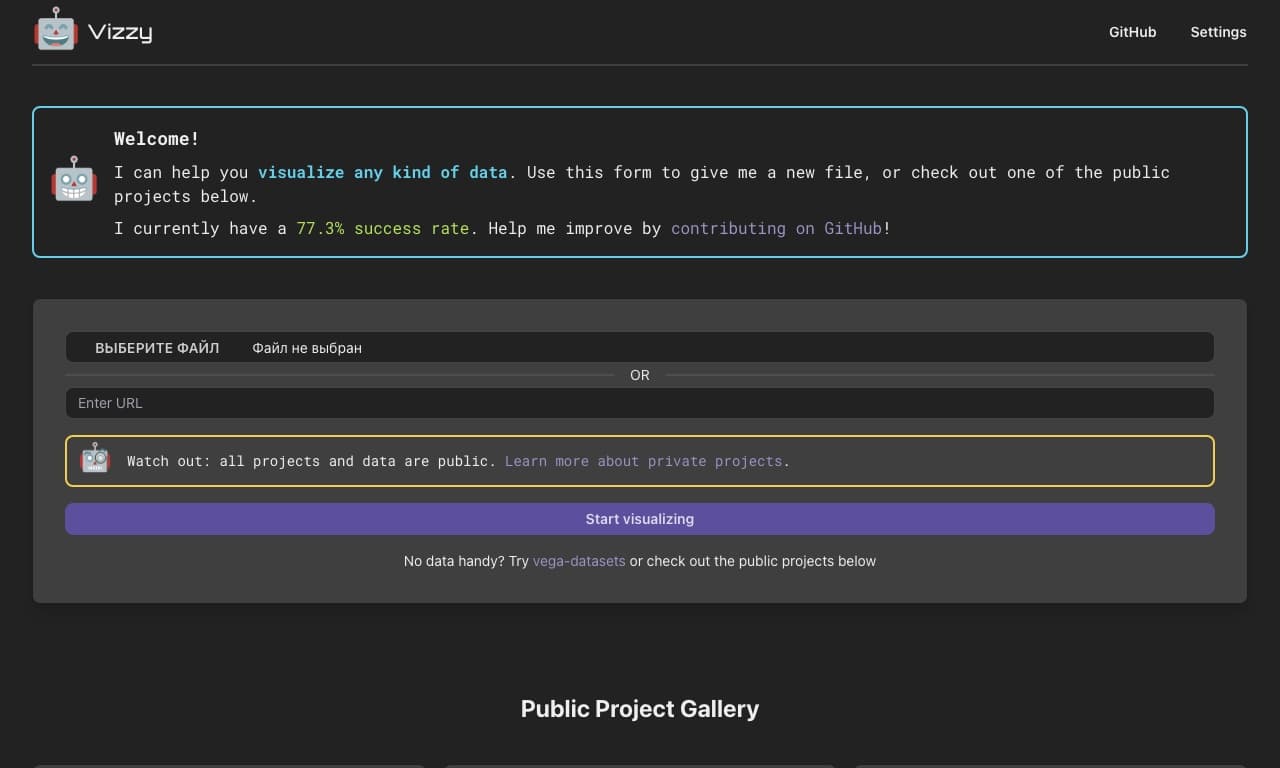
AI tool for rapid data visualization via OpenAI API, transforming heterogeneous datasets into detailed graphical representations.