
GPT-4.5
Мультимодальная языковая модель от OpenAI с поддержкой контекста до 128 тысяч токенов.
Обзор
GPT-4.5
Описание нейросети GPT-4.5
GPT-4.5 — это мультимодальная языковая модель, разработанная компанией OpenAI и анонсированная в феврале 2025 года. Модель поддерживает контекст до 128 тысяч токенов, что позволяет обрабатывать большие объёмы текста за один запрос. По сравнению с предыдущей версией GPT-4, новая модель демонстрирует улучшенные способности к рассуждению, программированию и творческим задачам.
Одной из ключевых особенностей GPT-4.5 является сниженный уровень галлюцинаций — модель реже выдаёт вымышленные факты. Повышенная фактическая точность делает её более надёжным инструментом для работы с информацией. На бенчмарках общего знания, математики и программирования модель показывает высокие результаты, что подтверждает её прогресс относительно предшественников.
Характеристики GPT-4.5
| Характеристика | Значение |
|---|---|
| Тип | Мультимодальная модель |
| Разработчик | OpenAI |
| Контекст | 128.0K токенов |
| Дата выпуска | 27 февраля 2025 г. |
| Средний балл | 63.1% |
| Лицензия | Proprietary |
| Цена за 1М токенов (вход) | $75.00 |
| Цена за 1М токенов (выход) | $150.00 |
| Макс. входящих токенов | 128.0K |
| Макс. исходящих токенов | 4.1K |
Для кого подходит нейросеть GPT-4.5?
Разработчики и программисты
Благодаря улучшенным возможностям программирования, поддержке Code Execution и Function Calling, модель подходит для автоматизации написания кода, отладки и решения сложных алгоритмических задач. Разработчики могут интегрировать GPT-4.5 в свои приложения через API.
Специалисты по контенту и творчеству
Улучшенные творческие способности модели помогают в написании текстов, создании сценариев, генерации идей и других задачах, связанных с контентом. Сниженный уровень галлюцинаций делает её более надёжной для работы с фактологическим материалом.
Исследователи и аналитики
Расширенный контекст в 128 тысяч токенов позволяет обрабатывать большие документы, научные статьи и отчёты целиком. Высокая фактическая точность и улучшенное следование инструкциям делают модель полезной для анализа данных и подготовки обзоров.
Как использовать нейросеть GPT-4.5?
Через сторонние сервисы
GPT-4.5 доступна через сторонние платформы, например Aijora.ru. Такие сервисы работают без необходимости использовать VPN и зарубежные банковские карты, что упрощает доступ к модели для пользователей из разных стран.
Через API OpenAI
Разработчики могут подключать GPT-4.5 через официальный API OpenAI. Модель поддерживает пакетную обработку запросов (Batch Inference), тонкую настройку (Fine-tuning), а также веб-поиск и структурированный вывод (Structured Output). Это позволяет гибко адаптировать её под конкретные задачи.
Основные функции GPT-4.5
Улучшенные рассуждения и программирование
Модель демонстрирует более глубокое понимание логических связей и причинно-следственных отношений. Улучшенные способности к программированию позволяют генерировать, анализировать и оптимизировать код с меньшим количеством ошибок.
Мультимодальность и расширенный контекст
GPT-4.5 поддерживает работу с различными типами данных (текст, изображения) в рамках одной сессии. Контекст в 128 тысяч токенов позволяет сохранять больше информации в памяти модели при длительных диалогах или при обработке больших документов.
Инструменты для разработчиков
Модель включает поддержку Function Calling, Structured Output и Code Execution. Это даёт возможность создавать сложные автоматизированные сценарии, получать данные в строго заданном формате и выполнять код непосредственно внутри модели.
Пакетная обработка и тонкая настройка
Функция Batch Inference позволяет отправлять запросы пакетами, что снижает затраты при больших объёмах работы. Fine-tuning даёт возможность дообучать модель на собственных данных для решения узкоспециализированных задач.
Преимущества GPT-4.5
Наиболее продвинутая модель OpenAI на момент выпуска
На дату анонса GPT-4.5 являлась самой совершенной моделью компании. Она сочетает в себе все ключевые улучшения, накопленные за время развития линейки GPT.
Сниженный уровень галлюцинаций
Модель значительно реже, чем предыдущие версии, генерирует недостоверную информацию. Это критически важно для задач, где требуется высокая фактическая точность.
Повышенная фактическая точность
Улучшенные механизмы проверки фактов позволяют GPT-4.5 выдавать более надёжные ответы, особенно в области общего знания, математики и программирования. Это подтверждается результатами бенчмарков.
Недостатки GPT-4.5
Высокая стоимость использования
Цена за 1 миллион токенов на входе составляет $75.00, на выходе — $150.00. Это существенно дороже, чем у многих альтернативных моделей, что ограничивает применение в проектах с большими объёмами запросов.
Ограничение на исходящие токены
Максимальный объём ответа модели ограничен 4.1 тысячами токенов. Для задач, требующих генерации очень длинных текстов за один раз, это может быть неудобно.
Проприетарная лицензия
Модель распространяется под проприетарной лицензией, что означает отсутствие доступа к исходному коду и невозможность самостоятельного развёртывания на собственных серверах.
Какие задачи решает GPT-4.5
Сложные аналитические задачи
Благодаря широкому контексту и улучшенным рассуждениям модель способна анализировать длинные документы, выявлять закономерности и строить логические цепочки. Это полезно для исследователей, юристов, финансистов и других специалистов, работающих с большими объёмами информации.
Разработка и отладка кода
GPT-4.5 помогает в написании программного кода, его рефакторинге, поиске ошибок и оптимизации. Поддержка Code Execution позволяет проверять код прямо внутри модели.
Создание и обработка контента
Модель подходит для генерации статей, сценариев, маркетинговых текстов и других материалов. Мультимодальность даёт возможность работать не только с текстом, но и с изображениями.
Автоматизация бизнес-процессов
Function Calling и Structured Output позволяют интегрировать GPT-4.5 в бизнес-приложения: от чат-ботов поддержки до систем автоматической обработки заявок и отчётов.
Цены GPT-4.5
Стоимость использования модели рассчитывается исходя из количества обработанных токенов. За 1 миллион токенов на входе (промпт) взимается $75.00. За 1 миллион токенов на выходе (сгенерированный ответ) — $150.00. Бесплатный вариант использования не указан. Для снижения затрат при больших объёмах запросов доступна пакетная обработка (Batch Inference).
Условия использования GPT-4.5
Модель распространяется под проприетарной лицензией OpenAI. Полные условия использования регулируются соглашением компании. Для доступа к модели через API требуется учётная запись разработчика OpenAI. Доступ через сторонние сервисы, такие как Aijora.ru, может иметь собственные условия и тарифы.
Доступность GPT-4.5
Прямой доступ к GPT-4.5 возможен через API OpenAI. Кроме того, модель доступна через сторонний сервис Aijora.ru, который не требует использования VPN и зарубежных банковских карт. Это делает модель более доступной для пользователей из регионов, где прямой доступ к сервисам OpenAI может быть ограничен.
Чем отличается GPT-4.5 от аналогов
Сравнение с GPT-4o и o4-mini
GPT-4.5 предлагает более высокую фактическую точность и сниженный уровень галлюцинаций по сравнению с GPT-4o. В то же время o4-mini является более лёгкой и дешёвой моделью, оптимизированной для быстрых ответов, тогда как GPT-4.5 ориентирована на максимальное качество.
Сравнение с GPT-4 и GPT-4.1
По сравнению с GPT-4 улучшены возможности рассуждения, программирования и творчества. GPT-4.1 представляет собой промежуточную версию, но GPT-4.5 превосходит её по ключевым бенчмаркам общего знания, математики и программирования.
Отличие от o3 и o1-pro
Модели серии o (o3, o1-pro) ориентированы на углублённые логические рассуждения и могут быть более эффективны в решении узкоспециализированных задач. GPT-4.5, в свою очередь, является более универсальной моделью, подходящей для широкого круга сценариев.
Заключение
GPT-4.5 — это самая продвинутая модель OpenAI на момент анонса в феврале 2025 года. Она сочетает мультимодальность, контекст до 128 тысяч токенов, улучшенные способности к рассуждению, программированию и творчеству при сниженном уровне галлюцинаций. Высокая стоимость ($75–150 за миллион токенов) и проприетарная лицензия ограничивают её массовое применение, но для задач, где критичны точность и качество ответов, модель представляет собой один из лучших доступных инструментов.
Часто задаваемые вопросы

Смотрите также
AI-генератор названий для бизнеса с проверкой доступности доменов.

Русскоязычный ИИ-чат-бот на основе GPT для поиска информации и генерации текстов.


Averi — платформа для маркетинга, которая объединяет планирование кампаний, создание контента и аналитику в одном интерфейсе.

Платформа для создания мультиагентных AI-систем и чат-ботов для автоматизации клиентской поддержки и поиска лидов.
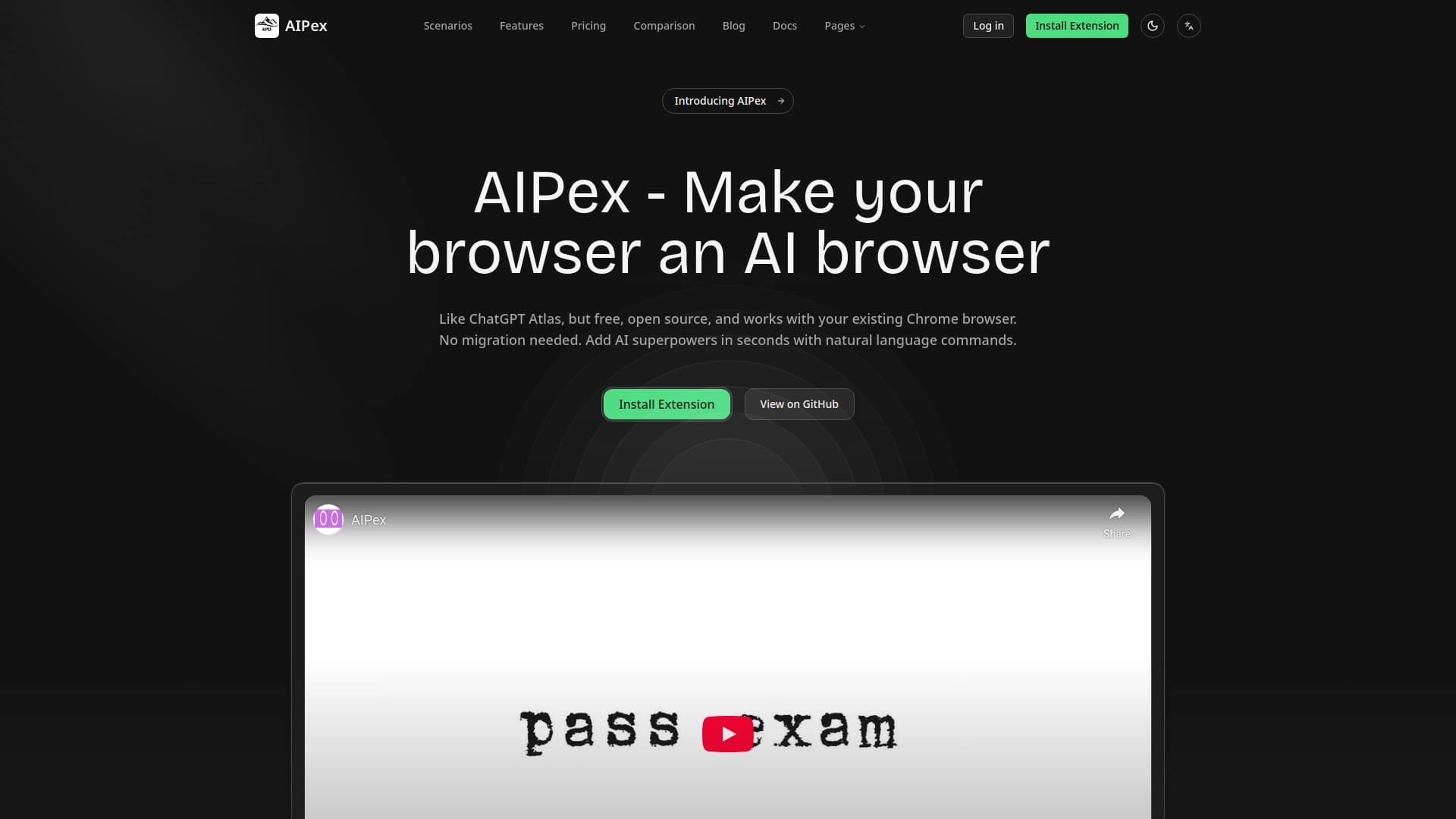

Расширение для Chrome, которое помогает управлять вкладками, историей и закладками с помощью ИИ-ассистента.
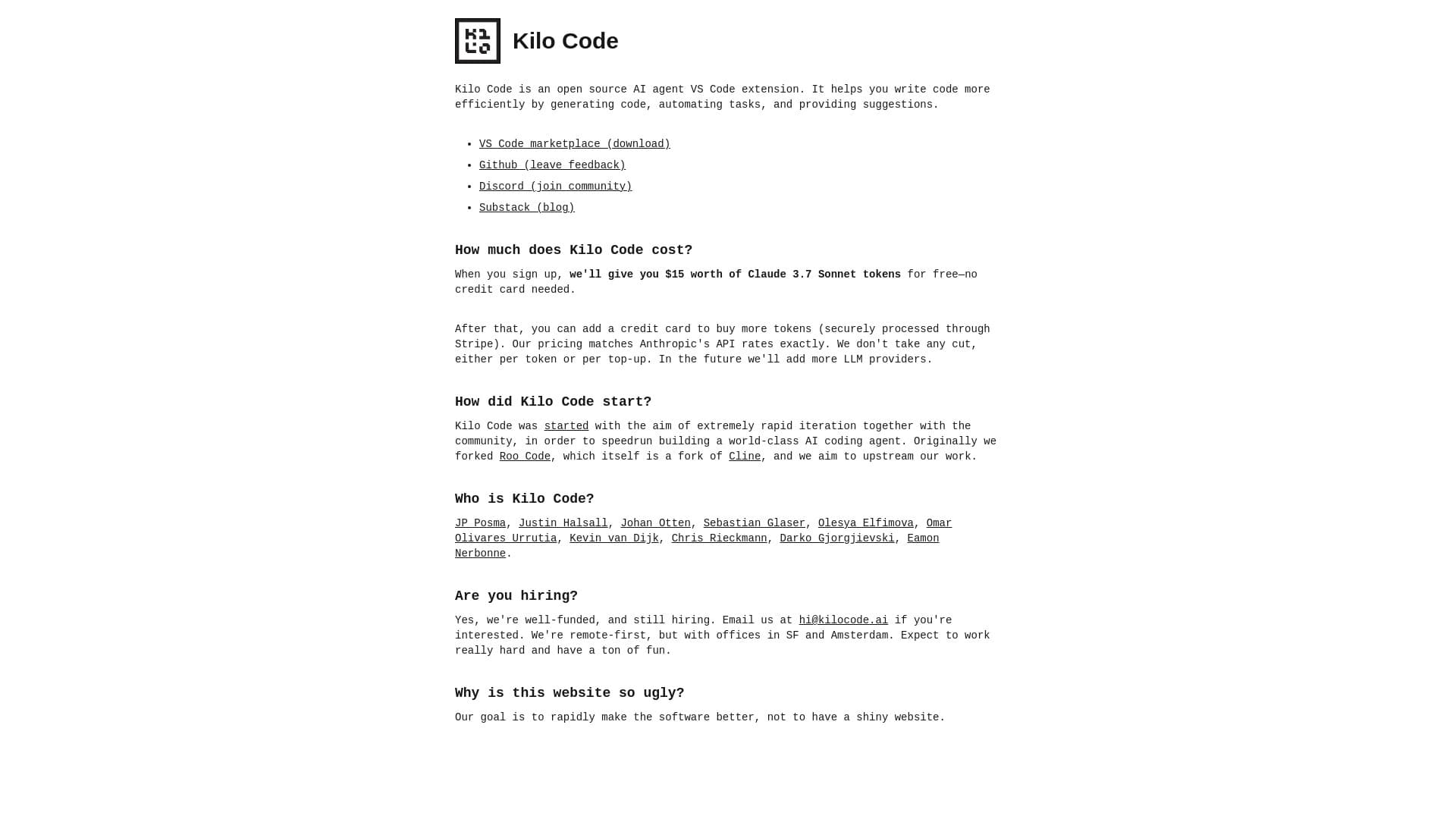

Open-source AI-агент для разработки, который помогает генерировать, дорабатывать и отлаживать код прямо в IDE.

Многофункциональный ИИ-ассистент для чата, генерации текста и изображений, перевода и помощи в программировании.


Платформа для создания и настройки виртуальных компаньонов с индивидуальной внешностью и характером.