

Mistral Small 3
24-миллиардная языковая модель с открытым исходным кодом, оптимизированная для быстрой обработки текста и локального развертывания.
Обзор
Mistral Small 3
Описание нейросети Mistral Small 3
Mistral Small 3 — это языковая модель с открытым исходным кодом, насчитывающая 24 миллиарда параметров. Она распространяется под лицензией Apache 2.0, что позволяет свободно использовать, модифицировать и встраивать её в собственные проекты без лицензионных отчислений. Главный фокус разработчиков — обеспечение низкой задержки и высокой производительности при локальном запуске, что делает модель привлекательной для сценариев, где критичны скорость обработки и конфиденциальность данных.
Mistral Small 3 демонстрирует конкурентоспособную точность на эталонных тестах: показатель MMLU превышает 81%, что сопоставимо с результатами более крупных моделей. При этом скорость инференса достигает 150 токенов в секунду, что позволяет использовать её в режиме реального времени. Модель поддерживает тонкую настройку под конкретные задачи, что расширяет область её применения от диалоговых систем до специализированных доменных решений.
Характеристики Mistral Small 3
| Характеристика | Значение |
|---|---|
| Размер модели | 24 миллиарда параметров |
| Тип модели | Модель для генерации языка |
| Лицензия | Apache 2.0 |
| Точность (MMLU) | Более 81% |
| Скорость | 150 токенов в секунду |
| Оптимизация | Низкая задержка (latency-optimized) |
| Платформы | Web, Linux, Mac, Windows |
| Дата добавления | 20 мая 2025 |
Для кого подходит нейросеть Mistral Small 3?
Разработчики и AI-исследователи
Mistral Small 3 ориентирована в первую очередь на разработчиков, которым требуется быстрая и эффективная языковая модель для встраивания в приложения. Открытый код и возможность тонкой настройки делают её удобным инструментом для экспериментов и создания специализированных решений. AI-исследователи могут использовать модель как базовую платформу для изучения методов донастройки и оптимизации инференса.
Бизнес и специалисты в регулируемых отраслях
Модель подходит для компаний, работающих с чувствительными данными: медицинских учреждений, юридических фирм и финансовых организаций. Возможность локального развертывания позволяет соблюдать требования к конфиденциальности и не передавать данные в облако. При этом производительность модели достаточна для задач автоматизации клиентской поддержки, сортировки обращений и обнаружения аномалий.
Предприятия, нуждающиеся в AI-решениях
Бизнесы любого масштаба, которые ищут баланс между производительностью и стоимостью внедрения, могут рассматривать Mistral Small 3 как альтернативу более крупным моделям. Низкие требования к вычислительным ресурсам (достаточно одной GPU) снижают порог входа и эксплуатационные расходы.
Как использовать нейросеть Mistral Small 3?
Получение доступа и настройка окружения
Первый шаг — получить доступ к модели через платформу la Plateforme. Затем необходимо настроить окружение с помощью одного из поддерживаемых фреймворков, таких как Hugging Face или Ollama. Эти инструменты предоставляют удобные интерфейсы для загрузки и работы с моделью.
Загрузка и донастройка модели
После настройки окружения следует загрузить предварительно обученную версию модели через соответствующую библиотеку. При необходимости можно выполнить донастройку (fine-tuning) для решения конкретных задач — например, адаптировать модель под специфическую терминологию или формат ответов.
Развёртывание в приложениях
Финальный этап — развернуть модель в собственных приложениях. Благодаря оптимизации под локальный запуск, Mistral Small 3 может работать на одной GPU, что упрощает интеграцию как в веб-сервисы, так и в настольные приложения на Linux, Mac или Windows.
Основные функции Mistral Small 3
Высокоскоростная обработка языка
Модель обеспечивает генерацию текста со скоростью 150 токенов в секунду, что позволяет использовать её в сценариях, требующих минимальной задержки, — например, в чат-ботах и ассистентах реального времени.
Локальный инференс
Mistral Small 3 оптимизирована для выполнения на локальных машинах без необходимости постоянного подключения к облаку. Это снижает зависимость от внешних сервисов, повышает конфиденциальность обработки данных и сокращает операционные расходы.
Донастройка под специализированные задачи
Модель поддерживает тонкую настройку, что даёт возможность адаптировать её под конкретные домены: юридическую документацию, медицинские протоколы, финансовые отчёты или корпоративные базы знаний.
Преимущества Mistral Small 3
Открытый исходный код и свободная лицензия
Модель распространяется под лицензией Apache 2.0, которая допускает бесплатное использование, модификацию и коммерческое применение без ограничений. Это делает её доступной как для индивидуальных разработчиков, так и для крупных компаний.
Высокая скорость при низких требованиях к ресурсам
Благодаря оптимизации под низкую задержку Mistral Small 3 способна работать на одной GPU, сохраняя при этом конкурентоспособную точность. Это выгодно отличает её от более крупных моделей, требующих значительных вычислительных мощностей.
Универсальность применения
Модель подходит для широкого спектра задач — от диалоговых AI-систем и автоматического кодирования до специализированных решений в медицине и финансах. Поддержка вызова функций расширяет возможности интеграции с внешними сервисами.
Недостатки Mistral Small 3
Отсутствие публичной информации о ценах
На момент публикации нет явных данных о стоимости коммерческого или расширенного использования модели за пределами базового бесплатного доступа. Это может затруднить планирование бюджета для предприятий.
Ограниченная информация об экосистеме и интеграциях
Детали о поддержке сторонних фреймворков и инструментов за пределами основных платформ (Hugging Face, Ollama) раскрыты не полностью. Пользователям может потребоваться самостоятельно изучать совместимость с конкретным стеком технологий.
Отсутствие RL-обучения и синтетических данных
В Mistral Small 3 не применялось обучение с подкреплением (Reinforcement Learning) и не использовались синтетические данные. Это может ограничивать некоторые продвинутые возможности модели, особенно в задачах, требующих сложного многошагового рассуждения или следования сложным инструкциям.
Какие задачи решает Mistral Small 3
Клиентская поддержка и диалоговые системы
Благодаря высокой скорости инференса модель подходит для создания быстродействующих ботов обслуживания клиентов, способных обрабатывать запросы в реальном времени без заметных задержек.
Автоматизация кодирования и техническая поддержка
Mistral Small 3 может использоваться для автоматической генерации кода, помощи разработчикам в написании и отладке программ, а также для технической поддержки пользователей.
Медицинская сортировка и финансовая безопасность
Модель применима в системах предварительной сортировки пациентов по степени срочности, а также для обнаружения мошеннических операций в финансовых услугах, где критичны скорость обработки и конфиденциальность данных.
Цены Mistral Small 3
Точные сведения о ценах на коммерческое или расширенное использование Mistral Small 3 на данный момент отсутствуют. Модель распространяется по лицензии Apache 2.0, что подразумевает бесплатное использование базовой версии, однако за дополнительные услуги — например, размещение на инфраструктуре провайдера или премиум-поддержку — может взиматься отдельная плата. Рекомендуется уточнять актуальные условия на официальном сайте разработчика.
Условия использования Mistral Small 3
Mistral Small 3 предоставляется под лицензией Apache 2.0. Эта лицензия разрешает свободное использование, копирование, модификацию и распространение модели как в исходном, так и в изменённом виде, в том числе в коммерческих проектах. При этом необходимо сохранять уведомление об авторских правах и отказ от ответственности. Ограничения, связанные с использованием модели в специфических регулируемых областях, могут устанавливаться дополнительными соглашениями — их следует уточнять отдельно.
Доступность Mistral Small 3
Модель доступна на платформах Web, Linux, Mac и Windows. Для локального запуска требуется поддерживаемая среда — например, Hugging Face Transformers или Ollama. Доступ к облачной версии модели можно получить через la Plateforme. Благодаря оптимизации под одну GPU, Mistral Small 3 может быть развёрнута как на серверном оборудовании, так и на мощных рабочих станциях.
Чем отличается Mistral Small 3 от аналогов
По сравнению с более крупными моделями, такими как Llama 3.3 70B или Qwen 32B, Mistral Small 3 предлагает меньший размер (24 млрд параметров) при сопоставимой точности — более 81% по MMLU. Главное преимущество — скорость: 150 токенов в секунду при работе на одной GPU, что делает модель одной из самых быстрых в своём классе.
В отличие от GPT-4o-mini, Mistral Small 3 полностью открыта (Apache 2.0) и не требует подписки на облачный сервис. Пользователь получает полный контроль над моделью, может донастраивать её и запускать локально без передачи данных третьим сторонам. Однако это достигается ценой отсутствия некоторых продвинутых техник обучения (RL) и, возможно, менее широкой экосистемы готовых интеграций.
Заключение
Mistral Small 3 — это 24-миллиардная языковая модель с открытым исходным кодом (Apache 2.0), оптимизированная для низкой задержки и высокой скорости инференса (150 токенов/с, более 81% на MMLU). Она предназначена для локального развертывания, допускает донастройку под конкретные задачи и подходит для разработчиков, исследователей и бизнеса в различных областях — от клиентской поддержки до медицинской сортировки и финансового мониторинга. Основные ограничения связаны с отсутствием публичной информации о ценах, ограниченной документированностью экосистемы и отсутствием RL-обучения.
Часто задаваемые вопросы
Смотрите также

Open-source AI-агент для разработки, который помогает генерировать, дорабатывать и отлаживать код прямо в IDE.

Нейросеть, которая генерирует изображения и иллюстрации на основе текстового описания.
Облачная платформа для создания видео с помощью ИИ-аватаров, синтезированной речи и автоматического перевода роликов на десятки языков.
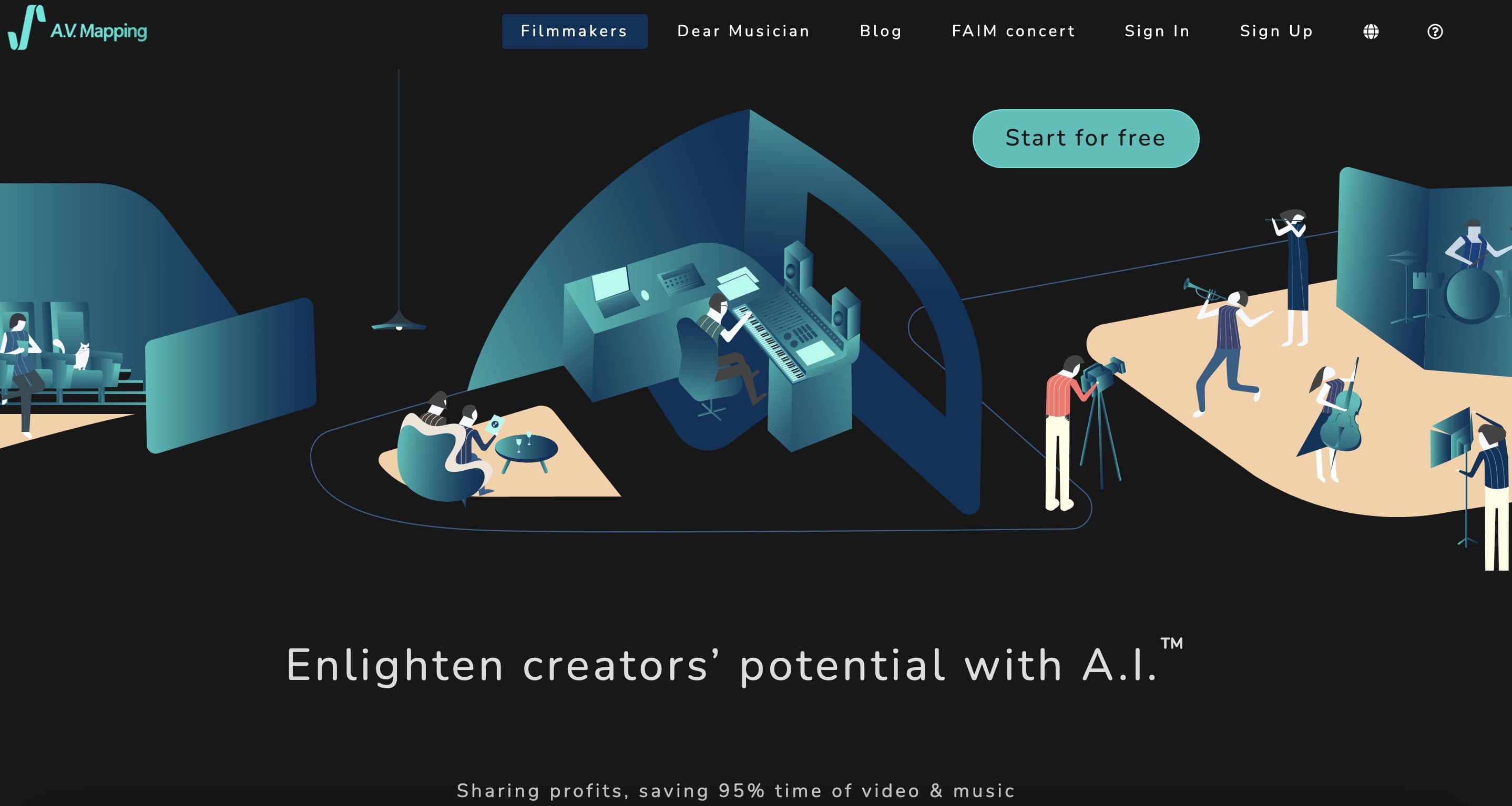

AI-сервис для автоматического подбора музыки под настроение видео, изображений или текста с легальными лицензиями.
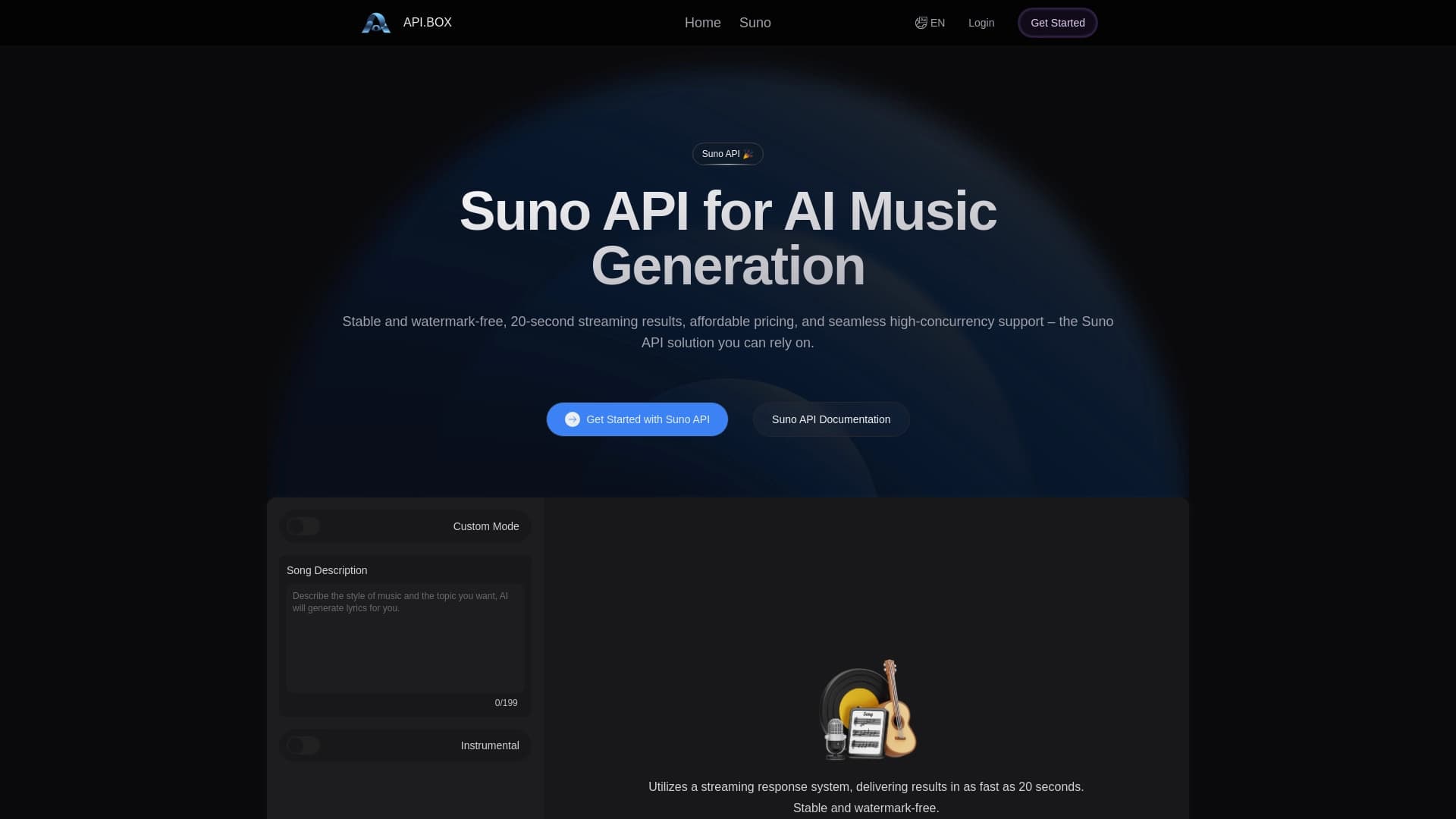
Неофициальный API-доступ к Suno AI для генерации музыки и интеграции в приложения.
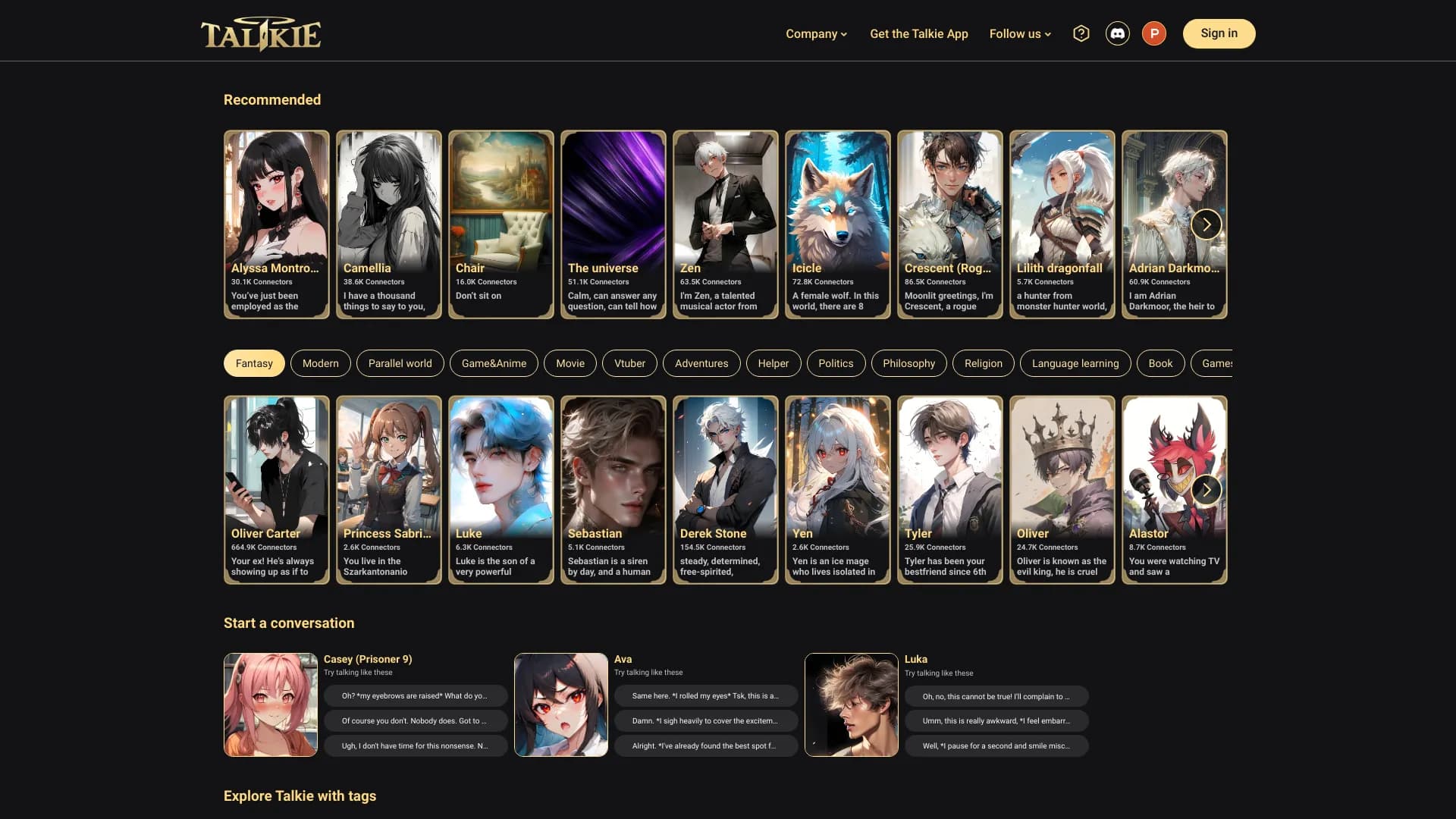

Платформа для общения с виртуальными ИИ-персонажами, которых можно создавать и настраивать под себя.

Многофункциональный ИИ-ассистент для чата, генерации текста и изображений, перевода и помощи в программировании.
Бесплатная языковая модель с открытым исходным кодом, специализирующаяся на рассуждениях, математике и программировании.