
GPT-4o
Мультимодальная флагманская модель OpenAI, работающая с текстом, изображениями, аудио и видео.
Обзор
GPT-4o
Описание нейросети GPT-4o
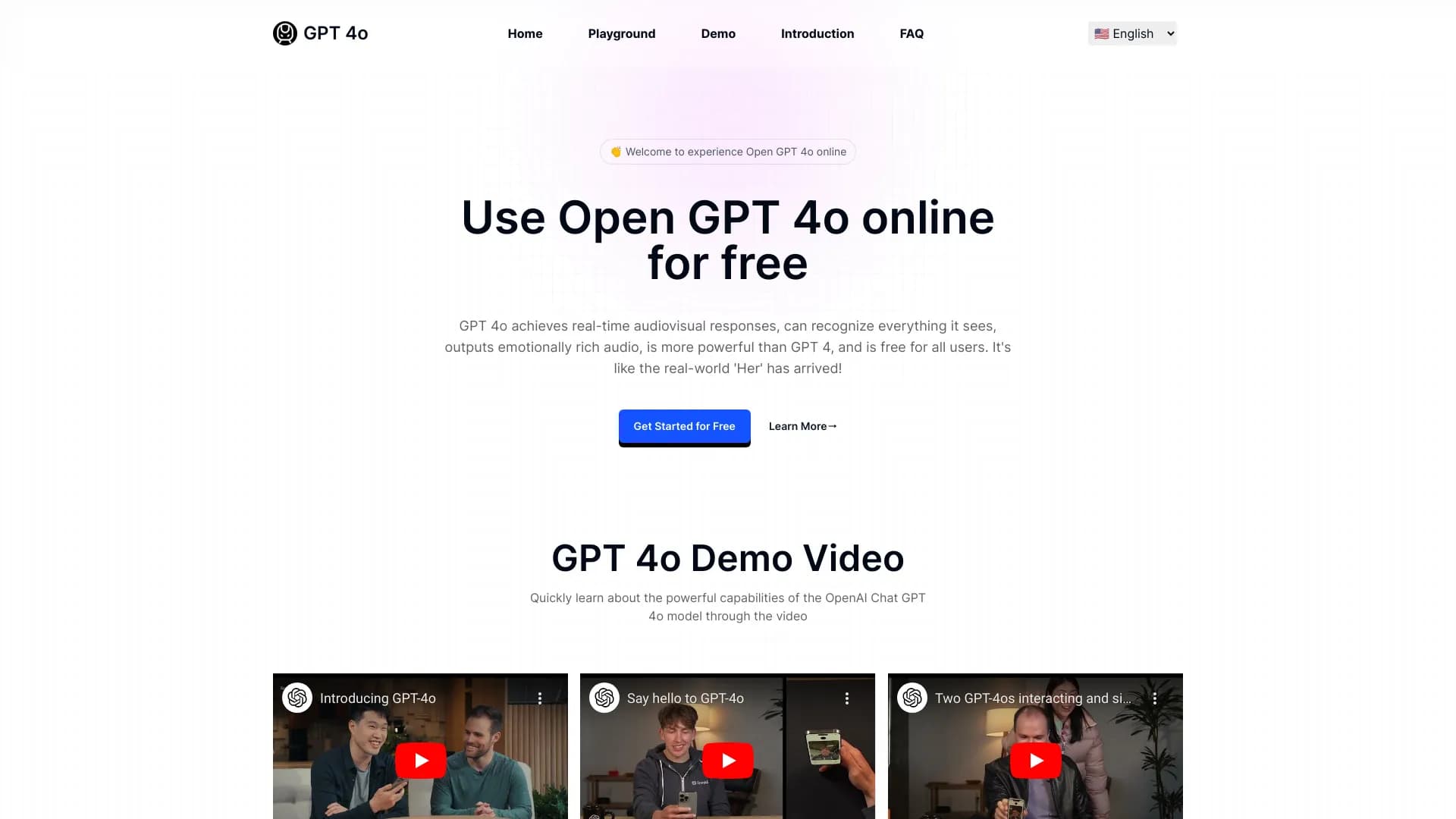
GPT-4o (omni) — это мультимодальная флагманская модель от OpenAI, способная принимать на вход текст, аудио, изображения и видео, а также генерировать текстовые, аудио и графические ответы. Выпущенная в мае 2024 года, модель быстро стала стандартом качества для сложных задач, требующих комплексной обработки различных типов данных.
По своей производительности в текстовых и кодовых задачах GPT-4o соответствует возможностям GPT-4 Turbo, однако демонстрирует значительно улучшенное понимание неанглийских языков и визуального контента. Модель обрабатывает до 128 000 токенов контекста и доступна через API, что делает её одной из самых мощных и универсальных разработок компании.
Характеристики GPT-4o
| Характеристика | Значение |
|---|---|
| Тип | Мультимодальная |
| Разработчик | OpenAI |
| Контекстное окно | 128.0K токенов |
| Дата выпуска | 6 августа 2024 г. |
| Средний балл | 52.8% |
| Цена входа | $2.50 за 1M токенов |
| Цена выхода | $10.00 за 1M токенов |
| Макс. входящих токенов | 128.0K |
| Макс. исходящих токенов | 16.4K |
| Лицензия | proprietary |
| Последнее обновление | 19 июля 2025 г. |
Для кого подходит нейросеть GPT-4o?
Разработчики и инженеры
GPT-4o будет полезна разработчикам, которые работают с многомодальными данными — текстом, изображениями и аудио. Модель поддерживает вызов функций (Function Calling), структурированный вывод и выполнение кода, что делает её удобной для интеграции в сложные программные продукты.
Исследователи и аналитики данных
Специалисты, занимающиеся анализом визуальной информации (диаграммы, графики, документы), оценят способность GPT-4o обрабатывать изображения и видео. Улучшенное понимание неанглийских языков также будет полезно для работы с международными данными.
Бизнес-пользователи и команды по автоматизации
Для тех, кто ищет универсального AI-ассистента для автоматизации рутинных задач — от обработки входящих запросов до генерации контента и анализа визуальных материалов. Поддержка пакетного вывода (Batch Inference) позволяет эффективно обрабатывать большие объёмы запросов.
Как использовать нейросеть GPT-4o?
Через API OpenAI
Модель доступна через программный интерфейс OpenAI. Разработчики могут отправлять запросы, содержащие текст, аудио, изображения и видео, и получать сгенерированные ответы. Для работы потребуется зарегистрироваться в платформе OpenAI, получить API-ключ и ознакомиться с документацией по интеграции.
Доступ к функциям тонкой настройки
Для специализированных задач предусмотрена возможность тонкой настройки (Fine-tuning) модели. Это позволяет адаптировать GPT-4o под конкретные бизнес-процессы, повышая точность и релевантность ответов в узкой предметной области.
Использование расширенных возможностей
Пользователи могут задействовать функцию поиска в интернете (Web Search) для получения актуальных данных, выполнение кода (Code Execution) для решения вычислительных задач, а также пакетный режим (Batch Inference) для массовой обработки запросов.
Основные функции GPT-4o
Обработка мультимодальных входных данных
Модель принимает текстовые, аудио-, видео- и графические данные. Это позволяет ей работать с самыми разными форматами информации — от письменных запросов до голосовых команд и изображений.
Генерация различных типов ответов
GPT-4o способна генерировать текстовые ответы, аудио-сообщения и графические результаты (изображения). Такая универсальность делает её подходящей для широкого спектра приложений — от чат-ботов до голосовых ассистентов.
Дополнительные встроенные возможности
Модель поддерживает вызов функций (Function Calling), структурированный вывод (Structured Output), выполнение кода (Code Execution), веб-поиск (Web Search), пакетный вывод (Batch Inference) и тонкую настройку (Fine-tuning). Эти функции расширяют сферу применения GPT-4o в реальных проектах.
Преимущества GPT-4o
Высокая производительность в текстовых и кодовых задачах
По качеству работы с текстом и кодом GPT-4o соответствует возможностям GPT-4 Turbo. Модель показывает высокие результаты на мультимодальных бенчмарках, таких как AI2D, DocVQA и ChartQA, что подтверждает её способность эффективно обрабатывать визуальную информацию.
Улучшенная работа с неанглийскими языками и визуальным контентом
Одним из ключевых преимуществ является значительно улучшенное понимание неанглийских языков, а также изображений и аудио. Это делает модель более универсальной для международных пользователей и задач, связанных с визуальным анализом.
Недостатки GPT-4o
Невысокие результаты на специализированных тестах
На некоторых узкопрофильных бенчмарках модель показывает посредственные результаты. Например, на тесте AIME 2024 (математические задачи) GPT-4o набрала лишь 13,1%, а на тесте ERQA (оценка качества рассуждений) — 35,2%. Это указывает на то, что для определённых сложных логических и математических задач модель может уступать более специализированным решениям.
Какие задачи решает GPT-4o
Программирование и разработка
Модель способна решать задачи по программированию, генерировать код, выполнять его и помогать с отладкой. Поддержка вызова функций и структурированного вывода облегчает интеграцию с существующими системами.
Логические рассуждения и анализ
GPT-4o применима для аналитической работы — логических рассуждений, обработки многошаговых инструкций, анализа данных и извлечения выводов из визуальной информации.
Работа с изображениями и визуальными данными
Благодаря мультимодальности модель может анализировать диаграммы, графики, документы и другие визуальные материалы, что полезно для исследований, бизнес-аналитики и образовательных целей.
Цены GPT-4o
Стоимость использования модели составляет $2,50 за 1 миллион токенов на входе и $10,00 за 1 миллион токенов на выходе. Такая ценовая политика делает GPT-4o доступной для коммерческого использования, хотя для задач с большим объёмом генерируемого текста затраты могут быть существенными. Для сравнения: цена выходных токенов в четыре раза превышает цену входных, что стоит учитывать при планировании бюджета.
Условия использования GPT-4o
Модель распространяется по проприетарной лицензии (proprietary). Доступ к GPT-4o возможен через API OpenAI, для использования требуется регистрация на платформе разработчика. Тонкая настройка и пакетный вывод также регулируются условиями платформы. Последнее обновление модели было произведено 19 июля 2025 года.
Доступность GPT-4o
GPT-4o является платной моделью (модель распространения — paid). Она доступна всем зарегистрированным пользователям API OpenAI. Дата выпуска — 6 августа 2024 года. На момент последнего обновления (июль 2025 года) модель остаётся актуальной и поддерживается разработчиком.
Чем отличается GPT-4o от аналогов
Среди ближайших аналогов GPT-4o, выпущенных OpenAI, можно выделить o4-mini, GPT-4.1, GPT-4.5, GPT-4o mini, o3, GPT-5 nano, GPT-4 и GPT-5.1 Codex High. Главное отличие GPT-4o — это нативная мультимодальность: модель изначально спроектирована для работы с текстом, изображениями, аудио и видео в рамках одного контекстного окна в 128K токенов. В то время как многие аналоги специализируются на текстовых или кодовых задачах, GPT-4o предлагает универсальное решение для комплексной обработки разнородных данных. При этом по чисто текстовым и кодовым показателям она остаётся на уровне GPT-4 Turbo, уступая более узкоспециализированным моделям на некоторых специфических тестах.
Заключение
GPT-4o — это флагманская мультимодальная модель OpenAI, предназначенная для работы с текстом, аудио, изображениями и видео. Она сочетает высокую производительность в типовых задачах с расширенными возможностями по обработке визуального контента и неанглийских языков. Несмотря на некоторые ограничения в узкоспециализированных тестах, модель является мощным инструментом для разработчиков, исследователей и бизнес-пользователей, которым требуется универсальный AI-ассистент с широким функционалом и доступом через API.
Часто задаваемые вопросы



Смотрите также
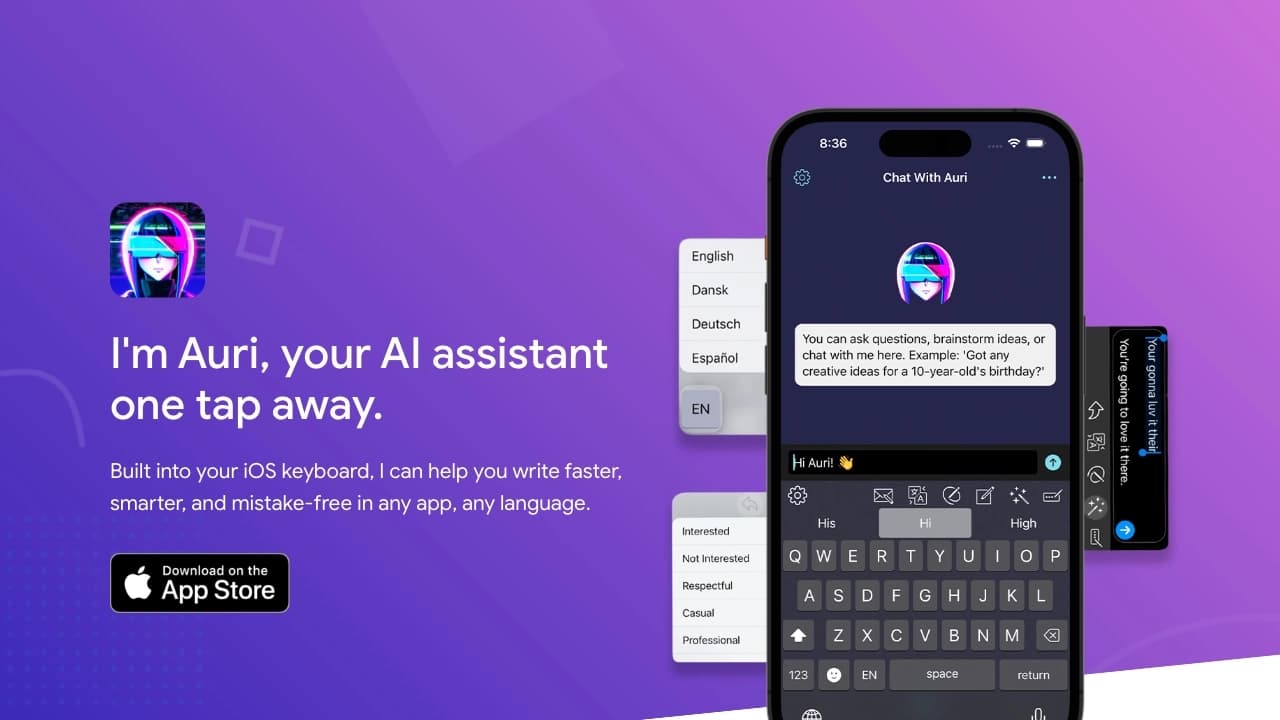
AI-клавиатура для устройств Apple, которая ускоряет набор текста с помощью исправлений, перевода и генерации ответов.
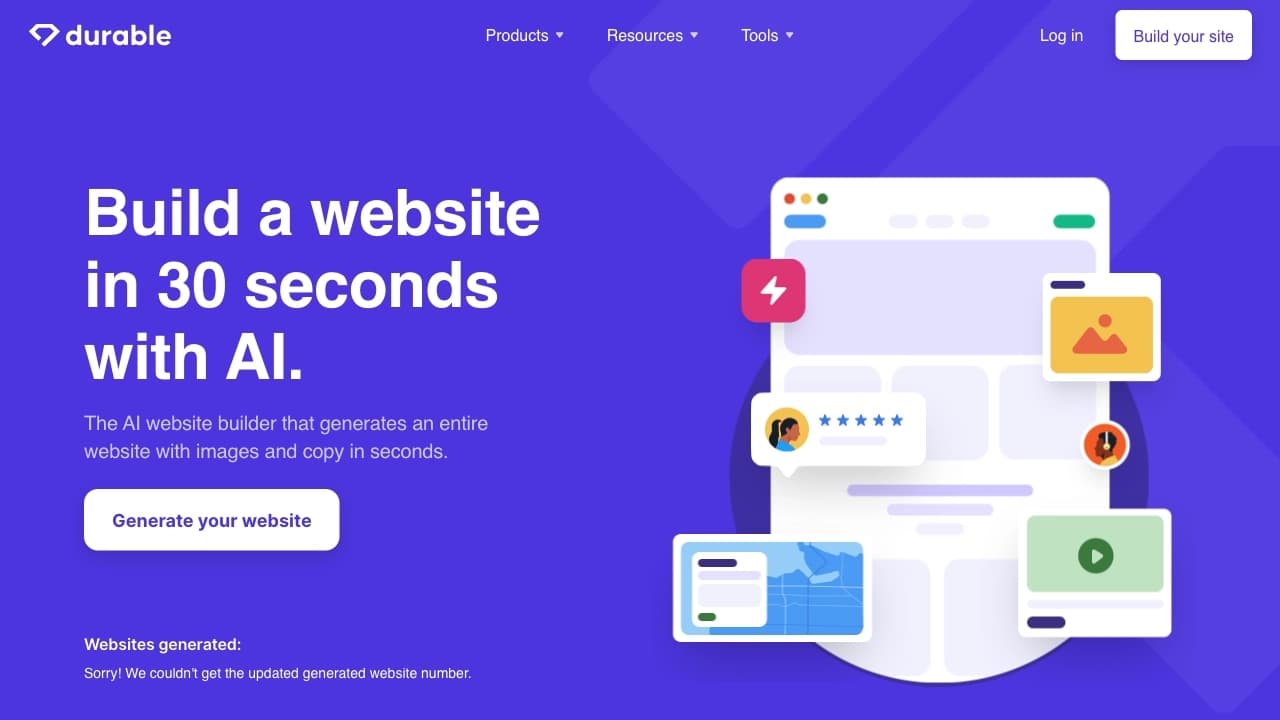

ИИ-платформа для быстрого создания сайтов и управления процессами малого бизнеса.
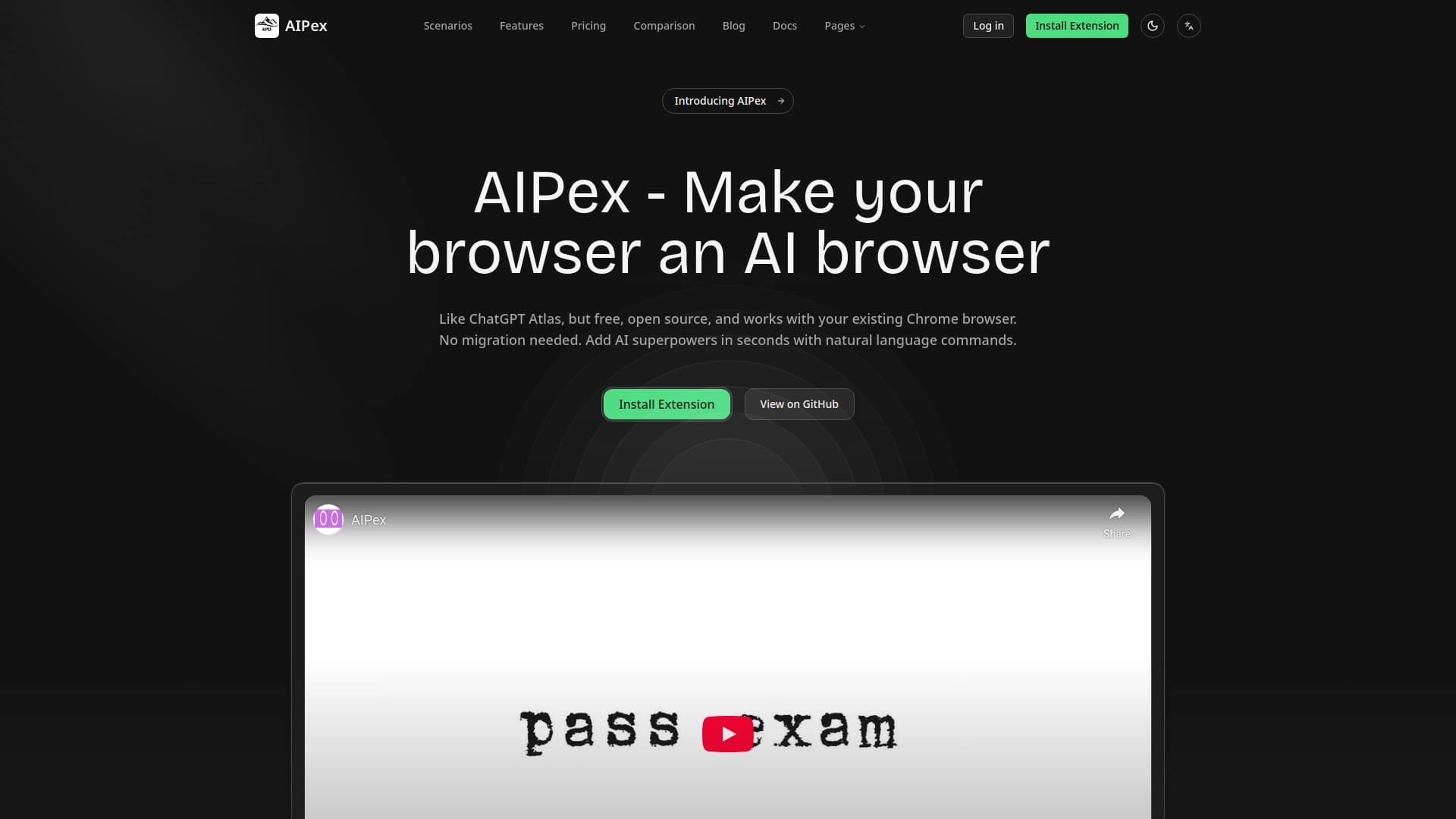

Расширение для Chrome, которое помогает управлять вкладками, историей и закладками с помощью ИИ-ассистента.

ИИ-агент для автоматизации клиентских коммуникаций и поддержки.
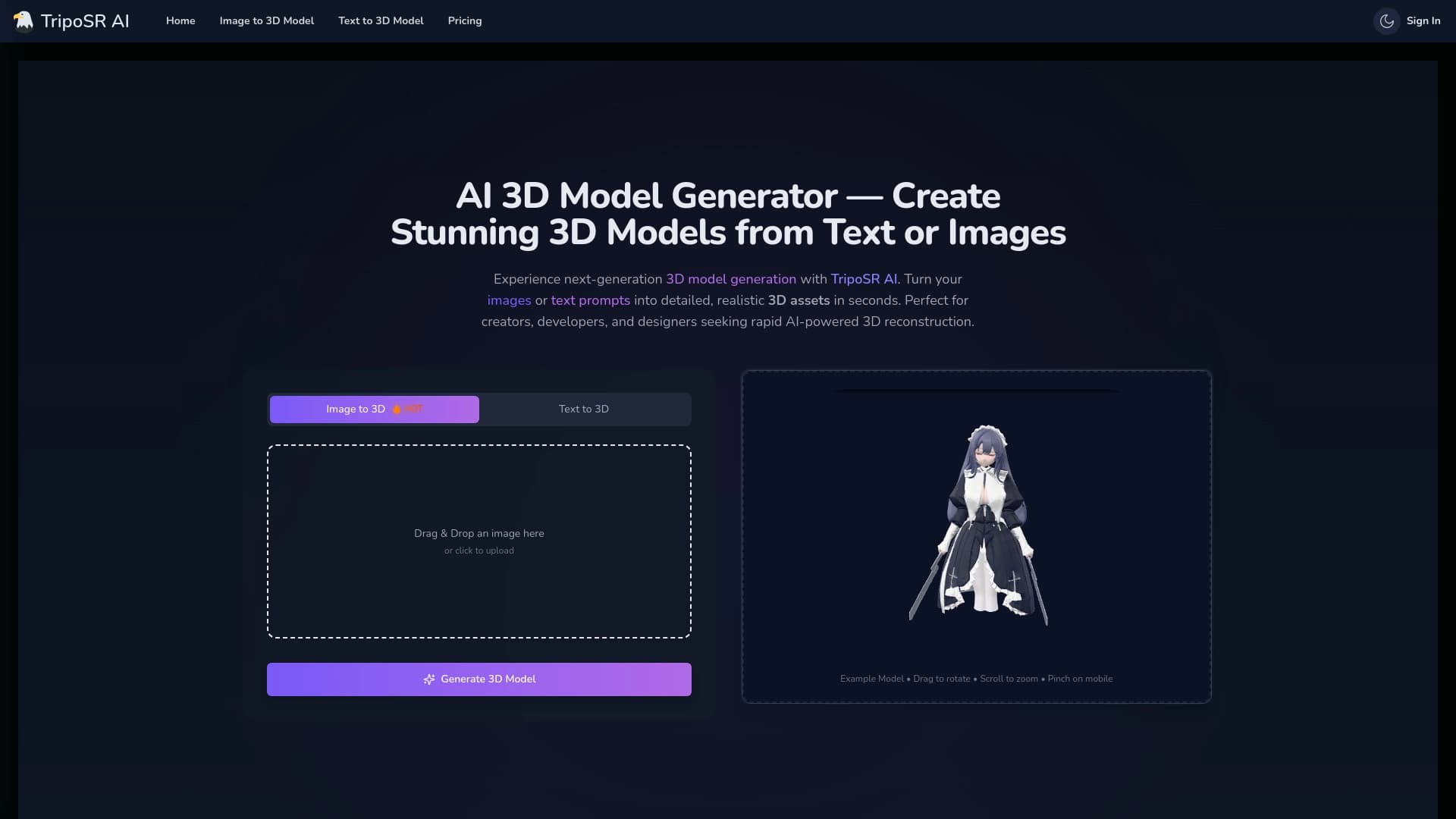

Инструмент с открытым исходным кодом для быстрого преобразования одного изображения в 3D-модель.
AI-ассистент для бизнеса, который помогает управлять задачами и автоматизировать рутину через диалог.
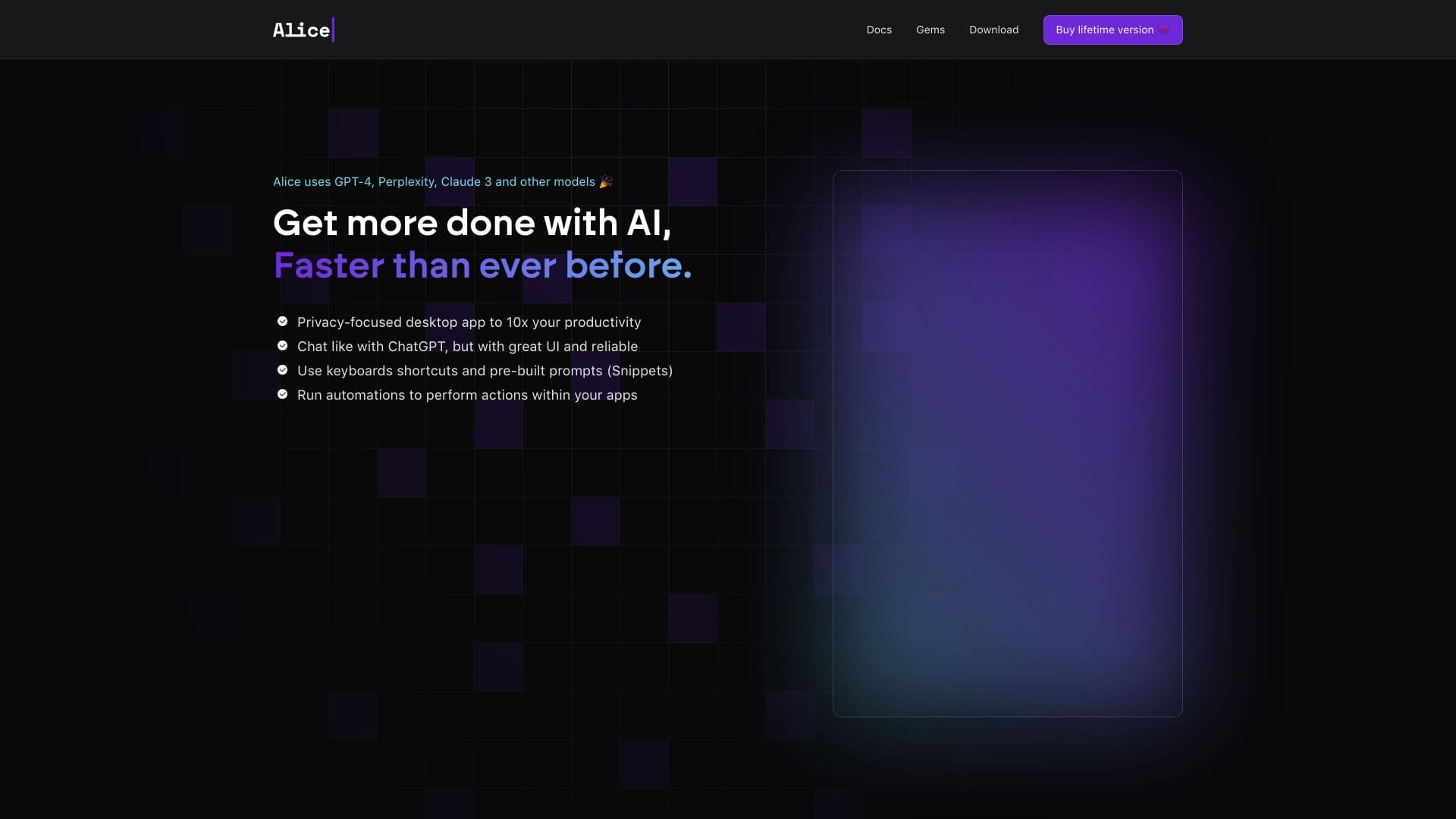

Настольный AI-ассистент для macOS, Windows и Linux, который запускается по хоткею поверх всех окон и объединяет несколько языковых моделей в одном интерфейсе.
AllChat — это универсальная платформа, объединяющая несколько популярных языковых моделей в одном интерфейсе для общения, генерации изображений, анализа файлов и выполнения кода.