
Yandex Speechkit
Yandex cloud service for speech recognition and voice synthesis with support for the Russian language.
Overview
Yandex Speechkit
Yandex Speechkit Overview
Yandex Speechkit is a cloud service by Yandex designed for speech recognition and voice synthesis. It works with the Russian language and provides capabilities both for converting audio recordings into text (transcription) and for generating spoken speech from text data. The service is available via API, allowing developers to embed it into their own applications, web services, and voice interfaces.
How the service works
Speechkit uses machine learning technologies and neural network models trained on large volumes of speech data. For speech recognition, the system analyzes an audio stream and converts it into written text. For synthesis, it does the opposite — it creates naturally sounding speech from text, taking into account the selected voice, tempo, and emotional tone.
Key purpose
The main task of the service is to provide high-quality recognition and generation of Russian-language speech for process automation, creation of voice assistants, content voicing, and audio recording processing. Speechkit is part of the Yandex cloud ecosystem and integrates with other company services.
Yandex Speechkit Characteristics
| Characteristic | Value |
|---|---|
| Service type | Cloud API for speech recognition and synthesis |
| Developer | Yandex |
| Supported languages | Russian (primary) |
| Main functions | Speech recognition (audio → text), speech synthesis (text → audio) |
| Synthesis settings | Voice selection, speech rate, emotional tone (mood) |
| Access method | Via API for embedding into applications and web services |
| Distribution model | Freemium (free trial period + paid plans) |
| Additional features | Listening to and downloading the generated voice |
Who is Yandex Speechkit suitable for?
Developers and IT professionals
Speechkit is primarily aimed at developers who build applications, web services, or voice assistants. Thanks to the API, the service is easily embedded into software products, automating speech recognition and synthesis tasks without the need to build your own infrastructure.
Business owners and content creators
The service can be useful for companies that need to voice content — for example, creating voice notifications, ad videos, audiobooks, or interactive voice menus. Speechkit is also suitable for transcribing negotiations, lectures, and interviews.
Researchers and voice interface developers
Specialists working on voice interfaces, speech control systems, or call analytics can use Speechkit as a ready-made solution for processing speech data.
How to use Yandex Speechkit?
Connecting via API
To get started, you need to register on the Yandex cloud platform and obtain an access key to the Speechkit API. The service provides documentation with integration examples, which simplifies the connection process for developers.
Free testing
Before payment, a free trial period is provided during which you can test the service's main functions: speech recognition from audio files and voice synthesis from text. Testing helps evaluate the quality of work and whether the service fits specific tasks.
Working with voice and settings
When synthesizing speech, you can choose a voice, adjust the speaking rate, and set emotional tone (mood) — for example, a calm, cheerful, or serious tone. The generated audio file can be listened to right on the platform or downloaded.
Main features of Yandex Speechkit
Speech recognition (Speech-to-Text)
The transcription function allows converting audio recordings into text. The service processes Russian-language speech and produces a text transcript that can be used for analytics, subtitles, record-keeping, and other tasks.
Speech synthesis (Text-to-Speech)
Voice generation from text with the ability to choose timbre, speed, and emotional tone. The user can configure settings to suit a specific scenario — from voicing navigation to creating voice characters.
Integration into third-party products
API support allows embedding speech recognition and synthesis functions directly into applications, websites, chatbots, and voice assistants, expanding their voice interaction capabilities.
Advantages of Yandex Speechkit
Russian language support
Unlike many foreign solutions, Speechkit is initially focused on high-quality work with Russian speech, which ensures high recognition accuracy and natural synthesis.
Ease of integration
The cloud architecture and ready-made API make connecting the service fast and convenient for developers. No need to deploy your own servers or do complex hardware setup.
Free testing availability
The ability to try the functionality without investment is an important advantage for those just evaluating the service. The trial period allows you to check the quality of work on your own data.
Disadvantages of Yandex Speechkit
Limited pricing information
Open sources provide incomplete information about the cost of using the service after the trial period. To calculate costs accurately, you need to refer to the official documentation or personal account.
Dependence on the cloud platform
The service operates exclusively in the Yandex cloud, which may be inconvenient for projects requiring local data processing or operating with limited internet access.
Limited language support
The main focus is on Russian; support for other languages may be less developed, which narrows the service's applicability for multilingual projects.
What tasks does Yandex Speechkit solve?
Audio processing automation
Transcribing calls, lectures, interviews, and other audio recordings into text speeds up work with speech information and eliminates manual typing.
Content voicing
Speech synthesis allows creating voice accompaniment for videos, audio guides, advertisements, notification systems, and voice assistants.
Building voice interfaces
Developers can implement voice control and dialogue systems in their products using Speechkit as a speech recognition and synthesis engine.
Yandex Speechkit Pricing
Information about the exact cost of using Yandex Speechkit is not fully presented in open sources. It is known that the service operates on a freemium model: a free trial period is provided for testing functions. After it ends, paid plans are available, details of which are clarified on the official service page on the Yandex cloud platform.
Yandex Speechkit Terms of Use
Getting started requires registration on the Yandex cloud platform and obtaining an API key. The free trial period allows testing the functionality without payment. Further use is governed by the terms of the selected plan. Exact terms and restrictions (for example, limits on the number of requests or the volume of processed audio) should be clarified in the official service documentation.
Availability of Yandex Speechkit
Yandex Speechkit is available as a cloud service over the internet. Working requires access to the Yandex API and a stable internet connection. The service is available wherever Yandex cloud services operate. The platform's web interface allows testing synthesis and recognition directly in the browser, and through the API the functions are available for embedding into any applications and web services.
How Yandex Speechkit differs from alternatives
The main difference between Yandex Speechkit and many foreign alternatives is its deep focus on the Russian language. While international services (for example, Google Cloud Speech-to-Text or Amazon Polly) are primarily optimized for English, Speechkit was originally trained on Russian-language data, which provides more accurate recognition and more natural-sounding Russian speech.
Another important difference is integration with the Yandex ecosystem: the service easily combines with other cloud products of the company, simplifying the creation of comprehensive solutions within a single platform. At the same time, Speechkit supports a freemium model with a free trial period, which makes it possible to evaluate its quality before purchase.
Conclusion
Yandex Speechkit is a functional cloud service for speech recognition and synthesis focused on the Russian language. It suits developers, businesses, and content creators, providing a convenient API for integrating voice functions into applications and web services. Ease of connection, free testing, and voice, tempo, and emotional tone settings make it a sought-after tool. However, to fully understand the cost and limitations, reviewing the official documentation is required, since public data on pricing and terms of use is insufficient.
Frequently asked questions
Similar AI tools
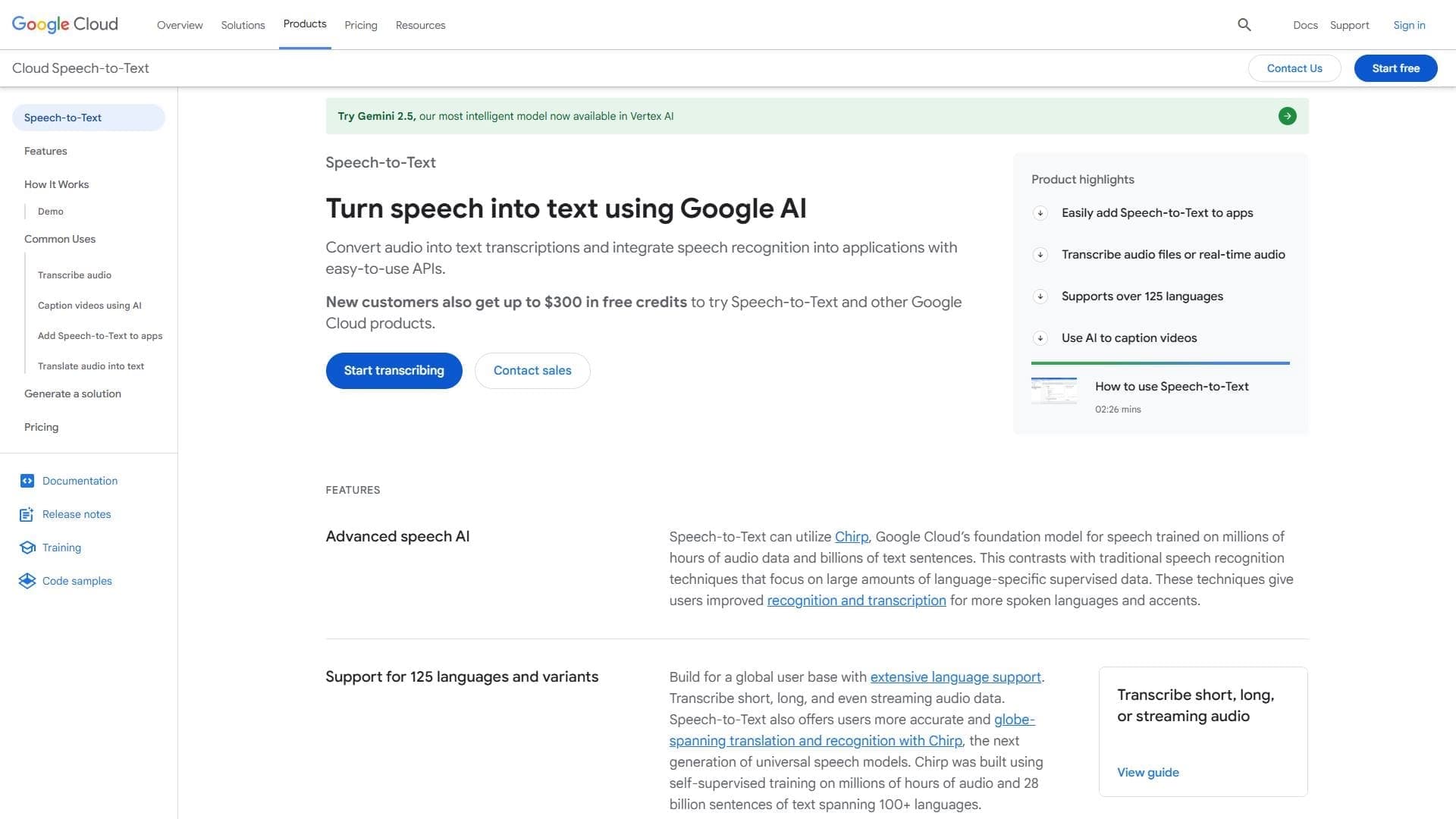

See also

Unified API for accessing over 100 popular AI models for developers.
Intelligent assistant from Microsoft, built into the Bing search engine and Edge browser, powered by GPT-4.


Platform for creating multi-agent AI systems and chatbots to automate customer support and lead generation.
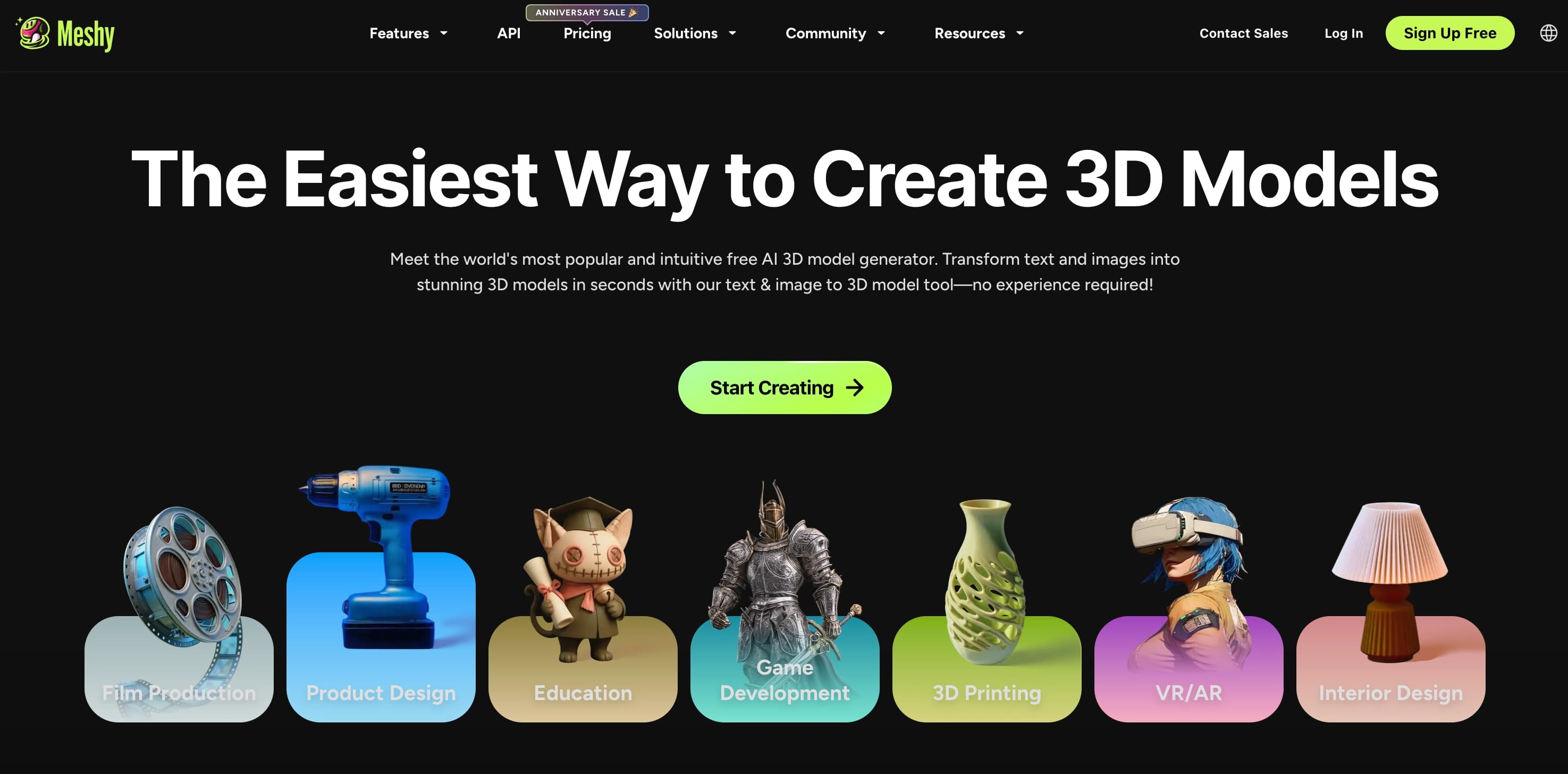
A neural network-powered cloud service for generating 3D models, textures, and animations from text descriptions or images.

A platform for creating and interacting with AI characters, each with their own personality and story.
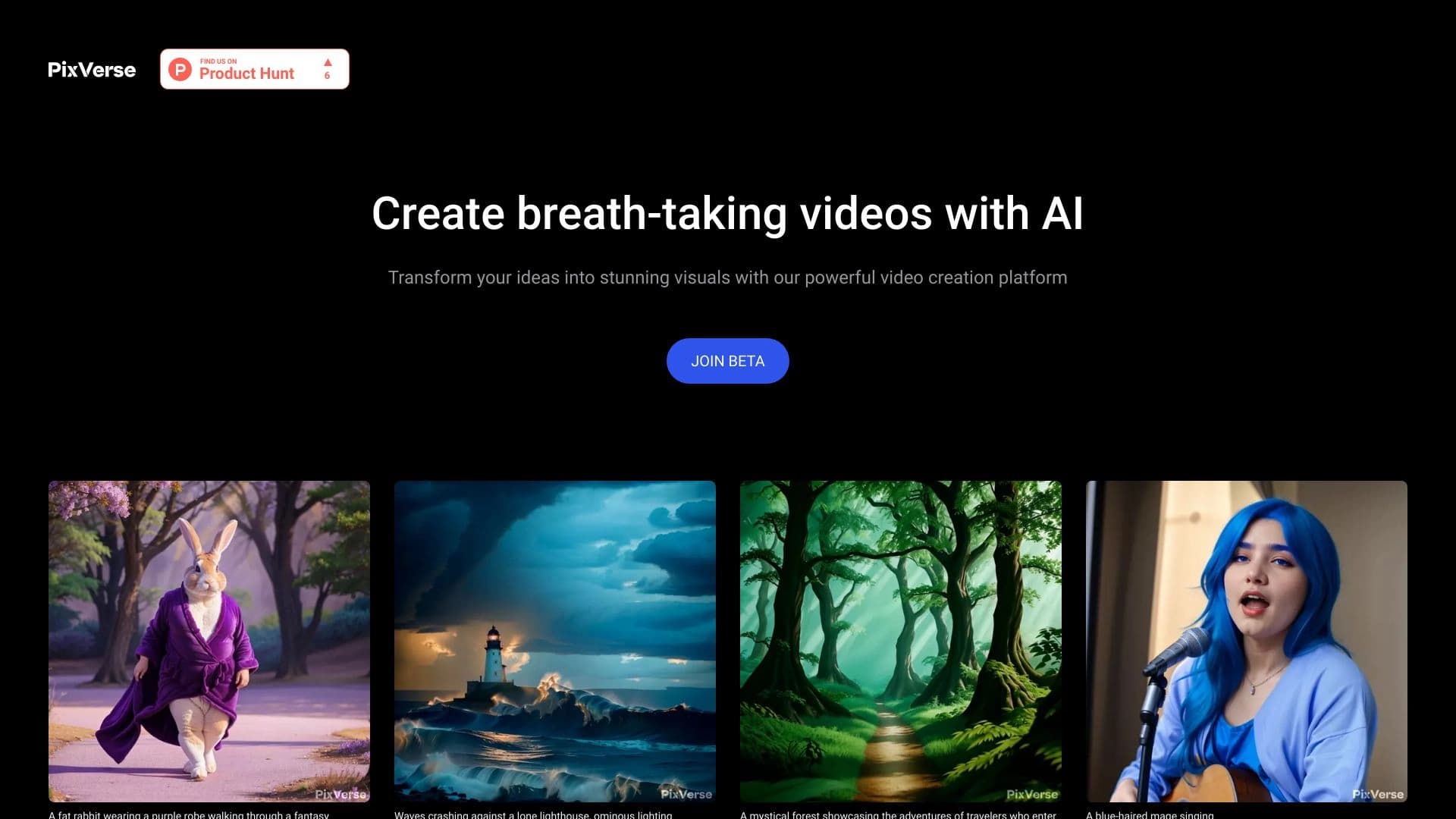

A neural network for generating short videos from text descriptions or images.

AI platform for creating text and visual content, oriented toward marketing tasks.

AI language teacher in the form of a browser extension and web service for practice, translation, and explanation of language materials.