
GPT-5.5
Флагманская мультимодальная модель OpenAI для сложных многоступенчатых задач, выпущенная 23 апреля 2026 года.
Обзор
GPT-5.5
Описание нейросети GPT-5.5
GPT-5.5 — это флагманская мультимодальная модель компании OpenAI, выпущенная 23 апреля 2026 года. Она представляет собой значительный шаг вперёд по сравнению с предыдущей версией GPT-5.4 и превосходит такие модели, как Claude Opus 4.7 и Gemini 3.1 Pro, на большинстве публичных бенчмарков. Особенно сильна модель в агентских задачах, управлении операционными системами, математике высокого уровня и кибербезопасности.
Главная особенность GPT-5.5 — способность не просто генерировать ответ, а доводить задачу до результата. Модель умеет использовать внешние инструменты, проверять промежуточные результаты на каждом этапе и корректировать ошибки по ходу работы. Благодаря этому она решает сложные многоступенчатые задачи с меньшим количеством уточнений со стороны пользователя.
Ключевые направления применения
Модель ориентирована на программирование, анализ данных, проведение исследований и подготовку документов. Она показала высокие результаты в тестах Terminal-Bench 2.0 (82,7% точности), что подтверждает её компетентность в работе с кодом и терминалом.
Эффективность использования токенов
GPT-5.5 потребляет примерно на 40% меньше токенов на выполнение одной задачи по сравнению с GPT-5.4 при сохранении той же скорости работы. Это означает, что модель выдаёт больше полезного результата на каждый потраченный токен, что частично компенсирует более высокую стоимость API.
Характеристики GPT-5.5
| Характеристика | Значение |
|---|---|
| Разработчик | OpenAI |
| Тип модели | Мультимодальная (текст, изображения, код) |
| Категория | LLM-модели, Анализ данных, Программирование, Тексты и копирайтинг |
| Дата выпуска | 23 апреля 2026 года |
| Контекстное окно | 1 млн токенов |
| Режимы рассуждения | non-reasoning, xhigh и другие (всего 5 режимов) |
| Рейтинг Artificial Analysis Intelligence Index | 60 баллов |
| Цена API (input) | $5 за 1M токенов |
| Цена API (output) | $30 за 1M токенов |
| Доступность в ChatGPT | Тарифы Plus, Pro, Business, Enterprise |
| Доступность в Codex | Тарифы Plus, Pro, Business, Enterprise |
Для кого подходит нейросеть GPT-5.5?
Разработчики и инженеры
GPT-5.5 будет полезна программистам, которым требуется не просто генерация кода, а полноценная отладка, рефакторинг и разработка сложных модулей. Модель особенно сильна в агентских задачах и работе с терминалом, что делает её хорошим инструментом для автоматизации процессов разработки.
Аналитики данных и исследователи
Для специалистов, работающих с большими наборами данных, модель предлагает возможности анализа, подготовки отчётов и проведения исследовательской работы. Высокая точность в математических задачах делает её пригодной для сложных вычислений и статистического анализа.
Пользователи, работающие со сложными многоступенчатыми задачами
GPT-5.5 подходит всем, кто регулярно сталкивается с задачами, требующими последовательного планирования и поэтапного выполнения — от управления проектами до кибербезопасности и веб-исследований.
Как использовать нейросеть GPT-5.5?
Через ChatGPT
Модель доступна в веб-версии и приложении ChatGPT для пользователей тарифных планов Plus, Pro, Business и Enterprise. После оформления подписки GPT-5.5 можно выбирать в качестве активной модели в интерфейсе чата.
Через среду разработки Codex
Разработчики могут использовать GPT-5.5 в среде Codex, которая интегрируется с рабочими процессами программирования. Codex доступен для тех же тарифных планов, что и ChatGPT.
Через API
На момент выхода API для GPT-5.5 анонсирован как «скоро будет доступен». Ожидается, что стоимость составит $5 за 1 млн токенов на ввод и $30 за 1 млн токенов на вывод. Точные даты запуска API и региональные ограничения пока не объявлены.
Основные функции GPT-5.5
Улучшенная работа с кодом
GPT-5.5 эффективно справляется с написанием, отладкой и рефакторингом кода. Модель может разрабатывать проекты «под ключ», включая планирование архитектуры, написание модулей и тестирование. В бенчмарке Terminal-Bench 2.0 модель показала точность 82,7%.
Выполнение сложных многоступенчатых задач
Модель способна разбивать задачу на этапы, планировать последовательность действий, выполнять каждый шаг и проверять промежуточные результаты. Это позволяет решать задачи, которые требуют координации нескольких инструментов и источников данных.
Анализ данных и исследовательская работа
GPT-5.5 может обрабатывать большие объёмы данных, готовить аналитические отчёты, проводить исследования и summarise информацию. В тесте GDPval, который оценивает выполнение реальных профессиональных задач, модель набрала 84,9%.
Работа с внешними инструментами
Модель умеет вызывать внешние инструменты, проверять корректность их работы и при необходимости корректировать свои действия. Это особенно важно для агентских сценариев, где требуется взаимодействие с операционной системой, базами данных или веб-сервисами.
Преимущества GPT-5.5
Лидерство на бенчмарках
GPT-5.5 превосходит Claude Opus 4.7 и Gemini 3.1 Pro на 14 публичных бенчмарках. Особенно заметен отрыв в сложной математике (FrontierMath Tier 4), где модель почти вдвое опережает конкурентов.
Высокая токен-эффективность
По сравнению с GPT-5.4 модель использует на 40% меньше токенов на задачу при той же скорости. Это означает, что пользователи получают больше содержательного результата за меньшее количество токенов, что частично снижает влияние более высокой цены.
Пять режимов рассуждения
GPT-5.5 предлагает пять режимов усилий при рассуждении (reasoning effort) — от non-reasoning (быстрые ответы без глубокого анализа) до xhigh (максимальная глубина рассуждений). Это позволяет гибко настраивать баланс между скоростью и качеством в зависимости от задачи.
Сильные стороны в конкретных областях
Модель показывает лучшие результаты в агентском коде (Terminal-Bench 2.0 — 82,7%), задачах реальной работы (GDPval — 84,9%), управлении операционной системой (OSWorld-Verified), веб-исследованиях (BrowseComp) и кибербезопасности (CyberGym).
Недостатки GPT-5.5
Высокая цена API
Стоимость API GPT-5.5 вдвое выше, чем у предшественника GPT-5.4: $5 за 1M input токенов против $2,50 и $30 за 1M output против $15. Это может быть существенным фактором для разработчиков и компаний, планирующих интеграцию модели в свои продукты.
Отставание от Claude Opus 4.7 в некоторых задачах
Несмотря на общее лидерство, GPT-5.5 уступает Claude Opus 4.7 на бенчмарке SWE-Bench Pro (58,6% против 64,3%), а также в задачах research writing и следования инструкциям. Кроме того, у модели меньшее vision-разрешение по сравнению с Opus 4.7.
API пока недоступен
На момент выхода API для GPT-5.5 не был запущен — доступ к модели возможен только через ChatGPT и Codex. Для разработчиков, которым требуется программная интеграция, это создаёт временные неудобства.
Какие задачи решает GPT-5.5
Программирование и отладка
Модель справляется с написанием сложных программных модулей, отладкой существующего кода, рефакторингом и разработкой проектов с нуля. Особенно сильна в агентских сценариях — работе в терминале, управлении файловой системой и автоматизации задач разработчика.
Анализ больших наборов данных
GPT-5.5 может обрабатывать и анализировать объёмные датасеты, выявлять закономерности, строить отчёты и визуализации. Контекстное окно в 1 млн токенов позволяет работать с крупными документами и базами данных без необходимости дробить запросы.
Математика высокого уровня
Модель показывает отличные результаты в решении сложных математических задач (FrontierMath Tier 4), что делает её пригодной для научных расчётов, статистического моделирования и анализа.
Кибербезопасность и веб-исследования
В тестах CyberGym и BrowseComp GPT-5.5 демонстрирует сильные стороны в задачах, связанных с безопасностью, поиском информации в интернете и анализом веб-контента.
Цены GPT-5.5
Подписка ChatGPT и Codex
Модель доступна в составе подписок ChatGPT Plus, Pro, Business и Enterprise. Стоимость подписки Plus начинается от $20 в месяц. Цена тарифа GPT-5.5 Pro совпадает с ценой GPT-5.4 Pro — модель не требует дополнительной платы сверх стоимости подписки для пользователей соответствующих тарифов.
API-цены
Для разработчиков, которым потребуется программный доступ, стоимость API составит $5 за 1 млн токенов на ввод (input) и $30 за 1 млн токенов на вывод (output). Это вдвое дороже, чем у GPT-5.4, где цены составляли $2,50 и $15 соответственно. На момент выхода API ещё не запущен — OpenAI обещает предоставить доступ «очень скоро».
Условия использования GPT-5.5
Для использования GPT-5.5 через ChatGPT или Codex необходима активная подписка одного из тарифных планов: Plus, Pro, Business или Enterprise. Модель доступна в стандартном интерфейсе выбора модели — пользователи соответствующих тарифов могут переключаться на GPT-5.5 без дополнительных действий.
API-доступ, когда он появится, будет регулироваться стандартными условиями использования OpenAI для разработчиков. Точные региональные ограничения и требования (например, необходимость VPN) на данный момент не указаны.
Доступность GPT-5.5
На момент выпуска модель доступна в двух средах:
- ChatGPT — веб-версия и мобильные приложения для подписчиков Plus, Pro, Business и Enterprise.
- Codex — среда разработки от OpenAI, доступная для тех же тарифных планов.
API-доступ пока не реализован. Информация о поддерживаемых языках, регионах и возможных ограничениях по доступу не раскрыта.
Чем отличается GPT-5.5 от аналогов
Сравнение с GPT-5.4
GPT-5.5 использует на 40% меньше токенов на задачу при сохранении скорости, но цена API вдвое выше. Модель значительно улучшена в агентских сценариях и многоступенчатых задачах, а также превосходит предшественника на всех публичных бенчмарках.
Сравнение с Claude Opus 4.7
GPT-5.5 опережает Claude Opus 4.7 на большинстве публичных тестов, особенно в математике (почти двукратный отрыв в FrontierMath Tier 4) и агентском коде. Однако уступает Opus 4.7 на SWE-Bench Pro (58,6% против 64,3%), в research writing, следовании инструкциям и vision-разрешении.
Сравнение с Gemini 3.1 Pro
GPT-5.5 превосходит Gemini 3.1 Pro на большинстве публичных бенчмарков. Модель особенно сильна в управлении ОС (OSWorld-Verified), кибербезопасности (CyberGym) и веб-исследованиях (BrowseComp).
Общие отличия
Главное преимущество GPT-5.5 — высокая токен-эффективность и способность доводить задачи до результата с минимальным количеством уточнений. Пять режимов рассуждения позволяют гибко настраивать качество ответов под конкретную задачу. Основной недостаток — удвоенная цена API по сравнению с предшественником.
Заключение
GPT-5.5 — это флагманская модель OpenAI, выпущенная 23 апреля 2026 года и ориентированная на решение сложных интеллектуальных задач, особенно в области программирования, анализа данных и многоступенчатых сценариев. Модель быстрее, умнее и токен-эффективнее предшественника, отвоевала лидерство у Anthropic на 14 публичных бенчмарках и демонстрирует state-of-the-art результаты в агентских задачах, математике и кибербезопасности. Главный минус — удвоенная цена API по сравнению с GPT-5.4, однако для пользователей подписок ChatGPT и Codex модель доступна без дополнительной платы. GPT-5.5 делает упор на доведение задач до результата с использованием инструментов и пошаговой проверкой, что особенно ценно для разработчиков, аналитиков и всех, кто работает со сложными многоэтапными процессами.
Тарифы
Часто задаваемые вопросы
Смотрите также
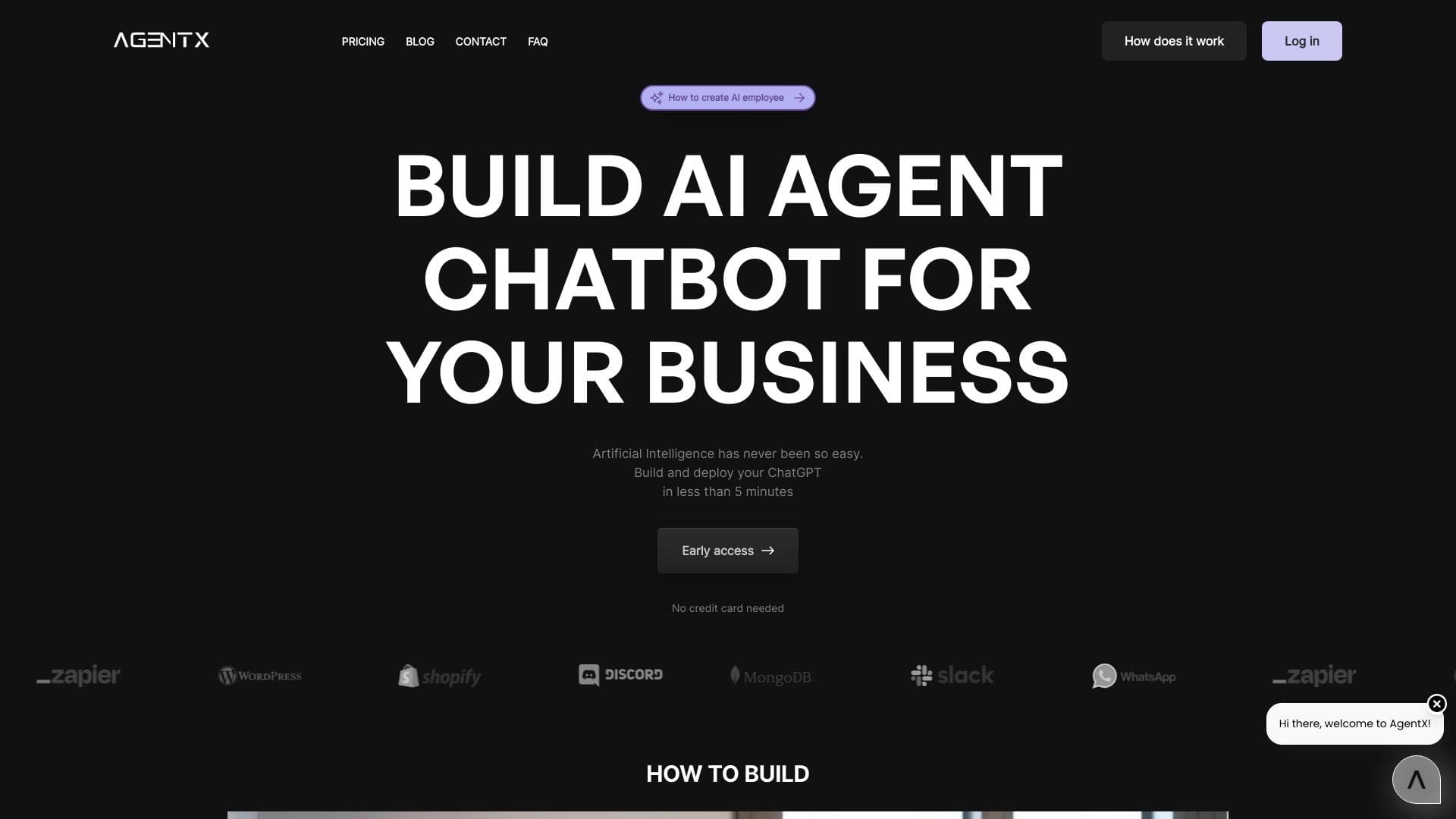

Платформа для создания мультиагентных AI-систем и чат-ботов для автоматизации клиентской поддержки и поиска лидов.
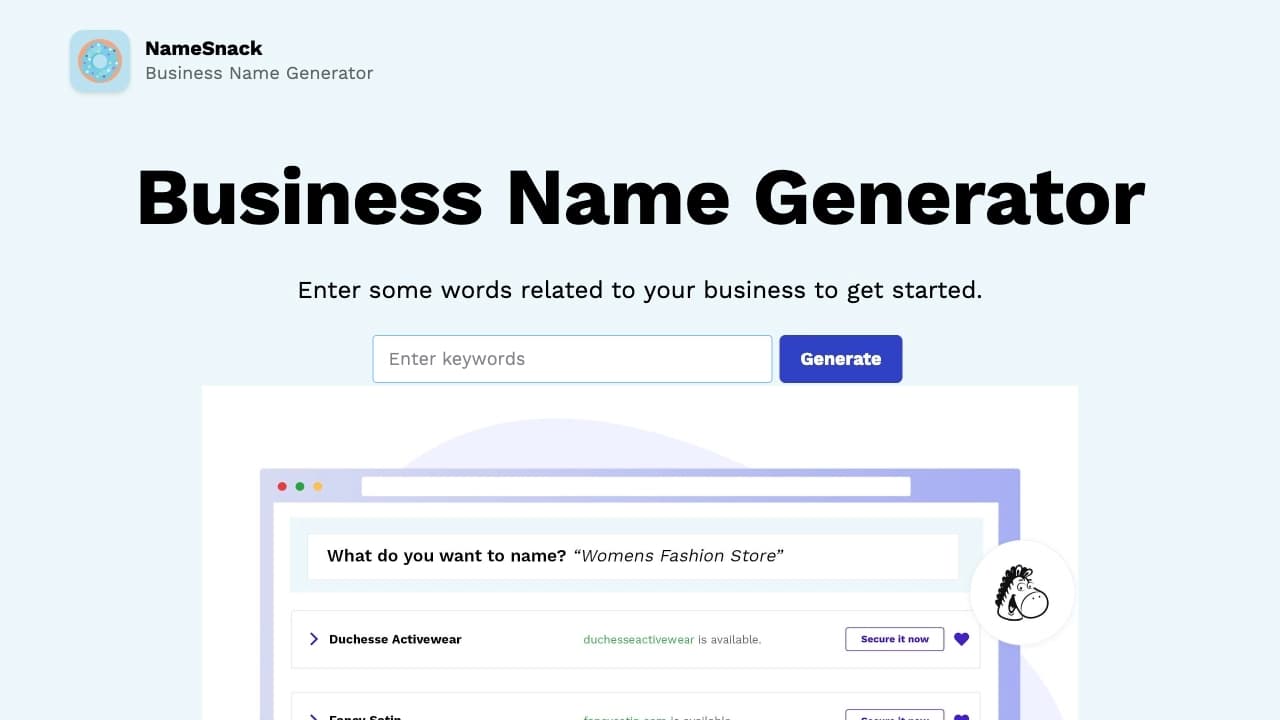
AI-генератор названий для бизнеса с проверкой доступности доменов.


Averi — платформа для маркетинга, которая объединяет планирование кампаний, создание контента и аналитику в одном интерфейсе.

Open-source AI-агент для разработки, который помогает генерировать, дорабатывать и отлаживать код прямо в IDE.

Многофункциональный ИИ-ассистент для чата, генерации текста и изображений, перевода и помощи в программировании.

Расширение для Chrome, которое помогает управлять вкладками, историей и закладками с помощью ИИ-ассистента.

Платформа для создания корпоративных чат-ботов на основе собственных документов без программирования.
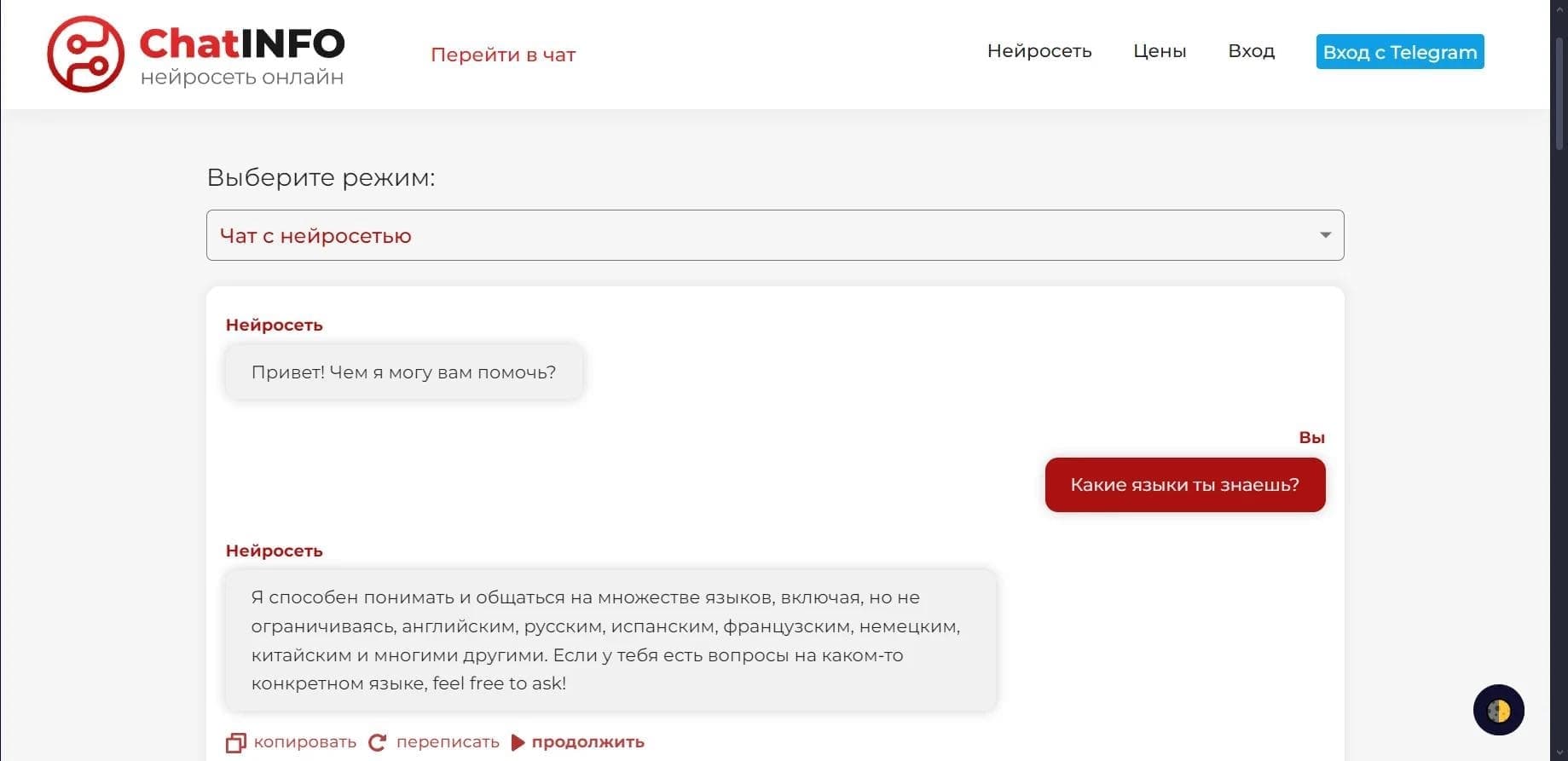

Русскоязычный ИИ-чат-бот на основе GPT для поиска информации и генерации текстов.