
Claude
A family of language models from Anthropic for working with text, code, and data analysis.
Ranked in
Overview
Claude
Description of Claude
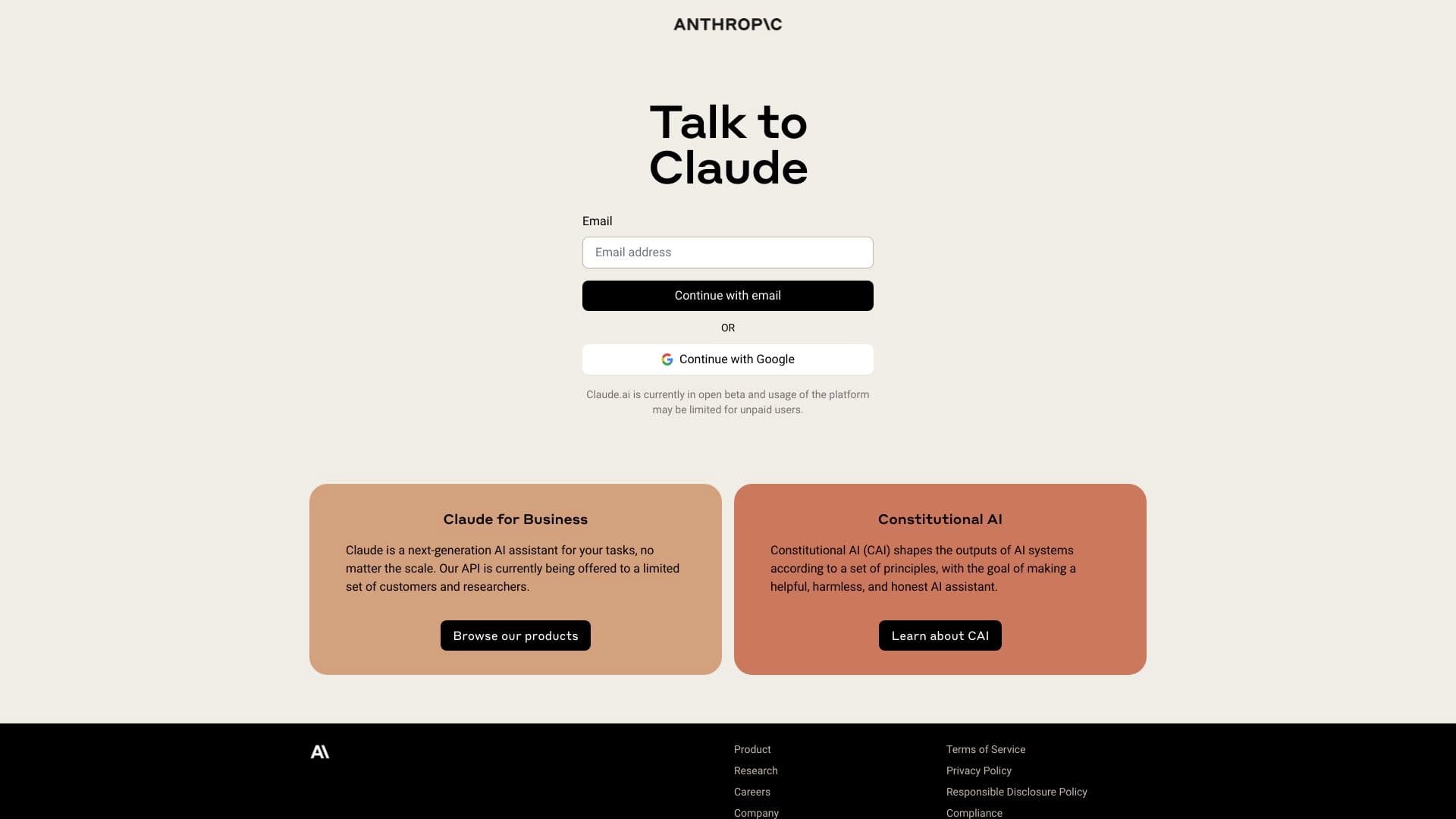
Claude is a family of large language models (LLMs) developed by Anthropic. The tool is positioned as an AI assistant available through a web chat, mobile apps, and API. Claude models are designed to work with text, code, images, and PDF files, supporting a context of up to 1 million tokens. A key feature is the emphasis on safety, honesty, and step-by-step reasoning. The assistant openly identifies itself as artificial intelligence, refuses to help with dishonest or illegal activities, and can explain its reasoning process. The family includes several models at different levels: from the flagship Fable 5 and Opus 4.8 to the versatile Sonnet and lightweight Haiku. The tool covers a wide range of tasks — from text generation and programming to deep data analysis and building autonomous AI agents.
Claude Features
| Feature | Value |
|---|---|
| Type | LLM Models / AI Assistant |
| Developer | Anthropic |
| Pricing model | Freemium (free / from $17–20 per month) |
| Categories | AI assistants, Chatbots, Text generation, Code generation, Data analysis, Programming, Autonomous agents |
| Context window | Up to 1 million tokens (up to ~500 pages of text) |
| Available models | Fable 5, Opus 4.8, Opus 4.7, Sonnet 4.6, Sonnet 4.5, Haiku 4.5, and others |
| File support | PDF, Word, spreadsheets, images |
| Free plan | Yes (new users get 25,000 tokens; daily limits apply) |
| Platforms | Website, mobile apps, API, Claude Code, Amazon Bedrock, Google Cloud Vertex AI |
| Date added to catalog | 13.10.2025 |
| Rating | 4.2 / 5 |
Who is Claude for?
Developers and Engineers
Claude is aimed at developers building complex software solutions and autonomous agents. Models in the family show strong results in benchmarks (77.2% on SWE-bench Verified, record scores in development tasks). The tool is suitable for writing, reviewing, and refactoring code, working with project architecture, and multi-step workflows.
Researchers and Data Analysts
Professionals in data analysis and deep research can use Claude to process large volumes of information, prepare complex materials, and analyze documents, spreadsheets, and charts. A context of up to 1 million tokens allows working with large files without losing coherence.
Business Users, Copywriters, and Creative Professionals
Claude is suitable for writing and editing texts, creating marketing materials, proposals, content plans, and reports. The tool is useful for students, teachers, marketers, and anyone who works with long texts and needs accurate, honest answers.
How to Use Claude
Via the Web Interface and Mobile Apps
The simplest way is to open claude.ai and sign up (email or Google account). After logging in, you can describe tasks in natural language, attach files (PDF, images, spreadsheets), and receive responses. For coding, there is Claude Code, which works in the terminal or VS Code.
Via API and Cloud Platforms
Claude models are available through the API under different names (for example, claude-opus-4-5-20251101). The tool is integrated into popular services: Amazon Bedrock, Google Cloud Vertex AI, GitHub Copilot, Cursor, Warp, and Replit. For advanced users, Claude Code with Plan Mode is available, along with beta versions of Claude for Excel and Claude for Chrome.
In Projects and Agentic Scenarios
In the claude.ai interface, you can create Projects — dedicated workspaces with their own context that persists across conversations. For autonomous scenarios, Claude Code can independently read files, make changes, run commands, and fix errors.
Key Claude Features
Programming and Development
Claude writes, analyzes, refactors, and debugs code in dozens of programming languages and frameworks. Flagship models demonstrate high accuracy in engineering benchmarks (SWE-bench Verified, OSWorld) and outperform candidate engineers in performance optimization tasks. The tool supports working with large projects, architecture, and error detection.
Document Processing and Multimodal Analysis
The tool analyzes PDFs, Word documents, spreadsheets, diagrams, and high-resolution images (up to 2576 pixels). It can produce structured summaries from large files, understand schematics, UI, and complex documents. A context window of up to 1 million tokens allows processing large materials without losing coherence.
Building and Managing AI Agents
Claude supports building autonomous agents capable of executing long chains of actions (up to 30 hours of continuous work), planning tasks, and checking intermediate results. Agents can use a browser, terminal, and other tools, and preserve state between sessions. Claude Code 2.0 includes checkpoints and support for parallel agents.
Text Generation and Editing
In addition to standard tasks (writing articles, emails, instructions), Claude can translate, adapt, and rewrite texts, create prompts for other AI models (Midjourney, Stable Diffusion, DALL-E), and produce technical documentation and marketing materials.
Claude Advantages
High Accuracy and Honesty
Claude rarely provides false information — it often acknowledges uncertainty rather than “hallucinating.” Models show strong benchmark results (77.2% on SWE-bench, 61.4% on OSWorld). Flagship versions use self-verification, double-checking solutions before output and reducing the likelihood of bugs.
Resource Efficiency and Flexibility
Prompt caching can reduce costs by up to 90%, and batch processing by up to 50%. The effort parameter (Medium or High) lets you control the balance between speed and response quality. For example, Sonnet 5 approaches the quality of the flagship Opus 4.8 while requiring significantly fewer computing resources and costing less.
Safety and Enterprise Integrations
Claude has a built-in safety system: for risky requests (cybersecurity, biology, chemistry), some requests may be redirected to a safer model. The system is resistant to prompt injection and supports secure enterprise integrations through Amazon Bedrock and Google Cloud Vertex AI. Data is retained for 30 days for safety monitoring but is not used for training.
Claude Limitations
Availability and Payment Restrictions
The service may not be available in all regions, and payment options may require a payment method supported in your region.
Free Plan Limits
The free plan has a daily message limit that is not explicitly stated. Under heavy use, it runs out quickly. New users receive 25,000 tokens (about 50,000 words), which is enough for roughly a month with moderate use.
Limited Ecosystem and Functionality
Compared with alternatives (ChatGPT), Claude has fewer ready-made integrations, no built-in internet search at the basic level, and no native image generation. Flagship models (Fable 5) are temporarily limited in access — starting June 23, 2026, they are removed from subscriptions and remain available only through credits until capacity stabilizes.
What Problems Does Claude Solve?
Complex Programming and Architecture
Claude is used for generating, reviewing, and refactoring code, working with project architecture, finding bugs, and optimizing solutions. The tool is suitable for software development of any complexity — from small scripts to large industrial systems.
Data Analysis and Deep Research
Models analyze large volumes of information (documents, spreadsheets, images), and prepare research materials, reports, and summaries. A context of up to 1 million tokens allows working with entire books, datasets, and complex multi-page reports.
Agentic Scenarios and Automation
Claude executes long chains of actions with independent planning and result verification. This includes autonomous work with a codebase, browser, terminal, and creating chatbots and AI agents for business processes.
Everyday Tasks
The tool helps with writing and editing texts, translation, creating prompts for other AI models, exam preparation, solving math problems, planning, and everyday questions (advice, recipes, preparation for negotiations).
Claude Pricing
Free Plan
New users receive 25,000 free tokens (around 50,000 words) upon registration. With active use, this allowance lasts about a month. The free plan has a daily message limit (the exact limit is not explicitly stated).
Paid Subscriptions
- Claude Pro — from $17–20 per month (different sources list $17, $18, $20, $22). Includes access to more powerful models and expanded limits.
- Claude Team / Enterprise — custom pricing for teams and corporate clients. Includes additional security features and integrations.
API Pricing (based on Fable 5)
- $10 per 1 million input tokens
- $50 per 1 million output tokens
Claude Terms of Use
Registration and Access
To use Claude, you must register on claude.ai (via email or Google account). Free plan limits are not explicitly stated and run out quickly under active use. Paid subscriptions require a payment method accepted by the service.
Ethical Restrictions
Claude refuses to help with dishonest or illegal activities based on its built-in ethical system. For risky requests (cybersecurity, biology, chemistry), some requests may be redirected to a safer model. Data is retained for 30 days for safety monitoring but is not used to train models.
Temporary Restrictions
Some models (for example, Claude Fable 5) are temporarily limited in access. The flagship Mythos 5 is available only to verified partners and researchers, not the general public. Starting June 23, 2026, Fable 5 is removed from subscriptions and remains available only through credits until capacity stabilizes.
Claude Availability
Web Interface and Mobile Apps
Claude is available through the claude.ai website and mobile apps (iOS and Android). All you need is a browser and an account. The service may not be available in some regions; check the official website for access options.
API and Cloud Platforms
Claude models are integrated into Amazon Bedrock, Google Cloud Vertex AI, and developer tools: GitHub Copilot, Cursor, Warp, Replit. All major models in the family are available through the API — from Haiku to Fable 5. Claude Code runs in the terminal or code editor (VS Code).
Country Restrictions
The service has regional restrictions. Availability and payment options vary by country and are described on the official website.
How Does Claude Differ from Alternatives?
Quality of Long Texts and Honesty
Claude outperforms alternatives (primarily ChatGPT) in the quality of long texts, honesty of answers, and work with large documents. It is less likely to provide false information, often acknowledges uncertainty, and explains its reasoning. Flagship models show record results in engineering benchmarks (SWE-bench, OSWorld).
Ecosystem and Integrations
ChatGPT is stronger in ecosystem integrations, the number of ready-made GPTs, and native image generation. Claude has fewer ready-made extensions and no built-in internet search at the basic level. However, Claude offers its own strengths: Claude Code for developers, Projects for preserving context across conversations, and support for a huge context window.
Flexibility and Safety
Claude offers an adjustable communication tone, principled behavior (refusing help with dishonest tasks), and awareness of itself as an AI. A built-in safety system redirects risky requests to a safer model (triggered in fewer than 5% of sessions). The effort parameter lets you control the balance between speed and quality, which is uncommon among many alternatives.
Conclusion
Claude is a family of language models from Anthropic that is particularly strong in working with long texts, programming, analyzing large documents, and autonomous agent scenarios. The tool combines high accuracy (confirmed by benchmarks), honest answers, flexible configuration, and improved safety. Available under a freemium model, Claude offers a free starter package (25,000 tokens) and paid subscriptions from $17–20 per month. The main limitations are regional availability restrictions, free plan limits, and temporary restrictions on flagship models. Claude is a reliable alternative to ChatGPT for those who value accuracy, work with large volumes of data, and principled responses.
Pricing
Frequently asked questions
Similar AI tools












See also
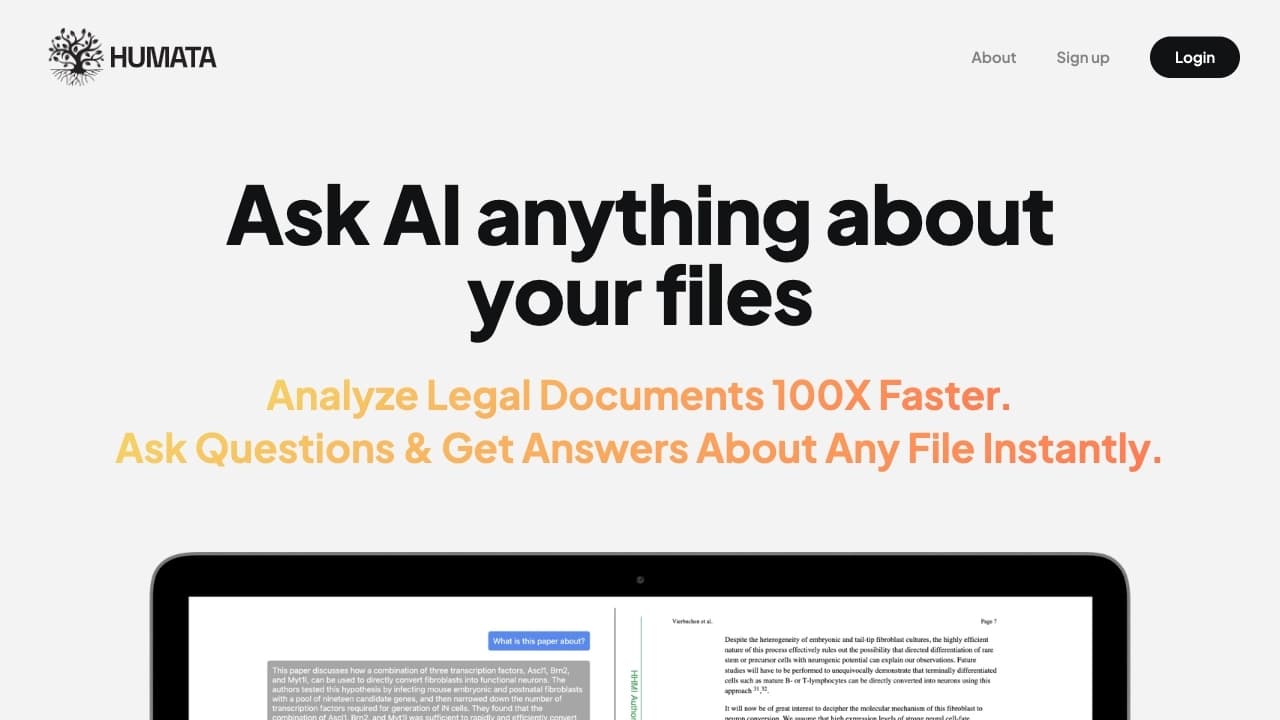
A neural network for document analysis that extracts key information, creates summaries, and answers questions about the contents of uploaded files.


AI anime image generator from text descriptions with template selection.
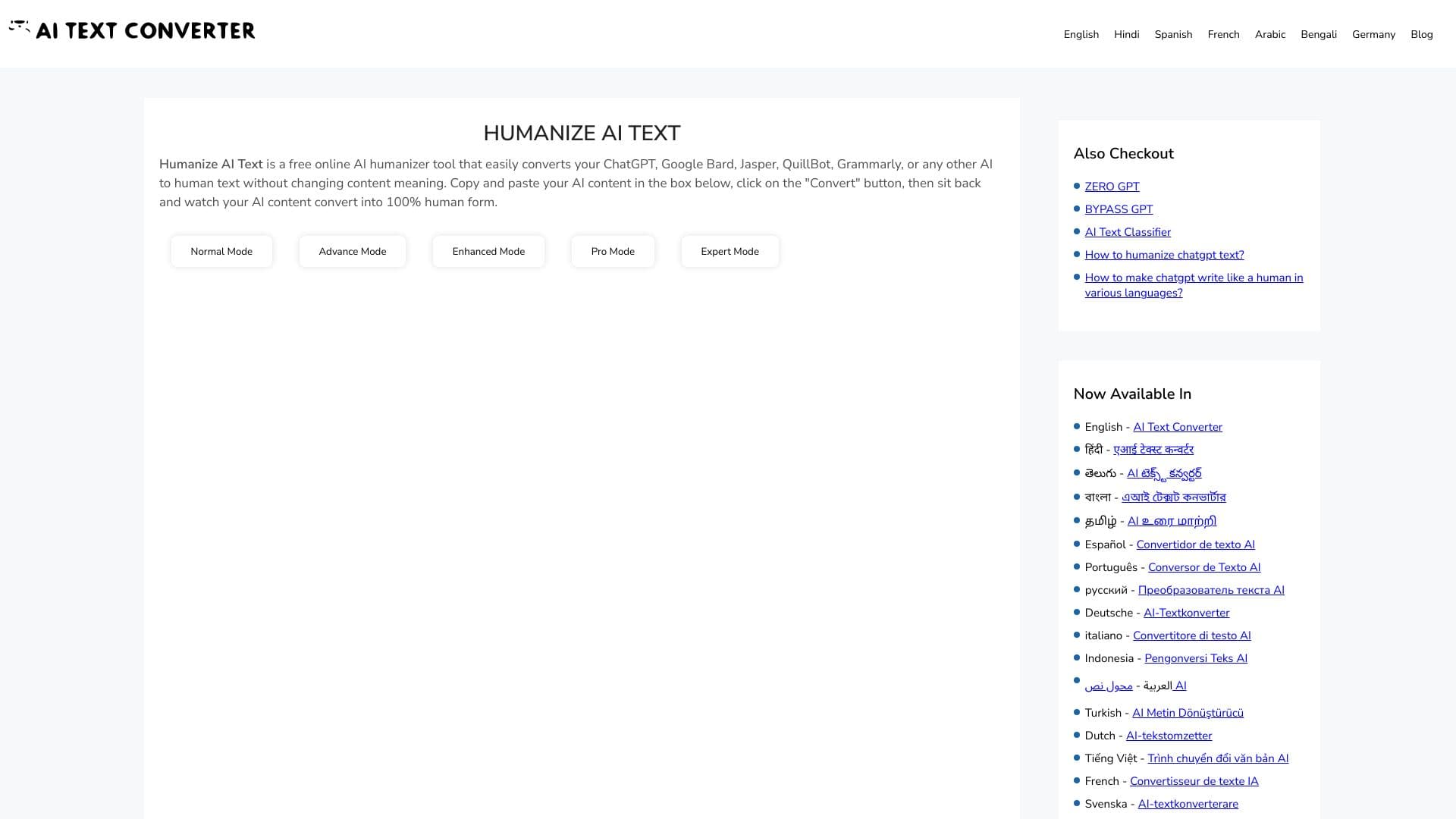
Web service for making AI-generated texts look more natural and human.

App for creating and customizing virtual AI companions with different personalities and communication styles.
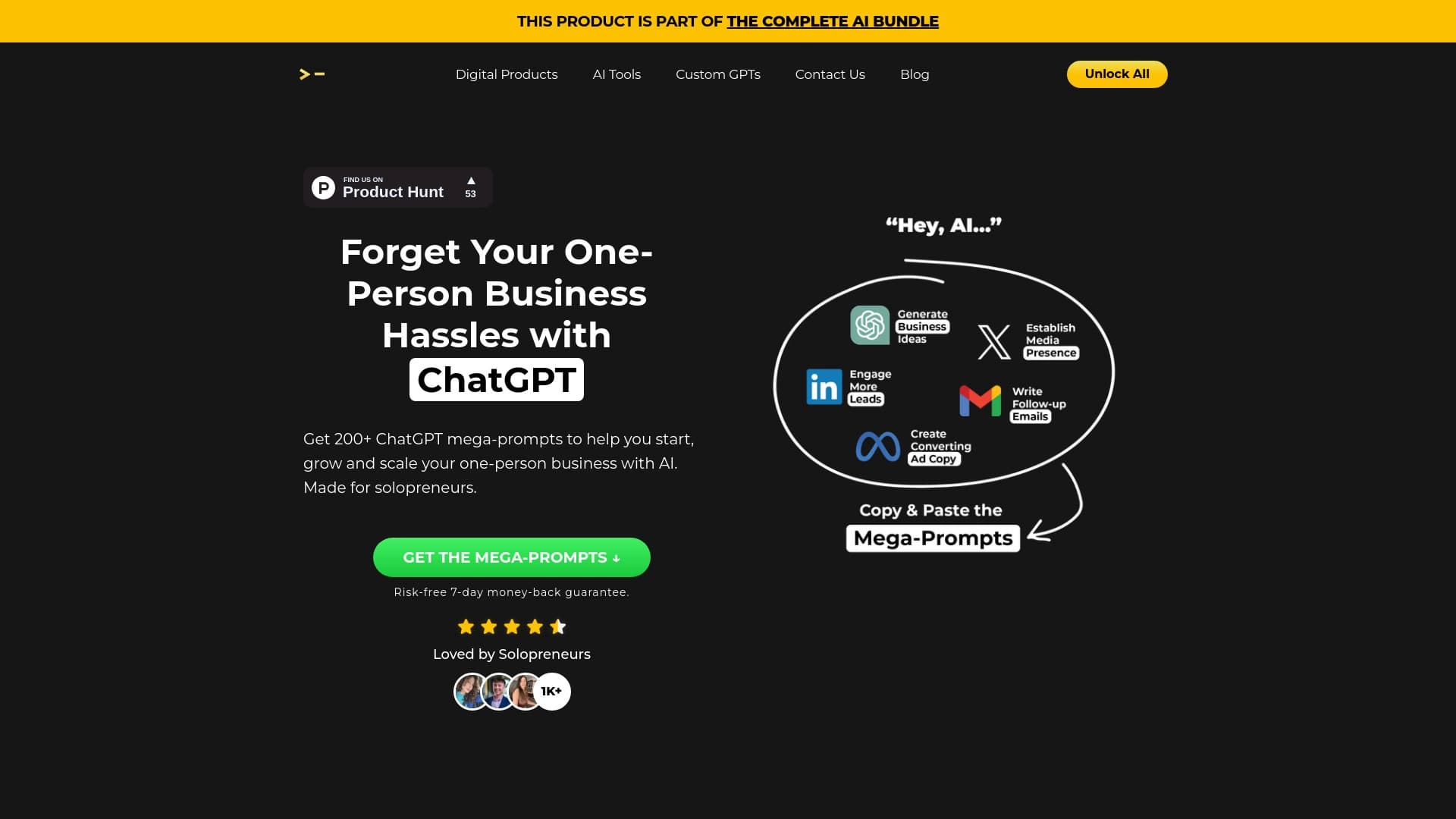

A set of more than 200 ready-made prompts for business and SEO, adaptable to ChatGPT, Claude, and Gemini.
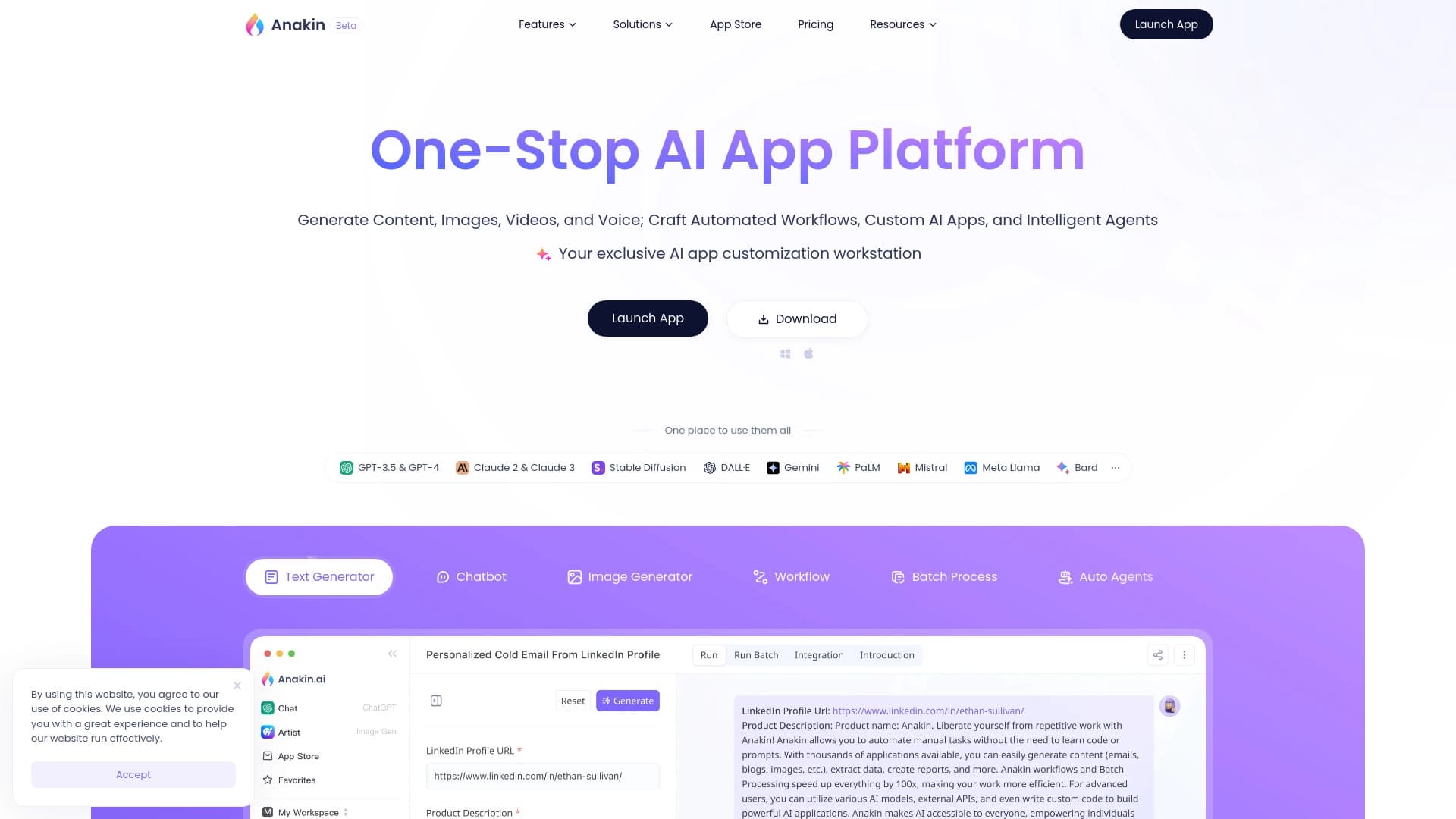
Anakin.ai is a low-code platform that combines various AI models for content creation and workflow automation without coding.
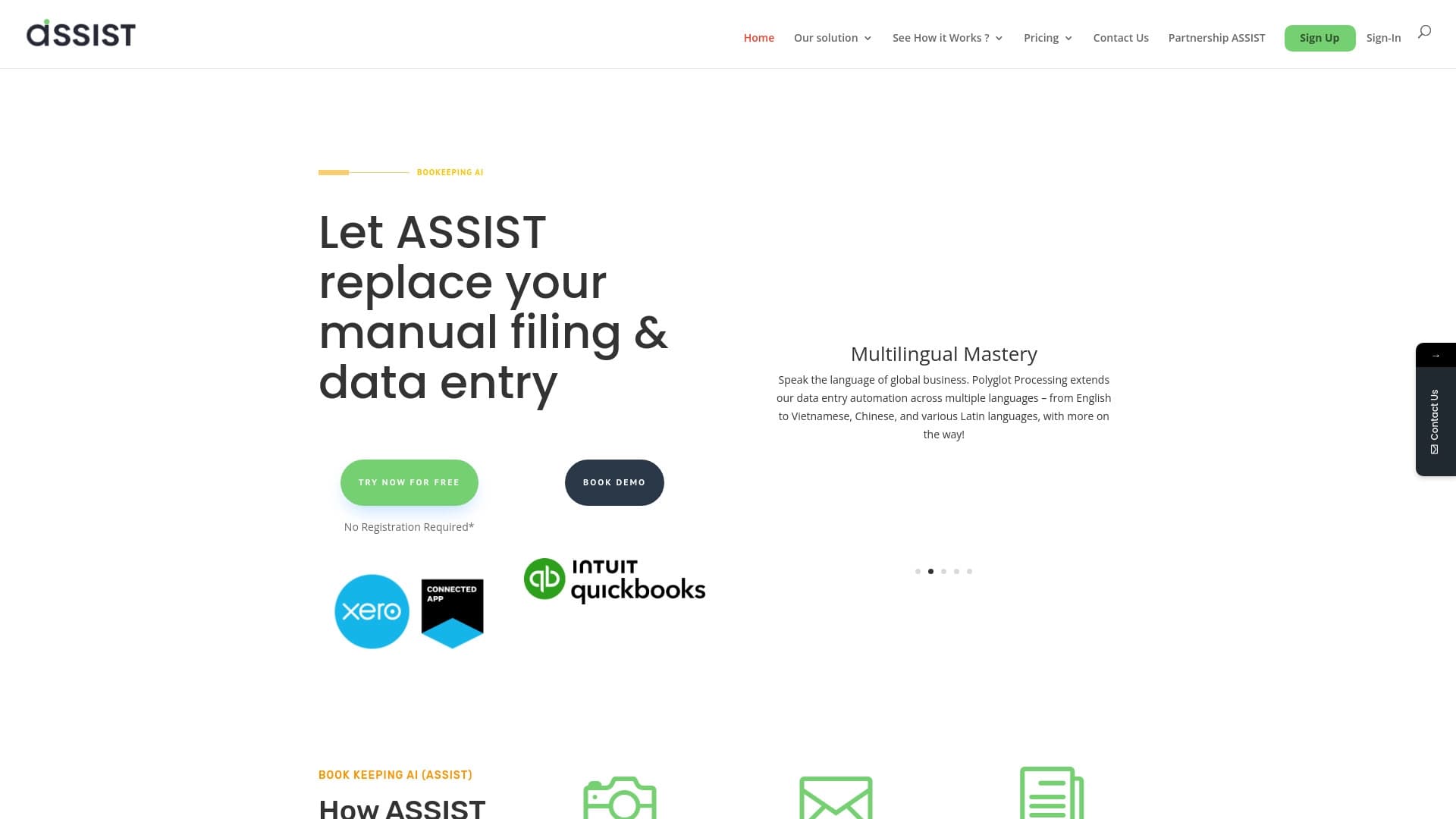

AI tool for automatic data extraction from financial documents and integration with accounting systems.

A platform for conversations with AI characters, including pre-made and user-created ones.