

Flutter
A tool for rapid mobile app development on the Flutter framework.
Overview
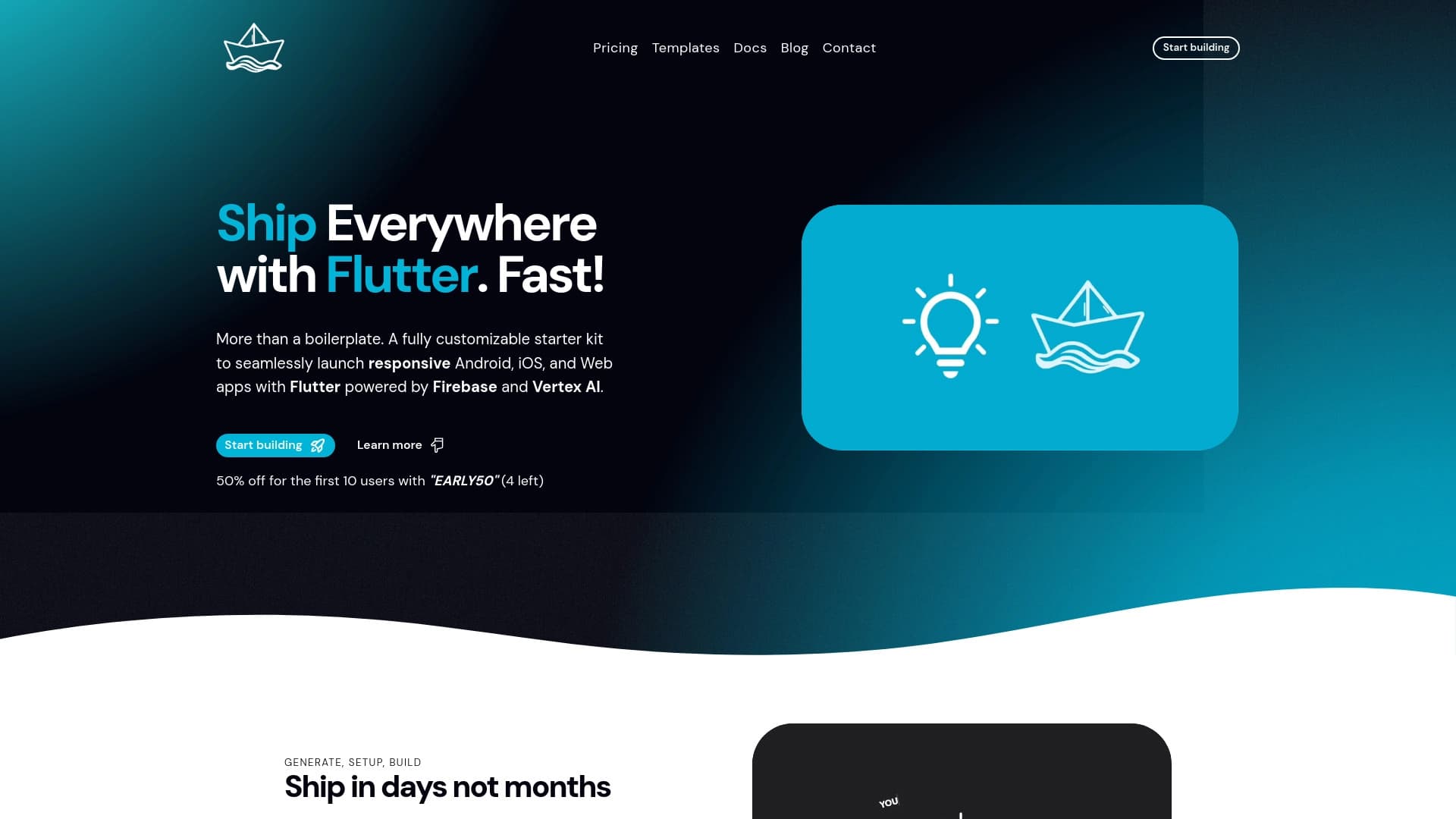
Flutter is a tool designed for accelerated mobile app development based on the open-source framework of the same name. In the context of an AI tools catalog, Flutter is considered a solution that automates and simplifies routine stages of app creation. Its main goal is to reduce the time gap between the emergence of an idea and its implementation as a finished product.
What the tool is
In essence, it is not so much a "neural network" in the classical sense (an image or text generator), but rather a set of ready-made solutions and templates. The tool accumulates best practices for Flutter development, offering developers a ready-made foundation for projects. This eliminates the need to write most of the code from scratch at the start.
The key idea
The main message of the tool is to free developers from "routine." Screen setup, basic service integration, and standard UI elements all become available "out of the box." This approach allows teams to focus on the unique business logic of the product rather than repetitive tasks.
Flutter Characteristics
Since the provided source data is insufficient to specify exact technical parameters, the characteristics below are based on the general concept of the tool and its positioning.
| Characteristic | Value |
|---|---|
| Tool type | Development accelerator (constructor/template set) |
| Target platform | Mobile apps (iOS, Android) |
| Base framework | Flutter (SDK) |
| Primary purpose | Reducing development time |
| Components | Project templates, ready-made UI components, services |
| Distribution model | Freemium (free + paid features) |
| Target audience | Developers using Flutter |
Who is Flutter suitable for?
The tool is designed for a wide range of developers working with Flutter, but it will be especially useful for certain categories of users.
Beginner developers
For those just learning Flutter, the tool will be an excellent starting point. Instead of studying all the intricacies of setting up a project from scratch, a beginner gets a working structure. This allows them to see results faster and understand the principles of code organization in real projects.
Professional teams
Studios and agencies working on multiple projects simultaneously will appreciate the ability to standardize. Using unified templates reduces the time spent on onboarding new employees and speeds up project handover between teams.
Indie developers
Solo developers creating apps on demand or for their own startups gain significant time savings. The tool handles routine operations, allowing the developer to focus on creating unique functionality that will differentiate the product in the market.
How to use Flutter?
The workflow with the tool is built around using ready-made blocks, making it intuitive for Flutter developers.
Getting started with templates
The first step is choosing a suitable starter template. The tool offers several options for the foundation of a future app. The developer needs to select the one that best matches the type of product being created (e.g., a news portal, an online store, or a business app).
Configuration and integration
After selecting a template, the customization stage begins. The developer connects the necessary services — whether it's a database, a payment system, or an analytics service. At this stage, it's important that the tool simplifies this process by providing ready-made modules for integration with popular services, eliminating the need to write complex glue code.
Preparing for launch
The final stage is preparing for publication. The tool helps navigate this path faster by speeding up the app build and its configuration for app stores. This includes basic work with icons, screenshots, and other metadata required for uploading to the App Store and Google Play.
Key Features of Flutter
The tool's functionality is aimed at covering the mobile app development cycle.
- Project template library: Provides ready-made architectural solutions for typical app types.
- UI component set: Includes prepared interface elements that can be customized to match the project design.
- Service integration: Simplifies connecting backend services, analytics, and payment systems through ready-made solutions.
- Publication tools: Optimizes the process of preparing an app for upload to digital stores.
- Screen management: Systematizes navigation and the organization of transitions between app screens.
Advantages of Flutter
Using the tool provides developers with several tangible benefits.
Time savings at the start
The main advantage is a significant reduction in time during the initial stage. There's no need to spend days creating the project skeleton. All basic elements are already ready and working, allowing you to start developing business logic from day one. This is especially critical when tight deadlines for prototyping and MVP matter.
Simplifying routine processes
The tool takes on the complexity of infrastructure setup. This lowers the entry barrier and reduces the number of configuration errors. The developer doesn't need to figure out the intricacies of payment setup or external API integration every time — the tool offers standardized, proven solutions.
Focus on the product
By using ready-made components, the team can concentrate on creating a unique user experience. Instead of getting distracted by technical details "under the hood," developers spend their efforts on what truly matters to end users of the app — its functionality and design.
Disadvantages of Flutter
Like any tool, Flutter has certain limitations that should be considered.
Limited template flexibility
The provided templates may impose certain constraints on the project's architecture and structure. If there's a need to implement a non-standard solution that goes beyond the proposed tools, the developer may need additional time to adapt the template to their needs or create modules from scratch.
Potential code bloat
Using ready-made solutions can lead to including redundant code in the project that isn't needed for a specific app. This can affect the final app size and its performance. Developers will have to optimize and remove unused code added by default on their own.
What tasks does Flutter solve?
The main purpose of the tool is to eliminate "bottlenecks" in the mobile app development process.
- Reducing Time-to-Market: Speeds up app release to the market through rapid project skeleton assembly.
- Codebase unification: Allows maintaining a consistent code style and architecture within a team or agency.
- Reducing development costs: Decreases the amount of billable time spent on routine operations.
- Simplifying product maintenance and evolution: A ready-made, clear architecture facilitates making changes and adding new functionality.
- Helping with rapid prototyping: Allows creating a working version of an app in the shortest possible time for demonstration to investors or clients.
Flutter Pricing
At the moment, the exact cost of using the tool has not been disclosed. The business model the service operates on is known: Freemium. This means that a basic set of features or a limited version of the tool is provided for free. To access extended functionality, more complete templates, or priority support, users are offered to switch to a paid subscription plan.
Terms of Use for Flutter
Clear terms of use without additional data from the official website are not available. However, based on the Freemium distribution model, the following conclusions can be drawn. The free tier likely imposes restrictions on the number of available templates or connectable services. The paid tier and subscription probably provide access to all the tool's capabilities, including more advanced settings and technical support. For developers using the tool for commercial purposes, it is very important to carefully review the license agreement to ensure that apps created with it can be sold or used in business.
Flutter Availability
The tool is positioned as a solution for developers using Flutter. Given that the framework itself is cross-platform, it can be assumed that the product will also be available on the major operating systems for development: Windows, macOS, and Linux. All work happens within the development environment, regardless of where the developer works. The key requirement is having the Flutter SDK installed. The tool is likely distributed through official channels, such as a website or package repositories, without regional restrictions.
How Flutter differs from alternatives
Flutter's difference from other development tools lies in its specificity.
Deep integration with the Flutter ecosystem
Many rapid development tools are cross-platform and try to abstract away from a specific framework. This tool, on the contrary, is fully tailored to Flutter. This means it makes maximum use of the framework's capabilities, offering solutions that fit perfectly into its architecture. The developer gets not just a set of abstract templates, but ready-made, optimized, and native Flutter solutions.
Focus on the final stage — publication
While many alternatives focus solely on code generation, this tool also covers the post-production stage. Built-in support for publishing to app stores is its important differentiator. This is a holistic approach to the app lifecycle, allowing the project to be brought to release without leaving the familiar development environment.
Conclusion
Flutter is a well-thought-out tool for optimizing the routine work of mobile app developers. It aims to significantly accelerate the stages of project creation and launch, offering an extensive library of templates and components as a solution. For teams and individual developers working in Flutter, this is a practical way to reduce costs and bring new products to market faster, paying more attention to the uniqueness of their solutions. The freemium model makes the tool accessible for evaluation and initial use.
Frequently asked questions
See also
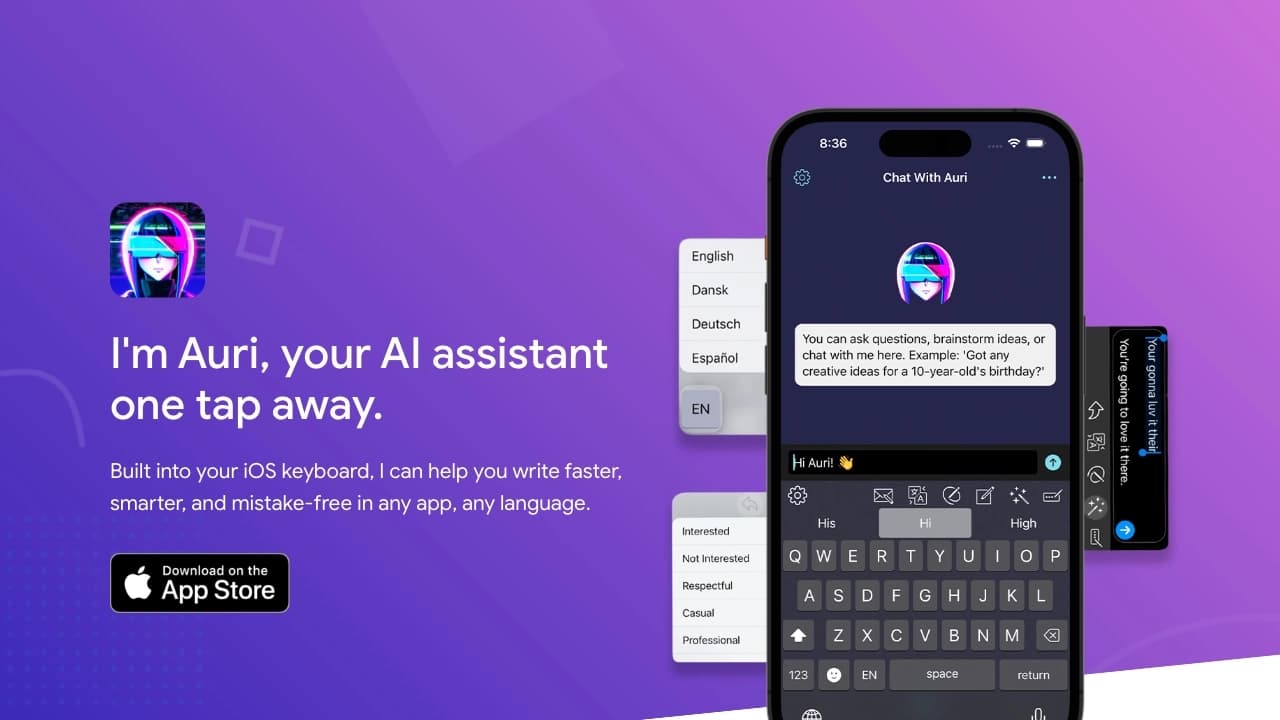
AI keyboard for Apple devices that speeds up typing with corrections, translation, and response generation.
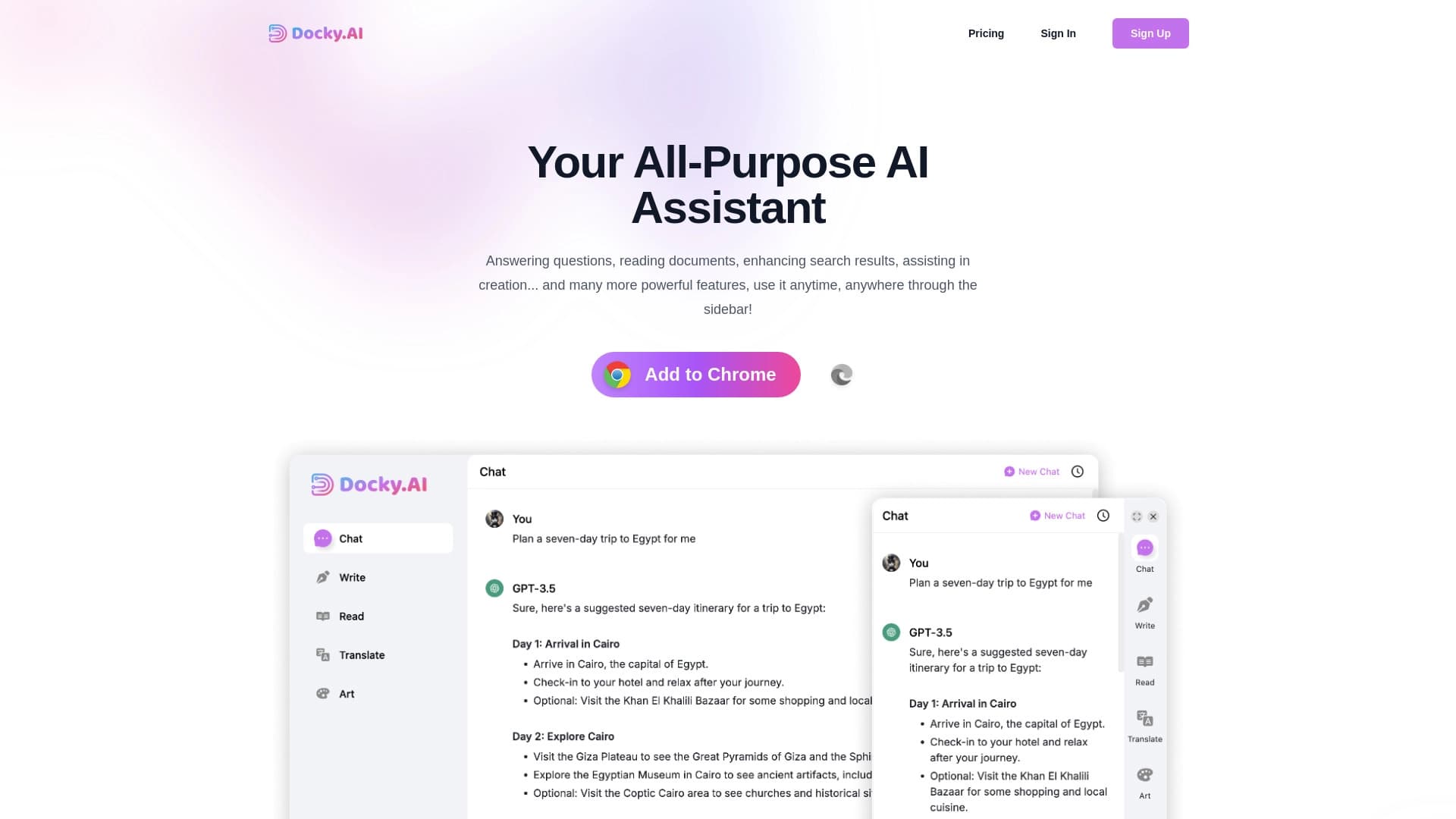

Side AI panel that helps answer questions, work with documents, and generate images.
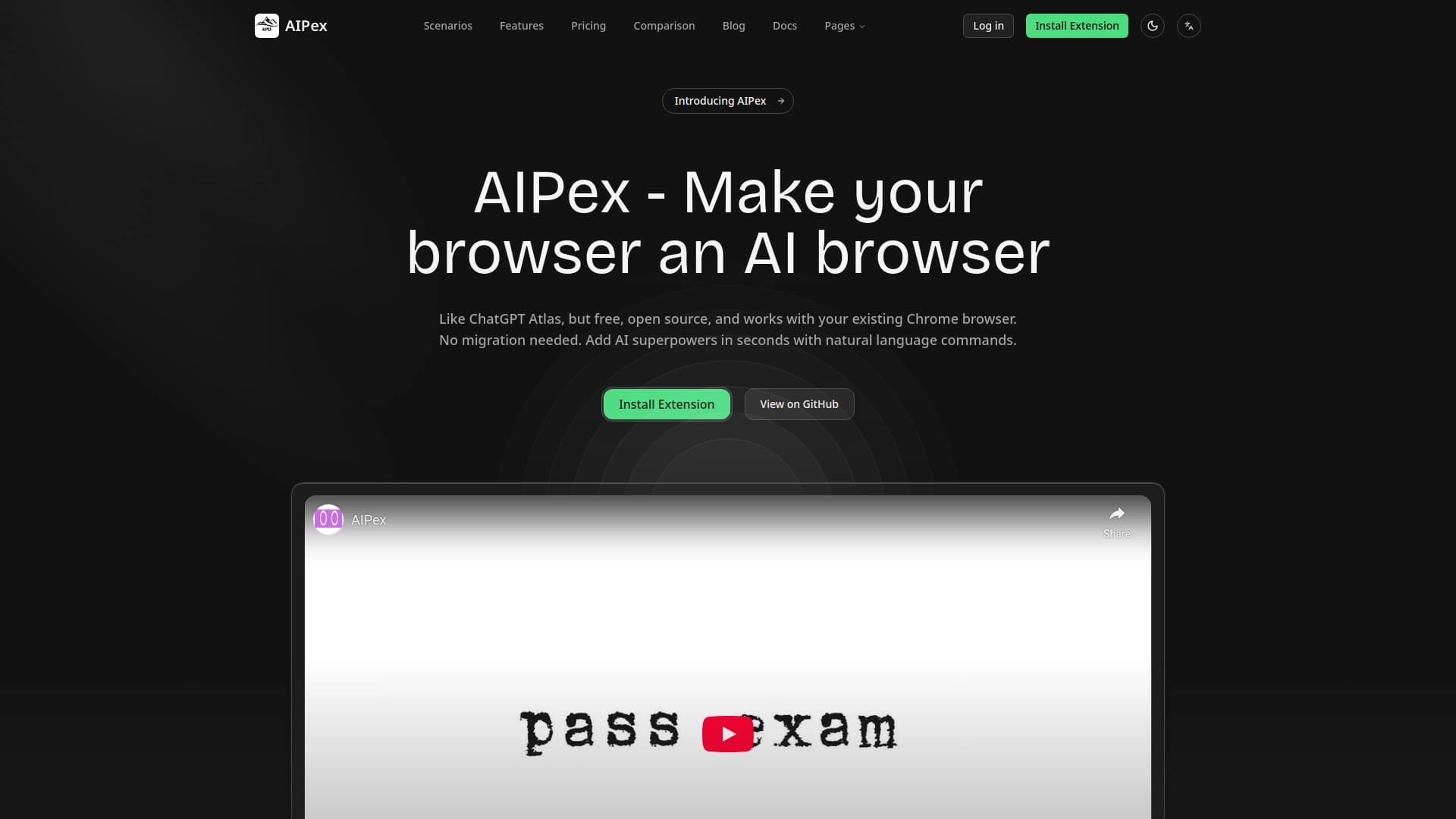

Chrome extension that helps manage tabs, history, and bookmarks with an AI assistant.

AI toolkit for video generation and editing, including avatars, lip-sync, and voice cloning.

Project management platform with task assignment, time tracking, and employee workload monitoring features.

Platform for creating multi-agent AI systems and chatbots to automate customer support and lead generation.

A multifunctional AI assistant for generating texts, images, and audio.
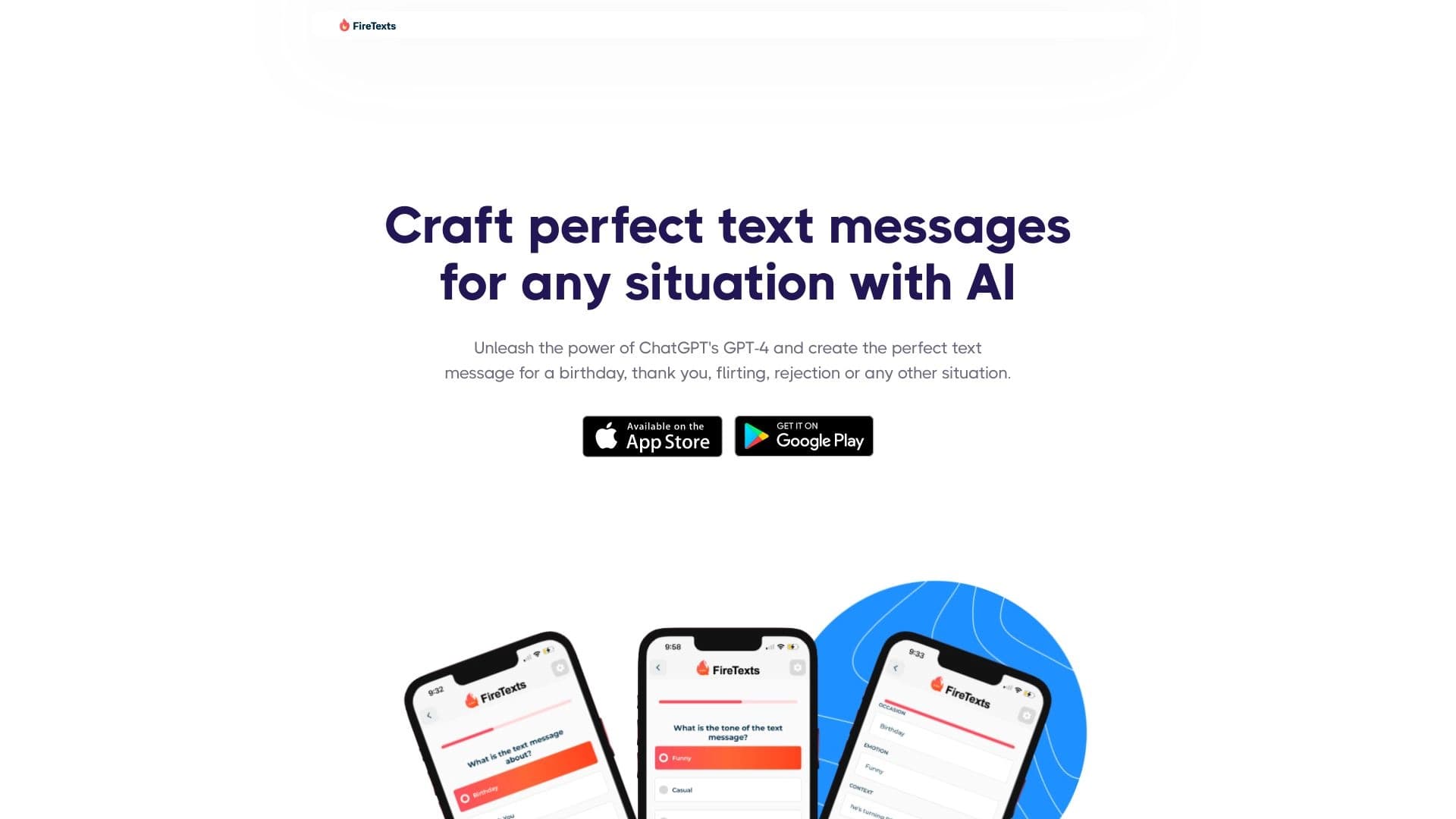

AI-powered mobile app that helps you find the right words for different life situations in your correspondence.