
Claude Code Unpacked
Interactive breakdown of Claude Code's internal architecture, showing its agentic loop and over 50 built-in tools.

Overview
Claude Code Unpacked is an educational and analytical service that lets you look "under the hood" of the AI agent of the same name from Anthropic. Instead of studying thousands of lines of documentation or browsing the repository manually, you get an interactive map of the program's internal structure.
The service visualizes the agentic loop: it shows which tools are launched and in what sequence when you send a message in the terminal. The source code is broken down into clear components, and each agent action is explained. For those who want to understand how a modern AI agent works from the inside, this is a kind of anatomical atlas: no extra theory, only structure, connections, and logic. Of particular interest is the section on hidden features — those already embedded in the code but not yet officially activated (for example, a virtual pet or coordinator mode).
Claude Code Unpacked Features
| Feature | Value |
|---|---|
| Category | Developer tools |
| Type | Interactive map / source code visualization |
| Business model | Freemium |
| Number of tools | More than 50 built-in tools |
| Website | ccunpacked.dev |
| Interface language | English (focused on English-language code) |
Who is Claude Code Unpacked for?
Developers studying AI agent architecture
If you write code using Claude Code or simply want to understand how the agentic loop works, this service is a great starting point. You won't have to read the repository yourself and build logical connections — everything is already organized for you.
Users who want to discover the tool's hidden potential
Many Claude Code capabilities are undocumented or in an experimental stage. Unpacked collects them in a dedicated section, letting you learn about features (such as background mode or remote control) before their official release.
Those making decisions about adopting AI tools
For technical specialists and team leads, the service helps quickly assess Claude Code's real capabilities: what it can do, which tools it supports, and how flexible its architecture is. This knowledge is useful when choosing a tool for automating tasks within a team.
How to use Claude Code Unpacked
Exploring the interactive map
The main mode of use is navigating the source tree. You click on components to see how the code is organized, which modules are connected, and what happens at each stage of request processing. This lets you move from the general to the specific without losing context.
Viewing the tool list
The service features more than 50 built-in tools. They are grouped by category: file operations (reading, editing), running bash scripts, Git operations, web search, creating subtasks, and others. You can examine each tool individually and see how it fits into the overall agentic loop.
Analyzing hidden and experimental features
A separate section of the service is dedicated to capabilities that already exist in the codebase but are not officially launched. These include a virtual pet, background mode via tmux, and coordinator mode with parallel workers. Exploring this section helps you understand the tool's development direction and prepare for future updates.
Key Features of Claude Code Unpacked
Architecture and source code visualization
The service provides an interactive map showing the connections between Claude Code components. You see not just a flat list of files, but a logical structure: which module handles command processing, which handles interaction with external services, and how they exchange data.
Overview of the agent's built-in tools
All tools available in Claude Code are collected on the main page or in a dedicated section. This is not just a list of names: for each tool, its place in the overall loop, typical use cases, and specifics are shown. Users can study in detail how file operations differ from working via bash or interacting with version control systems.
Commands section for configuration and debugging
A separate block is dedicated to commands for environment setup, Git operations, and debugging. This information is useful for those planning to actively use Claude Code in daily work: practical scenarios that come in handy in real projects are collected here.
Advantages of Claude Code Unpacked
Time savings on exploring the repository
Figuring out the architecture of a complex project on your own is not a one-day task. Unpacked does it for you: it structures the code, explains the logic, and shows the connections. This is especially valuable for developers who want to quickly evaluate a tool before adoption.
Focus on the essentials without extra information
The service contains only factual information: structure, code, and working logic. There are no marketing descriptions, distracting articles, or ad blocks. Everything you see directly relates to how Claude Code is built.
Transparency of hidden capabilities
The ability to look at experimental features that developers haven't activated yet is a rare advantage. This gives Unpacked users an edge: they are the first to learn about potential features and can assess their viability.
Drawbacks of Claude Code Unpacked
The main drawback is the service's focus on an English-speaking audience: the interface and code explanations are in English, which can be a barrier for users without the appropriate language skills. It's also worth noting that the service is niche: it will be useful primarily to technical specialists familiar with the basics of programming and working with the terminal — beginners without this background may find the material difficult. Additionally, since it visualizes a specific version of the source code, the information may become outdated over time.
What problems does Claude Code Unpacked solve
Understanding Claude Code's internal architecture
The service helps you understand how the AI agent works: which components are involved in request processing, how the agentic loop is organized, and which tools are available to the agent at any given moment.
Discovering hidden and not-yet-launched features
Unpacked lifts the veil on Claude Code's experimental capabilities. Users can see which features are already programmed (but disabled) and assess their potential usefulness for their own tasks.
Visual representation of the codebase
Instead of dry code reading, the service offers an interactive diagram: you see the source structure, connections between components, and the logic of their interaction. This speeds up comprehension and helps you quickly form a complete picture of the project.
Claude Code Unpacked Pricing
The service operates on a Freemium model, providing free access to basic functionality. The service page does not specify details of the paid tier — it likely involves expanded access or removal of restrictions, but exact information about the cost and composition of paid options is not available at the time of this description.
Claude Code Unpacked Terms of Use
Specific terms of use (license agreement, restrictions on commercial use, rules for copying materials) are not detailed on the service page. For accurate information about permitted use cases and restrictions, it is recommended to refer to the official service website, where the current version of the user agreement may be posted.
Claude Code Unpacked Availability
The service is available via the website ccunpacked.dev and works as an interactive web application. For full use, a technical level of English proficiency is recommended, since the interface, explanations, and the code itself are geared toward English-speaking users. No geographic access restrictions are specified in the source data.
How Claude Code Unpacked differs from alternatives
The key difference between Claude Code Unpacked and other analytical services lies in its narrow specialization and interactive format. Instead of general articles about AI agents or documentation, it offers a fully dissected codebase of a specific product — with the ability to click on elements and see how they are connected.
Another distinctive feature is the highlighting of hidden capabilities that cannot be found in official documentation. No other open review or tutorial provides access to experimental features (such as the virtual pet or coordinator mode) with a full description of their internal structure. This makes the service unique for developers who want to know a little more about the tool's future than everyone else.
Conclusion
Claude Code Unpacked is a specialized tool for visualizing the internal structure of Claude Code, aimed at developers and technical specialists. It solves an important problem — making the architecture of a complex AI agent understandable without the need to study the source repository. Thanks to the interactive map, breakdown of more than 50 tools, and a section on hidden experimental features, the service provides a comprehensive view of how a modern agent works and what capabilities it may offer in the future. It is a useful resource for anyone professionally interested in AI development and wanting to stay one step ahead.
Frequently asked questions
See also

A multifunctional AI assistant for chat, text and image generation, translation, and programming help.
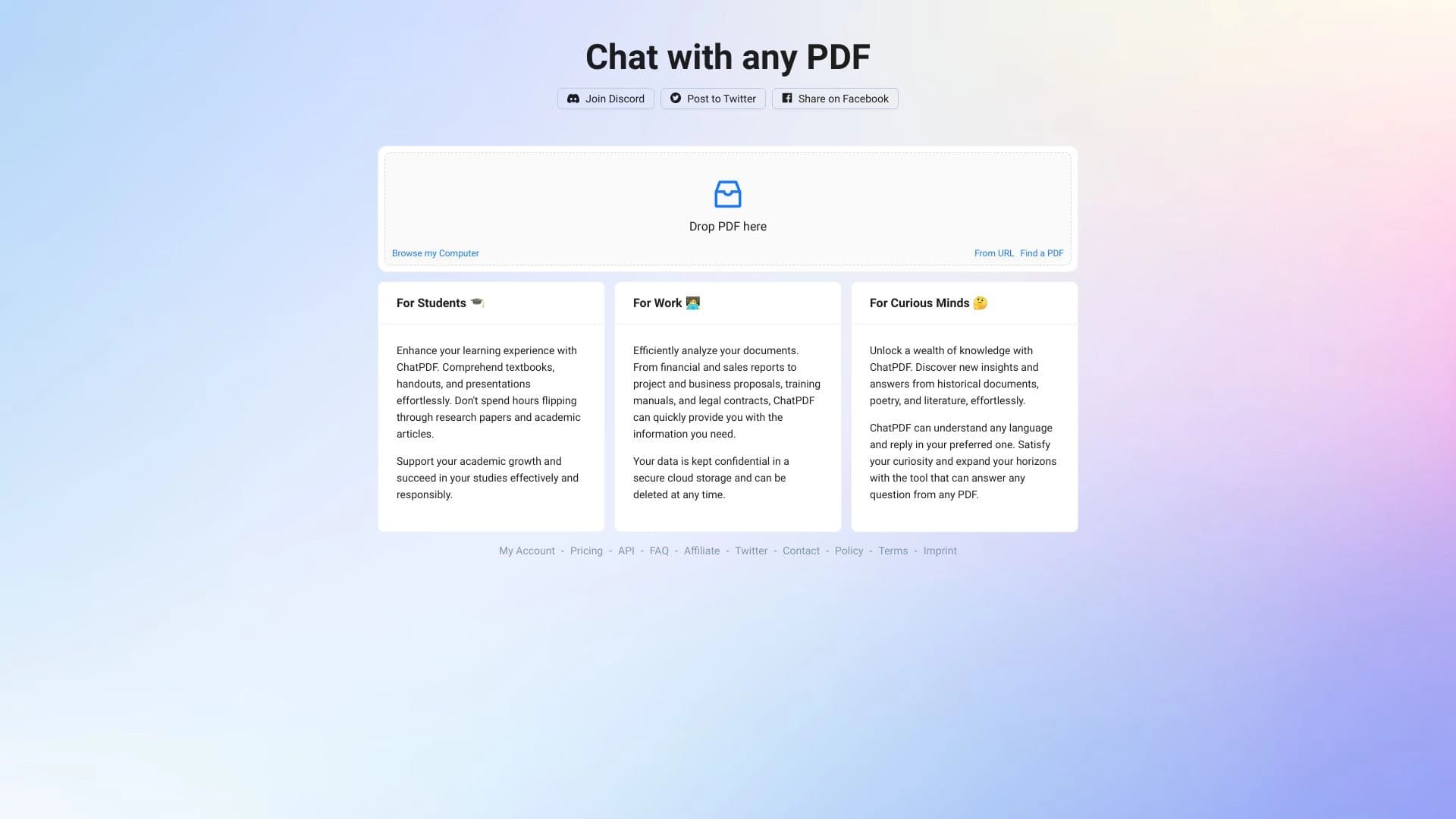
An online service that lets you chat with PDF documents: ask questions and get concise answers with source attribution.

Online service for creating a realistic voice clone from a short audio recording and text-to-speech.
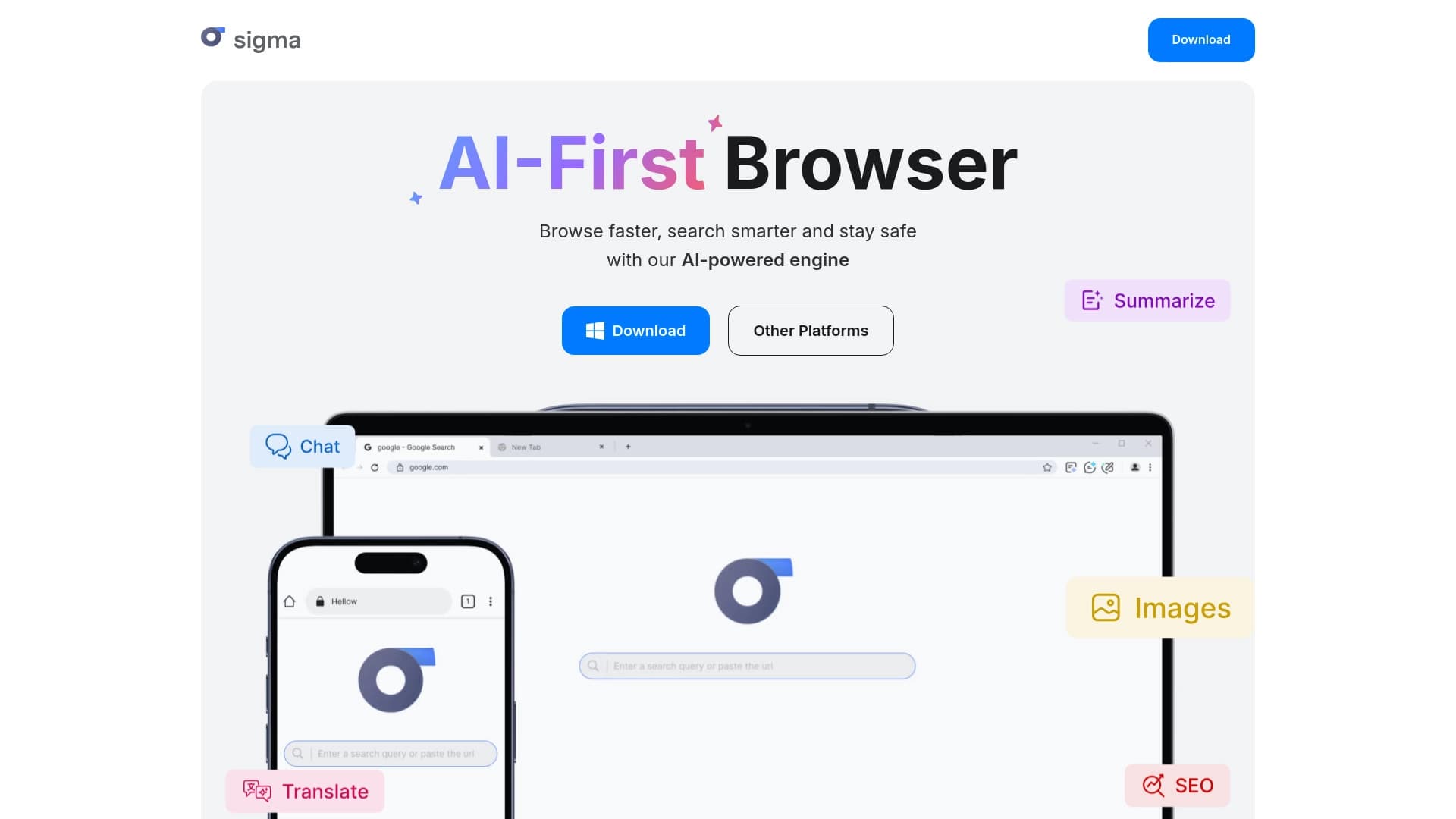

A browser with built-in AI tools for chatting with neural networks, generating texts and images, translating and summarizing pages.

Chrome extension that helps manage tabs, history, and bookmarks with an AI assistant.


Web service for generating anime images from text prompts using AI.


A platform for creating corporate chatbots based on your own documents without coding.

Service for creating personalized avatars and photo shoots using AI based on uploaded selfies.