
Archetype AI
Platform for creating complex scenarios and simulations using advanced machine learning models.
Overview
Archetype AI is a platform focused on creating complex scenarios and simulations using modern machine learning methods. Instead of simply generating text or images, the tool allows you to model holistic situations that can include many variables and conditions. The core idea is to provide users with an environment where artificial intelligence acts not just as a content generator, but as a tool for deep analysis and forecasting.
Thanks to machine learning algorithms, the platform can identify patterns in data and build probabilistic models of future events based on them. This makes Archetype AI useful for those who work with hypotheses and need to test their ideas in a safe virtual environment. Practical applications of such simulations can range from staff training to testing business strategies.
Approach to Scenario Creation
The platform's key differentiator is its focus on building not isolated responses, but holistic cause-and-effect relationships. Scenarios created by Archetype AI take context into account and allow you to see the potential development of events.
Usage Model
The tool is positioned as a solution for tasks requiring planning and forecasting, where both speed and depth of situation analysis are important.
Archetype AI Characteristics
| Characteristic | Value |
|---|---|
| Purpose | Scenario generation, situation simulation, forecasting |
| Core Technologies | Advanced machine learning algorithms |
| Main Function | Modeling complex situations and testing hypotheses |
| Application Area | Analysis, planning, training |
| Distribution Model | Not defined |
Who is Archetype AI suitable for?
For Analysts and Researchers
Professionals working with data can use simulations to test statistical models or study the behavior of complex systems under the influence of various factors.
For Business Strategists
The tool can help with planning: running through different market development or competitor behavior scenarios allows for more informed decision-making.
For Educational Purposes
The platform is suitable for creating educational simulations where learners can interact with a model of a situation and observe the consequences of their actions without real risks.
How to use Archetype AI?
Defining Simulation Goals
Before starting, it is important to clearly formulate which situation needs to be modeled and which variables are key for the analysis.
Setting Parameters
The user defines the initial data and conditions for the machine learning model. The system uses them to build the starting point of the scenario.
Running and Analysis
After launch, the algorithm generates the development of events. The user studies the obtained result, analyzes the built-in dependencies, and, if necessary, adjusts the parameters for a new run.
Key Features of Archetype AI
The platform's toolkit is focused on building multi-step scenarios. The system allows for considering the influence of external factors, creating a branched structure of possible outcomes.
The situation modeling function allows you to run multiple variants of event development with changeable conditions. This makes it possible not just to get a single answer, but to see a spectrum of likely results. The platform acts as a link between input data and the logic of machine learning, which processes dependencies and provides a forecast of the event trajectory.
Advantages of Archetype AI
- Depth of Analysis: The ability to consider a situation comprehensively, not fragmentarily.
- Safe Experimentation: The ability to test risky hypotheses in a virtual environment without consequences for the real world.
- Resource Savings: Reducing time spent on manual analysis and iterating through possible options.
- Versatility: Applicability in various fields — from education to strategic planning.
Disadvantages of Archetype AI
Since detailed information about the platform's operation is limited (no open data on pricing, interface, or specific algorithms), the lack of public information can be considered a potential drawback. A full assessment of the service's limitations and weaknesses requires access to practical use, which is not yet available in open sources.
What tasks does Archetype AI solve?
The platform solves tasks related to forecasting and planning. The tool allows you to simulate the development of events when certain conditions change, which is critical for strategic planning.
Furthermore, the neural network is useful for training tasks: by creating simulations, instructors can develop decision-making skills in learners for non-standard situations. The platform can also be used to test scientific or business hypotheses, providing an analytical basis for further steps.
Archetype AI Pricing
There is no public information about Archetype AI pricing in available sources. The distribution model is also not defined: it is unknown whether the platform is free, freemium, or requires a subscription. For information on pricing plans, you need to contact the provider's official website.
Archetype AI Terms of Use
The exact terms of use for the platform are not disclosed. Typically, services of this class follow standard rules: the need for registration, consent to the data processing policy, and limitation of the developer's liability for simulation results. It is recommended to review the user agreement on the provider's website before starting work.
Archetype AI Availability
Current data on Archetype AI's availability (country and platform support) is absent. It is impossible to confirm whether the service has geographical restrictions, whether it functions through a web interface, or requires API access. Access availability can only be checked on the tool's official website.
How is Archetype AI different from alternatives?
The main difference between Archetype AI and most other AI tools lies in its focus on scenarios and simulations. While many neural networks aim to deliver a quick result on request (text, code, image), Archetype AI works on creating and running models of situations with multiple steps. This approach makes it a tool more for analysts than for content creators. The priority here is forecasting and testing relationships, not the speed of response generation.
Conclusion
Archetype AI is a tool focused on complex simulations and scenario modeling. Its key value lies in the ability to apply machine learning to forecast the development of situations, whether for business operations, educational tasks, or research activities. The platform's potential benefit is significant for planning tasks. At the same time, the lack of public information about access conditions and pricing policy makes it difficult to fully assess the tool without direct testing.
Frequently asked questions
See also
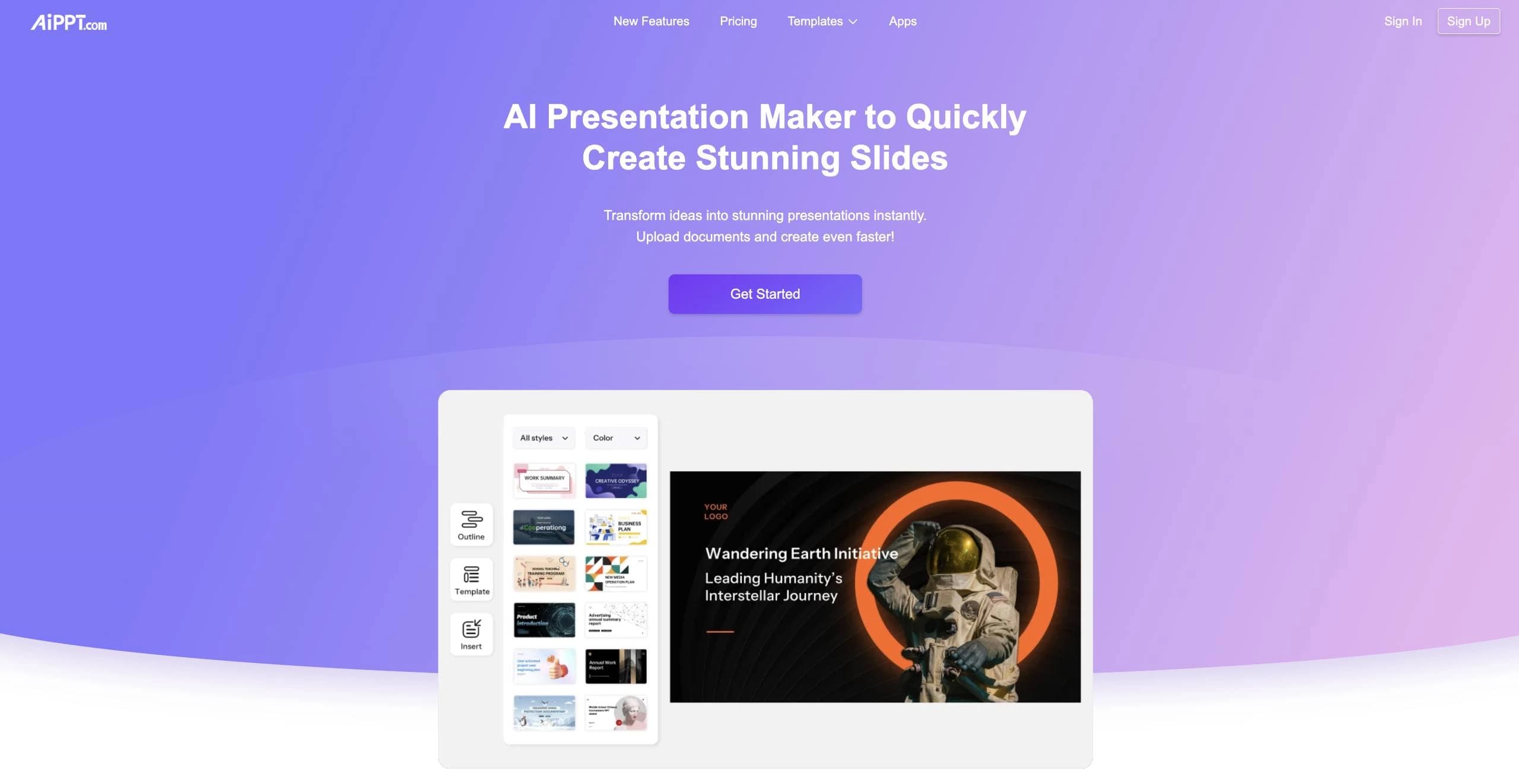

Online service with artificial intelligence that automatically creates presentations on a given topic.
AllChat is a universal platform that combines several popular language models in a single interface for communication, image generation, file analysis, and code execution.
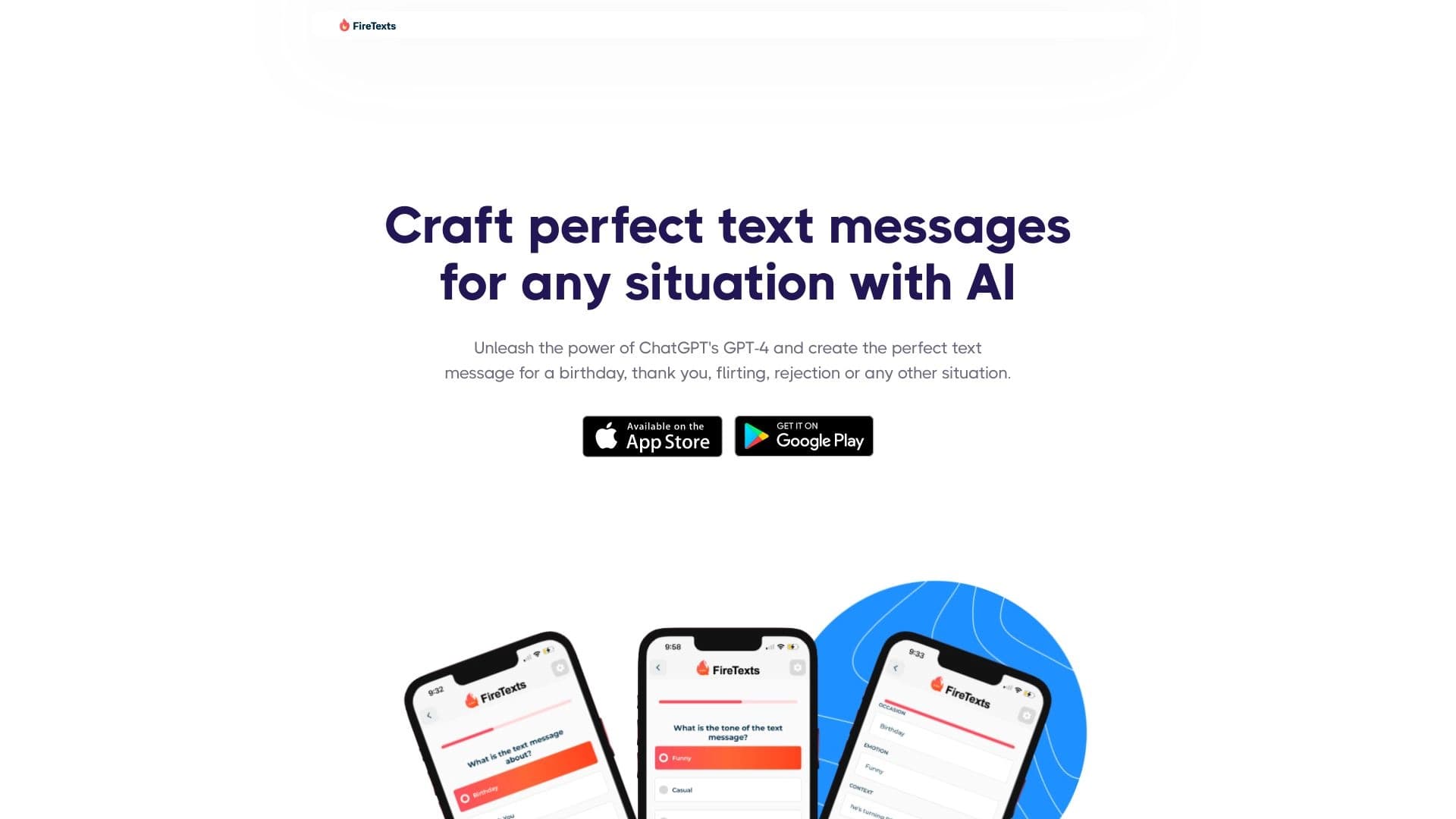

AI-powered mobile app that helps you find the right words for different life situations in your correspondence.
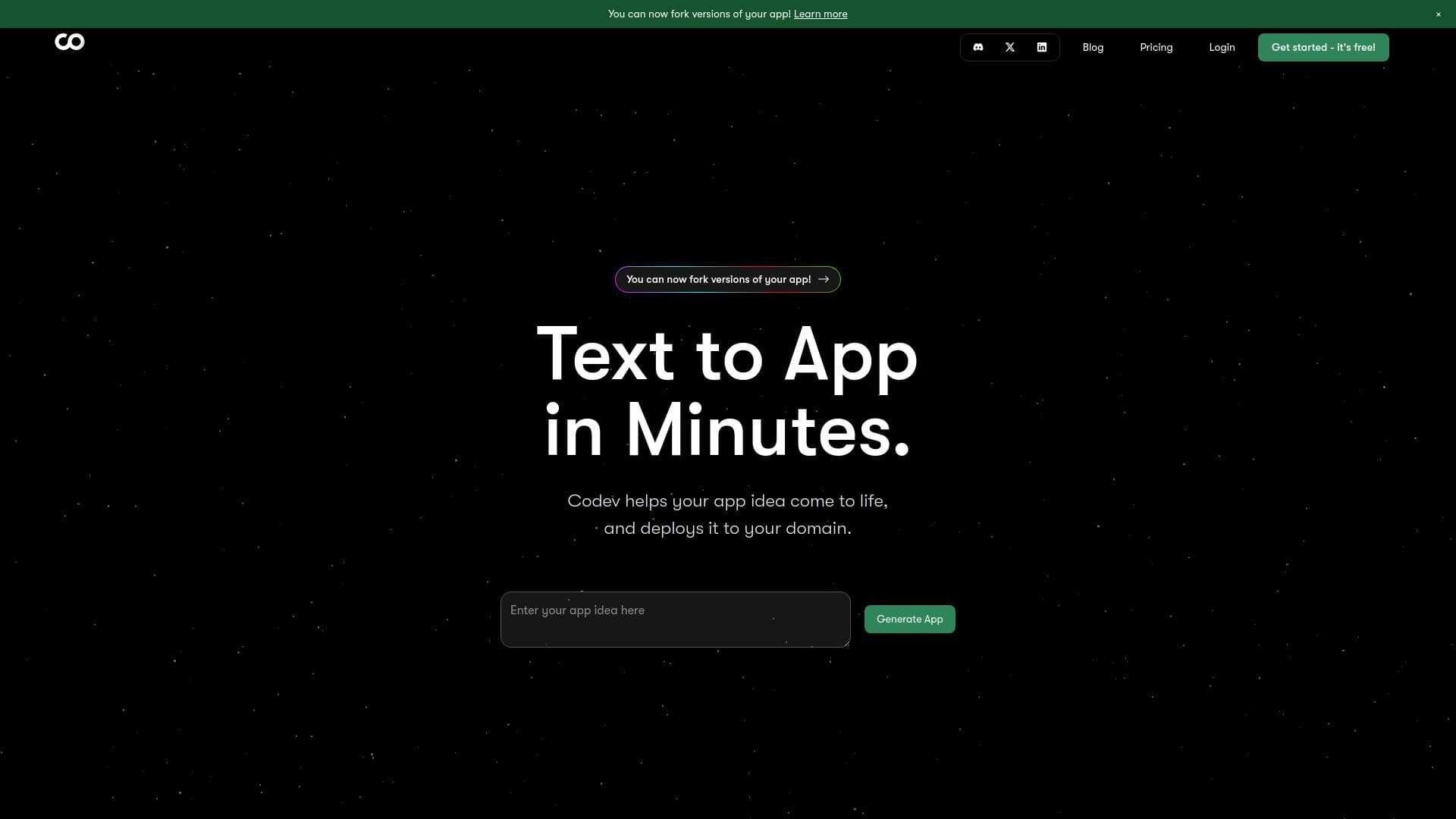

AI agent for assisting with programming and optimizing the development workflow.
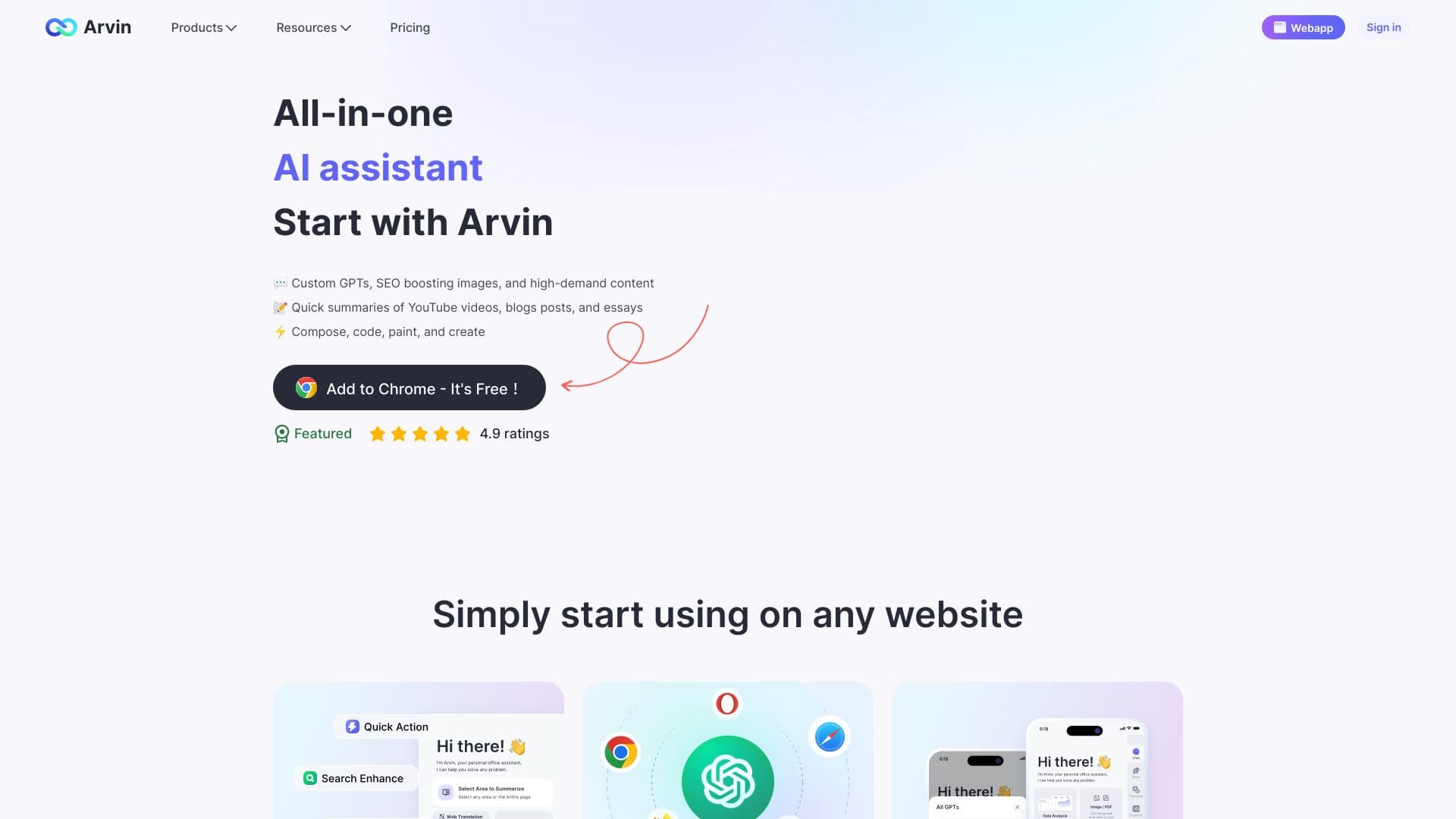
Browser extension and web service with AI assistant features: answering queries, summarizing videos and documents, and translating text.
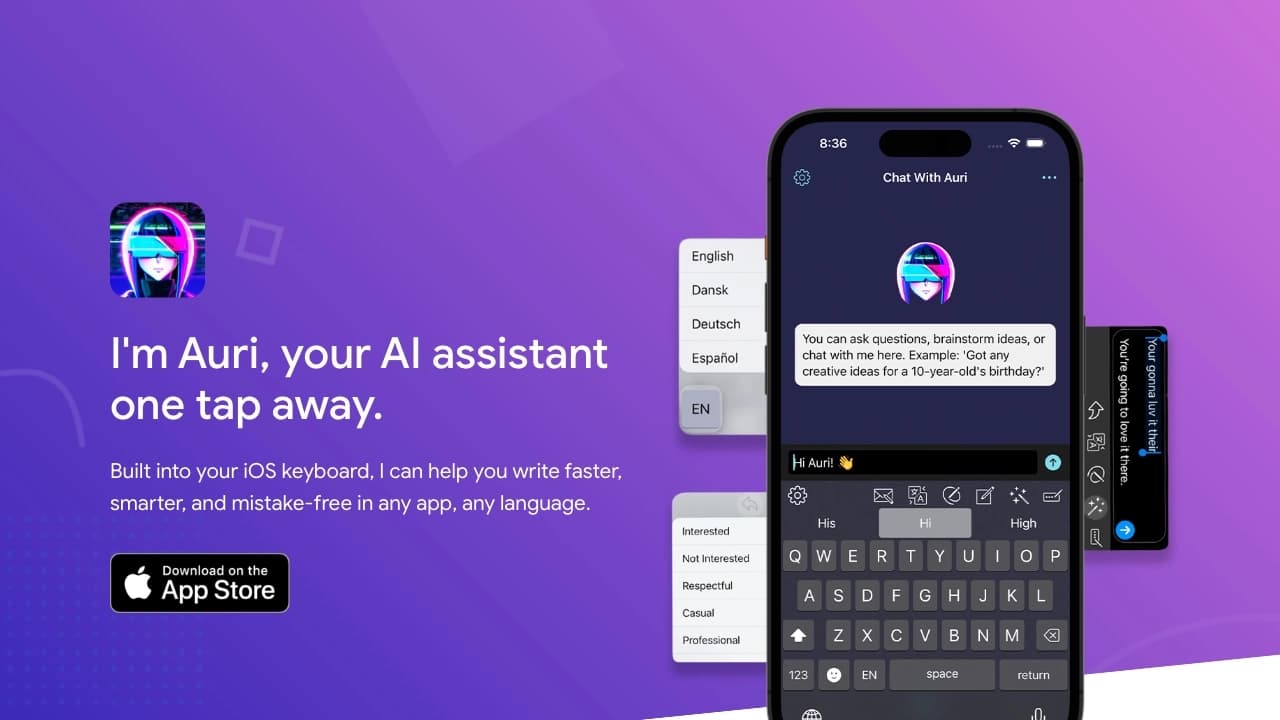
AI keyboard for Apple devices that speeds up typing with corrections, translation, and response generation.
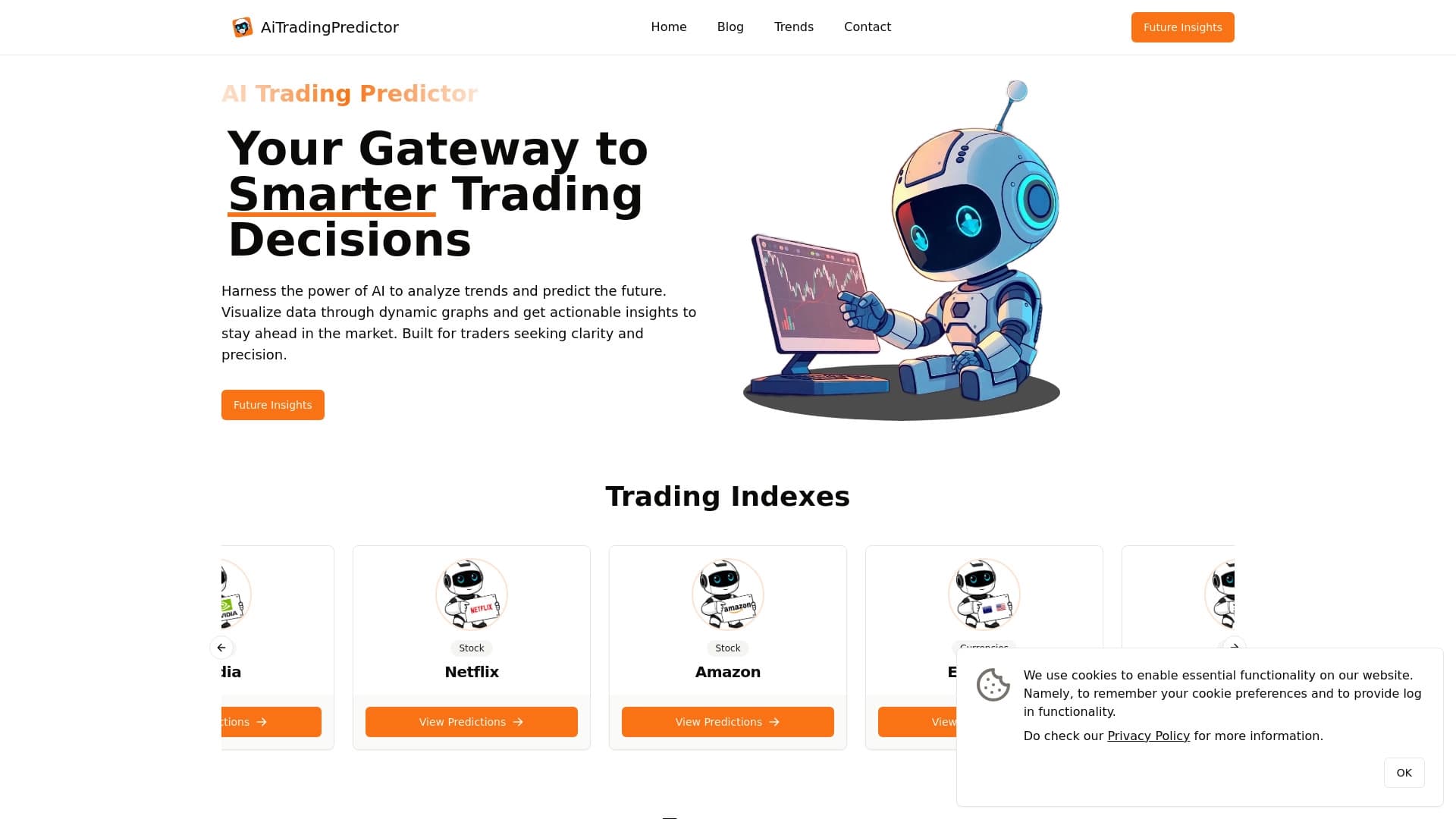
Free AI service for forecasting price movements of stocks, cryptocurrencies, and commodities.

AI-powered toolkit for optimizing workflows and boosting productivity.