

Albus
Albus is an AI platform for creating and managing a knowledge base with visual boards and semantic search.
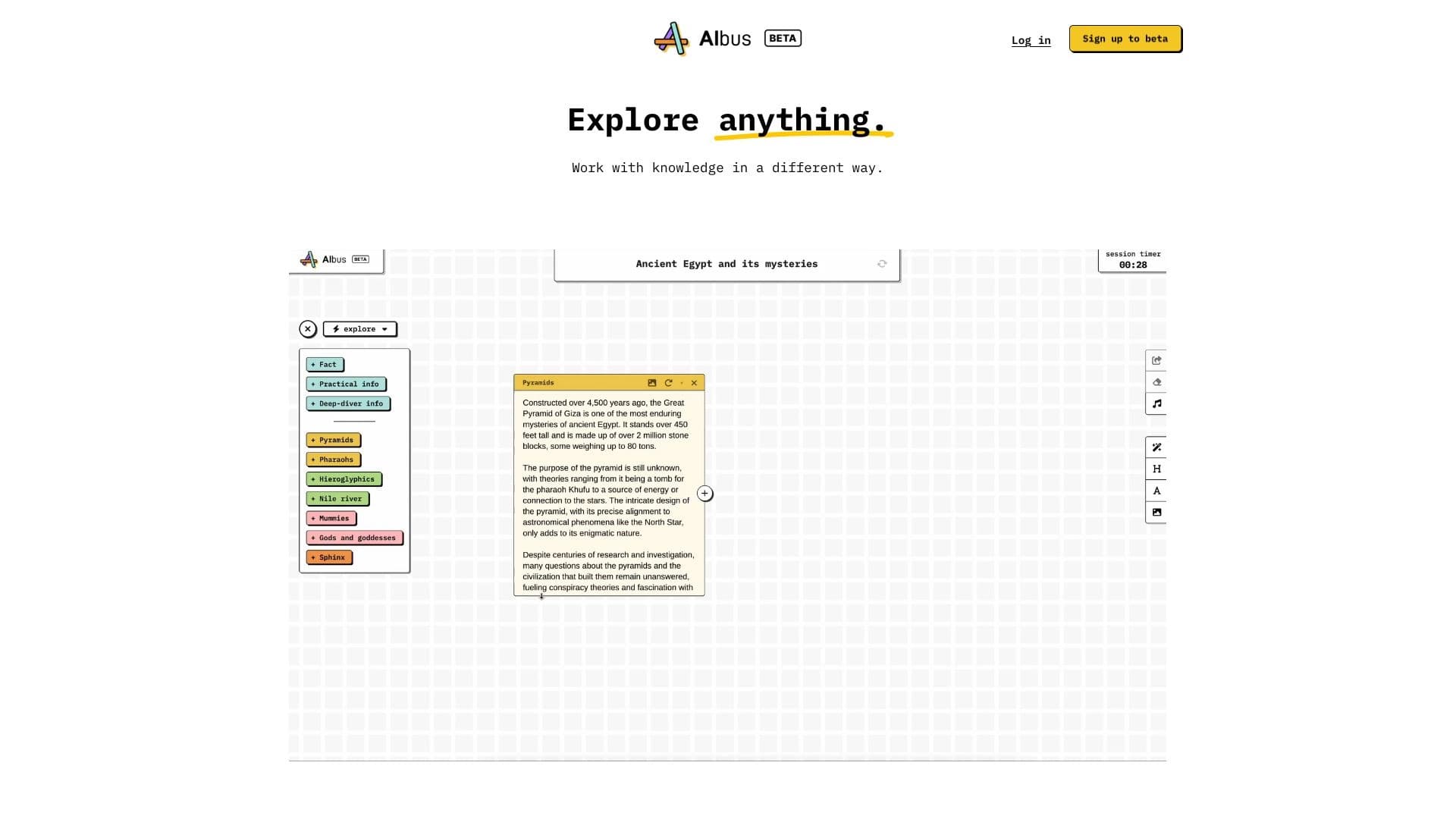
Overview
Albus AI Description
Albus is an AI platform that combines search, visual information structuring, and knowledge base management. Depending on the use case, the service can act as an interactive whiteboard for idea collection or a corporate cloud space for centralized document storage.
The platform is built on ChatGPT technology, which automatically analyzes uploaded materials, establishes semantic connections between them, and groups them by topic. Users can upload PDF files, images, audio, text documents, and web pages — the system automatically sorts them by meaning and creates a structured knowledge library.
The built-in semantic search deserves special attention. It works exclusively on the user's own knowledge base, providing accurate answers with links to source documents and avoiding so-called "hallucinations" — fabricated or unreliable data that is common in regular AI assistants.
Albus Features
| Feature | Value |
|---|---|
| Type | Cloud AI space for knowledge bases / AI platform for content generation and editing / Application |
| Categories | Knowledge base creation tools, Knowledge maps, Knowledge management, Text content generators, AI Files, AI Forms |
| Developer | Albus Technologies Limited |
| Technology | ChatGPT, GPT-4, SDXL, DALL-E |
| Distribution model | Freemium (free tier + paid subscriptions) |
| Free tier | Yes (Free starter: 10 files, basic AI models) |
| Paid tier from | 20 USD per month (Albus Pro) |
| Platforms | Web, Android, iOS, macOS, Windows |
| Integrations | Google Drive, Notion |
| Monthly visits | 10.8K — 57.1K (according to various sources) |
| Date added to catalogs | June 16, 2024 |
Who is Albus AI for?
For businesses and teams
Albus is designed for companies that want to centralize their internal knowledge. The platform allows storing regulations, internal documents, training materials, and other corporate information in a single cloud space. The system scales as the team and data volume grow without losing performance.
For researchers and students
Thanks to semantic search and visual whiteboards, Albus is convenient for conducting research, preparing reports, and academic projects. The platform helps gather information on a topic from different perspectives and then structure it in a visual format.
For content creators
Albus is suitable for generating and editing content: text, images, and audio. The platform uses multiple AI models (GPT-4, SDXL, DALL-E), making it useful for artists, marketers, educators, and knowledge workers.
How to use Albus AI?
Getting started
To use Albus, you need to register or log in to your account on the www.albus.org website or in the app. The free tier does not require entering a bank card. After registration, the user gains access to the platform's core functionality.
Creating topic whiteboards
The main workflow is as follows: enter a query topic, and Albus creates an interactive idea whiteboard. This whiteboard can be edited — move elements, add notes and images. The platform automatically groups materials by topic, helping you see the subject from different angles.
Content generation
The second scenario involves selecting a content type (image, audio, text), entering a topic or title, after which AI models generate the result. The finished material can be edited, saved, exported, or shared with colleagues. Whiteboard sharing is available for team collaboration.
Key Albus Features
Interactive whiteboards and visualization
The platform allows creating topic whiteboards for collecting notes, pictures, and ideas. Materials are automatically grouped by meaning, allowing users to observe the knowledge structure in a visual format. Whiteboards can be used for brainstorming, preparing presentations, and structuring notes.
Semantic search and file handling
Albus automatically indexes uploaded files (PDF, audio, images, text documents, web pages) and establishes semantic connections between them. The built-in "hallucination-free" AI engine works on the user's own knowledge base and vector database, providing accurate search results with links to sources.
Content generation and editing
The platform supports image generation (SDXL, DALL-E models), audio and text material creation (GPT-4). Editing of already created content, document management, and integration with Google Drive and Notion are available. There are also no-code tools for creating search engines and assistants.
Albus Advantages
A broad view of the topic
Albus helps you see the researched topic more broadly, revealing unexpected details and semantic connections between disparate materials. This is especially useful at the information gathering stage, when it's important to consider the issue from different perspectives.
Accurate answers without hallucinations
Unlike many AI assistants, the built-in semantic search engine works only on the user's own knowledge base. This guarantees answer accuracy and links to source documents, which is critical for corporate use.
Convenient information organization and integrations
Notes, images, and blocks are easily sorted without manual settings. The platform automatically structures files upon upload. Integration with Google Drive and Notion simplifies document management, and cloud access allows working from any device.
Albus Disadvantages
Quality of information sources
The quality of information Albus provides when searching open sources sometimes falls short — outdated or inaccurate content can appear. The system may also run slower on large data volumes.
Customization and transparency limitations
Albus does not have open source code, which limits customization and transparency options for technical specialists. Additionally, there is little public information about specific data privacy terms and offline capabilities.
Lack of personalization
The platform does not provide personalized recommendations based on the user's interests or knowledge level. Additionally, professional tier pricing may be high for small businesses and individual users.
What tasks does Albus solve?
Information gathering and structuring
Albus performs rapid information collection on a topic from different perspectives, automatic indexing, and structuring of disparate files. This helps turn chaotic materials into an organized knowledge library that is easy to use.
Presentation preparation and visualization
The platform allows quickly creating and presenting ideas for presentations without complex settings. Visual whiteboards can be used for reports, academic projects, and marketing materials.
Collaboration and knowledge sharing
Albus is suitable for brainstorming, idea generation, and sharing results with colleagues. Companies use the platform to centralize internal documents, regulations, and training materials, as well as to create educational content and research notes.
Albus Pricing
Albus operates on a freemium model: the basic version is available for free, and expanded capabilities are unlocked with paid plans. Pricing plans may vary depending on the region and data source.
International plans:
- Free starter (0 USD) — 10 files, basic AI models, basic audio and image generation.
- Albus Pro (20 USD/month) — 1000 files, advanced models, 60 minutes of audio, 200 image generations, web search, conversation modes, and canvas.
- Albus Max (50 USD/month) — 5000 files, reasoning models (OpenAI-o1, Deepseek-R1), 120 minutes of audio, 300 image generations, all Pro features.
Albus Terms of Use
Registration is required to use the platform. The free tier does not require entering a bank card. Users get access to files, audio and video generation with limits set according to the selected plan.
Albus supports uploading PDF files, audio, images, text documents, and web pages. The number of processed files and access to advanced AI models are limited by the plan. A stable internet connection is required to use the service, as the platform is a cloud solution.
Albus Availability
The platform is available via the website www.albus.org and supports multiple platforms: Web, Android, iOS, macOS, and Windows. The service operates globally — users include the USA, India, the UK, Colombia, and Hong Kong.
The page interface is in English. There is no data on the availability of an official Russian-language localization in the source materials. Despite the lack of explicitly provided links to mobile apps or extensions, the stated support for Android and iOS allows using the service on smartphones and tablets.
How Albus differs from alternatives
The main difference between Albus and most similar AI tools is the combination of multiple functions in one platform. Unlike narrowly specialized solutions (e.g., Leadtex, Botpress, or Aimylogic, focused on chatbot creation, or OpenAI, Jasper, Canva, which primarily work with content generation), Albus combines:
- Semantic search across your own knowledge base — unlike alternatives (Mem, Microsoft IQ), Albus emphasizes a "hallucination-free" AI engine that works only on uploaded documents and provides accurate answers with cited sources.
- Visual interactive whiteboards — this feature brings Albus closer to mind-mapping tools (knowledge maps), but adds automatic grouping of materials by meaning without manual sorting.
- Multimodality — simultaneous work with text, images, and audio through multiple AI models (GPT-4, SDXL, DALL-E) sets Albus apart from competitors, many of which specialize in only one content type.
- No-code tools — the ability to create search engines and assistants without programming distinguishes Albus from more "technical" platforms like Microsoft Fabric or Microsoft Foundry.
Conclusion
Albus is a multifunctional AI platform that combines search, visual information structuring, and content generation capabilities. The service suits various scenarios: from individual exploration of new topics using interactive whiteboards to creating corporate knowledge bases with semantic search. Key advantages include automatic file indexing, accurate answers with source links, and integrations with Google Drive and Notion. At the same time, users should consider potential inaccuracies in open sources, the lack of personalization, and the relatively high cost of professional plans. Overall, Albus is a practical solution for those who value fast knowledge organization and clear information visualization.
Pricing
Frequently asked questions
See also

Generator of personalized invitation texts and designs for various events.

Diagram and chart generator from uploaded data based on a natural language text description.

A platform for chatting with virtual AI characters that you can create and customize to suit yourself.
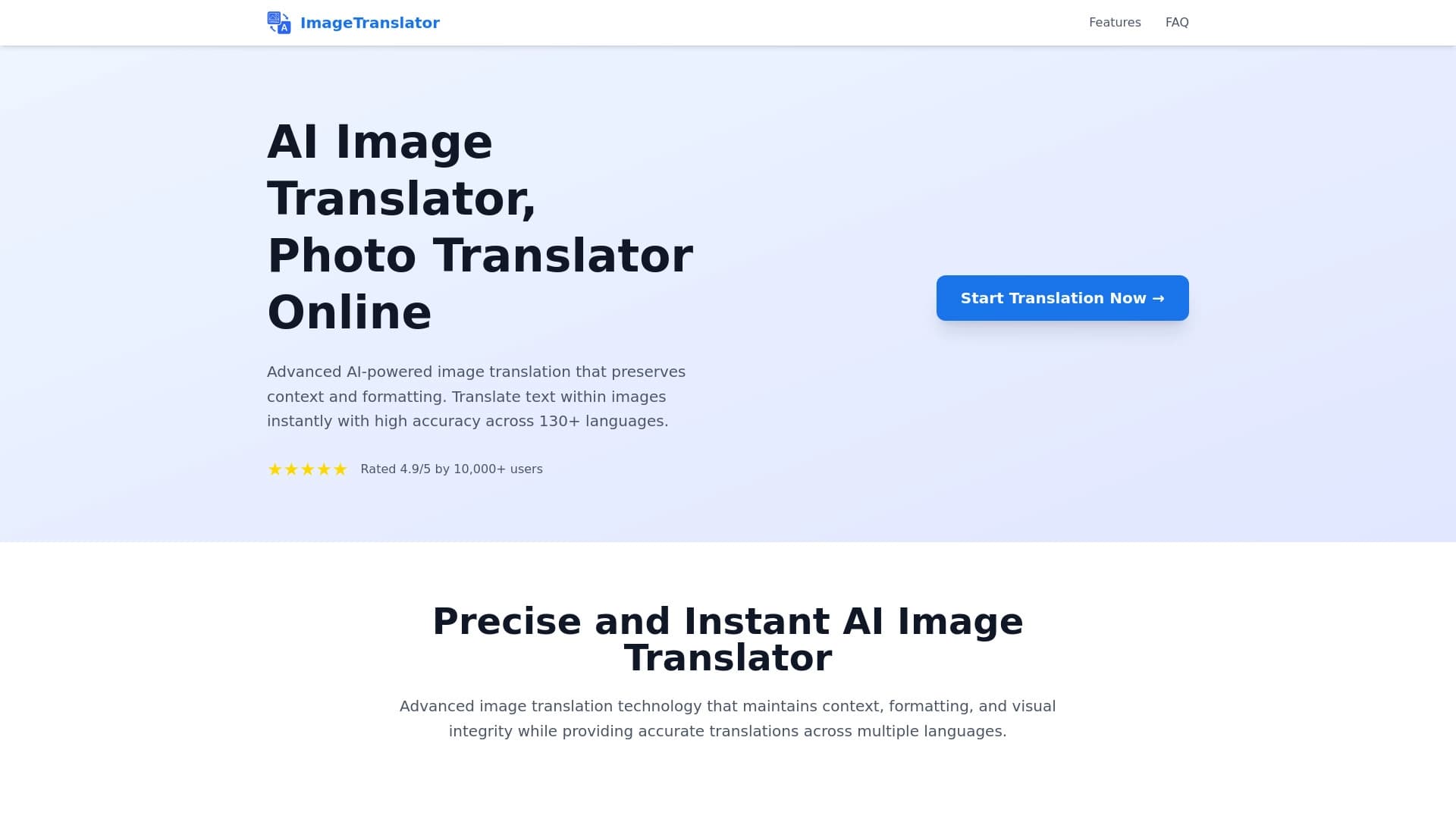
Tool for translating text directly in images while preserving the original design.
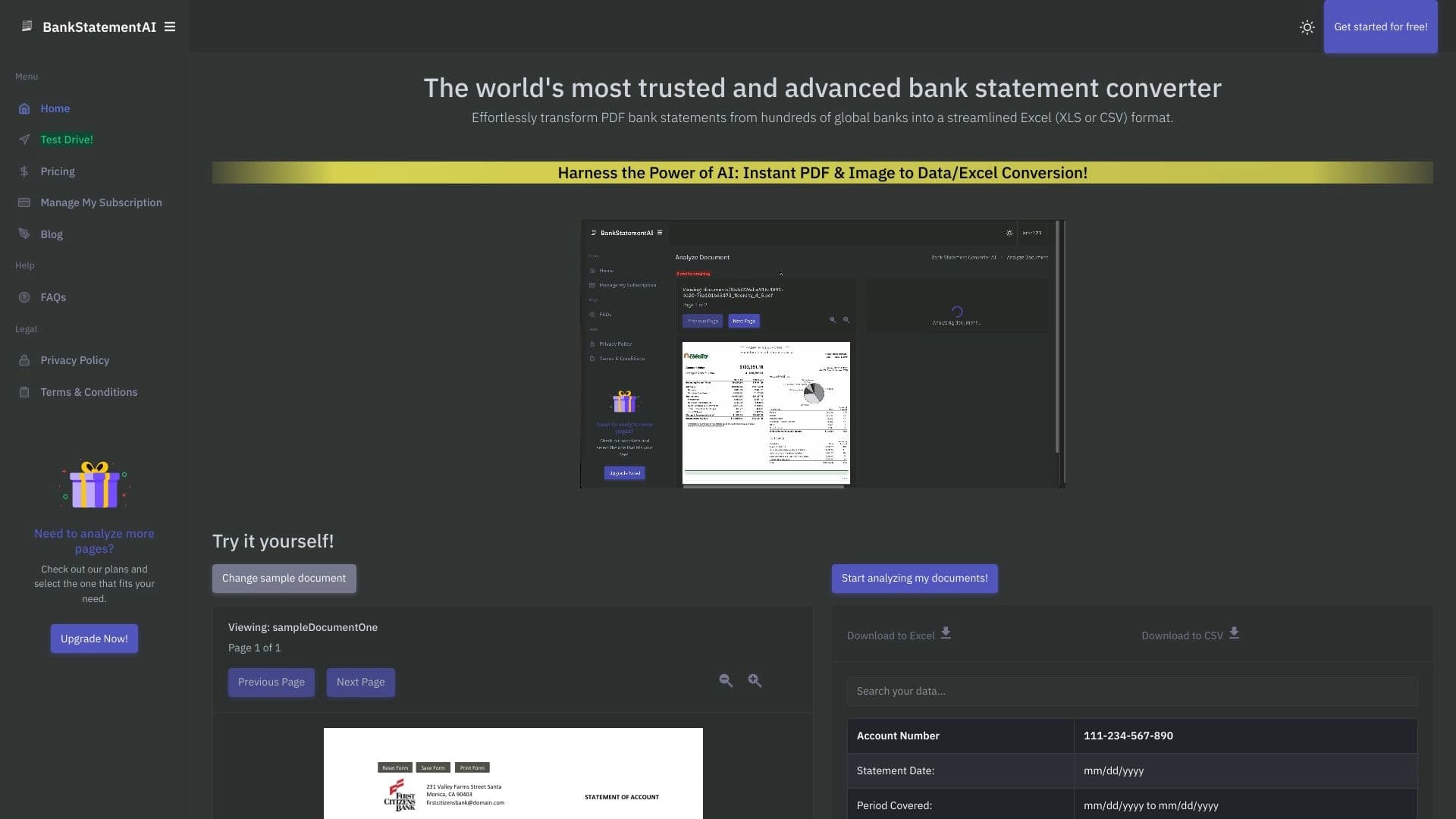
AI-powered online service that automatically converts bank statements from PDF into structured CSV files.

An online service that recognizes text on manga and manhwa pages, translates it into different languages, and embeds it back into the image without damaging the original artwork.
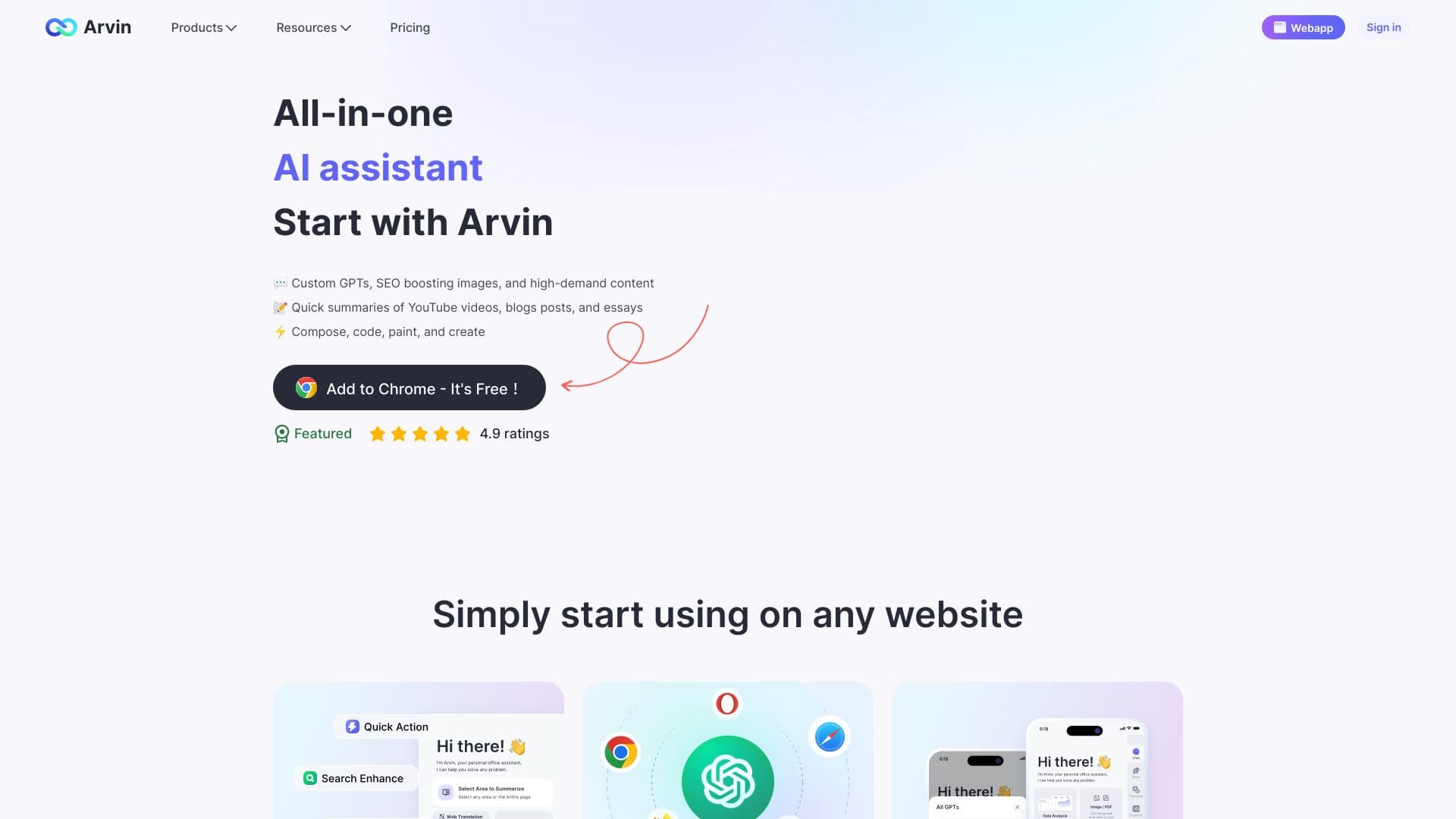
Browser extension and web service with AI assistant features: answering queries, summarizing videos and documents, and translating text.

Platform for automated geospatial analysis of satellite imagery and geographic data.