
3D from text: low-res point clouds
Generates 3D point cloud models from text descriptions.
Overview
3D from text: low-res point clouds is an experimental neural network-based tool that lets you create three-dimensional objects from a plain text description. Unlike complex industrial solutions, this model doesn't generate full textured meshes — instead, it produces low-resolution point clouds.
The model works by interpreting your query and visualizing the resulting data as a set of points in three-dimensional space. It's more of a research prototype that demonstrates the capabilities of modern generative algorithms. Access is provided through the Google Colab computing environment, so you can run the neural network right in your browser without installing additional software or configuring an environment.
As the name suggests, the output is limited to low resolution (low-res), so the final models look fairly abstract — but the core task of generating 3D from text is handled correctly.
Characteristics of 3D from text: low-res point clouds
| Characteristic | Value |
|---|---|
| Output type | Point cloud |
| Input data | Text description of an object (prompt) |
| Detail quality | Low resolution (low-res) |
| Runtime environment | Google Colab (web interface) |
| Access type | Open / Free |
| Installation required | No, works through the browser |
| Distribution model | Free |
Who is 3D from text: low-res point clouds for?
This tool is unlikely to interest professional 3D artists or studios working on commercial projects with high quality requirements. However, it can be useful for several other categories of users.
ML developers and researchers
For machine learning specialists, the tool is interesting as an accessible example of a generative model implementation for 3D space. The ability to quickly run code in Colab and see the result from the inside makes it a convenient starting point for experiments.
Students and enthusiasts
Those studying content generation technologies or taking their first steps in data science will find it fascinating to see how a neural network translates language into spatial coordinates. It's a hands-on demonstration of AI capabilities without needing to dig into complex math.
Creative professionals for sketches
Designers or concept artists can use the tool to quickly generate rough ideas and shapes. The resulting point cloud can serve as a reference for further manual refinement or simply for brainstorming.
How to use 3D from text: low-res point clouds
The workflow is fairly simple and boils down to a few steps, since everything happens inside a Google Colab notebook.
Step 1: Launch the notebook
Navigate to the Google Colab link where the model is hosted. Since it's a cloud environment, you'll need to sign in to your Google account. To get started, create a copy of the notebook in your account or run it directly.
Step 2: Set up the environment
Before generation, run the cells that connect computing resources (ideally select GPU for faster performance) and install all required libraries. This usually happens automatically when you run the cells, but it may take some time.
Step 3: Enter a text prompt
In the appropriate field or cell, enter a description of the object in English, for example "a red chair" or "a wooden table". The accuracy of the description affects how well the model understands the task.
Step 4: Generate and view the result
Run the execution cell and wait for the process to finish. The output will be a visual representation of the generated point cloud that you can rotate and examine.
Key features of 3D from text: low-res point clouds
The tool's functionality is limited by its research-oriented nature, but it does accomplish the key task of generating 3D from text.
Shape generation from description
The neural network can interpret text prompts and create an abstract three-dimensional structure matching the request. This includes parameters such as approximate shape (round, sharp, flat) and object class (chair, car, building, and so on).
Point cloud visualization
The tool doesn't just output data — it also provides visualization capabilities right in the notebook. This lets you evaluate the result before deciding to download or use it.
Exporting results
Although the main goal is demonstration, the model allows you to obtain an array of point coordinates. This data can be saved and used in third-party software for mesh reconstruction or scientific purposes, though the level of detail will be low.
Advantages of 3D from text: low-res point clouds
Despite its simplicity, this tool has several strong points.
Low barrier to entry
No need to install heavy software, pay for licenses, or own a powerful computer — everything runs through the browser thanks to Colab.
Completely free access
The tool is distributed under a Free model, making it accessible to anyone, including students and hobbyists.
Educational value
The model is great for learning how generative neural networks work and how 3D data (point clouds) is represented. The notebook code is open for study.
Disadvantages of 3D from text: low-res point clouds
It's important to understand the limitations imposed by the format and model architecture.
Low geometry quality
The result is a rough point cloud. It's not suitable for professional 3D graphics, games, or 3D printing due to the lack of a polygonal mesh and high detail.
Sensitivity to descriptions
The model may misinterpret complex queries, confuse attributes, or generate outright abstract noise if the description is too vague or contains rare concepts.
Technical skills required
Working in the Colab environment assumes at least a basic understanding of how to run cells and how the environment works. For a beginner unfamiliar with programming, the process may feel unfriendly.
What problems does 3D from text: low-res point clouds solve?
The tool fills the niche of rapid prototyping and experimentation, not industrial production.
Quick reference generation
If you need a rough silhouette of an object for inspiration without leaving your desk — this is an ideal option. Generation speed is significantly higher than manual modeling.
Demonstrating AI capabilities
The tool serves as a clear example of how modern algorithms understand natural language and translate it into non-trivial data formats.
Learning and research
For students and graduate students, it's a ready-made base for studying the 3D generation process, as well as an opportunity to test the model on their own text prompts without writing code from scratch.
Pricing for 3D from text: low-res point clouds
The tool is completely free. This means no subscription, no credit card details, and no payment procedures are required to access its functionality.
The only potential costs are internet traffic and, if you're working within Colab's limits, possibly purchasing a paid Colab Pro plan to speed up computations — but this is not required for basic use.
Terms of use for 3D from text: low-res point clouds
Since the tool is distributed through Google Colab, it is subject to Google's service usage policies.
Account requirements
You'll need to sign in to your Google account to run it. This is standard procedure for all Google services.
Cloud environment limits
The free version of Colab imposes limits on continuous computation time and API usage. If you work too long or too actively, the session may be interrupted by the system. You can use the paid Colab Pro version to lift these restrictions, but the tool itself remains free.
Availability of 3D from text: low-res point clouds
Access to the tool is provided through a web application, so it works on any device that supports a modern browser: desktop computers, laptops, and tablets.
There are no regional restrictions, but a stable internet connection is required since all computations happen on Google's remote servers. Smartphones and tablets will also work if their browser fully supports the Colab web interface, though keyboard-based control on desktop will be more convenient.
How 3D from text: low-res point clouds differs from alternatives
The main difference between this tool and most commercial solutions is its openness and research-oriented nature.
Data format
Instead of the familiar polygonal mesh (OBJ, FBX), the tool outputs a point cloud. This makes it closer to scientific development than to utilitarian designer software.
Accuracy and detail
While models like Point-E also generate point clouds, this one focuses on the most simplified demonstration possible. Object recognition accuracy is lower than with heavier neural networks trained on massive datasets.
Technical accessibility
While alternatives may require downloading large model files (weights) and setting up a Python environment locally, this tool is packaged in Colab, saving users from about 90% of installation and configuration compatibility issues.
Conclusion
3D from text: low-res point clouds is an interesting example of fast, primitive 3D object generation from a text query. It's not a competitor to professional 3D modeling packages and isn't suitable for creating production-ready content, but it excels as a free research tool. It will be useful for developers looking to explore the technology, students running educational experiments, and anyone who wants to quickly and easily "get a feel" for modern generative AI without complex setup or costs.
Frequently asked questions
See also
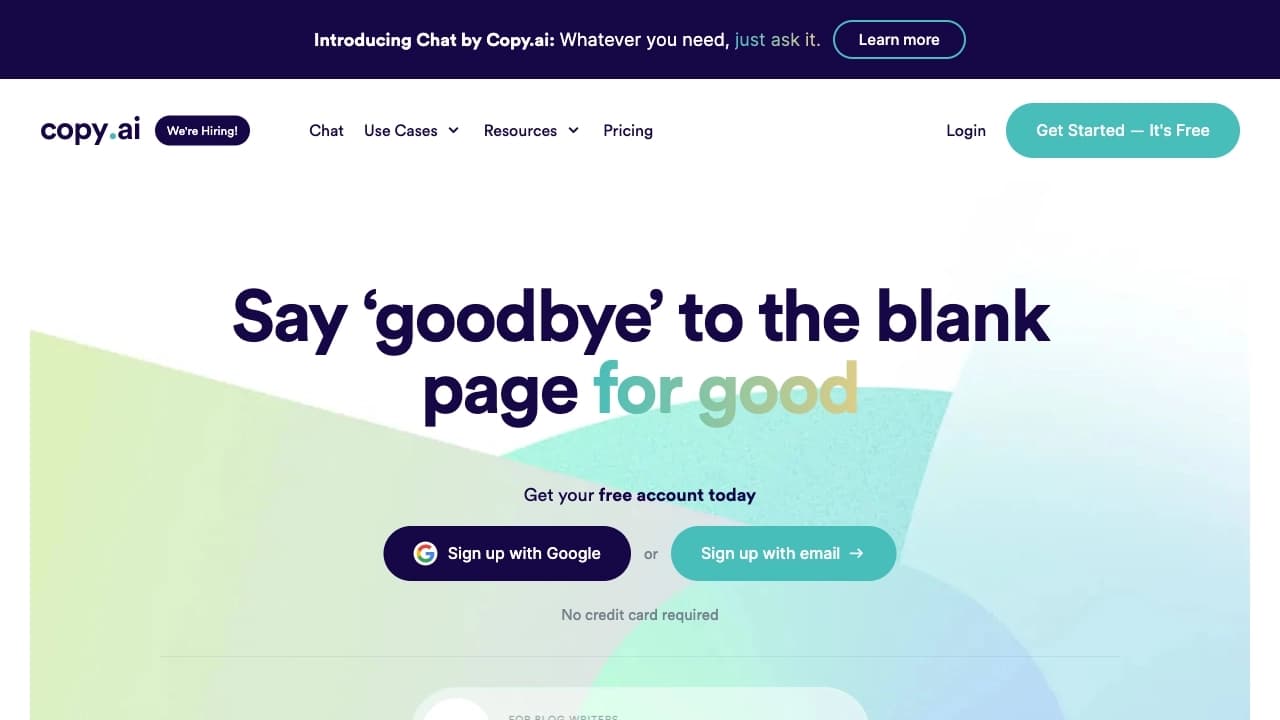

AI-based service for automatic generation of text content in various formats.

AI agent for automating routine browser actions, such as filling out forms and collecting data.
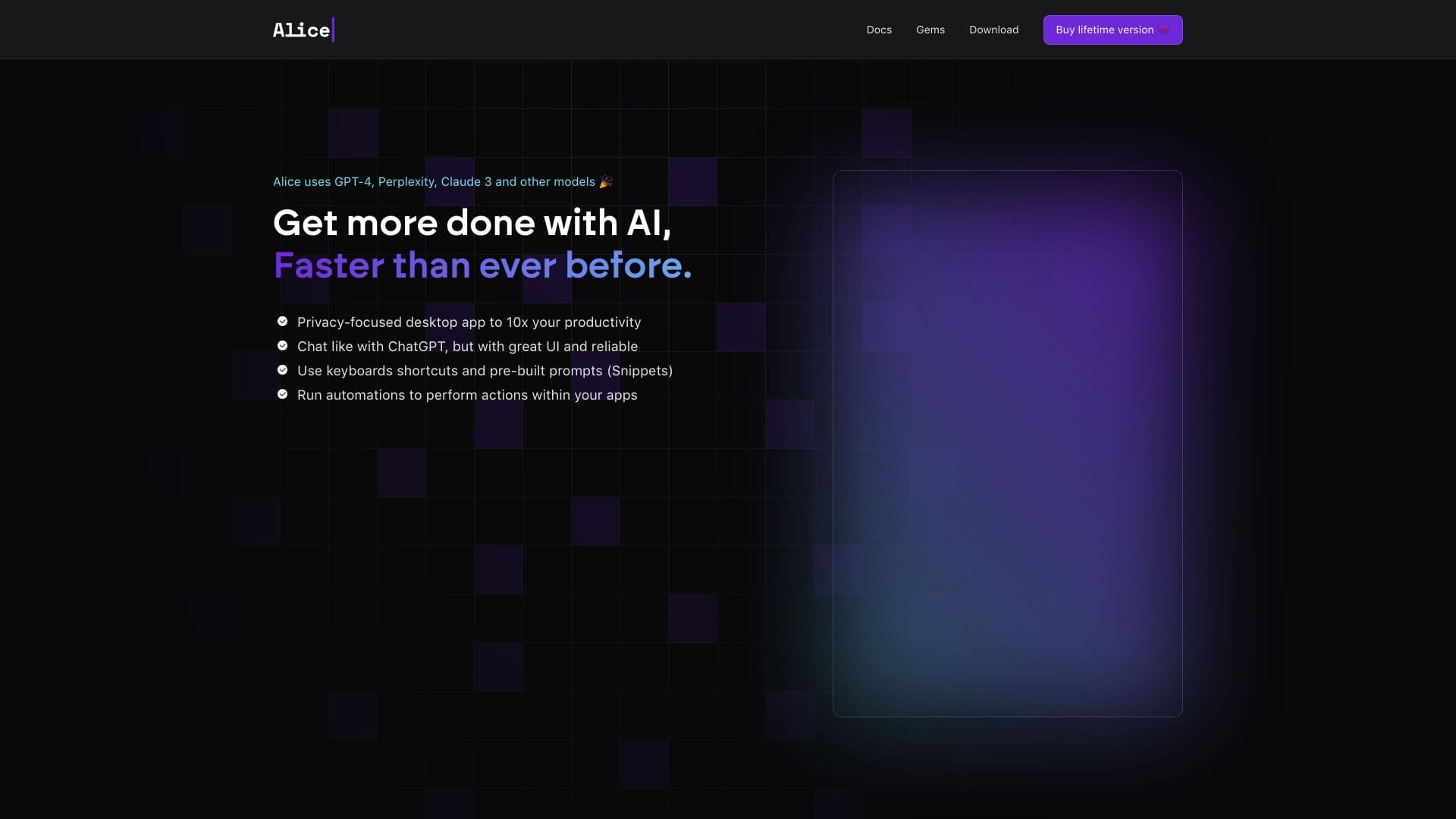

Desktop AI assistant for macOS, Windows, and Linux that launches via hotkey above all windows and combines multiple language models in one interface.
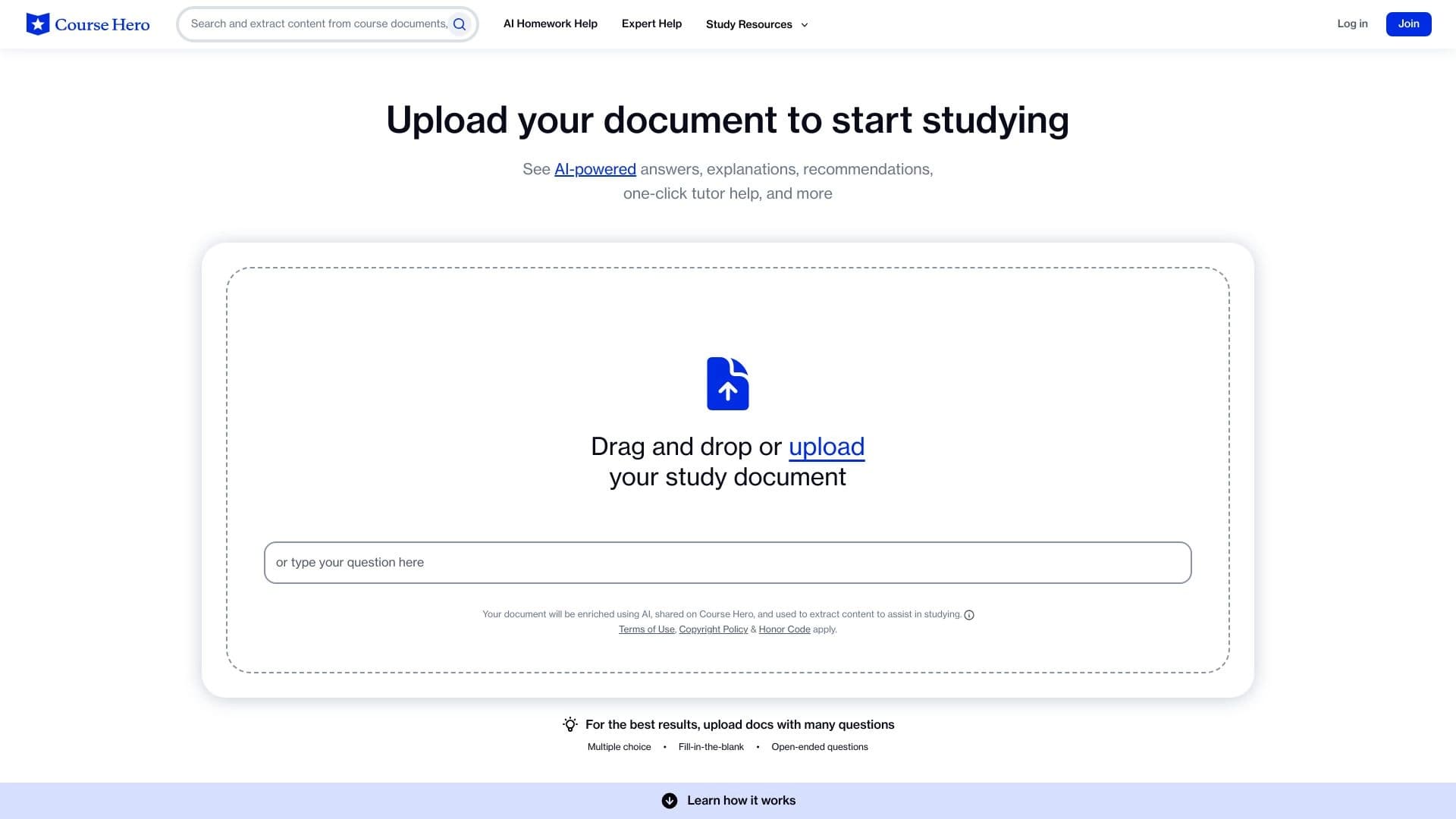
AI assistant that analyzes uploaded study documents, identifies questions, and provides detailed explanations.


A platform for chatting with virtual AI characters with image generation during the conversation.
A tool for creating diagrams and mind maps from text descriptions in natural language.

AI service for automatically selecting music to match the mood of videos, images, or text, with legal licenses.
Unofficial API access to Suno AI for music generation and integration into applications.