

Suno AI Bark
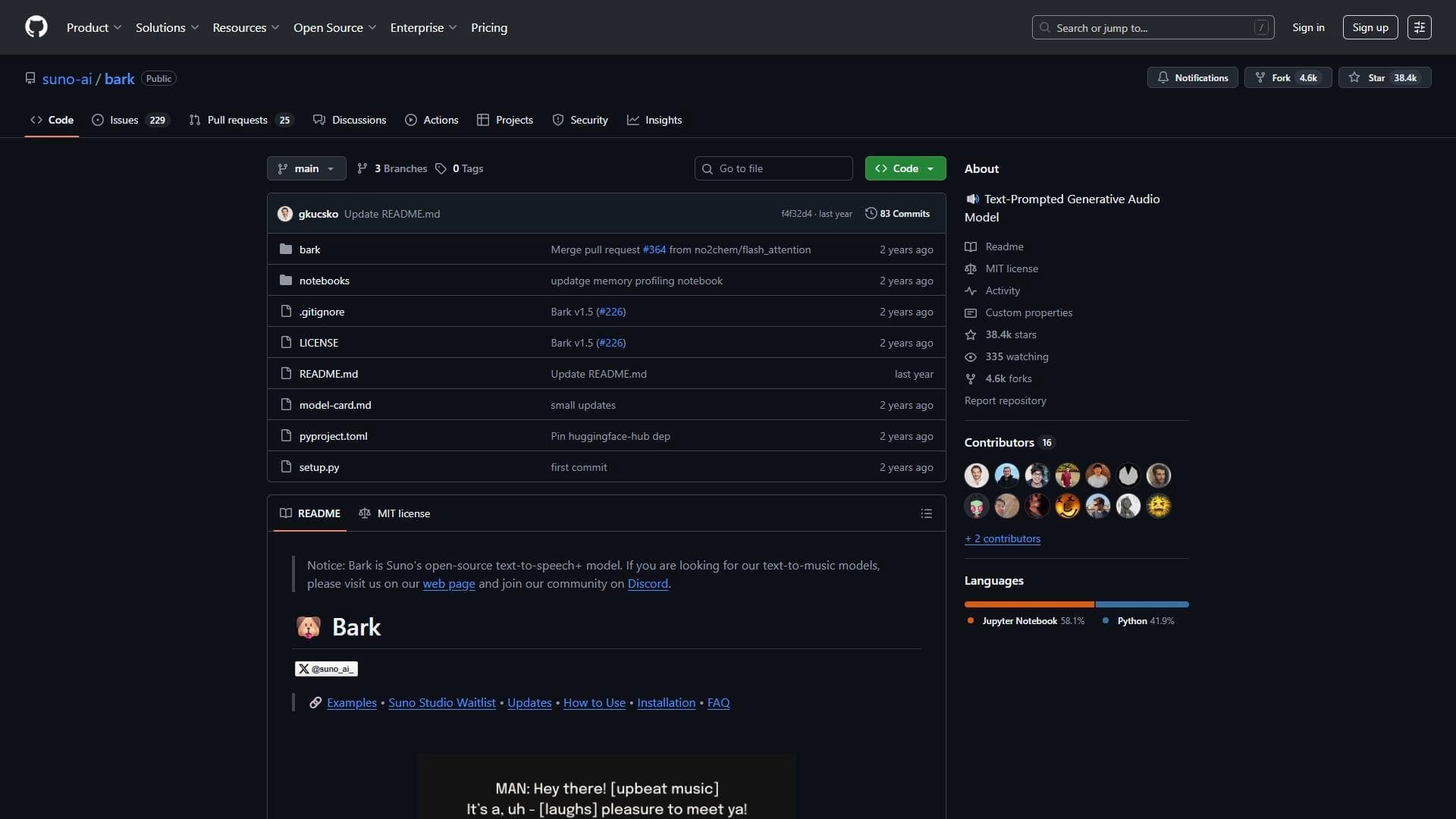
This is an open-source generative audio model for text-to-speech, music, and sound effects.
Overview
Suno AI Bark
Description of the Suno AI Bark neural network
Suno AI Bark is an open-source generative audio model developed by Suno for converting text into speech, music, and sound effects. Unlike traditional TTS systems, Bark generates audio directly from text without using phonemes. This allows the model to convey emotions, laughter, sighs, and other nonverbal sounds, creating a more natural and lively audio track. The model is based on the transformer architecture and is available through a GitHub repository and the Hugging Face Transformers library in Python.
Suno AI Bark characteristics
| Characteristic | Value |
|---|---|
| Type | Generative audio model |
| Categories | Voices and voiceover, Sound effects |
| Platforms | GitHub, Hugging Face Transformers library (Python) |
| Interface languages | English (primary), support for multiple languages |
| Free tier available | Yes (open source) |
| Payment model | Free |
| License | Open source |
| Date added | 13.05.2025 |
Who is Suno AI Bark suitable for?
Developers and integrators
The Bark model is of interest to developers working on integrating voice features through Python and the Hugging Face Transformers library. It is suitable for prototyping voice assistants and creating audio interfaces. Working with the model requires a modern graphics card with sufficient VRAM.
Content creators
Suno AI Bark can be used to voice videos, generate music tracks, and create background noise. It is suitable for those who want to quickly produce audio material from text without hiring voice actors or sound engineers. The model delivers the best results in English, but it also supports other languages.
Game development and sound design
Game developers can use Bark to generate character dialogue, atmospheric sounds, and simple sound effects. This helps speed up the process of prototyping audio content for projects.
How to use Suno AI Bark?
Technical requirements
The model requires a modern graphics card with sufficient video memory. The model is distributed as open source and is supported by the research community. Integration is done through Python using the Hugging Face Transformers library.
Recommendations for use
When creating audio content, it is recommended to choose short, clear text prompts and then check the results against the request. For complex tasks and higher-quality results, English is preferable because it is implemented better than other languages. Documentation and community support are available on GitHub and Discord.
Key features of Suno AI Bark
Realistic speech generation
The model converts text into speech, reproducing intonation and emotional coloring. This sets it apart from traditional TTS systems, which often sound mechanical.
Creating music and background noise
Bark can generate music, background noise, and simple sound effects directly from a text description. This allows creating audio accompaniment for various projects without using additional tools.
Reproducing nonverbal sounds
One of the key features is the ability to convey emotions and nonverbal sounds: laughter, sighs, crying. This makes the audio more natural and human.
Multi-language support
The model supports multiple languages, but the best results are achieved in English. Multilingual speech generation makes it possible to create audio content for an international audience.
Advantages of Suno AI Bark
- Open source — the model is freely available and can be modified for specific tasks
- Direct audio generation from text — the absence of phonemes allows conveying emotions and nonverbal sounds
- Versatility — one model combines TTS, music generation, and sound effects
- Support from the research community — the model is used to advance text-to-audio technologies
Disadvantages of Suno AI Bark
- High hardware requirements — a modern graphics card with sufficient VRAM is required
- Uneven language quality — English is implemented significantly better than other supported languages
- Difficult for unprepared users — integration requires skills in Python and the Hugging Face Transformers library
What tasks does Suno AI Bark solve?
Voiceover and audio production
The model makes it possible to create voiceovers for videos, audiobooks, and podcasts without hiring professional voice actors. It also generates background noise and sound effects for films, TV shows, and video games.
Technical and research tasks
Bark is used for prototyping voice assistants, developing assistive technologies for people with speech impairments, and improving text-to-speech conversion methods.
Suno AI Bark pricing
The Suno AI Bark model is distributed free of charge under an open-source license. There are no paid plans or subscriptions. Users only pay for their own hardware and electricity costs when running the model on a local machine.
Terms of use for Suno AI Bark
The model is open source and available on GitHub in the suno-ai/bark repository. To use it, a modern graphics card with sufficient VRAM is required. The license allows the model to be used for research and commercial purposes, but the exact terms must be checked in the project repository.
Availability of Suno AI Bark
The tool is available through a GitHub repository and the Hugging Face Transformers library. The interface languages are primarily English, although the model supports several languages for audio generation. There are no region restrictions, and no specific blocks are noted. Working with the model requires modern hardware and Python skills.
How Suno AI Bark differs from alternatives
No phonemes
Unlike traditional TTS systems, Bark does not use phonemes when generating audio. This makes it possible to convey nonverbal sounds — laughter, sighs, crying — making speech more natural and emotional.
Multi-functional generation
One model can create not only speech, but also music, background noise, and simple sound effects. Most alternatives specialize in only one of these tasks.
Open source
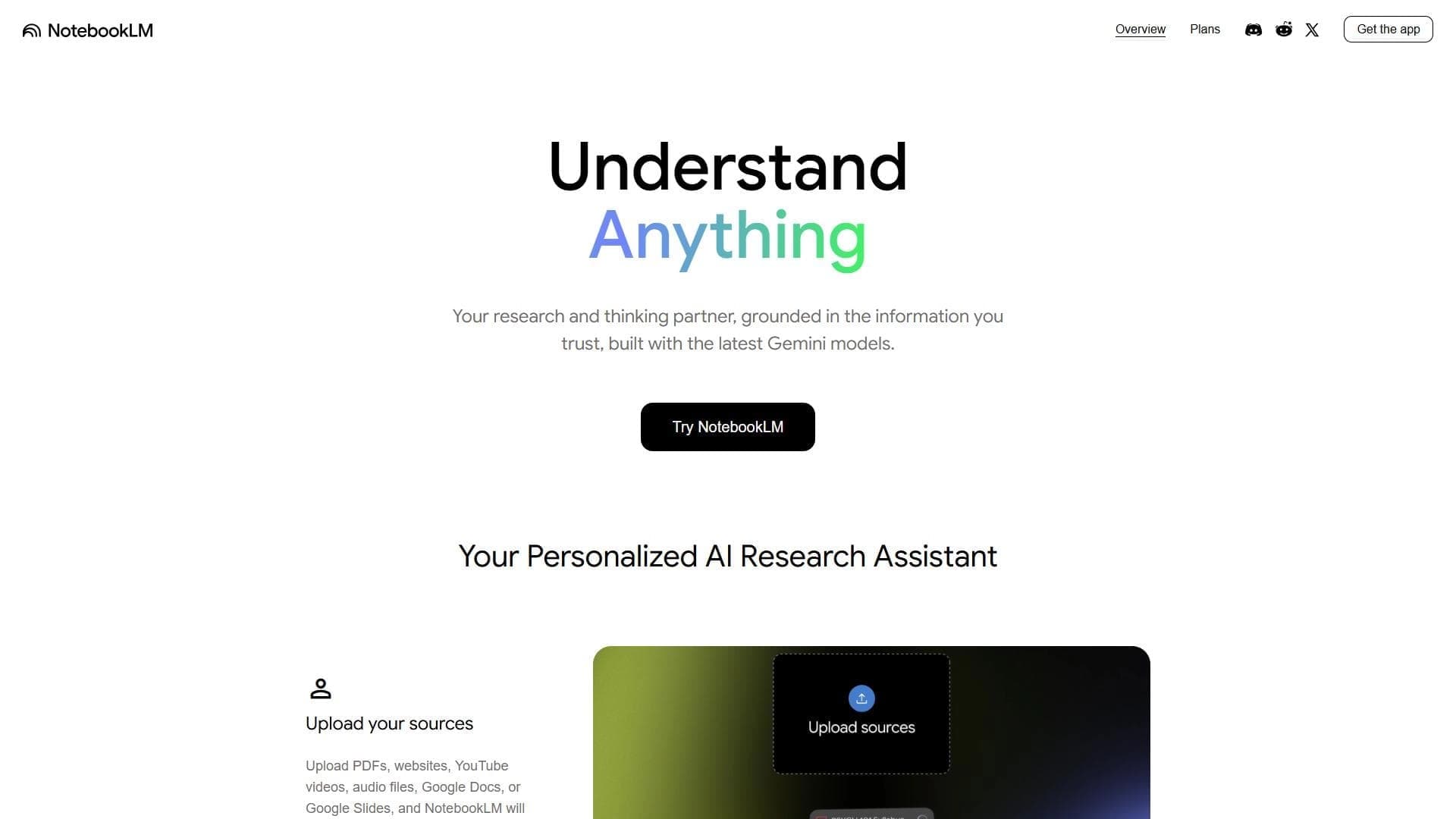
Suno AI Bark is freely distributed with open source code, while many competitors, such as NotebookLM or ElevenLabs, are proprietary services with paid plans.
Conclusion
Suno AI Bark is an open generative audio model that creates speech, music, and sounds directly from text, without intermediate phonemes, which sets it apart from traditional TTS systems. The model is well suited for developers and content creators, but it requires powerful local hardware and works best in English. Thanks to its open source code and community support, Bark is a valuable tool for research and development of text-to-audio technologies.
Frequently asked questions

See also
OpenAI's multimodal flagship model that works with text, images, audio, and video.
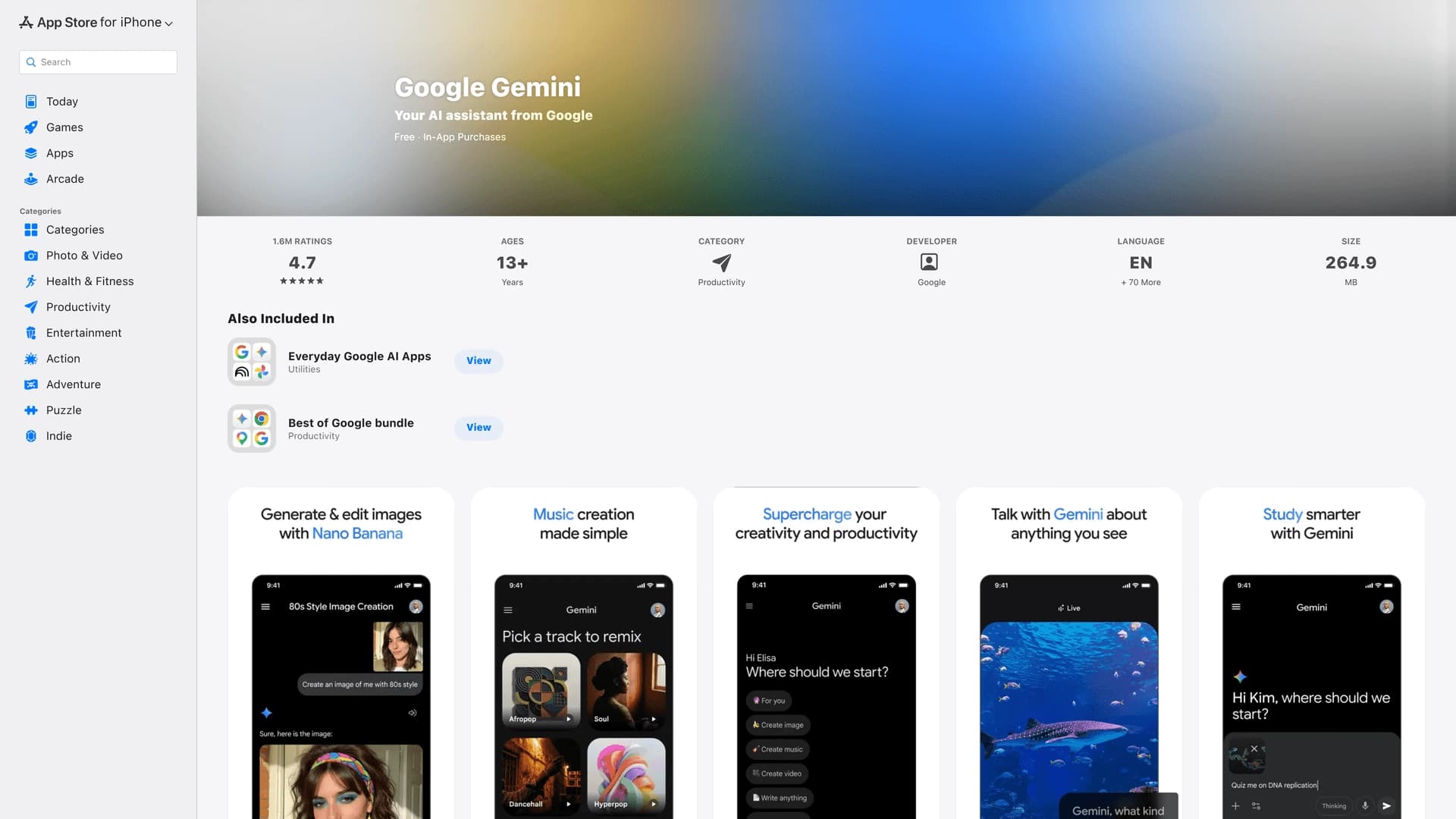

The official mobile app of Google's AI assistant for iPhone, working with text, voice, and camera.
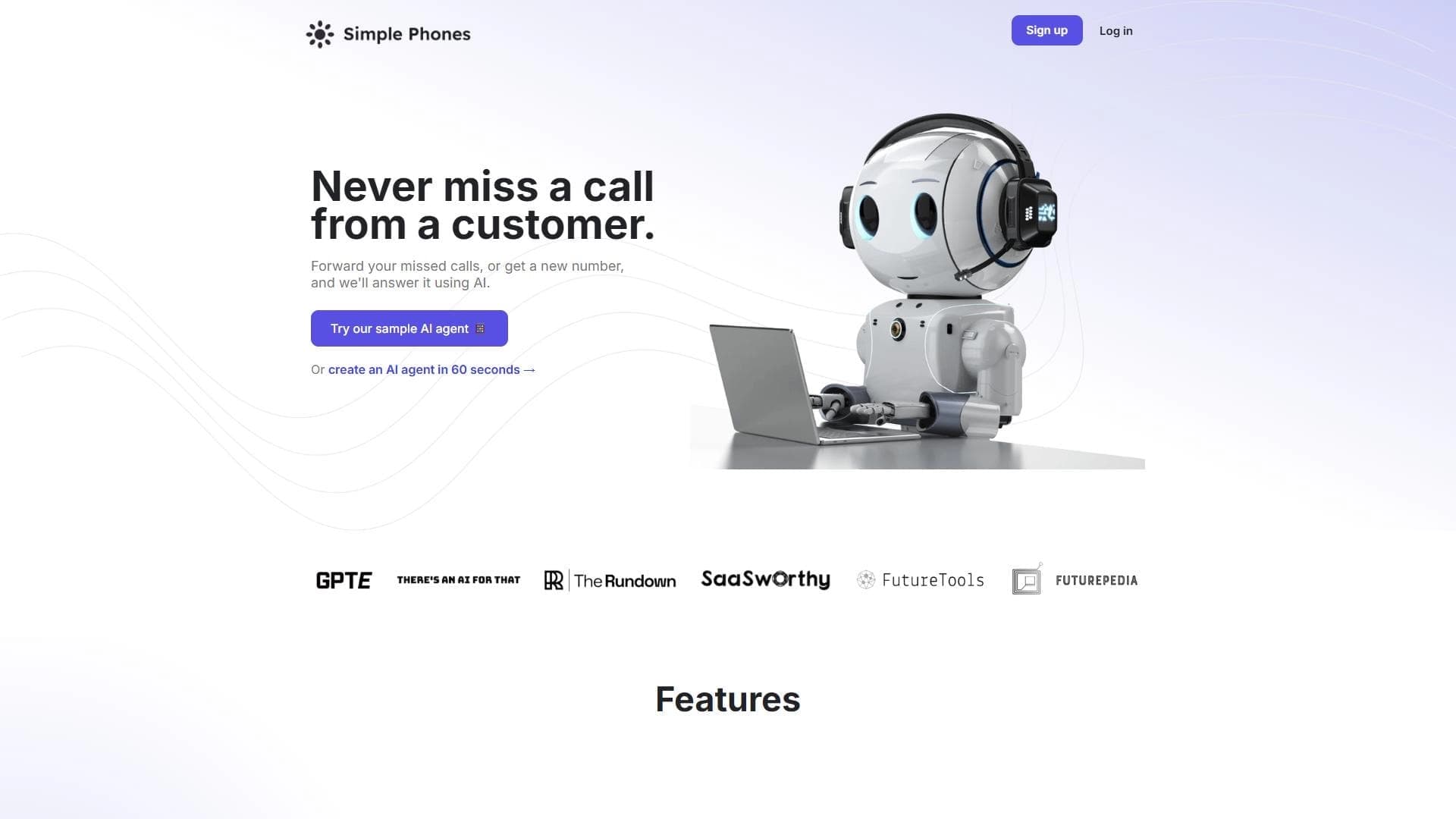
Platform for automating phone call processing with an AI agent.
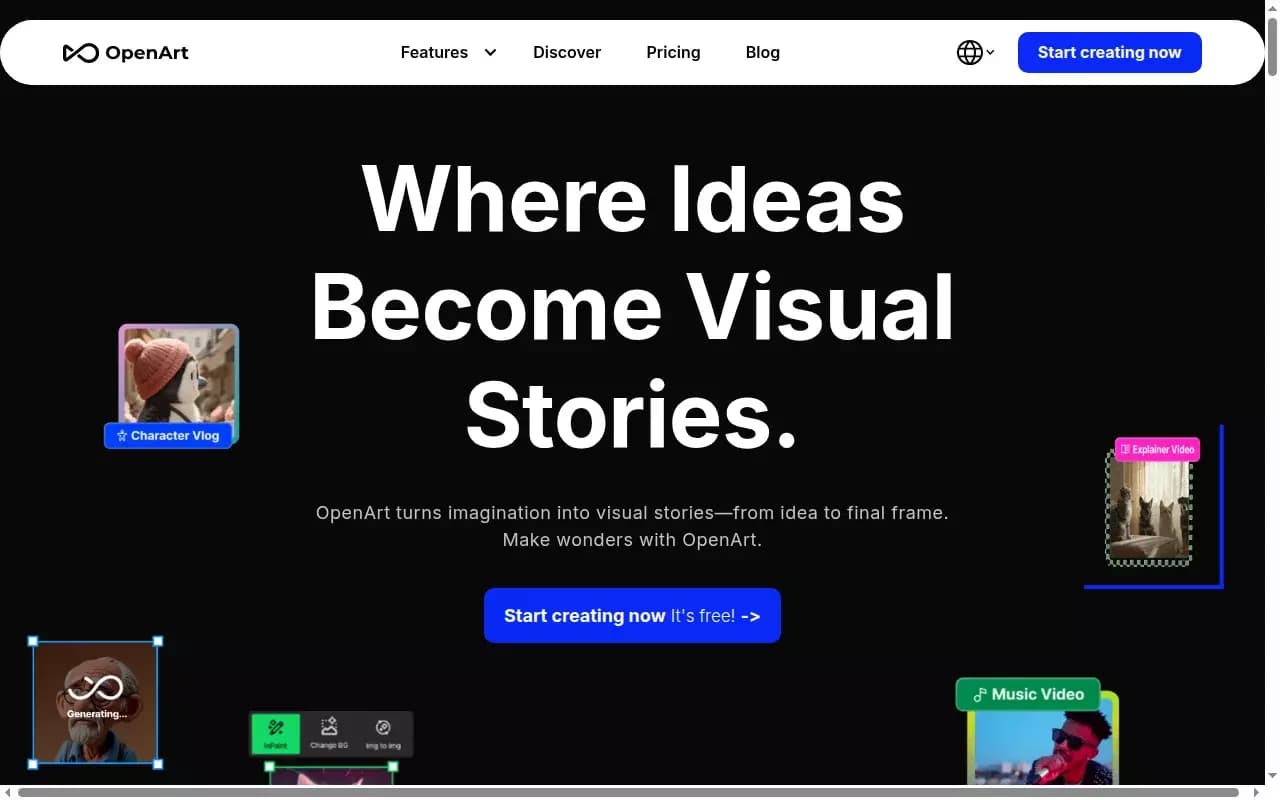

AI-powered platform for generating and editing images and videos.
Cloud platform for text-to-speech conversion with realistic AI-powered voices.
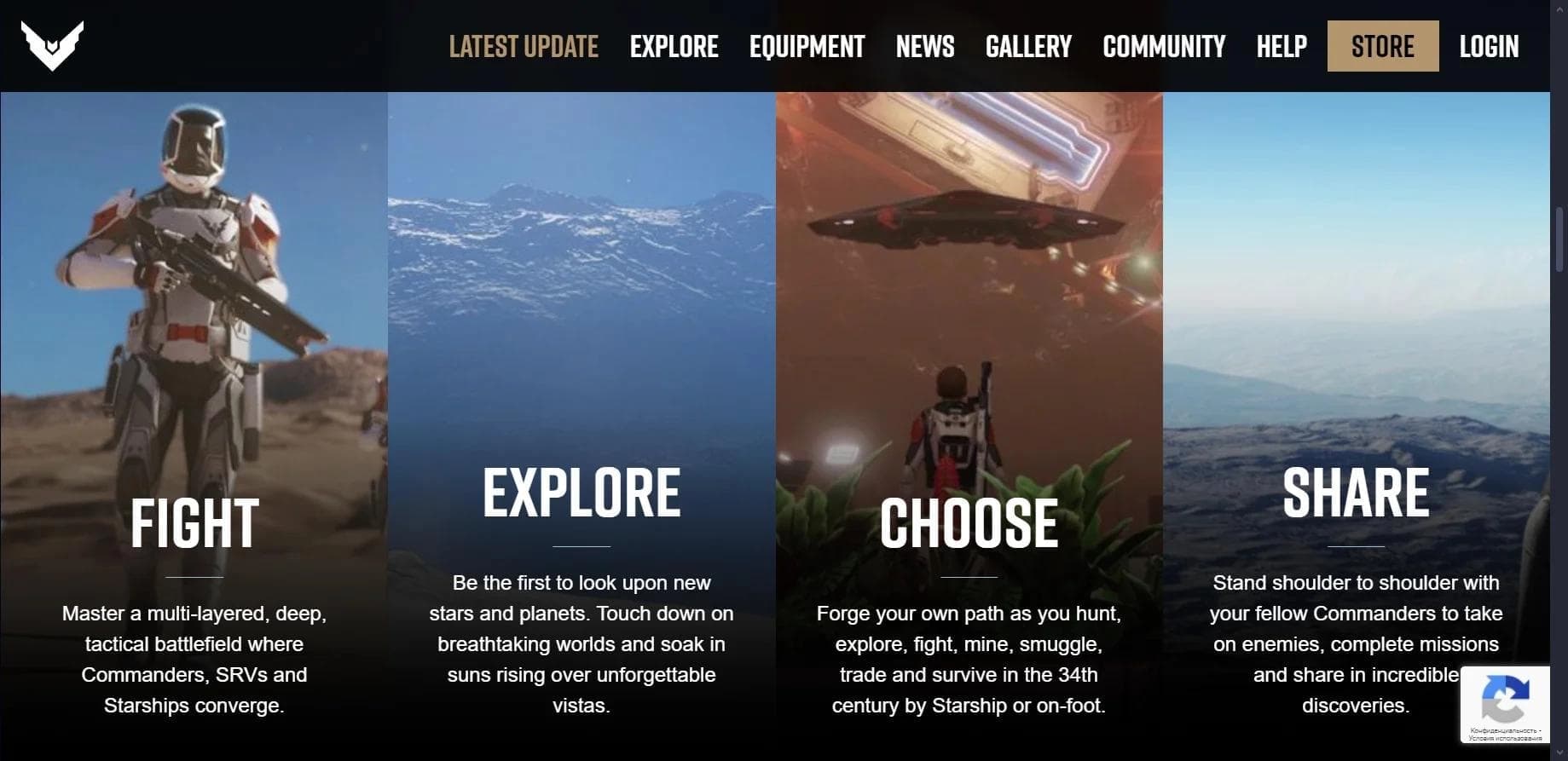

Multiplayer open-world space simulator using AI for NPC control and event generation.
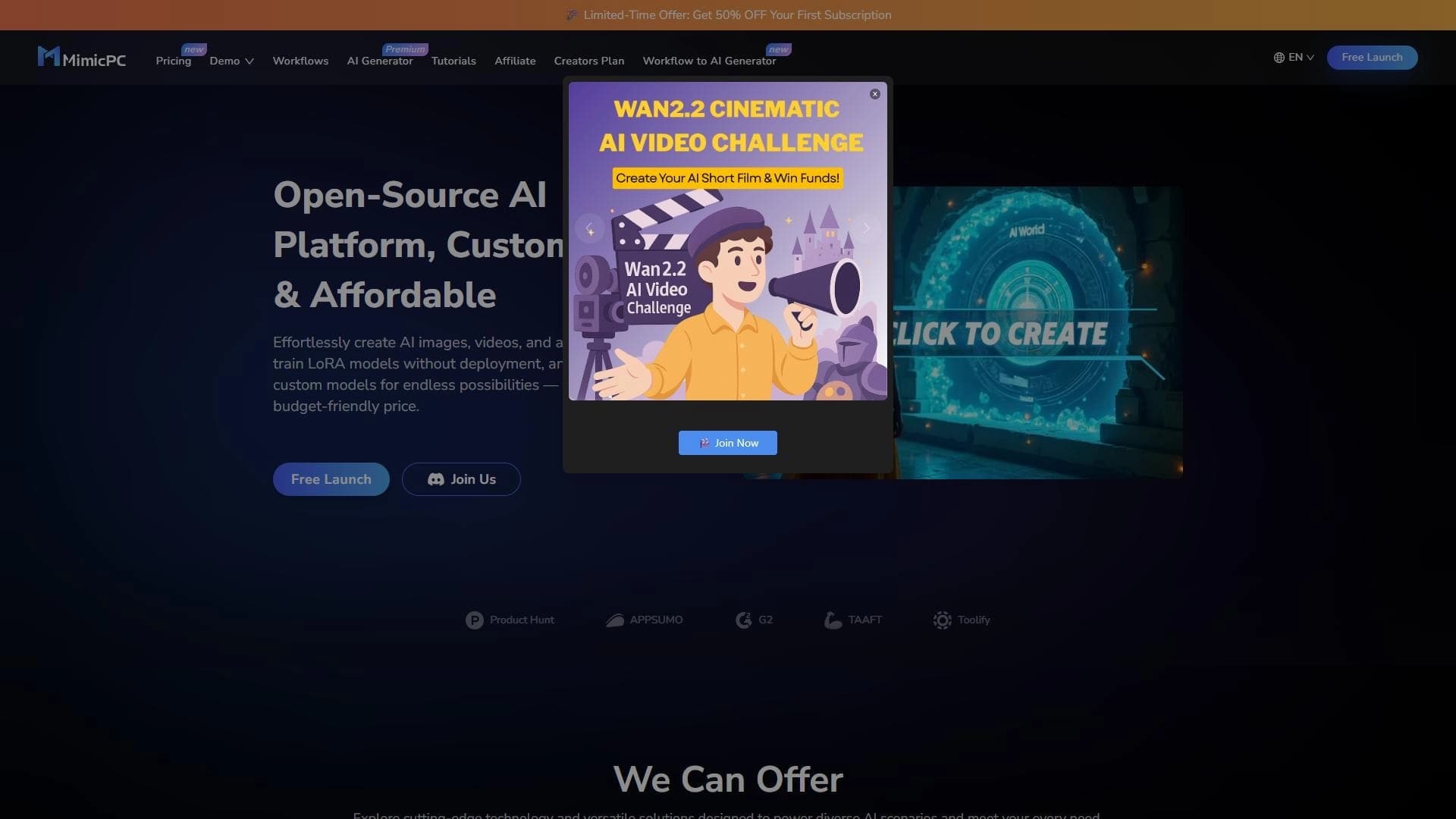

Cloud platform for launching AI applications directly in the browser without installation.
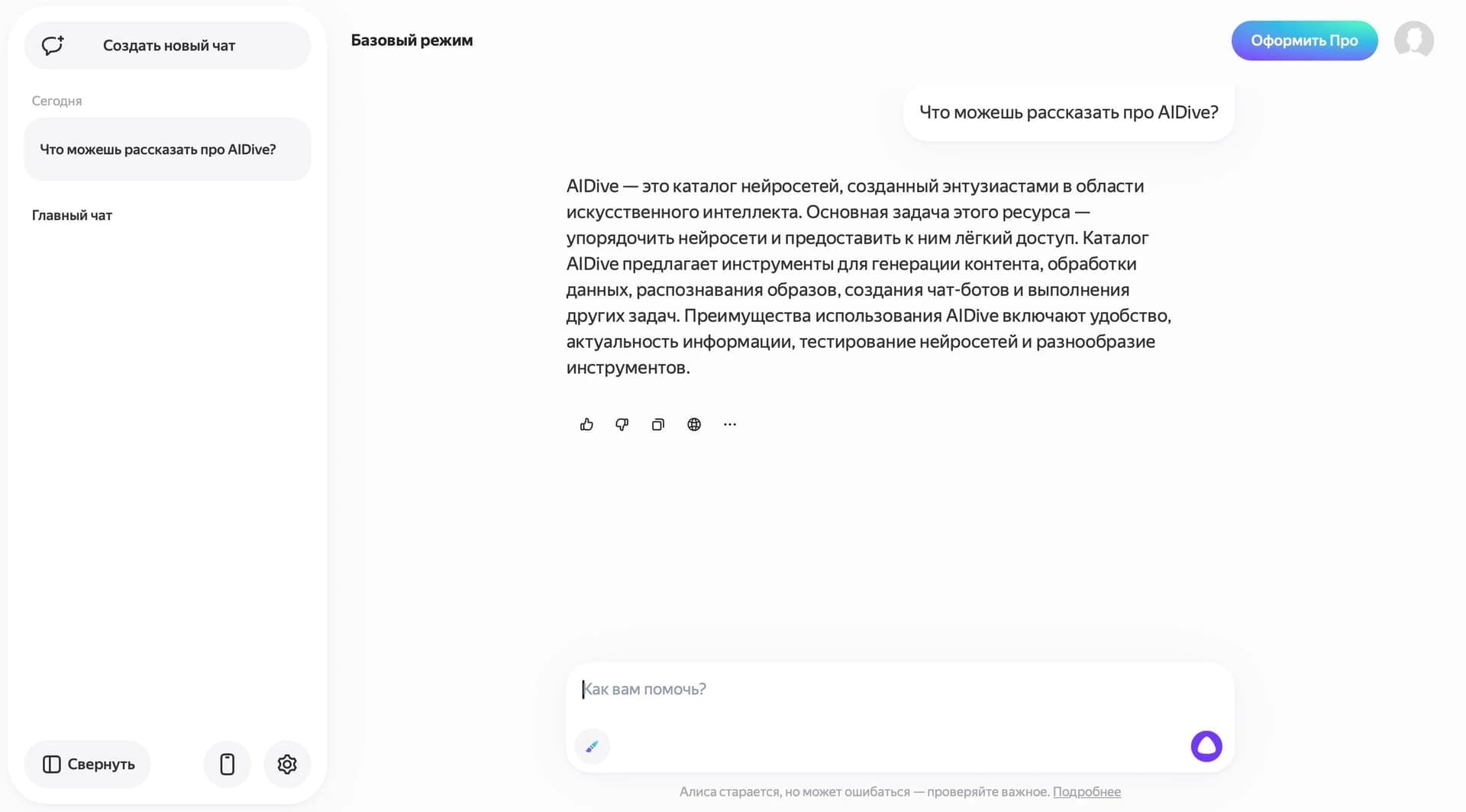

Yandex's multimodal voice assistant powered by the YandexGPT neural network that answers questions, generates texts and images, analyzes files, and controls the smart home.