

Llama by Meta
A family of open language models ranging from 8 to 405 billion parameters.
Overview
Llama by Meta
Description of the Llama neural network by Meta
Llama is a family of open-source large language models developed by Meta. The lineup includes three main versions: 8B, 70B, and 405B parameters. The flagship Llama 3.1 model with 405 billion parameters delivers results comparable to closed alternatives — GPT-4 and Claude 3.5 Sonnet — across key benchmarks. It supports a context of up to 128 thousand tokens and works with eight languages. All models can be downloaded and fine-tuned for your own tasks for free via the Hugging Face platform.
Open architecture
Unlike many commercial solutions, Llama is distributed as open source. This means developers and researchers can not only use the model but also study its structure, modify it, and adapt it to their needs without restrictions.
Three versions for different tasks
The lineup includes three configurations: the lightweight 8B (8 billion parameters), the mid-range 70B, and the flagship 405B. This approach lets you choose a model based on available computing power and required accuracy — from running on an ordinary PC to deploying on server clusters.
Characteristics of Llama by Meta
| Characteristic | Value |
|---|---|
| Type | Family of open-source neural models |
| Developer | Meta |
| Versions | 8B, 70B, 405B |
| Context | 128 thousand tokens |
| Languages | 8 languages (multilingual) |
| Price | Free |
| Date of update | March 6, 2025 |
| Training volume of flagship model | More than 15 trillion tokens |
For whom is Llama by Meta suitable?
Startups and small teams
For startups that want to integrate a language model into their product without licensing fees, Llama is one of the best options. The 8B version does not require expensive hardware and can run on relatively modest PC configurations.
Large companies and research centers
The 70B and 405B versions are suitable for organizations with server capacity. The flagship model can handle complex analysis, code generation, and text generation tasks at the level of top commercial alternatives while remaining fully controllable by the organization.
Developers and third-party specialists
Any developer can download the model weights, fine-tune them on their own data, and integrate them into an application. This makes Llama a popular foundation for specialized solutions — from medical assistants (e.g., Meditron) to enterprise chatbots.
How to use Llama by Meta?
Downloading via Hugging Face
Weights for all three versions are available on the Hugging Face platform. Users select the appropriate version (8B, 70B, or 405B) based on their hardware capabilities and download it for local use.
Hardware recommendations
The 8B version can run on a sufficiently powerful personal computer. The mid-range version (70B) requires more serious resources — a server with multiple GPUs. The flagship 405B requires significant computing power (around a terabyte of memory), so it is best used on dedicated servers or cloud clusters.
Online access with limitations
The model can be tried without installation on Meta's official website; however, direct access may be limited in some regions.
Main functions of Llama by Meta
Text and code generation
Llama models can produce coherent texts of any length and genre, and write source code in various programming languages. The generation quality of the flagship version is comparable to the best closed models.
Long context support
A context of up to 128 thousand tokens allows processing large volumes of information — from entire books to extensive technical documentation — without losing track of reasoning.
Fine-tuning and adaptation
Open source makes it possible to fine-tune the model on your own data. This allows creating specialized versions for specific industries — medicine, law, finance, and other fields.
Multilingual capabilities
Llama supports eight languages, making it suitable for international projects and tasks involving text processing in different languages.
Advantages of Llama by Meta
Open source
The main advantage of Llama is full transparency. Open code builds trust among the community, allows the model to be checked for vulnerabilities and bias, and encourages further development by third-party developers.
Competitiveness with top models
The flagship 405B version matches and in some tasks outperforms closed models such as GPT-4, GPT-4o, and Claude 3.5 Sonnet on benchmarks. At the same time, it is distributed free of charge.
Flexibility and free access
Unlike subscription services, Llama does not require a monthly fee. The model can be downloaded free of charge, adapted to specific tasks, and used without limits on the number of requests.
Multilingualism and long context
Support for eight languages and a 128-thousand-token context make the model a versatile tool for working with information in different languages and large volumes.
Disadvantages of Llama by Meta
High hardware requirements
The flagship 405B model requires significant computing power — around a terabyte of memory. This makes it inaccessible for use on ordinary PCs and even many server configurations without specialized hardware.
Certain quality drawbacks
In some tasks, Llama falls short of competitors in detail and conciseness. In practice, this may show up as overly verbose or insufficiently precise phrasing when solving highly specialized questions.
Which tasks does Llama by Meta solve?
Text generation and analysis
The model handles writing articles, reports, letters, creative texts, as well as analyzing and summarizing large amounts of information.
Programming and logical tasks
Llama can write code in various programming languages, explain the logic of algorithms, and solve logical problems of varying complexity.
Building AI assistants and applications
You can build custom chatbots, voice assistants, and other applications on top of Llama that integrate a language model. Thanks to open source, such solutions are easy to adapt to specific business processes.
Specialized medical and scientific tasks
Through adapted versions such as Meditron, the model is used for clinical decision support and medical data analysis, demonstrating applicability in high-stakes industries.
Pricing of Llama by Meta
Llama models are distributed completely free of charge. There is no cost for downloading and no license fees for use. Users pay only for the hardware (their own or rented) needed to run the chosen version.
Terms of use for Llama by Meta
The open-source model is available for download on Hugging Face. Specific licensing restrictions depend on the model version, but in general Meta grants broad rights to use, modify, and commercially apply the model.
Availability of Llama by Meta
Model weights can be downloaded from Hugging Face. Meta's official website may not be directly accessible in some regions. Eight languages are supported. The choice of version depends on hardware capabilities: 8B is suitable for PCs, 70B for a server, and 405B for clusters and specialized servers.
How Llama by Meta differs from analogues
The main difference between Llama and its counterparts is open source. GPT-4, GPT-4o, and Claude 3.5 Sonnet are closed commercial products accessed through a subscription or API with restrictions. Llama, by contrast, can be downloaded, studied, modified, and run on your own infrastructure without any payments to the developer. At the same time, the flagship Llama 3.1 (405B) is comparable to or outperforms these models on a number of benchmarks, making it one of the strongest open-source alternatives on the market.
Conclusion
The Llama family by Meta consists of powerful, competitive open-source neural networks comparable in quality to the top Anthropic and OpenAI models. The main advantage is open source, which allows third-party developers to adapt and improve the model, making it accessible to a wide audience. When choosing a version, consider available computing power and, in some regions, possible access restrictions for official use.
Frequently asked questions


See also
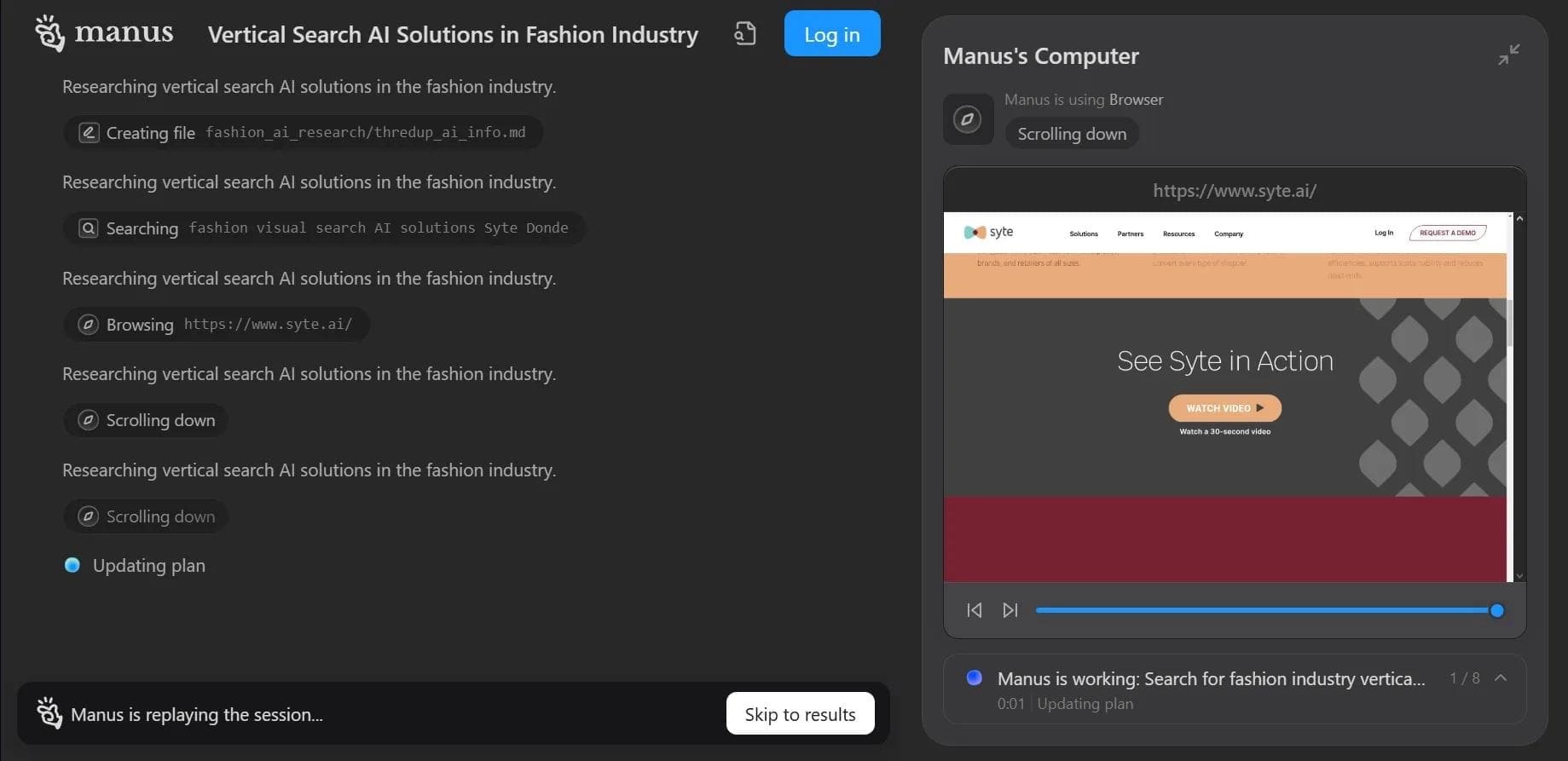

Autonomous cloud-based AI agent that independently plans and executes complex multi-step tasks based on a textual description of the goal.
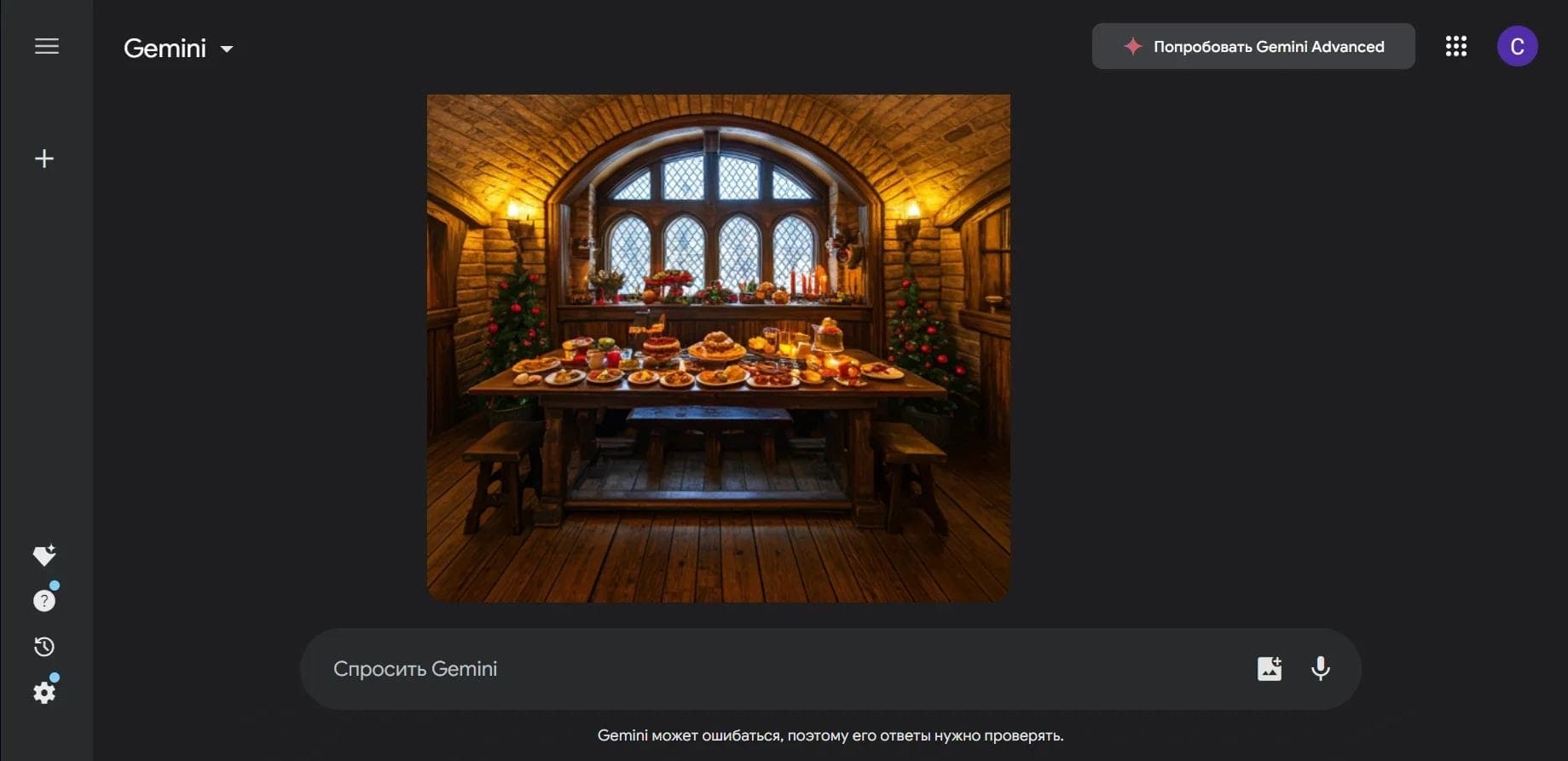

Multimodal neural network from Google that processes text, images, code, and audio in a conversational format.
An open-source desktop AI agent that stores conversation history in a local knowledge base and automatically pulls relevant context into new discussions.

A set of built-in AI features in the Figma editor for automating routine designer tasks.
A service that translates legal documents from professional legal language into plain, easy-to-understand text.
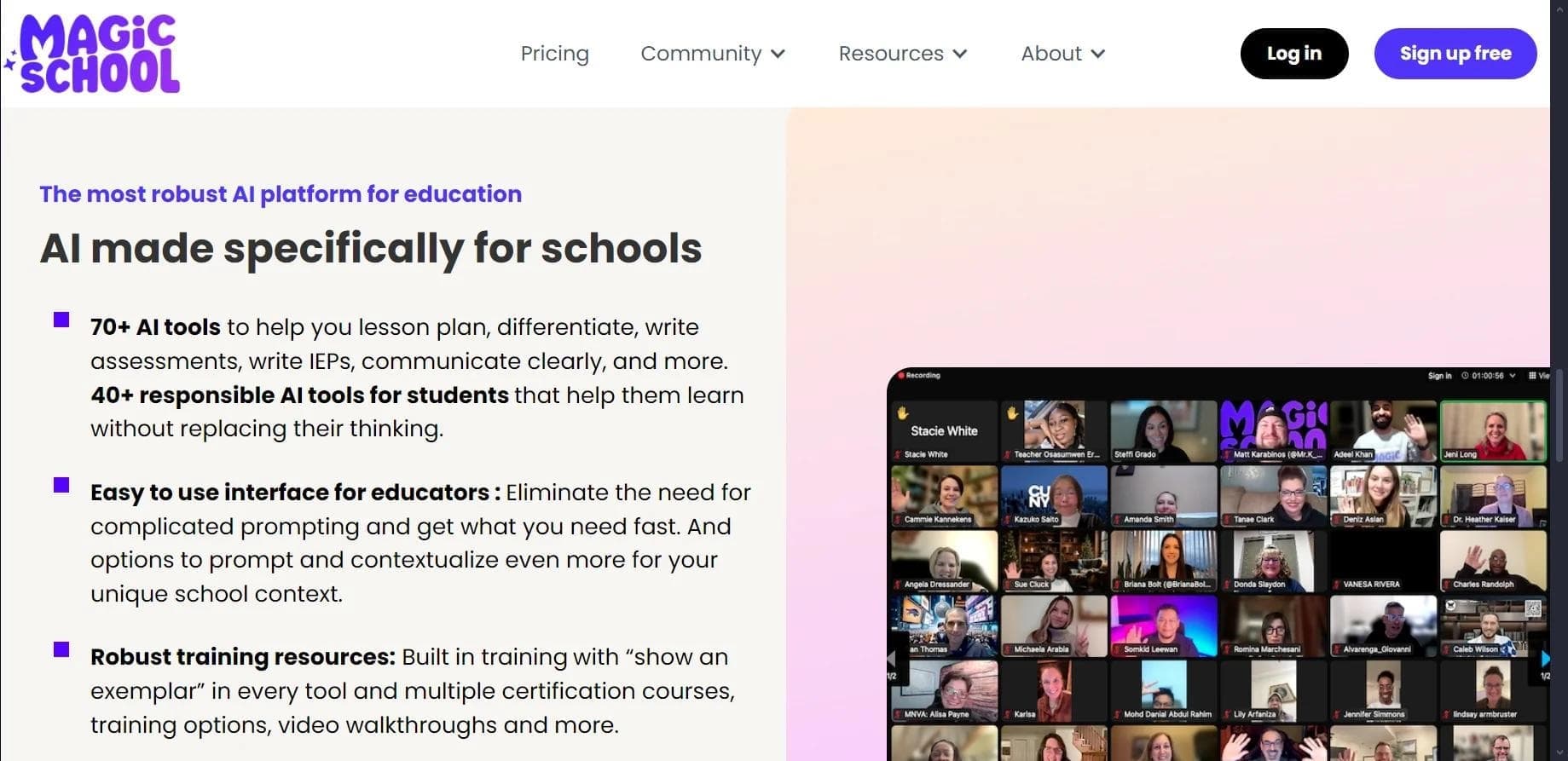

AI platform for automating educational tasks for teachers and students.

A community for daily discovery and discussion of new technology products.
AI tool for rapid data visualization via OpenAI API, transforming heterogeneous datasets into detailed graphical representations.