

GPT-4
Мультимодальная языковая модель от OpenAI, способная обрабатывать текст и изображения и выдавать текстовые ответы.
Обзор
GPT-4
Описание нейросети GPT-4
GPT-4 (Generative Pre-trained Transformer 4) — это мультимодальная языковая модель, разработанная компанией OpenAI и выпущенная 14 марта 2023 года. Модель способна принимать на вход как текст, так и изображения, а на выходе генерировать исключительно текст. Это делает GPT-4 одной из самых универсальных моделей в линейке OpenAI.
Мультимодальные возможности
В отличие от предыдущих версий, GPT-4 может обрабатывать визуальную информацию. Пользователь может загрузить изображение, и модель проанализирует его содержание, после чего сформирует текстовый ответ — описание, анализ или ответ на вопрос, связанный с изображением.
Производительность на уровне человека
В ряде профессиональных и академических тестов GPT-4 демонстрирует результаты, сопоставимые с человеческими. Однако в реальных сценариях использования модель всё ещё может уступать человеку в определённых аспектах, таких как понимание тонких контекстуальных нюансов или логическое рассуждение в нестандартных ситуациях.
Характеристики GPT-4
| Характеристика | Значение |
|---|---|
| Название модели | GPT-4 (Generative Pre-trained Transformer 4) |
| Дата релиза | 14 марта 2023 года |
| Компания-разработчик | OpenAI |
| Архитектура | Трансформер (точные детали не раскрыты) |
| Количество параметров | Точные данные не раскрыты |
| Контекстное окно | 8 192 или 32 768 токенов (в зависимости от версии) |
| Обучающие данные | Общедоступные данные и лицензированные материалы от сторонних поставщиков |
| Формат ввода | Текст, изображения |
| Возможности мультимодальности | Поддержка текста и изображений |
| Метод обучения | Предварительное обучение с последующим дообучением с использованием обратной связи от людей и ИИ |
| Способы доступа | Через API OpenAI; интеграция в продукты Microsoft, такие как Bing Chat |
| Специализированные версии | GPT-4 Turbo |
| Скорость отклика | Зависит от аппаратного обеспечения и реализации; версия GPT-4 Turbo предлагает более быструю генерацию |
| Энергопотребление | Высокое из-за сложности модели |
| Лицензия и доступ | Проприетарная; доступ через API OpenAI и партнёров |
Для кого подходит нейросеть GPT-4?
Разработчики и IT-специалисты
Разработчики могут интегрировать GPT-4 через API OpenAI в свои приложения, веб-сервисы или боты. Модель подходит для создания интеллектуальных чат-ботов, систем автоматизации поддержки клиентов и инструментов анализа данных.
Контент-мейкеры и маркетологи
Специалисты по контенту используют GPT-4 для генерации текстов, написания статей, создания маркетинговых материалов и креативных сценариев. Модель помогает ускорить процесс создания контента и повысить его качество.
Исследователи и аналитики
Благодаря способности обрабатывать большие объёмы информации и анализировать данные, GPT-4 полезна исследователям, которым требуется быстрая обработка текстовых и визуальных данных, а также генерация отчётов и резюме.
Как использовать нейросеть GPT-4?
Через API OpenAI
Основной способ доступа к GPT-4 — программный вызов через API OpenAI. Разработчики могут отправлять запросы к модели, передавая текстовые и графические данные, и получать сгенерированные текстовые ответы. Для этого необходимо зарегистрироваться в платформе OpenAI и получить API-ключ.
Через встроенные интеграции
GPT-4 также доступна через продукты Microsoft, такие как Bing Chat. Это позволяет пользователям взаимодействовать с моделью без необходимости писать код — достаточно использовать интерфейс поискового сервиса или чат-бота.
Основные функции GPT-4
Мультимодальность
GPT-4 способна одновременно обрабатывать текстовые и визуальные данные. Пользователь может загрузить изображение, и модель проанализирует его, сформировав текстовое описание или ответ на вопрос по изображению.
Генерация текста
Модель умеет генерировать связные и осмысленные тексты любой сложности — от коротких ответов до развёрнутых статей, сценариев, кода и аналитических отчётов.
Обработка больших контекстов
В зависимости от версии, контекстное окно GPT-4 может достигать 32 768 токенов, что позволяет модели «помнить» и учитывать значительные объёмы предыдущего диалога или документа при формировании ответа.
Преимущества GPT-4
Улучшенные способности в решении сложных задач
По сравнению с предыдущими версиями, GPT-4 демонстрирует значительно более высокую точность и глубину понимания при работе со сложными запросами, требующими логического анализа и многошаговых рассуждений.
Повышенная точность и креативность
Модель показывает улучшенные результаты в генерации текстов — ответы становятся более релевантными, точными и творческими, что особенно ценно в задачах контент-маркетинга и разработки.
Улучшенные механизмы безопасности
OpenAI внедрила в GPT-4 более совершенные механизмы фильтрации контента и снижения предвзятости, что делает модель безопаснее и надёжнее в использовании по сравнению с предшественниками.
Недостатки GPT-4
Отсутствие технической прозрачности
OpenAI не раскрыла точные технические детали модели, такие как количество параметров или используемая архитектура. Это создаёт определённые сложности для исследовательского сообщества и ограничивает возможность независимой оценки модели.
Сохраняющиеся ограничения
Несмотря на улучшенные механизмы фильтрации, у GPT-4 сохраняются некоторые ограничения в части предвзятости и точности ответов. В реальных сценариях модель всё ещё может ошибаться или выдавать не полностью корректные результаты.
Высокое энергопотребление
Из-за сложности модели и большого объёма вычислений работа GPT-4 требует значительных вычислительных ресурсов, что ведёт к высокому энергопотреблению.
Какие задачи решает GPT-4
Чат-боты и виртуальные ассистенты
Модель используется для создания интеллектуальных диалоговых систем, способных вести осмысленный разговор, отвечать на вопросы пользователей и выполнять поручения.
Системы поддержки клиентов
GPT-4 может автоматизировать обработку запросов в службе поддержки, отвечая на типовые вопросы, направляя клиентов к нужным разделам или эскалируя сложные случаи операторам.
Генерация контента
Модель применяется для написания статей, постов для социальных сетей, рекламных текстов, сценариев и других видов контента, требующих творческого подхода.
Анализ данных
Благодаря способности обрабатывать и анализировать большие объёмы текстовой информации, GPT-4 помогает в извлечении инсайтов, составлении резюме и подготовке аналитических отчётов.
Цены GPT-4
GPT-4 распространяется по платной модели. Разработчики оплачивают использование модели через API OpenAI по тарифам, установленным компанией. Точные цифры и условия тарификации могут меняться, поэтому актуальную информацию о ценах рекомендуется уточнять на официальном сайте OpenAI. Бесплатный доступ к базовым функциям через публичные интеграции (например, Bing Chat) может быть ограничен по функционалу и объёму запросов.
Условия использования GPT-4
Модель является проприетарной и предоставляется по лицензии OpenAI. Для использования GPT-4 через API необходимо принять условия использования платформы OpenAI, которые включают соблюдение политик безопасности, ограничения на использование контента, сгенерированного моделью, и требования к модерации. Компания оставляет за собой право ограничивать доступ или блокировать аккаунты при нарушении установленных правил.
Доступность GPT-4
Доступ через API OpenAI
Основной способ получения доступа к GPT-4 — подключение к API OpenAI. Для этого необходимо зарегистрироваться на платформе, получить API-ключ и настроить интеграцию в своём приложении или сервисе.
Интеграция в продукты Microsoft
GPT-4 встроена в такие продукты Microsoft, как Bing Chat. Это позволяет пользователям взаимодействовать с моделью напрямую через интерфейс поисковой системы, без необходимости программирования.
Чем отличается GPT-4 от аналогов
Мультимодальность
В отличие от многих конкурентов, которые работают исключительно с текстом, GPT-4 способна принимать на вход изображения, что расширяет сферу её применения — от анализа графиков до описания фотографий.
Контекстное окно до 32 768 токенов
Большинство альтернативных моделей имеют более скромные ограничения на длину контекста. GPT-4 (в версии с 32K) позволяет обрабатывать очень большие фрагменты текста, что особенно важно для анализа документов, переписки или кода.
Производительность на уровне человека
По результатам профессиональных и академических тестов GPT-4 опережает многие конкурирующие модели, демонстрируя результаты, сопоставимые с человеческими. Это делает её одной из самых эффективных моделей для решения сложных задач.
Заключение
GPT-4 — это мощная мультимодальная языковая модель от OpenAI, которая принимает на вход текст и изображения и генерирует текстовые ответы. Выпущенная в марте 2023 года, она предлагает улучшенную точность, креативность и способность решать сложные задачи по сравнению с предыдущими версиями. Несмотря на отсутствие публичных данных о точной архитектуре и количестве параметров, а также на сохраняющиеся ограничения, GPT-4 остаётся одной из самых востребованных моделей для разработки чат-ботов, систем поддержки клиентов, генерации контента и анализа данных. Доступ к модели предоставляется через API OpenAI и интеграции в продукты Microsoft.
Часто задаваемые вопросы


Смотрите также

Терминальный ИИ-агент для программирования, который динамически подстраивается под задачи разработчика.
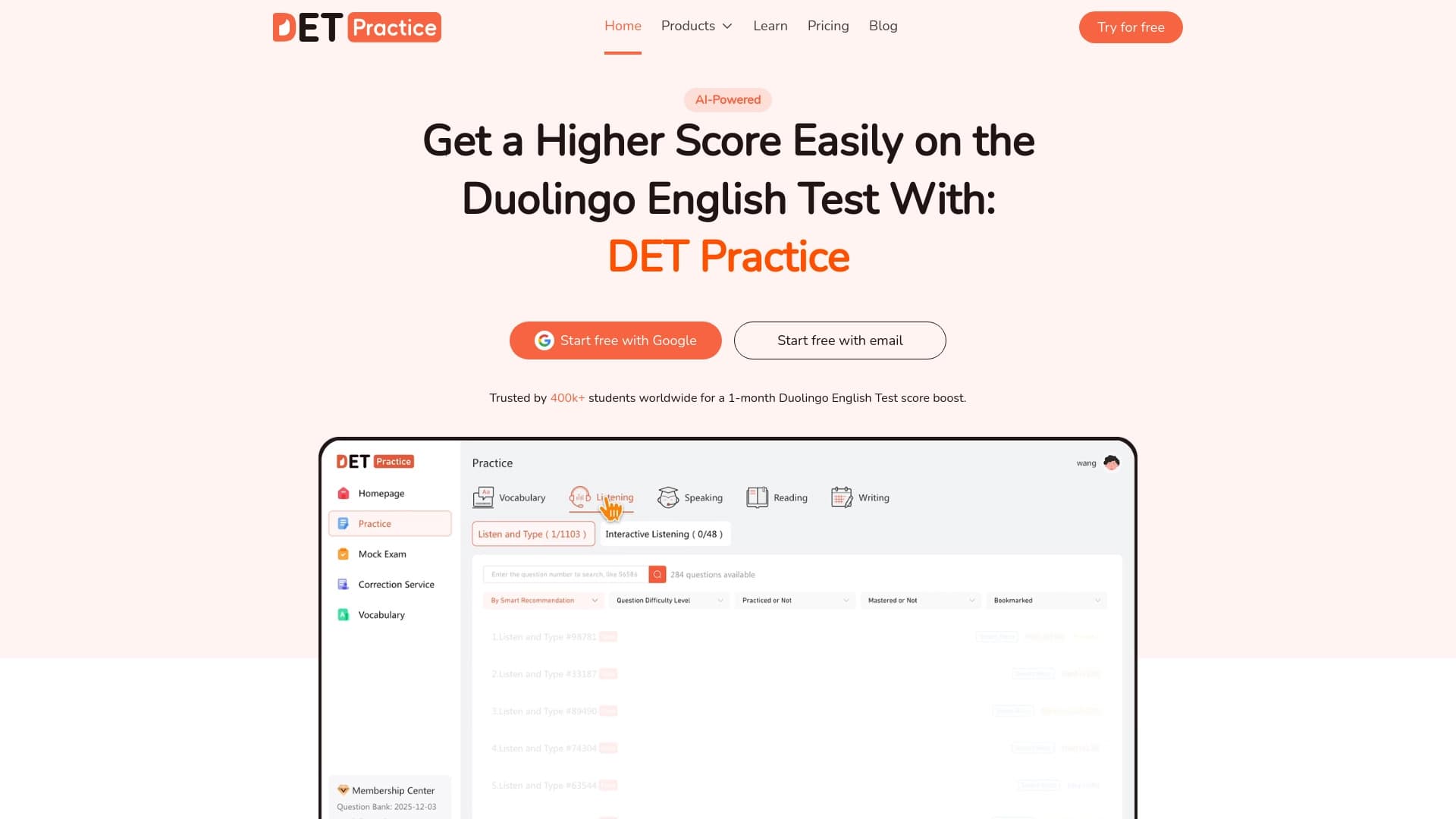
Онлайн-платформа для подготовки к Duolingo English Test с обширной базой заданий и ИИ-оценкой ответов.
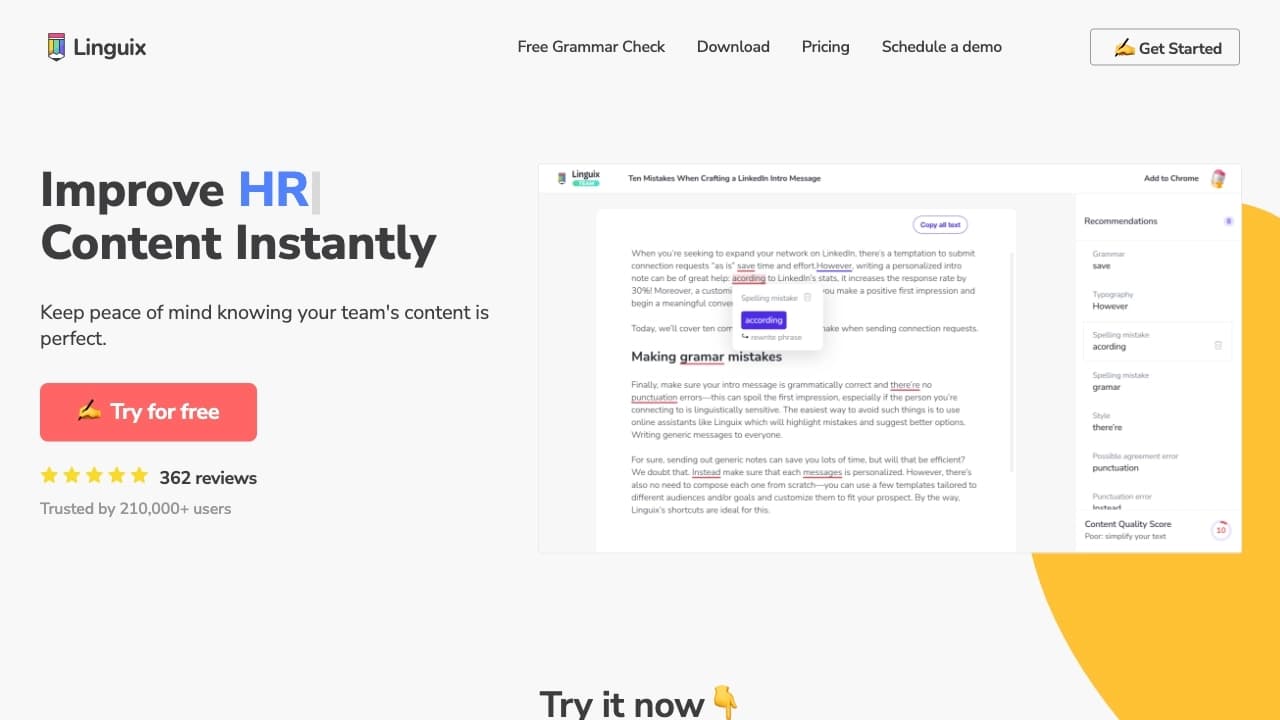

AI-помощник для проверки грамматики, орфографии и стиля английского текста, доступный как браузерное расширение и веб-редактор.
Инструмент для создания диаграмм и интеллект-карт из текстовых описаний на естественном языке.
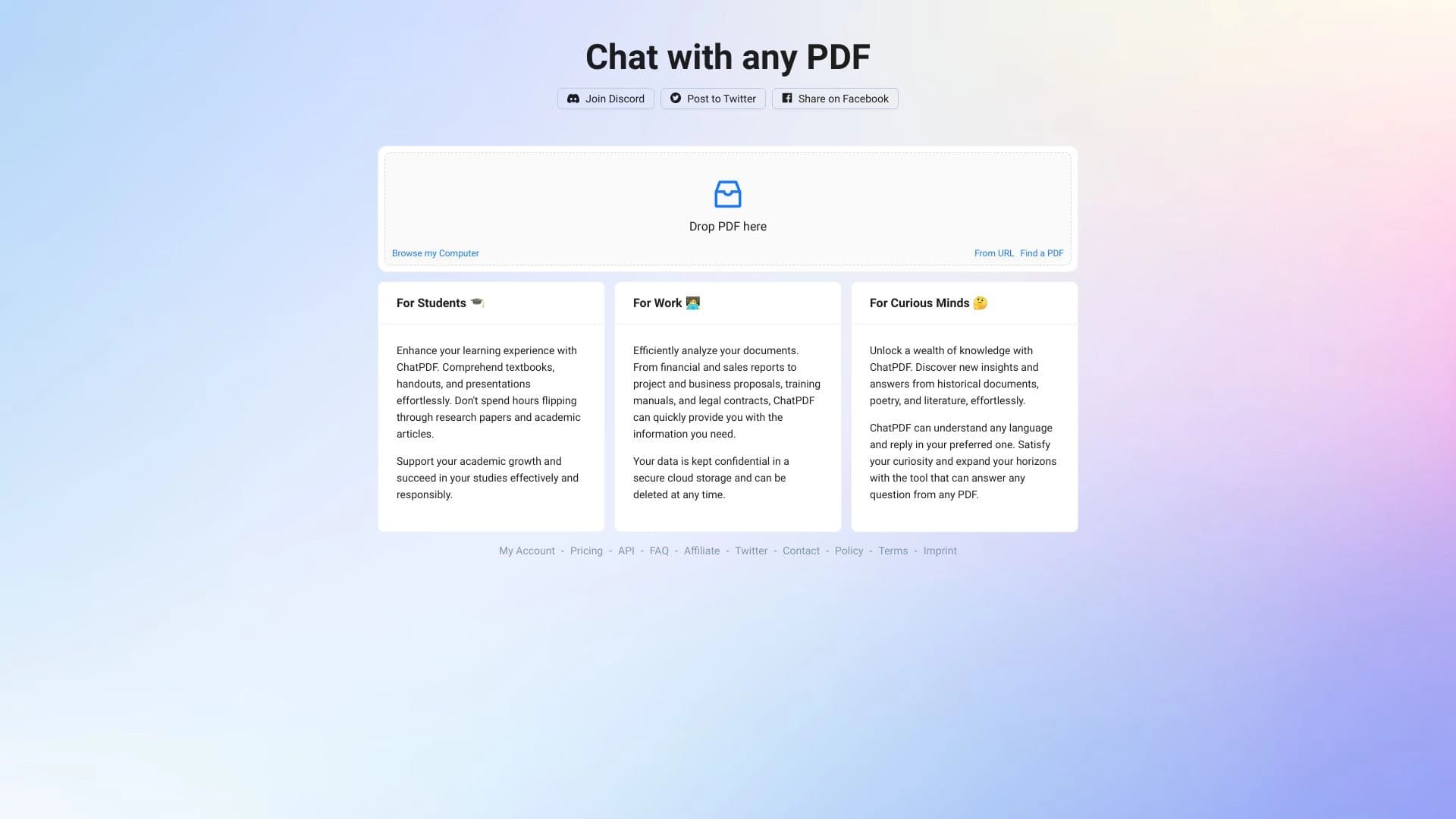
Онлайн-сервис, который позволяет общаться с PDF-документами в чате: задавать вопросы и получать краткие ответы с указанием источника.
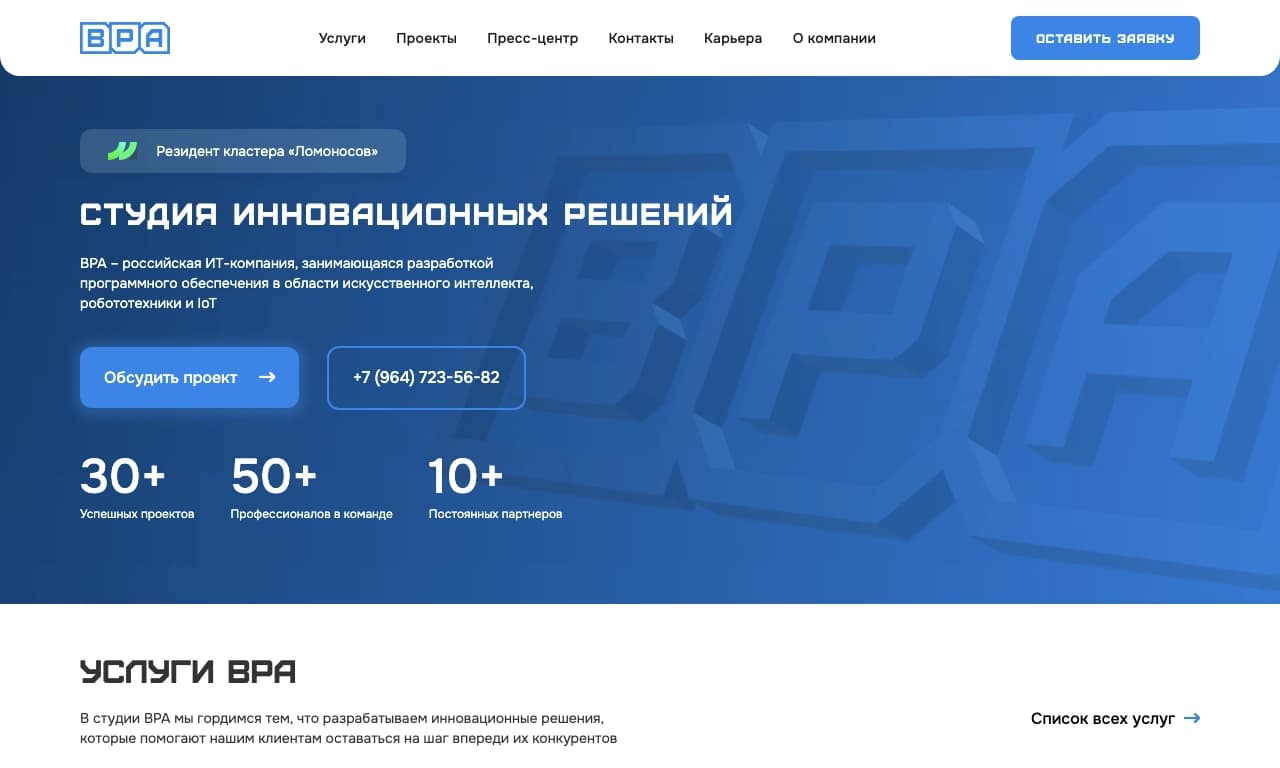

Облачная AI-платформа для автоматизации контроля чистоты в офисах и мониторинга действий сотрудников.
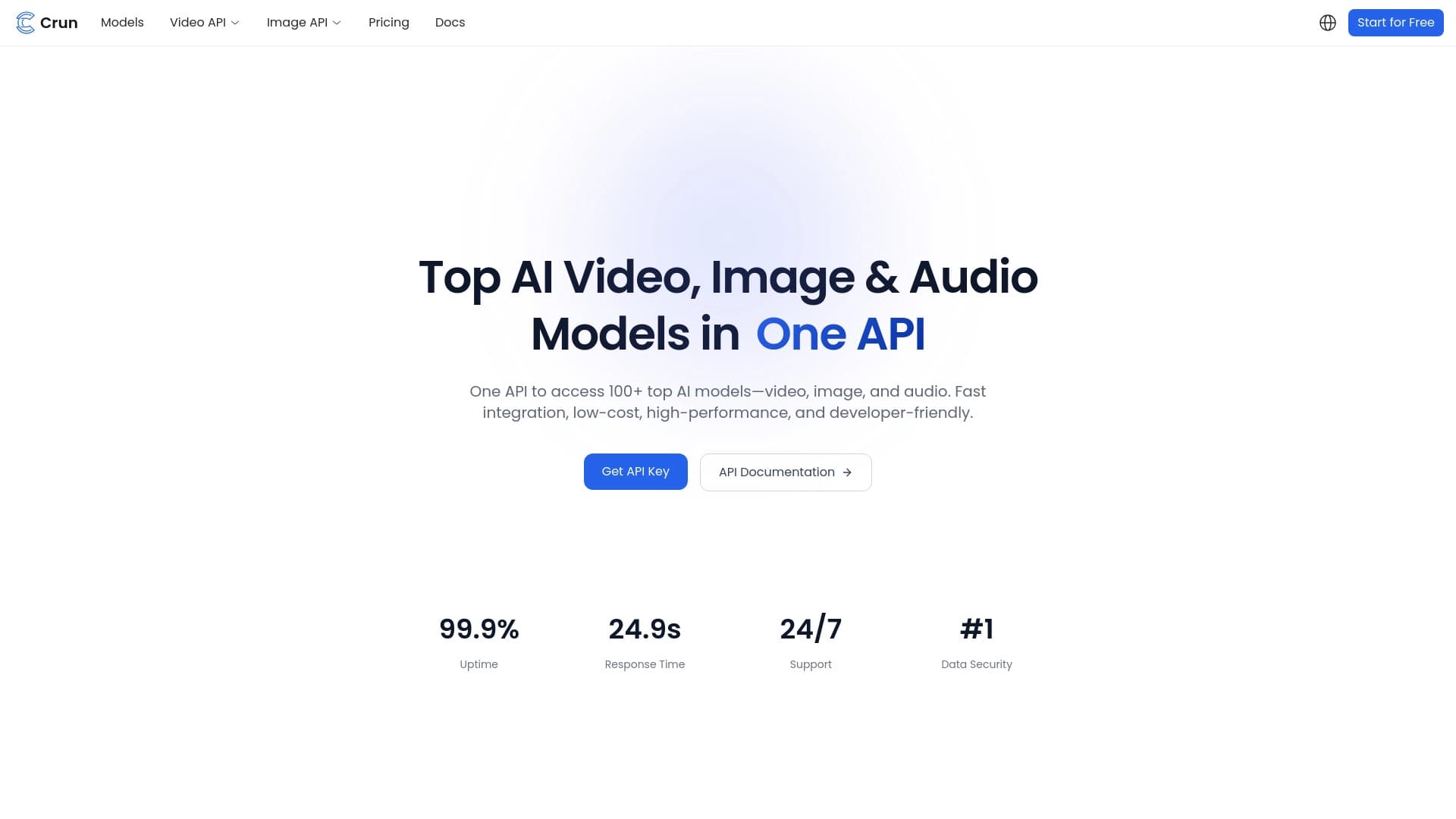
Объединенный API для доступа к более чем 100 популярным AI-моделям для разработчиков.
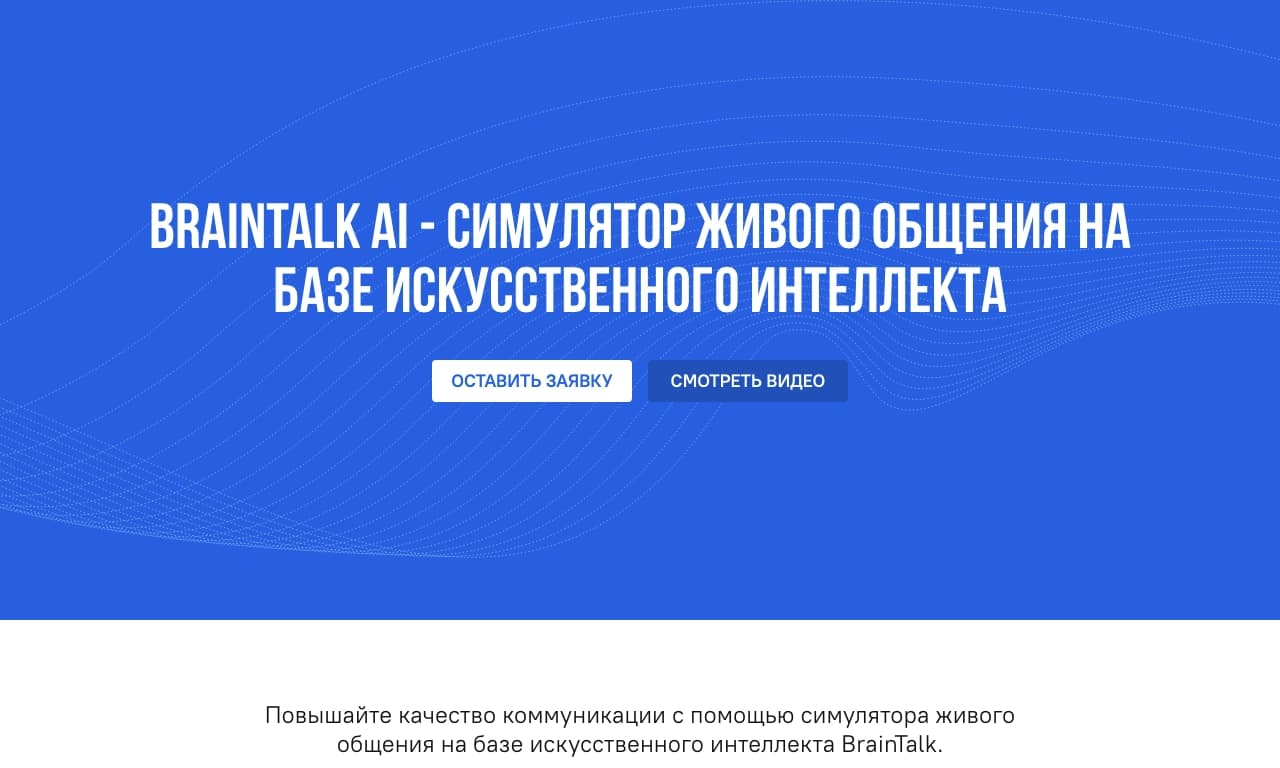

Сервис для живых диалогов с ИИ, включающий генерацию текста, голоса и распознавание речи.