Feed

86 materials

Sort by
News21 November 2026

Where Transfer Ends: Data Scale, World Diversity, and Model Size for Game Agents

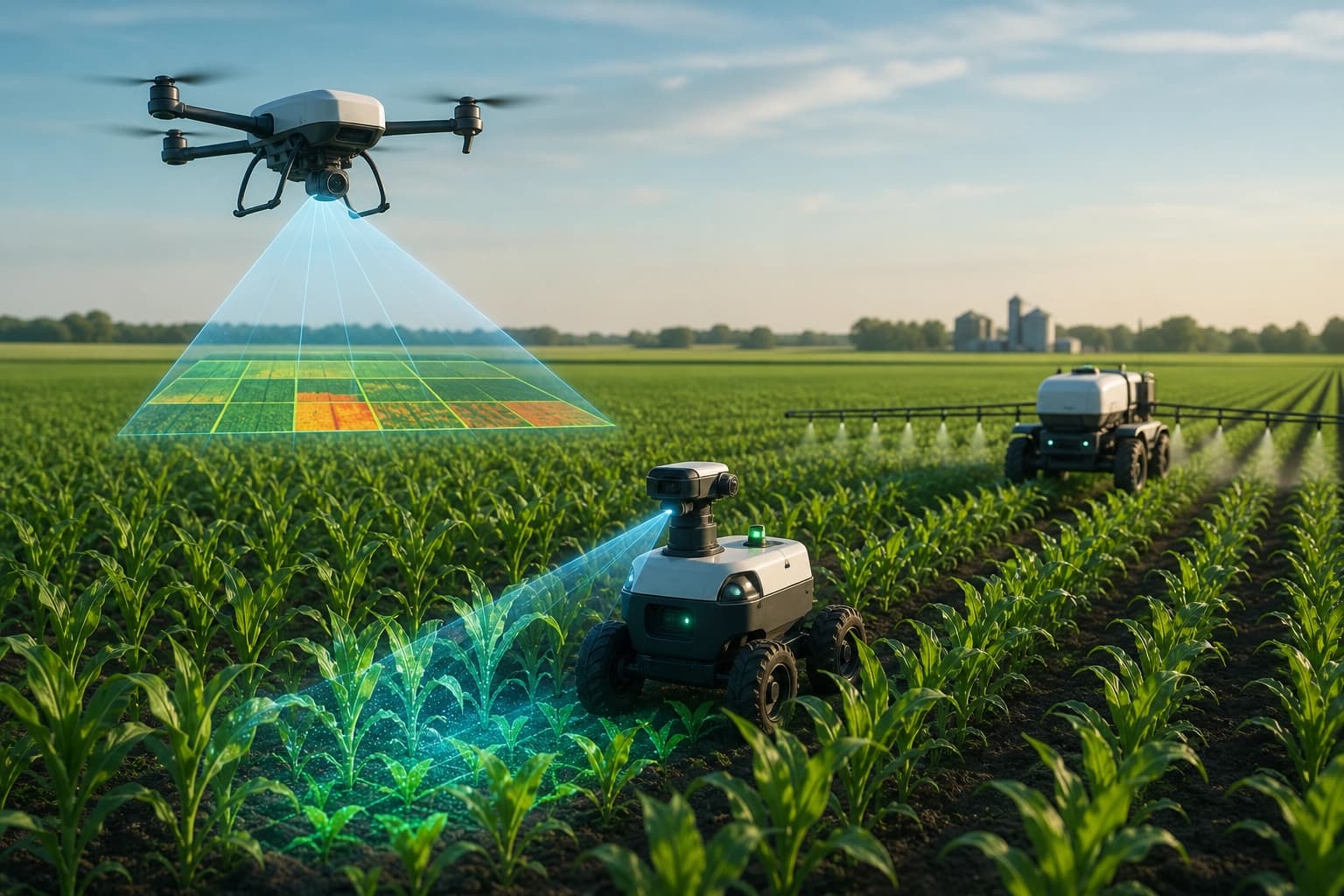
Across 120 configurations, the study tested whether the benefits of extended pretraining persist when transferring between virtual environments with different graphics, physics, controls, and tasks. Expanding the corpus helps in familiar worlds, greater variety broadens transfer to similar environments, and scaling up the model increases the returns on data—but training in a single world hurts adaptation to distant ones. The authors conclude that pretraining alone is not enough to create universal agents.

Where Transfer Ends: Data Scale, World Diversity, and Model Size for Game Agents
Read
News18 November 2026

Multimodal Multi-Agent LLMs in Mathematics: How to Verify Reasoning Steps and Robustness to Distortions

MAMath-Bench is introduced as a benchmark of 1,003 problems across 11 areas of mathematics, featuring text, graphics, and audio; in addition to the final answer, it records intermediate steps and the system’s response to adversarial changes in the reasoning process. The results show that collaboration among multiple LLMs does not necessarily improve accuracy, may amplify redundant justifications, and remains vulnerable to subtle structural perturbations.

Multimodal Multi-Agent LLMs in Mathematics: How to Verify Reasoning Steps and Robustness to Distortions
Read
News16 November 2026

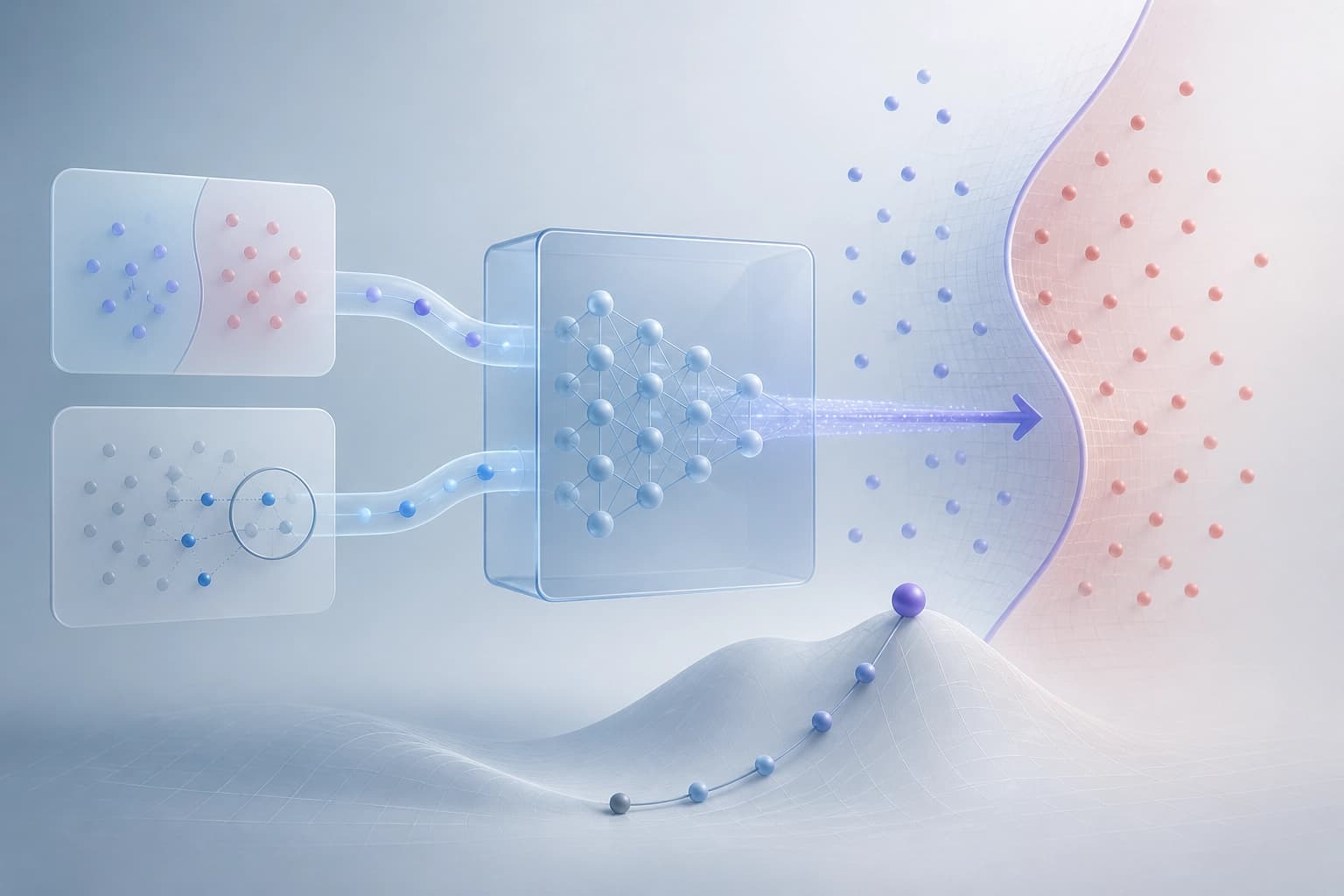
Genesis Steering Method: Activation Steering Using Fine-Tuning Data

The method derives a control vector from contrastive examples present in the fine-tuning data and, when they are unavailable, selects likely training samples via membership inference to create a proxy dataset. The theoretical section describes the optimal shift toward the decision boundary and estimation using proxy data; empirically, Tülu-3-8B internal data produces a more pronounced effect than external datasets, while the usefulness of MIA proxies on Llama-3.1-8B-Instruct is limited by the ratio of directional shifts.

Genesis Steering Method: Activation Steering Using Fine-Tuning Data
Read