
Short on the deal
Stripe officially announced the acquisition of the OpenRouter platform last Wednesday. The deal amount was never disclosed, but NYT sources estimate it at $7.5 billion. That is radically higher than the project's spring valuation of $1.3 billion — competitors heated up the market, and Stripe had to outbid other offers, including Databricks' proposal.
According to sources, the distribution of money within the deal is also curious: OpenRouter's founders will receive about $1.5 billion, while the remaining $6 billion will go to the startup's investors. Formally, OpenRouter is multiplying in value and joining a global payments ecosystem, but what's truly interesting is something else — why Stripe needed a gateway to dozens of AI models in the first place.

A term worth billions
A leaked letter from Stripe's founders to investors mentioned the "singularity." The letter's authors even declared January 1 as the start of this event and stated they are guided by it in their decisions. It sounds grandiloquent, but the deal's participants themselves admit the word was chosen more as a metaphor: Patrick Collison was already joking about the term at a conference back in April.
This is likely not about a technological apocalypse or humanity turning into a collective cyberorganism. Seriously speaking, behind the "singularity" label lies something more down-to-earth — the AI boom is creating a tangible economic upswing, and it is precisely this upswing that brings Stripe new customers. With every AI startup launched, new subscriptions and payments appear. Stripe reports that 88% of companies on the Forbes AI 50 list use its products, including OpenAI and Anthropic. Among the fastest-growing startups on Brex's list, such clients account for 100%.
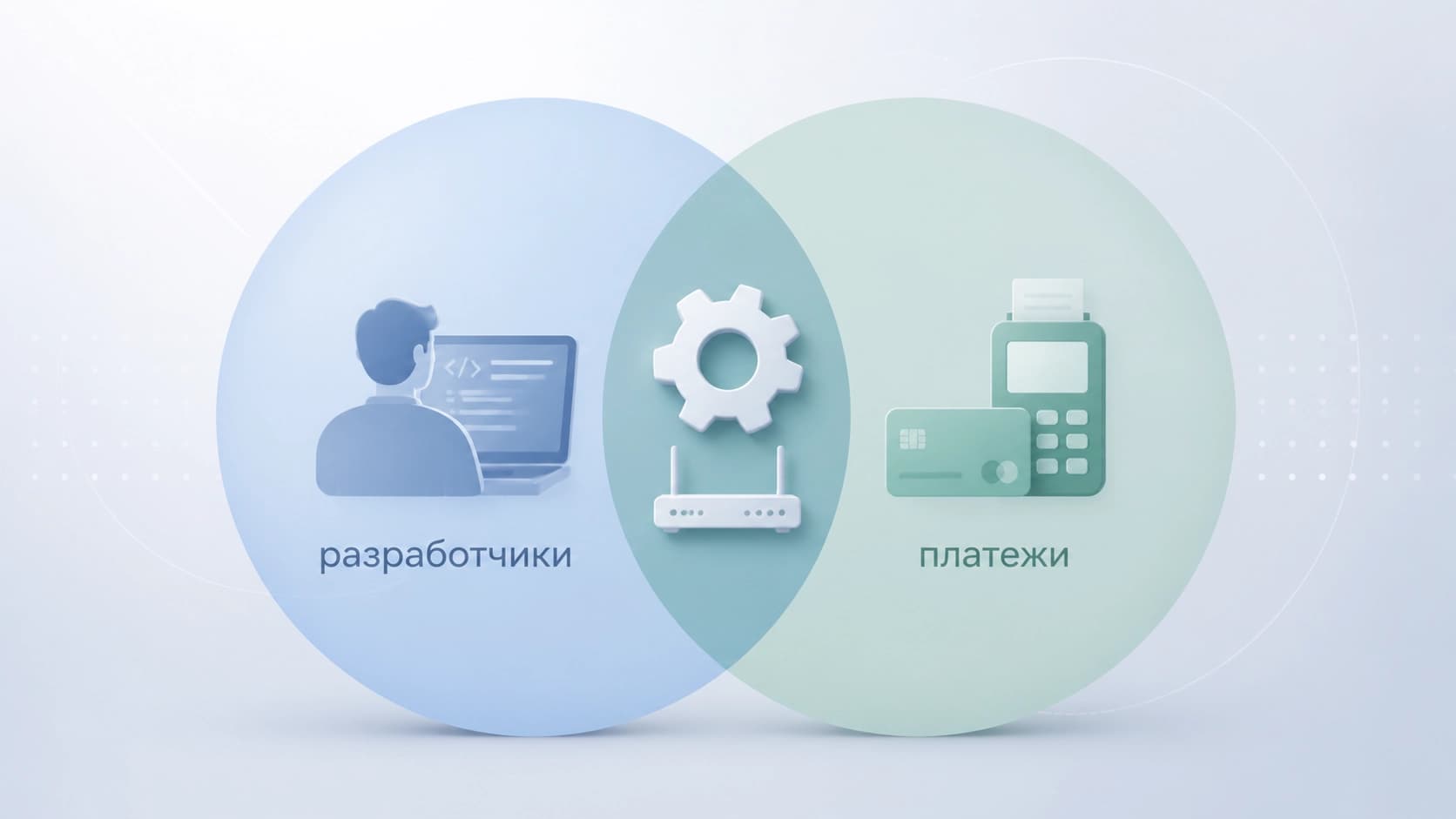
Stripe's founders point out that the two companies' customer bases overlap heavily: OpenRouter is useful to developers, while Stripe is the platform where those developers already accept payments. The deal looks less like an attempt to catch up with AI and more like a way to secure a comfortable position in an already functioning ecosystem.
OpenRouter brings more than just models
OpenRouter is a kind of model "aggregator": a developer gets a single API and through it accesses various neural networks from different vendors. This logic fits well with Stripe's infrastructure, which is already accustomed to being an intermediary between businesses and money. There is a chance OpenRouter will be integrated into Stripe's internal products to simplify the launch of model-agnostic agents.
After the deal closes, OpenRouter itself promises to operate much as before. The corporate blog states that the product, mission, and current commitments to users remain unchanged, although once the paperwork is done, the service will formally become part of Stripe. Given that the service is popular precisely among developers, public promises of independence are sensible: any drastic changes would scare off the very customers for whom it all was undertaken.
From accepting money to controlling spending
Stripe's classic acquisitions have always been geared toward "incoming" money: payment acceptance, invoicing, tax forms. OpenRouter looks different here — it is more of a step toward expense management. More precisely, AI expense management, since tokens and model calls have already become a full-fledged budget line for many companies.
PitchBook analyst Franco Granda calls the deal an attempt by Stripe to embed itself at the center of capital flows in the AI era. Competitors' actions align with this view. Databricks has already acquired its own AI gateway, Rippling launched a product for tracking employee AI spending and assessing return on investment, and Ramp is actively developing AI cost control tools. Stripe is buying not just a "pipe for models," but an information channel: with OpenRouter, it gains insight into how developers choose and use AI.

Great power over a small but growing market
According to the same Granda, having OpenRouter gives Stripe leverage over suppliers: both frontier labs, hyperscalers, and "neoclouds." By owning a router through which a significant share of requests flows, Stripe will better understand demand for compute and models, and thus will be able to influence the terms, prices, and priorities of players.
Clearly, this is not about turning humanity into the Borg. But the combination of "payment infrastructure plus AI expense management plus model router" is no longer just a convenient integration — it is a fairly serious hub through which money, traffic, and decisions about which neural networks will be in demand begin to flow. Stripe is showing once again: in the AI era, it's not only those who build models who profit, but also those who control the paths to them.