
Rat-Brain-Based Neural Computing Is Coming to the AWS Cloud
The Biological Computing Company is beginning to offer AWS customers a tool built on analysis of activity in rat brain cells; initially, it will be available in a limited preview. The company says the technology speeds up video generation and lowers inference costs, but does not disclose which model it was compared against.

What the development is
The Biological Computing Company (TBC) is developing an AI model based on neural patterns in rat brain cells. It is designed to improve the efficiency of video generation models.
This is not about running biological cells in the cloud, but rather a software tool that simulates the computational patterns identified. The company studies how the cells work and translates the patterns it finds into software.
How computational patterns are obtained
Rat brain cells are placed on silicon arrays with multiple electrodes. They are manufactured by the Swiss biotech company 3Brain.
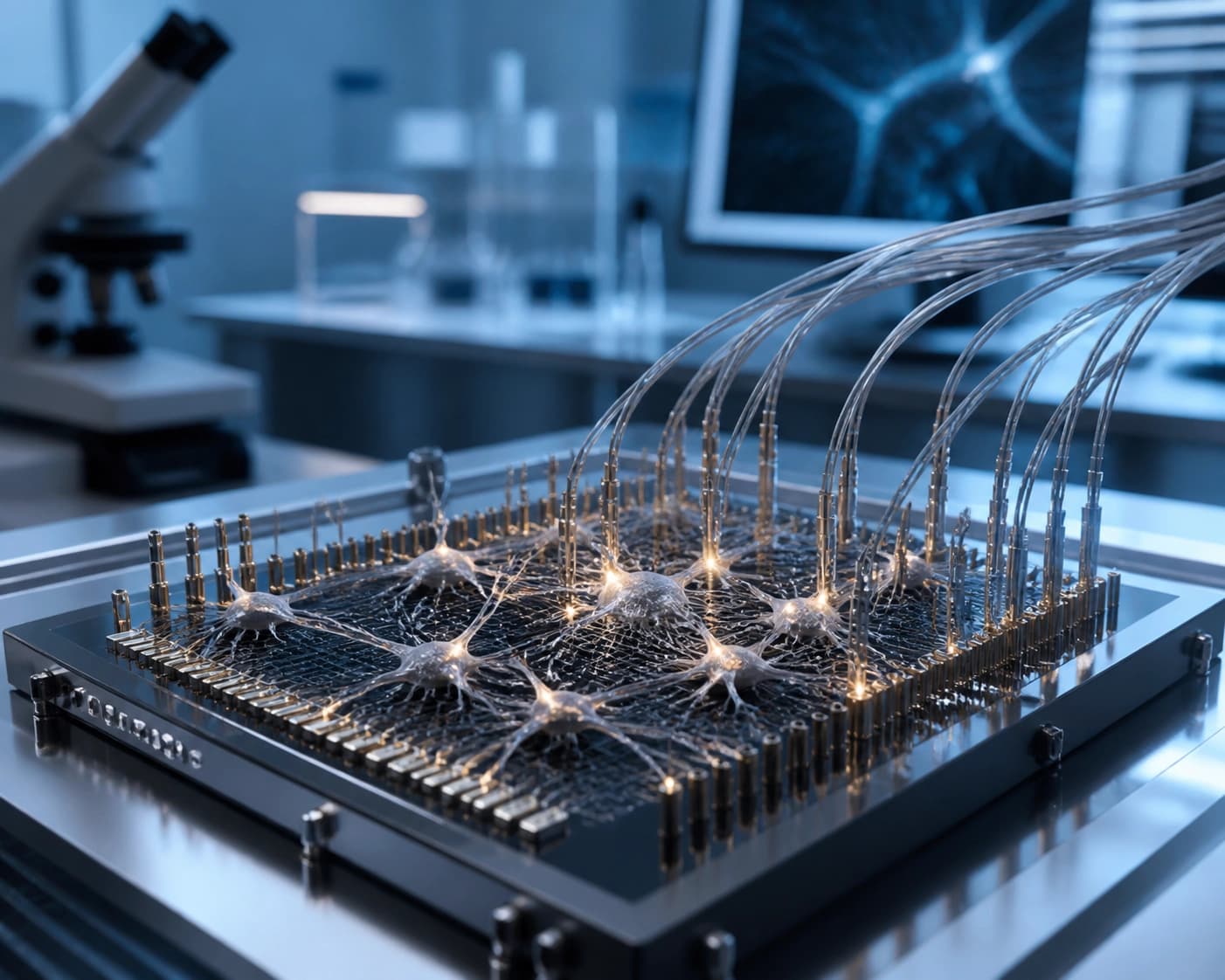
Researchers deliver electrical stimuli to the neurons and record their responses. TBC then analyzes neural activity to identify patterns for the software tool.
According to the company's co-founder, Alexander Ksendzovsky, the process begins by encoding information, such as images, for the biological material. The team then observes how the cells process it and creates a tool that imitates this process.
Why the development is focused on visual data
TBC chose images and video because they are easier to represent on a grid than text or language. The way the electrodes interact with the neurons depends on their position on the array.
- Visual information provides the basis for working with the array.
- The model is designed to improve existing video generation systems.
Practical takeaway: the stated specialization of the development is visual tasks, not working with text or language.
What is known about performance
TBC claims that its model generates video up to five times faster and significantly reduces inference costs. The company compares it with the open model on which the development is based.
TBC does not disclose the name of the model used for comparison. The company only says that it is one of the leading video generation models.
Therefore, the claims about speed and cost should be treated as the company's own estimates. For choosing a model, it is important to compare performance on your own task: there is not enough available data to compare specific models.
Where the technology will be available
Previously, the TBC model was available only through the neocloud provider Bluesky Compute. Now, limited early access will begin for select Amazon Web Services customers on Tuesday.
Amazon and TBC expect to make the technology available to all AWS enterprise customers soon. For now, access is limited to specific customers, and the terms of a broader launch have not been specified.
Frequently asked questions
Related materials
All materials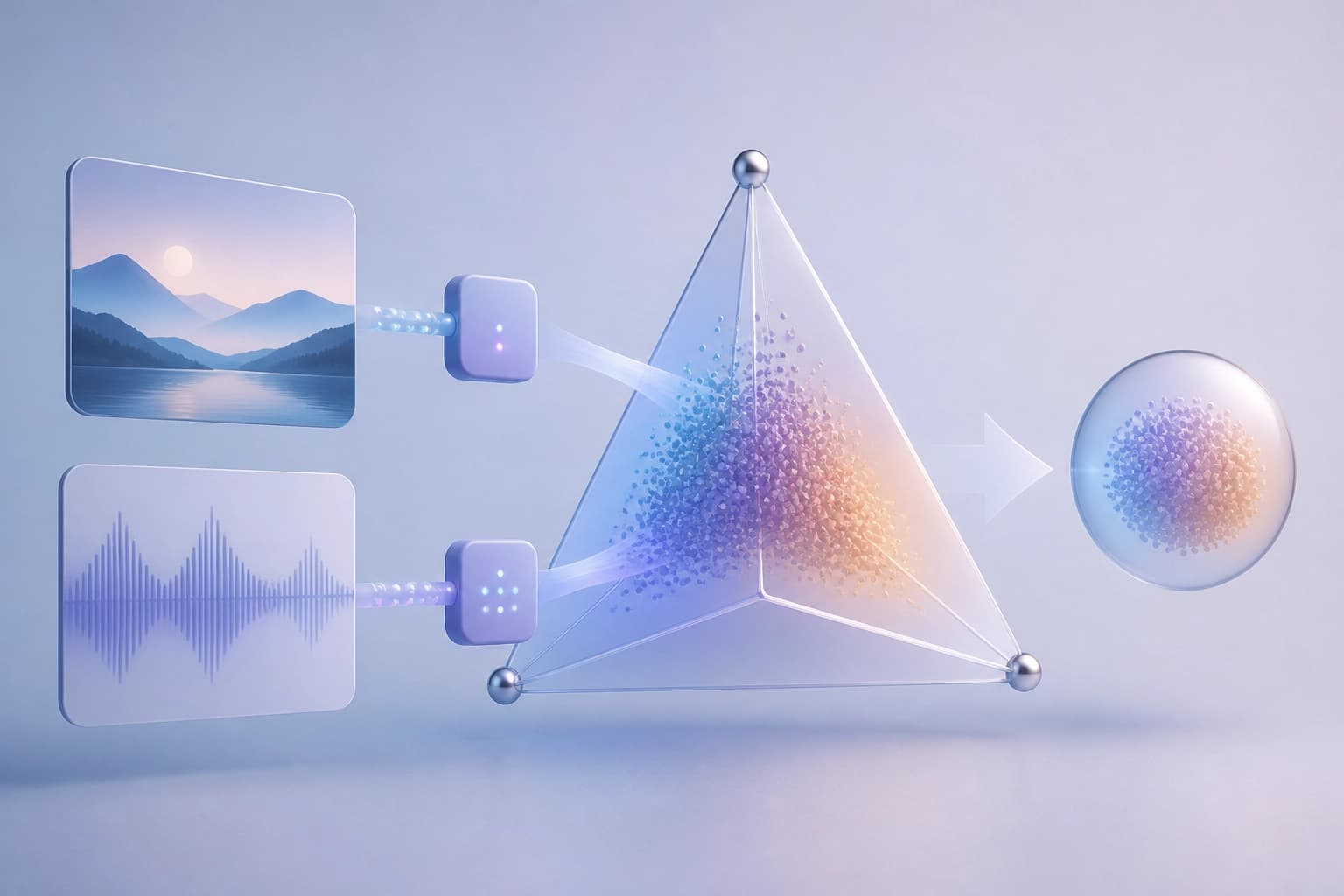
Moving to the Probability Simplex Reduces the Modality Gap in Contrastive Multimodal Models
The paper arXiv:2610.32890 proposes replacing spherical embeddings with a probabilistic simplex, adding lightweight softmax adapters and Total Variation similarity. Across five retrieval benchmarks, the cross-modal centroid ℓ2 distance decreases by 97–99% while retrieval quality is maintained or improved.
3 November 2026
How ActionRAG Reconsiders Evidence During Diffusion Across the Memory Graph of LLM Agents
A graph-memory architecture is proposed that carefully reconciles entities during indexing and reevaluates relationships at query time based on local structure. On MemoryAgentBench, the method achieved an average accuracy of 55.1, outperforming the strongest retrieval baseline by 5.4 percentage points while keeping synthesis costs low per query.
3 November 2026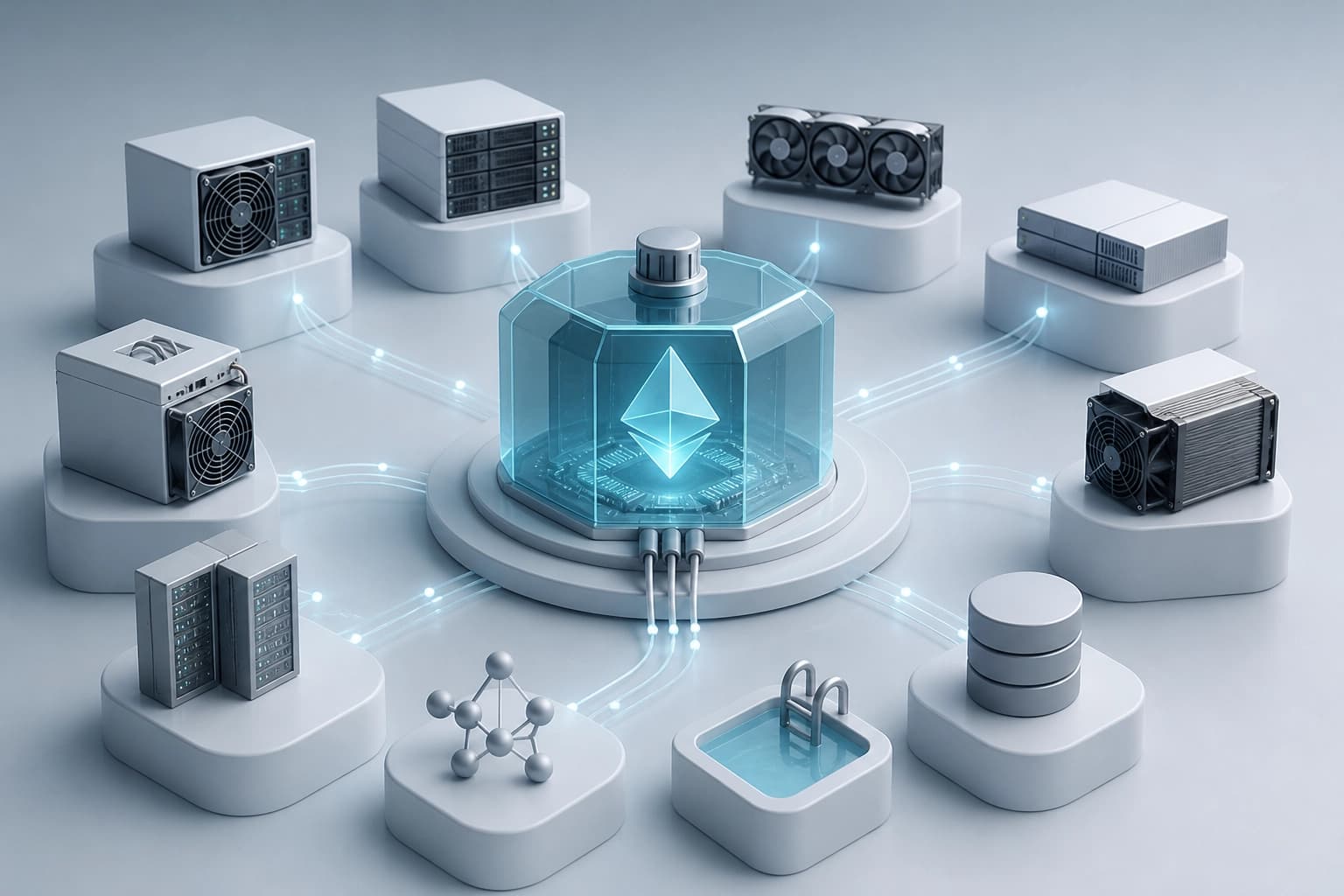
Fifteen companies backed MDK Tether for mining automation
Equipment manufacturers, mining pools, and operators have taken on the development of integrations with Tether’s open suite to standardize equipment monitoring and management; the QVAC AI agent is already built on this foundation. Independent confirmation of reduced electricity costs or increased efficiency has not yet been published.
2 November 2026