

What is GPT-5.6-Cyber
OpenAI has made an unexpected but logical move toward practical cybersecurity: the new GPT-5.6-Cyber model is positioned not as another chatbot, but as a specialized analyst for working with vulnerabilities. While regular language models answer questions and write texts, this version is trained to recognize weak spots in code, break down attack chains, and suggest concrete remediation measures.
Unlike the general GPT-5.6, the Cyber variant has a deeper understanding of low-level languages like C, C++ and assembly, is familiar with typical application logic errors, and can map found issues to CVE databases. In practice, this means the model can take a code snippet, find a potentially dangerous section, and explain why it might be exploitable. It doesn't stop at dry output either: it produces coherent reports that are easy to integrate into development and pentesting workflows.
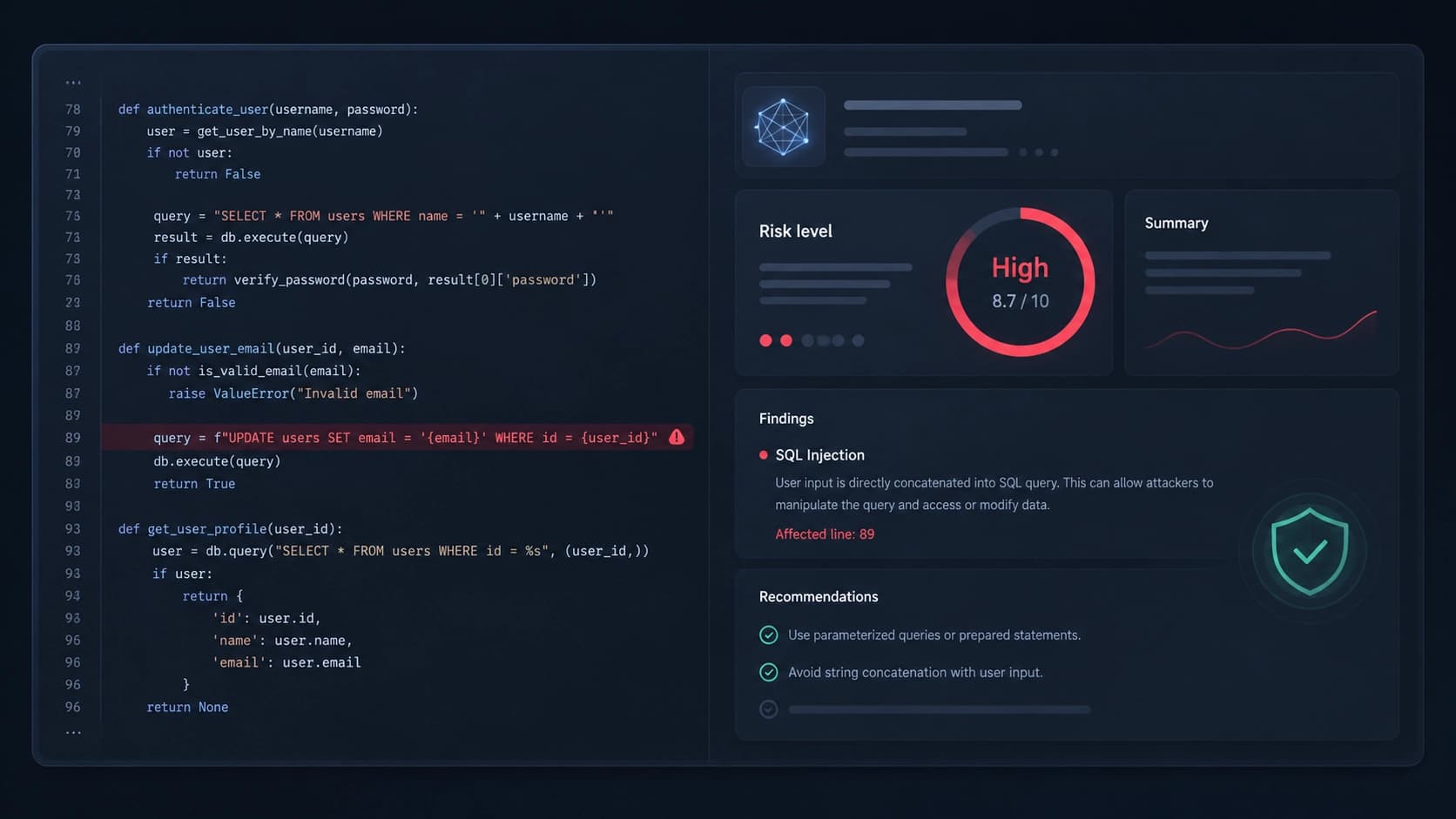
It's important to emphasize: this is not just a model "fine-tuned on security articles." By design, GPT-5.6-Cyber is meant to be a tool for professionals, not for curious beginners. However, access to it is not direct — it's provided through a dedicated interface, which we'll cover next.
Daybreak Red: a platform for vulnerability hunters
The key highlight of the announcement is not the model itself, but the way it's delivered. OpenAI is launching Daybreak Red, a platform that turns GPT-5.6-Cyber into a working tool for security researchers. Even the name points to red teaming practice — simulating attacks to test defensive mechanisms.
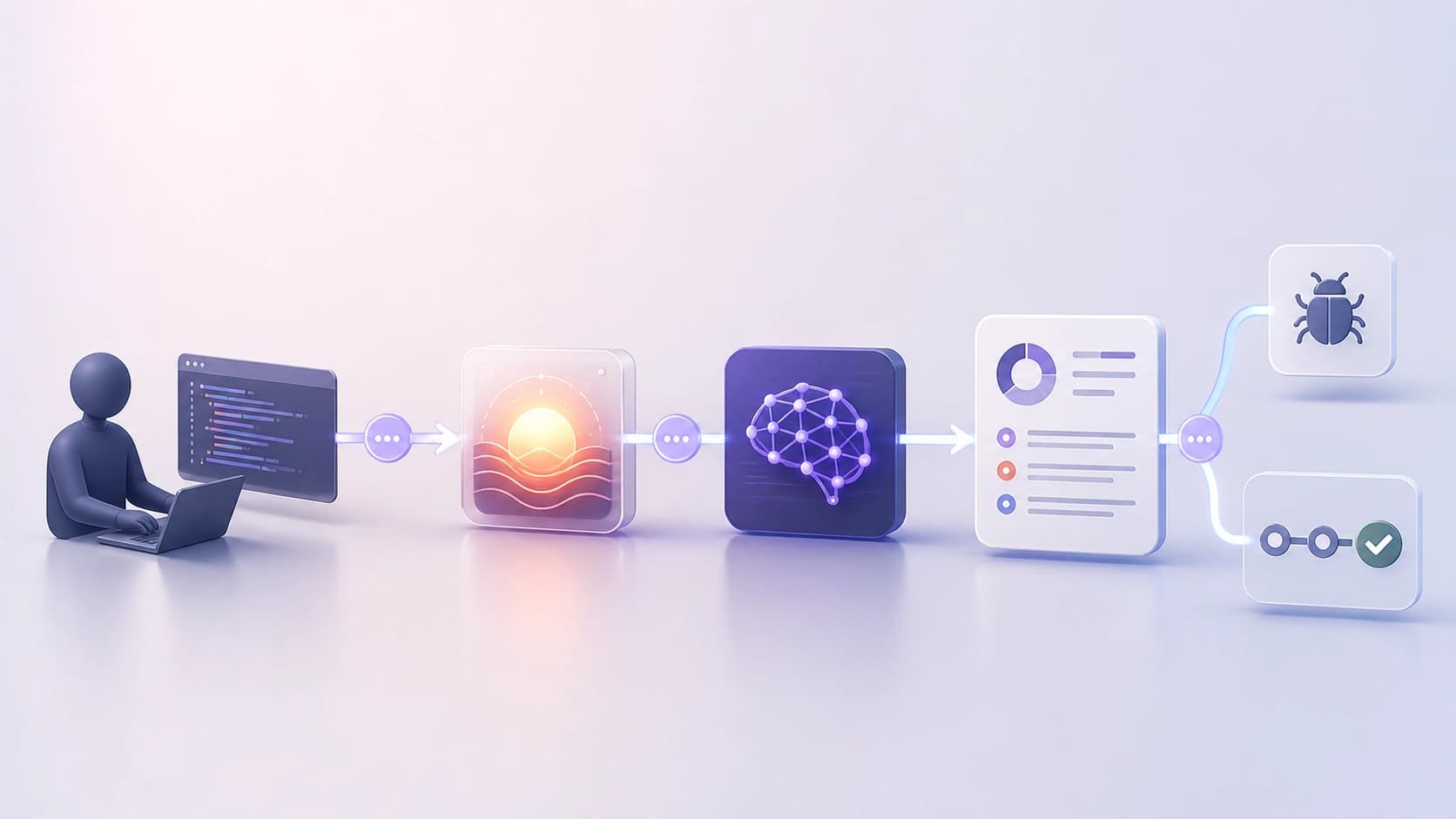
Daybreak Red works as a managed environment: a researcher uploads code or a system description, and the platform passes it to the model through specialized wrappers, receives the result, and formats it into a structured report. Instead of manually crafting prompts in a chat, the user gets a convenient pipeline: input — analysis — a list of vulnerabilities with severity ratings and potential attack vectors.
The platform is designed for integration with existing pentesting tools — for example, via API it can be connected to security scanners, SIEM systems, or custom scripts. This matters because vulnerability hunters often work in complex environments where there's no time to reformat outputs. Output automation allows embedding results directly into tickets or audit reports.
At the same time, Daybreak Red has a restrictive perimeter. OpenAI clearly accounts for the dual-use nature of such technology: on one hand, it's a powerful assistant for defense; on the other, a potential weapon for attackers. Therefore, the platform apparently includes filters for dangerous requests and likely requires user verification. Still, abuse cannot be fully ruled out: a model that finds vulnerabilities is neutral in itself — everything depends on human intent.
Who needs this and what risks to consider
The primary users of Daybreak Red are security professionals, code auditors, and bug bounty hunters. For them, the tool promises to cut time on initial analysis: instead of manually going through functions and hunting for suspicious patterns, you can hand the code to the model and get ready-made candidates for review.
The model will be especially useful for analyzing large codebases where human attention quickly wanes. It doesn't get tired, doesn't miss "trivial" things that a human might overlook — like incorrect buffer boundary checks or forgotten error handling. But trusting it completely is also a mistake: every finding needs to be re-verified, and false positives will likely be common.
Among the risks, it's worth highlighting not only malicious use. There's the "black box" problem: researchers may not understand why the model produced a particular result, which reduces the value of reports for serious audits. Additionally, GPT-5.6-Cyber may not account for the context of a specific application — for example, business logic that makes a "vulnerability" not actually exploitable.
OpenAI is clearly moving toward vertical solutions, and cybersecurity is one of the most acute areas. It's too early to say whether the GPT-5.6-Cyber and Daybreak Red combination will become an industry standard. But the fact that a major vendor is betting on automating vulnerability discovery is a signal to the entire market: this niche is turning into a full-fledged competition between algorithms and defenders.