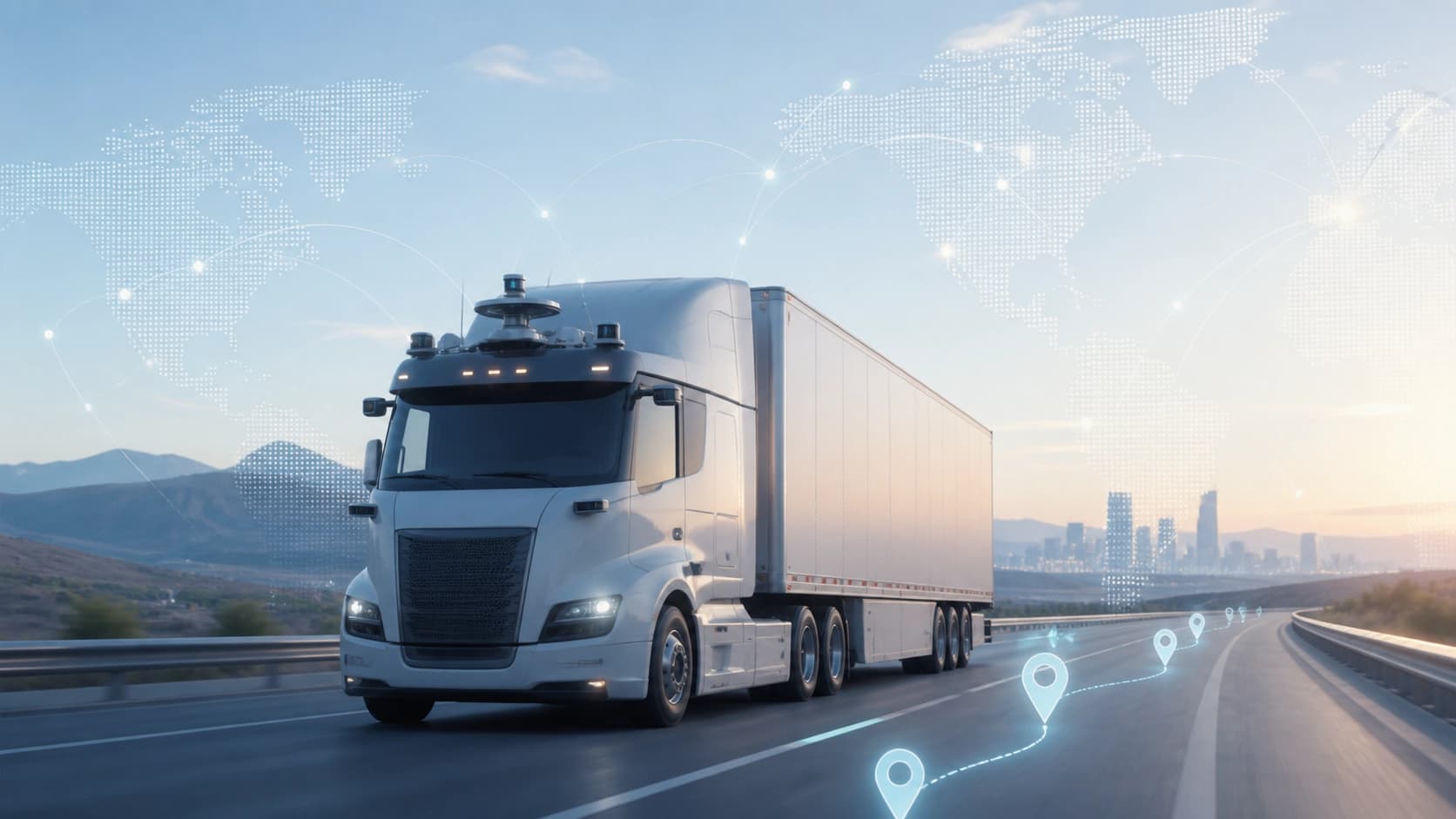
$200M to scale: who provided the funding
Gatik closed a $200M Series D round. This isn't the first major check in the company's history, but it's arguably the most telling: the money came from institutions that rarely enter autonomous logistics "out of curiosity."
The round was led by Qatar Investment Authority and Koch Disruptive Technologies. Among the participants are Millennium Management, ARK Invest, Intact Private Capital, and a number of other funds. The investors' logic is easy to read: Gatik isn't selling a prototype but a working service with measurable economics.
The arguments the company uses to back up the business's appeal:
- more than $600M in contracted revenue;
- 85,000 orders completed in fully driverless mode;
- a stated on-time delivery rate of 99%.
Where the new money will go is also stated without fog: expanding commercial operations and the fleet, plus investment in technology, infrastructure, and people. In other words, the company is scaling an existing model rather than searching for a use for it from scratch.
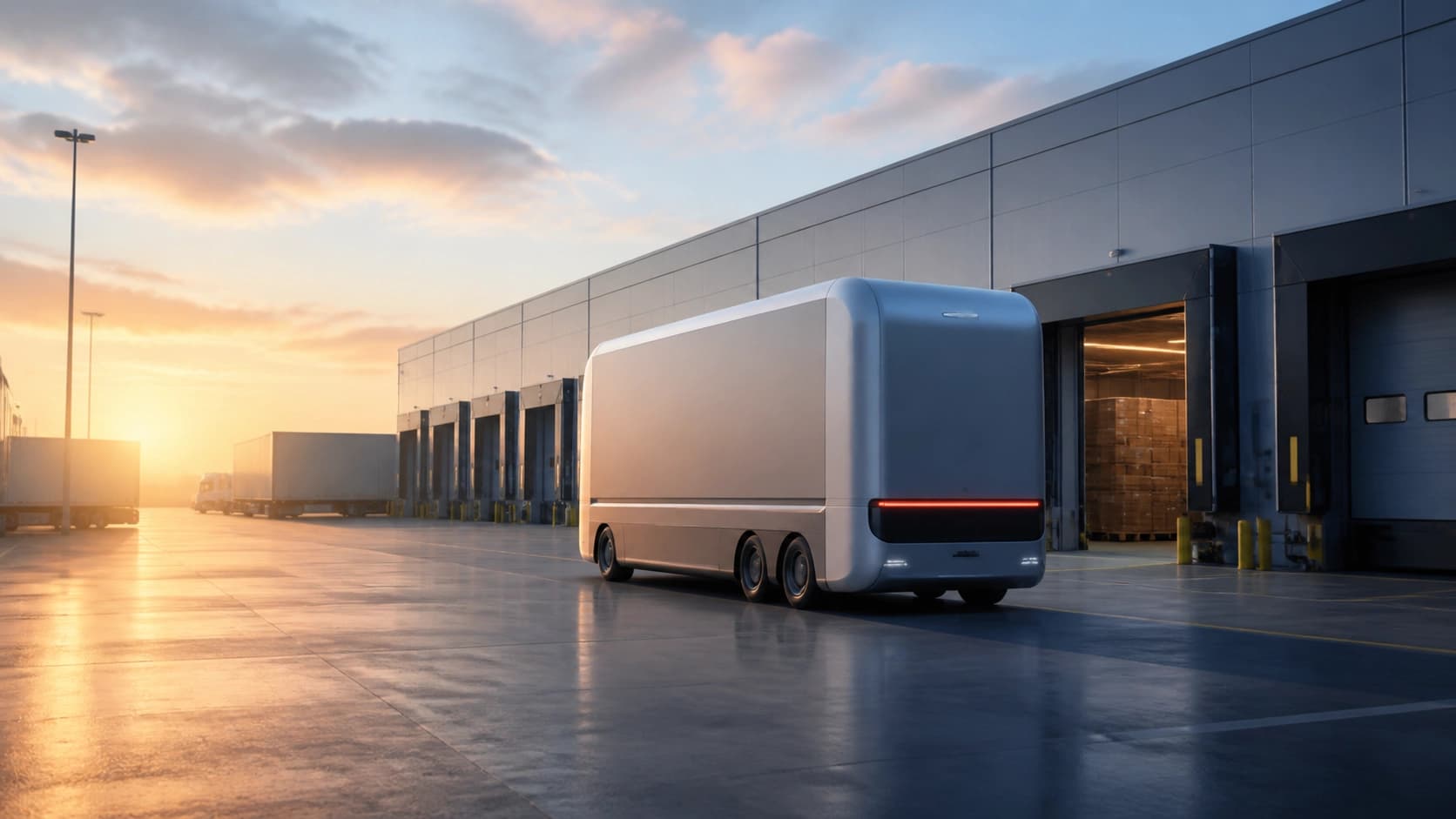
Where the driverless trucks operate
The operational geography spans Texas, Arizona, Arkansas, and Canada. The trucks move goods between distribution centers and stores — this is classic middle-mile, meaning the movement of freight between facilities rather than delivery to the customer's door.
Today, dozens of fully driverless vehicles are in service: no driver and no safety observer in the cab. The ambitions are an order of magnitude greater. A Gatik representative, speaking to Reuters, named the target: more than 100 driverless trucks by the end of 2026. Over the longer term, the talk is of thousands of vehicles.
The key element of this scheme is Gatik Driver. It's the company's own AI system, designed for regional routes that combine highways and city streets. It's precisely middle-mile that makes such a task solvable: routes are repeatable, pickup and drop-off points are known in advance, which means the system's behavior can be predicted and validated.
From five vehicles to 400 miles
It's worth recalling how it all began — the contrast with today's numbers is enormous.
In 2020, the first fleet with Loblaw in Toronto looked modest: five vehicles on five predefined routes with fixed loading and unloading points. By 2022, the operation was already hauling ambient, chilled, and frozen goods from a single distribution facility to five nearby stores. Loblaw at the time described such routes as fixed, repeatable, and predictable — an ideal proving ground for autonomy.
That same year, 2022, the partners removed the safety driver from commercial routes. Before that point, the companies had reported more than 150,000 autonomous deliveries completed with a specialist in the cab.
Then the complexity began to increase. According to TechCrunch, the company started with trips shorter than 10 miles, and today it runs dynamic routes with dozens of pickup and drop-off points and legs of up to 400 miles.
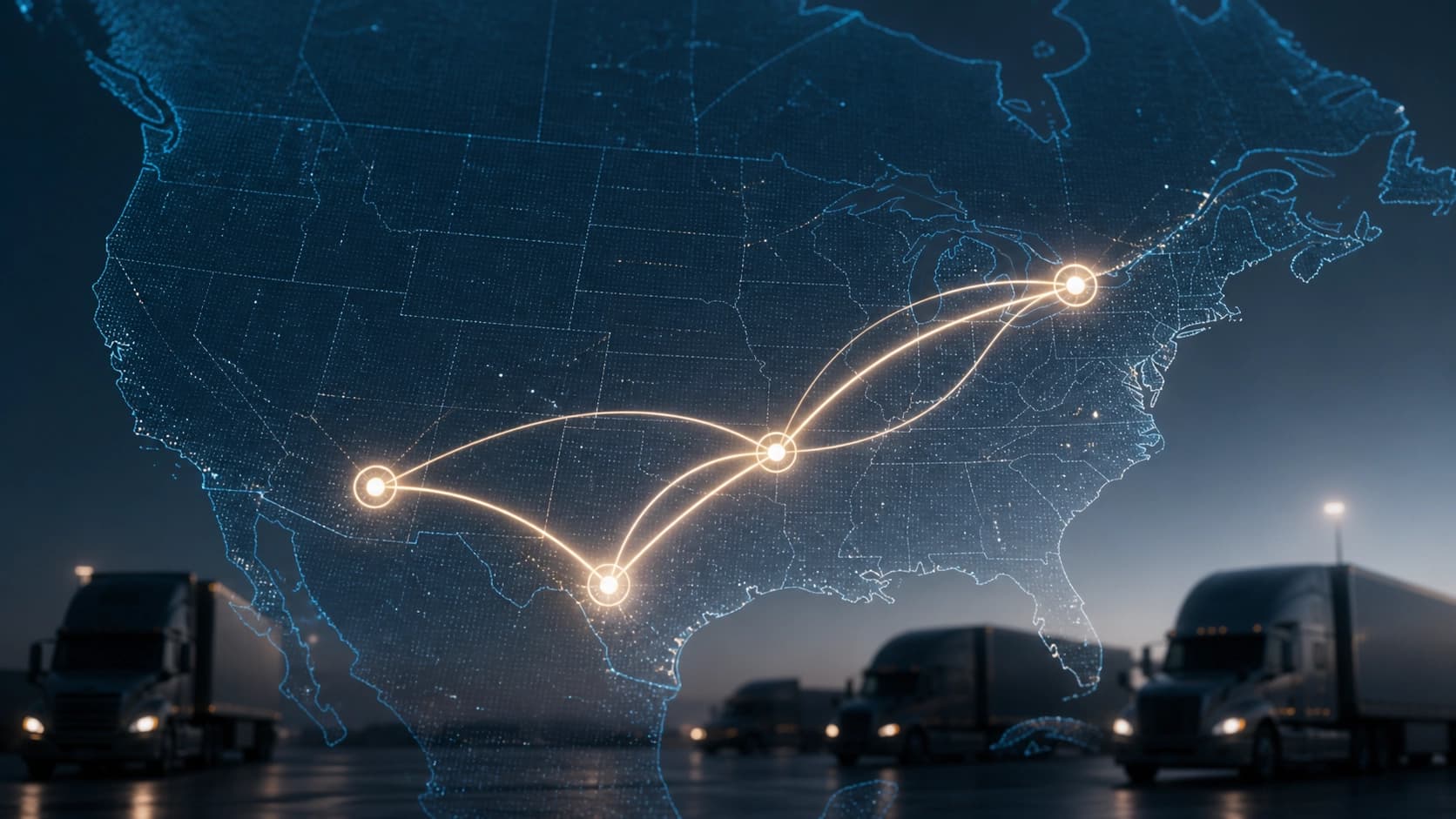
Two anchor clients
PepsiCo
In June 2026, Gatik signed a multi-year agreement with PepsiCo to deploy autonomous trucks in the North American supply chain. This concerns regional transport networks with high-frequency schedules — products need to be moved between facilities constantly and on schedule.
According to TechCrunch, the operation includes 41 fully driverless box trucks hauling Frito-Lay products between distribution centers and stores in Dallas, Phoenix, and northwestern Arkansas. Notably, the first deployment with Gatik at PepsiCo began back in 2022 — meaning the 2026 commercial expansion rests on several years of working together.
PepsiCo separately noted the flexibility of the new scheme: routes can be adjusted by adding or removing stops in response to changing demand and activity at distribution centers. Changes are made within existing transport operations, without a major overhaul of the logistics network — and that is perhaps the main commercial argument for autonomy.
Loblaw
The Canadian side has grown too. In September 2025, the companies signed a five-year agreement for the initial deployment of 50 autonomous trucks in Loblaw's distribution network in the Greater Toronto Area. The schedule is as follows: 20 vehicles by the end of 2025, another 30 by the end of 2026.
The vehicles are to serve more than 300 stores in the chain and make the transition from operating with safety drivers to a fully driverless freight service.
Simulation instead of endless on-road testing
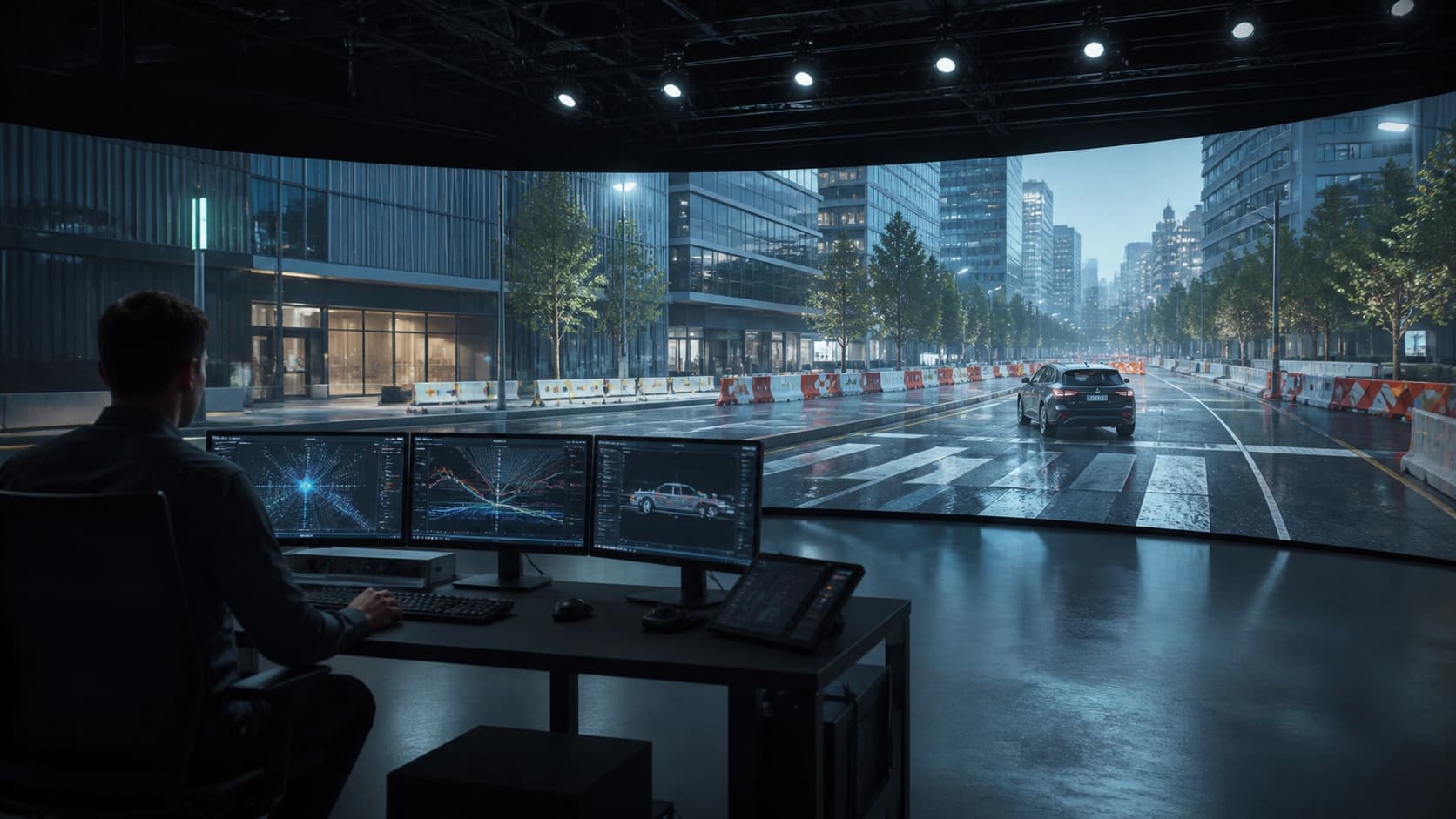
Scaling autonomy through real-world mileage alone won't work: rare and dangerous on-road scenarios simply can't be reproduced on demand. Gatik addresses this through simulation and synthetic data.
In July 2025, the company introduced Arena — its own simulation platform that reproduces driving conditions without relying solely on physical road testing. The platform generates structured synthetic data and allows both routine situations and those rare or high-risk cases that almost never recur in real operation to be run through. Conditions can be changed and the same scene revisited again and again — which is critical for validation.
The technological foundation for this comes from Nvidia Cosmos world foundation models, which generate synthetic driving environments for training and validating the system. On board, Nvidia hardware is used: in March 2025, the company reported that Gatik is integrating Nvidia DRIVE AGX into its Class 6 and 7 autonomous trucks. This platform processes sensor data in real time and runs the AI workloads needed for autonomous driving.
There's also a manufacturing track. In 2024, Isuzu Motors invested $30M in Gatik as part of a partnership to develop commercial Level 4 autonomous vehicles for North America.
What follows from this
Gatik's story is a good illustration of how autonomous freight is moving out of the demonstration stage. The company isn't trying to immediately replace the long-haul trucker on transcontinental runs, nor is it going into doorstep delivery. It operates where the route is repeatable, the points are known, and the economics add up: warehouse to store, warehouse to warehouse, fixed corridors.
It's precisely this narrowness that allowed it to remove the person from the cab earlier than many. And the $200M in new capital, the target of 100+ vehicles by the end of 2026, and contracts with two major retailers and a manufacturer all indicate that the model is moving from hypothesis testing to replication. The main question now is not "will the technology work" but "will the company manage to scale its fleet, infrastructure, and service teams faster than its competitors."
This material was prepared based on a publication by Muhammad Zulhusni, August 26, 2026.