

Turnitin
Сервис для проверки академических текстов на плагиат и выявления контента, созданного искусственным интеллектом.
Обзор
Turnitin
Описание нейросети Turnitin
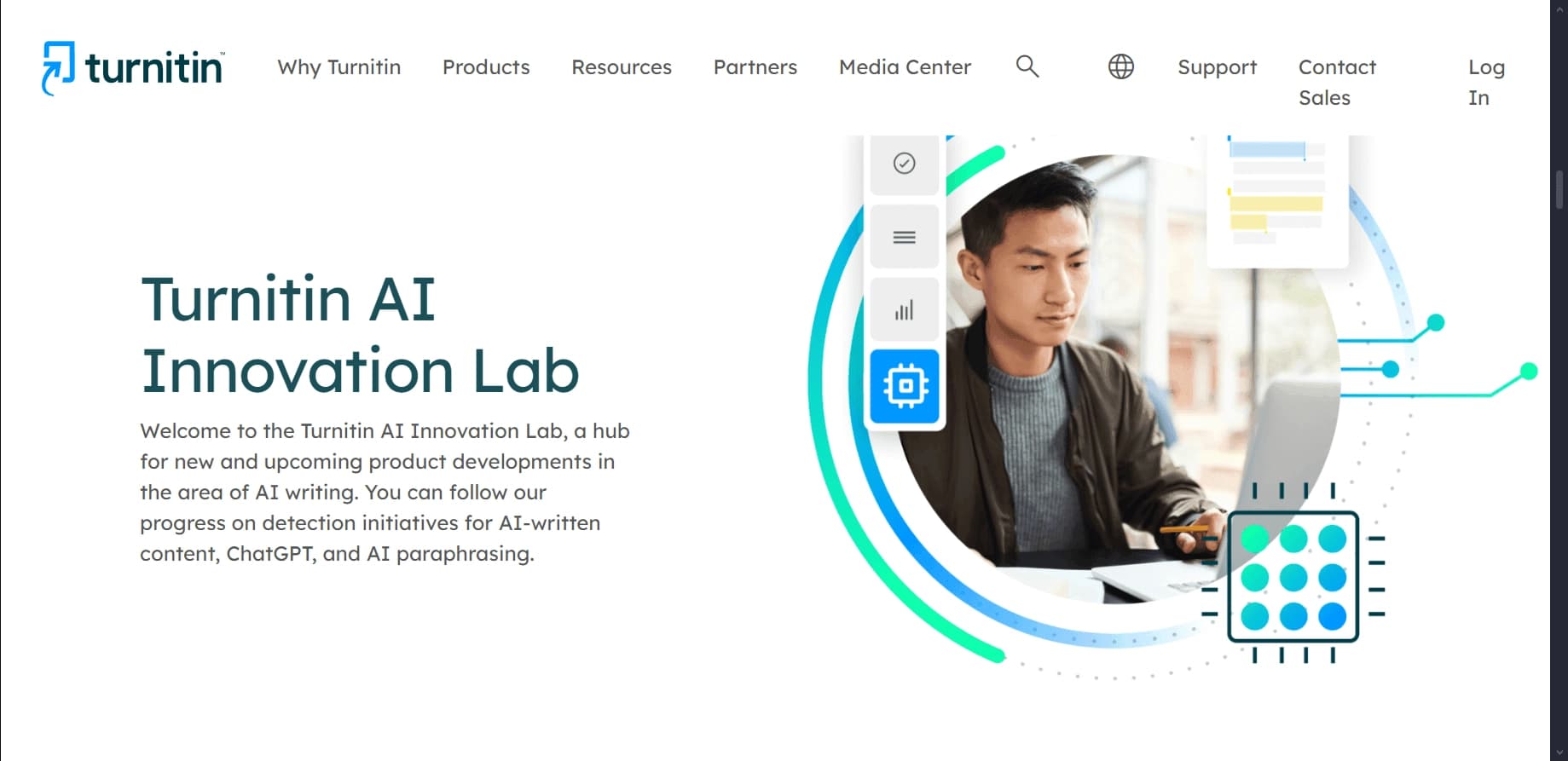
Turnitin — это институциональная система для проверки академических текстов на плагиат и выявления контента, созданного искусственным интеллектом. Сервис был основан в 1996 году на базе Калифорнийского университета в Беркли и за десятилетия стал де-факто стандартом академической честности в учебных заведениях по всему миру. На сегодняшний день платформа насчитывает более 71 миллиона студентов и 16 000 образовательных учреждений среди пользователей.
Система сравнивает загруженные документы с обширной базой, содержащей 1,9 миллиарда студенческих работ, данные открытого интернета и академические базы данных. По результатам проверки формируется подробный отчёт с указанием процента заимствований, их источников, а также доли текста, которая могла быть сгенерирована нейросетями. Инструмент интегрируется с популярными образовательными платформами, такими как Canvas, Moodle, Blackboard и D2L, а также с Google Docs и Microsoft Word.
Характеристики Turnitin
| Характеристика | Значение |
|---|---|
| Тип | Система академической честности, инструмент для проверки плагиата, AI-детектор, грамматический чекер |
| Категория | Проверка плагиата и уникальности, Детекторы ИИ-текста |
| Год основания | 1996 (на базе Калифорнийского университета в Беркли) |
| Количество пользователей | Более 71 млн студентов, 16 000 учебных заведений |
| Ежемесячные посещения | 18,5 млн |
| Тип доступа | Только для учебных заведений и издательств (институциональное решение) |
| Платформы | Сайт, интеграция с LMS (Canvas, Moodle, Blackboard, D2L) |
| Языки интерфейса | Более 30 языков (включая русский, китайский, испанский, японский) |
| Наличие бесплатного тарифа | Нет (продаётся только учебным заведениям) |
| Веб-сайт | www.turnitin.com |
Для кого подходит нейросеть Turnitin?
Учебные заведения и преподаватели
Turnitin в первую очередь разработан для университетов, колледжей и других образовательных учреждений. Преподаватели получают возможность проверять студенческие работы на плагиат и выявлять фрагменты, написанные искусственным интеллектом, в рамках единого отчёта. Система глубоко интегрируется с платформами управления обучением (LMS), что позволяет автоматизировать процесс проверки.
Студенты
Студенты могут пользоваться Turnitin опосредованно — через своё учебное заведение. Работы сдаются через систему университета, после чего преподаватель видит отчёт о схожести и проценте AI-авторства. Прямой доступ для частных лиц отсутствует.
Исследователи, учёные и издательства
Для проверки научных рукописей перед публикацией существует отдельная версия Turnitin — iThenticate. Она предназначена для исследователей, учёных и издательств, которые нуждаются в проверке оригинальности материалов, подготовленных к публикации в рецензируемых журналах.
Как использовать нейросеть Turnitin?
Через учебное заведение
Для студентов и преподавателей процесс выглядит следующим образом: работа загружается через систему управления обучением (LMS), в которую встроен Turnitin. Преподаватель настраивает параметры проверки (оригинальность, детекция AI), после чего система автоматически анализирует документ и формирует отчёт. Никаких дополнительных действий от пользователя не требуется — всё происходит в привычной образовательной среде.
Через сторонние сервисы-посредники
Поскольку напрямую Turnitin недоступен для частных пользователей, существуют сторонние сервисы (например, T-detector или DocxTurnitin), которые используют официальные преподавательские аккаунты. Они позволяют получить идентичный официальному отчёт Turnitin за небольшую плату за каждую проверку. Важно понимать, что такие сервисы — исключение, а не правило, и их использование сопряжено с определёнными рисками.
Основные функции Turnitin
Проверка на плагиат (Turnitin Checker)
Система анализирует текст на уникальность, сравнивая его с базой из 1,9 миллиарда студенческих работ, открытого интернета и академических баз данных. В результате формируется детализированный отчёт об оригинальности с указанием совпадений и их источников.
Детектор ИИ-контента (Turnitin AI Detector)
Встроенный AI-детектор анализирует текст на предмет использования искусственного интеллекта. Система оценивает вероятность AI-авторства и способна выявлять перефразированные фрагменты. По данным независимых исследований 2024–2025 годов, Turnitin входит в тройку самых точных инструментов для определения AI-текстов — наряду с Copyleaks.
Глубокий анализ и детализированные отчёты
Помимо базовой проверки уникальности, Turnitin выявляет перефразированный плагиат — случаи, когда текст изменён таким образом, чтобы обойти стандартную проверку. Отчёты содержат процент заимствований, ссылки на источники и цветовую маркировку совпадений.
Интеграция с образовательными платформами
Turnitin полностью интегрируется с популярными LMS-платформами: Canvas, Moodle, Blackboard и D2L. Кроме того, доступна синхронизация с Google Docs и Microsoft Word, что упрощает workflow для преподавателей и студентов.
Преимущества Turnitin
Самая большая база для сравнения
Ключевое преимущество Turnitin — база данных, включающая 1,9 миллиарда студенческих работ. Это делает систему особенно эффективной для выявления заимствований из работ, которые не проиндексированы в открытом интернете и недоступны для других сервисов.
Одновременная проверка на плагиат и AI
В отличие от многих аналогов, Turnitin проводит проверку на плагиат и детекцию AI-контента в рамках одного отчёта. Это экономит время преподавателей и позволяет получить комплексную оценку работы.
Высокая точность и авторитет
Система демонстрирует минимальное число ложных срабатываний — около 1%. На чисто сгенерированных текстах точность близка к 100%. Turnitin признан отраслевым стандартом в академическом сообществе и де-факто используется большинством университетов по всему миру.
Недостатки Turnitin
Недоступность для частных пользователей
Turnitin продаётся только учебным заведениям и издательствам. Частные лица не могут оформить индивидуальную подписку и воспользоваться сервисом напрямую. Те, кому нужна самопроверка, вынуждены обращаться к сторонним посредникам.
Высокая стоимость и непрозрачное ценообразование
У Turnitin нет публичного прайс-листа — стоимость обсуждается индивидуально с каждым учреждением и может исчисляться миллионами долларов. Для небольших учебных заведений это может быть существенным барьером.
Сохранение работ в базе данных
Стандартно отправленные на проверку работы попадают в базу Turnitin навсегда и используются при последующих сравнениях. Компания требует бессрочных, безотзывных прав на использование материалов, что вызывает вопросы об авторских правах студентов.
Ложные срабатывания и снижение точности
На отредактированных AI-текстах (подвергшихся «гуманизации») точность детекции заметно снижается. Ряд университетов предпочёл отключить AI-детектор Turnitin, не дожидаясь ложных обвинений студентов. Кроме того, возможны ложные срабатывания на формальном или академическом языке.
Какие задачи решает Turnitin
Turnitin решает три основные задачи в сфере академической честности. Во-первых, это выявление плагиата в студенческих работах и научных текстах — система находит заимствования из огромной базы источников и указывает на них в отчёте. Во-вторых, это автоматическая проверка оригинальности текста с детализированным анализом совпадений. В-третьих, это анализ текстов на использование искусственного интеллекта — выявление фрагментов, которые могли быть сгенерированы нейросетями. Дополнительно сервис способствует обучению студентов самостоятельному написанию качественных материалов за счёт доступа к тренажёру для тренировки навыков академического письма.
Цены Turnitin
Turnitin не имеет публичного прайс-листа — стоимость варьируется в зависимости от размера учебного заведения, объёма проверок и подключённых модулей. По доступным данным, базовая лицензия с проверкой на плагиат обходится учреждениям от примерно 3 долларов за студента в год. Надбавка за AI-детектор составляет около 0,41–0,48 доллара за студента в год и подключается отдельно. Для исследователей и издательств через версию iThenticate стоимость проверки одной рукописи начинается от примерно 125 долларов. Бесплатный тариф отсутствует — сервис продаётся только на коммерческой основе.
Условия использования Turnitin
Для доступа к Turnitin требуется договор с учебным заведением или издательством. Частным пользователям сервис не предоставляется. Регистрация возможна с использованием электронной почты, а также через аккаунты Google и Clever. Важно учитывать, что отправленные на проверку тексты стандартно сохраняются в базе данных компании для последующих сравнений — компания запрашивает бессрочные, безотзывные права на использование материалов.
Доступность Turnitin
Turnitin работает в формате веб-платформы и встроен в LMS-системы учебных заведений. Интерфейс поддерживает более 30 языков, включая русский, китайский, испанский и японский. Несмотря на поддержку русского языка в отчётах о схожести, ориентирован сервис преимущественно на европейские и азиатские образовательные учреждения. Доступен Turnitin исключительно для учреждений — частным лицам прямой доступ не предоставляется.
Чем отличается Turnitin от аналогов
Turnitin принципиально отличается от других сервисов проверки на плагиат и детекции AI-контента по нескольким параметрам. Главное отличие — самая большая база студенческих работ в мире (1,9 миллиарда), которая недоступна конкурентам. Это делает Turnitin особенно эффективным для выявления заимствований из работ, не проиндексированных в открытом интернете.
Второе важное отличие — одновременная проверка на плагиат и AI в рамках одного отчёта, что нехарактерно для многих аналогов. Turnitin входит в тройку самых точных AI-детекторов по данным независимых исследований 2024–2025 годов — наряду с Copyleaks — при минимальном числе ложных срабатываний (около 1%).
Однако, в отличие от таких аналогов, как ZeroGPT, GPTZero или Originality.AI, Turnitin недоступен для частных пользователей и не предлагает индивидуальных подписок. Это строго институциональное решение, что одновременно является и его преимуществом (глубокая интеграция с LMS), и ограничением.
Заключение
Turnitin — это авторитетная институциональная платформа для проверки академической честности, объединяющая детекцию плагиата и AI-контента в едином отчёте. Благодаря самой большой базе студенческих работ, глубокой интеграции с образовательными платформами и высокой точности, система является отраслевым стандартом для университетов по всему миру. Вместе с тем, Turnitin недоступен для индивидуальных пользователей, имеет непрозрачное и дорогое ценообразование, а также сталкивается с ограничениями в точности на отредактированных AI-текстах, что побудило некоторые учебные заведения пересмотреть подход к использованию AI-детектора.
Тарифы
Часто задаваемые вопросы
Похожие нейросети



Смотрите также

Инструмент для генерации 3D-моделей на основе текстового описания, изображений или набросков.

Универсальный AI-ассистент, который анализирует видео и веб-страницы, отвечает на вопросы и создает конспекты.

ComicLLM — это AI-инструмент для создания комиксов по текстовому описанию или готовым шаблонам.

Онлайн-сервис, который перерабатывает текст, созданный нейросетью, в более естественный и человеческий вид.

AI-агент для автоматизации рутинных действий в браузере, таких как заполнение форм и сбор данных.
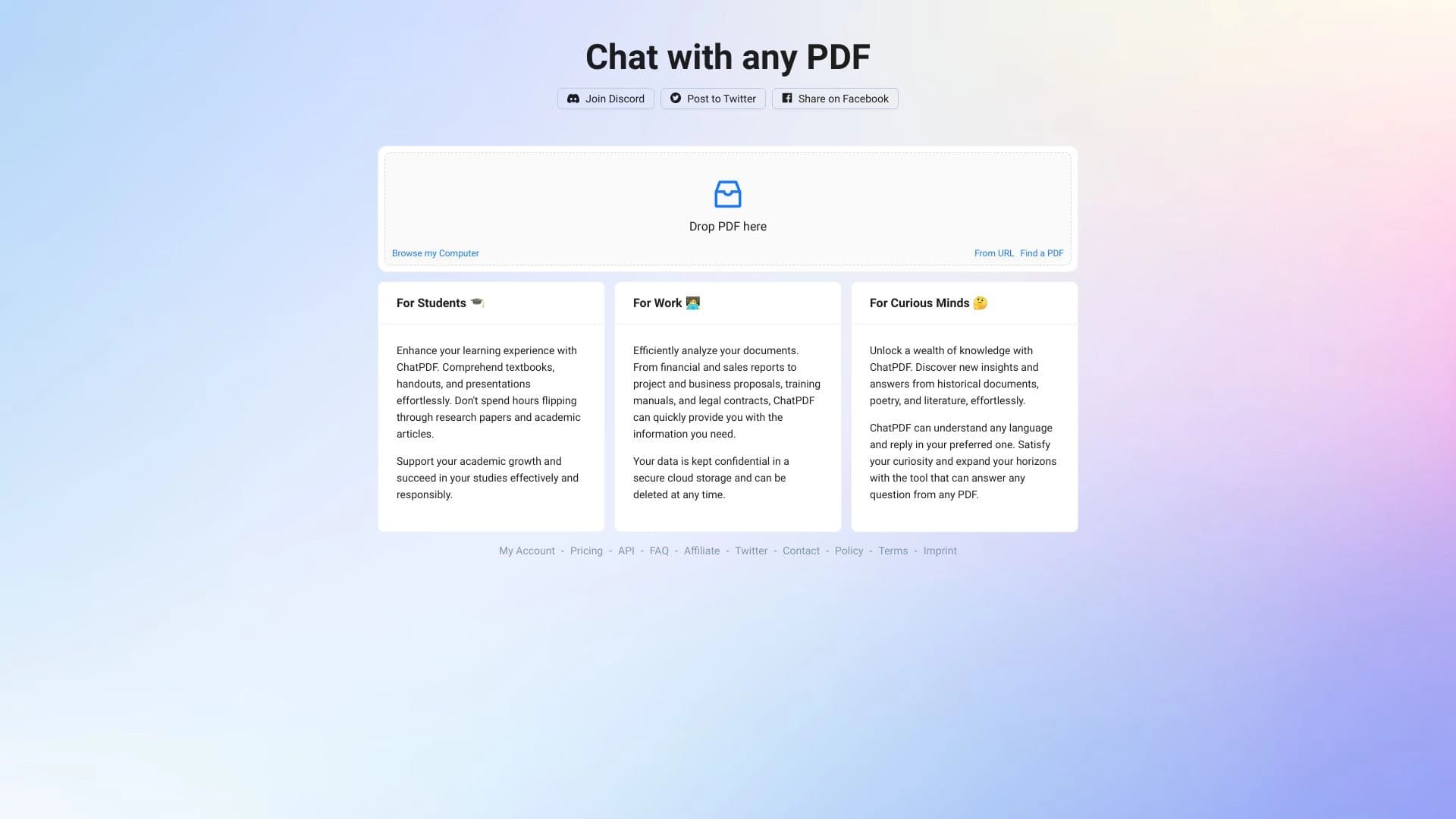
Онлайн-сервис, который позволяет общаться с PDF-документами в чате: задавать вопросы и получать краткие ответы с указанием источника.
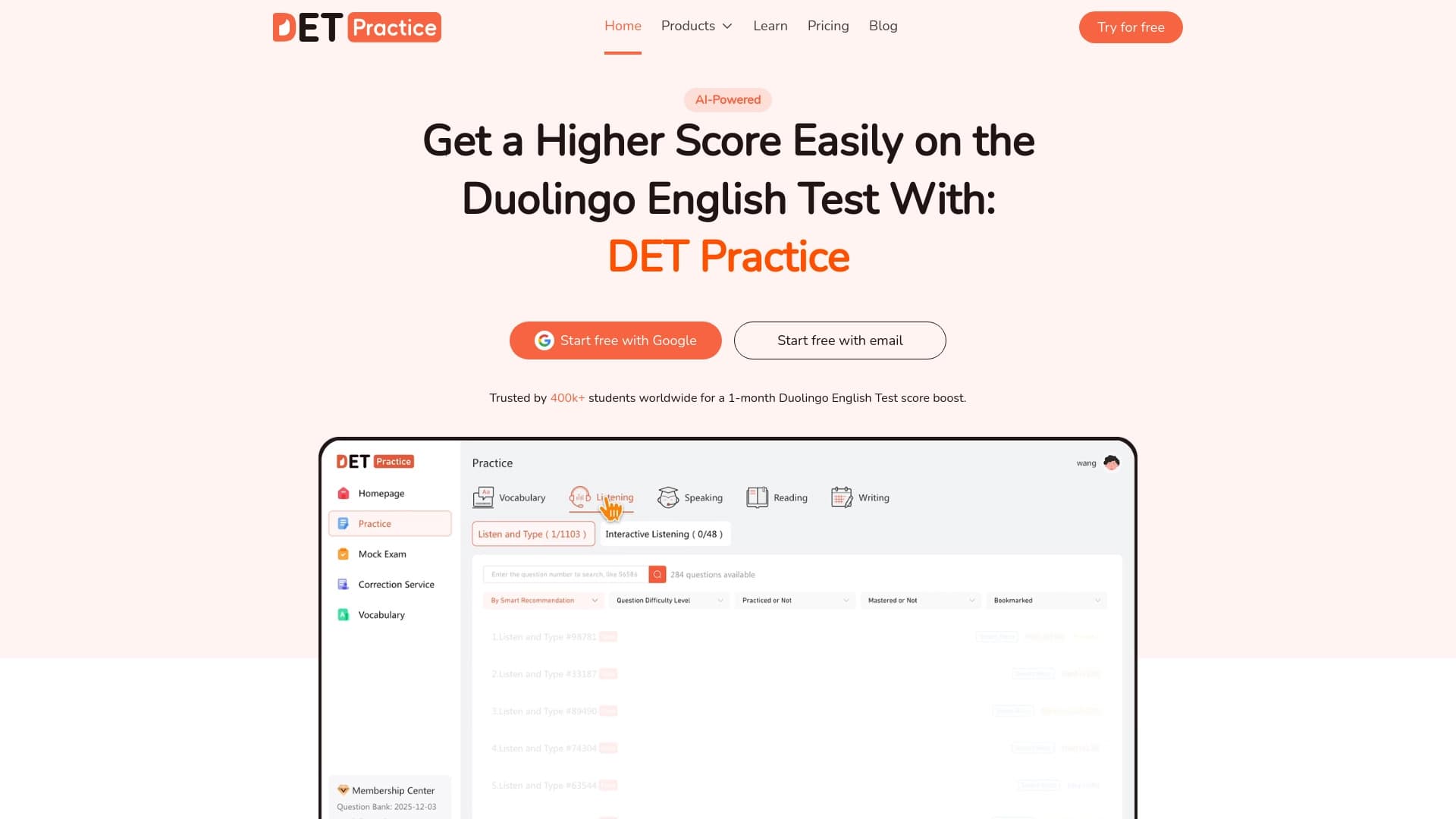
Онлайн-платформа для подготовки к Duolingo English Test с обширной базой заданий и ИИ-оценкой ответов.

Многофункциональный ИИ-ассистент для чата, генерации текста и изображений, перевода и помощи в программировании.