

Epigos AI
Platform for the full computer vision workflow: data labeling, model training, and deployment.
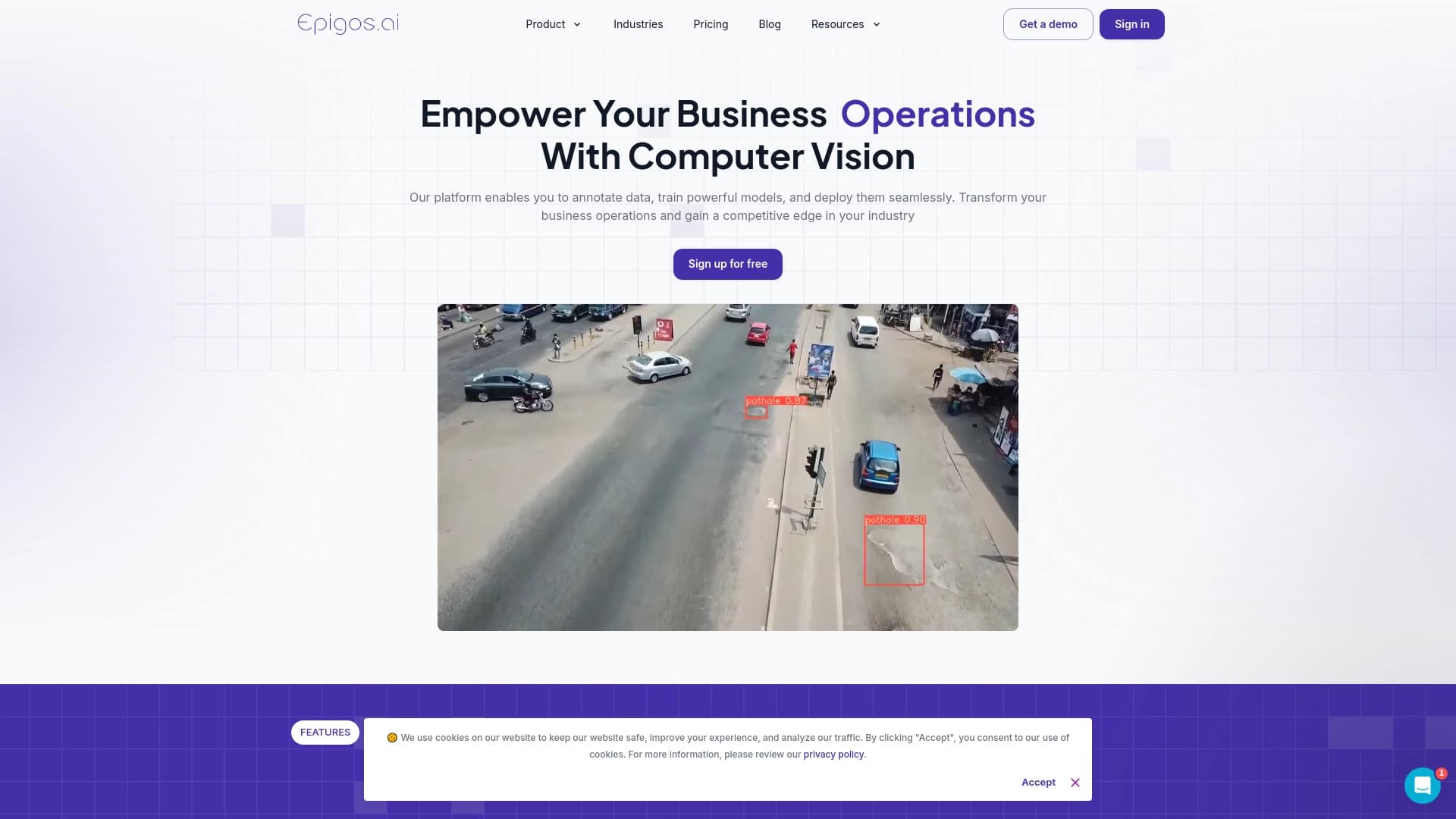
Overview
Epigos AI Neural Network Description
Epigos AI is a platform that covers the complete computer vision workflow: from preparing raw images to deploying a finished model into production. Instead of assembling a pipeline from disparate tools for annotation, training, and deployment, users get a single interface for all stages.
The main goal of the service is to make complex machine vision technologies accessible to regular business teams. The platform handles routine and technically complex operations, allowing specialists to focus on applied tasks such as product quality control or defect detection in manufacturing.
Epigos AI Characteristics
| Characteristic | Value |
|---|---|
| Purpose | Platform for the full computer vision workflow |
| Key stages | Data annotation, model training, production deployment |
| Target audience | Companies implementing AI into business processes |
| Primary specialization | Quality control, defect detection, operations automation |
| Distribution model | Not specified |
Who Is Epigos AI Suitable For?
Manufacturing Enterprises
For companies that produce goods and need to automate visual inspection, the platform enables building a defect detection system without the need to hire a large team of ML engineers.
Business Units Without Deep AI Expertise
The tool is designed for organizations that lack dedicated machine learning specialists. The entire process — from uploading data to obtaining a working model — is performed in a single window, lowering the barrier to entry for the technology.
Teams Accelerating AI Adoption
For those already working with computer vision but spending too much time transferring data between different services, the platform offers a way to speed up the development cycle and get working solutions faster.
How to Use Epigos AI?
Data Preparation and Annotation
Users upload a set of images to the system and annotate them — highlighting objects, classifying defects, or marking areas of interest. Annotation tools are built directly into the platform.
Model Training
After the dataset is prepared, the system launches the model training process. Users don't need to configure environments, manage GPU farms, or write code — training is initiated from the platform interface.
Deployment in a Production Environment
The finished model can be launched into operation. The platform provides mechanisms for deploying the model to production so it can process real data and work within the company's business processes.
Key Features of Epigos AI
Data Annotation
Built-in data annotation tooling allows datasets to be prepared for training directly on the platform. This eliminates the need to use third-party annotation services and transfer results between systems.
Model Training
After annotation, users can proceed to train an AI model. The platform automates this process, making it accessible to specialists without deep machine learning knowledge.
Production Deployment
The final stage is integrating the model into real workflows. The system supports model deployment in a way that allows it to be used in production conditions.
Epigos AI Advantages
Unified Space for All Stages
The key advantage is the lack of need to switch between different programs. Data preparation, training, and deployment are performed within a single framework, saving time and reducing the risk of errors during transfer.
Accessibility of Complex Technology
The platform makes computer vision a practical tool for business. Complex algorithms are packaged into an intuitive interface.
Focus on Practical Tasks
The service is oriented toward real-world use cases — quality control, product defect inspection. This allows businesses to get measurable results from AI implementation faster.
Epigos AI Disadvantages
Open sources provide no information about the platform's disadvantages. There is no data on data volume limits, infrastructure requirements, or customer support specifics. Potential users should note that choosing a specific distribution model and detailed terms of service require clarification on the official website or by contacting company representatives.
What Tasks Does Epigos AI Solve?
Quality Control Automation
The platform allows replacing or supplementing manual visual product inspection with an automated system. A model trained on data from a specific production line can detect deviations from the norm in real time.
Defect Detection and Classification
A specialized scenario for production lines — detecting defects at early stages. The system helps standardize the inspection process and reduce dependence on the human factor.
Improving Operational Efficiency
Implementing computer vision into routine operations speeds up inspection processes and frees up employee resources for more complex tasks. This leads to overall automation and productivity growth.
Epigos AI Pricing
Current information about platform usage costs is unavailable in accessible sources. Pricing plans, subscription terms, or the availability of a free trial period are not publicly disclosed. To receive a commercial offer, it is recommended to contact the Epigos AI team directly through the official website.
Epigos AI Terms of Use
Detailed terms of service are not published in open sources. Requirements for minimum data upload volumes, license type restrictions, or legal support specifics when working with the platform are unknown. Users planning to implement the solution should request full cooperation terms from official company representatives.
Epigos AI Availability
Information about the platform's geographic availability, supported interface languages, and regional restrictions is not disclosed. There is also no data on the availability of a cloud version, the possibility of private deployment, or mobile device support. It is recommended to clarify this information on the product's official resource.
How Epigos AI Differs from Alternatives
The main difference of Epigos AI is that the platform combines annotation, training, and deployment in a single product, whereas many competitors specialize in just one stage. This approach reduces integration time and simplifies project management.
Another distinguishing feature is its focus on applied business tasks rather than research goals. The service was originally developed for scenarios such as quality control and defect detection, making it more relevant for manufacturing companies compared to universal AI platforms.
Additionally, Epigos AI is positioned as a tool for organizations that do not have their own machine learning department. The ready-made pipeline allows such teams to implement advanced technologies faster and with lower expertise costs.
Conclusion
Epigos AI is a practical solution for companies that want to implement computer vision into their operational processes without building complex infrastructure from scratch. The platform covers all key stages — from data annotation to model deployment — making it a versatile tool for production quality control and similar tasks. Despite the lack of public information about pricing and terms of use, the concept of a unified workspace itself appears to be in demand for businesses seeking automation.
Frequently asked questions
See also

An intelligent assistant for lawyers that accelerates the search and analysis of legal information.


Service for automatic transcription of audio and video into text with support for over 100 languages.
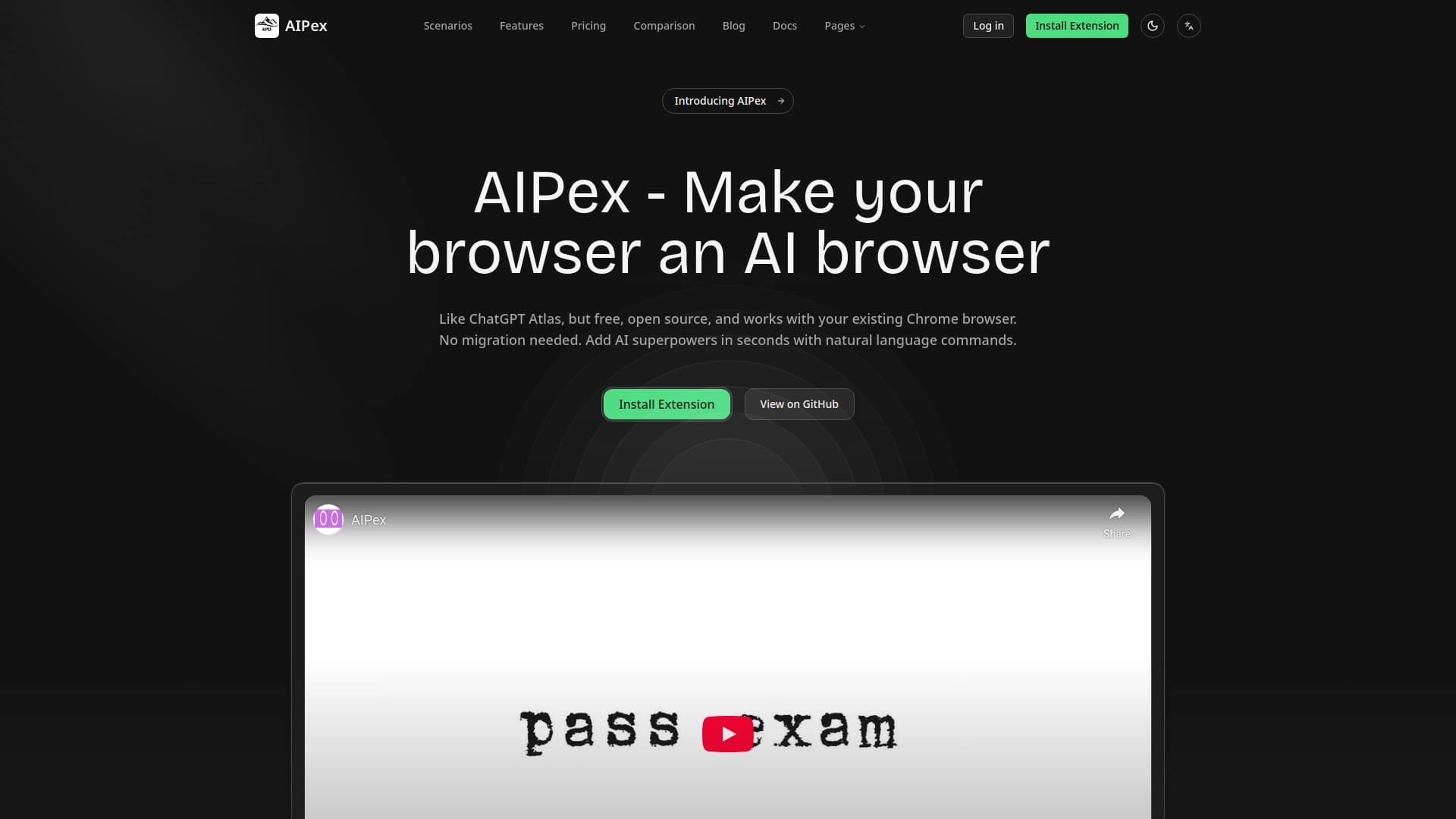

Chrome extension that helps manage tabs, history, and bookmarks with an AI assistant.
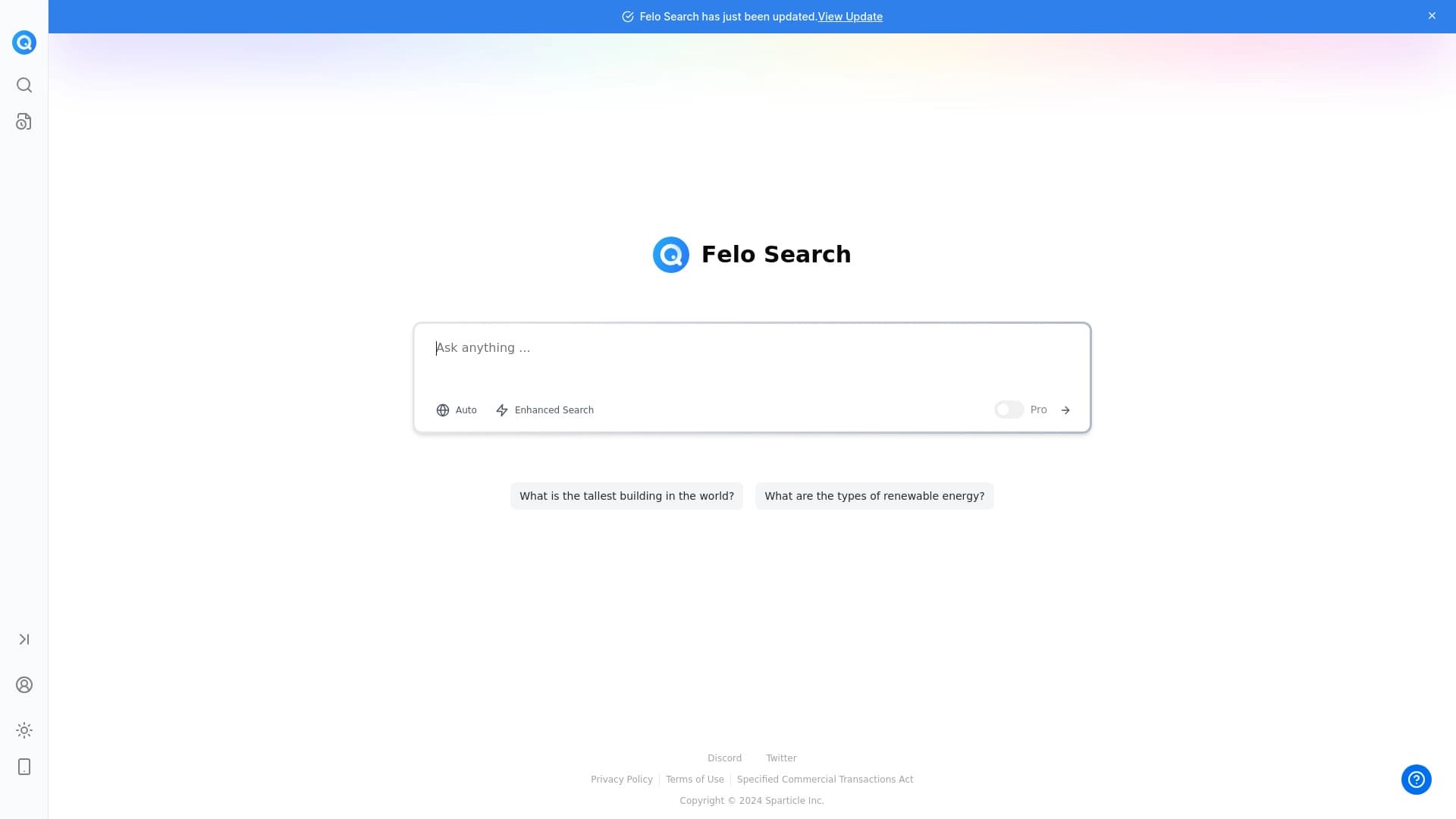
A presentation creation service that uses multiple AI agents for information gathering, design, and data analysis.

An online service that lets you chat with PDF documents: ask questions and get concise answers with source attribution.
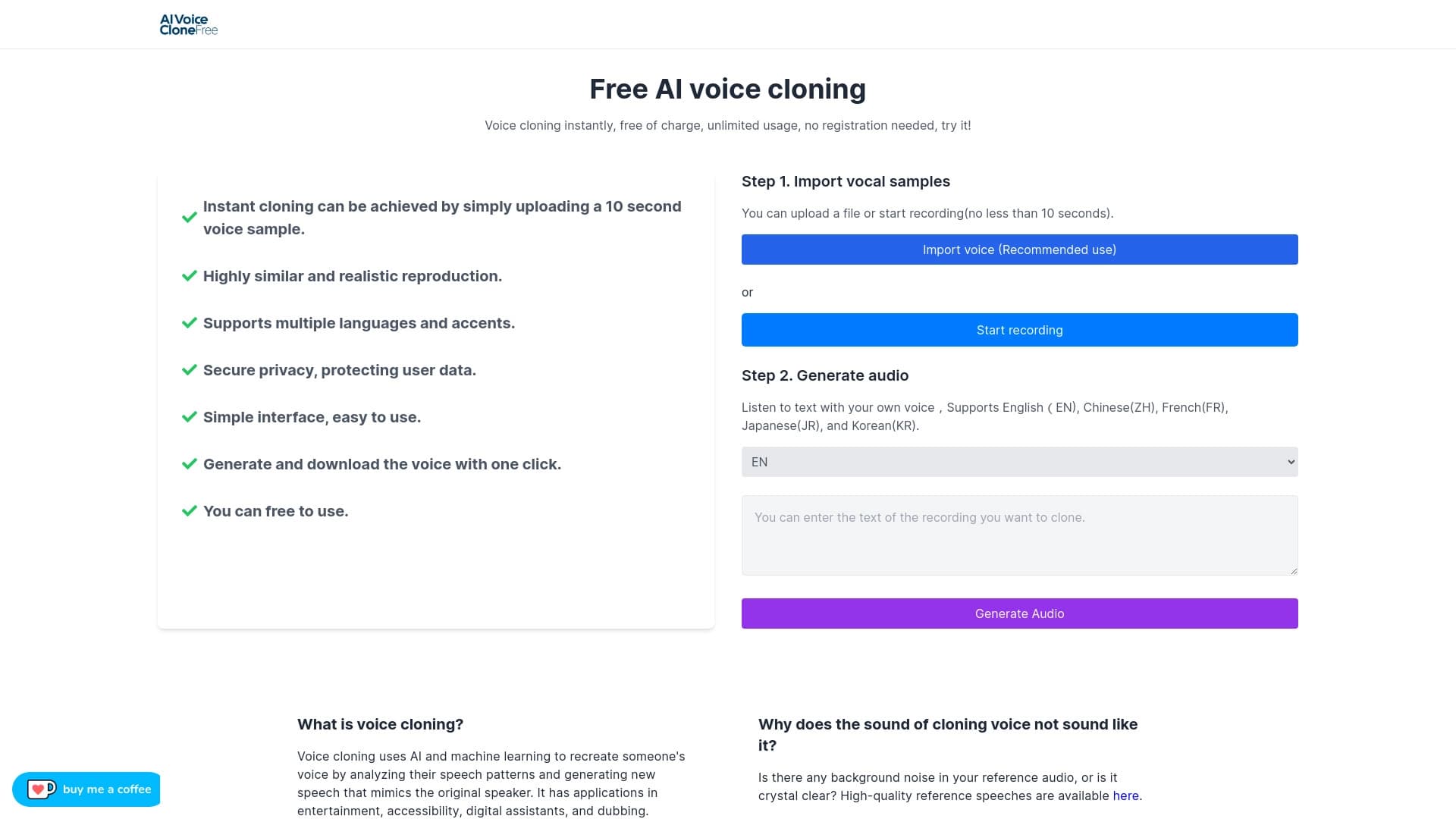
Online service for creating a realistic voice clone from a short audio recording and text-to-speech.

A platform for creating corporate chatbots based on your own documents without coding.

Service for tracking brand mentions in generative AI responses.