

Datayaki
Datayaki is an AI-powered data analytics tool that creates widgets and reports from natural language queries, connecting to various data sources.

Overview
Datayaki is a specialized AI tool for data analytics that lets users get visual reports and widgets through natural language queries. Instead of writing complex SQL queries or figuring out BI system settings, users simply ask a question about their data, and the neural network turns it into a visualization.
Datayaki's key feature is local data processing. The tool connects to Excel files and cloud SQL databases, but the data never leaves the user's environment, making it attractive for companies with strict confidentiality requirements. This solution is aimed at teams that need fast analytics without involving database specialists.
Datayaki Characteristics
| Characteristic | Value |
|---|---|
| Type | AI tool for data analytics |
| Categories | Presentations and reports, SQL and database queries |
| Data formats | Excel files, cloud SQL databases |
| Interaction language | Natural language (no SQL) |
| Privacy | Data stays under user control, LLM models run locally |
Who is Datayaki suitable for?
Teams without deep technical expertise
The tool is designed for workgroups where not all members have experience with databases and BI systems. Datayaki lets analysts, managers, and other specialists get answers to data questions on their own, without waiting for help from SQL developers.
Organizations with high security requirements
Since data processing happens locally rather than in a provider's cloud, Datayaki suits companies that work with sensitive information and cannot risk leaks when transferring data to external services.
How to use Datayaki?
Getting started with data sources
To use Datayaki, you need to connect data sources — these can be Excel files or cloud SQL databases. The tool supports combining disparate sources in a single interface, allowing you to work with consolidated information without manually merging tables.
Formulating queries
The core workflow is built around asking questions about data in natural language. The user describes what information they want (for example, sales trends over a period or comparisons of metrics by region), and the neural network automatically interprets the request and creates the corresponding visualization — a chart, table, or report.
Key Datayaki Features
Generating widgets and reports from queries
Datayaki turns user questions phrased in natural language into ready-made widgets and analytical reports. This completely eliminates the need to write SQL code or manually configure dashboards.
Insight discovery and visualization
The tool automatically finds patterns in data and presents them as clear charts and tables. The user doesn't need to know in advance which metrics and dimensions to look at — the AI suggests interesting relationships.
Working with various formats and combining sources
Datayaki supports connecting to both local Excel files and cloud SQL databases. All connected sources are combined in a single workspace, simplifying cross-analysis of data from different systems.
Datayaki Advantages
No need to know SQL
The tool completely removes the language barrier between business users and data. There's no need to learn query syntax or understand database structures — just ask a question in familiar language.
Keeping control over data
Unlike many cloud analytics services, Datayaki processes data on the user's side. LLM models run locally, ensuring privacy and minimizing risks associated with sharing information with third parties.
Fast analytics
The tool lets you quickly test hypotheses and answer business questions without waiting for an analyst to write a query or build a report. This speeds up decision-making.
Datayaki Limitations
The main limiting factor is the availability of information about the product. Details on specific limitations, potential difficulties in use, or missing features are not disclosed in available sources. The distribution model and the full list of supported data source types are also not specified — only Excel files and cloud SQL databases are known. Potential users should keep in mind that the tool may require fairly powerful hardware, since data processing and language model operations happen locally.
What tasks does Datayaki solve?
Data analytics without specialists
The tool solves the main challenge — making analytics accessible to people without SQL skills. Teams can independently get answers to questions that previously required developers or dedicated analysts.
Fast hypothesis testing
Datayaki is convenient for quickly testing assumptions about business processes. The user phrases a hypothesis as a question and immediately gets a visualization that confirms or refutes it, without building complex queries.
Visualization and data preparation for reporting
The service helps transform unstructured data into clear charts and tables that can be used in presentations, internal reporting, or for showing metrics to management.
Datayaki Pricing
Currently, there is no information about Datayaki's pricing policy in available sources. The distribution model, pricing plans, and licensing terms have not been disclosed. For up-to-date cost information, it is recommended to contact the project's official channels or request a commercial proposal from the developers.
Datayaki Terms of Use
Detailed terms of use for Datayaki are not described in public sources. There is no data on the availability of a free version, trial period, or system requirements for local operation. However, given the tool's architectural feature — local data processing — it can be assumed that a fairly powerful local environment will be required. Exact terms need to be clarified in the product's official documentation.
Datayaki Availability
Information about which platforms Datayaki runs on (web version, desktop application, server deployment) is not disclosed in available sources. There is also no data on the product's regional availability. It is unknown whether the tool is available in Russian and which languages it supports for natural language queries. All these aspects need to be clarified on the official website or with the development team.
How Datayaki differs from alternatives
Local data processing instead of cloud computing
Most modern AI analytics tools process data on the server side, creating security risks. Datayaki fundamentally differs in its approach to privacy — processing happens locally, which sets it apart from competitors such as Microsoft Fabric or Beautiful.ai.
Simplicity for business users
Unlike many BI systems that require data model configuration and staff training, Datayaki lets you work with data through plain questions. This makes it more accessible to teams without technical expertise, unlike tools aimed at professional analysts.
Focus on confidentiality as a key advantage
While alternatives like NextDocs or Oria emphasize functionality or integrations, Datayaki positions itself around data security. This is especially relevant for companies that cannot transfer their data to cloud services due to regulatory requirements or internal policy.
Conclusion
Datayaki is a pragmatic tool for teams that need simple and secure data work without deep SQL knowledge. Its main value lies in combining natural language as a query interface with local data processing, simultaneously addressing the issues of analytics accessibility and privacy. The product is suitable for hypothesis testing, building reports, and fast business analytics; however, to assess its full functionality and economic viability, more information from the developers about pricing, terms, and availability is needed.
Frequently asked questions
See also
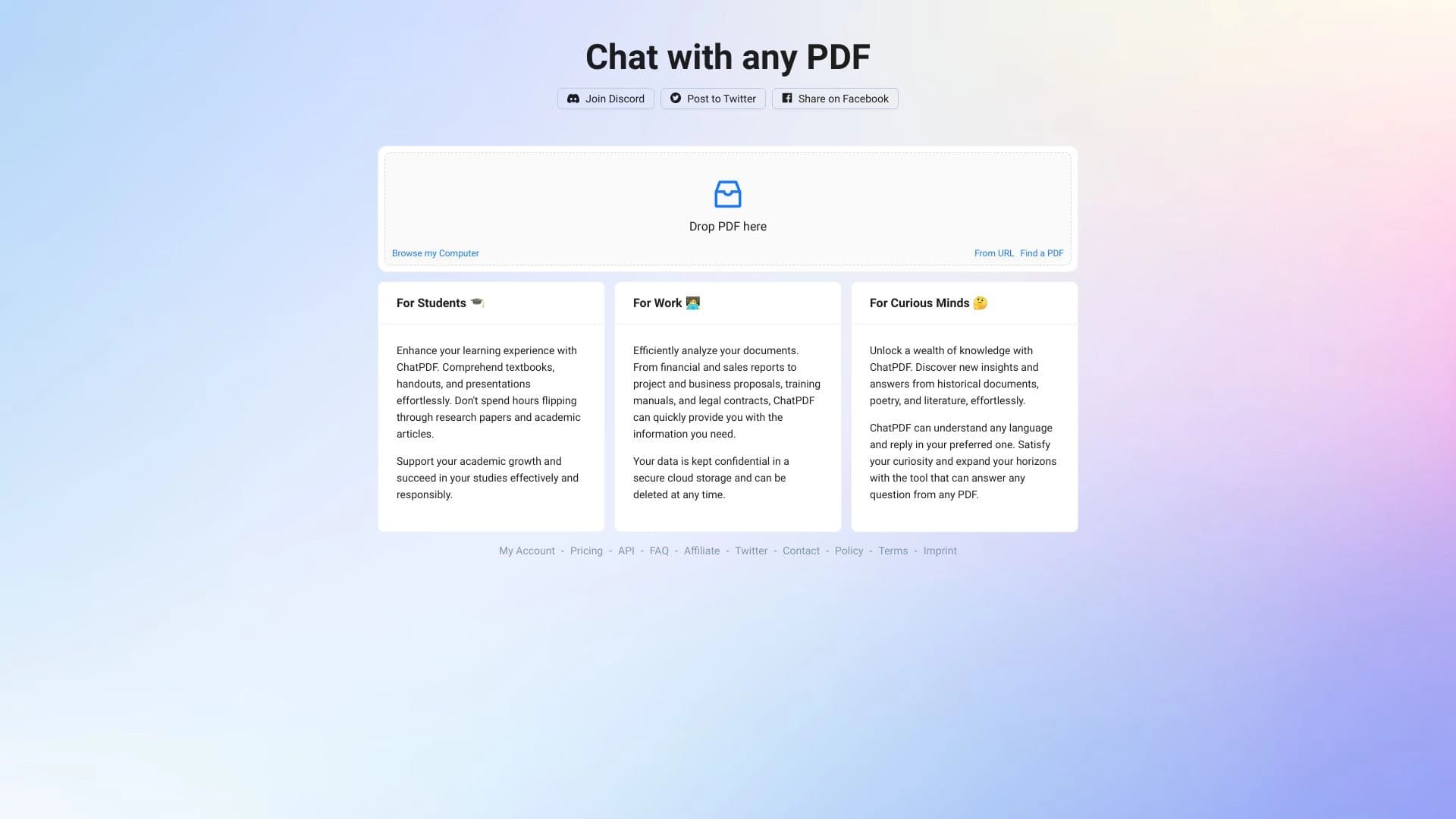
An online service that lets you chat with PDF documents: ask questions and get concise answers with source attribution.
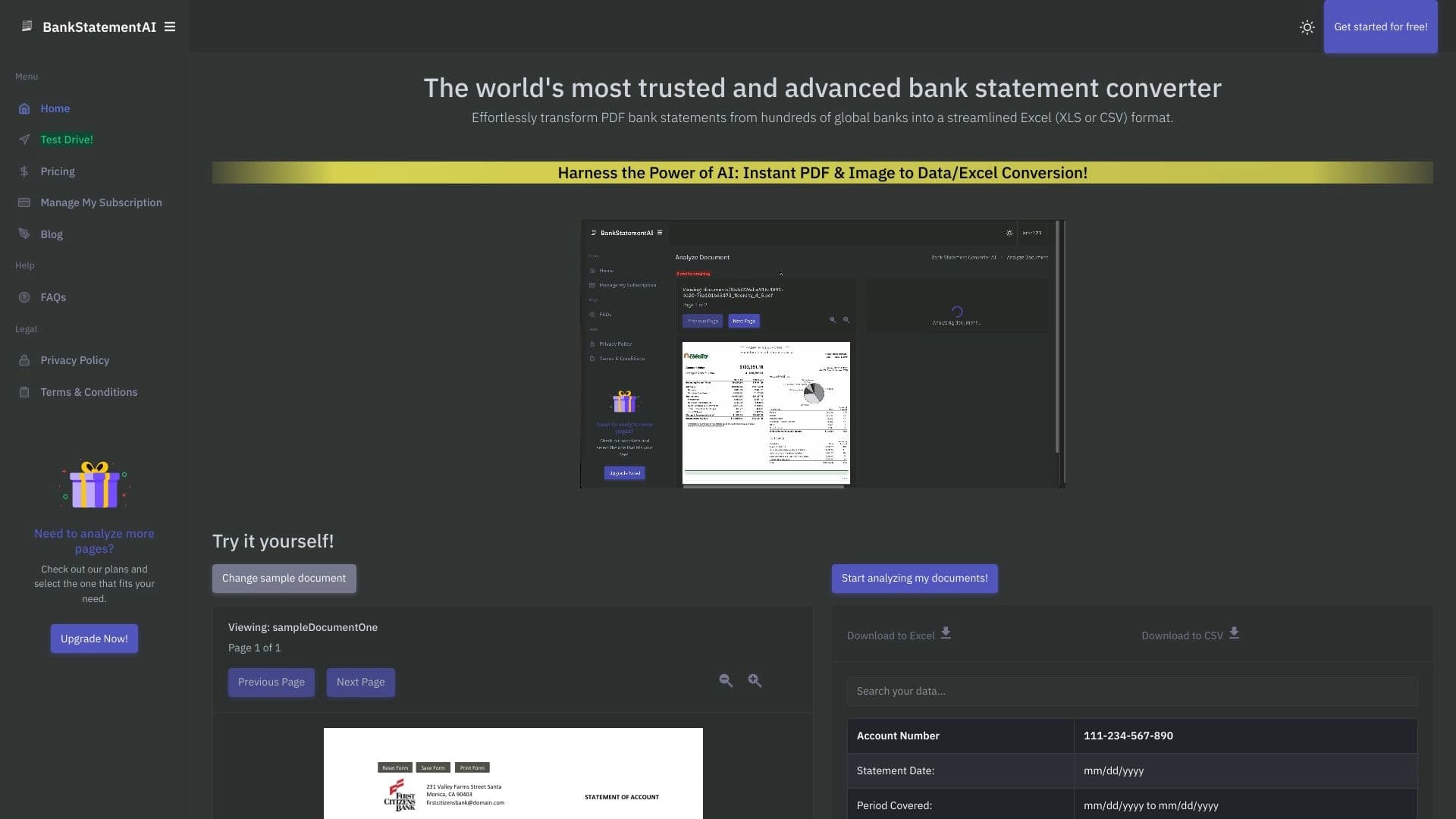
AI-powered online service that automatically converts bank statements from PDF into structured CSV files.
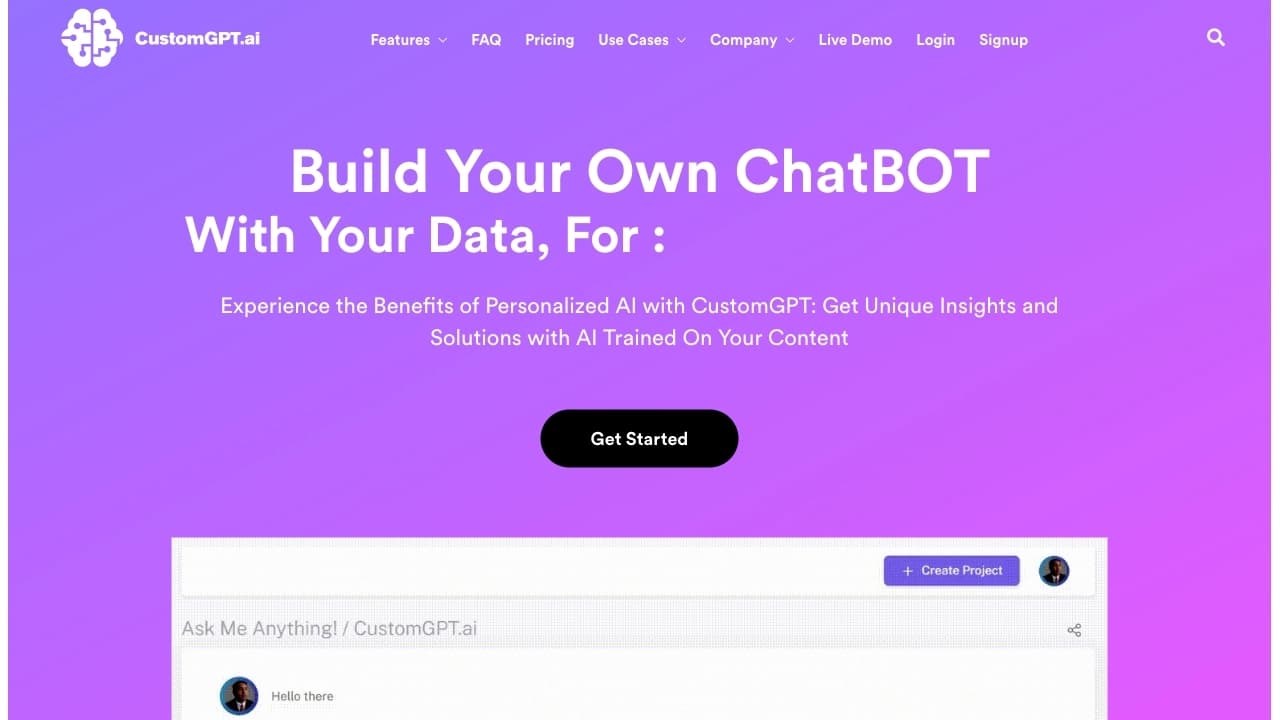

A platform for creating corporate chatbots based on your own documents without coding.
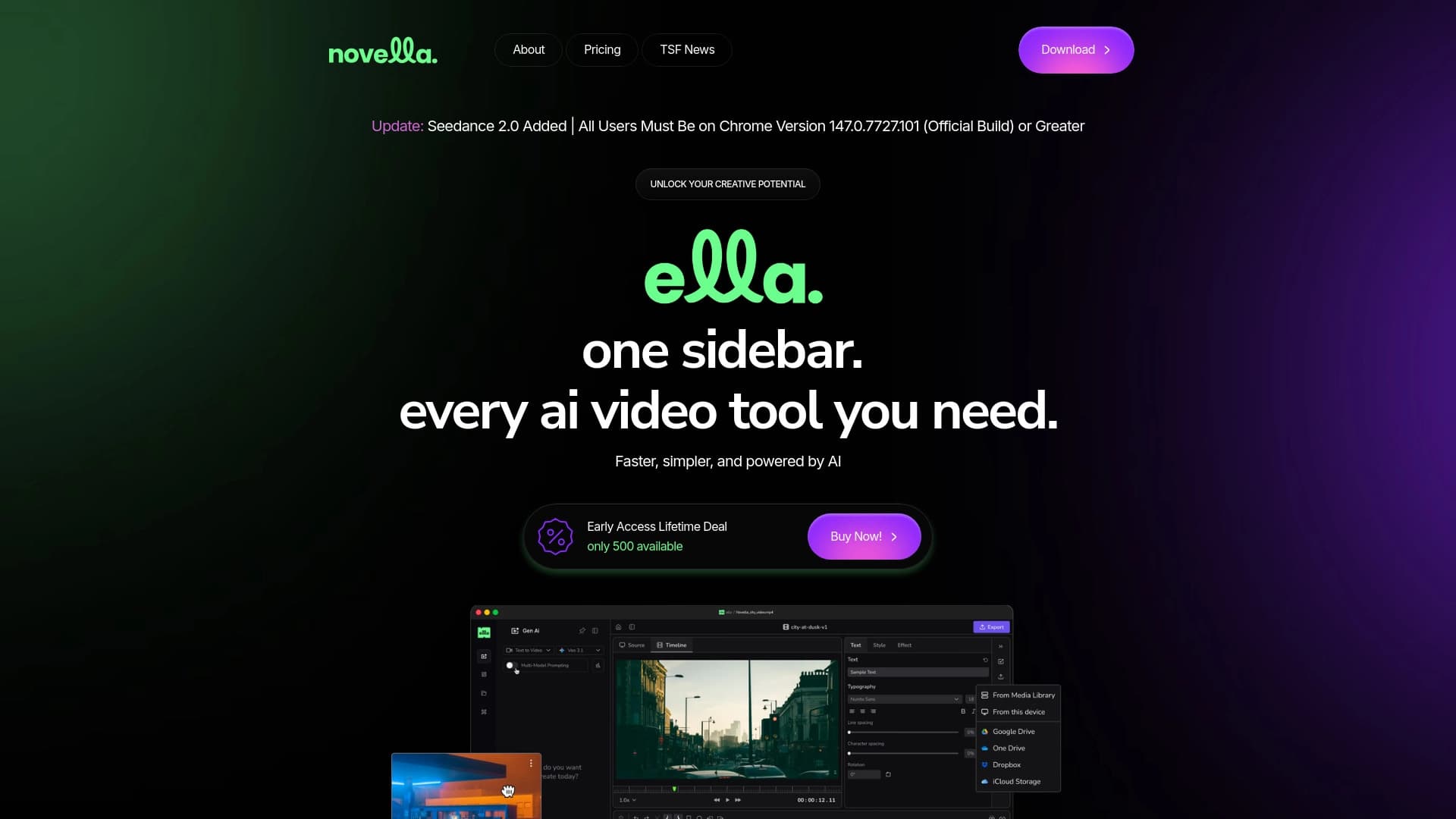

AI platform for creating and editing videos, working directly in the Chrome browser.
A presentation creation service that uses multiple AI agents for information gathering, design, and data analysis.

Chrome extension that helps manage tabs, history, and bookmarks with an AI assistant.
Catalog of AI tools with educational materials and guides for selecting neural networks.


Service for tracking brand mentions in generative AI responses.