

Cyclops Security
AI platform for cyber risk management that consolidates data from various security tools and helps analyze threats.
Overview
Cyclops Security AI Description
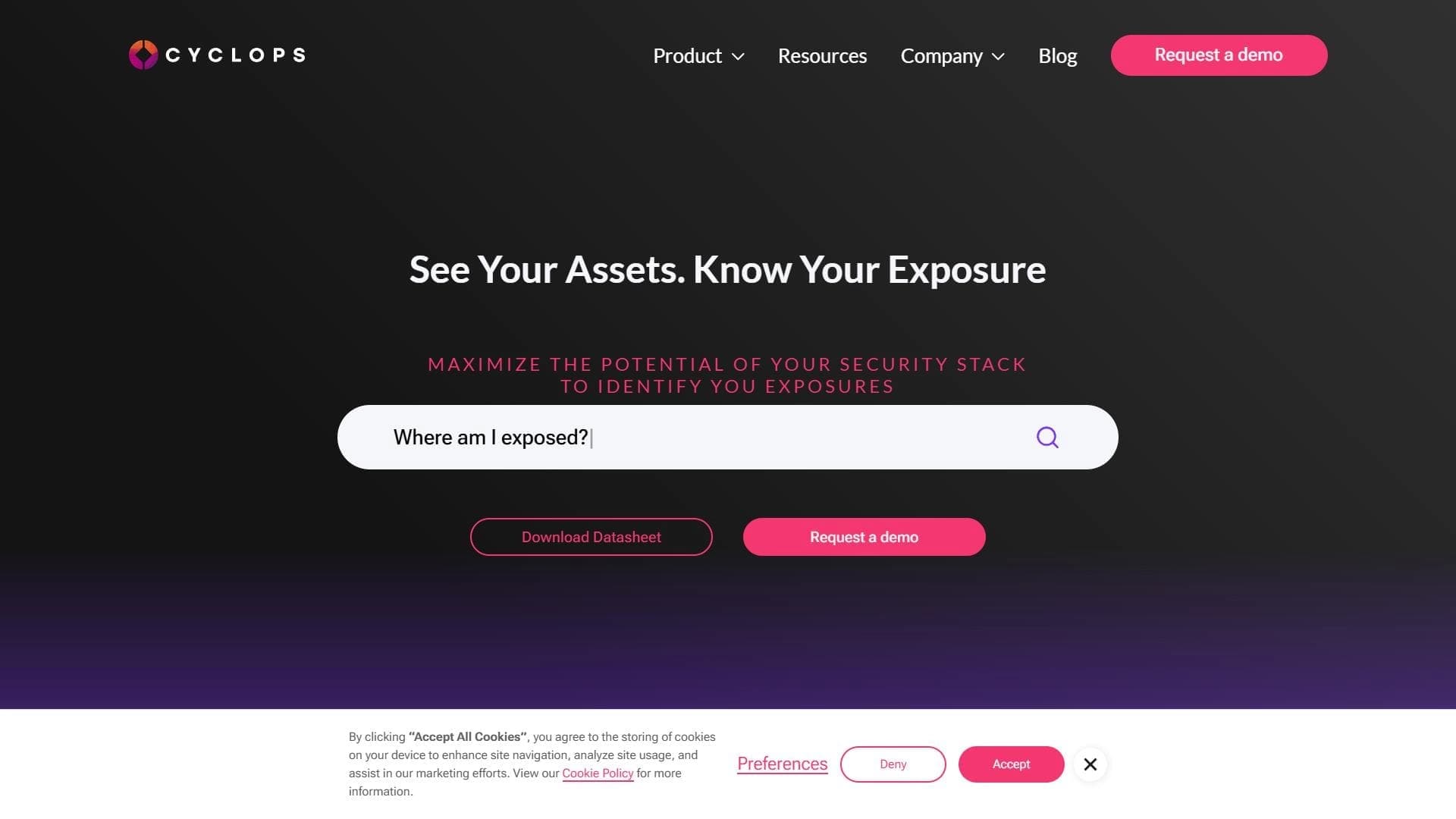
Cyclops Security is a specialized AI platform designed for cyber risk management. Its key mission is to consolidate fragmented data from all security tools used by a company into a single, unified picture. Instead of analyzing incidents individually, the service aggregates them, enabling security teams to see the complete threat landscape.
The platform's analytics are powered by large language models. They help not just record events, but also interpret them, connect them to each other, and assess their potential impact on the business. This approach shifts the focus from reacting to individual incidents toward systematic vulnerability management, taking into account their criticality for the specific organization.
Cyclops Security Features
| Feature | Value |
|---|---|
| Type | AI platform for cyber risk management |
| Categories | Logs and monitoring, API and integrations, Reports |
| Website | www.cyclops.security |
| Key Technology | Large language models (LLMs) for threat analysis |
| Integration | Cloud and on-premises security systems |
| Distribution Model | Not specified |
Who is Cyclops Security AI for?
Large organizations with developed IT infrastructure
The platform is primarily designed for companies that have accumulated a significant stack of heterogeneous security tools and face challenges managing the resulting data. The more complex the infrastructure, the more in-demand a consolidation tool becomes.
Professional security teams
Cyclops Security is a tool for experts to work with, not a replacement for them. The service handles routine data collection and initial processing tasks, allowing analysts to focus on threat interpretation and decision-making. For small companies without a dedicated security staff, the functionality may be excessive and complex.
How to use Cyclops Security AI?
Step 1: Connecting data sources
The first step is integrating the platform with existing security systems, whether cloud services or on-premises solutions. The quality and completeness of the final analytics directly depend on what data is connected and how.
Step 2: Configuration for your infrastructure
After connecting the data, the platform requires configuration to match the company's specific infrastructure. This is an important stage where risk assessment criteria and priorities are defined, taking into account the organization's business context.
Step 3: Receiving analytics and recommendations
Once sources are configured, users gain access to real-time risk data updates, analytical reports, and specific recommendations for addressing identified threats and vulnerabilities.
Key Features of Cyclops Security
Consolidation and Analytics
- Data aggregation from various security tools into a single picture.
- Unified asset and threat management, eliminating work in "siloed" systems.
- Visualization of relationships between assets, helping to identify hidden attack paths.
Intelligent Threat Processing
- Use of large language models for threat analysis and security event interpretation.
- Identification, analysis, and prioritization of vulnerabilities based on their impact on business processes, not just technical infrastructure.
- Real-time risk data updates, ensuring an up-to-date picture of what's happening.
Integration Capabilities
- Support for integration with both cloud and on-premises security systems, making the platform flexible for different architectures.
Advantages of Cyclops Security
The platform's main advantage is significant time and resource savings. By automating data collection and processing, these processes can be reduced by up to 70%. This allows security teams to move faster from data gathering to direct response and strategic defense planning.
An additional benefit is the contextual analysis provided by Cyclops Security. The ability to assess vulnerabilities in relation to business processes enables management to make more informed decisions about allocating resources to address the most critical risks.
Disadvantages of Cyclops Security
The key limitation is implementation complexity. The platform cannot be used "out of the box" — it requires deep configuration to match a company's specific infrastructure, which may require specialized expertise and time investment.
The second important factor is that effectiveness depends on the quality of integration with other security tools. If source data is incomplete or improperly configured, both the platform's analytics and recommendations will have corresponding limitations.
What problems does Cyclops Security solve?
The platform is designed to address a wide range of cybersecurity challenges:
- Cyber risk management at a systemic level.
- Threat analysis and identifying relationships between threats.
- Vulnerability discovery and prioritization based on their business impact.
- Data integration from heterogeneous security systems to create a unified information environment.
Cyclops Security Pricing
Currently, the provided source data does not include information about the cost of using the Cyclops Security platform. The pricing model, availability of a free tier, and licensing costs for enterprise customers are not disclosed. For up-to-date pricing information, please contact the platform vendor directly.
Cyclops Security Terms of Use
Using the platform requires mandatory preliminary configuration to match the company's existing IT infrastructure. This means that successful deployment will require technical work on integration and system calibration.
Additionally, the effectiveness of Cyclops Security directly depends on the quality and depth of integration with the security tools already in use at the company. The more complete and accurate the source data, the more relevant the results the platform will provide.
Cyclops Security Availability
The service's official website is www.cyclops.security. There you can find additional information about the product, its capabilities, and how to purchase it. The source data contains no information about geographic availability restrictions or regional usage requirements.
How Cyclops Security differs from alternatives
The main difference between Cyclops Security and many similar products lies in its use of large language models for threat analysis. This allows the platform not just to aggregate events, but to understand their essence and uncover hidden contextual connections that traditional correlation systems might miss.
As a result, the focus shifts from technical incident logging to business-oriented risk prioritization. Decisions are made based on how critical a vulnerability is to the company's operational activities, not just its technical complexity. This makes the platform a more valuable tool for strategic cybersecurity management.
Conclusion
Cyclops Security is a powerful AI platform designed to address one of the most pressing challenges in modern cybersecurity — information overload for teams. By consolidating data from disparate systems and applying large language models, it helps large organizations see not individual incidents, but the overall risk landscape in connection with business context. Despite the complexity of implementation, the significant reduction in information processing time and the ability to prioritize vulnerabilities based on business impact make it a potentially valuable tool for mature security departments. However, the final decision on its adoption should be made after testing and evaluating the quality of integration with the existing security infrastructure.
Frequently asked questions
See also
AllChat is a universal platform that combines several popular language models in a single interface for communication, image generation, file analysis, and code execution.

AI-powered toolkit for optimizing workflows and boosting productivity.

Desktop AI assistant for macOS, Windows, and Linux that launches via hotkey above all windows and combines multiple language models in one interface.
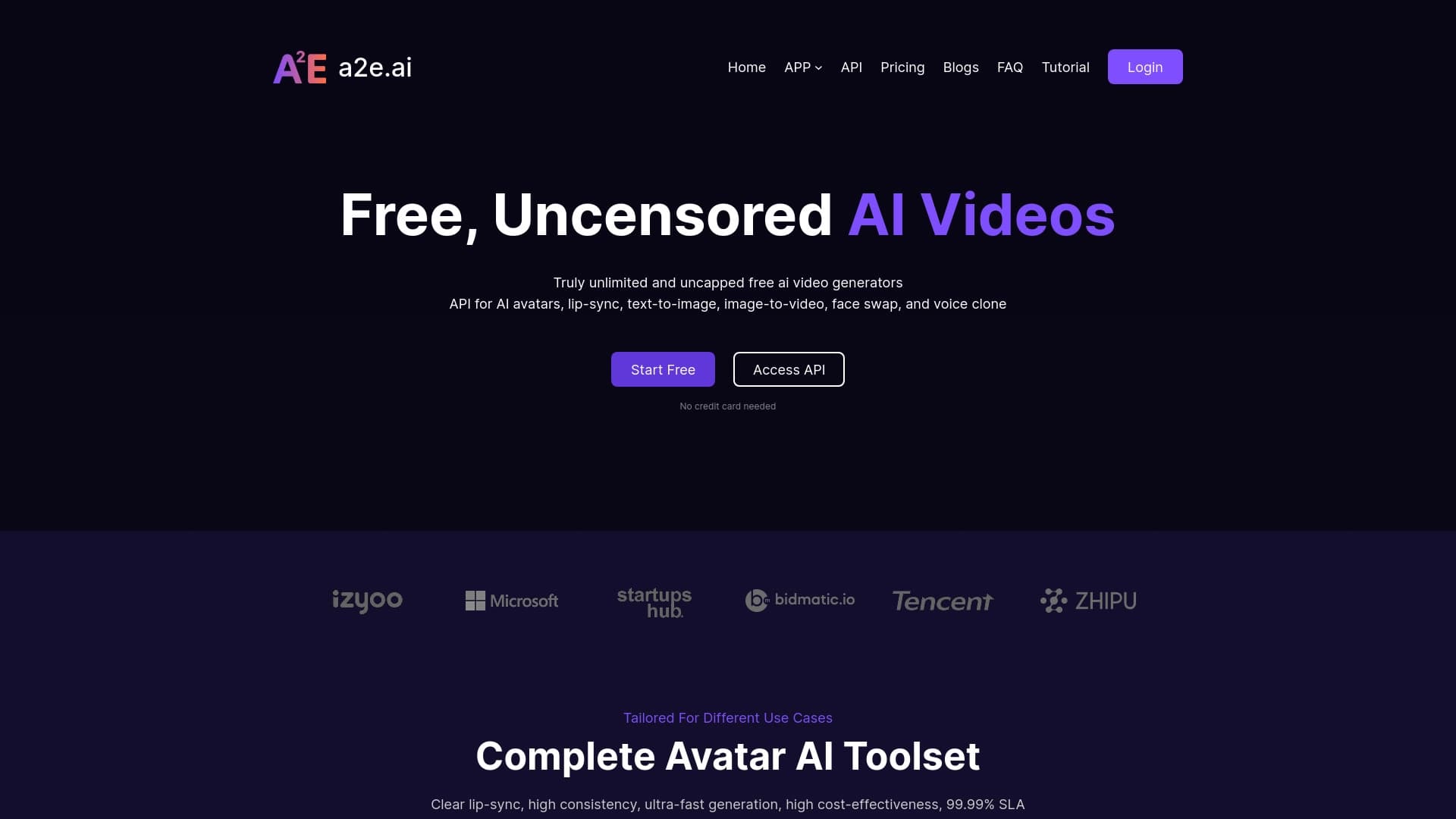

AI toolkit for video generation and editing, including avatars, lip-sync, and voice cloning.
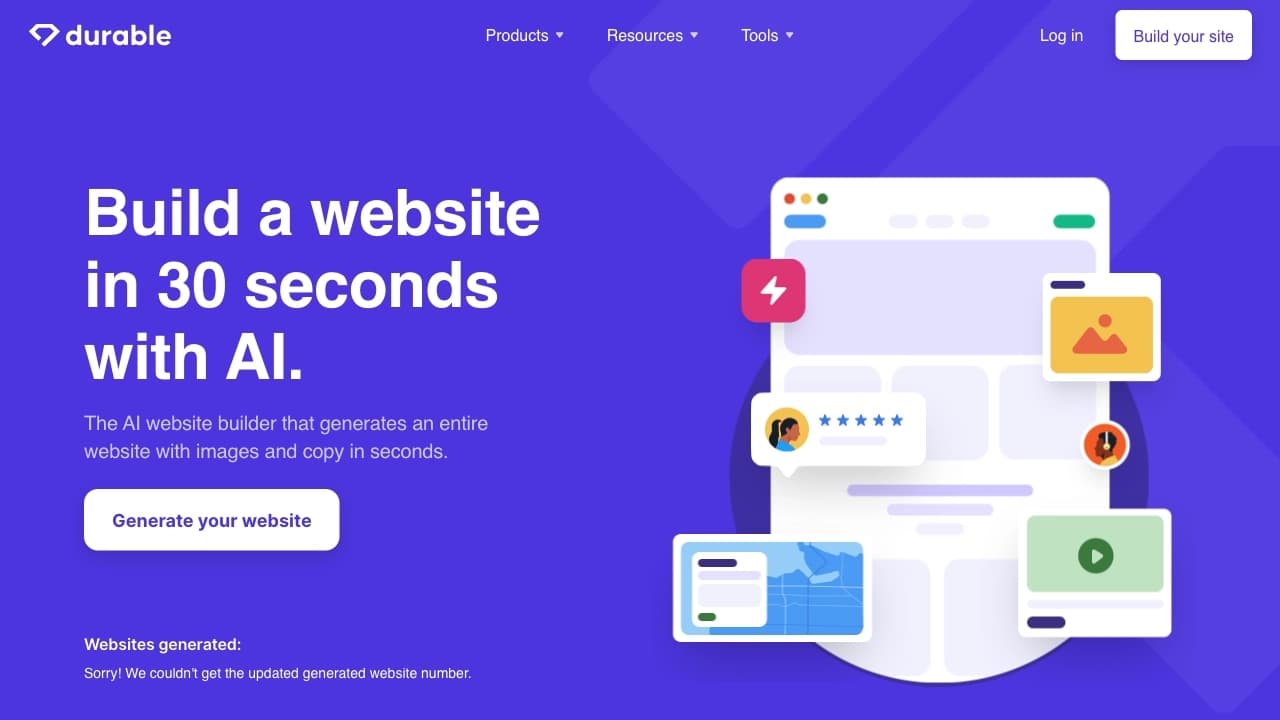

AI platform for fast website creation and small business process management.

AI agent for automating customer communications and support.
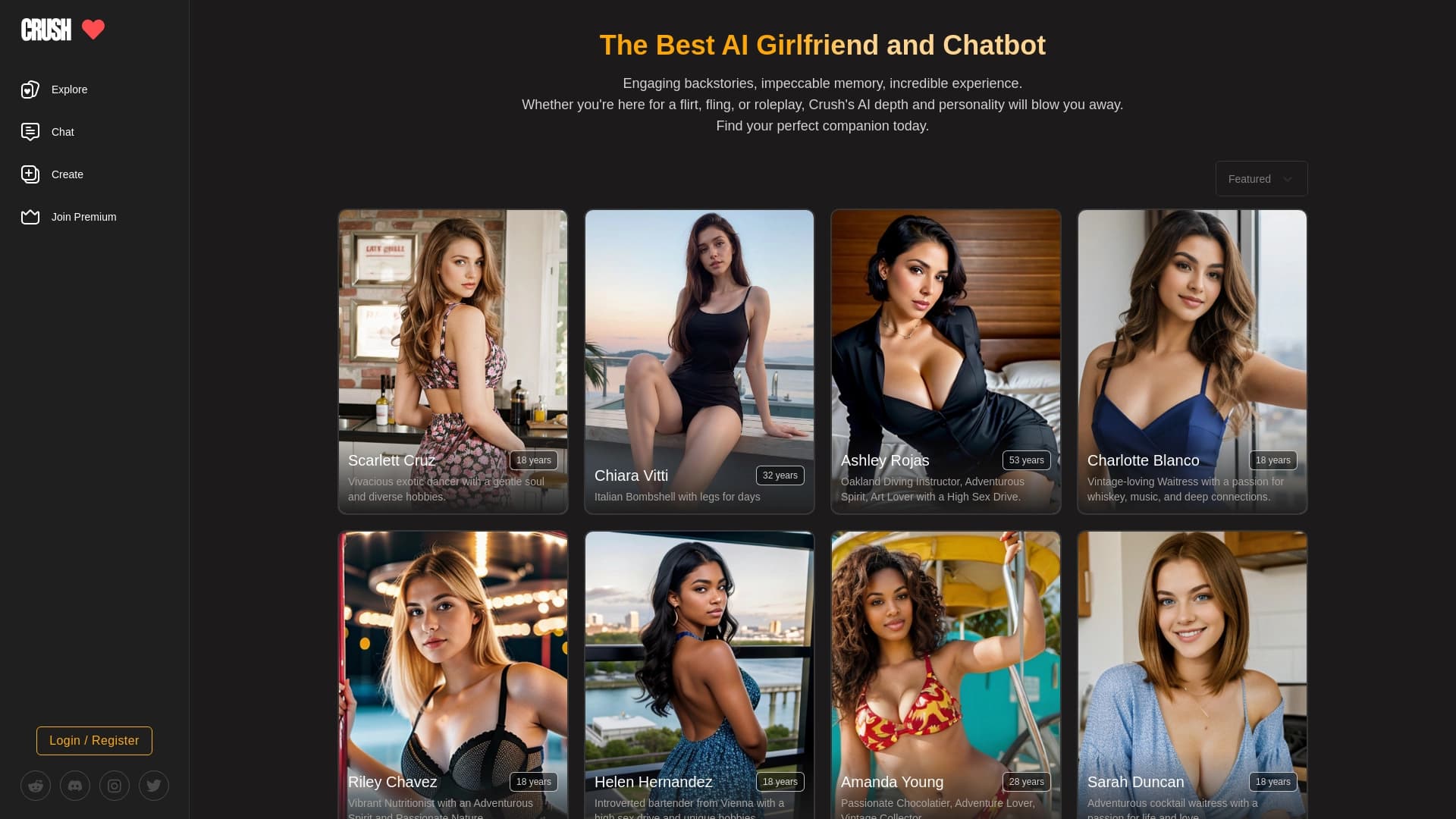
AI assistant for business that helps manage tasks and automate routine through dialogue.
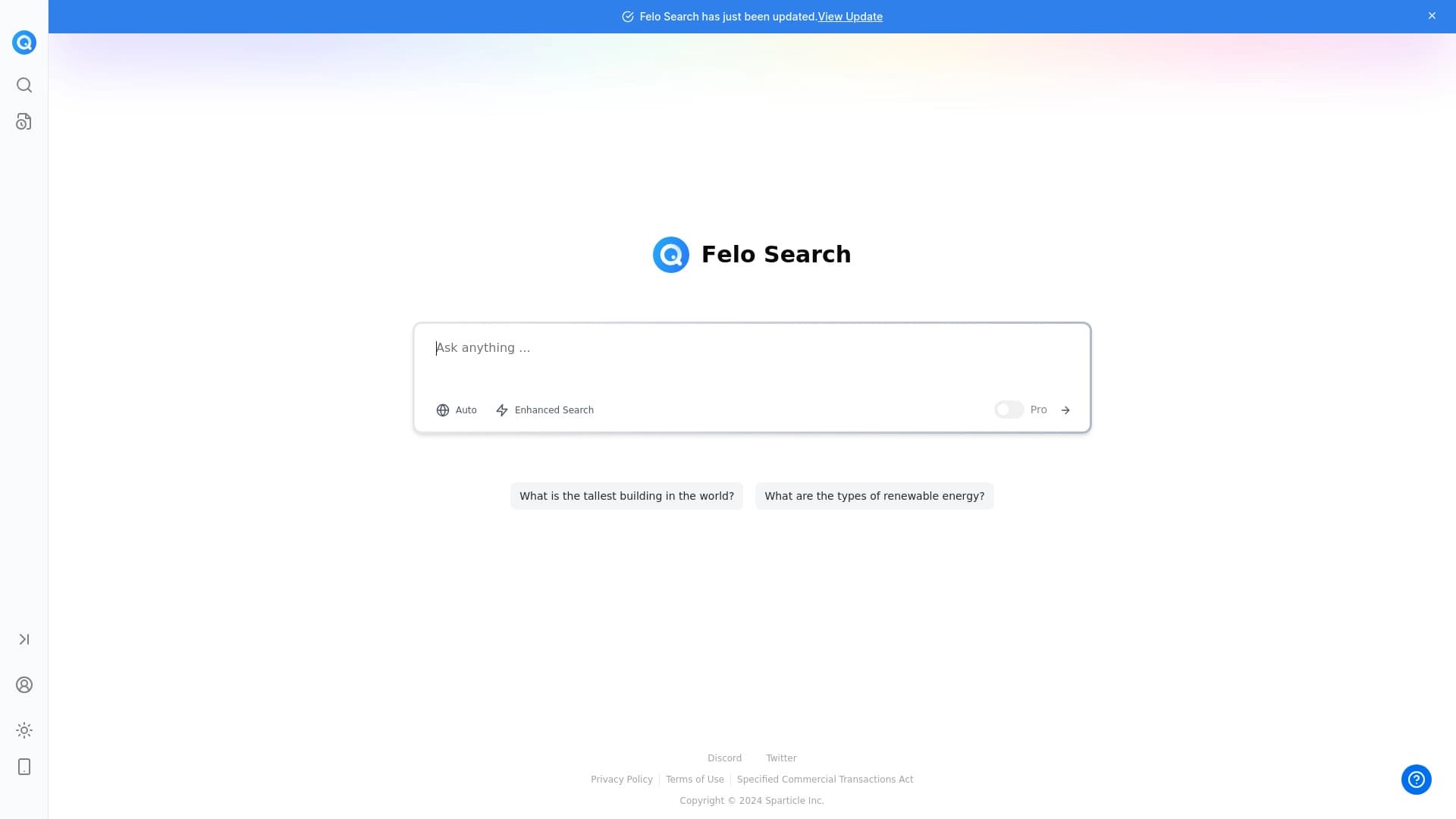
A presentation creation service that uses multiple AI agents for information gathering, design, and data analysis.