

Cyclops
AI platform for monitoring ecosystems via satellite imagery and managing carbon credits.

Overview
Cyclops is a platform that combines artificial intelligence and high-resolution satellite imagery to monitor ecosystem health and manage carbon credits. The service is designed for professional users working with natural capital, from climate project developers to corporations managing forest assets.
The main goal of Cyclops is to make natural resource assessment more accurate and transparent. The platform automates the collection and analysis of geospatial data, enabling dynamic tracking of ecosystem changes. This is especially important for the carbon credit market, where data reliability directly affects trust between participants.
The system not only records the current state of territories but also predicts potential risks, such as forest degradation or the consequences of natural events. This allows companies to make more informed decisions in sustainable development and environmental asset insurance. Cyclops acts as a bridge between raw satellite data and practical business tasks in the environmental sector.
Cyclops Features
| Feature | Value |
|---|---|
| Type | Platform for ecosystem monitoring and carbon credit management |
| Categories | Maps and Diagrams, Reports, Search and Analysis |
| Website | www.cyclops.ai |
| Publication Date | August 1, 2025 |
| Author | Admin |
| Key Technology | AI + high-resolution satellite imagery + geospatial analysis |
| Distribution Model | Not specified |
Who is Cyclops suitable for?
Project Developers
Professionals creating and supporting climate and conservation initiatives will find in Cyclops a tool for objectively assessing their results. The platform helps track ecosystem changes, which is necessary for project verification and reporting to investors or regulatory bodies.
Corporate Users
Companies that incorporate environmental factors into their strategy use Cyclops to monitor risks and manage natural assets. The tool provides up-to-date data on land and forest conditions without the need for costly field research.
Forest Asset Managers
For organizations whose operations are directly related to forests, the platform offers a solution for monitoring forest stand conditions, detecting illegal logging, and assessing the carbon potential of territories. This enables more efficient resource management and increases their commercial attractiveness in the carbon market.
How to use Cyclops?
Learning and Platform Onboarding
Before getting started, it is recommended to review the training materials available on the platform's official website and the developers' YouTube channel. Given the complexity of the technology, basic preparation will help you master the interface and functionality more quickly.
Practical Application
Once the basics are mastered, users can apply forecasting and automated reporting features to solve applied problems. Cyclops is suitable for managing natural capital projects, assessing risks in insurance activities, and operations related to carbon credit trading.
Key Features of Cyclops
Ecosystem Monitoring and Geodata Analysis
The core of the platform is the processing of satellite imagery using artificial intelligence algorithms. The system detects changes in landscape, vegetation condition, and water resources, creating a detailed picture of what is happening in a specific area.
Carbon Market Transparency and Forecasting
Cyclops automates carbon credit assessment processes, making them more reliable and understandable for all parties to a transaction. Forecasting tools allow for early identification of potential threats to ecosystems, whether drought, fires, or anthropogenic impact.
Reporting Automation
The platform generates structured reports based on collected data, saving users from the routine work of processing large volumes of information. This speeds up data exchange with partners, regulators, and verifiers.
Advantages of Cyclops
Accuracy and Depth of Analysis
The integration of AI with geospatial data ensures high accuracy in ecosystem assessment. The platform processes large volumes of information and identifies patterns that are difficult to detect with traditional analysis.
Automation and Reduced Workload
The service takes on a significant portion of reporting and monitoring work, saving companies time and resources. Automated processes also reduce the likelihood of errors associated with human factors.
Increased Trust in Carbon Credits
Through transparent assessment methodology and automated data recording, Cyclops helps build trust among investors and buyers of carbon credits. This makes the market more stable and predictable.
Disadvantages of Cyclops
Steep Learning Curve
The technology is quite complex to grasp, especially for users without specialized experience in geoanalytics or working with satellite data. Full utilization requires time for training and adaptation of workflows.
Limited Integration
Currently, Cyclops integration with other platforms and software products is limited. This may create inconveniences for companies using their own CRM systems or specialized software.
High Cost
The financial barrier to entry for the service is quite high, making it less accessible to small companies and startups with limited budgets. Corporate clients with large volumes of work benefit more from using the platform.
What problems does Cyclops solve?
- Ecosystem Monitoring: continuous tracking of natural areas using satellite data and AI.
- Carbon Credit Management: assessment, verification, and support of carbon units at all stages.
- Natural Resource Assessment: obtaining objective data for management decision-making.
- Risk Forecasting: identifying potential threats to ecosystems before they become critical.
- Reporting Automation: generating standardized reports for internal and external stakeholders.
- Increasing Carbon Market Transparency: creating a reliable evidence base for carbon transactions.
Cyclops Pricing
Official information about the cost of using the Cyclops platform is not available in public sources. It is only known that the service's pricing policy is focused on the corporate segment, and the cost may be significant for small organizations. To obtain current rates and terms, you need to contact company representatives directly through the official website.
Cyclops Terms of Use
Detailed terms of service are not published in available sources. Based on the platform's positioning, it operates on a B2B service model, implying a contract and individual configuration to meet client needs. Users can clarify cooperation details with the official representative office.
Cyclops Availability
The platform is available through the official website www.cyclops.ai. Training materials are posted on the website and the accompanying YouTube channel, simplifying initial product familiarization. No geographical restrictions on platform availability are specified in the source data.
How Cyclops differs from alternatives
Narrow Specialization
Unlike universal analytics platforms, Cyclops is purposefully focused on environmental monitoring and carbon market tasks. This specialization allows for deeper development of functionality specifically for these tasks, without spreading across adjacent areas.
Integration of AI and Satellite Analytics
Cyclops's main competitive advantage is the close combination of machine learning algorithms with Earth remote sensing data. This provides higher accuracy of forecasts and assessments compared to platforms that use only one of these methods.
Focus on Carbon Asset Transparency
Many competitors offer general environmental monitoring but do not provide equally detailed development of the carbon theme specifically. Cyclops emphasizes creating a transparent and verifiable assessment system, which is especially valuable for carbon market participants.
Conclusion
Cyclops is a specialized platform for professional ecosystem monitoring and carbon credit management, designed for corporate users and project developers. The service offers the integration of AI and geodata for accurate natural resource assessment, risk forecasting, and reporting automation. However, the complexity of the technology, high entry barrier, and limited integration capabilities may be significant obstacles for small companies and newcomers to the market. Cyclops is primarily suitable for organizations for which the accuracy and transparency of natural capital data are of paramount importance.
Frequently asked questions
See also
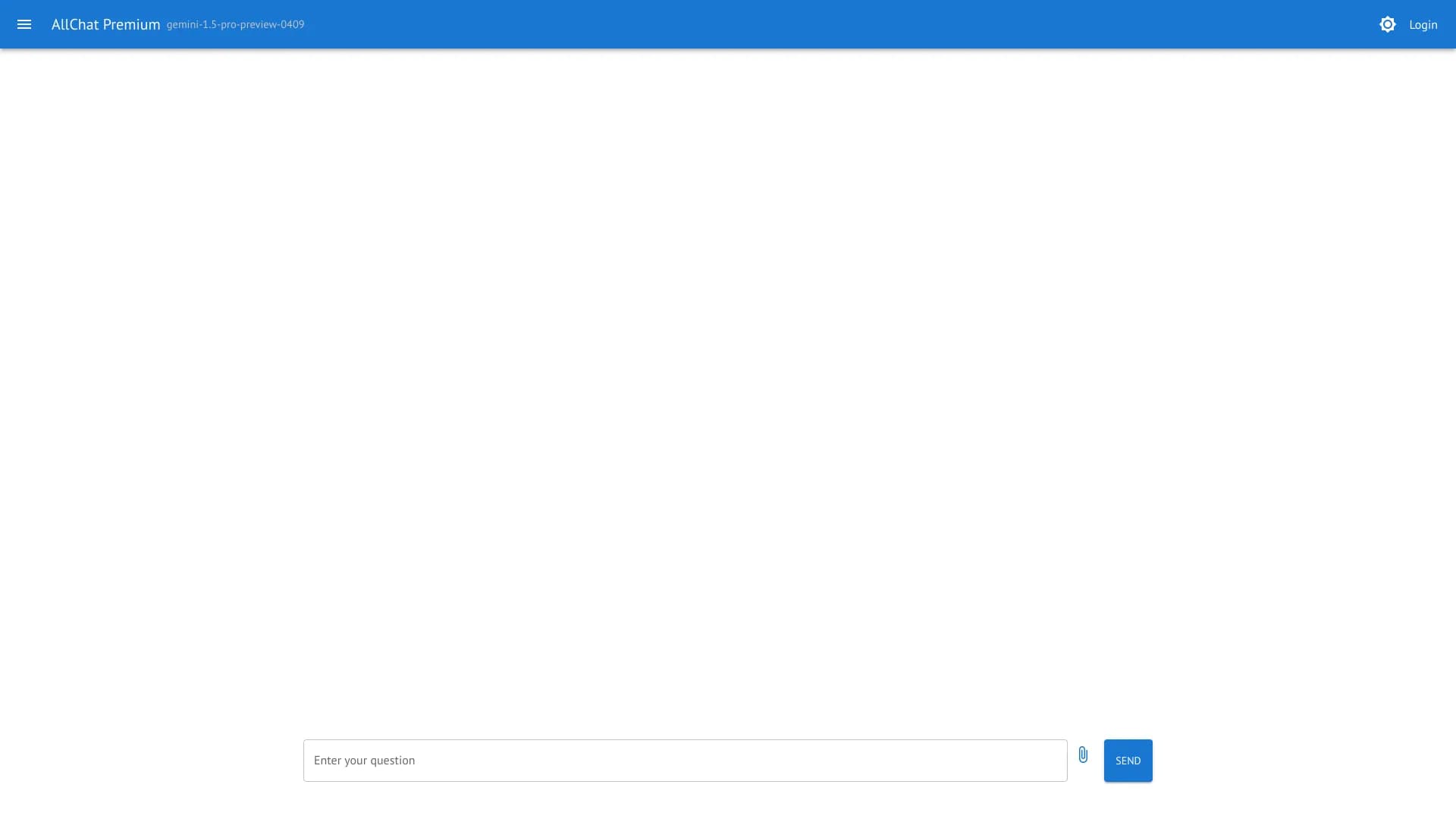
AllChat is a universal platform that combines several popular language models in a single interface for communication, image generation, file analysis, and code execution.
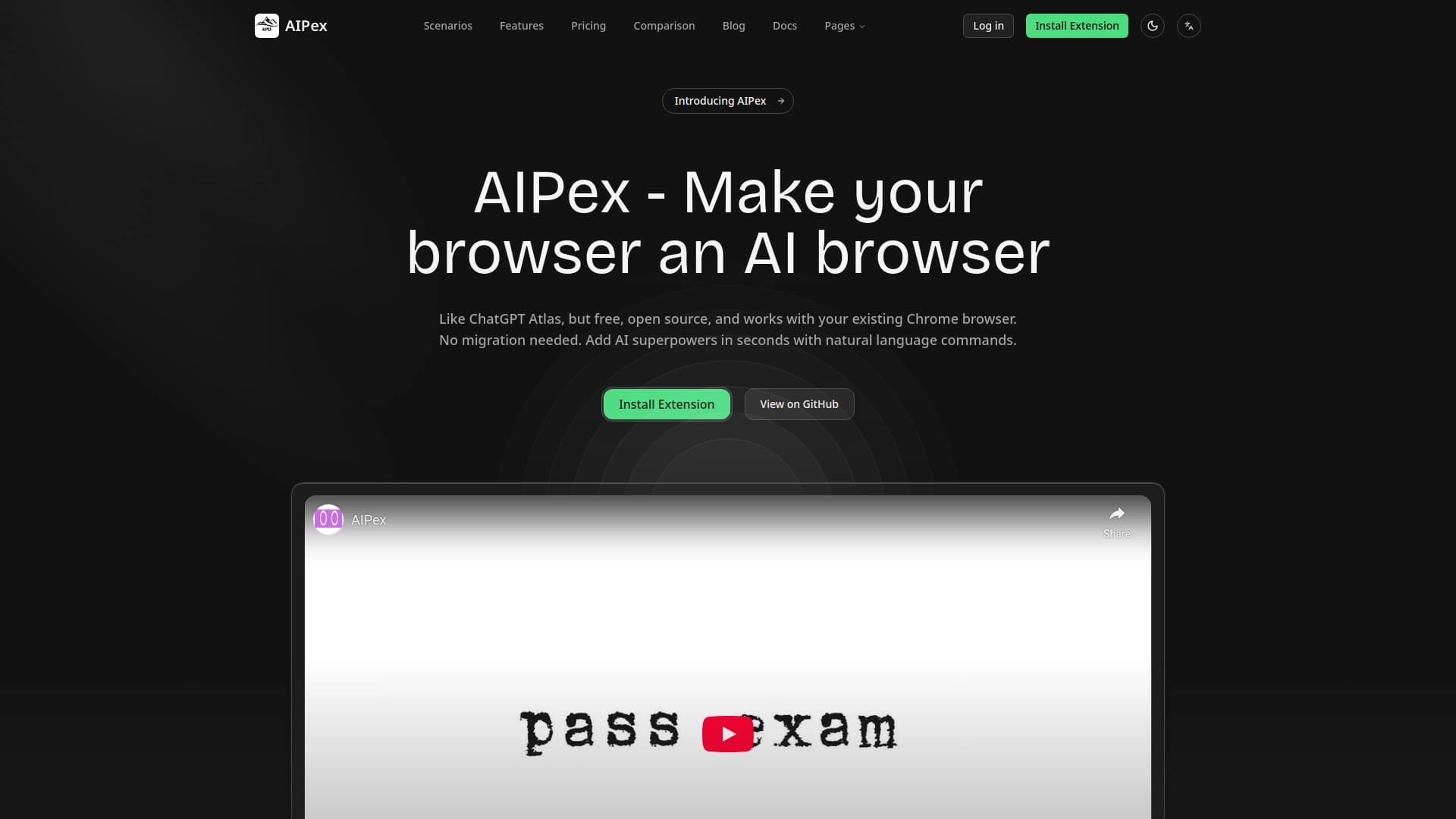

Chrome extension that helps manage tabs, history, and bookmarks with an AI assistant.
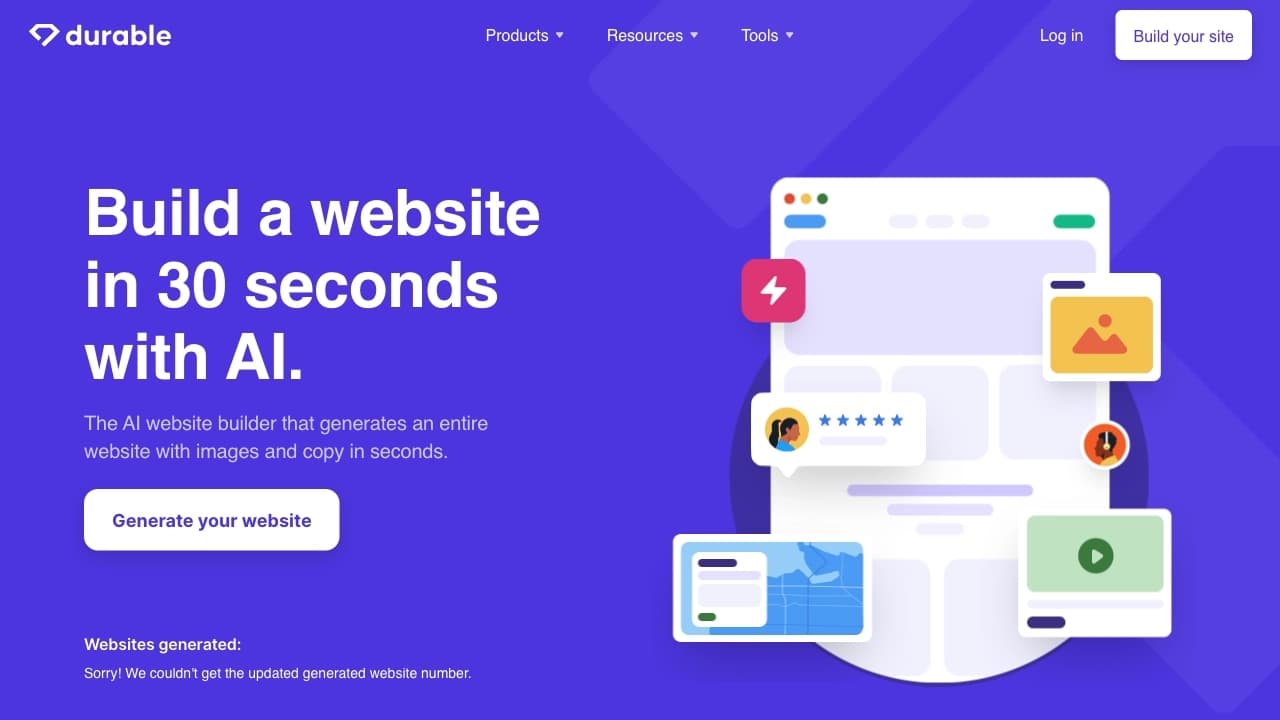

AI platform for fast website creation and small business process management.
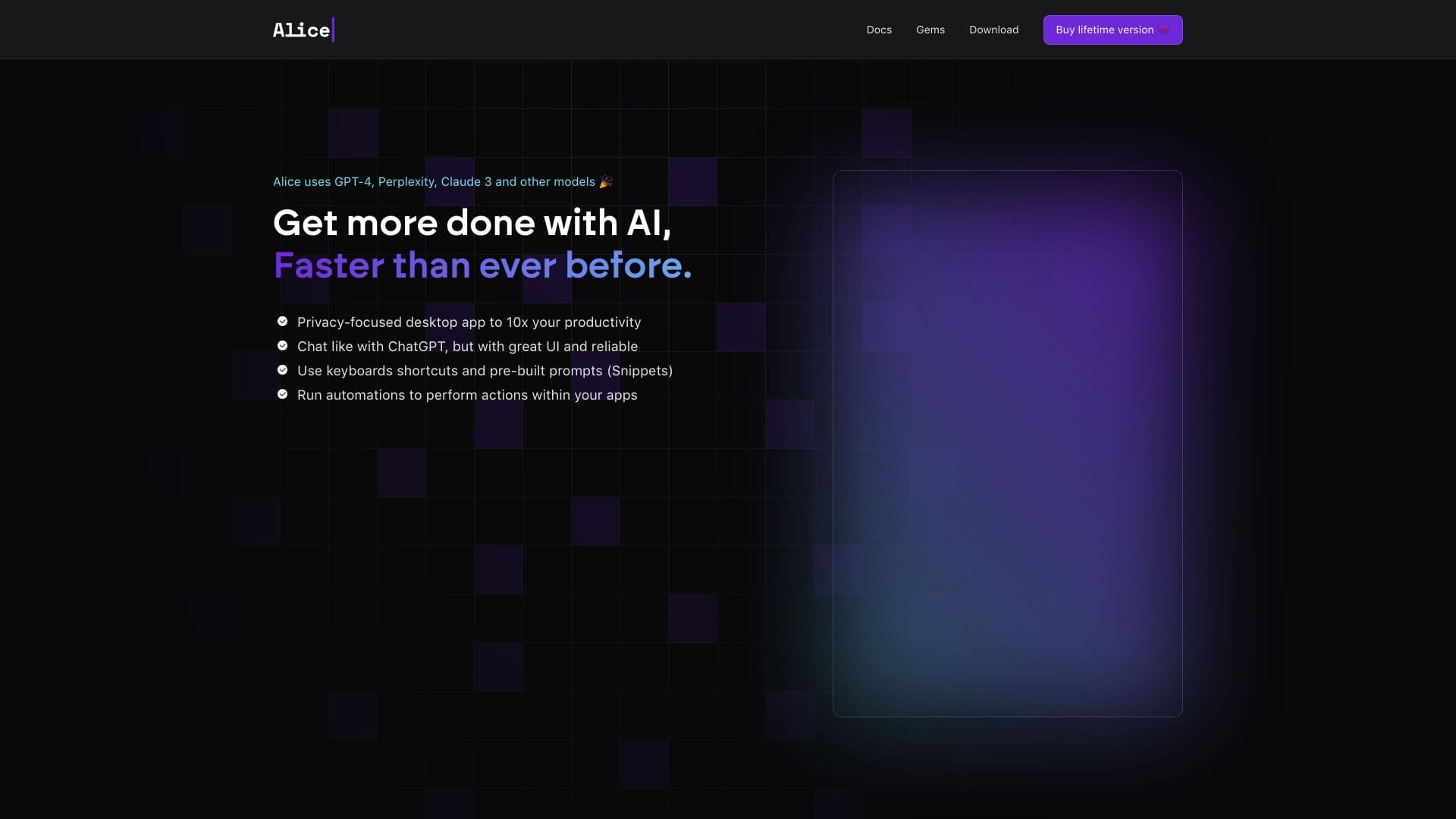

Desktop AI assistant for macOS, Windows, and Linux that launches via hotkey above all windows and combines multiple language models in one interface.
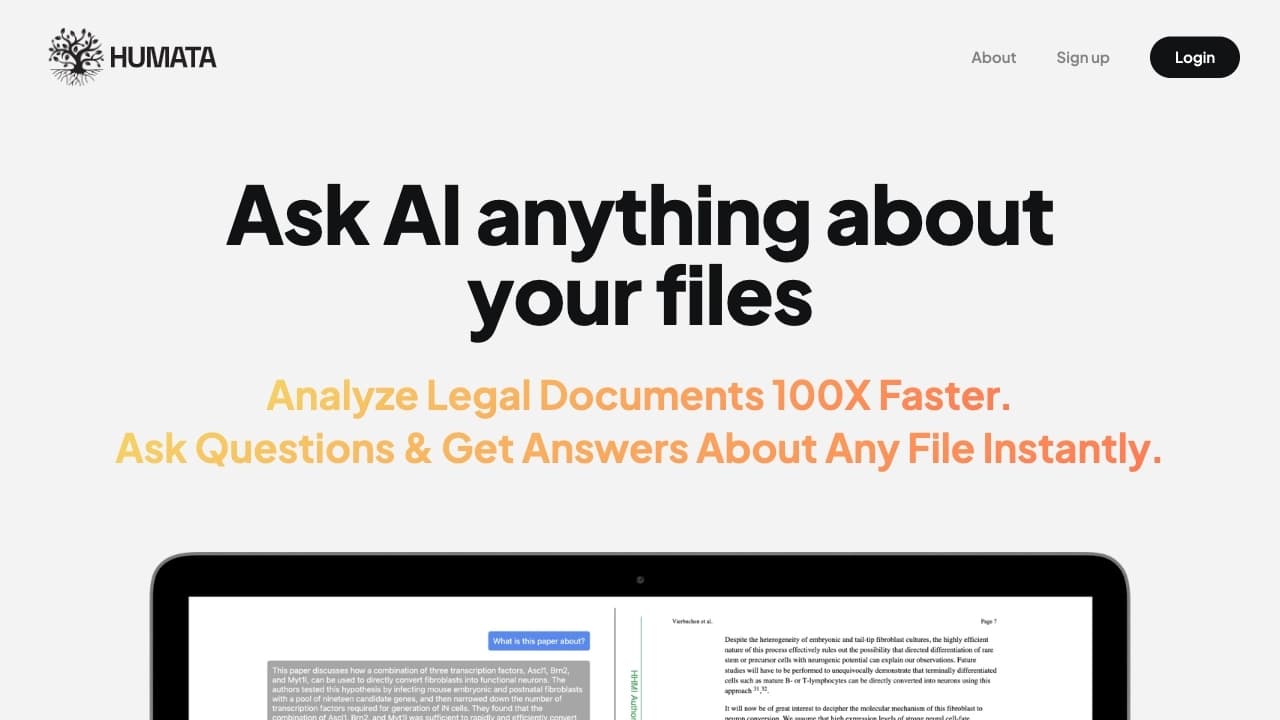
A neural network for document analysis that extracts key information, creates summaries, and answers questions about the contents of uploaded files.

AI assistant for business that helps manage tasks and automate routine through dialogue.

AI agent for automating customer communications and support.
An intelligent assistant for lawyers that accelerates the search and analysis of legal information.