

Contextminds
Service for creating visual context maps and notes that can be used as dynamic prompts for language models.

Overview
Contextminds is a service that combines mind mapping, note-taking, and research work in a single visual space. Instead of keeping ideas in scattered documents and spreadsheets, users build a clear diagram where each element is connected to others. The key feature is that maps created this way can be directly converted into detailed prompts (queries) for GPT and other language models. This allows you not just to gather thoughts together, but to pass their structure to the neural network, making its responses more accurate and aligned with expectations.
Contextminds Features
| Feature | Value |
|---|---|
| Type | Context map and visual notes tool |
| Categories | Knowledge maps, Visual boards and collaboration |
| Website | www.contextminds.com |
| Distribution model | Freemium (free tier with limitations and paid subscriptions) |
| Primary purpose | Structuring information and creating dynamic prompts for AI |
| Data publication date | December 31, 2025 |
Who is Contextminds for?
This tool will be useful for those who regularly work with large amounts of information and need to systematize it.
Authors and content creators
Writers and copywriters can use Contextminds to plan the structure of articles, books, or scripts. The visual map helps see logical connections between chapters and storylines, and the final prompt based on the map gives the AI the right direction for generating a draft.
Marketers and SEO specialists
When developing content strategies, maps are convenient for clustering topics and selecting keywords. Built-in related query suggestions help identify semantic connections and create a detailed brief for the neural network to generate SEO-optimized texts.
Educators and students
For educational purposes, the service works as a tool for visual note-taking of lectures or textbooks. Turning a complex topic into a clear diagram simplifies understanding and memorization, and also allows quickly generating self-test questions with the help of AI.
How to use Contextminds?
The working principle is built on the sequential transformation of scattered data into a structured query for the neural network.
Building a knowledge map
Work begins in the visual editor. You create a central topic and branch out into subtopics, adding notes, ideas, and links. The service allows you to independently build connections between elements, forming a unique structure for your project.
Using research suggestions
Contextminds analyzes your map and suggests related topics and keywords. These automatic suggestions help expand the context by adding important aspects you might have missed — both for content in general and for SEO promotion.
Generating a dynamic prompt
Once the structure is ready, the service collapses the map into a single text block. This prompt includes all added elements and connections, making the request for GPT and other models much more complete and specific than a regular task description.
Key Features of Contextminds
Visual note-taking and mapping
Instead of linear text, you create a visual diagram. This helps you see the whole picture and quickly find connections between different parts of a project — from simple idea lists to complex research work.
Unified workspace
Three key tools are combined in one window: mind mapping (creating diagrams), notes (text comments), and research (topic suggestions). You don't need to switch between multiple applications to organize your project.
Converting maps into AI prompts
This is what sets Contextminds apart from regular mind map editors. The structure you build is converted into a special format that language models perceive much better than a chaotic set of thoughts. This directly affects the quality of generated content.
Contextminds Advantages
Moving from regular notes to context maps solves several key problems in working with information and AI.
Reducing information chaos
All project information is stored not in several places, but in one clear graph. This eliminates the need to search for the right document among dozens of files and reduces visual noise, allowing you to focus on the essentials.
Improving content generation accuracy
The main value of the tool lies in creating a detailed, structured, and — importantly — controllable prompt. You don't just ask the AI to write text; you explain to it, based on the logical diagram you've built, exactly what to do and in what order.
Better idea structuring
Mind mapping helps organize even the rawest and most unformed thoughts. The visual format makes it easy to add, remove, and move blocks, refining the structure to perfection before you even start working with the neural network.
Contextminds Disadvantages
Since Contextminds is a specialized tool, it has certain limitations worth considering. The main one is its niche focus. Unlike universal services like Miro, this tool is not a replacement for a full-fledged team workspace. It is aimed specifically at creating structural diagrams for AI, not at managing large-scale projects or design. Additionally, for effective use, it's advisable to understand the principles of mind mapping and prompt creation. No data on significant drawbacks, such as limits on the number of maps in the free version or lack of integrations, is provided in the source materials.
What problems does Contextminds solve?
The tool is positioned as a solution for tasks related to data preparation and structuring.
- Content planning: developing the structure of articles, scripts, or posts.
- Research organization: collecting and visualizing data from different sources into a single diagram.
- Creating briefs for AI: generating detailed and multi-level prompts for producing quality text.
- Learning: visual note-taking of lectures and educational materials.
- Strategic planning: working out the structure of projects, courses, and marketing strategies.
Contextminds Pricing
Contextminds operates on a freemium model. This means there is a free plan with a basic set of features, which should be enough to get familiar with the service and for small projects. For more advanced capabilities (for example, unlimited maps, blocks, and possibly priority prompt generation), paid subscriptions are available. Information about specific price points and exact differences between plans is not provided in the source data. To find out current pricing, you need to visit the service's official website.
Contextminds Terms of Use
Detailed terms of use, including the user agreement and privacy policy, should be published on the service's official website, since the tool works with user data and integrations with AI models. The source data does not specify any particular requirements regarding user age or region of residence. It is recommended to review the terms on the website yourself before starting work, especially when using paid plans.
Contextminds Availability
Contextminds is a web service available on the official website at www.contextminds.com. To use it, you need a browser and internet access. There is no separate information about mobile apps or an offline version in the provided data, which suggests the main focus is on the web interface.
How Contextminds differs from alternatives
The main difference between Contextminds and most mind mapping tools (such as Microsoft IQ, Lucidchart AI, or Miro AI Flowchart) is its direct focus on creating prompts for language models. While alternatives focus on collaboration, diagram design, or process charts, Contextminds acts more as a bridge between your thought structure and artificial intelligence. It's not just a drawing board, but an intelligent outline that transforms into instructions for the neural network. This approach makes it more specialized, but also more effective for text generation tasks.
Conclusion
Contextminds is a niche and well-thought-out tool for those who want to organize information and improve the quality of their work with AI. It successfully combines the functions of a visual notebook, a research assistant, and a prompt builder. If your goal is not just to draw a diagram, but to turn it into a working instruction for a language model, then Contextminds will be a reliable assistant for authors, marketers, students, and anyone working with complex data.
Frequently asked questions
See also
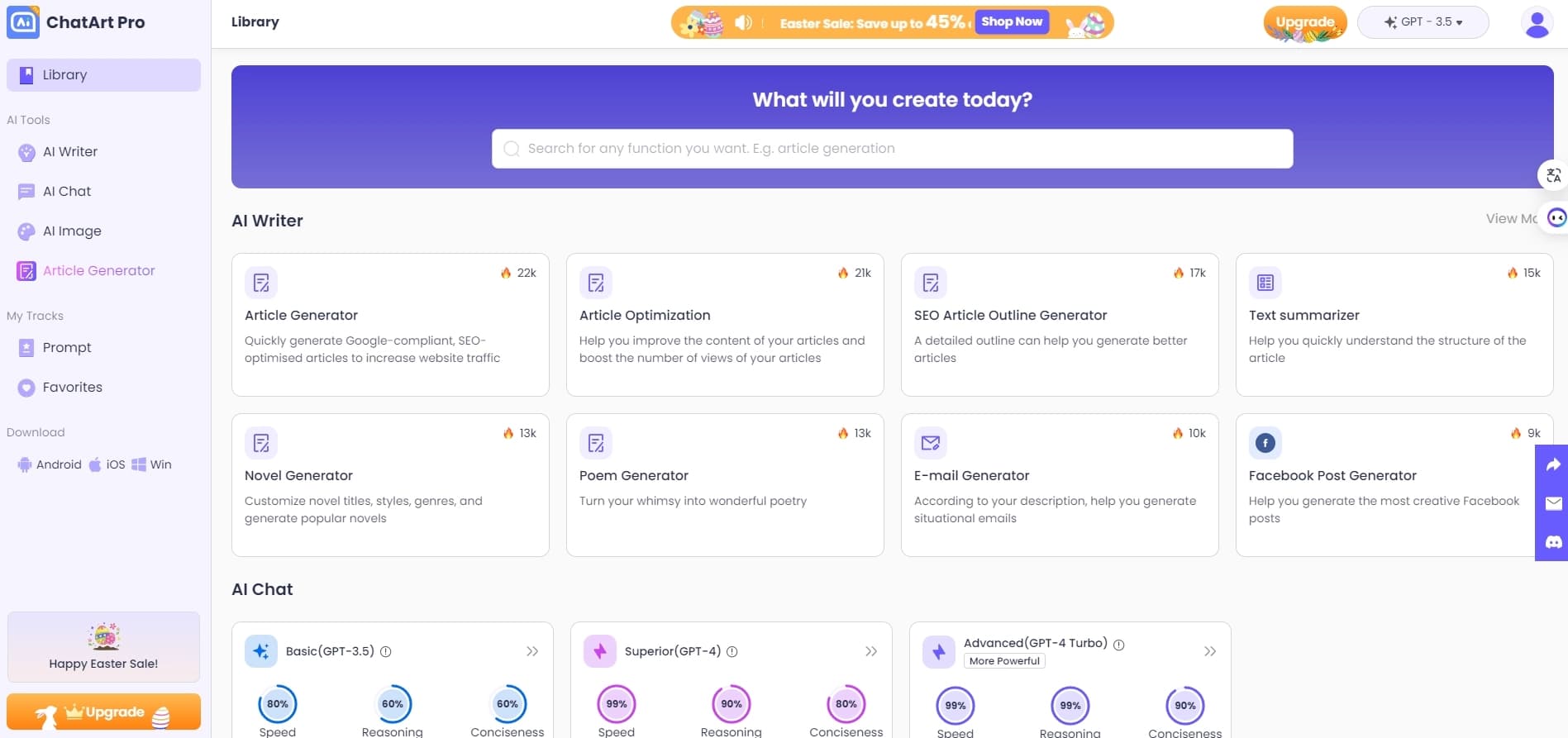

A multifunctional platform for creating and editing media content using artificial intelligence.
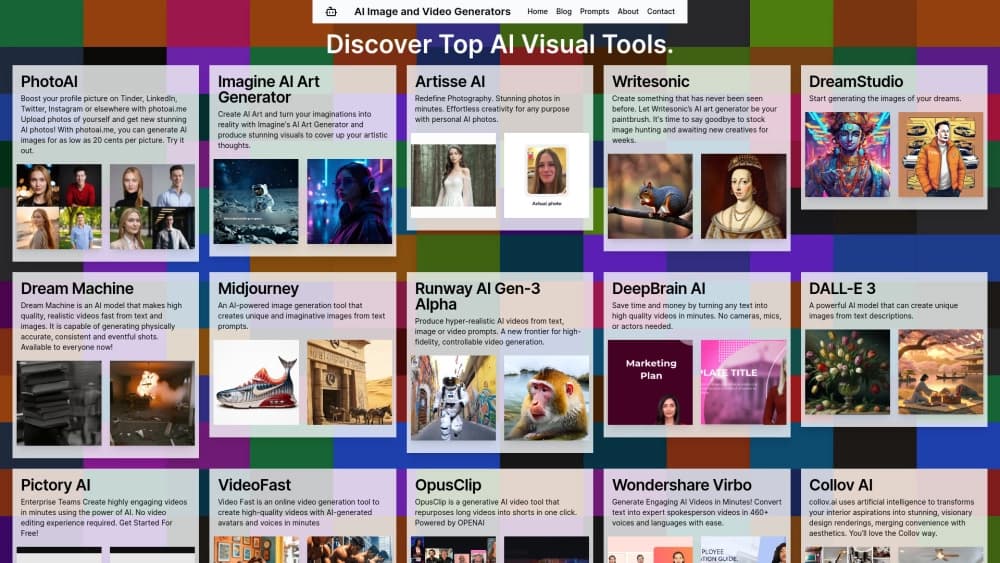
Catalog of neural networks and online tools for generating images, animations, and videos.

AI agent for automating routine browser actions, such as filling out forms and collecting data.


Neural network for generating images and short videos from text descriptions.


AI assistant for checking grammar, spelling, and style of English text, available as a browser extension and web editor.
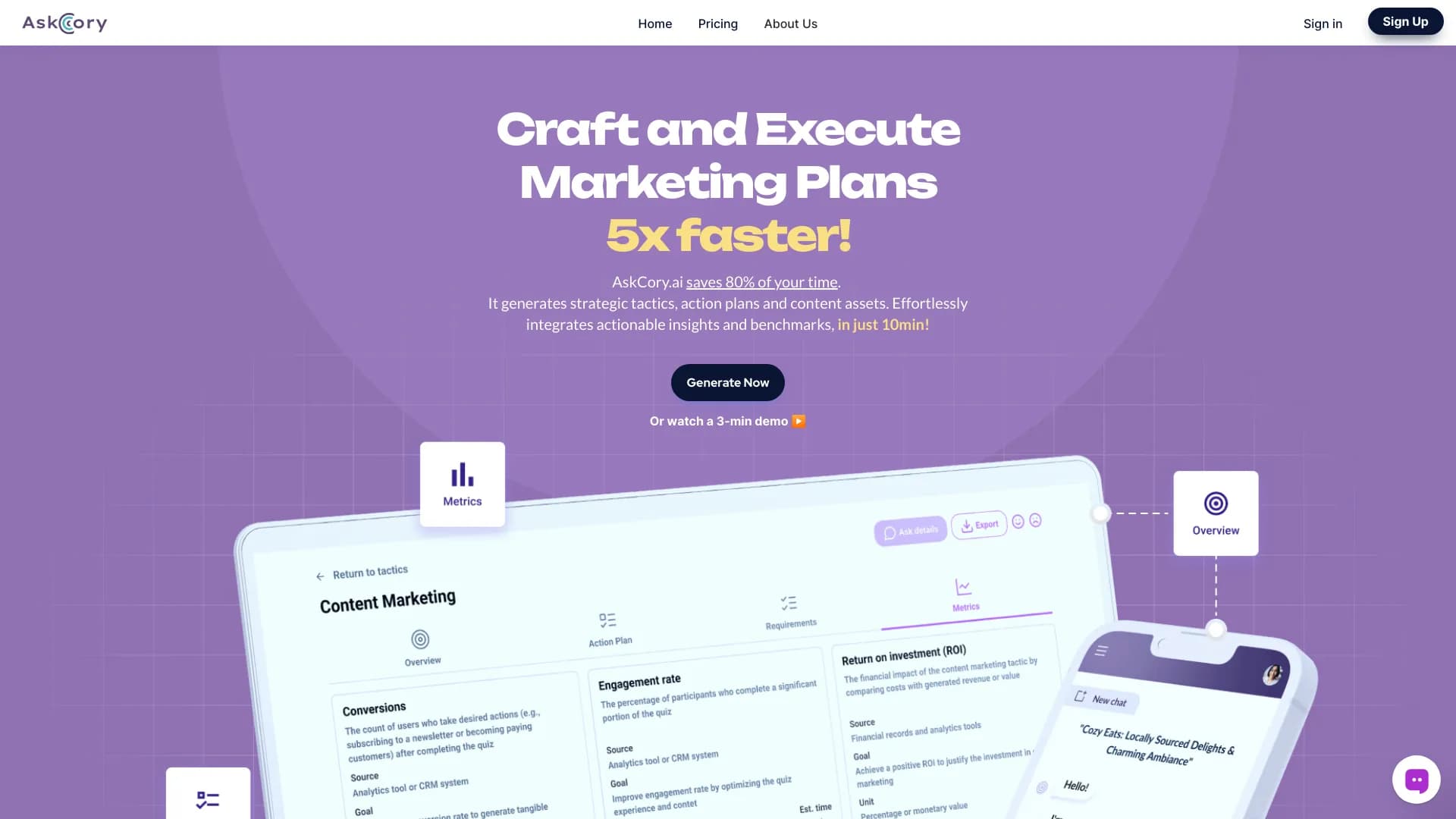

AI marketing assistant that helps create promotion strategies and optimize advertising campaigns.
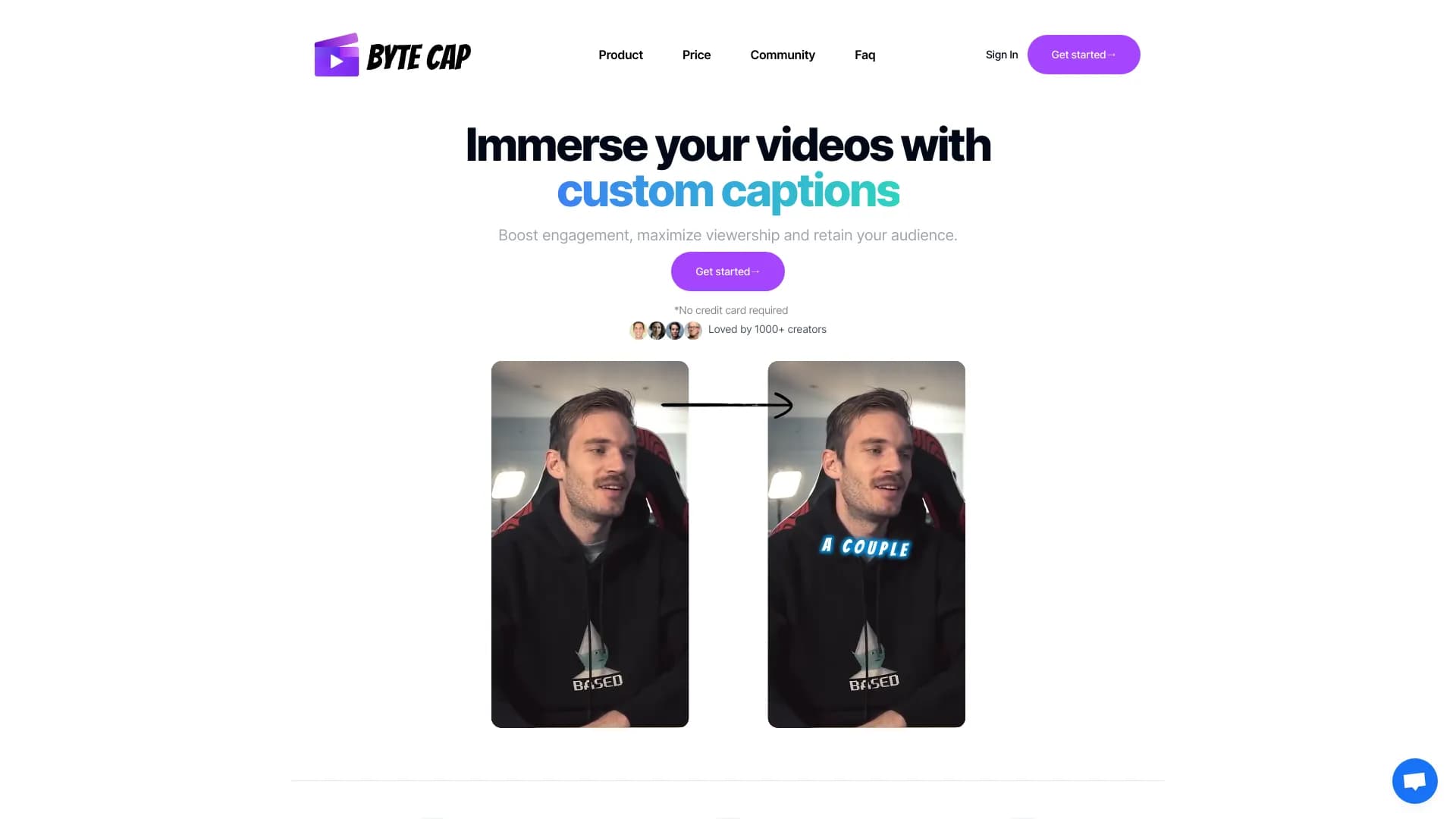
AI-powered online service for automatically generating video subtitles.

A multifunctional AI assistant for chat, text and image generation, translation, and programming help.