
Context7
Context7 is a tool that integrates with AI development assistants and provides up-to-date documentation and code examples.

Overview
Context7 AI Description
Context7 is a developer assistance tool that integrates directly with popular AI coding assistants such as Cursor, Claude Code, and Windsurf. Its main purpose is to supply the AI model with up-to-date documentation and verified code examples while you work on a project. Instead of relying on data embedded in the model's training set (which can become outdated), Context7 accesses primary sources and delivers fresh information directly to your editor.
The service was created by the Upstash team and is available free of charge for individual use. Since the tool's source code is open and published on GitHub, anyone can study how it works or deploy their own version. It's a practical solution for those who are tired of double-checking every line of generated code and want to reduce errors caused by AI "hallucinations."
Context7 Features
| Feature | Value |
|---|---|
| Business model | Free |
| Category | Developer tools, Coding assistants, Free |
| Purpose | Pulling fresh documentation and working code examples into the editor |
| Integration | Cursor, Claude Code, Windsurf, and other AI development tools |
| Developer | Upstash team |
| Source code | Available on GitHub |
Who is Context7 for?
Developers who actively use AI assistants
The tool is designed for programmers who regularly turn to AI models for help with writing code. If you use Cursor, Windsurf, or Claude Code in your daily work, Context7 helps make these tools more reliable and accurate.
Professionals working with rapidly changing libraries
Those who work with frequently updated frameworks and libraries know the frustration of an AI suggesting a method that doesn't exist. Context7 solves this problem by providing data specific to the library version you're using, which is especially important for maintaining older or, conversely, cutting-edge projects.
Teams that value speed and accuracy
For developers who want to avoid lengthy back-and-forth clarification dialogues with AI and don't have time to manually verify every suggestion, Context7 acts as a filter that screens out unreliable information.
How to use Context7
Integration with your code editor
Context7 connects to your primary development tool — Cursor, Claude Code, Windsurf, or another compatible AI editor. After installing the extension or completing the setup, the assistant gains access to documentation sources.
Automatic data retrieval
During your workflow, the AI model automatically requests context from Context7 when specific libraries and their functions come up. You don't need to manually copy documentation — the tool handles this in the background.
Customization for your needs
Since the source code is available on GitHub, more experienced users can adapt the tool to their requirements, adding custom sources or modifying the search logic if the standard capabilities aren't sufficient.
Key features of Context7
Pulling fresh documentation
The tool accesses official sources directly, preventing the AI model from relying on outdated data from its training set.
Providing working code examples
Context7 selects examples that match the specific library version you're working with. This reduces the risk of receiving non-functional code.
Support for multiple AI tools
The service was built to work within the ecosystem of popular assistants, including Cursor, Claude Code, and Windsurf, making it a versatile solution.
Open source
Availability on GitHub allows the developer community to contribute to the project's improvement, verify its reliability, and use the code for their own purposes.
Advantages of Context7
Up-to-date information
Context7 solves the fundamental problem of outdated information, which is the main source of errors in AI assistant output.
Fewer "hallucinations"
With access to primary sources, the AI model stops inventing non-existent functions and parameters, making code generation more predictable.
Time savings
Developers no longer need to spend time verifying every line of code through searches or reading documentation, since Context7 has already validated the information.
Free to use
For personal projects and individual work, the service is available at no cost, making it accessible to a wide range of professionals.
Drawbacks of Context7
Limited information on scaling
The available data does not specify terms or restrictions for commercial use or large team projects. The main focus is on personal use.
Dependence on external sources
The quality of the tool's output depends directly on the availability and structure of the documentation it accesses, and that documentation isn't always perfectly organized.
Compatibility requirement
To use Context7 effectively, you need to work with one of the supported AI tools, which may narrow the potential user base.
What problems does Context7 solve?
Providing AI assistants with up-to-date documentation
The service addresses the lack of fresh data by giving AI models information about the latest changes in libraries.
Preventing non-working code suggestions
Its main goal is to eliminate situations where the model suggests outdated or non-existent methods that break the project build.
Reducing time spent on clarifications
The tool minimizes the number of back-and-forth iterations needed to get the right answer, allowing developers to reach results in coding faster.
Context7 Pricing
Free for personal use. This means individual developers can actively use Context7 in their projects without paying for a subscription. Currently, this is the only officially announced pricing model for the service, and it's aimed at attracting a broad audience.
Context7 Terms of Use
The main requirement is compliance with the license, which can be reviewed in the project repository on GitHub, where the source code is hosted. The service is free for personal use, with no mention of hidden fees or mandatory registration. The Upstash team provides the tool as an open project, allowing it to be studied and modified in accordance with the license terms.
Context7 Availability
The service is available for integration with platforms such as Cursor, Claude Code, and Windsurf. Since the product is open source, its availability could potentially be extended to other environments, but official support is currently declared for these tools. No geographic restrictions are mentioned in the available data.
How Context7 differs from alternatives
The main difference between Context7 and many plugins and extensions for AI assistants lies in its working methodology. Rather than simply expanding editor functionality, it focuses on the quality of data the AI model receives. While standard assistants rely on memorized data, Context7 acts as a live bridge between the model and real, constantly updated library documentation.
Also worth noting is the project's openness (source code on GitHub) and its free distribution model, which sets it apart from commercial subscription-based alternatives.
Conclusion
Context7 is a well-designed free tool for developers who want to improve the accuracy and reliability of their AI assistants. By solving the problem of outdated data and "hallucinations," the service directly pulls current documentation and working code examples into Cursor, Claude Code, and Windsurf editors. Thanks to integration with popular tools and open source code from the Upstash team, Context7 becomes a valuable addition for anyone who values their time and strives to write quality code without excessive manual verification.
Pricing
Frequently asked questions
See also
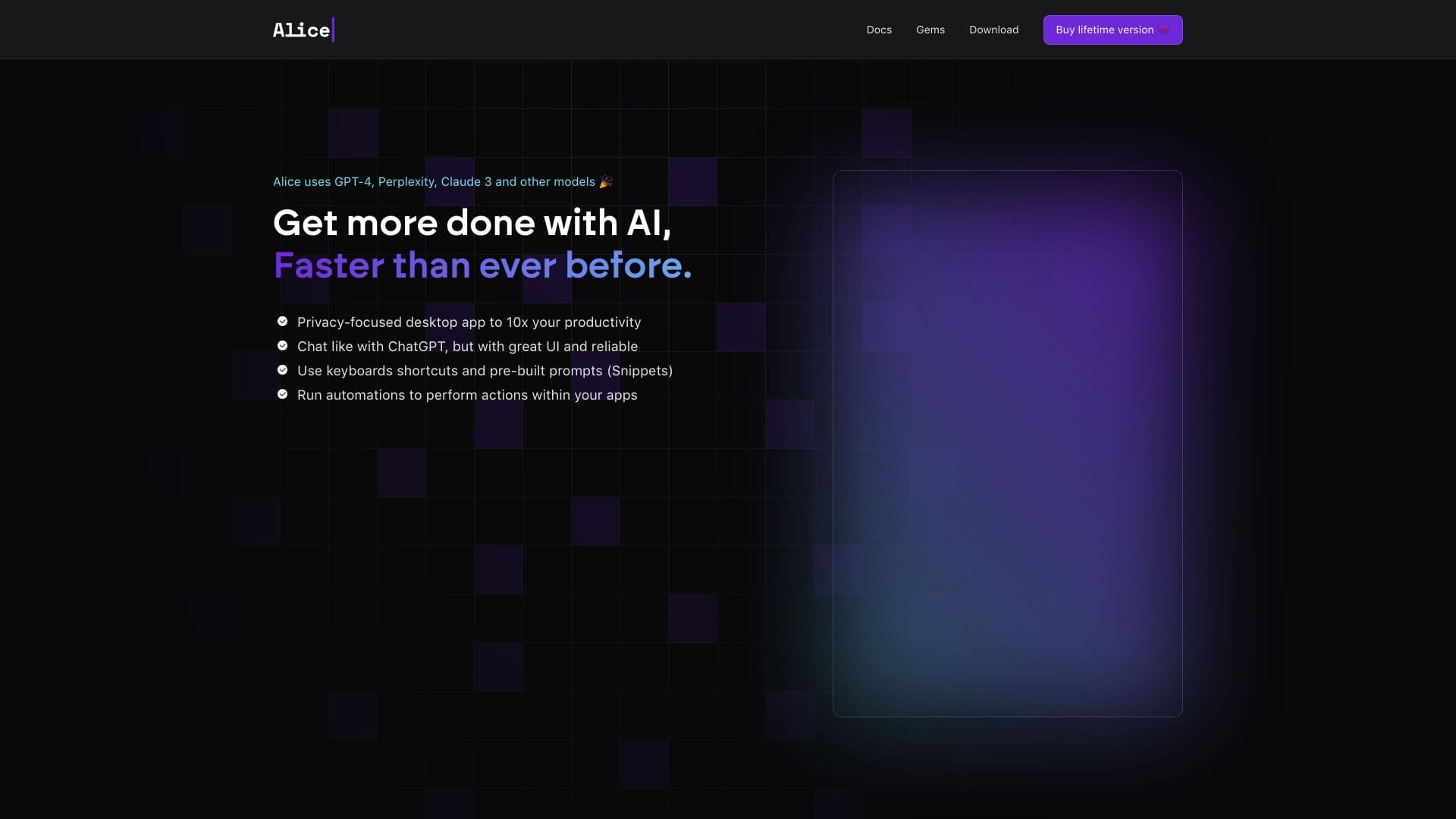

Desktop AI assistant for macOS, Windows, and Linux that launches via hotkey above all windows and combines multiple language models in one interface.

A multimedia AI toolkit for editing and enhancing photos, videos, and PDF documents.
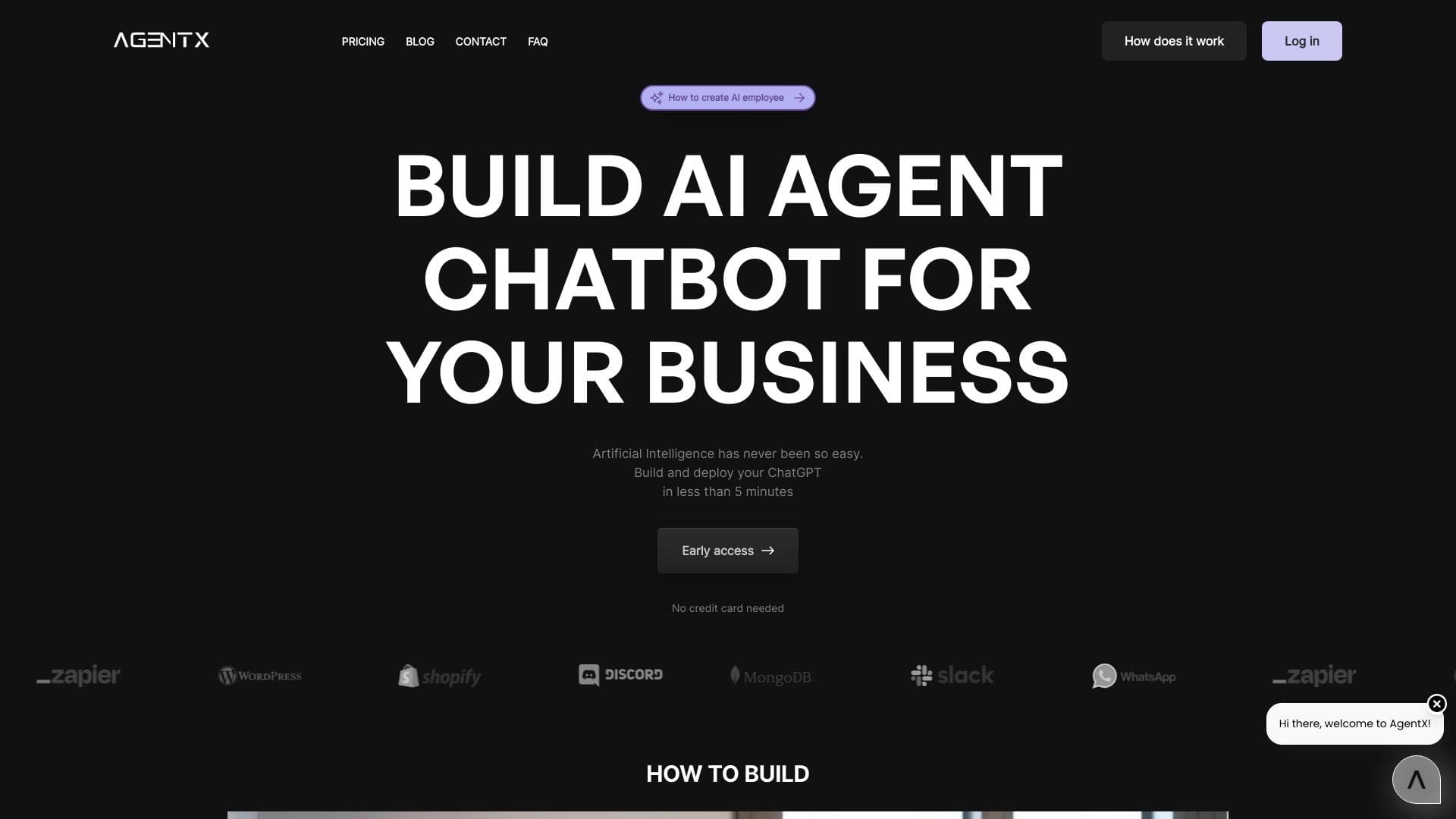

Platform for creating multi-agent AI systems and chatbots to automate customer support and lead generation.
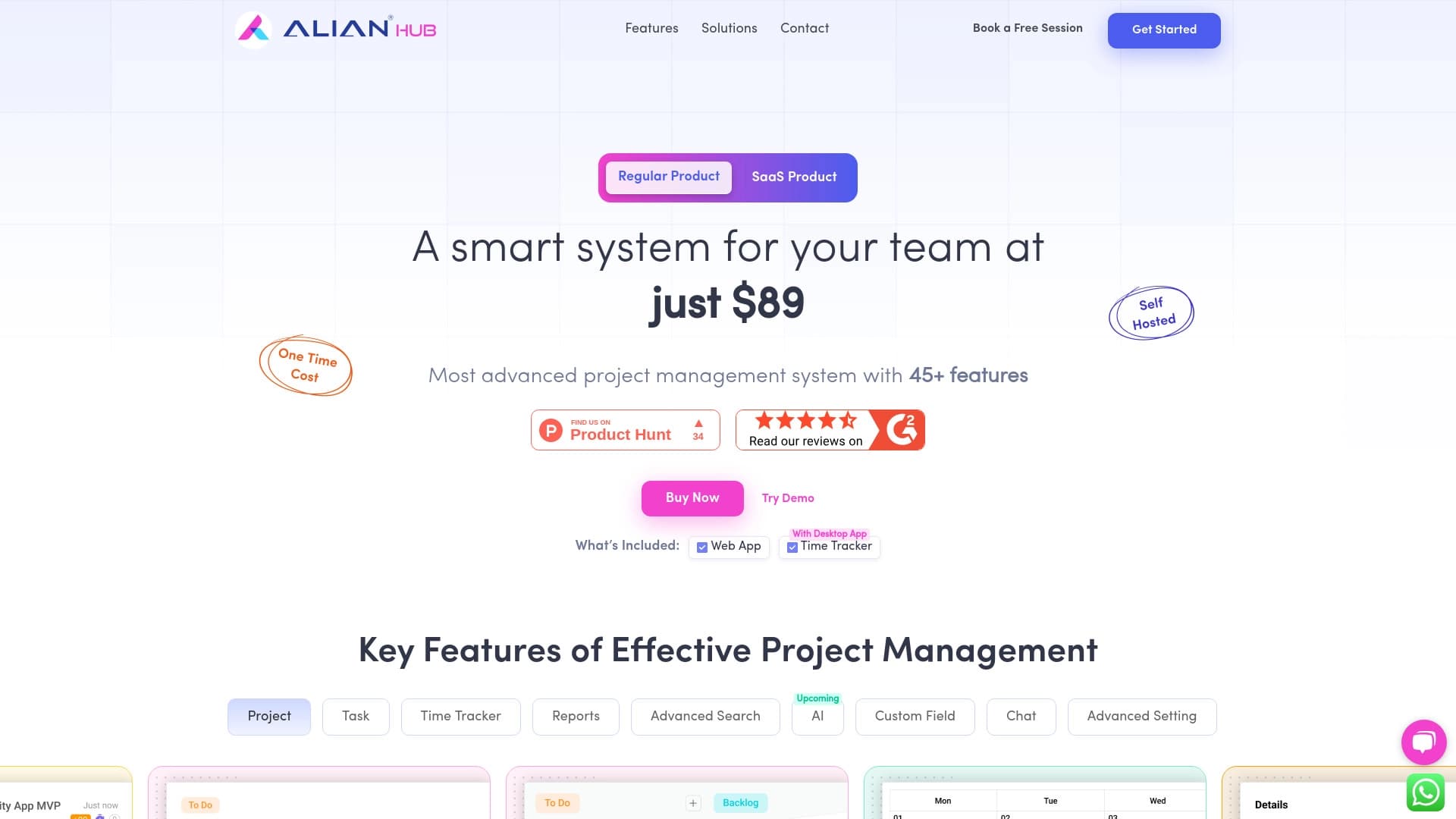

Project management platform with task assignment, time tracking, and employee workload monitoring features.
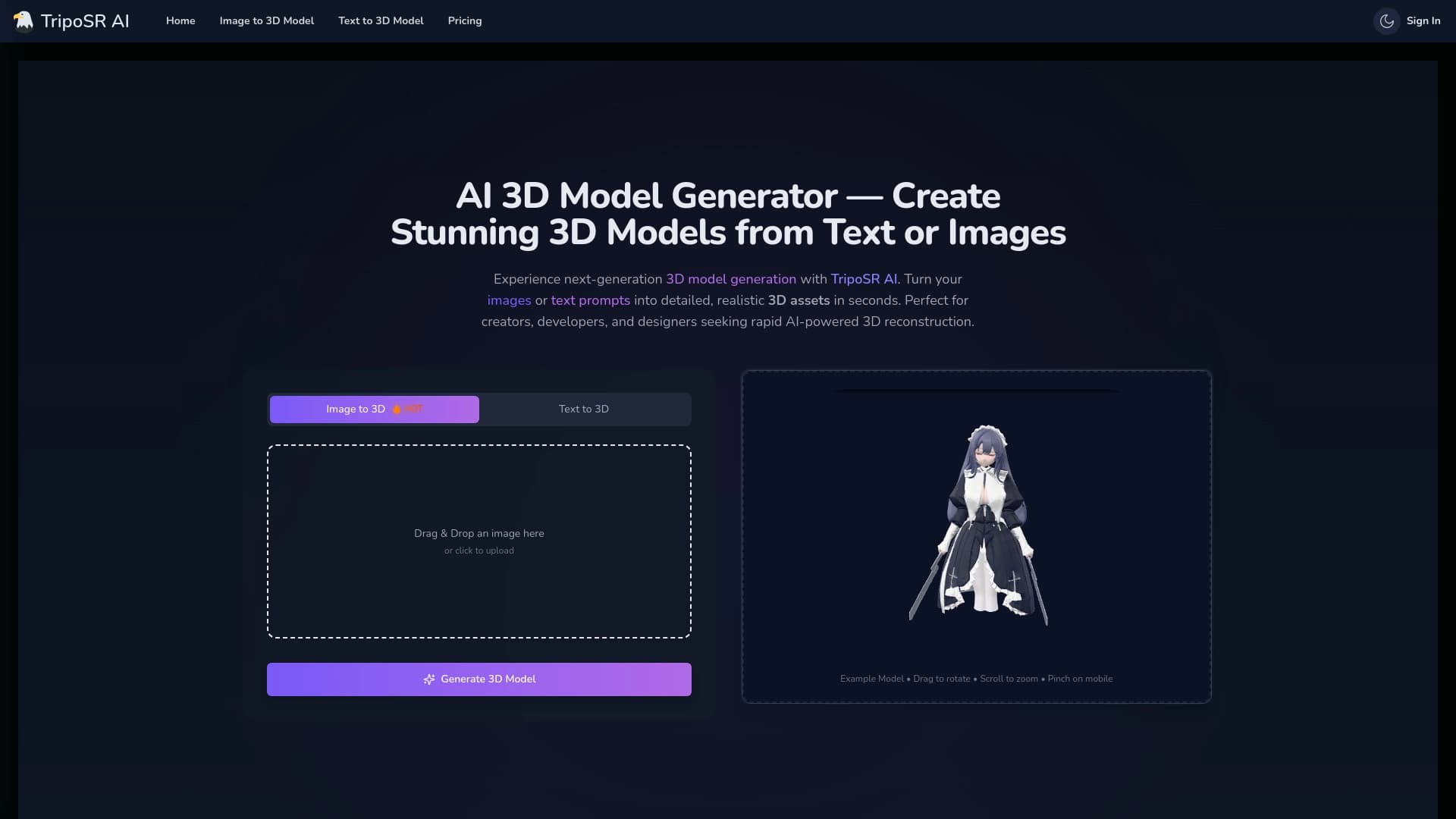

Open-source tool for quickly converting a single image into a 3D model.

AI toolkit for video generation and editing, including avatars, lip-sync, and voice cloning.

AI agent for automating customer communications and support.

A multifunctional AI assistant for generating texts, images, and audio.