

TripoSR
Open-source tool for quickly converting a single image into a 3D model.
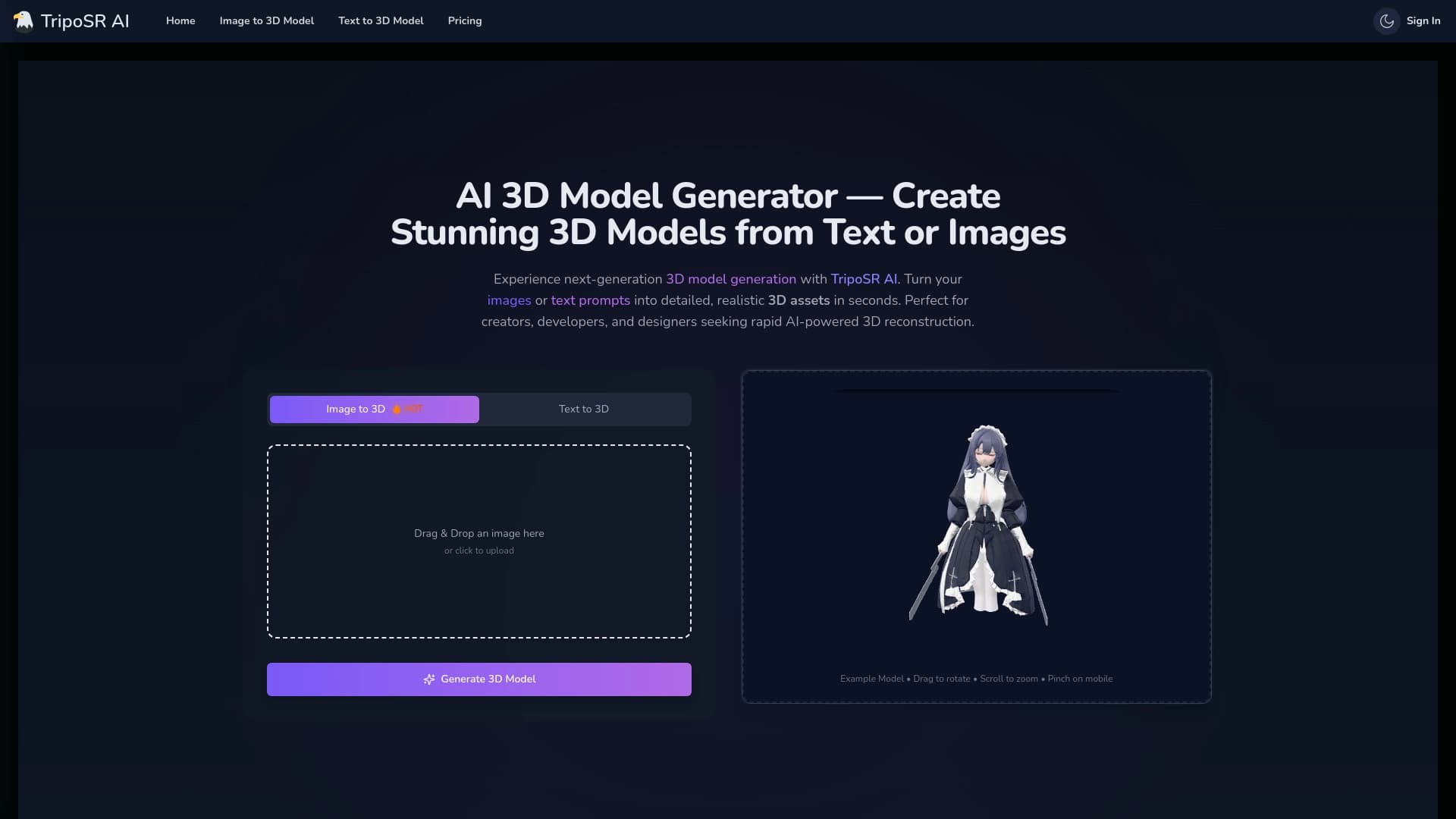
Overview
TripoSR
Description of the TripoSR neural network
TripoSR is an open-source tool designed to quickly convert a single image into a 3D model. Developed by the VAST-AI-Research team, it is based on the PyTorch framework and uses the torchmcubes library for data processing. The generated result can be exported to the popular GLB format, making the model compatible with many development environments and 3D editors. The project is aimed at practical use without requiring a license purchase.
TripoSR Features
| Feature | Value |
|---|---|
| Type | 3D model generation from images |
| Category | Animation, Game Development |
| Conversion | Image to 3D |
| Tasks | Create 3D object |
| Free tier | Yes (fully free) |
| Open source | Yes (MIT license) |
| API | Yes |
| Input formats | PNG, JPEG |
| Export format | GLB |
| Developer | VAST-AI-Research |
Who is TripoSR suitable for?
Artists and 3D designers
TripoSR lets artists quickly get draft 3D models from regular photos or images. This speeds up the concept modeling and prototyping stage, eliminating the need to manually create an object from scratch.
Game and application developers
Developers can integrate the tool into their pipeline for generating image-based assets. Thanks to the open-source code and API, the neural network can be embedded into automated workflows, reducing the time spent filling scenes with content.
Computer vision researchers
For researchers, TripoSR is interesting as a ready-made implementation of an algorithm for converting 2D images into 3D geometry. The open code makes it possible to study the model architecture, modify it, and use it in experimental projects.
How to use TripoSR
Installation and requirements
To work with TripoSR, you need a computer with a graphics processor that supports CUDA. The system requires PyTorch and the torchmcubes library. Basic Python and command-line skills are enough to run the project. Installation instructions are available in the official GitHub repository.
Preparing the image
PNG and JPEG images are suitable as input data. The sharper and more contrasting the original photo is, the better the 3D model you can get. Ideally, the object in the image should be well separated from the background.
Running the generation
After setting up the environment, the process of converting an image into a 3D model takes only a few seconds. The result is automatically saved in GLB format. The resulting model can be immediately loaded into 3D graphics editors or game engines for further refinement.
Key features of TripoSR
Creating 3D models from single images
The tool's main function is generating three-dimensional geometry from just one photo. The model analyzes the image and reconstructs the object's volumetric shape.
High processing speed
The TripoSR algorithm is optimized for fast operation: the full conversion cycle takes seconds. This sets the tool apart from many solutions that require lengthy computation.
Open source on GitHub
The project's source code is published under the MIT license, allowing you to freely use, modify, and distribute it. Anyone can clone the repository, study the neural network architecture, and adapt it to their own needs.
Support for popular formats
It accepts the standard raster formats PNG and JPEG, and outputs GLB, a format widely used in web graphics, AR/VR, and game engines.
Advantages of TripoSR
Fast image-to-3D processing in seconds
Speed is one of the tool's key strengths. The user receives a finished 3D model almost instantly, which significantly speeds up workflows.
Fully open-source code
Unlike many commercial solutions, TripoSR is available for free study and modification. The MIT license imposes no restrictions on use, including commercial projects.
Free access with no hidden fees
The project requires no license purchase, subscription, or any other payments. All software is distributed free of charge.
Simple installation
To get started, you only need a basic understanding of Python. The setup process is described in the documentation and requires no deep knowledge of machine learning.
High model accuracy
Developers from VAST-AI-Research state that TripoSR delivers high-quality 3D geometry reconstruction compared with similar solutions.
Disadvantages of TripoSR
Dependency on CUDA-capable hardware
The tool requires a graphics card with CUDA support. This limits its use on computers without a discrete NVIDIA GPU or in cloud environments without GPU access.
Single export format
Currently, TripoSR exports models only in GLB format. If you need other formats, you will have to convert the result using third-party tools.
Python skills required
Although the installation is described in detail, beginners without command-line or Python environment experience may need extra time to set everything up.
What problems does TripoSR solve?
Converting a single image into a 3D model
The main task the neural network solves is the fast conversion of an ordinary photo or image into a three-dimensional object. This makes it possible to obtain 3D assets where manual work in editors was previously required.
Accelerating 3D content creation
The tool helps artists and developers reduce time during the prototyping stage. Instead of modeling every object by hand, you can generate a base from an image and refine it as needed.
TripoSR pricing
TripoSR is a completely free, open-source project. There are no paid plans or subscriptions. Users can download, install, and use the tool at no financial cost.
Terms of use for TripoSR
To use TripoSR, you need a computer with CUDA support and the PyTorch framework installed. The torchmcubes library is also required. Other system requirements match the standard conditions for running PyTorch-based projects. The project is distributed under the MIT license, which permits free use, copying, and modification of the code.
TripoSR availability
TripoSR's source code is hosted in a public repository on GitHub. The project can be downloaded and installed at any time. The tool has an API, allowing it to be integrated into third-party applications and automated pipelines. Thanks to the open license, access to the neural network is not limited geographically or by the number of uses.
How TripoSR differs from alternatives
Advantage in speed and performance
Compared with tools like Meshroom, TripoSR works faster and requires less computing power. This makes it more accessible to users with mid-range hardware.
Easier setup compared with COLMAP
COLMAP offers broad photogrammetry capabilities, but it is more difficult to configure and use. TripoSR, by contrast, is easy to install and run with basic Python knowledge. This lowers the entry barrier for beginners.
Open source versus paid solutions
Many commercial alternatives offer similar functionality but require payment. TripoSR remains completely free and open, which sets it apart from proprietary products and gives users full control over the tool.
Conclusion
TripoSR is a convenient free, open-source solution for creating 3D models from photos, combining speed and quality. It is recommended for developers, artists, and researchers who need a simple and effective tool for working with 3D content.
Frequently asked questions
See also


AI platform for automating video editing, including face replacement, video translation, and avatar creation.
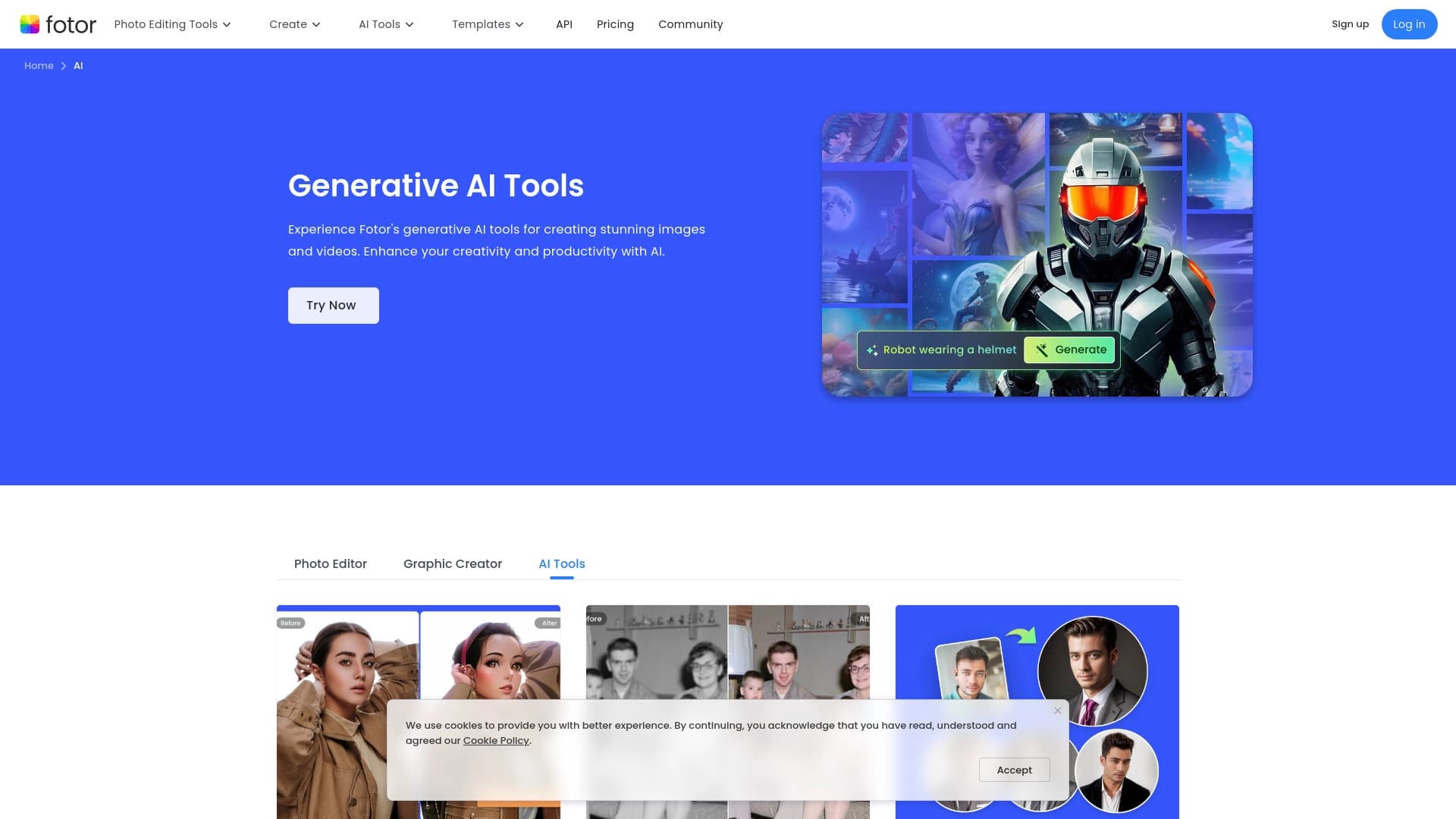

Online image editor with AI-powered features for photo processing, design, and content generation.
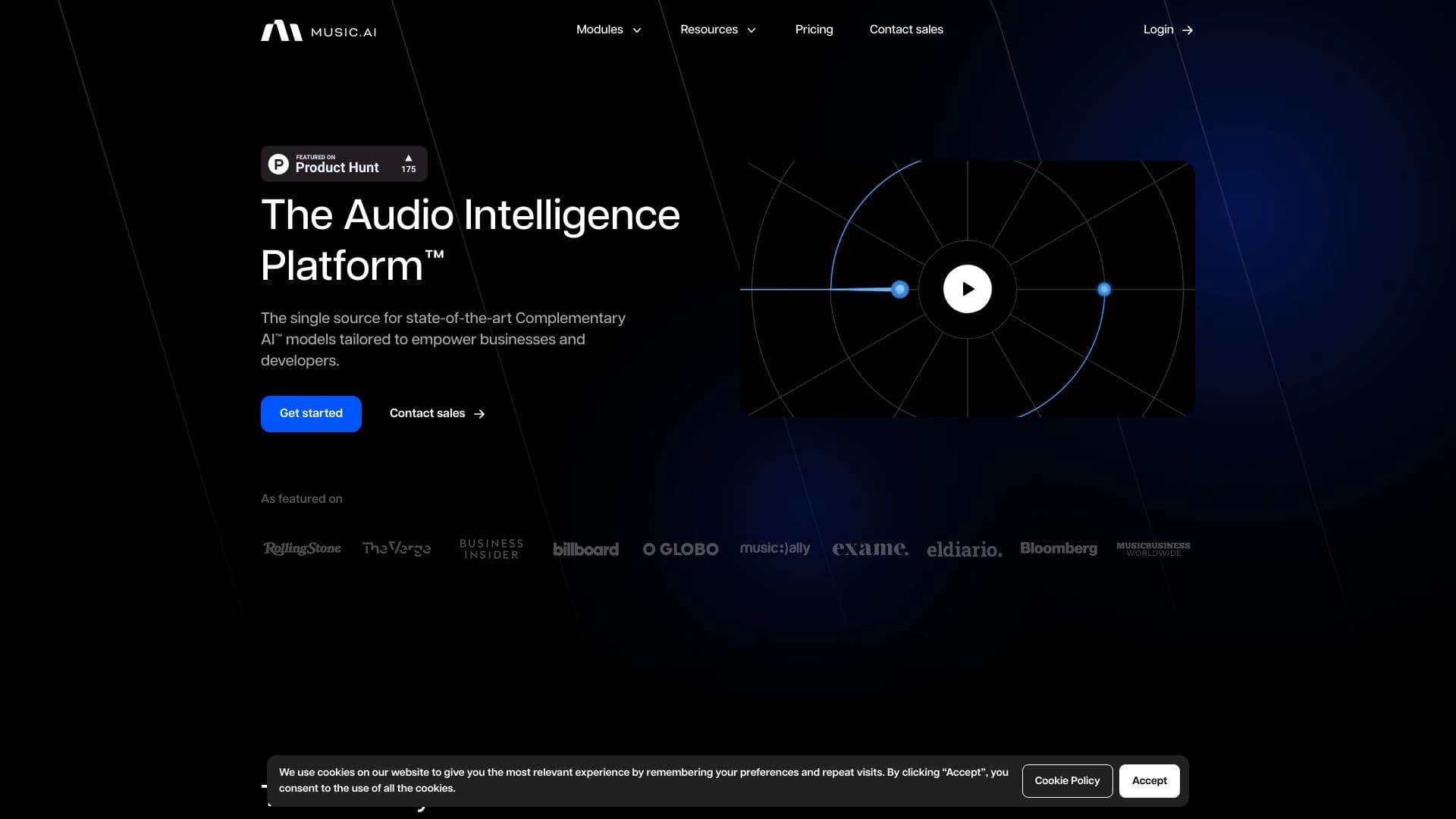
A platform for professional audio processing with AI features for track separation, mastering, and voice changing.

Cloud platform for launching AI applications directly in the browser without installation.


Aggregator platform that brings together various AI tools and language models with pay-as-you-go pricing.

AI platform for voice synthesis and cloning that converts text into realistic speech.

A community platform for discovering, publishing, and sharing open AI image generation models.


AI assistant for sports betting and casino, analyzing the user's past actions to provide personalized advice.