
Cloudinary
Cloud service for automating image processing and optimization using AI.
Overview
Cloudinary is a cloud platform that automates media file management, primarily images and videos. Instead of manually preparing images for a website or application, developers upload them to Cloudinary, and the service handles compression, resizing, and conversion to the required formats on its own.
The key feature is the use of artificial intelligence for tasks that previously required manual designer work. AI algorithms can remove backgrounds from photos, enhance sharpness and detail, and compress files so that the visual difference is virtually imperceptible to the user.
How the service works
The platform is built on an API-based principle: you send a media file to the cloud and receive a link to an already optimized version. Processing parameters are set directly in the URL request, allowing you to flexibly change the appearance of an image without involving a designer and without re-uploading the source file.
AI is integrated as a separate processing layer. For example, you can send an image with a "remove background" tag, and the system will automatically identify the foreground object and remove everything else. The original file remains untouched — all transformations happen on the fly.
Developer focus
The service is positioned as a technical solution. It offers libraries for popular programming languages, ready-made plugins for CMS and frameworks, and detailed documentation. This means integration takes minutes, not hours — including the ability to test features without lengthy environment setup.
Cloudinary Features
| Feature | Value |
|---|---|
| Product type | Cloud service (SaaS) for media asset management |
| Core technology | Artificial intelligence for image processing |
| Use cases | Automatic optimization, editing, content delivery |
| Integration method | API, programming language libraries, plugins |
| Key AI capabilities | Background removal, quality enhancement, smart compression |
| Target audience | Developers, designers, product teams |
| Distribution model | Freemium (free tier with basic functionality) |
| Operating model | Cloud processing, no installation on client servers |
Who is Cloudinary suitable for?
Web developers and frontend engineers
For developers, Cloudinary replaces the manual preparation of images for different screen sizes. Instead of generating 10 versions of a single photo, a developer configures a rule once — and the service automatically delivers the right variant based on the user's device. This is especially valuable for responsive layouts and large image catalogs.
Designers and UX specialists
Designers benefit from AI features that speed up routine work: removing backgrounds, retouching, or upscaling resolution. This eliminates long sessions in graphic editors when preparing batches of images for interfaces or advertising materials.
Automation and DevOps teams
Since the service works via API, it's easy to integrate into automation pipelines. Upload an image via a script — get a set of optimized files as output. This suits e-commerce stores, news portals, and any projects where content is produced frequently and in large volumes.
How to use Cloudinary
Step 1: Registration and obtaining an API key
It all starts with creating an account on the platform. After registration, you receive a unique cloud name and API keys. These credentials are used in every request to the service and are required for authentication.
Step 2: Uploading media files
There are two main approaches: you either pre-upload files to Cloudinary's storage, or you pass them by URL at the time of the request. The second option is convenient when content is already hosted on your server or CDN — the service will fetch and process it.
Step 3: Configuring transformations
All operations are defined through URL parameters. For example, to change the image width, add the parameter w_500; to compress — q_auto; to remove the background — e_background_removal. Combining parameters lets you create complex processing chains without writing image-processing code from scratch.
Step 4: Integration and testing
Cloudinary provides SDKs for major programming languages (Python, JavaScript, Ruby, and others). For testing, you can use the developer console on the website — it shows how the result will look with different parameters, right in the browser.
Key Cloudinary features
Automatic device optimization
The service automatically detects the device type, browser, and connection speed, then selects the optimal format (WebP, AVIF, and others) and compression level. Visual quality remains high — the algorithms strive to preserve detail even with significant file size reduction.
AI editing features
This is the most prominent set of capabilities for those looking to simplify retouching. Background removal, upscaling, automatic color correction, and sharpness enhancement are all performed by neural networks without manual intervention.
Smart compression without perceived quality loss
Unlike conventional compressors that uniformly reduce quality, Cloudinary's AI analyzes image content: areas with high detail are compressed less, while uniform backgrounds are compressed more. This yields file size savings without noticeable image degradation.
Content delivery via CDN
Processed files are distributed through a global content delivery network (CDN), speeding up page loads anywhere in the world. This is a built-in feature that requires no separate configuration.
Cloudinary advantages
Fast project integration
Thanks to ready-made libraries and a simple API, integration takes minimal time. Developers don't need to understand codec nuances or resampling algorithms — common scenarios are already covered by standard solutions.
Reduced server load
Since all processing happens in the Cloudinary cloud, your server doesn't spend resources on image conversion. This is especially noticeable on high-traffic projects where on-the-fly image processing could slow down response times.
Flexible configuration
Transformation parameters can be changed dynamically via URL without modifying application code. This allows designers and marketers to experiment with content presentation without developer involvement.
Cloudinary disadvantages
Dependence on a third-party service
You delegate media processing and storage to external infrastructure. If the service experiences outages or you decide to switch providers, migrating images and configuring a new system will require time and effort.
Overkill for simple projects
For a small blog or a business card site, integrating a cloud service may be excessive. If you have few images, it's simpler and cheaper to compress them with a regular tool than to connect a full-fledged API platform.
Privacy concerns
Uploading images to a third-party cloud may be unacceptable for companies with strict data protection requirements (e.g., medical or financial applications). Privacy considerations must be reviewed before you start using the service.
What problems does Cloudinary solve?
Unified media processing
The service brings all images up to platform standards: correct size, format, and weight. This is solved once at the configuration level — after that, all uploads automatically pass through the same rules.
Image adaptation for multiple platforms
Instead of manually preparing images for social media, email campaigns, and the website, Cloudinary delivers the right variant through a single integration. This saves hours of manual work and eliminates human error (forgetting to convert, mixing up sizes).
Dynamic content support
When images are generated by users (avatars, uploaded photos), the service automatically applies safety rules — resizing, compression, moderation. Developers don't need to write separate code for each such operation.
Page load speed optimization
Thanks to compression and CDN, pages load noticeably faster, which positively impacts SEO rankings and user behavior metrics.
Cloudinary pricing
The exact cost depends on the volume of processed data and the set of features, so specific figures are not publicly fixed. However, Cloudinary's distribution model is freemium. This means there is a free tier with basic capabilities, sufficient for testing and small projects.
To expand limits — more traffic, more transformations, or access to advanced AI features — you need to upgrade to paid plans. Users can start without any investment and decide on a purchase after assessing the scale of their needs.
Cloudinary terms of use
The service is provided as SaaS, meaning you use the product over the internet without installing it on your own hardware. To get started, you only need to create an account and accept the public offer posted on the official website.
Key terms include:
- Usage volume — free and paid plans differ in data transfer and request limits.
- File storage — uploaded images are stored in the Cloudinary cloud; storage conditions are determined by the pricing plan.
- User responsibility — you guarantee that uploaded content does not violate laws or third-party rights.
As with other cloud services, specific contract terms may change, so before commercial use it's recommended to contact the sales team or a lawyer to verify current conditions.
Cloudinary availability
Cloudinary is a global cloud service. It's available anywhere in the world with internet access and requires no additional software installation. Interaction happens through a web interface for administration and an API for integration into your products.
The main requirements are a browser for account management and the technical ability to send HTTP requests to the API (from any server or device). The platform supports SDKs for most common programming languages, making it accessible to developers across various technology stacks.
How Cloudinary differs from alternatives
Cloudinary's main differentiator is its specialization in end-to-end media processing and delivery as a single unified solution. Many competitors offer narrow sets of tools: one service handles only compression, another only CDN, a third only editing. Cloudinary combines all these stages in a single API.
The second difference is the depth of AI usage. The service doesn't just apply filters — it uses neural networks for semantic image analysis (understanding what's in the picture). This enables background removal while preserving the subject, or intelligent cropping that selects the most important part of a photo.
The third is the focus on automation. Alternatives often require constant human involvement: upload, configure, download. Cloudinary, by contrast, is designed for fully automatic processing: a file is uploaded to the server, and clients on any device already receive an adapted version without operator intervention.
Conclusion
Cloudinary is a practical tool for teams that work heavily with images and don't want to spend resources on routine optimization. The service handles the technical side: up-to-date file formats, loading speed, automatic retouching. Thanks to the freemium model, you can test it on the free tier to gauge the value before purchasing a paid subscription. If your project regularly deals with large volumes of media files and diverse audience devices, Cloudinary can significantly streamline your workflow.
Frequently asked questions
See also

Service for animating photos and creating videos with digital avatars using artificial intelligence.
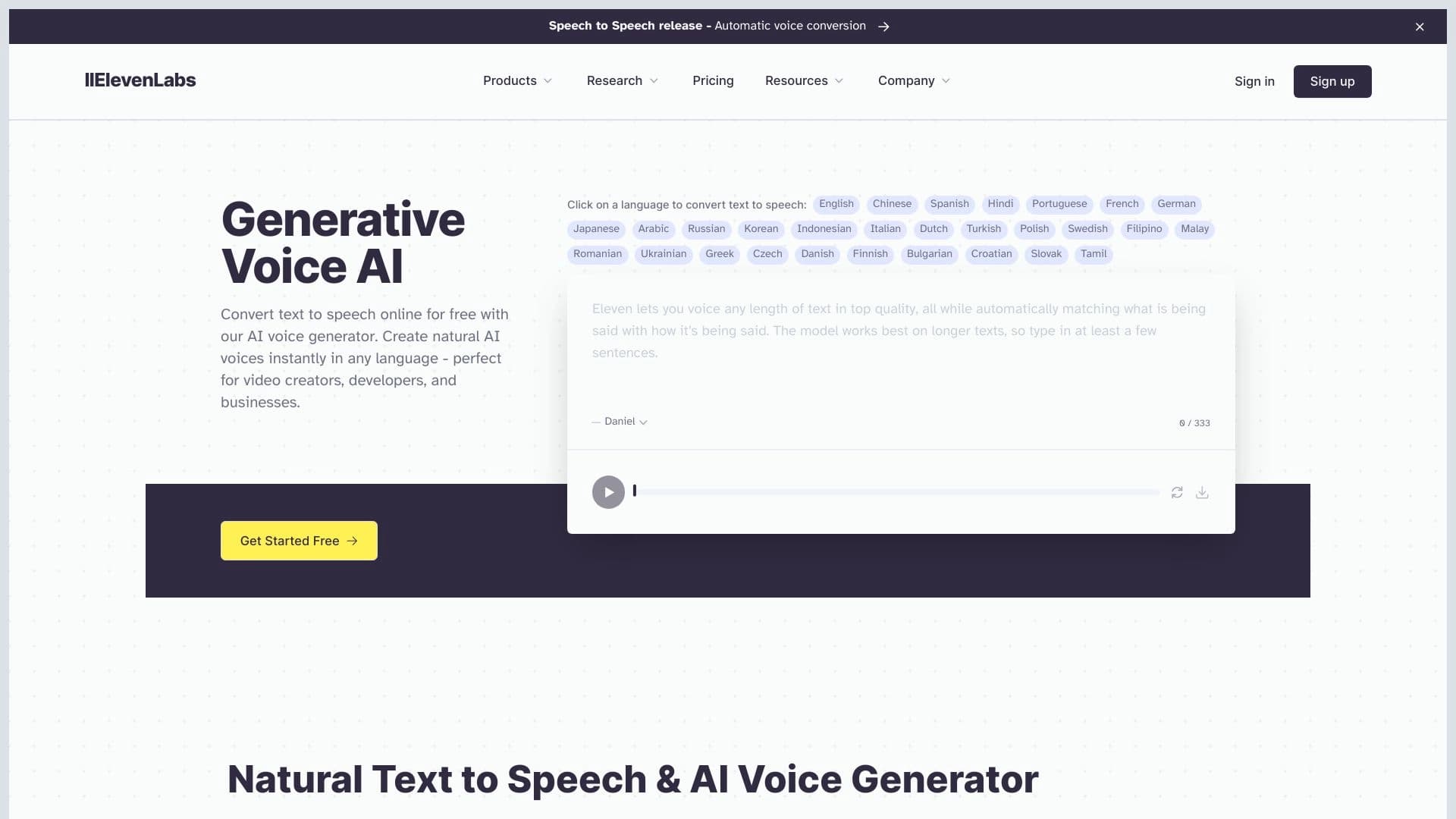
AI platform for voice synthesis and cloning that converts text into realistic speech.


Online neural network service that transforms ordinary photos into stylized artistic portraits and avatars.
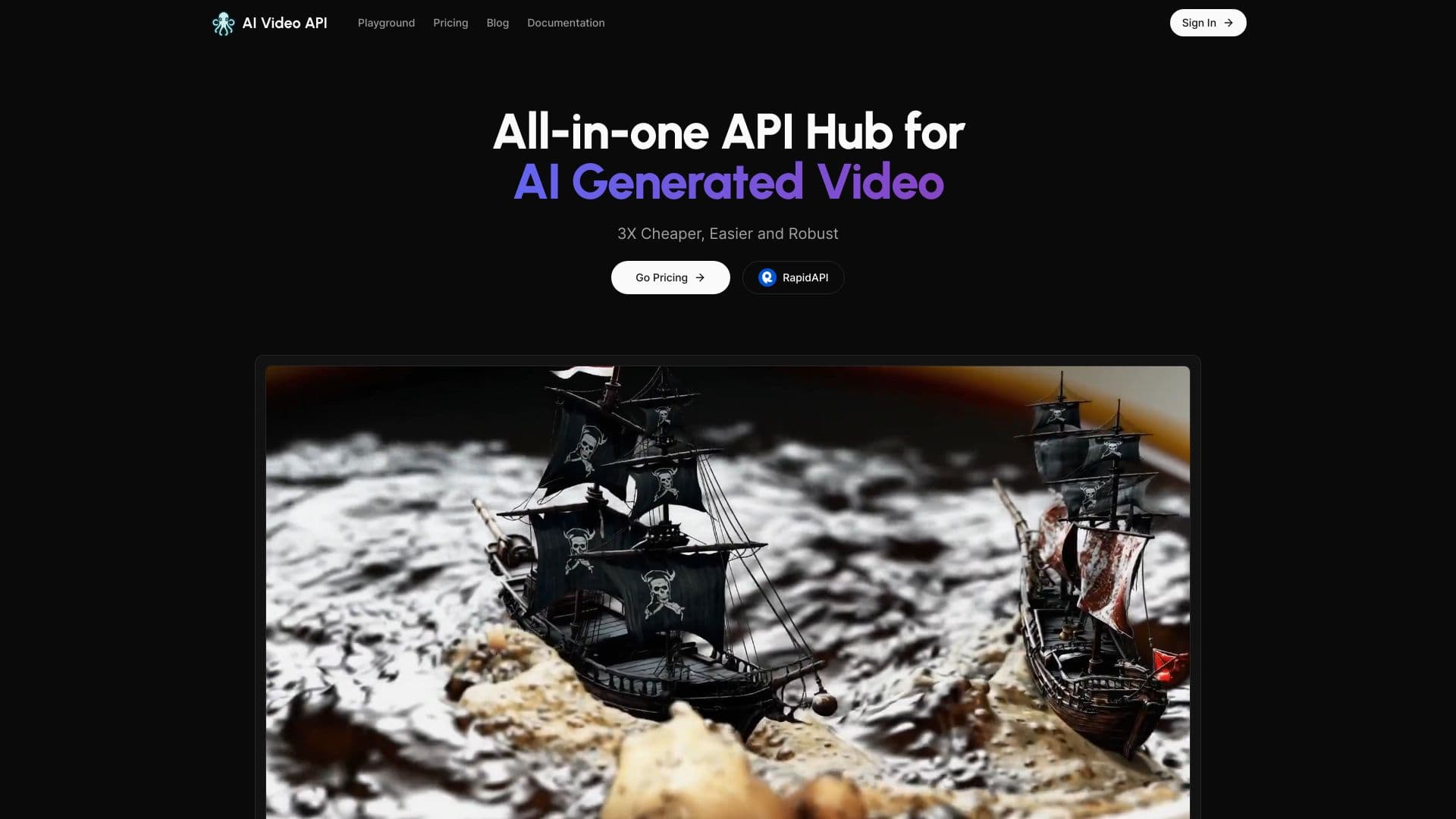

Service for generating short vertical videos using a neural network via API or mobile app.


Web service for generating images from text descriptions and communicating with virtual characters.


Online editor for removing unwanted objects, text, and defects from photos using a neural network.
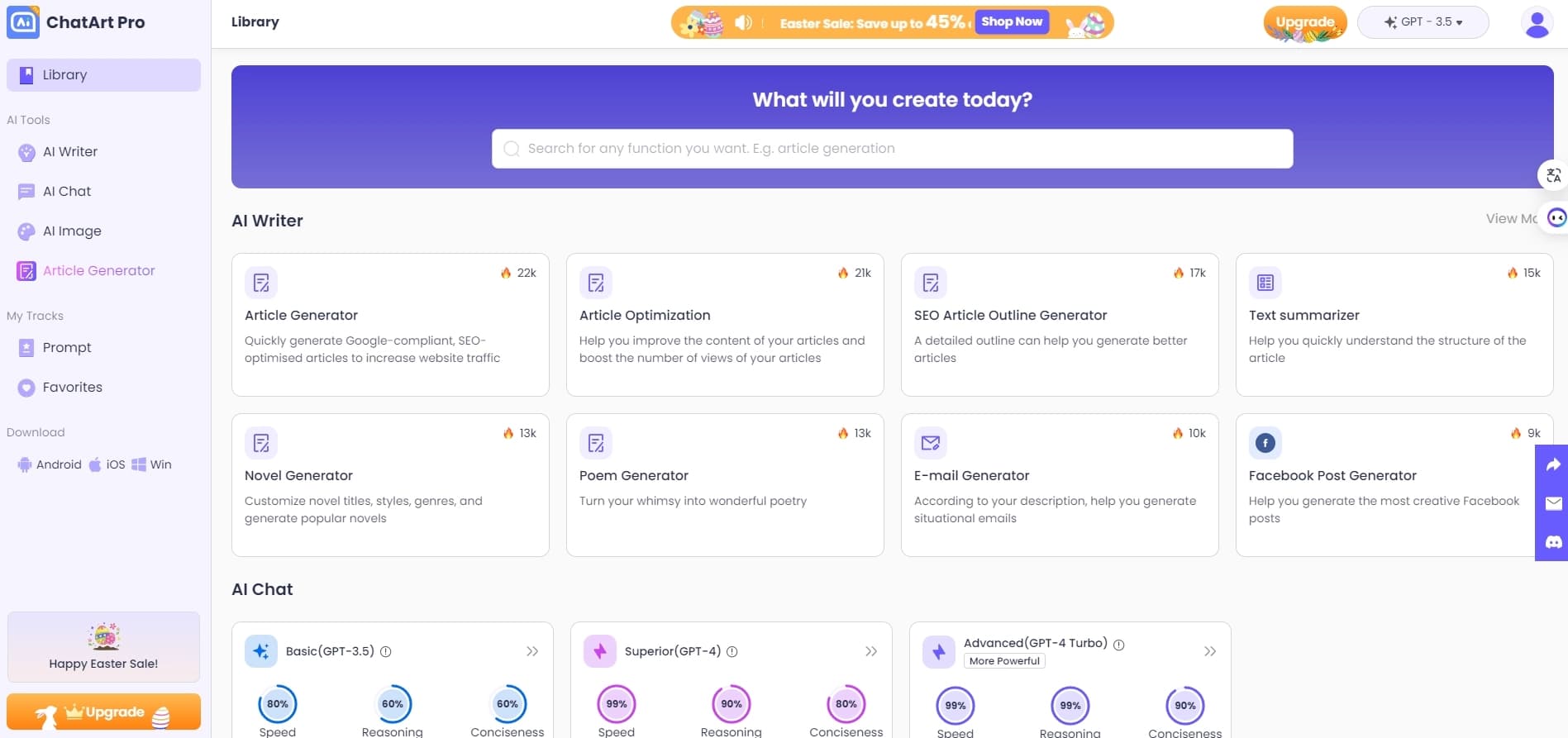

A multifunctional platform for creating and editing media content using artificial intelligence.
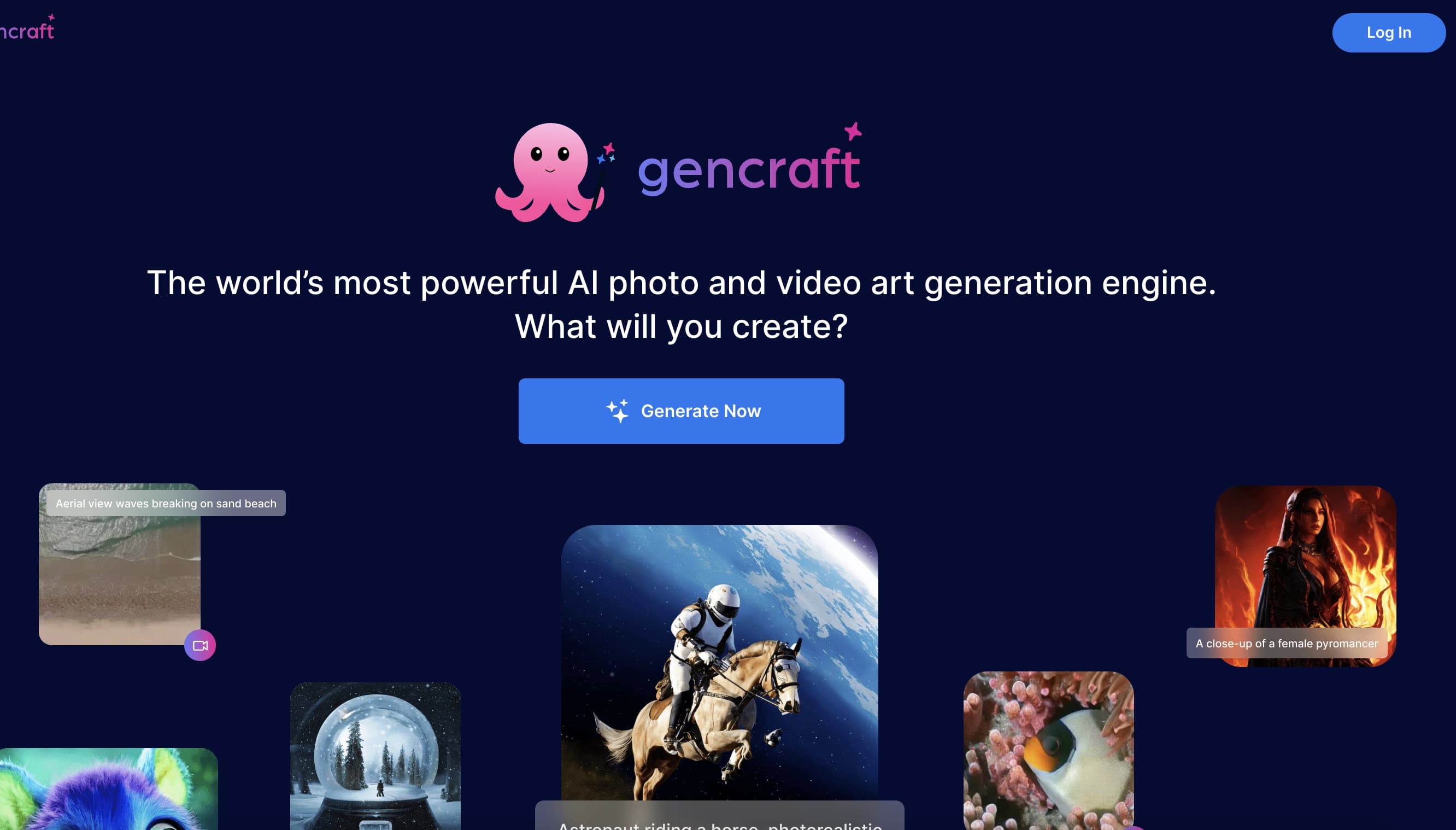
Web service for generating images from text prompts and converting photos and videos into artistic artworks.