

CitySwift
AI-powered platform for analyzing and optimizing public transit operations.

Overview
CitySwift AI Description
CitySwift is a specialized artificial intelligence platform designed for analyzing and optimizing public transport operations. The solution is focused on bus networks and collects comprehensive data on vehicle movement, current schedules, and real route load. The platform's main goal is to provide operators with a tool for making informed decisions based on actual data rather than intuitive assumptions.
The platform helps identify problem areas in the network, analyze schedule deviations, and respond quickly to changes. CitySwift works with both historical data and real-time information, making it possible to adjust schedules directly during operations. This makes the system useful both for long-term strategic planning and for day-to-day transport management.
CitySwift Features
| Feature | Value |
|---|---|
| Type | Transport data analytics platform |
| Categories | Maps and schematics, Search and analysis |
| Website | www.cityswift.com |
| Publication date | August 1, 2025 |
| Distribution model | Not specified |
Who Is CitySwift AI For?
Municipal Transport Companies
City bus fleets and municipal operators are the platform's primary target audience. Large urban networks with numerous routes benefit the most from automated analysis. The system helps manage complex transport infrastructure, identify passenger flow patterns, and optimize fleet utilization.
Private Carriers
Commercial companies operating in passenger transport can also use CitySwift to improve their business efficiency. Cost reduction, improved punctuality, and route network optimization directly impact private operators' profitability. The platform enables decisions based on precise figures rather than empirical experience.
How to Use CitySwift AI?
Connecting to Existing Systems
The first step is integrating the platform with the carrier's current systems. CitySwift supports connections to already installed fleet management solutions. This allows the platform to receive data on bus movement, GPS coordinates, delay information, and passenger flows without requiring a complete replacement of the transport infrastructure.
Setting Up Analytics and Working with Reports
After integration, the system begins collecting and organizing data. Operators gain access to an analytics dashboard where they can track key performance indicators: punctuality, schedule deviations, and route load. Based on this data, reports are generated that serve as the basis for adjusting schedules, reallocating resources, and making other management decisions. It is important to note that full operation requires staff training on the new tool.
Key CitySwift Features
Transport Data Collection and Analysis
The platform aggregates information on bus movement, current schedules, and actual route load. Data is processed in real time, allowing operators to see the current situation on the line, while also being accumulated for historical analysis and identifying long-term trends.
Integration with Carrier Systems
CitySwift can connect to existing systems used by transport operators. This is a key function that ensures seamless data exchange between the platform and the enterprise's current infrastructure.
Real-Time Schedule Adjustments
Based on the data received, the system helps operators make changes to schedules directly during operations. This allows them to respond to traffic congestion, changes in passenger flow, and other unforeseen circumstances.
Report Generation for Decision-Making
The platform produces structured reports that serve as the basis for strategic decisions: changing the route network, reallocating rolling stock, and optimizing maintenance costs.
CitySwift Advantages
Improved Bus Fleet Efficiency
Using analytical data allows operators to make the most efficient use of available rolling stock. Downtime is reduced, and the number of buses on routes is optimized based on actual passenger flow.
Reduced Maintenance Costs
Identifying inefficient network segments and optimizing routes leads to lower fuel, depreciation, and vehicle maintenance costs. Resources are allocated more rationally, which positively impacts the enterprise's economics.
Improved Environmental Performance
Optimizing bus movement reduces fuel consumption and, consequently, harmful emissions into the atmosphere. For cities striving to improve their environmental situation, this is an important argument in favor of implementing the platform.
CitySwift Disadvantages
Sensitivity to Source Data Quality
Analytics accuracy directly depends on the completeness and reliability of data entering the system. If a transport company operates with outdated equipment or transmits information irregularly, the platform's effectiveness can significantly decrease.
Integration Difficulties with Legacy Systems
Connecting CitySwift to outdated transport systems can be technically complex and time-consuming. Some older platforms lack open interfaces for data exchange, which complicates implementation.
Staff Training Requirements
To fully utilize the platform's analytical capabilities, employees will need to undergo training. This requires additional time and financial costs during the implementation phase.
What Problems Does CitySwift Solve?
The platform addresses a range of tasks related to bus network management. First and foremost, this is optimizing the overall operation of the bus fleet: from schedule planning to resource allocation between routes. The system effectively identifies inefficient routes with low passenger flow or frequent schedule disruptions, enabling decisions on their optimization or closure.
Improving punctuality deserves special mention — it is one of the key tasks for any carrier. Prompt schedule adjustments and analysis of deviation causes help improve schedule adherence. CitySwift also contributes to cost reduction through rational use of fuel, rolling stock, and personnel. All these tasks are addressed based on objective data, which minimizes the human factor in management decision-making.
CitySwift Pricing
Information about CitySwift platform pricing is not available in open sources or on the official website. The distribution model is also unspecified. To obtain up-to-date information on license or subscription costs, it is recommended to contact the developer company directly through the feedback form on the official website.
CitySwift Terms of Use
Official terms of use for the CitySwift platform are not disclosed in available sources. Based on the product's characteristics, working with it requires signing a contract with the provider, undergoing an integration procedure with existing systems, and ensuring data transmission from vehicles. Details on licensing, technical support, and agreement terms must be clarified when contacting the developers directly.
CitySwift Availability
It is currently unknown in which countries and regions the CitySwift platform is officially available. Given the product's nature and its focus on large urban transport networks, it can be assumed that the system is primarily aimed at developed public transport markets. More accurate information on geographic availability can be obtained by contacting the company.
How CitySwift Differs from Alternatives
Among CitySwift's alternatives, tools such as LLM Scout, Peec AI, Gauge, Azoma, PromptScout, and Microsoft IQ are mentioned. CitySwift's main difference lies in its narrow specialization in public transport. While many alternatives are universal analytics platforms or solve adjacent problems, CitySwift was originally designed for the needs of bus operators.
The platform is focused on transport-specific operations: schedules, routes, rolling stock, and line load. This allows it to offer solutions adapted to carriers' real needs without requiring modifications to universal tools. Integration with transport tracking systems and the ability to adjust schedules in real time set CitySwift apart from general data analytics platforms.
Conclusion
CitySwift is a professional platform for analyzing and optimizing bus networks, designed for public transport operators. It provides tools for collecting and processing data on movement, route load, and schedules, helping identify inefficient segments and make decisions based on objective information. The solution's main advantages are improved operational efficiency, reduced costs, and better environmental performance. At the same time, platform implementation requires high-quality source data and may face difficulties when integrating with legacy systems. CitySwift will be most useful for large transport enterprises ready to invest time and resources in digitalizing their processes.
Frequently asked questions
See also
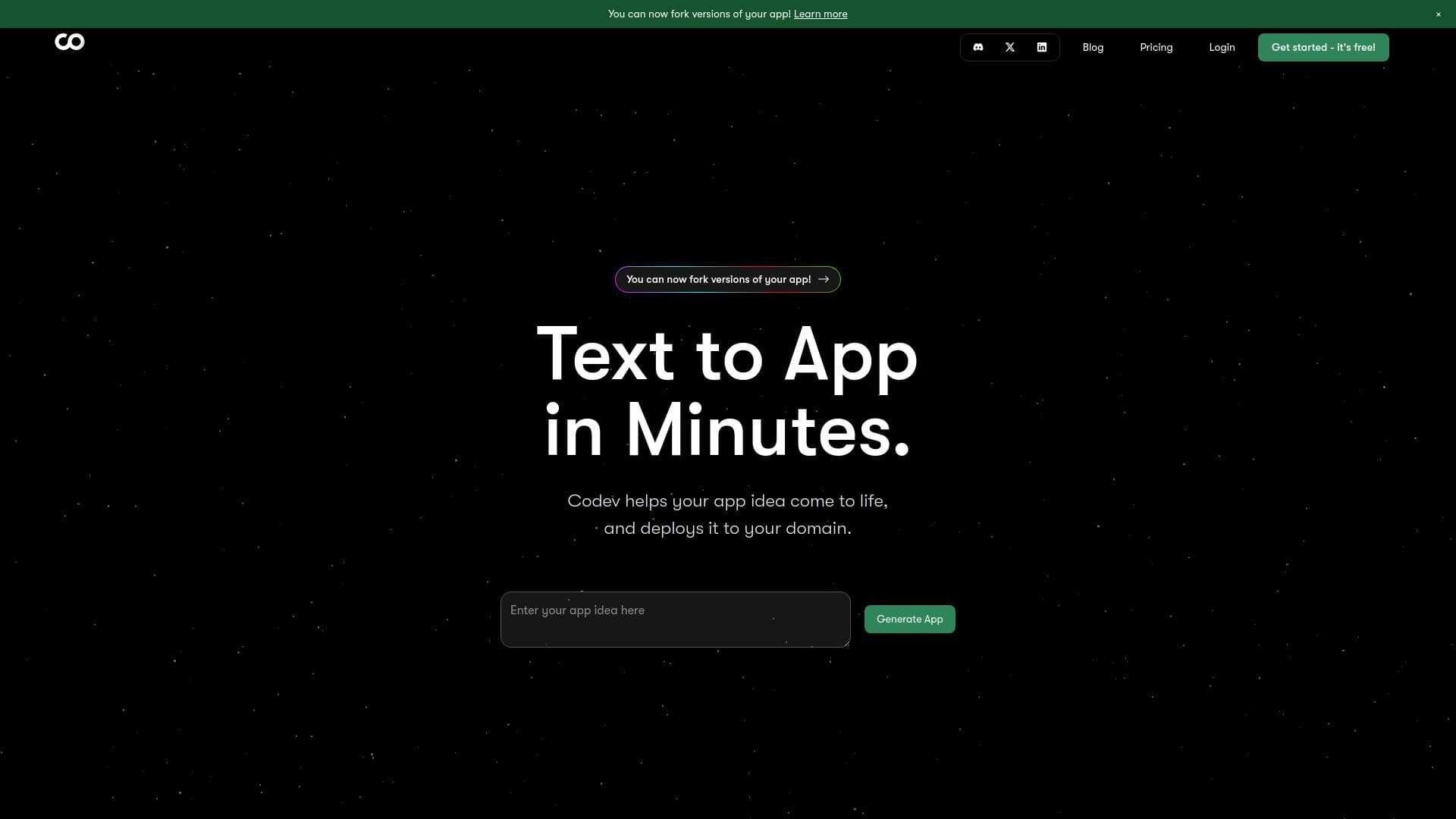

AI agent for assisting with programming and optimizing the development workflow.
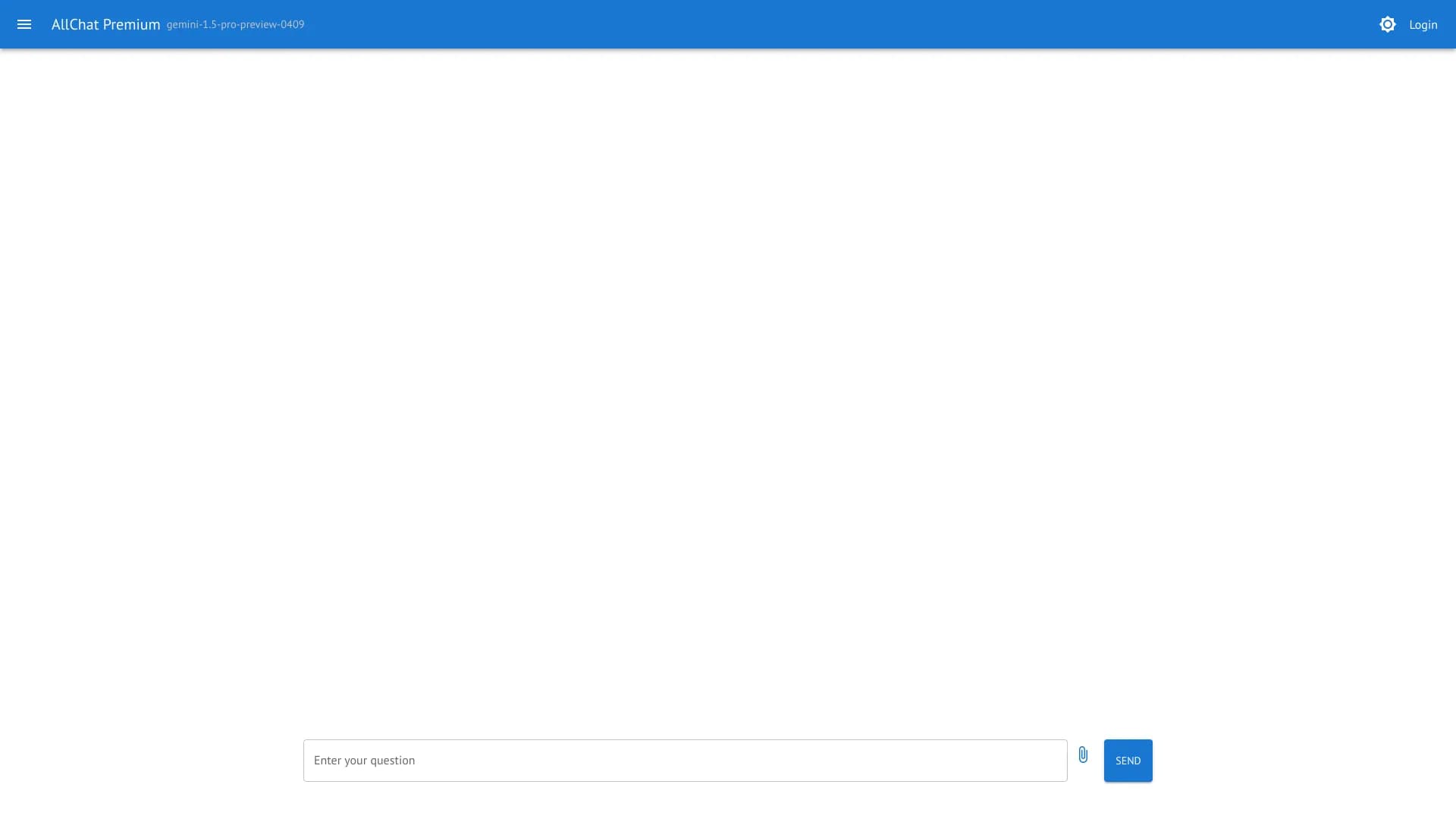
AllChat is a universal platform that combines several popular language models in a single interface for communication, image generation, file analysis, and code execution.


AI platform for fast website creation and small business process management.


Desktop AI assistant for macOS, Windows, and Linux that launches via hotkey above all windows and combines multiple language models in one interface.
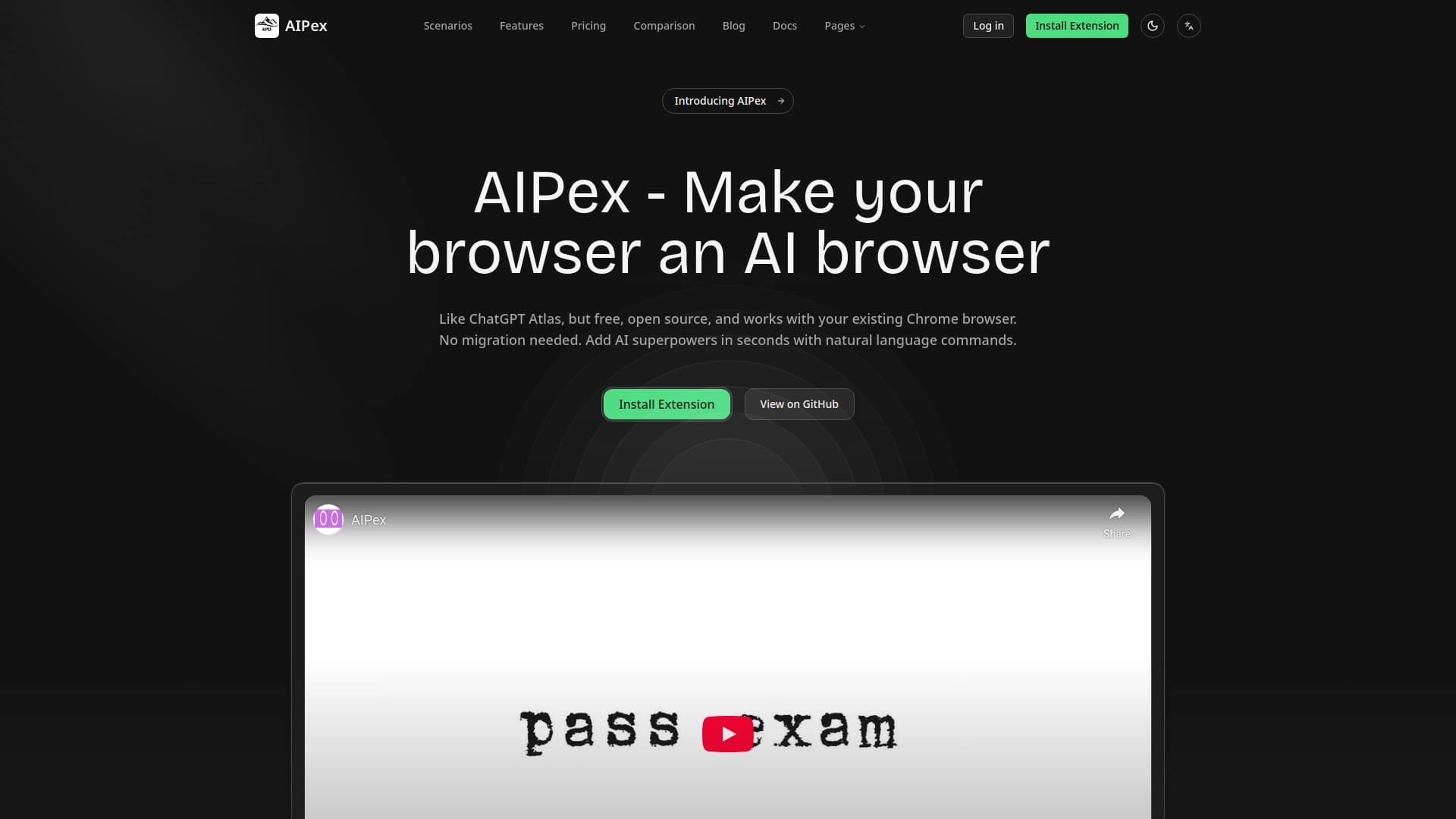

Chrome extension that helps manage tabs, history, and bookmarks with an AI assistant.

AI assistant for business that helps manage tasks and automate routine through dialogue.

AI agent for automating customer communications and support.
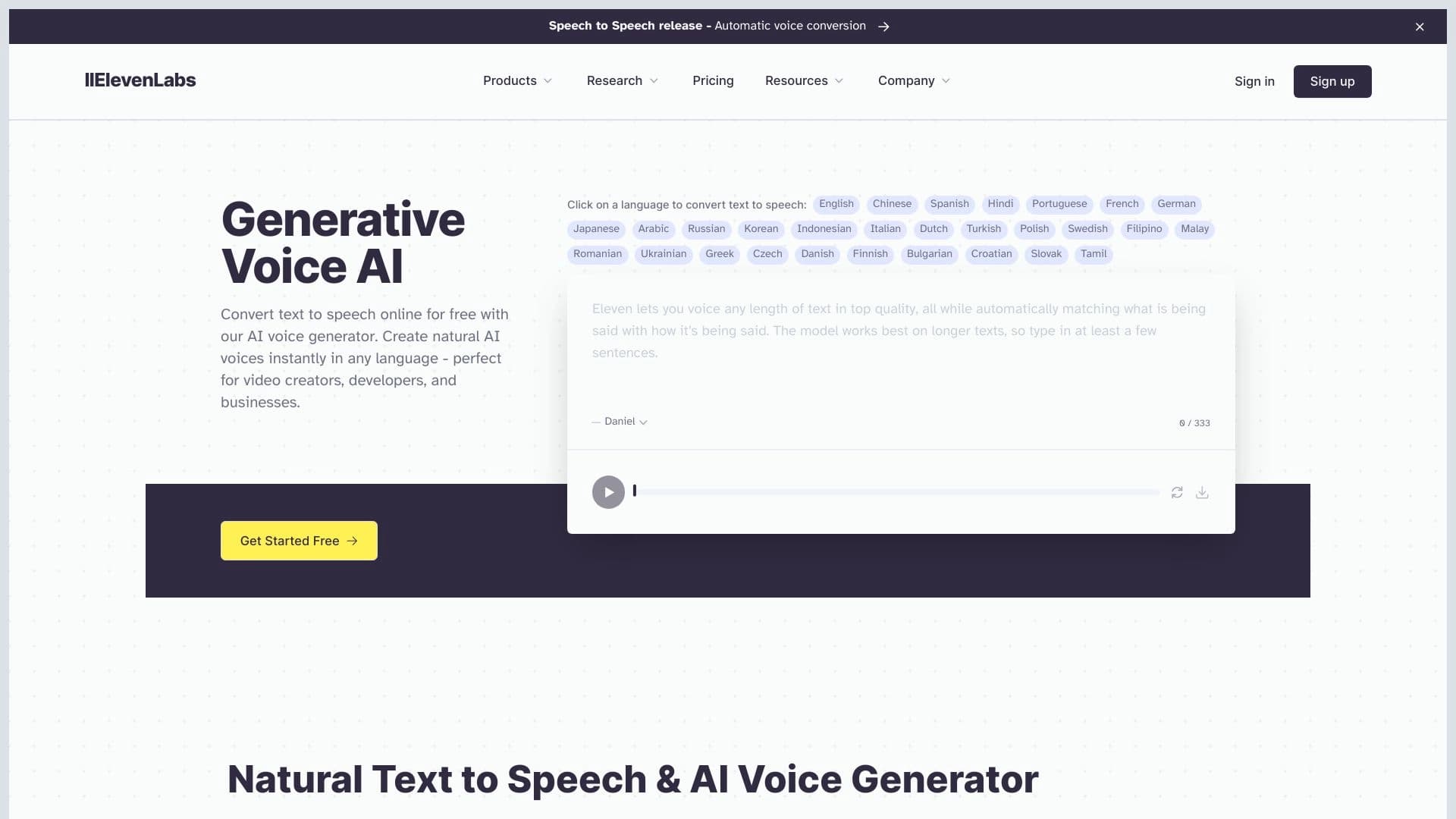
AI platform for voice synthesis and cloning that converts text into realistic speech.