

Chorus
Sales conversation analysis tool that records and breaks down calls and meetings.
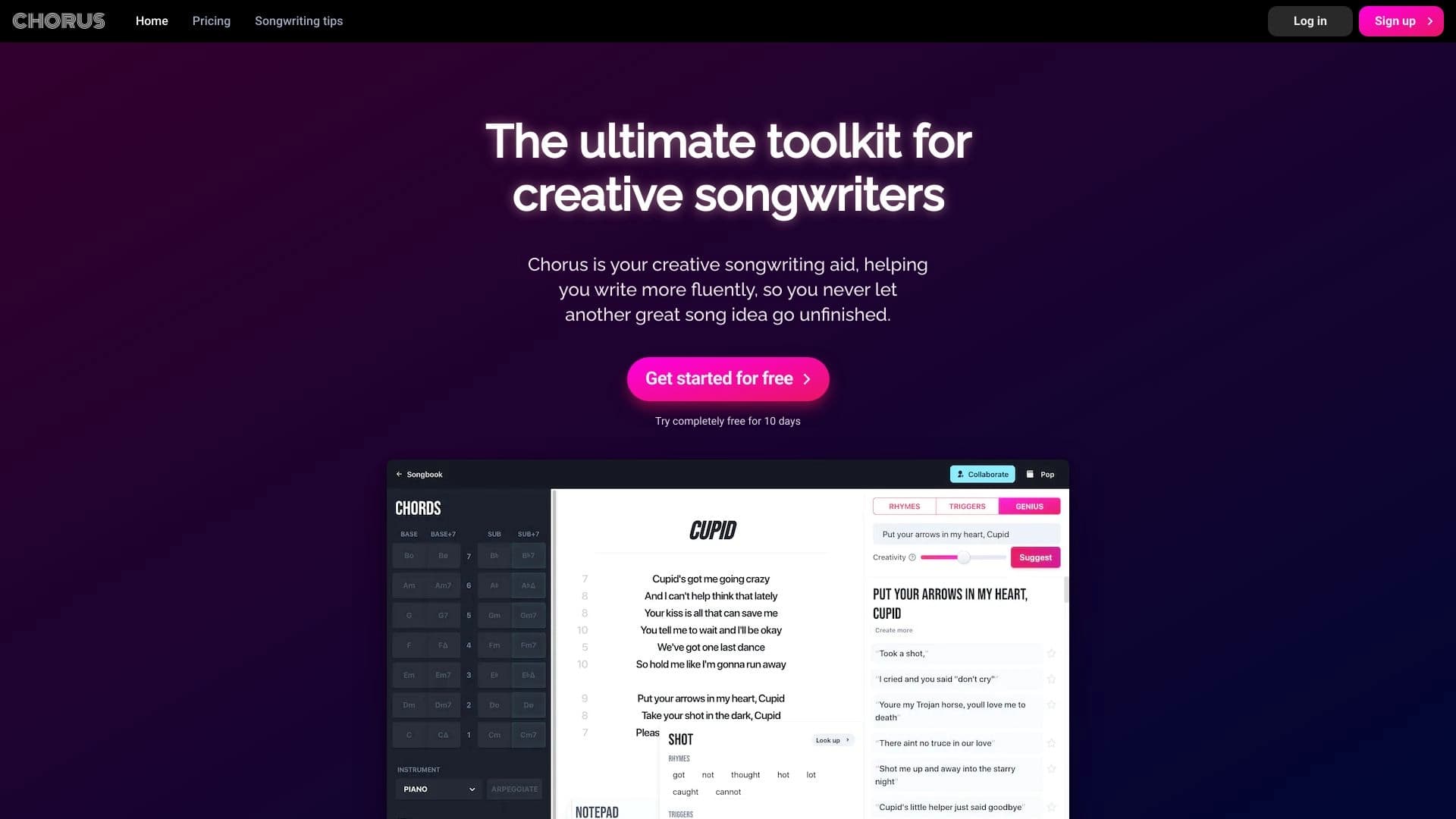
Overview
Chorus is a specialized tool designed for in-depth analysis of sales team communications. The platform uses machine learning algorithms to record, process, and subsequently analyze phone calls, video meetings, and even business correspondence with clients. The system's main goal is to give sales teams an objective picture of how their negotiations go, what works best, and which areas could be improved.
Instead of relying on a manager's subjective impressions of a past conversation, Chorus provides factual data. The system automatically identifies key moments in a conversation, analyzes the dynamics of the dialogue, and helps turn one employee's successful experience into a repeatable playbook for the entire team. It's a kind of "training simulator" based on real dialogues with real clients.
How the platform works
The tool is aimed not just at recording a conversation, but at extracting its meaning. The system helps determine which tactics lead to success and which cause deals to fall through. This makes Chorus an indispensable assistant in building an effective, data-driven sales strategy rather than one based on intuition.
Chorus Characteristics
| Characteristic | Value |
|---|---|
| Type | Conversation analysis tool |
| Category | Call centers and calls, CRM systems, Audio transcription |
| Platforms | CRM integration |
| Website | www.zoominfo.com/products/chorus |
| Analysis method | Machine learning |
| Analysis targets | Calls, meetings, client emails |
Who is Chorus suitable for?
Sales managers and team leads
For management, Chorus represents a powerful tool for team control and development. It allows leaders to see the real picture of negotiations without being present. This makes it possible to assess each manager's performance, identify their strengths and weaknesses, and make management decisions based on objective data.
Analysts and methodologists
Specialists responsible for building sales scripts and strategies will find a valuable source of information in Chorus. Analytical data on which phrases and arguments work best allows for continuous improvement of commercial proposals and training materials.
New employees and mentors
For newcomers, the platform offers a unique opportunity to get up to speed faster. Instead of abstract theory, they can study real successful calls from experienced colleagues and receive feedback on their own conversations. This significantly accelerates the onboarding process and boosts confidence in the early stages of work.
How to use Chorus?
To get the most out of the tool, it needs to be integrated into the team's regular workflow, not used sporadically.
Step 1: Integration and setup
The first stage is connecting Chorus to corporate services. It's important to set up seamless integration with your CRM system so that all call recordings and analytics are automatically stored in a centralized repository alongside deal data.
Step 2: Regular debriefing sessions
Chorus's key value is unlocked with regular use. Managers are advised to hold weekly meetings to review the most telling calls—both successful and unsuccessful ones. This allows the team to learn from real cases.
Step 3: Training new hires
For new employees, a selection of the best call recordings with examples of ideal negotiations should be compiled. Combining theory with reviewing real cases and then analyzing the newcomer's first independent calls with a mentor yields the best results.
Key Chorus Features
Recording and transcription
Chorus automatically records conversations (calls and meetings) and converts them into text format. The system uses machine learning for speech recognition and subsequent dialogue processing, making it easy to find specific moments in negotiation history.
Conversation pattern analysis
The platform can identify recurring successful techniques and communication scenarios. Using algorithms, it analyzes dialogue structure, intonations, and keywords, allowing best practices from successful managers to be replicated across the entire team.
Tactic effectiveness analytics
The tool provides detailed analytics on conversation dynamics. It shows which sales tactics lead to positive outcomes and which lead to objections or lost deals, helping to adjust team strategy in real time.
Chorus Advantages
Increased overall sales team efficiency
Using Chorus allows the team to continuously improve. Conversation analysis helps identify and eliminate weaknesses in client communication, directly leading to higher conversion rates and increased sales volumes.
Faster onboarding of new employees
Training time for newcomers is significantly reduced. With access to a database of real calls and constructive feedback, new employees reach the required competency level faster.
Unified knowledge base
CRM integration ensures centralized storage of client data and their communications with the team. This creates a reliable knowledge base that can be used for subsequent analysis and strategic planning.
Chorus Disadvantages
Steep learning curve
The tool has a fairly broad range of features, and mastering it fully takes time. The team may need training to effectively use all the platform's capabilities.
Financial costs
For small companies or startups with limited budgets, the cost of a Chorus subscription can be a significant expense. The return on investment should be assessed based on the size of the sales team.
Integration requirements
To achieve maximum effectiveness, Chorus requires full integration with corporate services. Partial or incorrect setup can significantly reduce the tool's usefulness and the quality of the analytics obtained.
What tasks does Chorus solve?
Improving sales effectiveness
The main task the tool solves is analyzing and improving the efficiency of the sales team. The system turns scattered call recordings into structured data that can be used to make tactical and strategic decisions to increase profits.
Onboarding new employees
Chorus solves the problem of lengthy onboarding for new staff. By providing access to successful cases and ensuring mentor feedback based on real calls, the platform helps newcomers reach their targets faster.
Chorus Pricing
The specific cost of using Chorus varies depending on several factors: team size, required feature set, integration conditions, and subscription type. The most up-to-date information on pricing, plans, and available discounts can only be obtained directly from the product's official website by requesting a quote.
Chorus Terms of Use
Like most closed-source B2B platforms, Chorus uses a paid subscription model. Terms of use and pricing plans are typically individualized and negotiated when signing a contract. Detailed licensing terms, contract durations, and technical requirements for client equipment are clarified by the vendor's representatives during negotiations.
Chorus Availability
The product integrates with leading CRM systems, indicating its compatibility with modern corporate technology stacks. To find out about the tool's availability in your region and integration options with the specific CRM your sales team uses, visit the product's official website — www.zoominfo.com/products/chorus.
How Chorus differs from alternatives
Chorus differs from many other transcription services in its specialized focus on the specific needs of sales teams. It's not just a "voice-to-text converter," but a full-fledged analytical system for improving commercial activity. Through machine learning, it focuses on identifying patterns of success and providing concrete recommendations to managers. Similar tools may offer comparable basic recording and transcription features, but Chorus stands out with its deep analytical approach to studying buyer and seller behavior in the context of a deal.
Conclusion
Chorus is a powerful analytical tool designed to improve the efficiency of sales teams. Its main value lies in its ability to turn ordinary conversations into strategic data for team training and tactic improvement. Using analysis of successful and unsuccessful communication scenarios is particularly useful for managers and mentors. At the same time, potential users should consider that implementing the platform requires time to learn and may involve significant financial investment, so the budget question will be especially relevant for small companies.
Frequently asked questions
See also

AI-based platform for creating logos and brand identity.

AI platform for analyzing financial data and supporting investment decisions.

AI-powered toolkit for optimizing workflows and boosting productivity.

AI agent for assisting with programming and optimizing the development workflow.
AllChat is a universal platform that combines several popular language models in a single interface for communication, image generation, file analysis, and code execution.
Tool for translating text directly in images while preserving the original design.

Online service with artificial intelligence that automatically creates presentations on a given topic.
AI platform for fast resume screening that helps recruiters select suitable candidates.