
Carbonate
AI platform for automatic generation of end-to-end tests by recording user actions in a remote browser.

Overview
Carbonate AI Description
Carbonate is an AI platform designed to automate end-to-end testing of web applications. The core idea of the service is to completely eliminate manual test code writing. Instead, the platform records real user actions in a managed cloud browser and generates ready-made test scenarios based on them.
This approach allows teams to create tests by simply using the application the way a regular person would. Carbonate's key feature is the generation of "self-healing" scenarios. This means that created tests don't break with minor changes in layout or interface, but automatically adapt to the new element structure. This significantly reduces the burden on developers and QA engineers to keep the test suite up to date.
Carbonate Features
| Feature | Value |
|---|---|
| Type | AI platform for auto-generating end-to-end tests |
| Categories | Testing and test cases, Code assistants |
| Website | carbonate.dev |
| Free tier | Not specified |
| Registration required | Not specified |
| Programming required | Not required |
| Installation | Not required (cloud service) |
Who is Carbonate AI for?
Developers and QA Engineers
The tool is aimed at professionals who want to automate the testing process but don't want to spend time writing complex code using frameworks like Selenium or Playwright. Carbonate allows you to quickly create scenarios without diving into technical implementation details.
Teams Accelerating Releases
If your team aims to reduce the time between writing code and shipping a product, Carbonate helps remove the "bottleneck" of lengthy manual test writing. Fast scenario recording and automatic test repair allow for more frequent releases with less effort.
How to Use Carbonate AI?
Test Creation Process
To create a test, simply open your application in the managed remote browser provided by the platform. Then you act like a regular user: click buttons, fill out forms, navigate through pages. Meanwhile, the AI engine analyzes your actions and turns them into a structured test scenario.
Execution and Integration
After recording, the scenario can be run in the platform's cloud test runner. You can also download the finished test for local execution. This makes it easy to integrate the resulting scenarios into existing CI/CD pipelines, automating the regression testing process.
Key Carbonate Features
Cloud Scenario Recording
You don't need to install additional software on your computer. Tests are recorded directly in the browser, ensuring consistent conditions for all team members.
Self-Healing Test Generation
The AI engine analyzes not just click coordinates but the logical structure of the interface. Thanks to this, if a developer moves a button or changes a CSS class, the test will continue to find the right element and correctly perform actions.
Test Framework Integration
The platform doesn't force you to restructure your entire testing process. Created scenarios can be easily integrated with the tools and test frameworks you already use, as well as embedded into continuous integration pipelines.
Carbonate Advantages
The main advantage is the lack of an entry barrier. You don't need to know programming languages or understand test framework architecture to create tests. This allows even specialists without a technical background to contribute to test writing.
The second major plus is significant time savings on test maintenance. The percentage of false failures due to minor layout tweaks is minimized thanks to self-healing technology. This frees up team resources and speeds up the development process, increasing overall product reliability. The tool easily fits into an existing stack without requiring a radical change in testing approaches.
Carbonate Disadvantages
The available source data doesn't list any explicit drawbacks or limitations of the service. It can be assumed that, like any cloud service, there may be performance nuances when working with very heavy web applications, as well as dependence on internet connection stability during test recording. However, there's no specific confirmation of this information based on the provided sources. Transparent pricing information is also missing, which could be an obstacle for budget planning.
What Problems Does Carbonate Solve?
No-Code Automation
The main goal is to free teams from manually writing code for end-to-end tests. The platform handles the routine part of scenario creation, allowing you to focus on the logic of the product itself.
Reducing Test Maintenance Costs
Traditional tests require constant updates when the interface changes. Carbonate automatically adapts scenarios, significantly reducing the time and money spent on keeping the test suite up to date. This directly leads to faster releases and increased product stability through more frequent and reliable testing.
Carbonate Pricing
Official information about the service cost and the availability of a free tier is currently unavailable. It's unknown exactly how the price is determined — whether it depends on the number of recorded tests, the number of users, or the chosen pricing plan. For up-to-date commercial terms, you need to visit the official website carbonate.dev.
Carbonate Terms of Use
Information about usage rules, license agreements, and privacy terms is not disclosed in the provided sources. It's unknown whether mandatory registration is required to start using the service. It's recommended to contact the product team directly for detailed information about legal aspects and corporate usage terms.
Carbonate Availability
Carbonate is a web service accessed through a browser. The key element is the managed remote browser provided by the platform. Information about regional availability, country restrictions, or the need for a VPN is absent from the service description.
How Carbonate Differs from Alternatives
Carbonate's key difference from traditional automation tools and other AI solutions lies in the "record and replay" concept combined with self-healing technology. Many competitors, such as Stagehand or Qodo, also use AI but often require interaction via API or code generation that then needs to be integrated into a project.
Carbonate, however, emphasizes a complete absence of code both at the test creation stage and at the maintenance stage. While competitors may provide ready-made scripts, Carbonate offers ready-made scenarios that independently adapt to changes. This makes it a unique solution for teams that want quick results without deep immersion in technical details, although it may lag behind lower-level tools in configuration flexibility.
Conclusion
Carbonate is a modern AI platform offering an innovative approach to end-to-end testing automation. It allows you to create tests without a single line of code, simply by recording user actions in a cloud browser. Thanks to self-healing scenario technology, the platform solves one of the most painful testing problems — constant test maintenance when the interface changes. This makes Carbonate an attractive solution for teams focused on accelerating releases and improving product quality without increasing effort. However, for a full evaluation of the service, you need to clarify pricing and access terms on the official website.
Frequently asked questions
See also

Chrome extension that helps manage tabs, history, and bookmarks with an AI assistant.

Side AI panel that helps answer questions, work with documents, and generate images.

AI toolkit for video generation and editing, including avatars, lip-sync, and voice cloning.

AI agent for automating customer communications and support.

Platform for creating multi-agent AI systems and chatbots to automate customer support and lead generation.
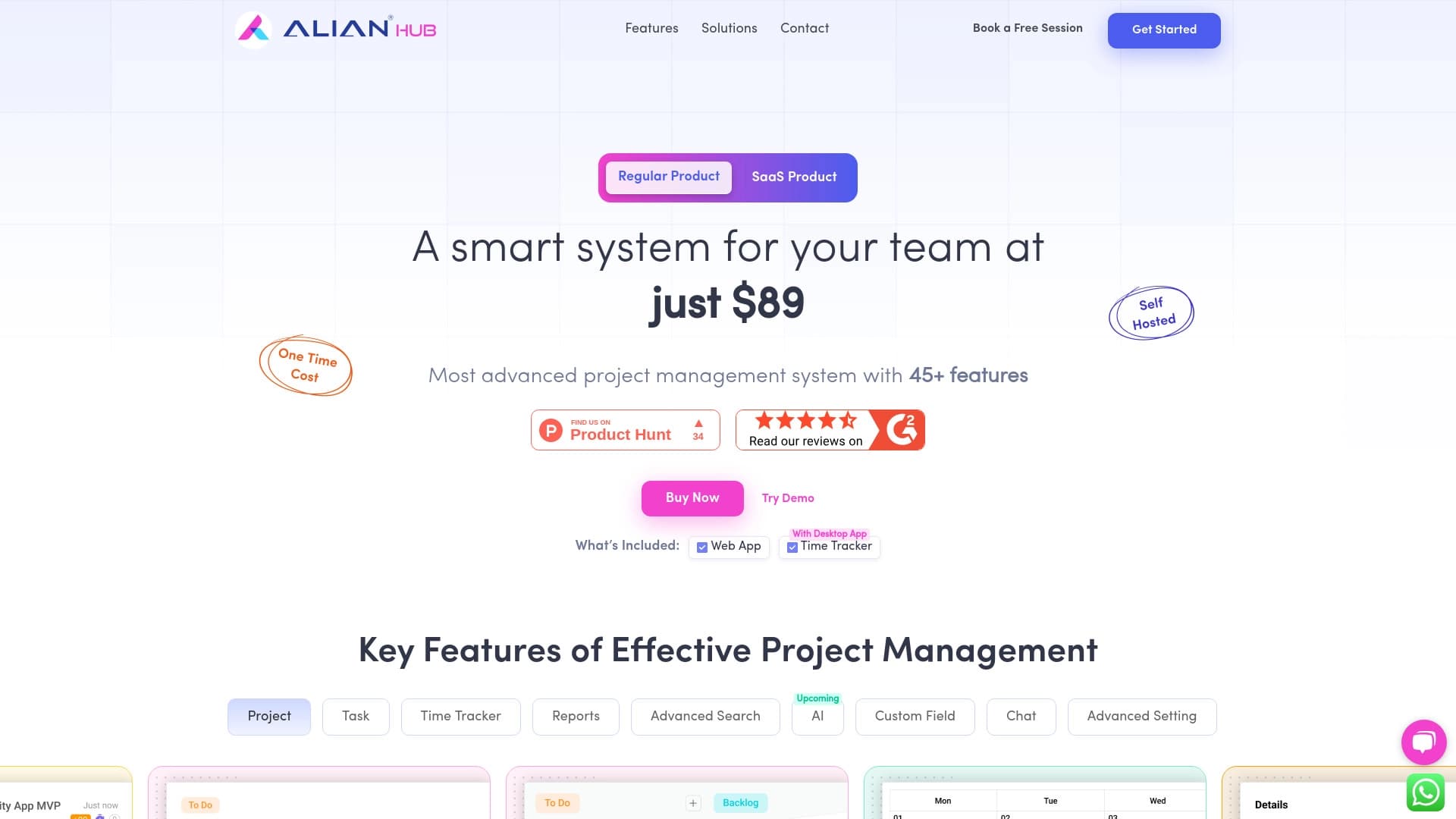

Project management platform with task assignment, time tracking, and employee workload monitoring features.
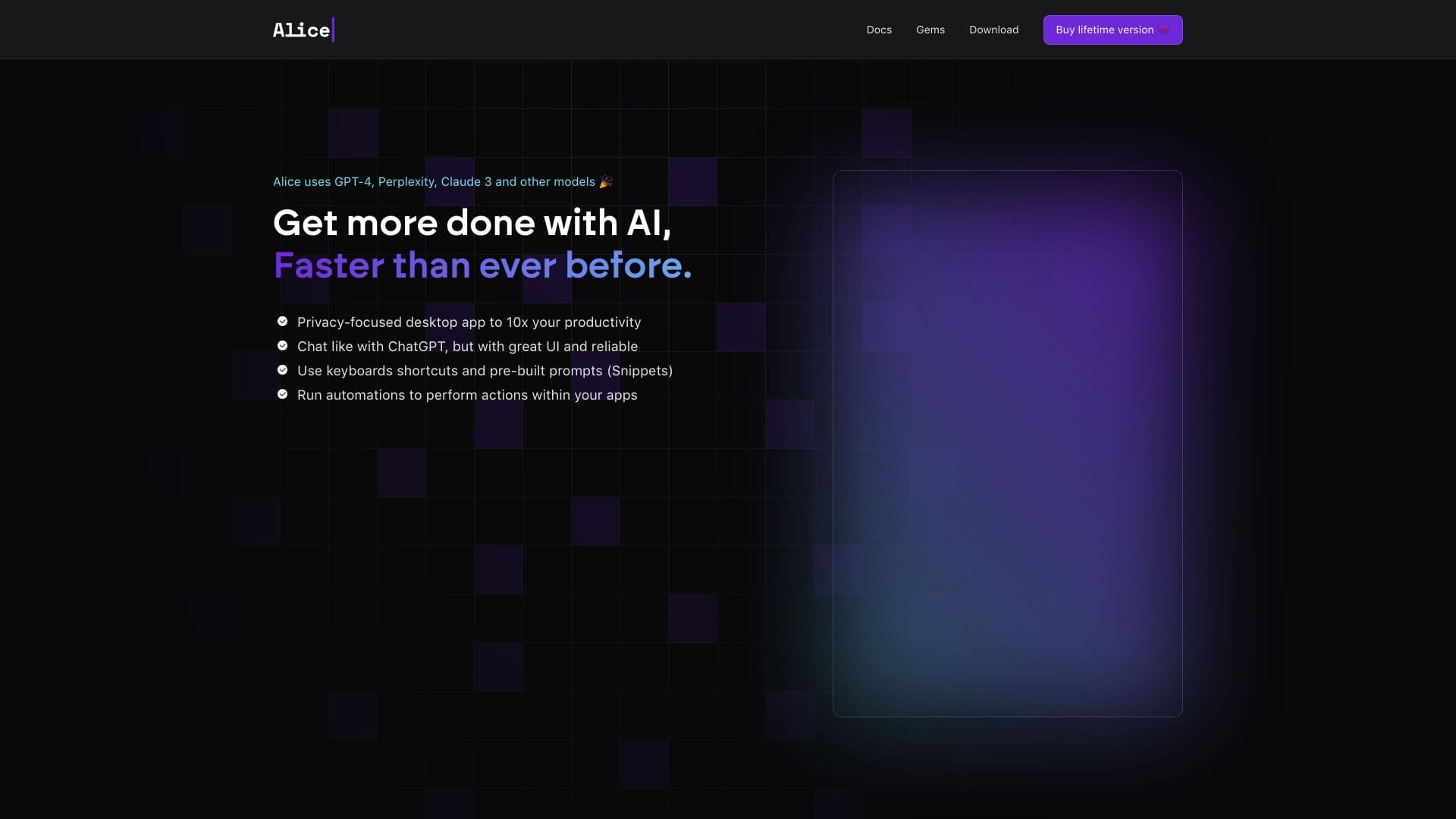

Desktop AI assistant for macOS, Windows, and Linux that launches via hotkey above all windows and combines multiple language models in one interface.
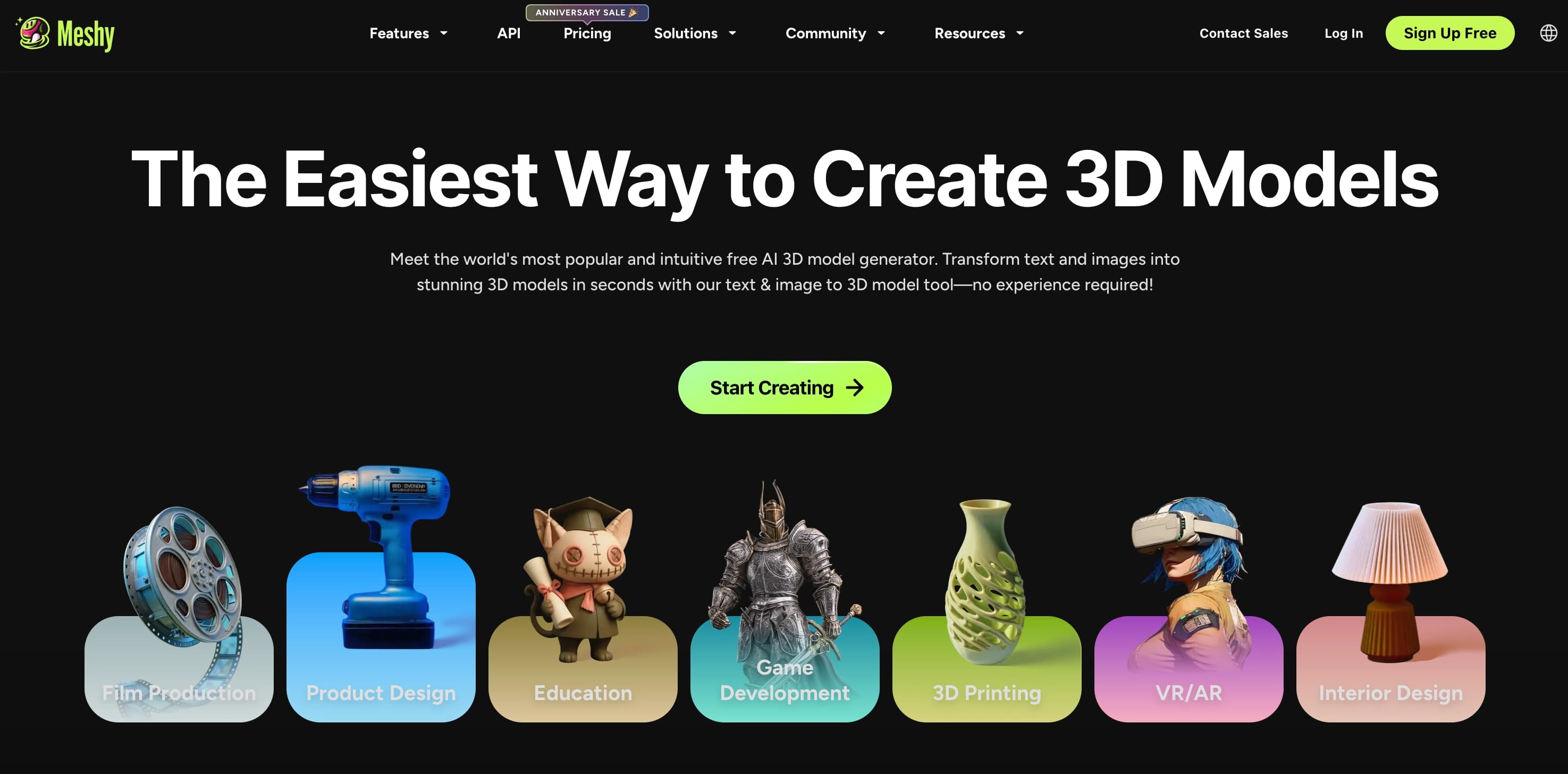
A neural network-powered cloud service for generating 3D models, textures, and animations from text descriptions or images.