

Brand Networks
Platform for managing advertising and content in social media at scale.
Overview
Brand Networks is a platform designed to automate and centrally manage advertising campaigns and content on social media. The solution is aimed at companies that work with large volumes of publications and ads across multiple platforms simultaneously.
The main goal of the service is to simplify the operational work of marketing teams. Instead of manually managing each campaign in a separate interface, Brand Networks brings publishing, moderation, and ad optimization processes into a single system. This reduces labor costs and increases the speed of response to market changes or audience behavior.
The essence of the platform
The platform provides end-to-end automation: from content planning and ad creation to launching and analyzing their performance. It meets the needs of businesses that need to scale their social media presence without a proportional increase in marketing staff.
Purpose
Brand Networks was created to solve two key tasks: managing advertising budgets and controlling content strategy. The platform acts as a bridge between a brand and multiple social networks, unifying work with different ad formats and post types.
Brand Networks characteristics
| Characteristic | Value |
|---|---|
| Tool type | Platform for managing social media advertising and content |
| Primary purpose | Automation of social advertising processes and content publishing |
| Target audience | Companies with large volumes of marketing campaigns on social media |
| Key capabilities | Ad optimization, content management, audience engagement |
| Scale of use | Large organizations and advertising agencies |
| Distribution model | Not specified (requires confirmation from an official representative) |
Who is Brand Networks suitable for?
Large advertising agencies
Agencies managing multiple client projects in parallel need a system that allows quick switching between accounts and campaigns. Brand Networks suits teams that need a unified dashboard to control all advertising activities without data loss.
Corporate marketing departments
For brands with a large portfolio of products or services, the platform helps coordinate publications and advertising budgets across different markets. The tool will be useful for companies that need uniform content management while preserving local specifics.
Teams working with large data volumes
If a business launches dozens or hundreds of ads daily, manual management becomes a bottleneck. The platform is designed precisely for such scenarios, where a system for pipeline processing of campaigns is required.
How to use Brand Networks?
Initial setup and integration
Using the platform begins with connecting social media ad accounts to a single interface. This allows centralized management and eliminates the need to constantly switch between different dashboards.
Daily campaign management
After integration, users can track ad performance in real time. The platform allows adjusting bids and budgets, as well as making decisions based on current metrics without delays.
Publishing and content management
Brand Networks provides tools for scheduling and automatic publishing of posts. Marketing teams can prepare content in advance, set publication times, and distribute tasks among team members.
Key features of Brand Networks
Automated ad management
The platform automates the processes of buying and optimizing ads on social media. This includes bid management, targeting, and budget allocation within campaigns.
Centralized content publishing
Instead of working in each social network's separate interface, users manage all publications from a single window. The system handles the technical side of content delivery to the audience.
Audience engagement optimization
The platform's tools allow faster responses to subscriber and customer actions by automating the routing of messages or comments. This is especially important for companies with high volumes of inquiries.
Brand Networks advantages
Scalability
The platform's key advantage is its ability to handle an unlimited volume of campaigns. Companies can increase advertising budgets and publication volumes without raising capital costs for management processes.
Reduced labor costs
Automation of routine operations frees up marketers' time for strategic tasks. Less manual work means fewer human-error-related mistakes.
Single point of control
Bringing all social media into one interface simplifies monitoring and reporting. Managers get a complete picture of all activities without needing to collect data from disparate sources.
Brand Networks disadvantages
Steep learning curve
Platforms of this class typically have a high entry threshold. Teams need time to train employees and adapt internal processes to the new tool.
Lack of transparent pricing information
Cost data is not disclosed in public sources. This may create additional barriers for smaller companies when estimating implementation budgets.
What problems does Brand Networks solve?
Eliminating chaos in ad campaigns
The platform solves the problem of disorganized management of multiple ads. Process systematization helps avoid budget losses and duplicate actions.
Synchronizing content and advertising
Brand Networks links the publication schedule with advertising activities. This ensures the audience receives up-to-date information and ads match the current content plan.
Improving team efficiency
The tool helps distribute workload among team members and provides a clear priority system. As a result, the marketing team works as a single mechanism rather than a set of individual performers.
Brand Networks pricing
Official data on subscription costs or pricing plan terms is not published in available sources. As a rule, such B2B platforms use an individual pricing model that depends on advertising volumes, the number of accounts, and the required feature set.
The final price is determined after requesting a commercial proposal and may vary depending on the scale of the client's tasks. For accurate information, you need to contact the company's official representatives.
Brand Networks terms of use
The platform operates on a model where the client acquires the right to use the software under certain contractual terms. Since this is an enterprise solution, the terms likely include an SLA (service level agreement) and technical support.
Getting started requires signing a contract and discussing implementation parameters. The exact terms of use, including minimum campaign volume requirements and contract durations, are not disclosed in public sources.
Brand Networks availability
The service targets the global market and international companies. The platform supports popular global social networks, but the detailed list of supported platforms and regions is not officially documented in the public domain.
Information about a free trial period or demo access is also unavailable. To evaluate the platform's capabilities, you likely need to request a solution presentation from official representatives.
How Brand Networks differs from alternatives
The platform's main distinction is its focus on the needs of large advertisers with significant advertising budgets. While many competitors position themselves as universal tools for small businesses, Brand Networks was originally designed for the enterprise segment.
This is reflected in advanced ad buying automation capabilities and deep campaign configuration. Additionally, the platform emphasizes comprehensive content management: it doesn't just post entries but links content strategy with advertising metrics.
Unlike tools where advertising and content exist separately, Brand Networks combines these processes into a single cycle. This approach enables synergy between organic posts and paid promotion, which is rarely found among direct competitors.
Conclusion
Brand Networks is a specialized B2B solution for automating social advertising and content, designed for large businesses with substantial advertising budgets. The platform solves the problems of scaling and managing complex marketing structures by unifying all processes in a single interface. Despite the obvious advantages of automation and centralization, the tool requires team training and an individual approach to cost determination. The key limitation for potential clients is the lack of public information about pricing and terms, making it necessary to contact the company's representatives before deciding on implementation.
Frequently asked questions
See also
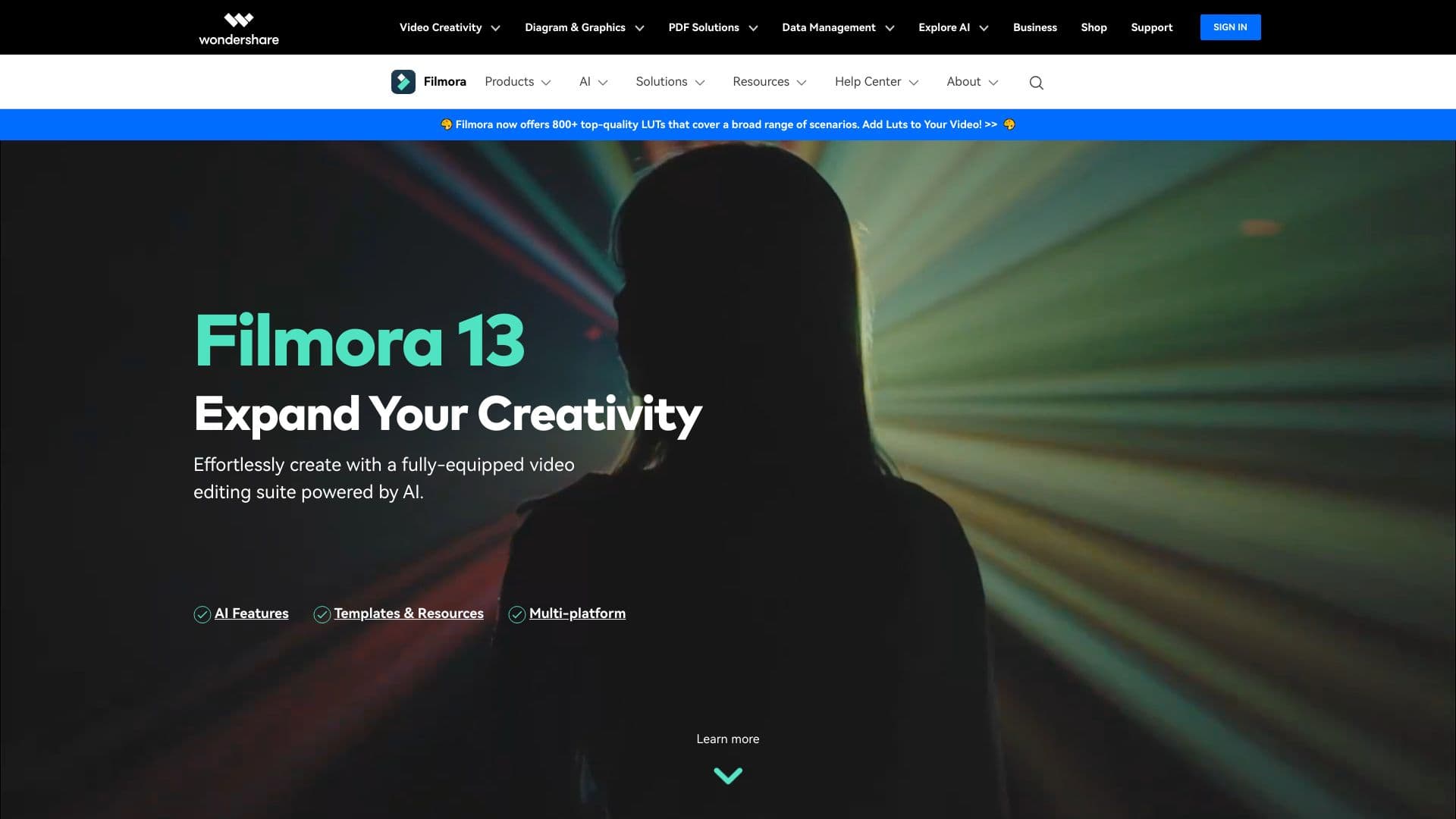

Video editor with neural network support for video editing on Windows and Mac.

AI assistant for business that helps manage tasks and automate routine through dialogue.

AI agent for automating routine browser actions, such as filling out forms and collecting data.
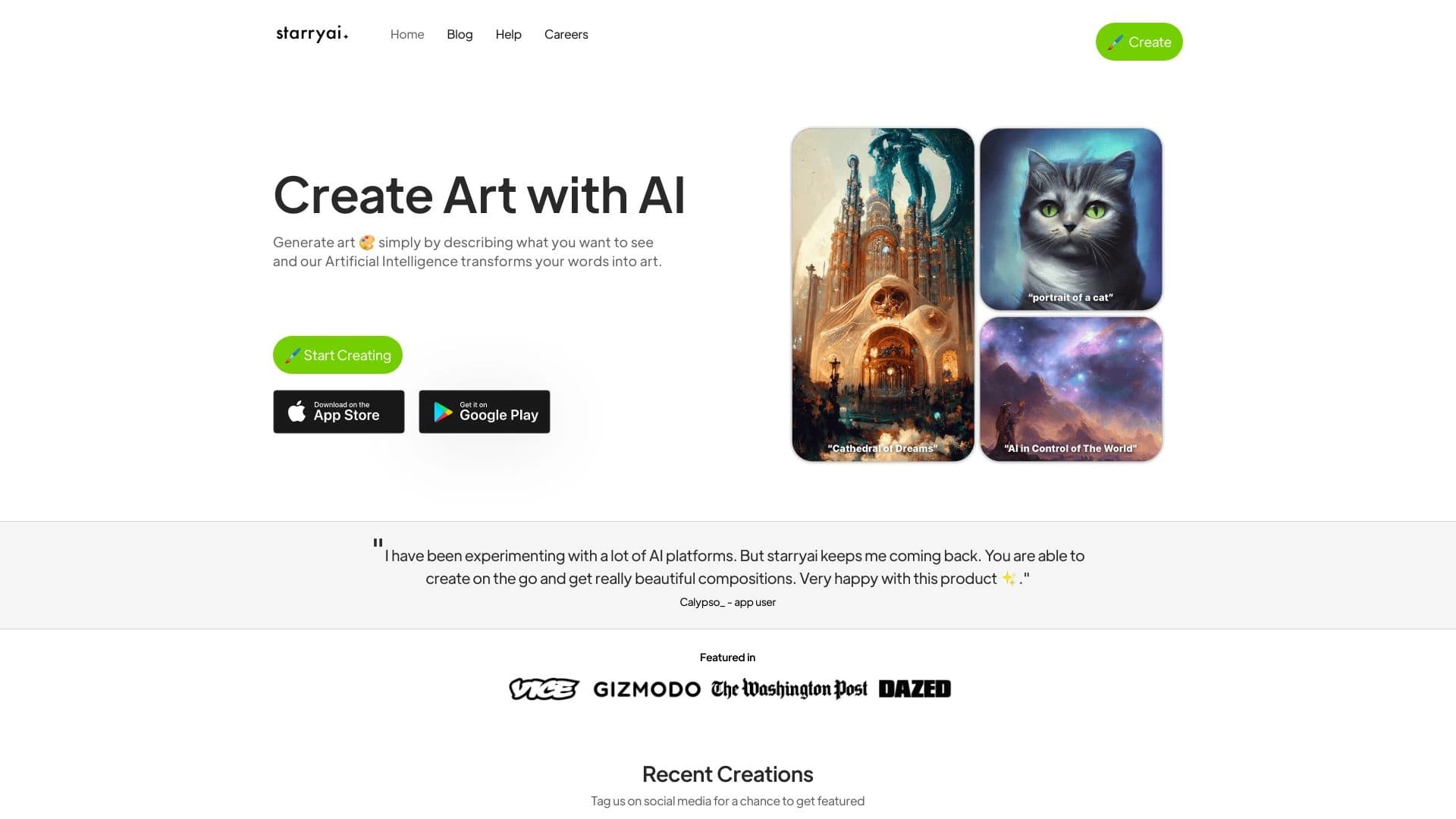

Neural network that generates images and illustrations based on a text description.
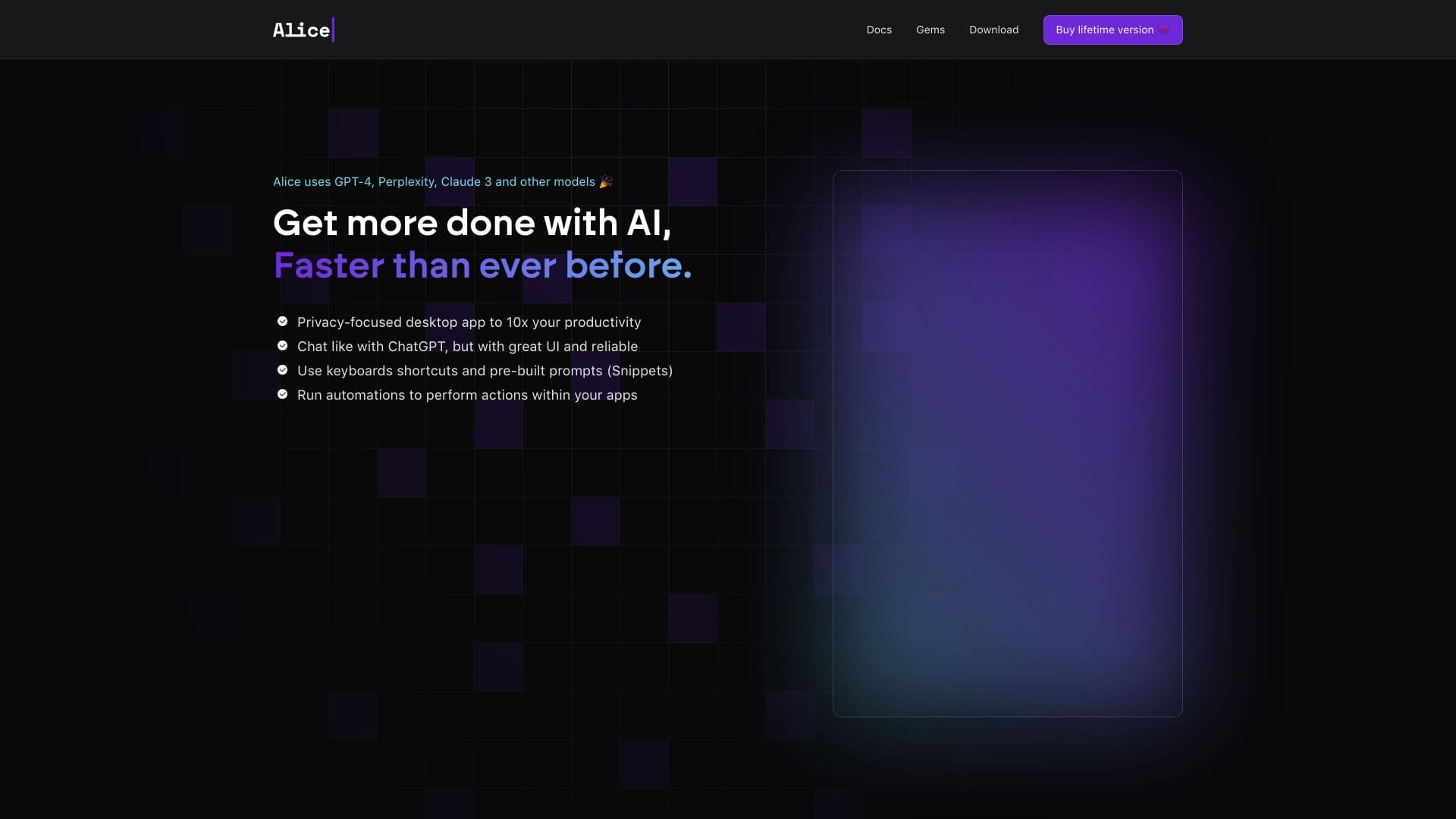

Desktop AI assistant for macOS, Windows, and Linux that launches via hotkey above all windows and combines multiple language models in one interface.

AI-based service for automatic generation of text content in various formats.

AI service for automatically selecting music to match the mood of videos, images, or text, with legal licenses.

AI marketing assistant that helps create promotion strategies and optimize advertising campaigns.