

Brainfish
AI-powered platform for building a help center and automating customer support responses.
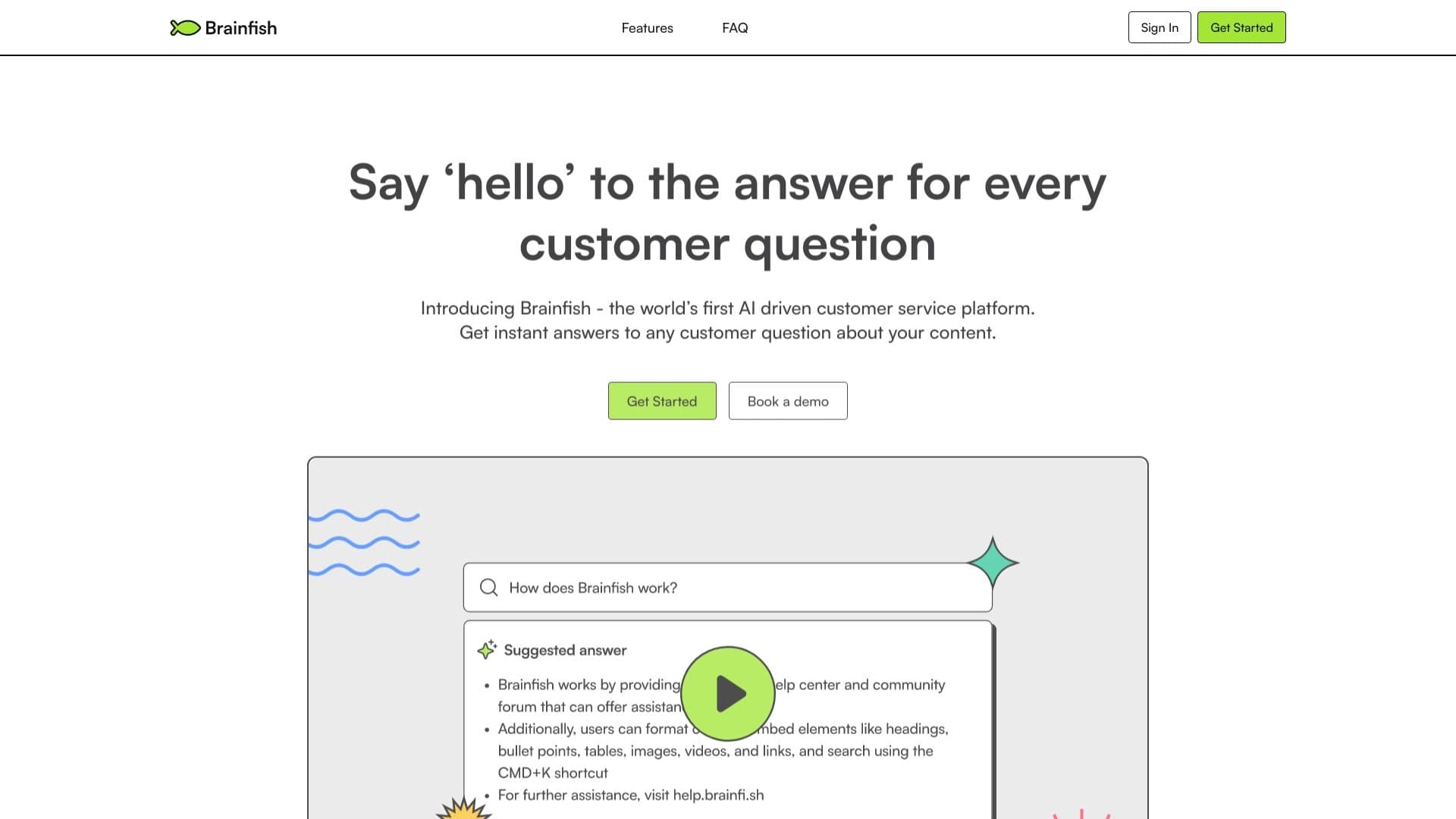
Overview
Brainfish AI Description
Brainfish is an AI-powered platform designed for creating a help center and automating customer support. Instead of forcing users to search for answers across scattered articles or wait for a support agent's response, Brainfish allows companies to upload their knowledge base (documentation, instructions, articles) into the system, and then an AI assistant instantly answers customer questions based on that information.
The tool focuses on solving three key challenges: reducing response wait times, decreasing the load on support teams, and increasing customer satisfaction. Brainfish operates as a web service with integrations into existing support platforms, allowing it to be implemented into established workflows without completely replacing them.
Brainfish Characteristics
| Characteristic | Value |
|---|---|
| Product type | AI-powered help center and content platform |
| Platform | Web |
| Pricing model | Paid |
| Free plan | No |
| Free trial | Not specified |
| Credit card required | No |
| Minimum price | 795 USD per month |
| Billing frequency | Monthly |
| Date added to catalog | July 11, 2024 |
| Company name | Brainfish Pty Ltd |
| Categories | AI Memory Systems, Business Intelligence, Decision Support, Speech Recognition |
| Visit geography | Australia (58.01%), Moldova (12.25%), USA (10.82%), Mexico (10.35%), Portugal (3.47%) |
A key feature of Brainfish is its use of "Ambient AI agent" technology, which operates directly within the product interface rather than only on a separate support page. The platform also automates documentation updates, saving teams from manual work required to keep the knowledge base current.
Who Is Brainfish Suitable For?
Brainfish will be useful for companies that provide customer support in some form and work with documentation. Primarily, this includes:
- Customer service and technical support departments — the tool helps reduce the number of repetitive inquiries by automating responses to standard questions. This frees up agents' time to handle complex, non-standard issues.
- Business support services — companies that need to quickly and accurately communicate information about their product or service can use Brainfish to create a unified knowledge base with AI access from anywhere.
- E-commerce platforms — for online stores with a large number of products and frequent questions about delivery, returns, and sizes, Brainfish helps reduce the flow of support inquiries.
- Service companies — organizations operating on a subscription basis or providing services can use the assistant to guide customers through account setup, pricing plans, and minor troubleshooting.
How to Use Brainfish?
Implementing Brainfish into workflows happens in stages. The getting-started guide looks like this:
Registration and Account Creation
The first step is to register on the platform and create your own account — this stage is mandatory and serves as the entry point for all subsequent actions.
Integration with Support Platforms
The next step is connecting Brainfish to the tools the company already uses for customer support (e.g., ticketing systems or online chats). This is necessary for automated responses to work correctly.
Content Upload and Configuration
The user uploads articles, instructions, and relevant materials from the knowledge base into the system. Then, AI parameters are configured based on the product's specifics and typical customer queries.
Model Training and Activation
Based on the uploaded content, the AI model is trained. Once training is complete, the assistant is activated, and customers gain access to an AI help center that answers their questions in real time.
Monitoring and Analytics
To continuously improve response quality, it is recommended to regularly track user interactions through a dedicated dashboard. Analytics help identify gaps in documentation and adjust AI behavior.
Key Brainfish Features
Brainfish is not just a chatbot but a full-fledged platform combining several important support functions:
- AI help center — the core element of the system. An assistant trained on the company's content answers customer questions in real time, and it can do so directly within the product, not just on a separate page.
- Content management — the system allows uploading, storing, and structuring materials used to train the AI. The documentation update process is also automated.
- Instant query resolution — the platform instantly analyzes a visitor's question and provides a relevant answer, reducing wait times compared to typical live chat with an agent.
- Integration with existing platforms — Brainfish can connect to already-used support tools (e.g., ticketing systems), maintaining a unified ecosystem.
- Configurable AI parameters — administrators can influence response style, the set of processed categories, and other parameters to make the AI better match support needs.
Brainfish Advantages
The platform offers user teams several advantages that set it apart from classic help desk systems:
- Embedded contextual agent. The AI assistant is embedded directly into the product interface, allowing it to help the customer exactly when they encounter an issue, without forcing them to leave their working environment.
- Automatic documentation creation and updates. The system not only works with uploaded files but also automatically updates and creates new documentation, reducing the burden on staff responsible for maintaining it.
- High level of self-service. According to stated data, Brainfish can independently resolve up to 90% of typical requests, directly reducing the number of support inquiries and saving resources.
- Ease of integration. The solution is designed for seamless connection to existing support systems (via API and ready-made connectors), so implementation does not require restructuring the entire infrastructure.
- Enterprise-grade security. The platform claims to have compliance certifications, making it suitable for large companies with high data protection requirements.
- Behavioral analytics. Analytical data on how customers interact with content helps improve not only the help center itself but also the product, as it reveals frequent pain points.
Brainfish Disadvantages
Despite its functionality, Brainfish has several limitations worth considering when evaluating the tool:
- No open source. No public repository on GitHub or any open-source versions were found, ruling out the possibility of the platform being customized independently by a technical team.
- No mobile app or extensions. No apps for Google Play or the App Store were found among the features, nor browser extensions (Chrome Web Store). All functionality is available only through the web interface.
- Pricing transparency. Costs and detailed pricing plans are not openly listed on the website — information must be requested directly from representatives, creating an additional barrier to quickly assessing budget.
What Problems Does Brainfish Solve?
Brainfish acts as an automated assistant that handles the first tier of user requests. Key tasks solved by the platform include:
- Customer service — prompt handling of standard questions about the product, service, or terms of cooperation. Such tasks often do not require human involvement, and AI can resolve them faster.
- Technical support — resolving simple technical issues related to setup, typical failures, or functionality. Brainfish can walk the user through instruction steps if the relevant content has been uploaded.
- Product information dissemination, including details about specifications, features, updates, and usage scenarios. The AI agent quickly finds the relevant documentation fragment.
- Account-related request handling, such as password changes, data updates, access recovery, or subscription management.
Brainfish Pricing
Brainfish operates on a paid distribution model, with no free tier or free trial available.
| Plan | Price | Included |
|---|---|---|
| Core | 795 USD/month | 2000 sessions, 1 agent, basic analytics |
| Growth | 2000 USD/month | 7500 sessions, unlimited agents, AI Actions |
| Enterprise | Price not specified | Unlimited sessions, local cloud deployments, dedicated manager |
The minimum entry threshold is 795 USD per month, making the solution geared toward mid-sized and large businesses rather than small projects or individual users. It is worth noting that the source data does not indicate whether a credit card is required to start a subscription — this information is absent.
Brainfish Terms of Use
Registration on the platform is mandatory to start using Brainfish. The tool is fully paid — no free plans with functionality are provided. All interaction with the product occurs through a browser on the web platform.
Detailed public terms of use, including offers and privacy policies, are not disclosed in the reviewed sources — their full text is available directly on the official website in the relevant legal documentation sections, which are provided upon registration.
Brainfish Availability
Brainfish is distributed as a web platform — no installation or software download to a computer is required. Interface languages are not specified in official descriptions; however, the website's visit geography is as follows: 58.01% of traffic comes from Australia (where the company appears to be registered), 12.25% from Moldova, 10.82% from the USA, followed by Mexico and Portugal. No mention is made of any need to use VPN services.
How Brainfish Differs from Alternatives
At the time of data collection, Brainfish did not provide a public page explicitly comparing itself to competitors. Basic alternatives listed on catalog platforms include systems such as Zendesk, Intercom, and Salesforce Service Cloud.
The main conceptual difference between Brainfish and classic support chatbots is its approach to creating help content. The platform does not simply use existing articles — it automatically generates and updates them based on customer interactions, allowing the knowledge base to "grow" alongside the product. Another difference is the embedded nature of the AI agent, which helps the customer directly within the product's working environment without switching them to a separate window. The mentioned competitors often function as a separate subsystem or widget, while Brainfish focuses on deep embeddability.
Conclusion
Brainfish is a professional tool for companies looking to automate a significant portion of customer support and reduce the load on live agents. The platform offers an embedded AI agent trained on an uploaded knowledge base, as well as automatic documentation management. The solution demonstrates high self-service rates (up to 90%) and integrates easily into existing infrastructure thanks to its API and ready-made connectors.
The main limitation for many potential users will be the cost: a minimum plan of 795 USD per month and the absence of a free trial make the product inaccessible to small businesses. It is also worth noting that Brainfish is available exclusively as a web service without mobile apps, and assessing its full capabilities without trial access is challenging. Ultimately, Brainfish is a niche but powerful solution for mid-sized and large businesses focused on reducing support costs.
Pricing
Frequently asked questions
See also

AI-powered virtual clothing try-on service.

A browser with built-in AI tools for chatting with neural networks, generating texts and images, translating and summarizing pages.

AI assistant for quickly creating and editing texts in various formats.
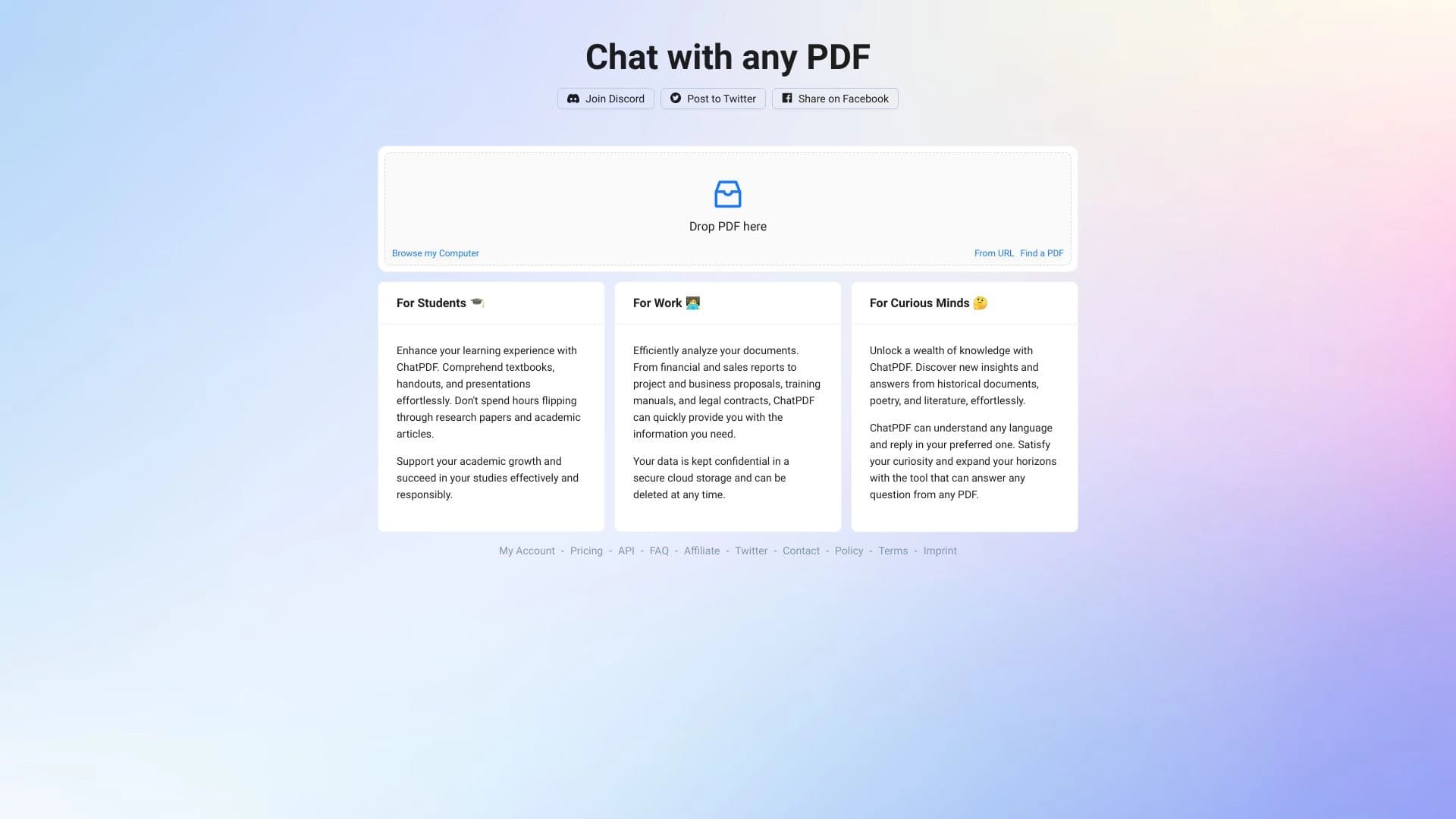
An online service that lets you chat with PDF documents: ask questions and get concise answers with source attribution.
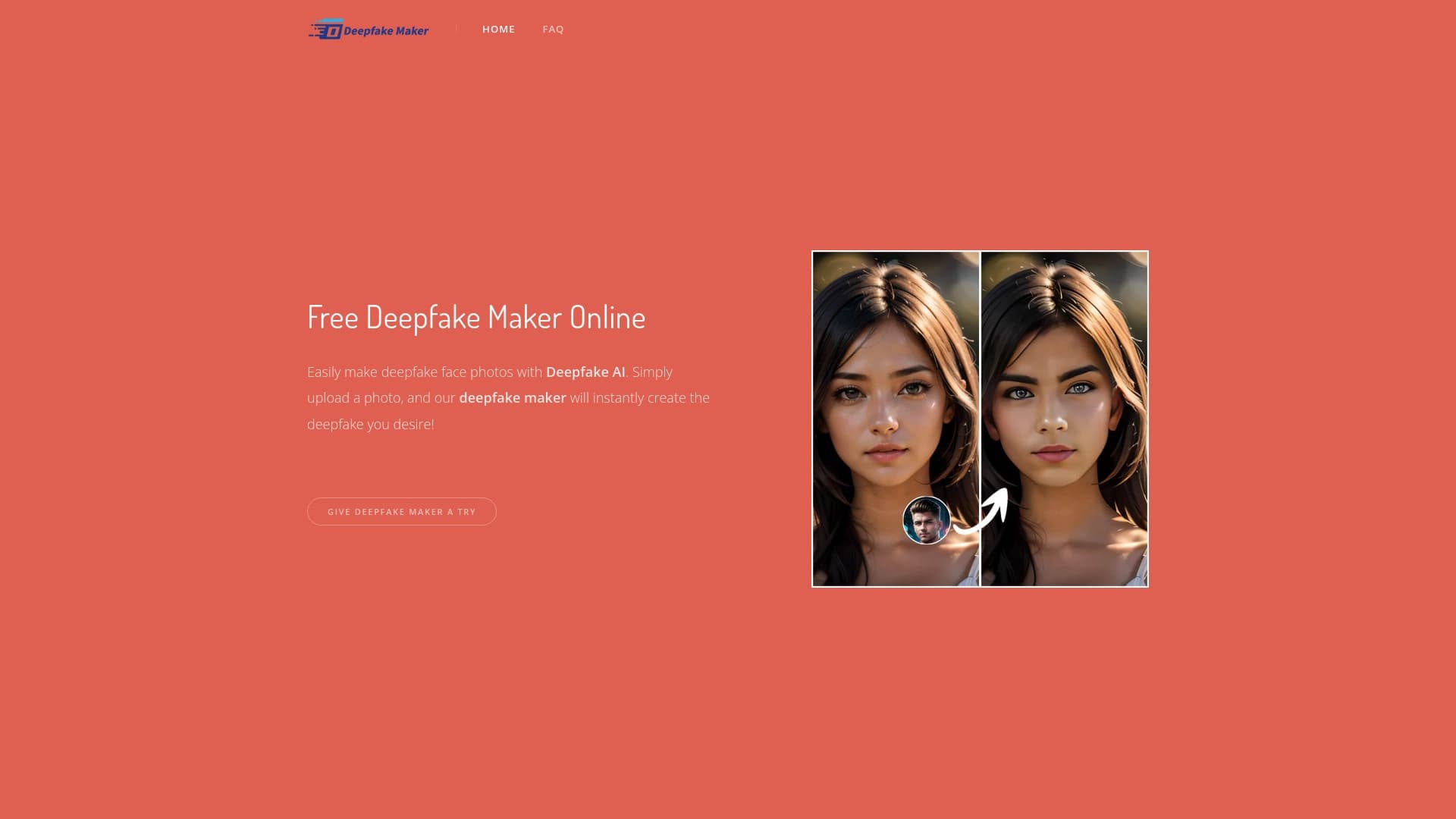

Online AI tool for creating deepfakes and editing images.
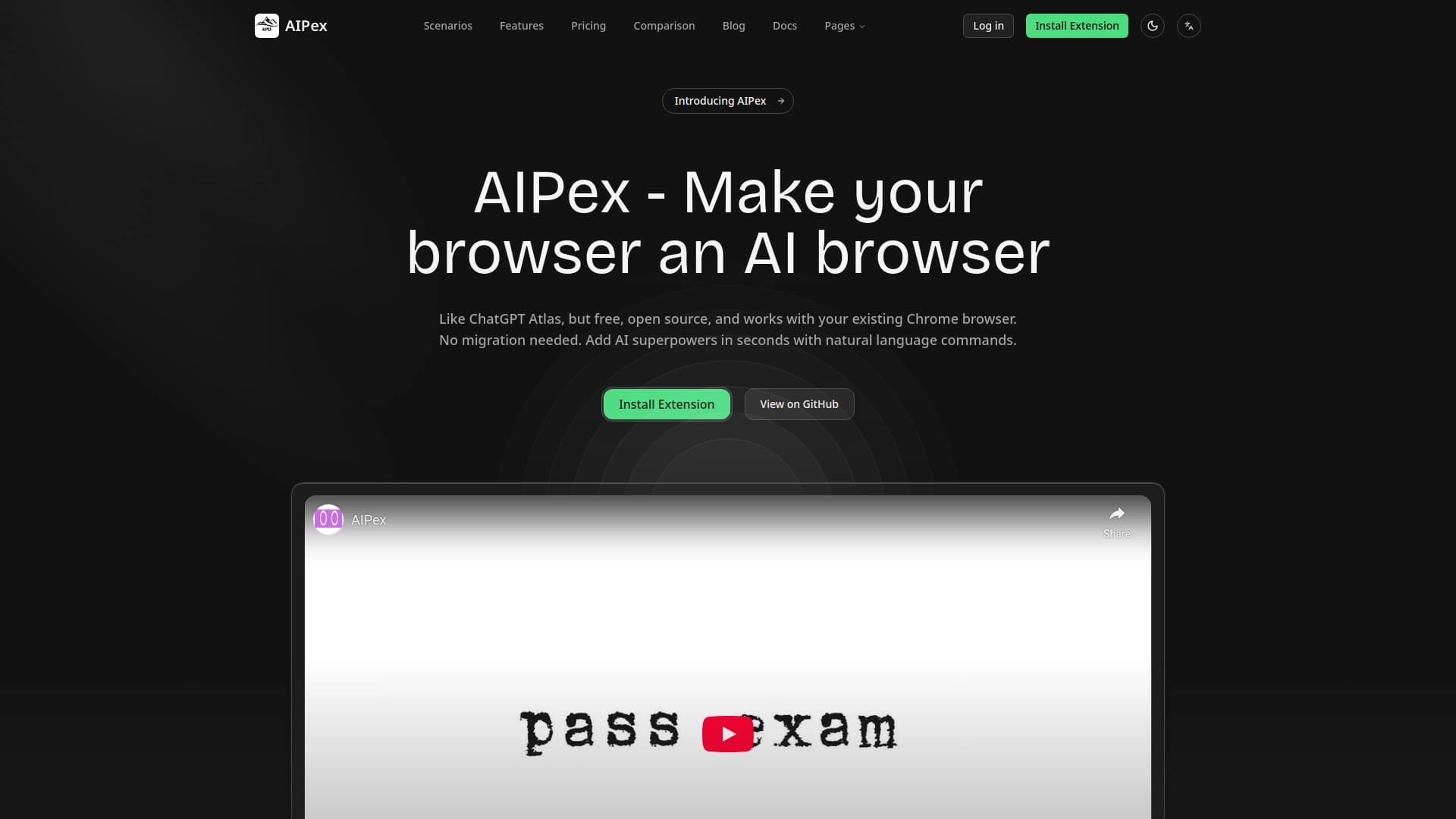

Chrome extension that helps manage tabs, history, and bookmarks with an AI assistant.
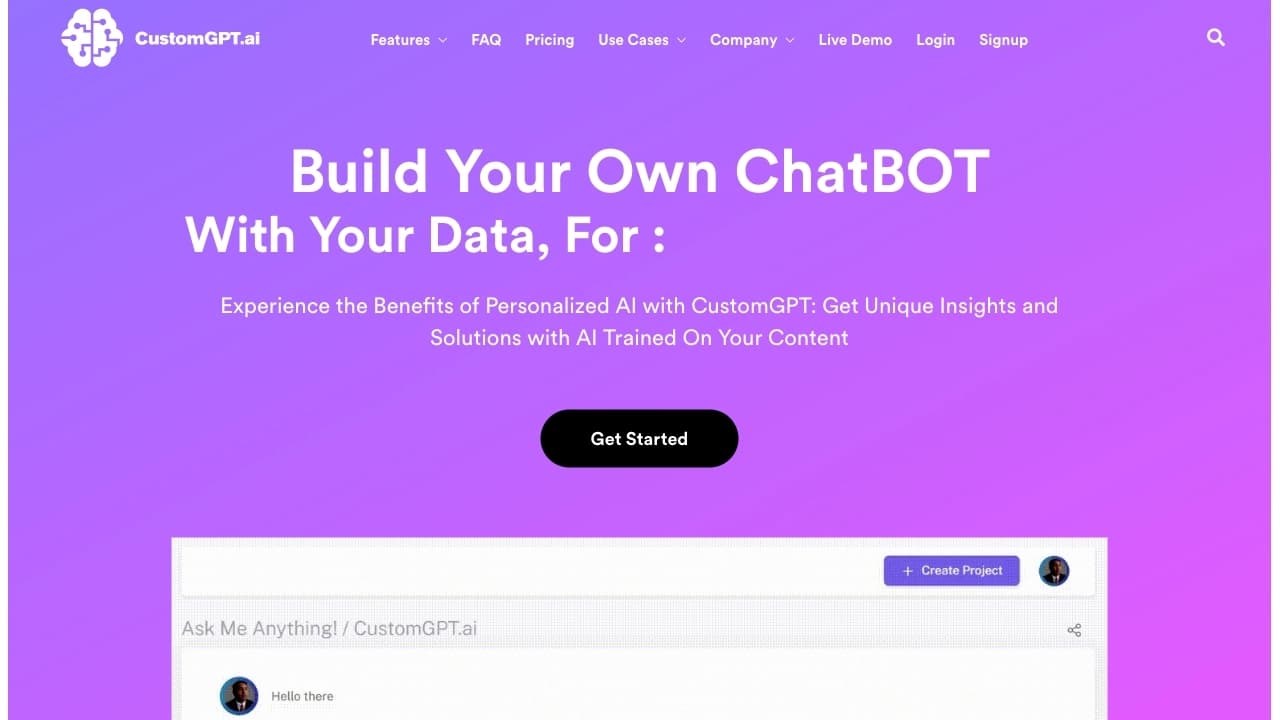

A platform for creating corporate chatbots based on your own documents without coding.

A multifunctional AI assistant for chat, text and image generation, translation, and programming help.