

AutoDRIVE Cooperative MARL
A framework for training and evaluating multi-agent reinforcement learning models in the AutoDRIVE autonomous driving simulator.
Overview
AutoDRIVE Cooperative MARL Description
AutoDRIVE Cooperative MARL is an open-source software framework designed for developing, training, and evaluating Multi-Agent Reinforcement Learning (MARL) algorithms in the context of cooperative autonomous driving. The tool combines the high-fidelity urban driving simulator AutoDRIVE with ready-made implementations of popular MARL algorithms such as MADDPG and PPO.
The framework allows researchers and developers to create scenarios in which multiple autonomous vehicles interact with each other to achieve common goals — for example, safe lane changing, intersection coordination, or platooning. The project is hosted on GitHub in the Tinker-Twins repository and is distributed free of charge.
A key feature of AutoDRIVE Cooperative MARL is modularity. Users can customize observation spaces, reward functions, and algorithm hyperparameters, as well as use built-in scripts for training, evaluation, and result visualization. This makes the framework a practical tool for both research work and educational purposes.
AutoDRIVE Cooperative MARL Features
| Feature | Value |
|---|---|
| Type | Open-source framework |
| Category | AI platforms and frameworks, tool libraries |
| Platforms | Linux, macOS, Windows |
| Supported algorithms | MADDPG, PPO, other multi-agent RL algorithms |
| Integration | AutoDRIVE simulator |
| Development language | Python |
| Hosting | GitHub (Tinker-Twins repository) |
| Date added | May 20, 2025 |
Who is AutoDRIVE Cooperative MARL for?
Autonomous vehicle researchers
The framework provides a ready-made foundation for experiments with cooperative control strategies. Researchers can quickly run experiments, compare algorithms, and reproduce results thanks to the open-source code.
Multi-agent RL system developers
Reinforcement learning specialists will find implementations of MADDPG, PPO, and other methods, as well as the ability to extend the library with their own algorithms through the modular architecture.
Students and educators
The project can be used in courses on autonomous driving and robotics. Ready-made examples and scenarios simplify demonstrating multi-agent interaction principles without the need to write code from scratch.
Simulation engineers
Specialists working with simulators can use the framework to create virtual test environments for cooperative traffic control systems.
How to use AutoDRIVE Cooperative MARL?
Installation and setup
To get started, clone the repository from GitHub. Then install the dependencies by running pip install -r requirements.txt. The framework works on Linux, macOS, and Windows, and requires Python and the libraries listed in the requirements file.
Simulator preparation
The next step is to download or build the AutoDRIVE simulator. After installation, you need to specify its path in the training configuration file. This is an important step since the framework works in conjunction with this simulator.
Training and evaluating models
Once the environment is configured, modify the configuration files for your desired scenario and algorithm. Launch training, for example, via the script python train_maddpg.py. Use the evaluation scripts to test trained policies. Results can be visualized using the built-in plotting utilities.
Key features of AutoDRIVE Cooperative MARL
MARL algorithm implementations
The framework includes ready-made software implementations of MADDPG (Multi-Agent Deep Deterministic Policy Gradient) and PPO (Proximal Policy Optimization), and also supports connecting other multi-agent reinforcement learning algorithms.
Integration with an autonomous simulator
Integration with the AutoDRIVE simulator, which models urban driving scenarios, is provided. Users can create their own scenarios and road environment configurations.
Environment and reward customization
Environment wrappers and reward functions are provided and can be modified for specific tasks. This allows training to be adapted to various cooperative behavior goals.
Training and analysis tools
The package includes scripts for launching training, logging modules, visualization functions, and performance plotting. Policy checkpointing and curriculum learning are also supported.
Advantages of AutoDRIVE Cooperative MARL
Accelerated research
Ready-made algorithm and script implementations save time on writing base code. Researchers can focus on experiment design and result analysis.
Modularity and extensibility
The project architecture is designed with extensibility in mind. Users can add their own scenarios, algorithms, and environment modifications without rewriting the framework core.
Reproducibility and openness
Being an open-source project on GitHub, the framework ensures experiment reproducibility. This is an important advantage for academic research and comparative algorithm analysis.
High simulation fidelity
Integration with the AutoDRIVE simulator provides a more realistic test environment compared to simplified 2D simulators, improving the quality of policy evaluation.
Disadvantages of AutoDRIVE Cooperative MARL
No information about framework disadvantages is available in public sources. Like any specialized tool, it requires certain knowledge in reinforcement learning and some time to study the documentation and configure the environment. It is also worth noting that the project is focused on simulation research and does not imply direct transfer to real vehicles without additional adaptation.
What problems does AutoDRIVE Cooperative MARL solve?
Cooperative lane changing
Developing policies for safe and efficient vehicle lane changing with multiple agents on the road.
Intersection management
Creating coordination algorithms for multiple vehicles at intersections to minimize delays and prevent conflicts.
Platooning
Researching and developing control strategies for convoys of vehicles moving at coordinated speed and distance.
Algorithm benchmarking
Comparing the performance of various multi-agent reinforcement learning algorithms in realistic urban driving scenarios.
Educational demonstrations
Using the framework in courses to visually demonstrate multi-agent interaction principles in autonomous transport.
AutoDRIVE Cooperative MARL Pricing
The framework is distributed free of charge. No registration or payment is required to access the GitHub repository. All costs are related only to providing computational resources for model training and installing the necessary software.
AutoDRIVE Cooperative MARL Terms of Use
The project is open-source and hosted on GitHub. No registration, payment, or account creation is required for use. Users can freely clone the repository, study the code, make changes, and contribute to the project's development. Contributions are made through standard GitHub mechanisms.
AutoDRIVE Cooperative MARL Availability
The framework is available on all major operating systems — Linux, macOS, and Windows. The repository is hosted on GitHub and is accessible without any regional restrictions. Python and the dependencies listed in the requirements.txt file must be installed to use it.
How AutoDRIVE Cooperative MARL differs from alternatives
Among similar multi-agent environments and frameworks, notable ones include PettingZoo Multi-Agent Environments, Ray RLlib Multi-Agent Toolkit, OpenAI Gym MultiAgentParticleEnv, and Mava Multi-Agent RL Framework.
The main difference of AutoDRIVE Cooperative MARL lies in its tight integration with the high-fidelity urban driving simulator AutoDRIVE. While many alternative environments use simplified physics models and abstract scenarios, this framework targets realistic road situations involving vehicles.
In addition, the project offers ready-made MADDPG and PPO implementations out of the box, lowering the entry barrier for researchers who do not need to implement algorithms themselves. Other platforms, such as RLlib, provide a broader set of tools but require more configuration and are not specialized for cooperative driving.
Conclusion
AutoDRIVE Cooperative MARL is a practical open-source framework for research in cooperative autonomous driving. It combines multi-agent reinforcement learning algorithms with the realistic AutoDRIVE simulator, providing ready-made implementations, scripts, and visualization tools. Thanks to its modular architecture and free access, the project is suitable for research work, algorithm comparison, educational demonstrations, and policy development for tasks such as lane changing, intersection coordination, and platooning.
Frequently asked questions
See also
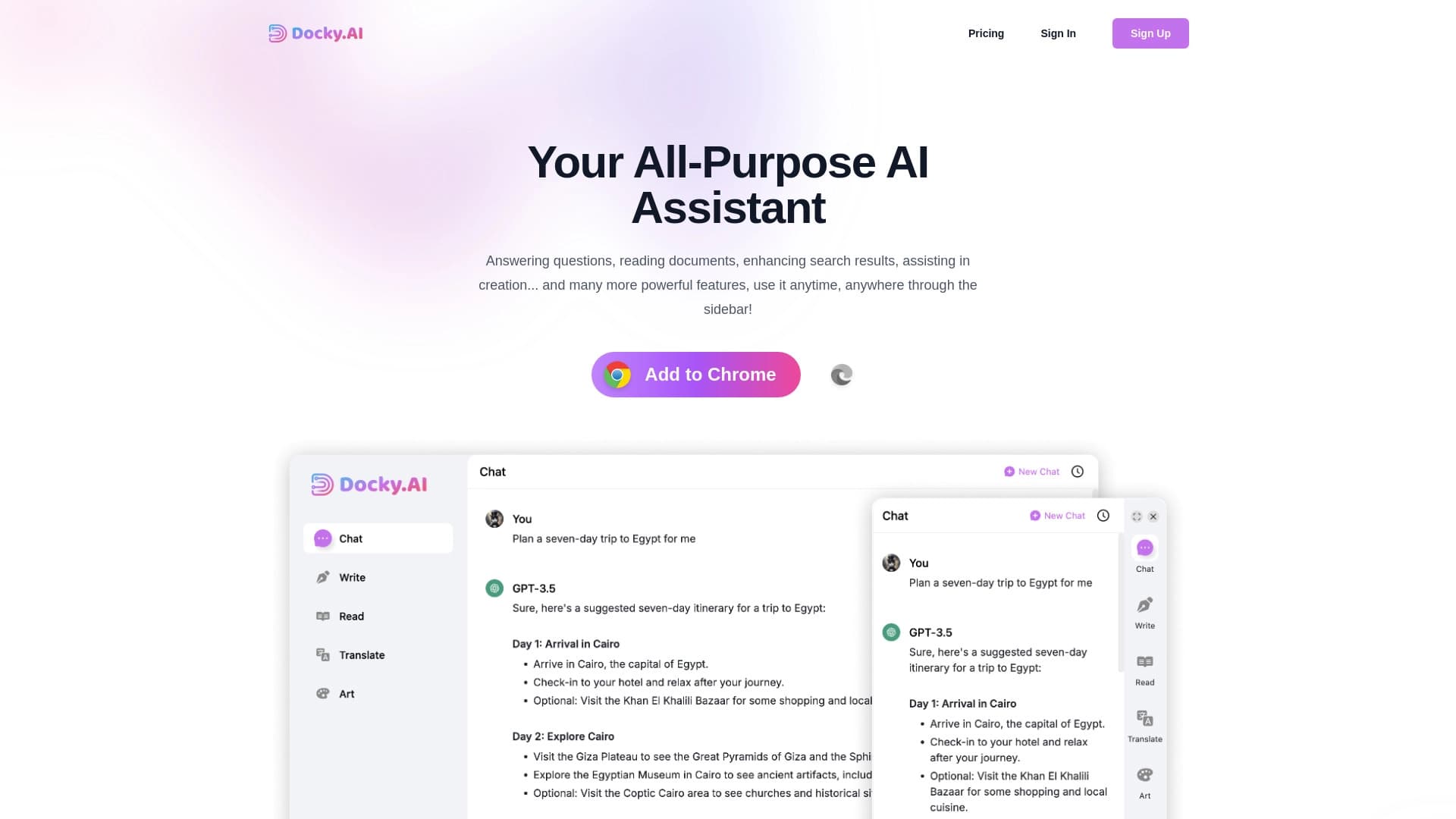

Side AI panel that helps answer questions, work with documents, and generate images.
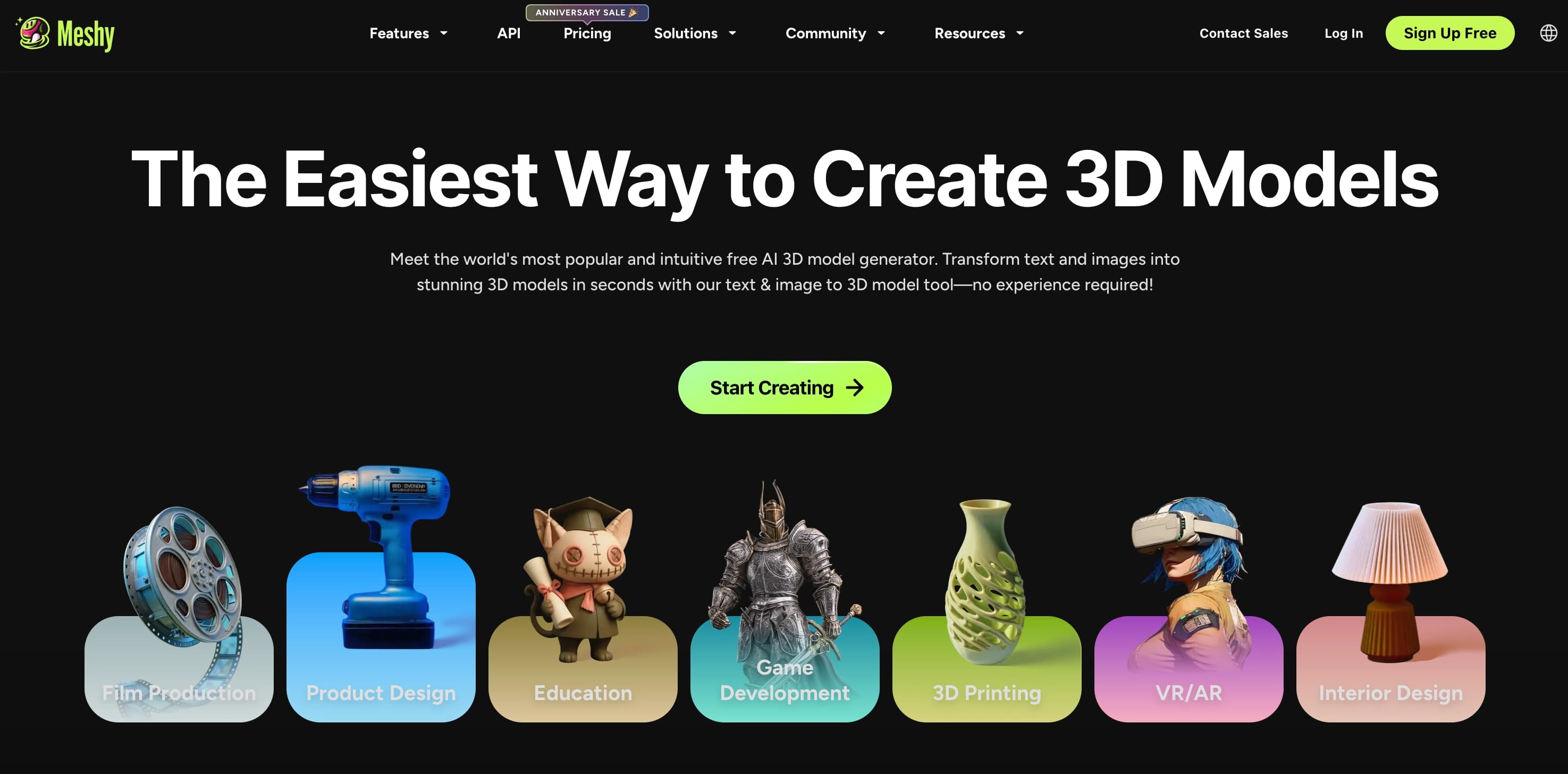
A neural network-powered cloud service for generating 3D models, textures, and animations from text descriptions or images.

Chrome extension that helps manage tabs, history, and bookmarks with an AI assistant.
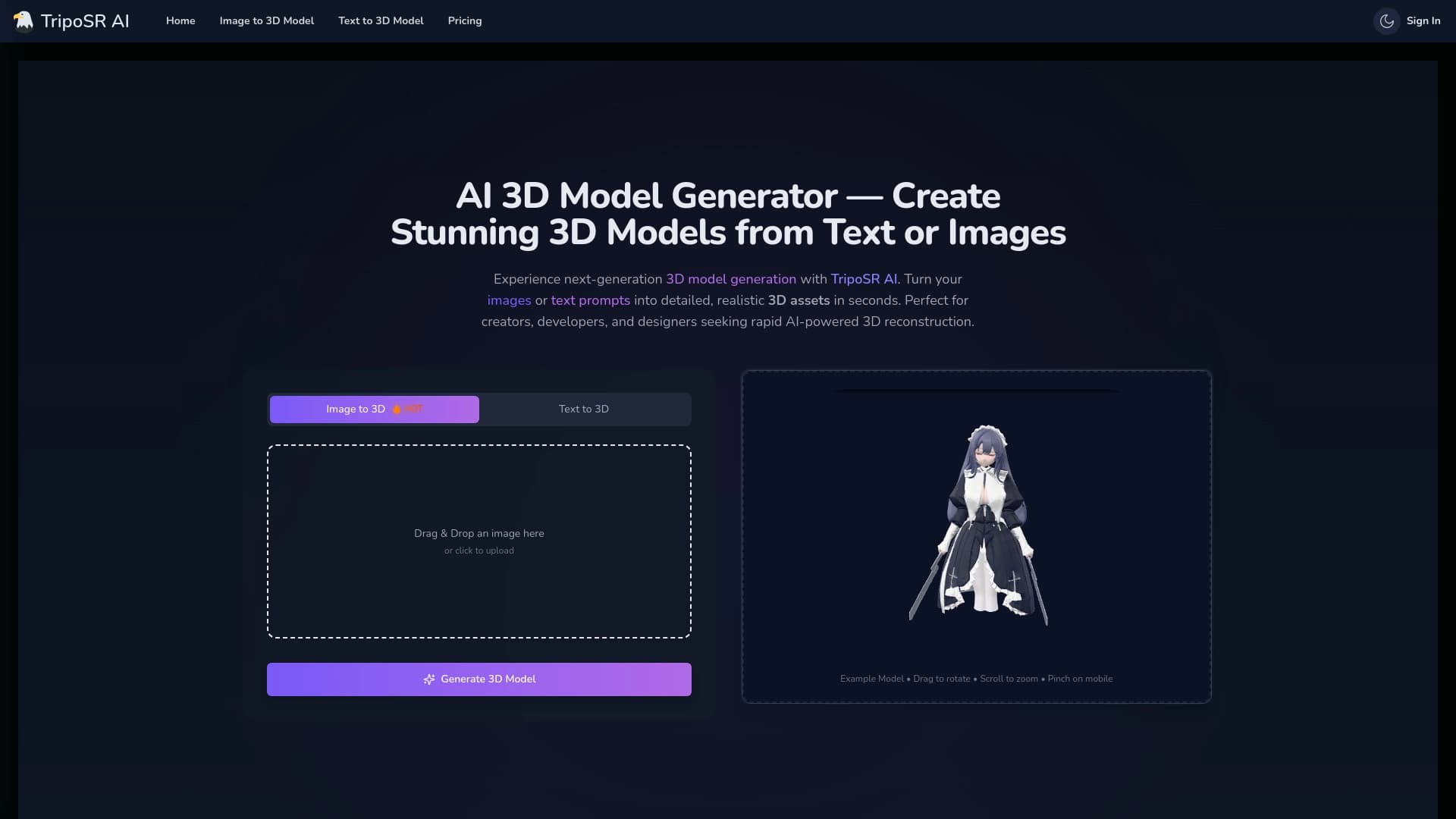

Open-source tool for quickly converting a single image into a 3D model.

Platform for creating multi-agent AI systems and chatbots to automate customer support and lead generation.

Project management platform with task assignment, time tracking, and employee workload monitoring features.

AI toolkit for video generation and editing, including avatars, lip-sync, and voice cloning.

AI agent for assisting with programming and optimizing the development workflow.