
ApyHub
Platform with ready-made AI APIs for processing text, images, and video.

Overview
ApyHub Neural Network Description
ApyHub is a cloud platform that provides developers with a set of ready-made APIs for integrating artificial intelligence functions into their own projects. Instead of building machine learning algorithms from scratch or configuring complex models, users can select a suitable tool from the catalog, test it directly on the website, and connect it to their application.
The service is focused on automating typical content processing tasks. In particular, the platform allows generating concise summaries of long documents, recognizing objects and brands in photos, filtering text data, and extracting keywords from it. This approach saves development time and allows focusing on the core logic of the product.
At its core, ApyHub acts as an intermediary layer between the developer and complex AI algorithms. The service handles the technical part related to processing requests and returning structured results, leaving the user with a simple and clear interaction interface.
ApyHub Characteristics
| Characteristic | Value |
|---|---|
| Type | Platform with utility APIs for developers |
| Category | Tools for creating summaries, text processing, content generators |
| Free tier | Yes (access to a limited number of APIs and basic features) |
| Developer | ApyHub, Inc. |
| Distribution model | Freemium (free + paid subscriptions) |
| Availability | Online web service, registration required |
Who is ApyHub suitable for?
Software Developers
The tool is primarily intended for programmers who want to add AI features to their applications without deep immersion in machine learning. ApyHub allows implementing text or image analysis in minutes, replacing weeks of development.
Development Teams
The service is suitable for small studios and large IT departments where product delivery speed is important. Ready-made APIs simplify task distribution: one developer can be responsible for integration rather than creating and training models.
Product Managers and Analysts
Although the product is designed for technical specialists, managers can use the platform for prototyping. Testing APIs on the website helps assess AI capabilities before full-scale development begins and make a decision about the feasibility of implementation.
How to use ApyHub?
Finding and Selecting an API
The process begins with visiting the platform's official website. In the service catalog, you need to find a suitable API by purpose: summarization, image recognition, text filtering, or keyword extraction.
Testing Functionality
Before connecting, each API can be tested in real time. The user uploads their data or enters a sample text to verify the algorithm works correctly.
Connecting to a Project
After successful testing, the developer receives parameters for calling the API and integrates it into their code. Usage requires an account on the platform and, if necessary, selection of a paid plan to increase limits.
Key ApyHub Features
Creating Summaries
The platform allows automatically generating summaries of long texts. This is useful for analyzing documentation, news articles, or research reports when you need to quickly understand the essence of the material.
Object and Brand Recognition
The image processing API can detect the presence of specific objects in photos. The logo and brand recognition function stands out, which is in demand for monitoring advertising materials or checking content.
Text Processing and Filtering
The service provides tools for checking and cleaning text data. The filtering function allows removing unwanted content, while automatic keyword extraction helps structure information and use it for subsequent classification.
ApyHub Advantages
Quick Connection and Integration
The platform's main advantage is implementation speed. The user does not need to study complex neural network documentation or configure environments — just select an API from the catalog, test it with sample data, and immediately integrate it into a working project.
Automation of Routine Tasks
The service effectively handles repetitive operations. Document processing, fact extraction, image checking — all of this is automated, freeing up developers' time for more complex tasks.
Smart Data Handling
The platform helps analyze incoming information: recognizes images, finds keywords, and generates insights. Such functionality is in demand when building monitoring and analytics systems.
ApyHub Disadvantages
Limited Configuration Flexibility
The platform focuses on universal solutions that cover standard use cases. If a task requires specific model configuration or a unique processing algorithm, ready-made APIs may not provide the needed level of customization.
Dependence on External Services
Since the work is based on remote APIs, service stability depends on ApyHub's infrastructure and potentially on third-party technology providers. Partner outages can negatively impact the user's project at unpredictable times.
Lack of Algorithm Transparency
The company does not disclose details of how its AI models work. If an algorithm incorrectly processes a certain type of data, it will be difficult for the developer to understand the cause of the error and adjust requests, since the internal logic remains a "black box."
What tasks does ApyHub solve?
Automatic Selection of the Best Solution
The platform allows choosing the optimal algorithm for data processing without comparing dozens of different machine learning libraries. The tool selection feature from the catalog speeds up the technical decision-making process.
Data-Driven Prediction
Using keyword extraction, classification, and document analysis functions, systems for trend prediction can be built. Aggregated data obtained through the API serves as the basis for predictive models.
Automation of Document Analysis and Processing
The service handles text summarization and structuring tasks. This frees teams from manually processing large volumes of incoming correspondence, reports, and articles.
Object Recognition in Images
The API solves the task of detecting objects and brands in photos, which is used in content moderation, evaluating advertising campaign results, or creating smart search systems.
ApyHub Pricing
Free Tier
ApyHub operates on a freemium model. The basic level is provided free of charge and includes access to a limited number of APIs. There are also limits on the number of requests, and only basic features are available.
Basic Paid Plan
This plan opens access to additional request limits. The user gets expanded API capabilities compared to the free tier.
Professional Plan
The maximum package includes the highest usage limits, priority technical support, and access to premium platform features.
ApyHub Terms of Use
To get started with the platform, you need to create an account on the service website. The free tier allows you to explore the functionality but imposes restrictions on usage volumes. Paid plans require a monthly subscription payment. In the free mode, functionality is limited, which should be considered when planning a project budget.
ApyHub Availability
The service is available online through a web interface. The user needs internet access and a registered account. The platform does not specify regional restrictions, suggesting the service can be used anywhere in the world with website access.
How ApyHub Differs from Alternatives
Ready-Made Solutions Instead of a Constructor
Unlike platforms that provide constructors for creating custom models, ApyHub offers only ready-made APIs. The user does not train or configure models — they simply choose the most suitable tool for a typical task.
Focus on Utility
The service is not positioned as a research platform for AI experiments. The key emphasis is on practical application: summarization, recognition, and filtering. This distinguishes the platform from data science solutions with extensive customization options.
Transparent Pricing Structure
Fixed subscription pricing looks simpler and clearer than many Western alternatives that calculate prices based on token counts or complex usage metrics.
Conclusion
ApyHub is a practical solution for developers who need to quickly implement machine learning features in their applications. The platform covers basic text and image processing needs: creating summaries, content filtering, object recognition, and keyword extraction. The main advantage is speed and ease of integration, with no need to dive into algorithm details. However, this comes at the cost of limited configuration flexibility and dependence on external infrastructure. If standard features are sufficient, ApyHub will be a reliable assistant in automating data processing tasks.
Pricing
Frequently asked questions
See also


AI toolkit for video generation and editing, including avatars, lip-sync, and voice cloning.


A multifunctional AI assistant for generating texts, images, and audio.


Project management platform with task assignment, time tracking, and employee workload monitoring features.

A platform for aggregating world news using AI to analyze and reduce bias.


Platform for creating multi-agent AI systems and chatbots to automate customer support and lead generation.
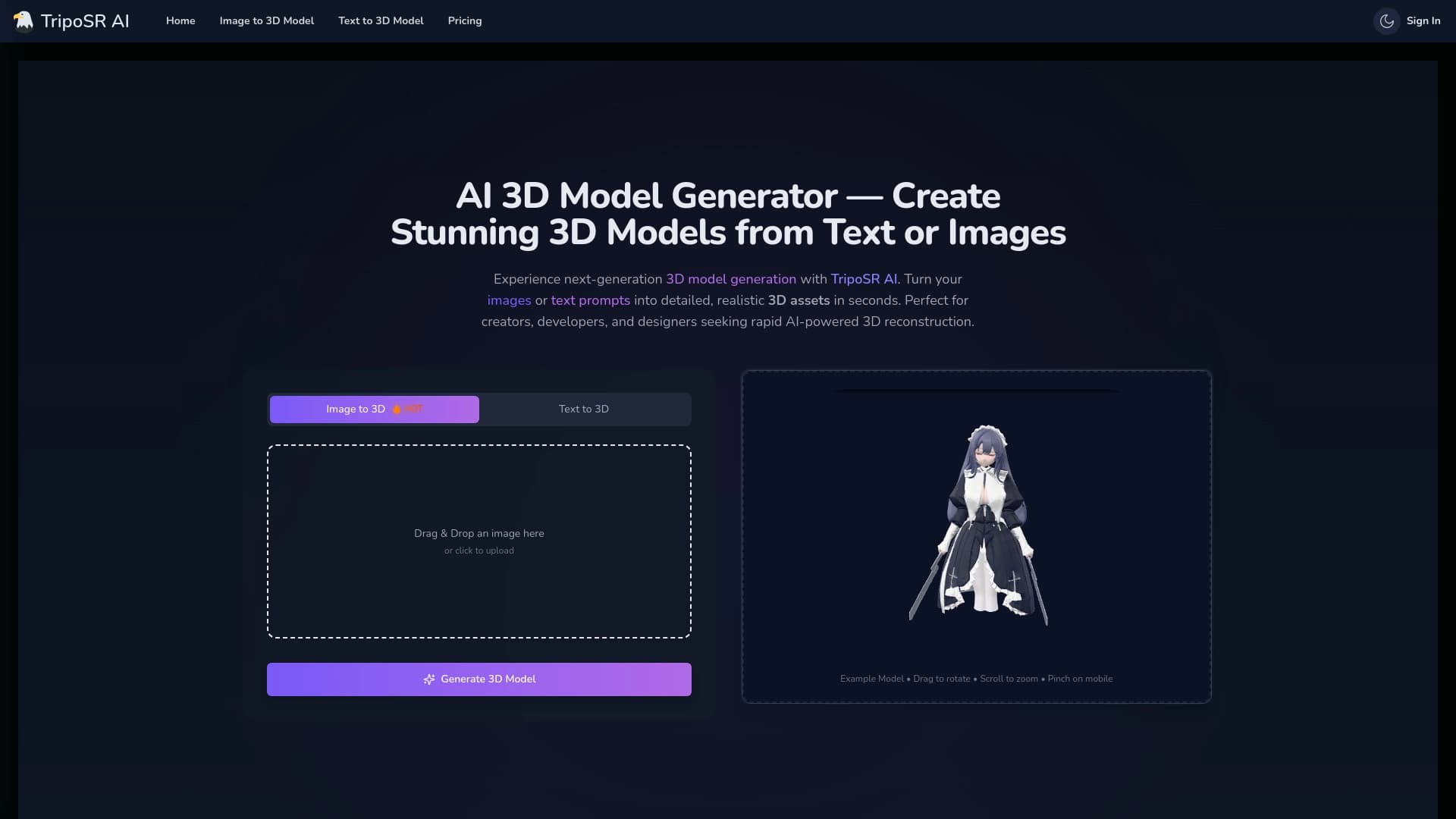

Open-source tool for quickly converting a single image into a 3D model.

Cabina AI is a unified platform for working with various generative neural networks, enabling you to create texts, images, and videos.


Chrome extension that helps manage tabs, history, and bookmarks with an AI assistant.