
Cabina AI
Cabina AI is a unified platform for working with various generative neural networks, enabling you to create texts, images, and videos.
Overview
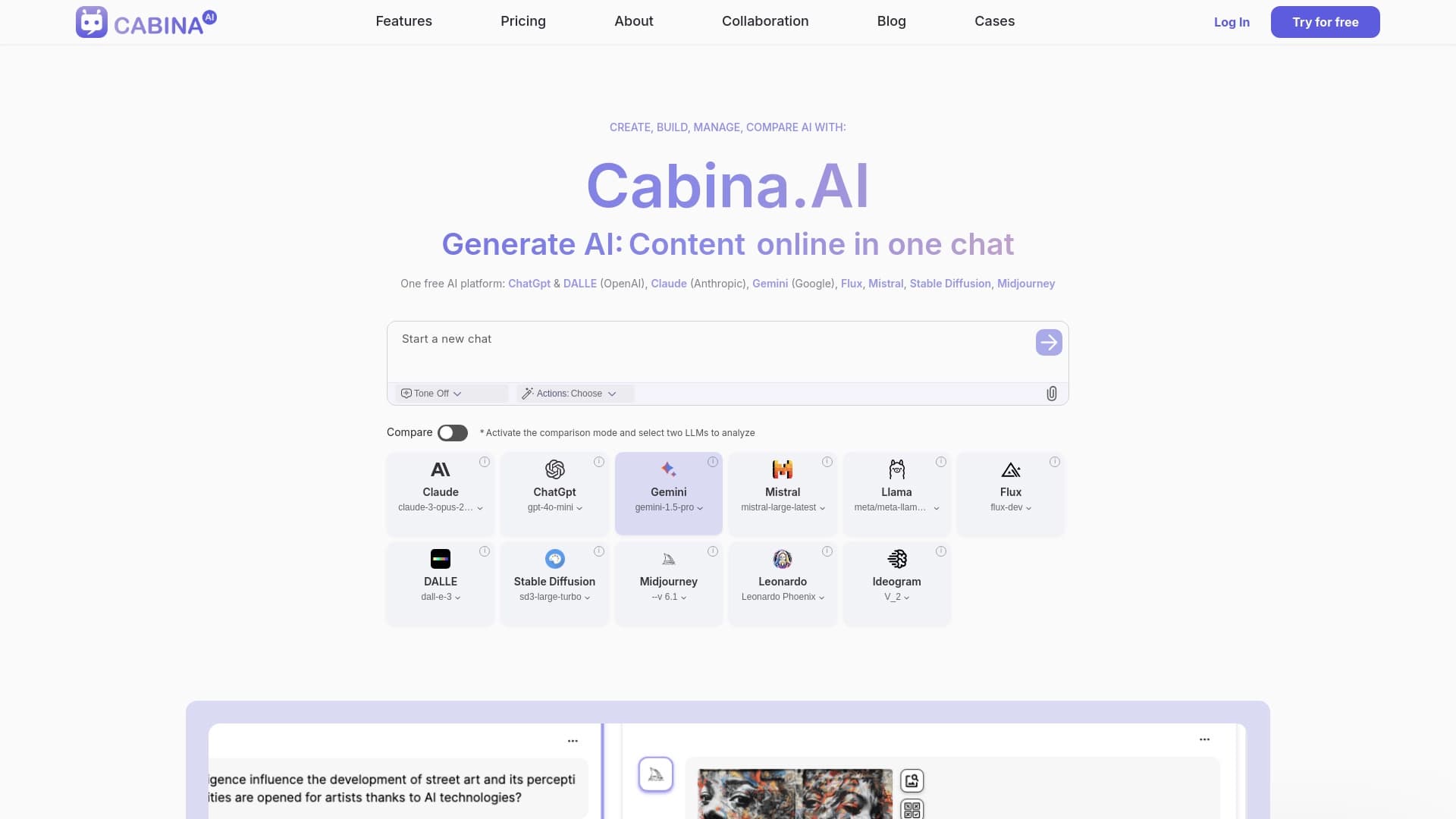
Cabina AI is a universal platform that combines access to leading generative neural networks in a single interface. Instead of switching between dozens of tabs and services, users get one unified workspace for working with text, images, and video. The key feature of the service is the ability to send a single request to multiple models at once and compare the results, which greatly simplifies choosing the most suitable tool for a specific task.
Single access point to generative models
The service acts as a bridge between the user and popular AI systems. The catalog of supported models includes ChatGPT and DALL-E from OpenAI, Claude from Anthropic, Gemini from Google, as well as Flux, Mistral, Stable Diffusion, and Midjourney. This allows users to pick the optimal neural network for each unique task without leaving the unified interface.
Multimodality and model comparison
Unlike many aggregators that are limited to chat functionality, Cabina AI supports three content formats: text, graphics, and video. Users can run parallel generation of the same prompt across multiple engines at once to clearly see differences in style, quality, and response speed.
Cabina AI characteristics
| Characteristic | Value |
|---|---|
| Type | Platform for working with generative neural networks |
| Categories | Image generation, video generation, API and integrations |
| Supported models | ChatGPT, DALL-E, Claude, Gemini, Flux, Mistral, Stable Diffusion, Midjourney |
| Output format | Text, images, video |
| Free requests available | Yes, with a daily limit |
| Distribution model | Freemium |
Who is Cabina AI suitable for?
The platform will be useful for professionals who regularly work with content and want to reduce time spent switching between tools.
Content creators and copywriters
Authors of articles, posts, and scripts can address ChatGPT, Claude, and Gemini in a single window to choose the best text variant. At the same time, they won't need to separately launch DALL-E or Midjourney for illustrations.
Designers and marketers
The ability to generate images and video through a unified interface makes the service convenient for creating visual materials. Comparing results from Stable Diffusion and Flux helps find the right style faster without manually testing each model individually.
Developers and integrators
The availability of an API and built-in integrations allows embedding the platform's capabilities into your own products or workflows, using different neural networks without signing separate agreements with each vendor.
How to use Cabina AI?
Working with text requests
To get started, simply select one of the supported language models — for example, ChatGPT or Claude — and enter a prompt. The system will process the request and deliver the result in the chat interface, where you can refine wording and continue the conversation. For experienced users, parallel execution is available: one request is sent to several models simultaneously, and responses are displayed side by side for comparison.
Creating images and videos
To generate visual content, specify a model (e.g., DALL-E, Stable Diffusion, or Midjourney), describe the desired scene, and, if necessary, set parameters (style, aspect ratio). Video generation works in a similar way. All created media files are saved in the platform's workspace, where they can be downloaded or used in further tasks.
Task management and navigation
The interface is designed to simplify control over multiple parallel tasks. Users can see the status of each request, return to previous generations, and quickly switch between different models without losing context. This is especially convenient when working on large projects that require combining the efforts of different neural networks.
Key features of Cabina AI
Access to multiple models in one window
The platform's main goal is to free users from registering on a dozen different services. The entire set of language and graphics models is available through a single interface, simplifying navigation and task management.
Parallel request execution
One of the standout features is the ability to run the same prompt on several neural networks simultaneously. This saves time and allows quick comparison of, for example, how ChatGPT, Claude, and Gemini answer one complex question.
Multi-format generation
The service supports creating text, images, and video. Instead of assembling a "pipeline" from three different tools, users perform all operations in one place, streamlining the workflow.
Advantages of Cabina AI
Broad integration coverage
Compared to other aggregators on the market, the platform offers a larger number of connected models. This makes it a universal solution for those who want access to all key AI developments without hunting for separate services.
Time savings
Simultaneous access to multiple AI systems significantly speeds up the process of finding the best answer. Instead of querying each model sequentially, users get all options in one go.
Image and video support
The ability to generate not only text but also visual content sets the service apart from many competitors limited to chat functions. This expands the platform's use cases.
Drawbacks of Cabina AI
Steep learning curve
The large number of features and integrated models requires time to learn. A new user may feel overwhelmed by the abundance of settings and options before finding an optimal workflow. Initially, you'll need to spend time exploring to understand which model combinations deliver the best results.
What tasks does Cabina AI solve?
Creating text content
The platform allows generating articles, posts, descriptions, and other texts using different language models, choosing the most suitable style or response quality for each task.
Generating images and videos
The service makes it possible to create illustrations and video materials based on text descriptions, accessing graphics engines directly from the common interface.
Comparing neural networks
Users can run one request on several models simultaneously to clearly evaluate differences in results and choose the best option or the most suitable tool for future projects.
Cabina AI pricing
The platform operates on a freemium model. This means basic access is provided for free, but there is a limit on the number of requests per day. The exact cost of paid plans and their contents are not disclosed in the source data, so for up-to-date pricing information, please refer to the project's official website.
Cabina AI terms of use
The service offers a free plan suitable for getting familiar with the functionality and completing small tasks. The main limitation of the free mode is the daily request limit. This means that intensive work will require a paid subscription. Other details of the user agreement, including rights to generated content and privacy policy, are not described in available sources.
Cabina AI availability
The service is available through a web interface, allowing users to work with it from any internet-connected device. The platform targets a global audience, and the availability of an API and integrations makes it accessible for inclusion in third-party applications and automated processes. The presence of free requests allows users to start using the service without financial investment.
How Cabina AI differs from alternatives
There are several platforms on the market solving similar tasks, including Poe, JanitorAI, and TypingMind. The main difference of Cabina AI is a broader set of integrations and support for generating not only text but also images and video. Most competitors focus exclusively on text models, while this platform covers multimodal scenarios.
Another key competitive advantage is the ability to simultaneously address multiple AI systems with a single request. This saves users time and provides all answer options in one window. However, unlike simpler alternatives, the large number of features requires some time to master, which can be considered the flip side of versatility.
Conclusion
Cabina AI is a multifunctional aggregator that unites leading generative neural networks for working with text, images, and video in a single interface. The platform solves the main problem of modern users — the fragmentation of AI tools across different services. The ability to run one request in parallel on several models saves time, and the free plan with a daily request limit allows getting started without any costs. The main barrier — a certain complexity of mastering due to the large number of features — is offset by the breadth of capabilities rarely found in alternatives.
Frequently asked questions
See also


Online Image Editor AI-based preservation of character style and processing Text commands.
AI logo generator that creates unique variations in minutes.
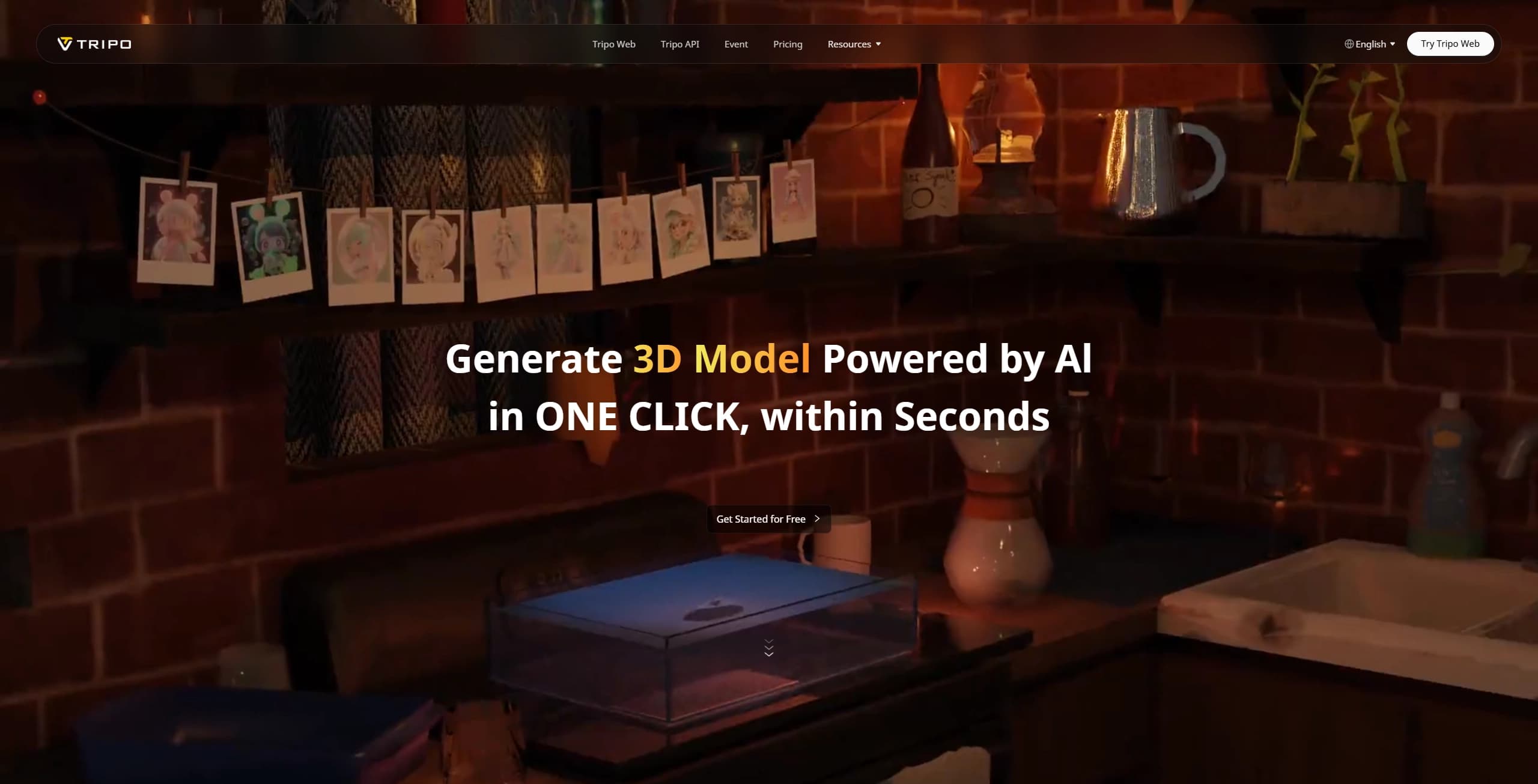

A tool for generating 3D models based on text descriptions, images, or sketches.
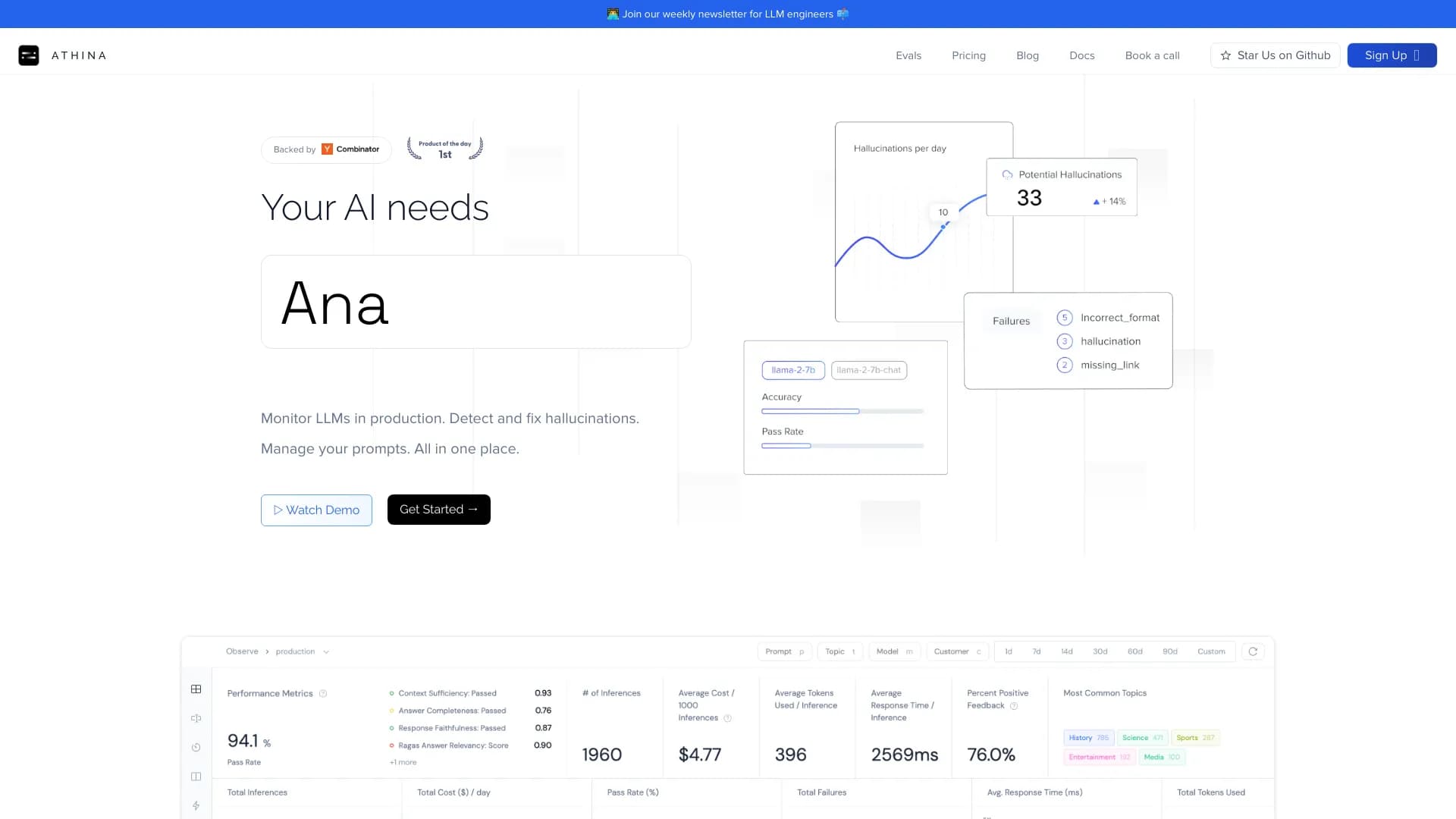

Platform for developing, monitoring, and evaluating AI applications based on large language models.
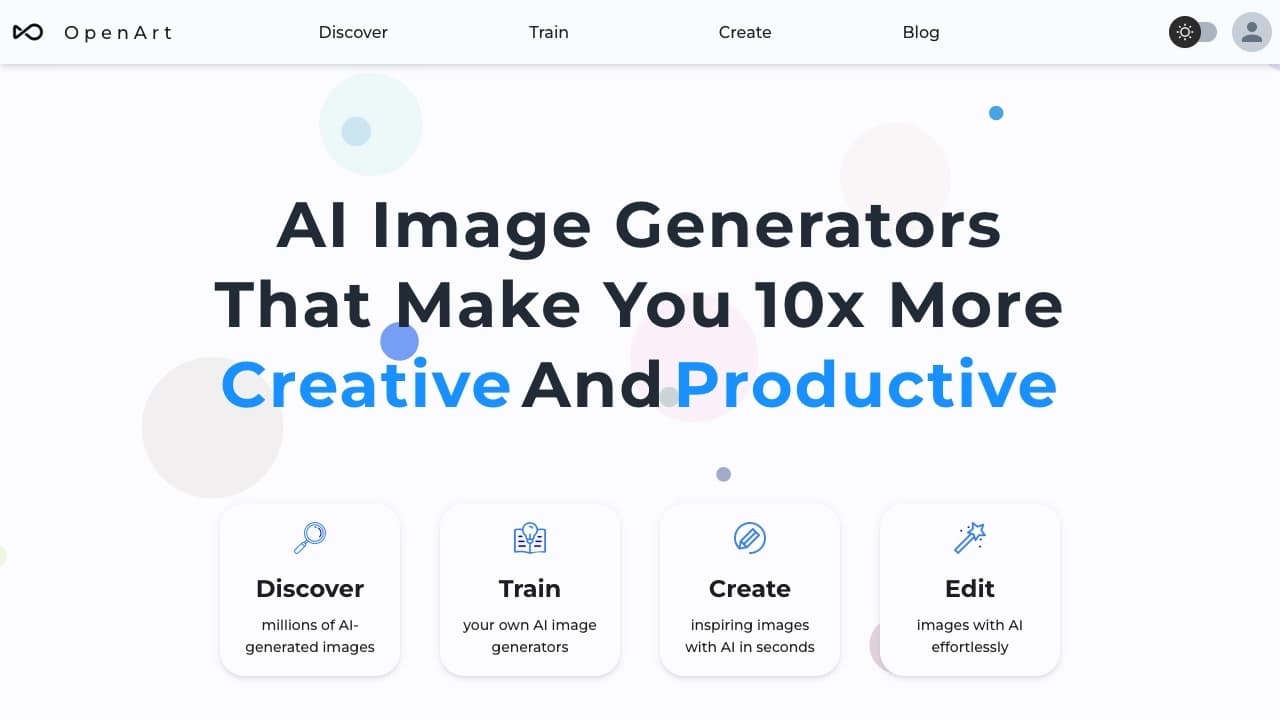

AI-powered platform for generating and editing images and videos.
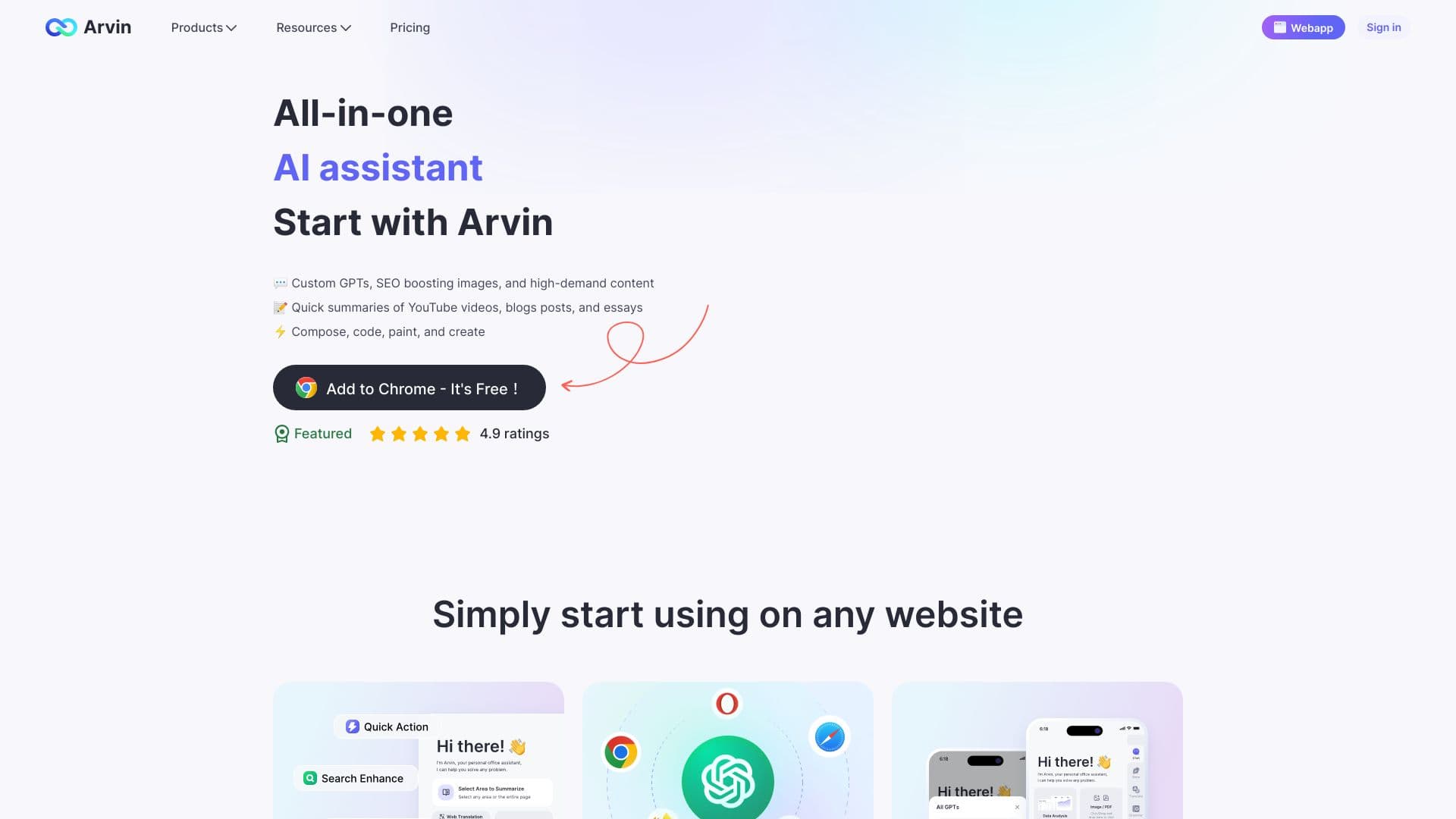
Browser extension and web service with AI assistant features: answering queries, summarizing videos and documents, and translating text.
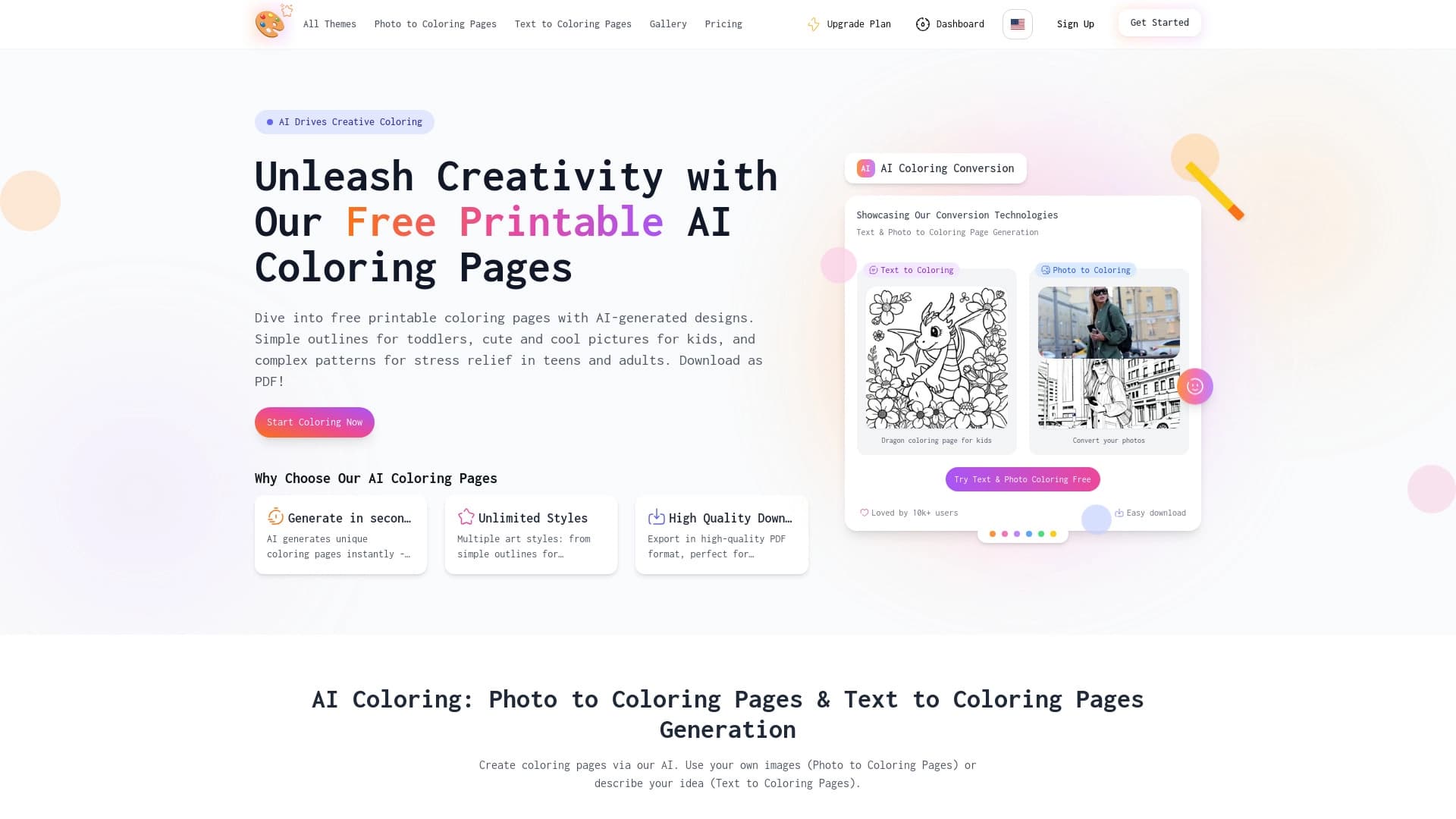

AI-powered coloring book generator that creates pages from text descriptions or uploaded images.

AI-powered tool for generating character images and avatars.