

Apixio
AI platform for healthcare that analyzes medical data and automates administrative processes.

Overview
Apixio is a specialized AI platform designed to work with medical data. It helps insurance companies, hospitals, and clinics automate routine administrative processes, analyze patient information, and make more informed decisions. The system transforms scattered medical records into structured data that can be used for risk assessment, claims verification, and optimizing patient care.
In essence, Apixio takes on a significant portion of the "paperwork": instead of manually reviewing thousands of pages of patient histories, staff receive ready-made analytical summaries and recommendations. The platform works online and is aimed at the professional medical community, not individual users.
Apixio Characteristics
| Characteristic | Value |
|---|---|
| Type | AI platform for healthcare |
| Categories | Healthcare tools, Data analysis tools |
| Developer | Apixio |
| Website | Yes, the service is available online |
| Monthly visits | 38.7K |
| Distribution model | Not specified |
| Interface languages | Not specified |
| Regions | Not specified |
Who is Apixio suitable for?
Insurance companies
The main target audience of the platform is insurers. Apixio helps them verify the validity of claims, identify errors and fraudulent applications, and more accurately calculate risks when insuring patients. The system automates the analysis of large volumes of medical documentation, saving employees time.
Hospitals and clinics
Medical institutions can use the platform to sort and analyze patient histories, monitor treatment quality, and reduce the administrative burden on staff. This allows doctors to spend more time with patients rather than filling out paperwork.
Organizations implementing AI in medicine
Apixio will be useful for any organization that wants to automate healthcare processes and gain analytical tools for decision-making. It is a niche product for professionals working with large volumes of health data.
How to use Apixio?
Step 1: Registration and system access
To work with the platform, you need to register on the official service website. After registration, access to the online interface opens, through which all interaction with the system takes place.
Step 2: Uploading medical data
The organization (insurance company or clinic) uploads patient medical histories into the system. These can be electronic medical records, discharge summaries, test results, and other documents. This data becomes the basis for further analysis.
Step 3: Analysis and working with results
The neural network processes the uploaded data: sorts it, finds errors and inconsistencies, assesses risks for each patient, and generates recommendations. Organization employees receive ready-made results without spending time on manual document review.
Key Features of Apixio
Working with medical data
The platform accepts and processes large volumes of medical information, structuring it for further use. The system can work with medical histories, automatically categorizing them and highlighting key indicators.
Risk analysis and adjustment
Apixio assesses patient conditions, identifies potential health risks, and helps adjust insurance programs or treatment plans. The system suggests which aspects deserve attention.
Claims verification and optimization
One of the key functions is controlling insurance payouts. The neural network checks the validity of claims, catches errors, and helps distribute funds fairly, eliminating overpayments and unjustified denials.
Automatic sorting and analysis of medical histories
The system handles routine work: sorts records, cross-references data from different sources, and highlights important details that might be missed during manual review.
Advantages of Apixio
More accurate calculations for insurance payouts
Through automated analysis, the system reduces the number of errors in payout calculations. It helps distribute money fairly by identifying discrepancies and verifying data accuracy.
Faster medical processes
Apixio significantly reduces time spent on administrative operations. The neural network sorts data, processes requests, and performs standard operations on its own, freeing up staff for more important tasks.
Better patient care quality
AI helps avoid missing important details: it analyzes the full picture of a patient's condition, suggests potential risks, and helps choose a more informed treatment plan. This is especially useful when working with complex cases.
Disadvantages of Apixio
Difficulty interpreting results
The neural network's work is not always transparent, even for experienced doctors. The logic behind AI decision-making can be hard to understand, and it is not always obvious to specialists how the system arrived at specific conclusions.
Dependence on data quality
The accuracy of the analysis directly depends on the data uploaded to the system. Incomplete, outdated, or unstructured records can lead to errors in conclusions and recommendations.
Privacy risks
Like any system working with confidential medical information, Apixio is potentially vulnerable to leaks. Poor access protection or weak security infrastructure could lead to the compromise of patient data.
What tasks does Apixio solve?
Sorting and analyzing large volumes of patient information
The system automatically processes thousands of documents and records, structuring them and extracting the needed data. This frees staff from tedious manual work.
Risk assessment and adjustment
Apixio helps determine the level of risk for each patient, identify factors affecting health status, and adjust insurance or treatment programs.
Claims verification and optimization
The platform analyzes payout claims, checks their validity, finds errors, and prevents financial losses from fraudulent or incorrect requests.
Automating routine tasks for doctors and administrators
The tool removes part of the bureaucratic burden from medical staff, allowing them to focus on direct patient care and strategic decision-making.
Apixio Pricing
The platform offers three pricing plans:
Basic plan
A free option that provides access to core medical data management features. Suitable for getting familiar with the system and small workloads.
Advanced plan
Available at a monthly subscription fee. Includes enhanced analytics and expanded automation capabilities. Designed for organizations that need deeper analysis tools.
Professional plan
Available at a higher monthly subscription fee. Provides a full range of tools for optimizing insurance payments and managing patient care. Aimed at large organizations with significant data volumes.
Terms of Use for Apixio
Registration on the service website is required to get started. After creating an account, the user gains access to the platform interface. Uploading medical data — patient medical histories and related documents — is necessary for the system to function. Without data, the system cannot work, since all analytics are based on processing it.
No special conditions, such as the need to install additional software, are specified — all operations are performed through the web interface.
Apixio Availability
The service is available online through the developer's official website. All you need is a browser and internet access. Information about supported interface languages and the regions where the service officially operates is currently not disclosed. There is also no mention of any need to use a VPN or other special access tools.
How Apixio differs from alternatives
Narrow specialization in healthcare
Unlike general-purpose AI platforms (such as Perplexity AI or Polymer), Apixio is fully tailored to the medical field. It works only with health data and solves tasks specific to insurance companies and medical institutions. This allows for deeper development of industry-specific scenarios.
Focus on administrative and insurance processes
Many AI tools working in medicine are aimed at diagnostics or treatment recommendations. Apixio focuses on the administrative side: claims verification, risk assessment, and documentation sorting. This sets it apart from products oriented toward clinical tasks.
Comprehensive approach
Instead of solving a single task (for example, only text generation or only data analysis), Apixio combines several functions: analysis, automation, and administration. Capabilities that competitors often distribute across different products are gathered in one tool.
Conclusion
Apixio is a highly specialized AI platform for healthcare, focused on automating medical data analysis, risk assessment, and insurance claims verification. Its main audience is insurance companies, hospitals, and clinics looking to optimize administrative processes. The tool genuinely simplifies routine work and provides useful analytical data, but it has limitations: the difficulty of interpreting AI logic, the direct dependence of results on the quality of source data, and potential privacy risks. Apixio is a rational solution for organizations ready to implement AI in their operational processes, but it requires careful attention to security and data quality issues.
Frequently asked questions
See also
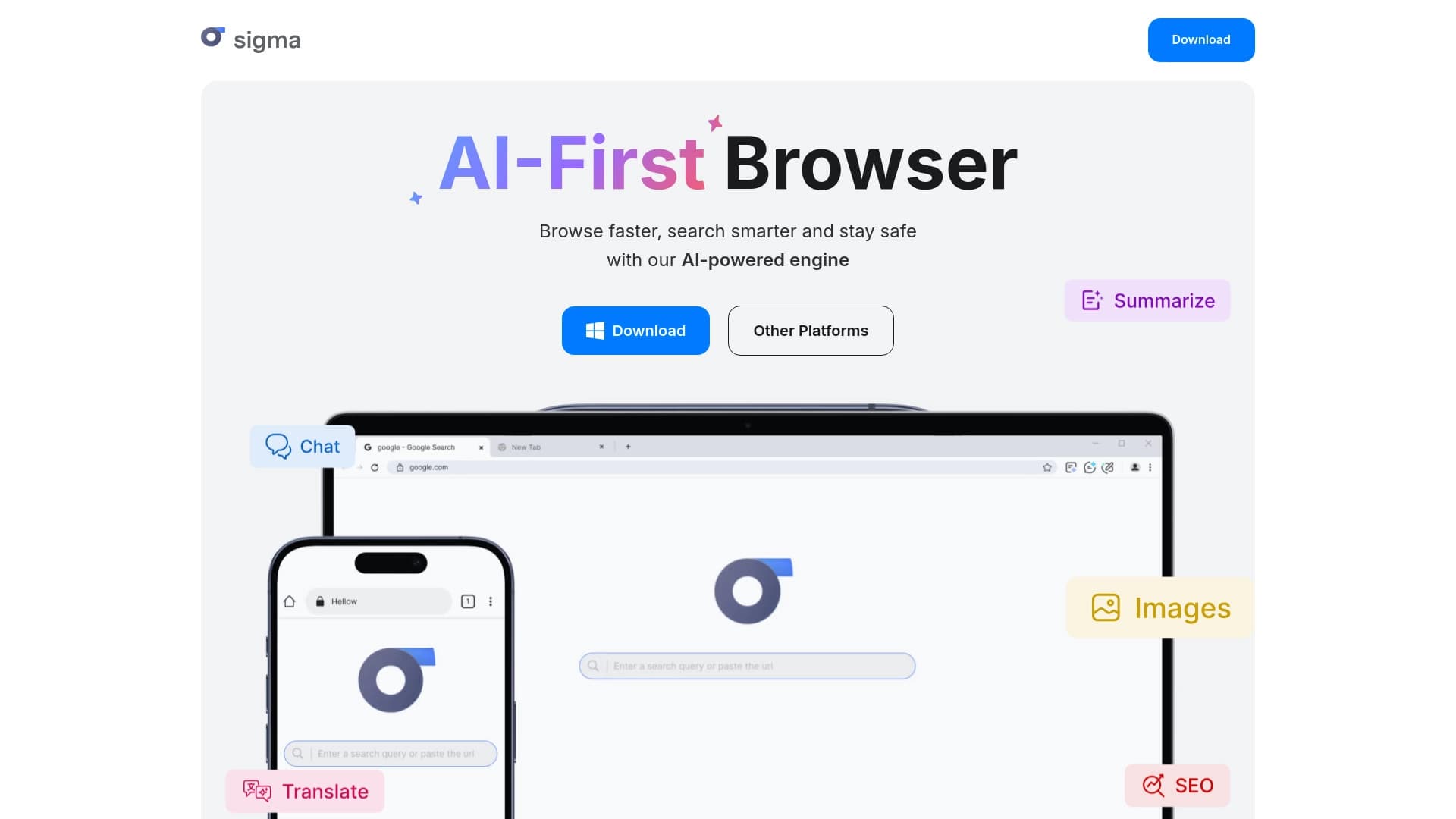

A browser with built-in AI tools for chatting with neural networks, generating texts and images, translating and summarizing pages.

Platform for creating custom AI chats trained on your own business data.


Chrome extension that helps manage tabs, history, and bookmarks with an AI assistant.
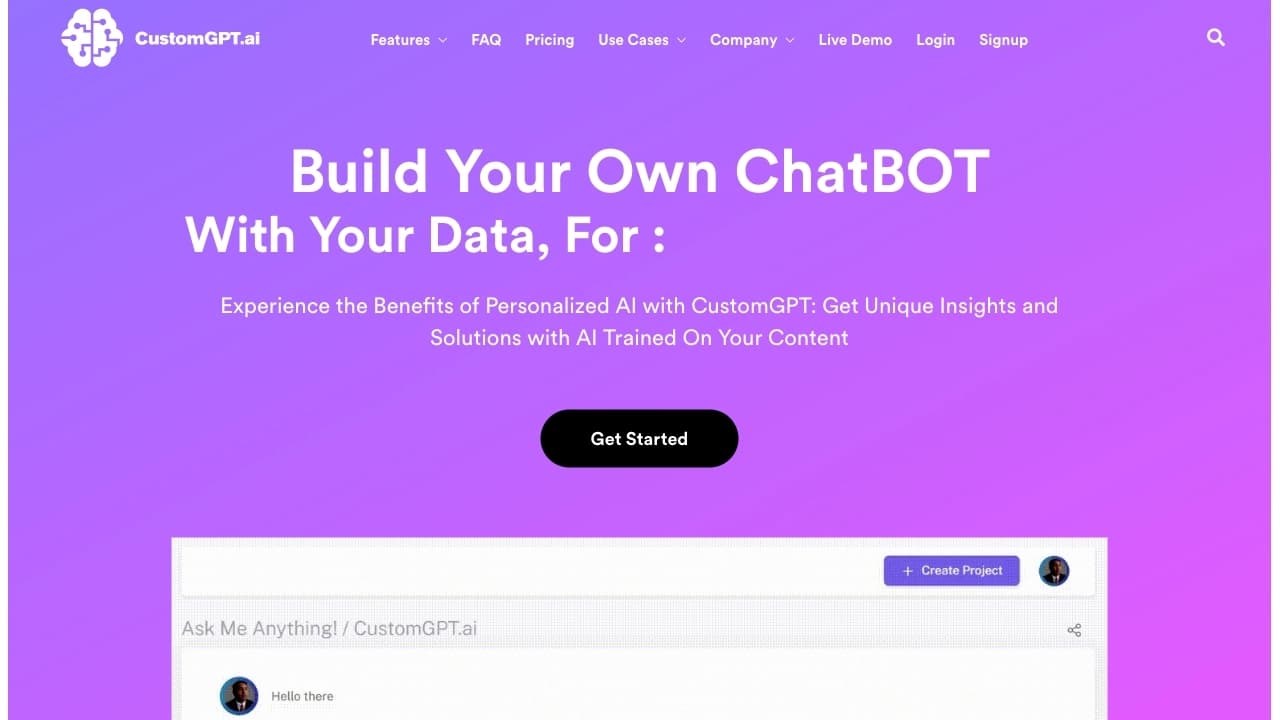

A platform for creating corporate chatbots based on your own documents without coding.
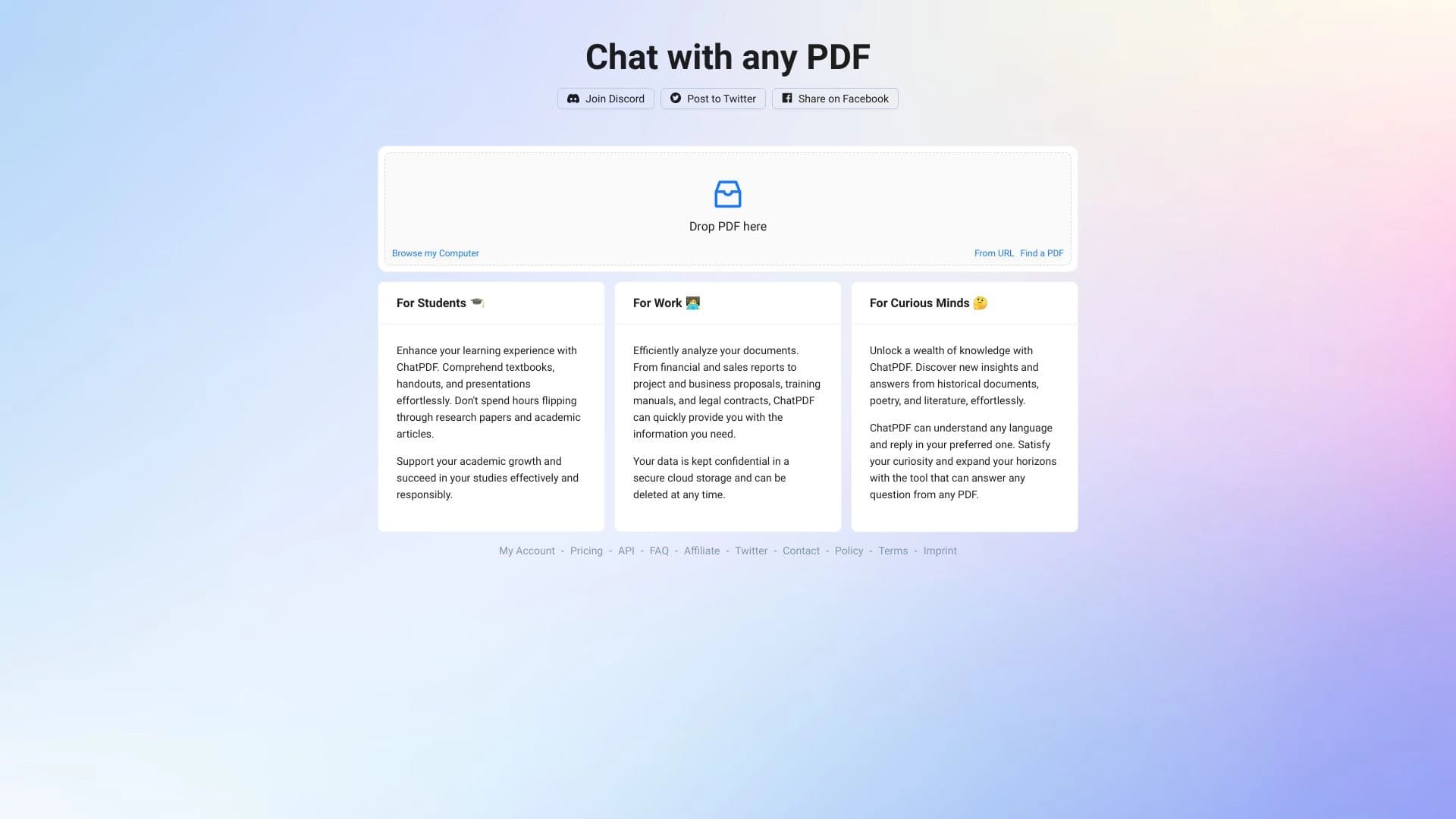
An online service that lets you chat with PDF documents: ask questions and get concise answers with source attribution.


Service for quickly generating e-books on a given topic.
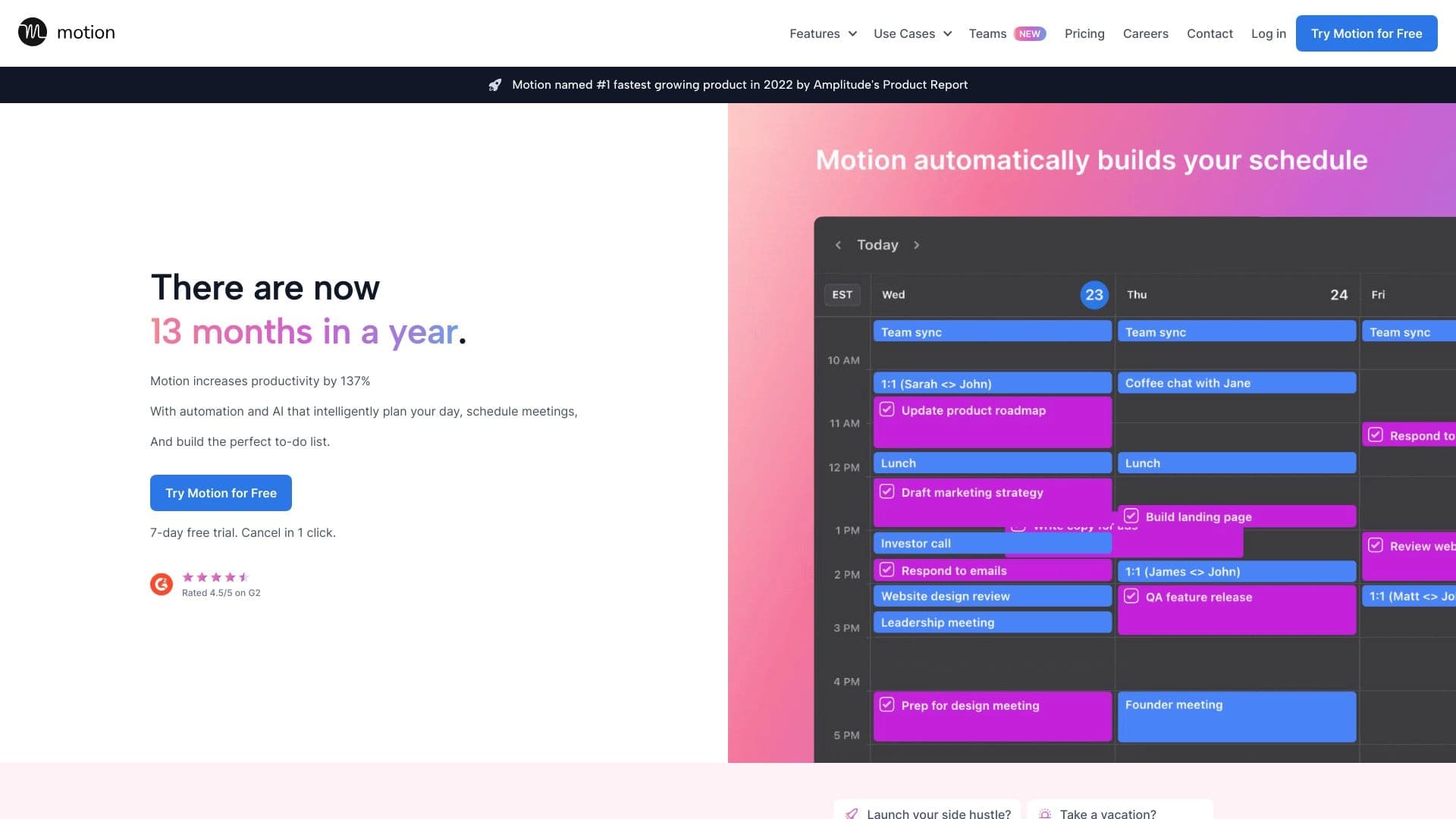

AI platform for automatic workday planning, task management, and prioritization.

AI-based service for automatic generation of text content in various formats.